
Women Architects Redefining Contemporary Architecture
DATE
09.03.2026
In recent decades, a new generation of women architects has expanded the horizons of the discipline, introducing perspectives that connect architectural practice with social, environmental, and cultural issues. Their work not only responds to formal or technical challenges, but also proposes new ways of understanding the relationship between architecture, territory, and community. Through material research, participatory processes, and new ways of inhabiting space, these architects are helping to redefine the role of the profession in the contemporary world.
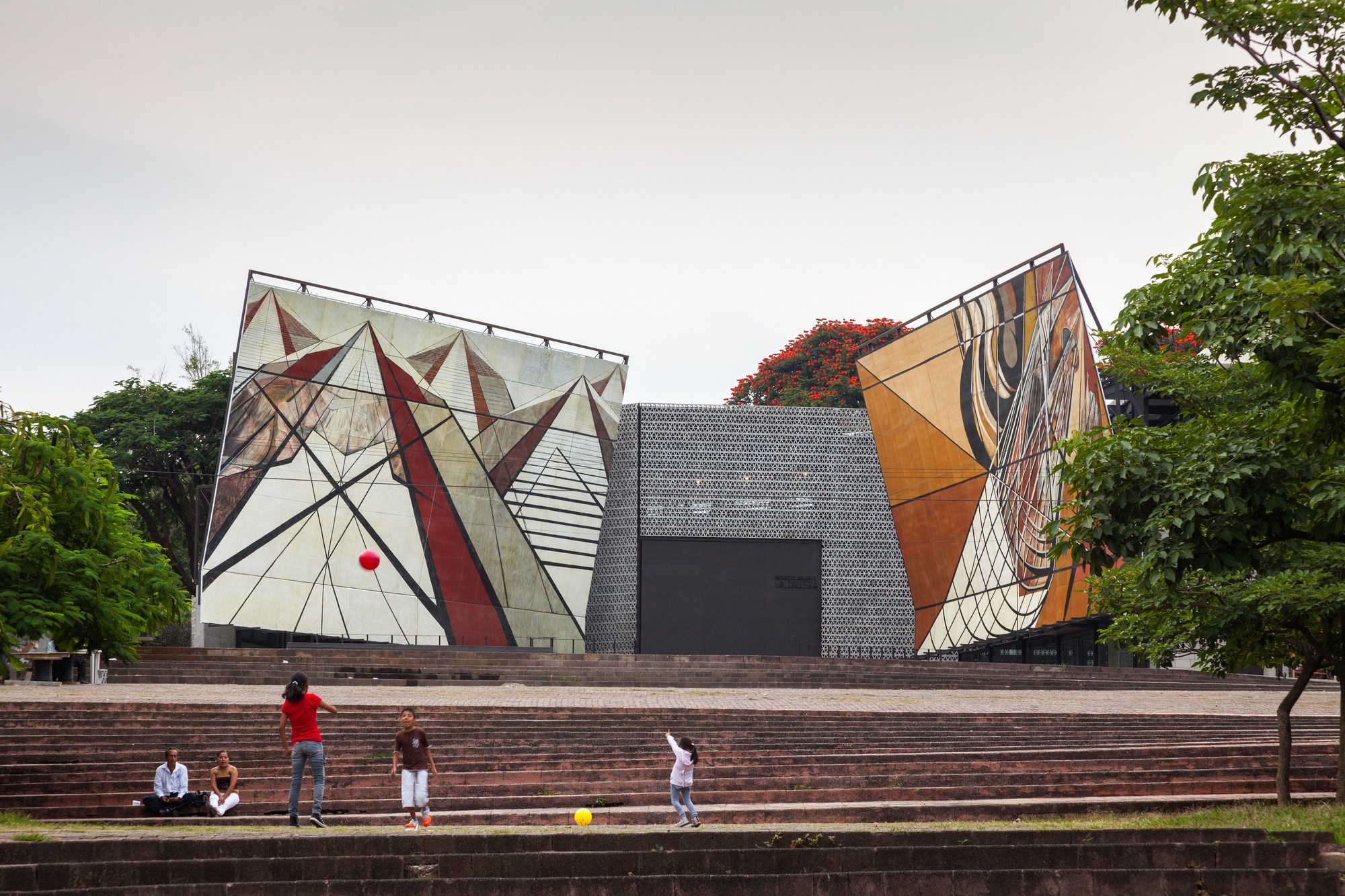
Tatiana Bilbao has developed an international career focused on exploring models of accessible housing and seeking architectural solutions that respond to complex social realities. Her work combines formal research with a strong sensitivity to context, proposing projects that approach housing as a tool capable of improving living conditions and strengthening the relationship between architecture and community.
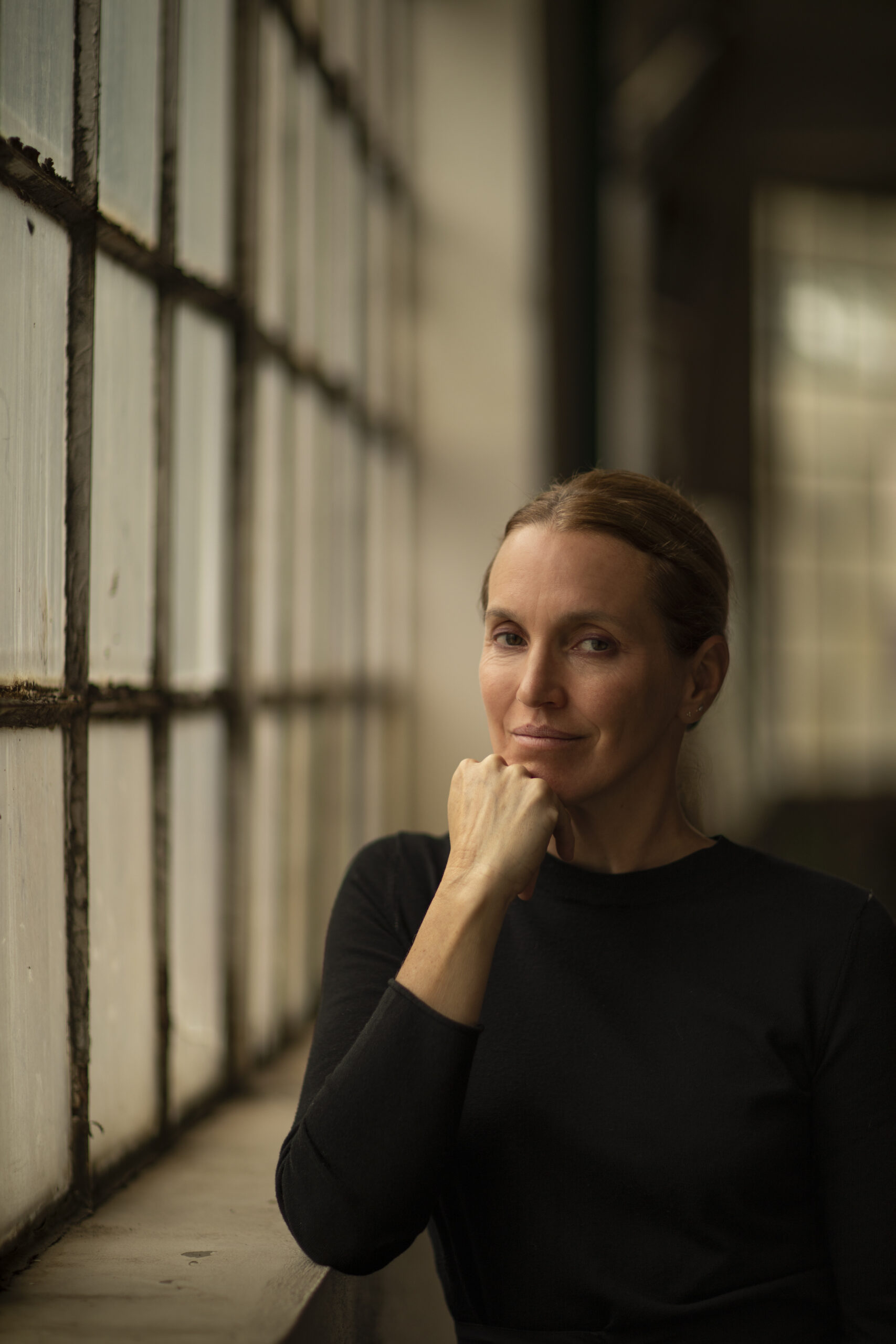
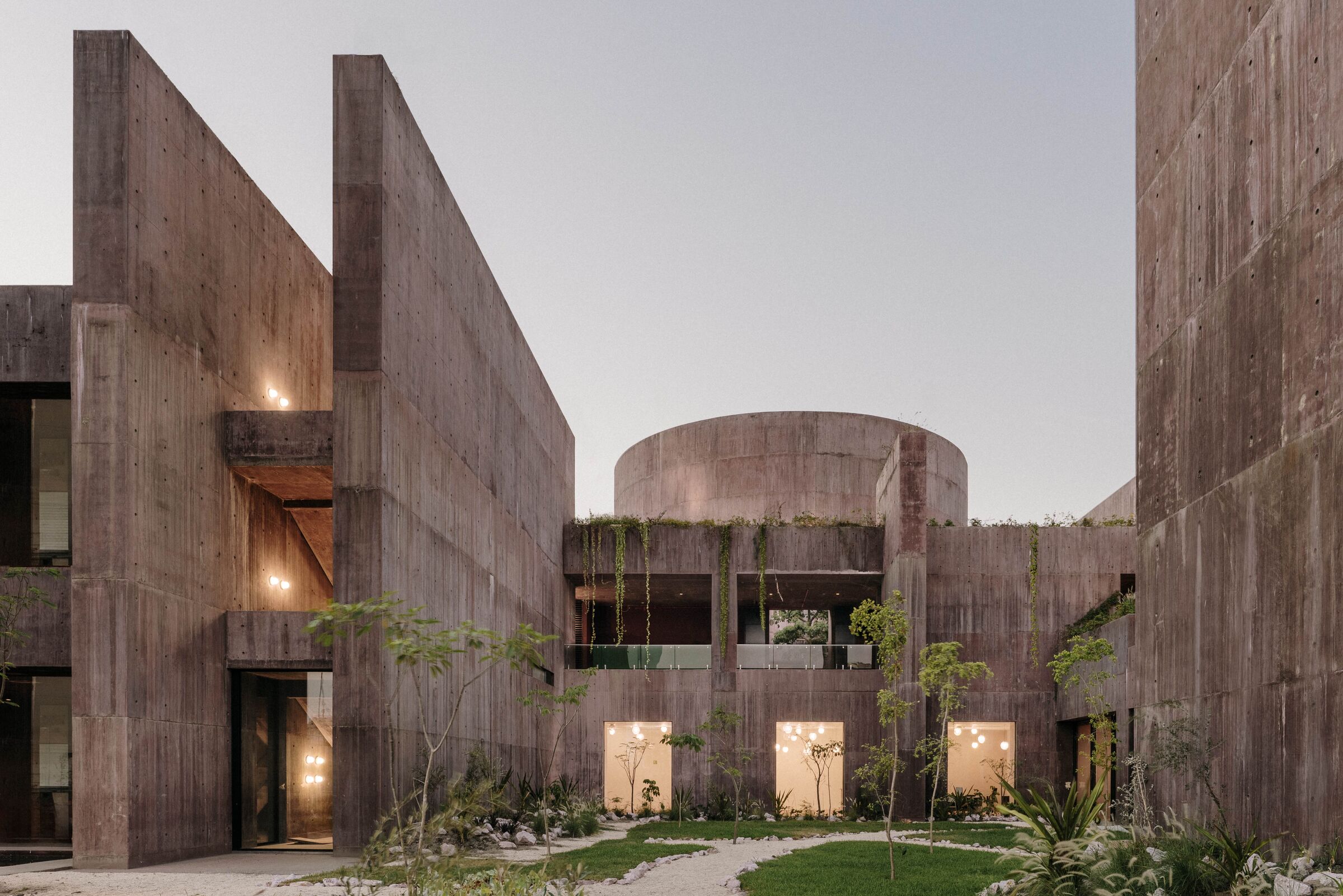
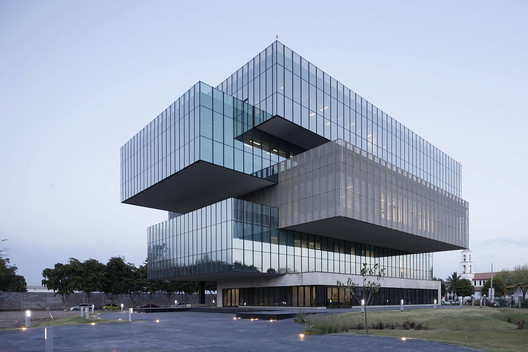
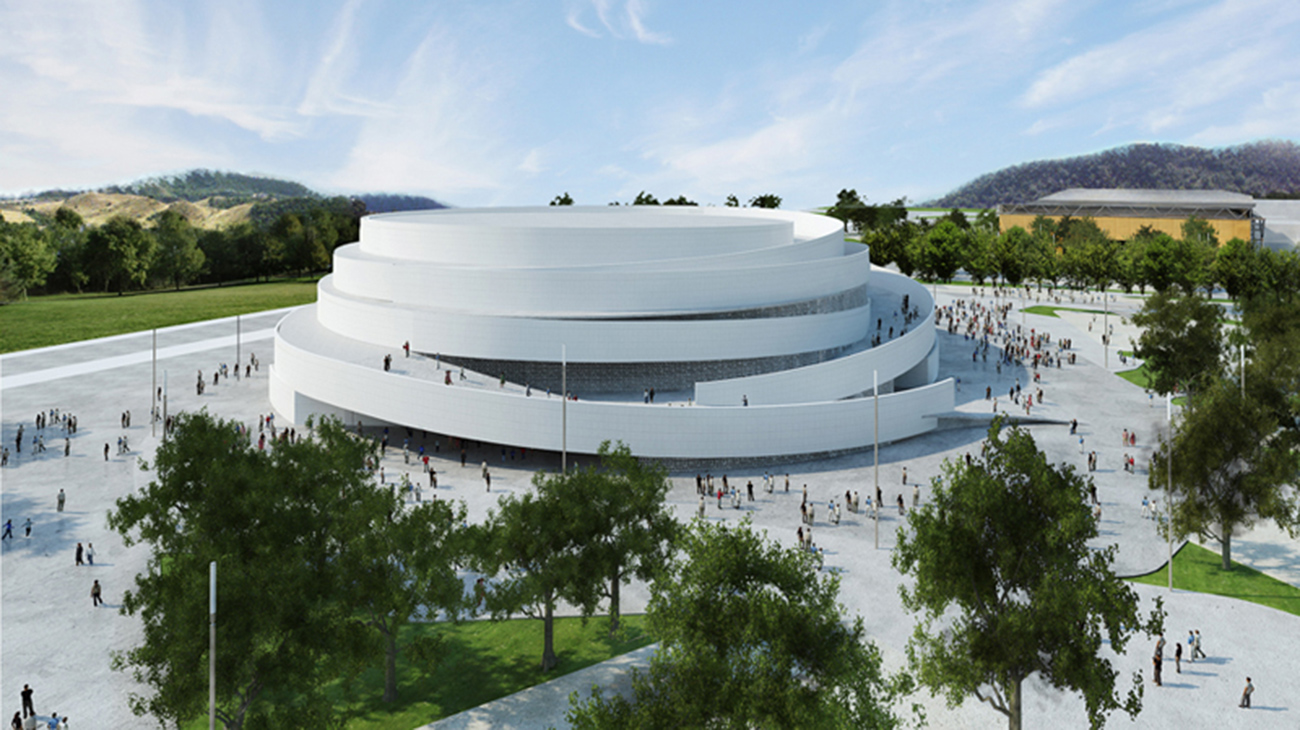
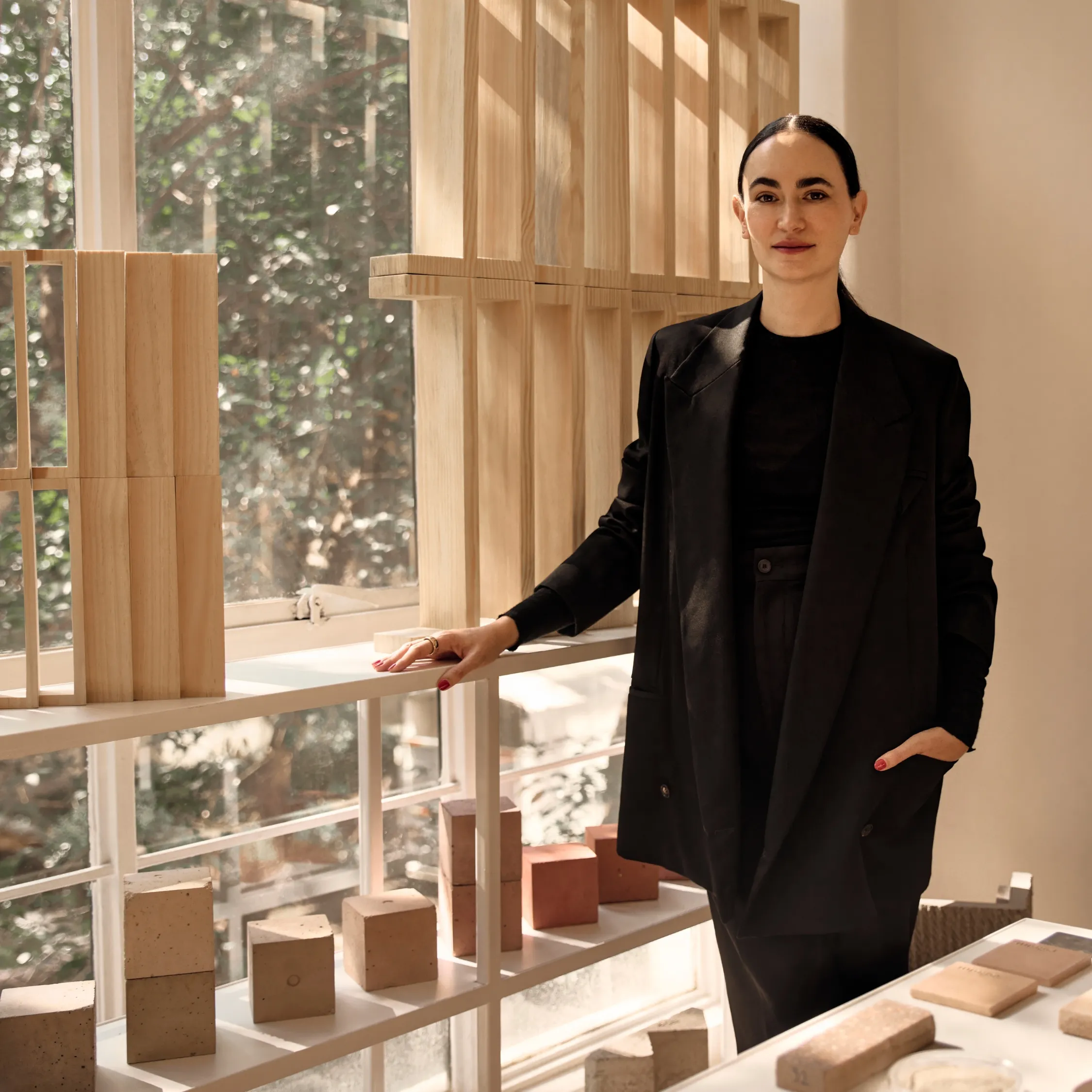
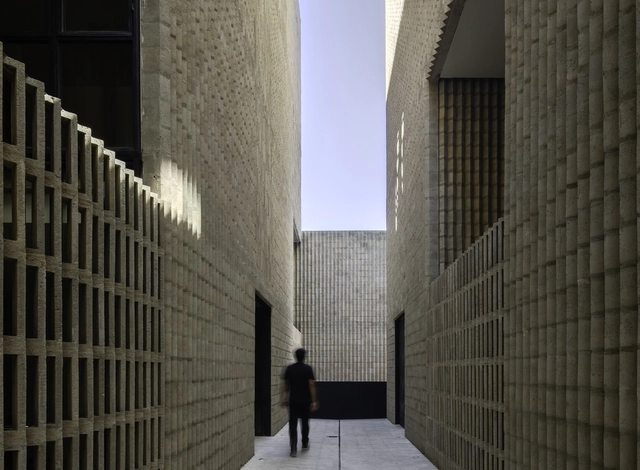
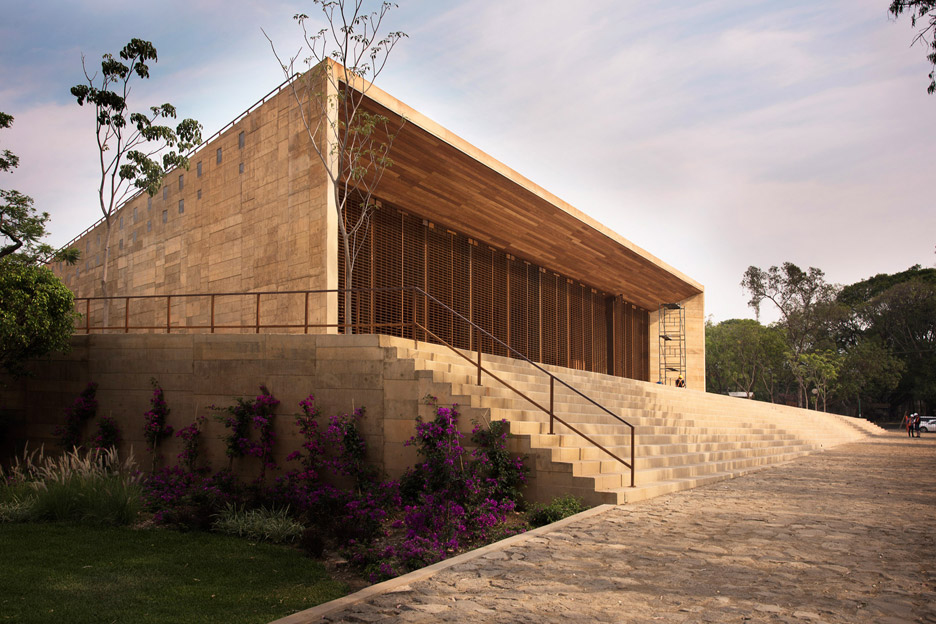
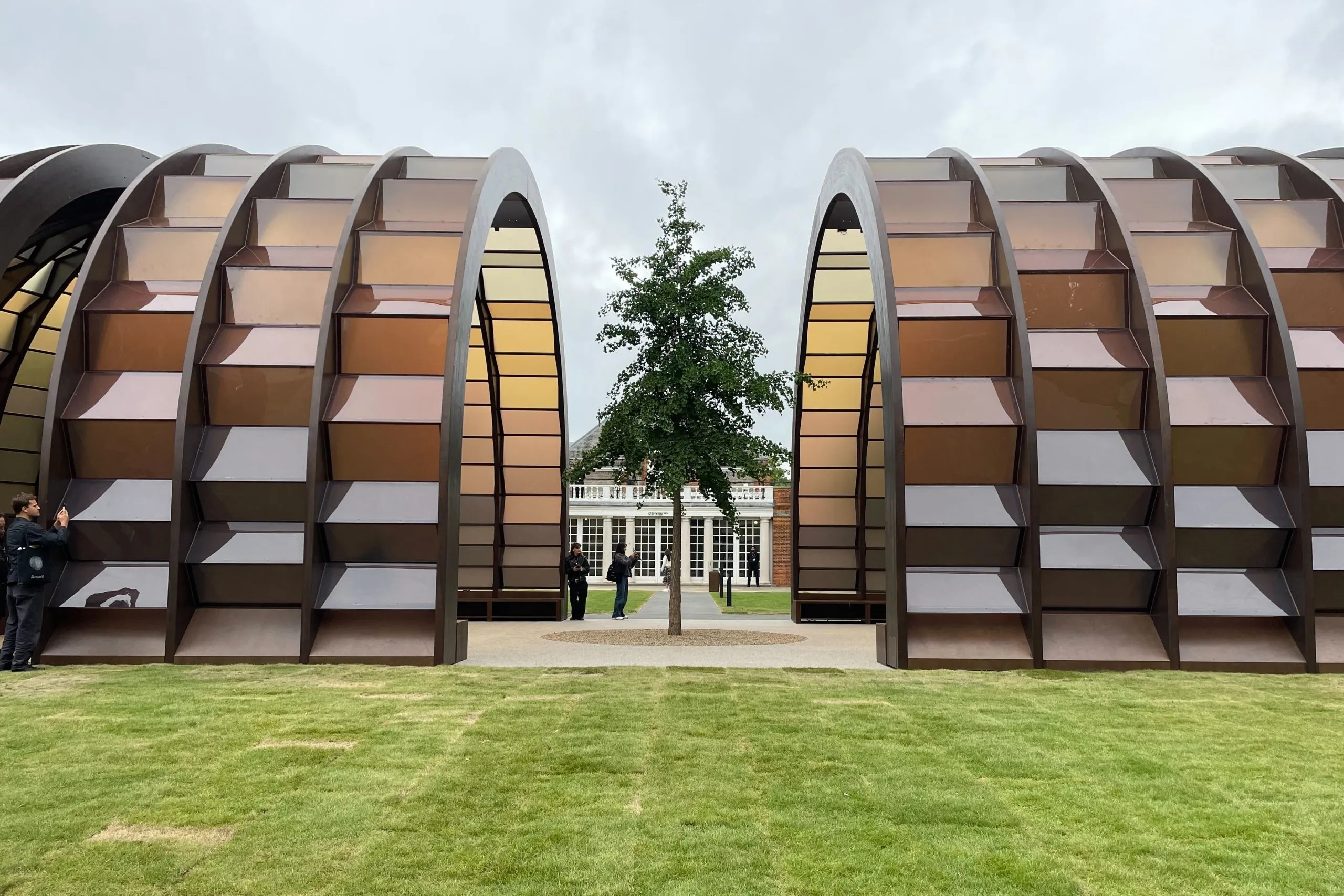
Frida Escobedo has explored the relationship between architecture, memory, and public space through a body of work that engages with the history and identity of the places where it is inserted. Her projects are characterized by a precise use of materiality, geometry, and light, investigating how architecture can reinterpret cultural traditions and generate new spatial experiences in a contemporary context.
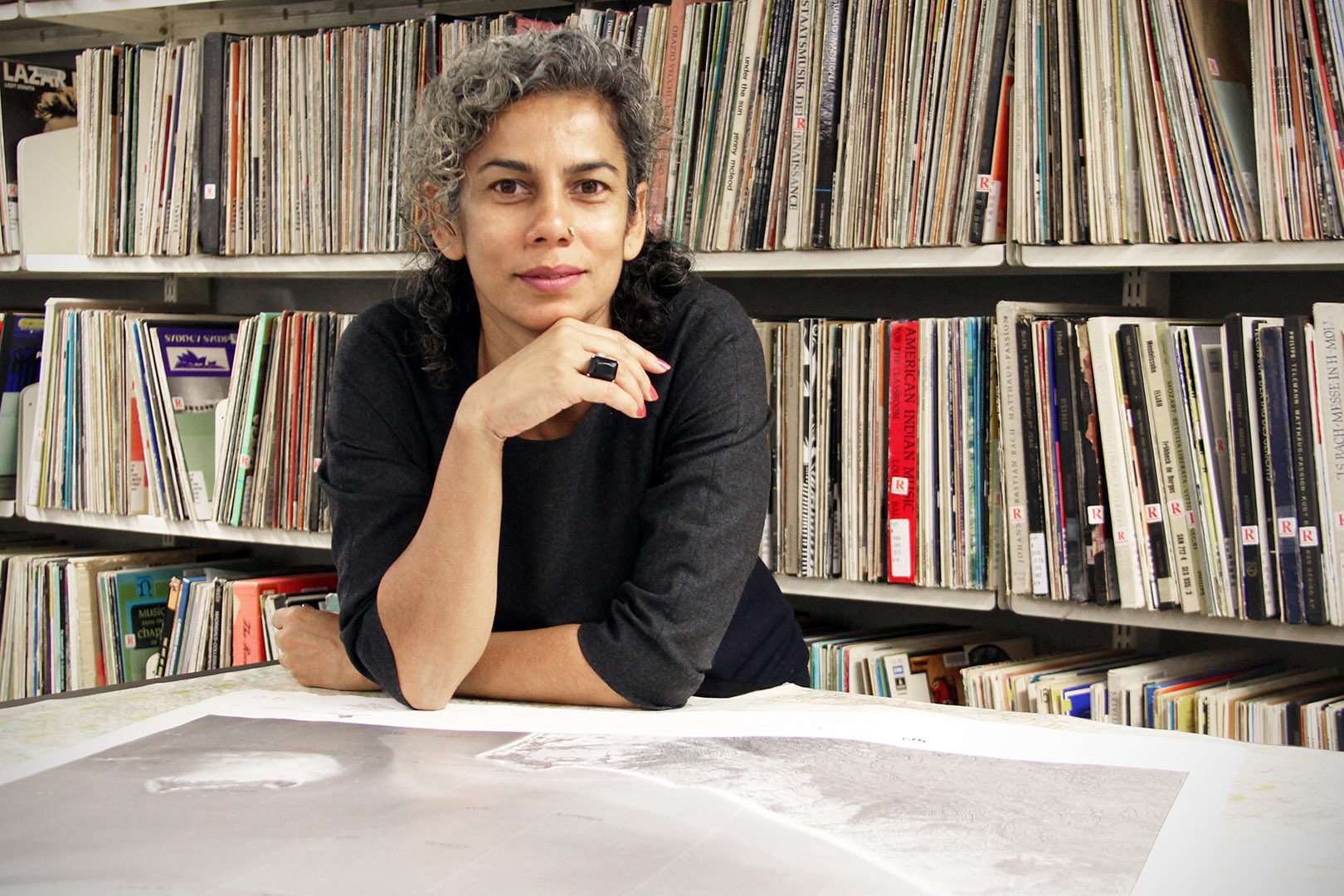
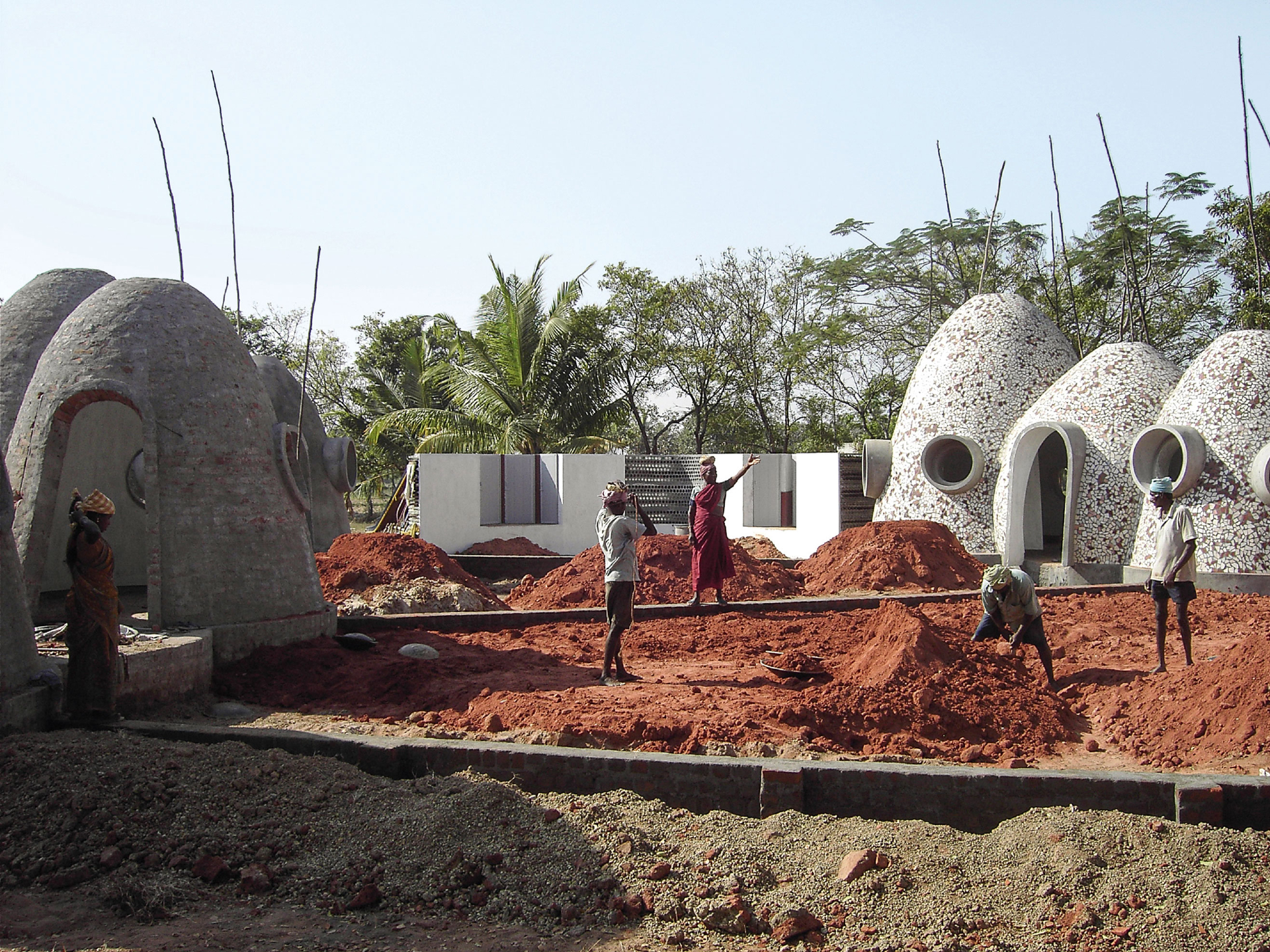
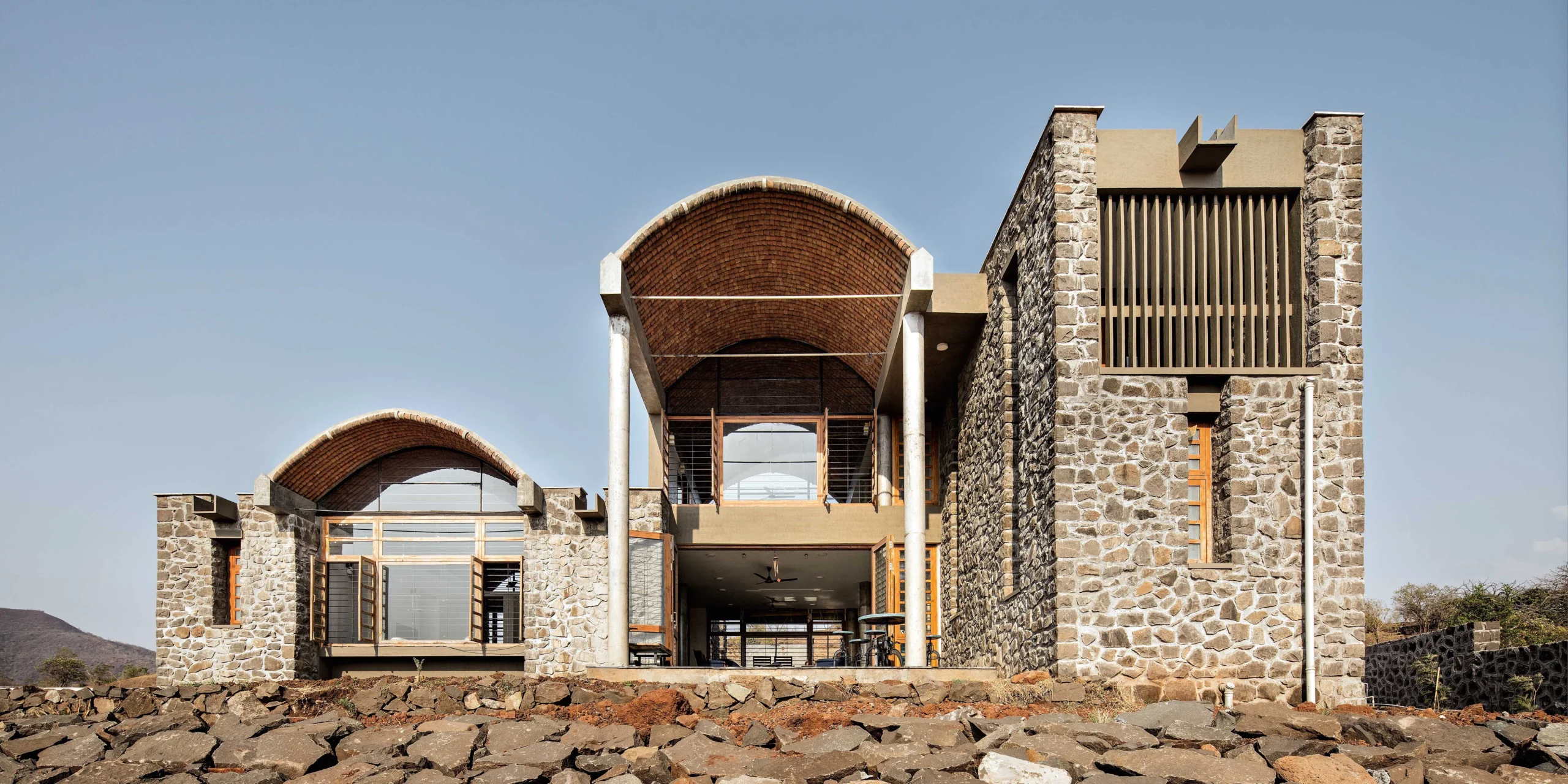
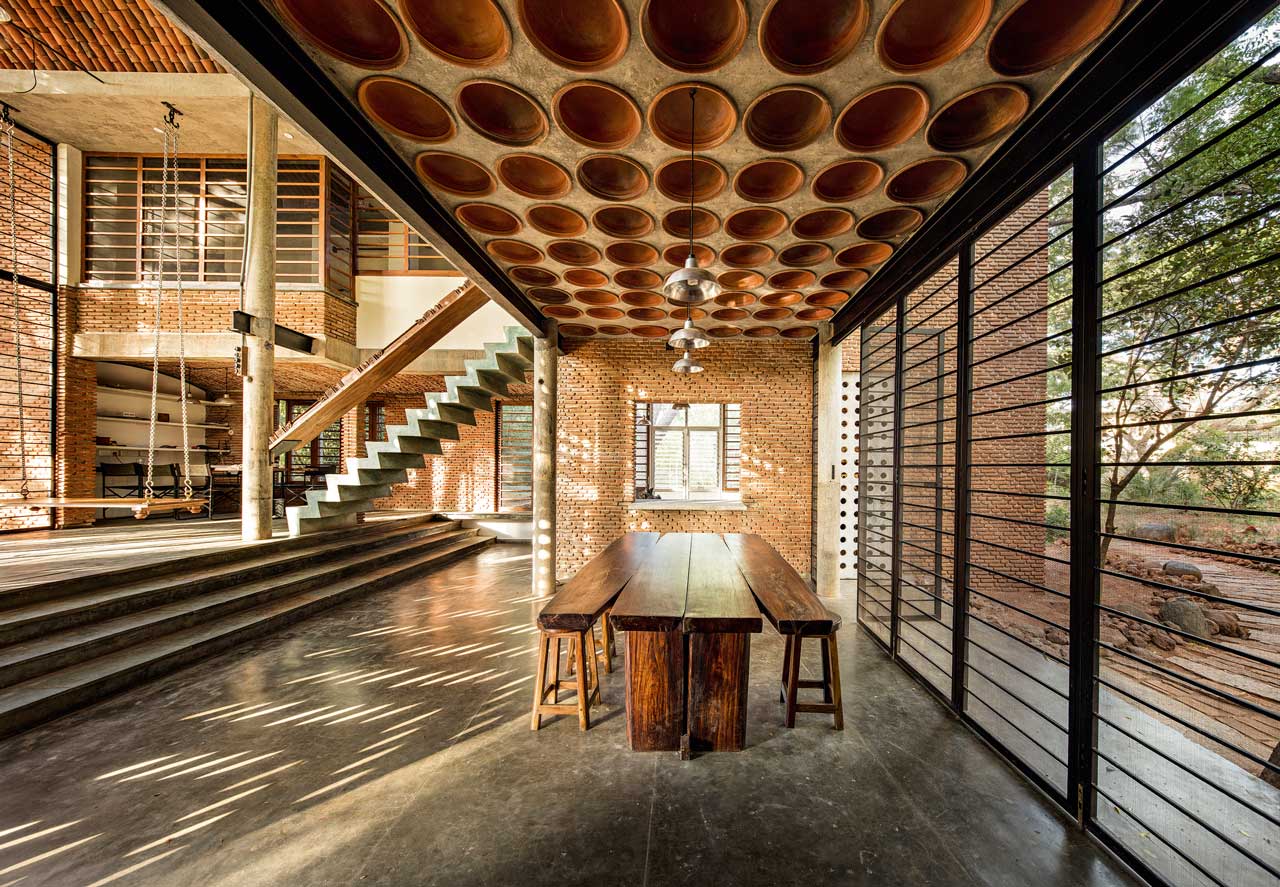
Anupama Kundoo focuses her research on materiality and construction processes, exploring how craft knowledge and local resources can be integrated into contemporary architecture. Her projects demonstrate that technological innovation can coexist with traditional techniques, generating sustainable construction models that respond to the social and environmental conditions of each context.
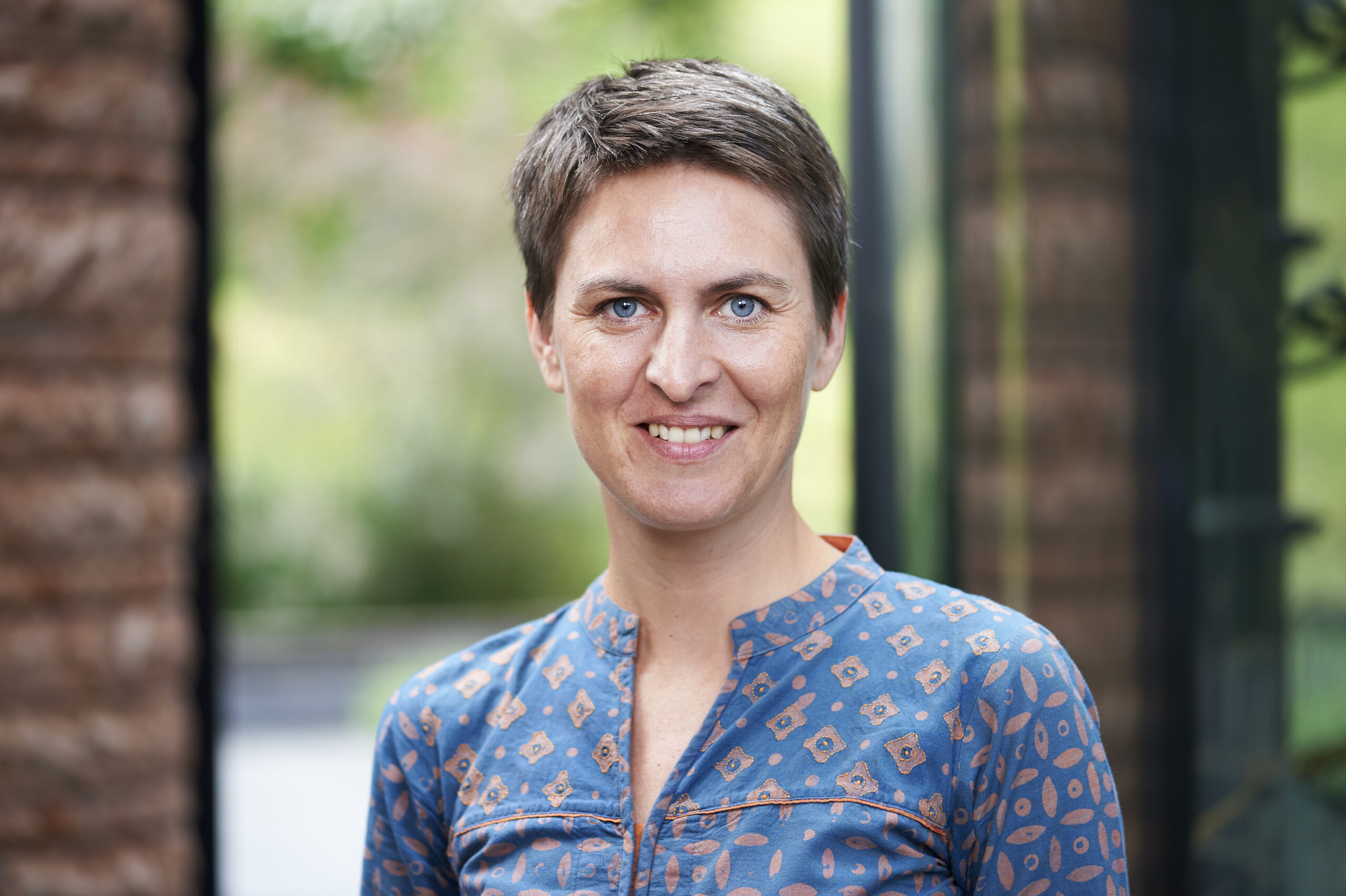
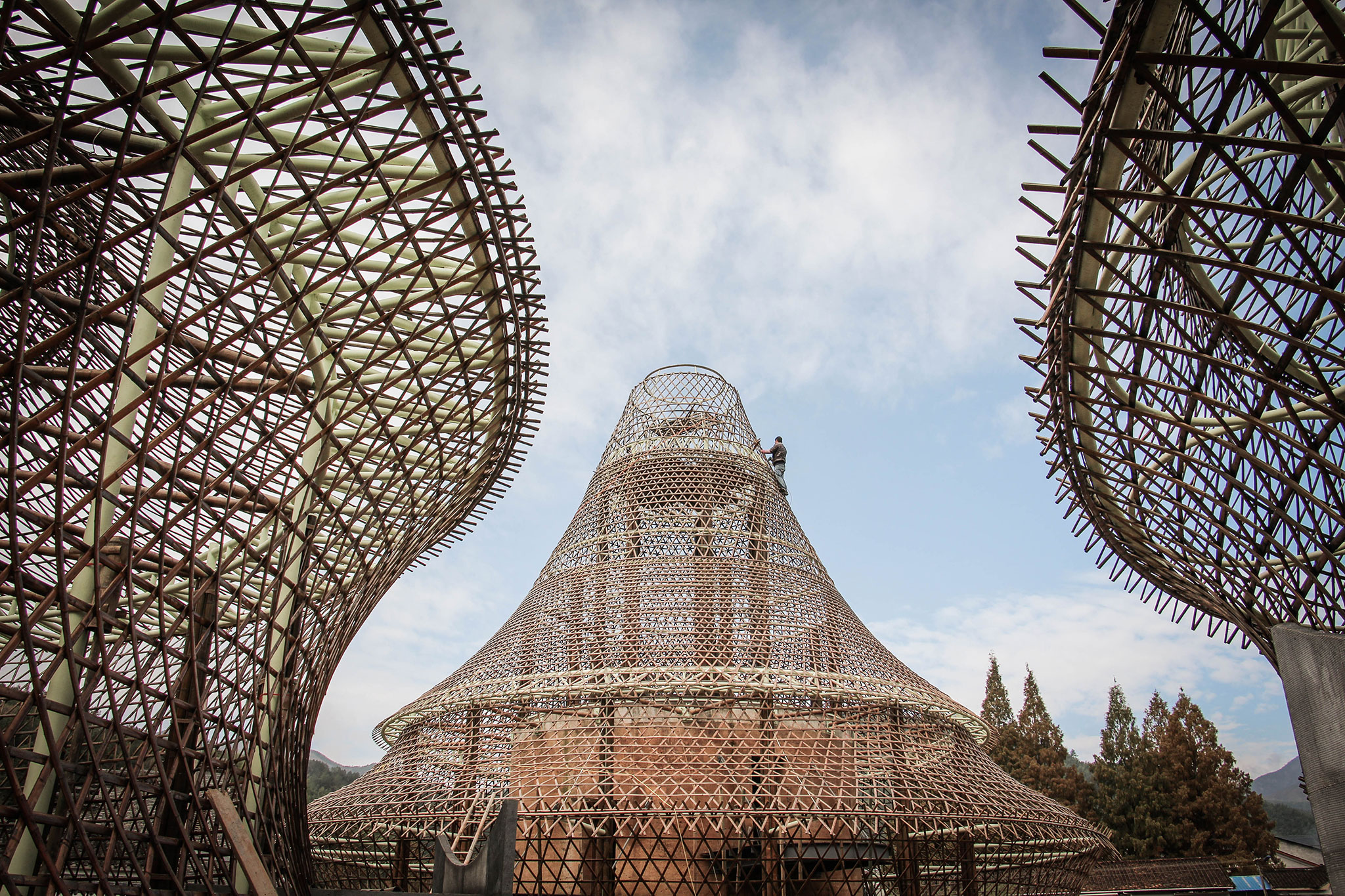
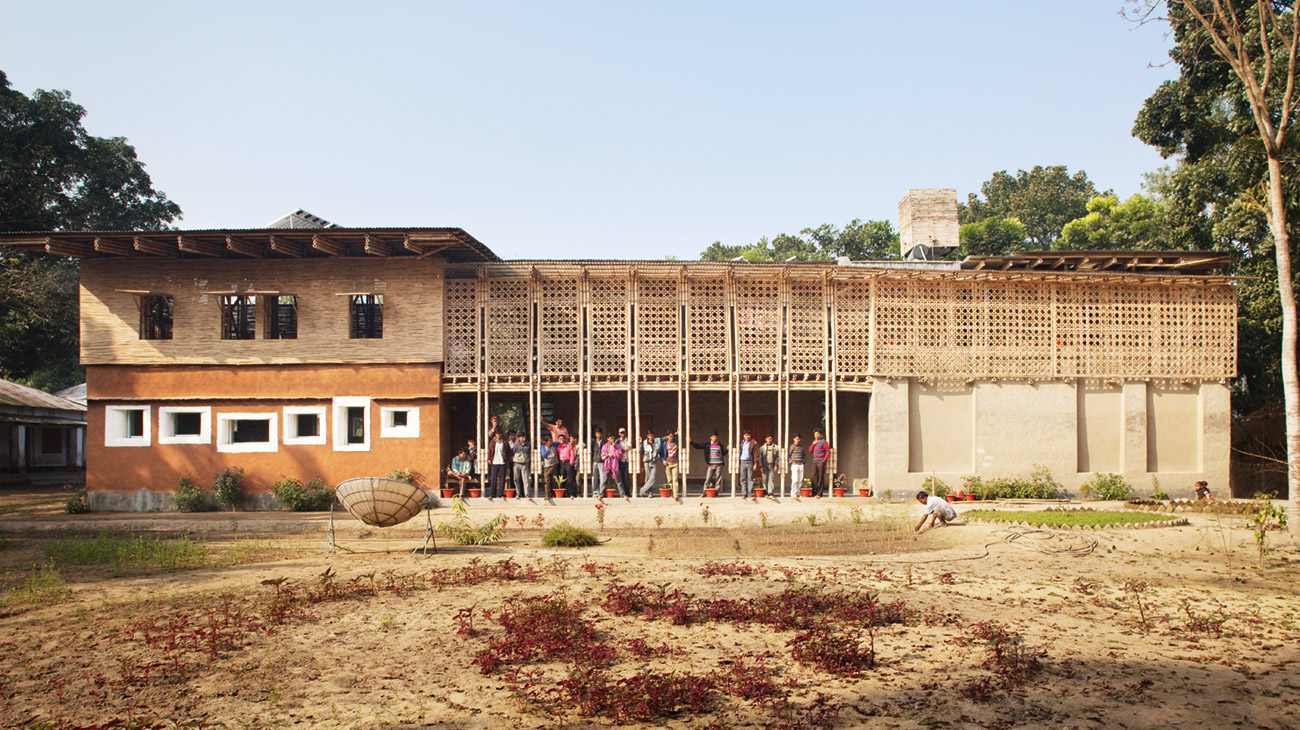
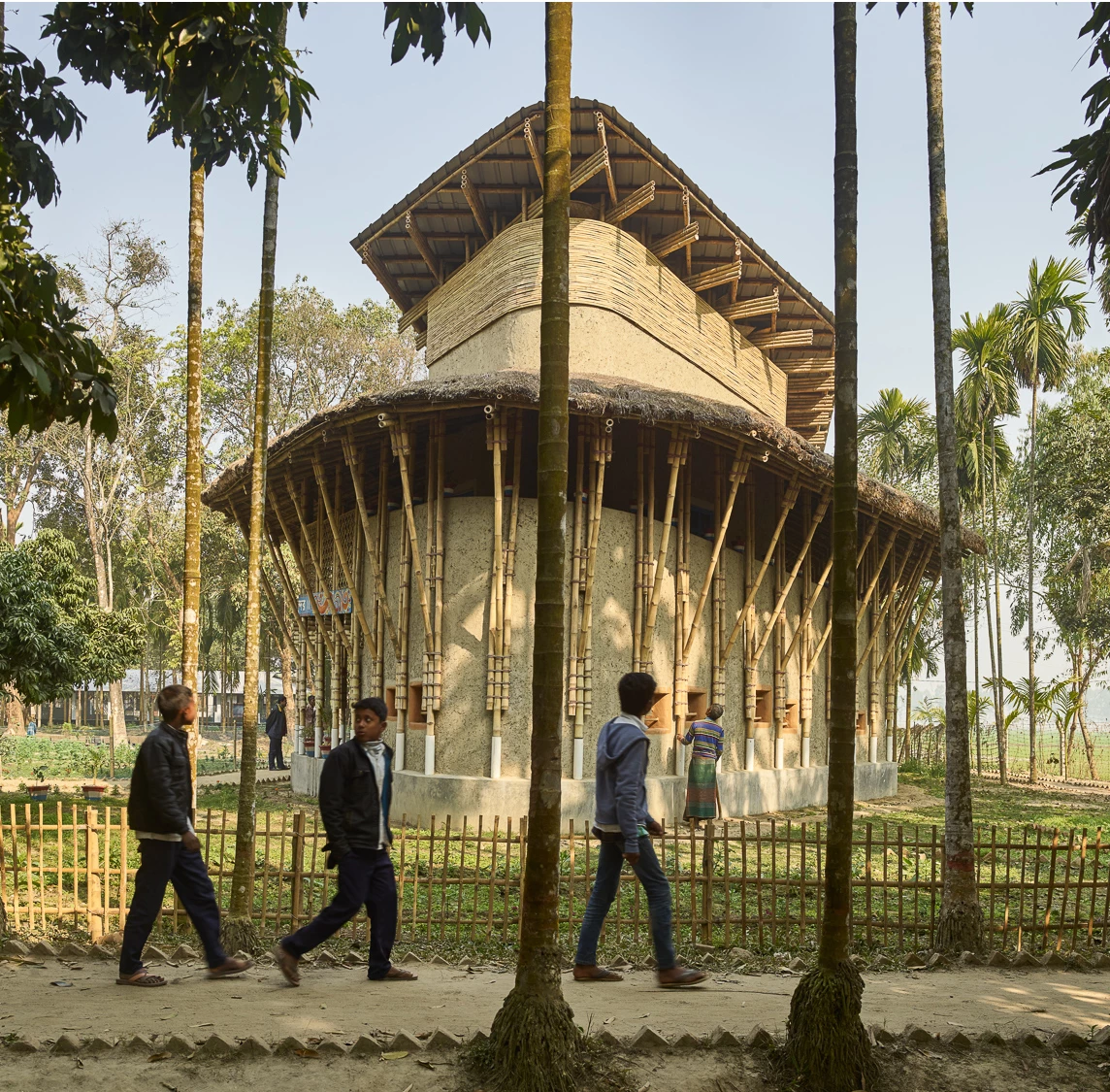
Anna Heringer has developed an architectural practice closely connected to the use of natural materials and the participation of local communities in construction processes. Through the reinterpretation of traditional techniques, her work proposes an architecture that emerges from the territory and from the people who inhabit it, promoting development models that are both more sustainable and socially engaged.
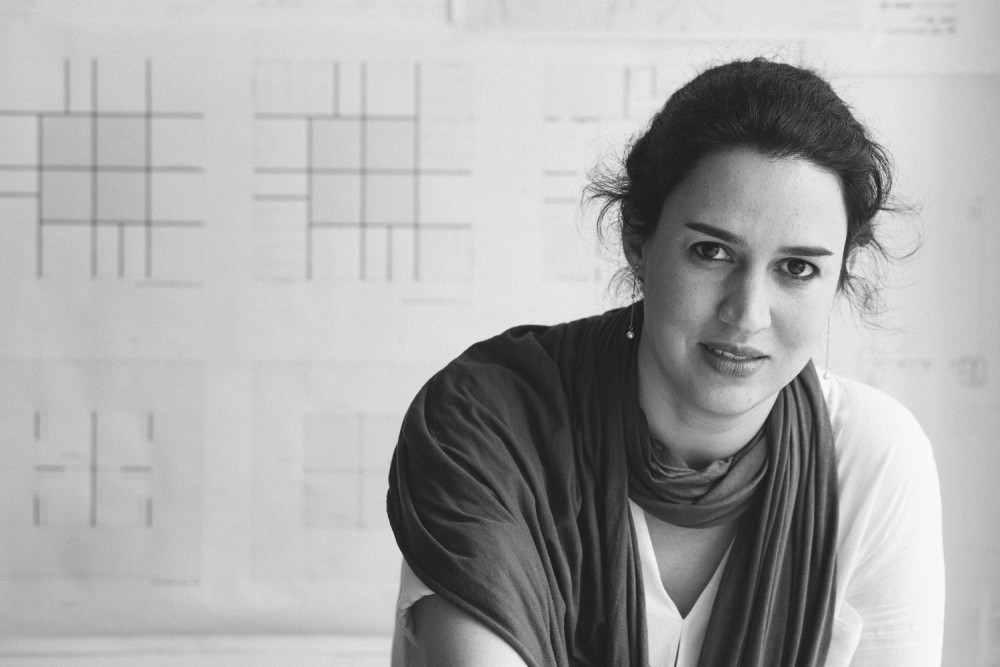
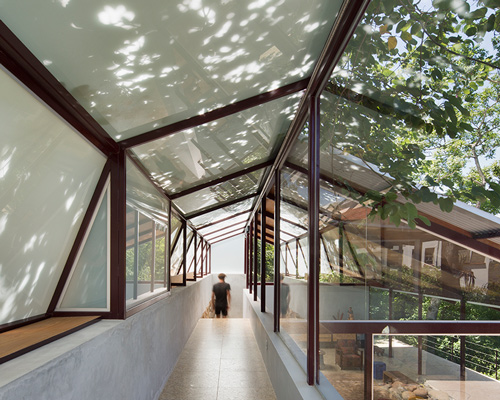
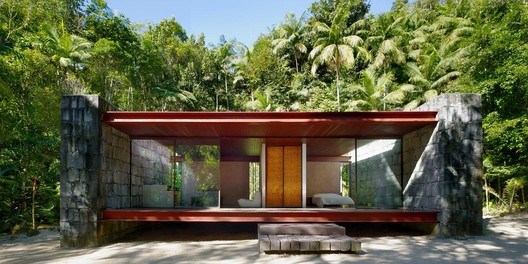
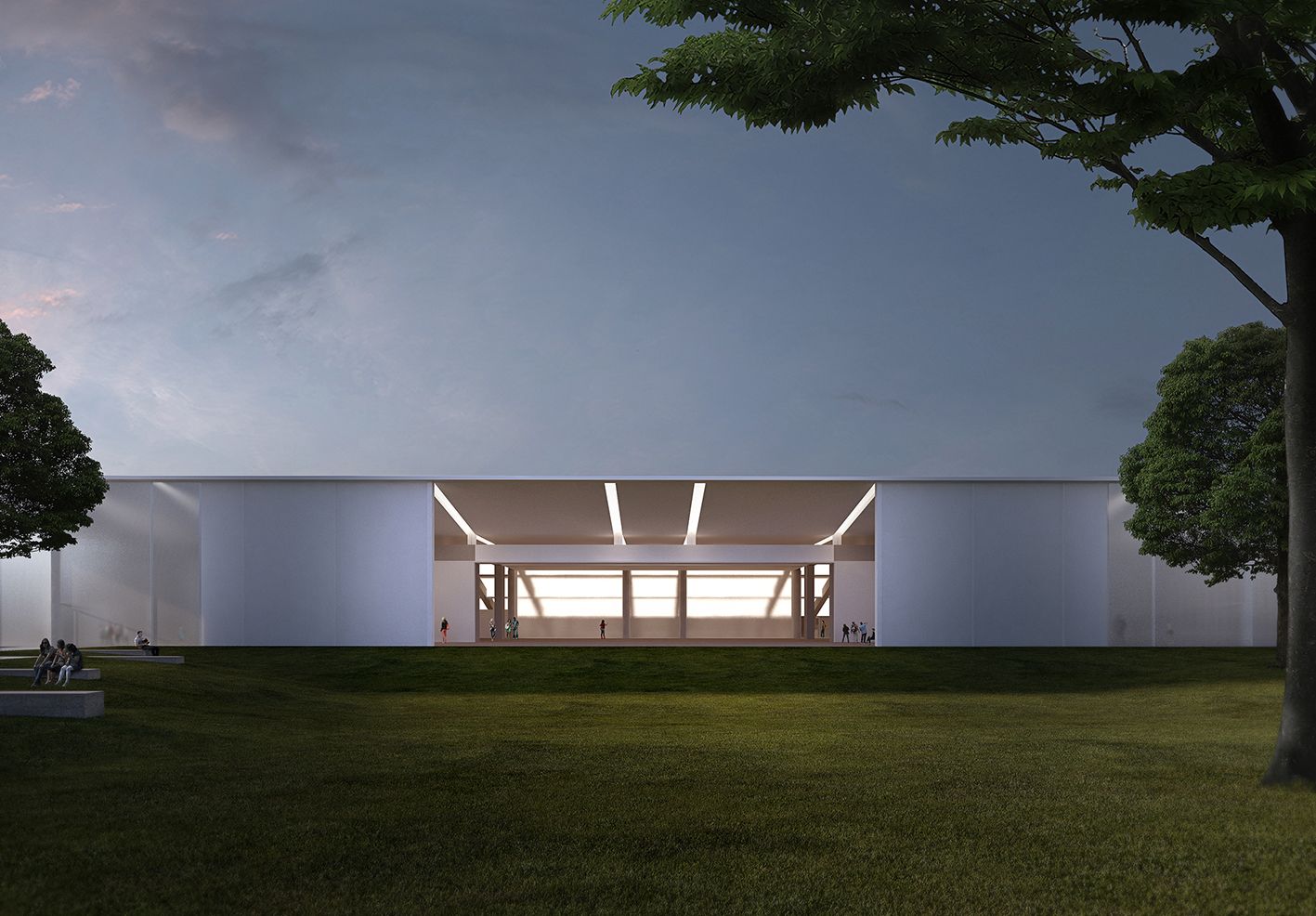
Carla Juaçaba explores lightweight structures and construction systems that establish a direct relationship with the natural environment. Her work is characterized by strong conceptual precision and by the search for structural solutions that reduce architecture to its essential elements, creating open spaces that engage with the landscape and atmosphere of the place.
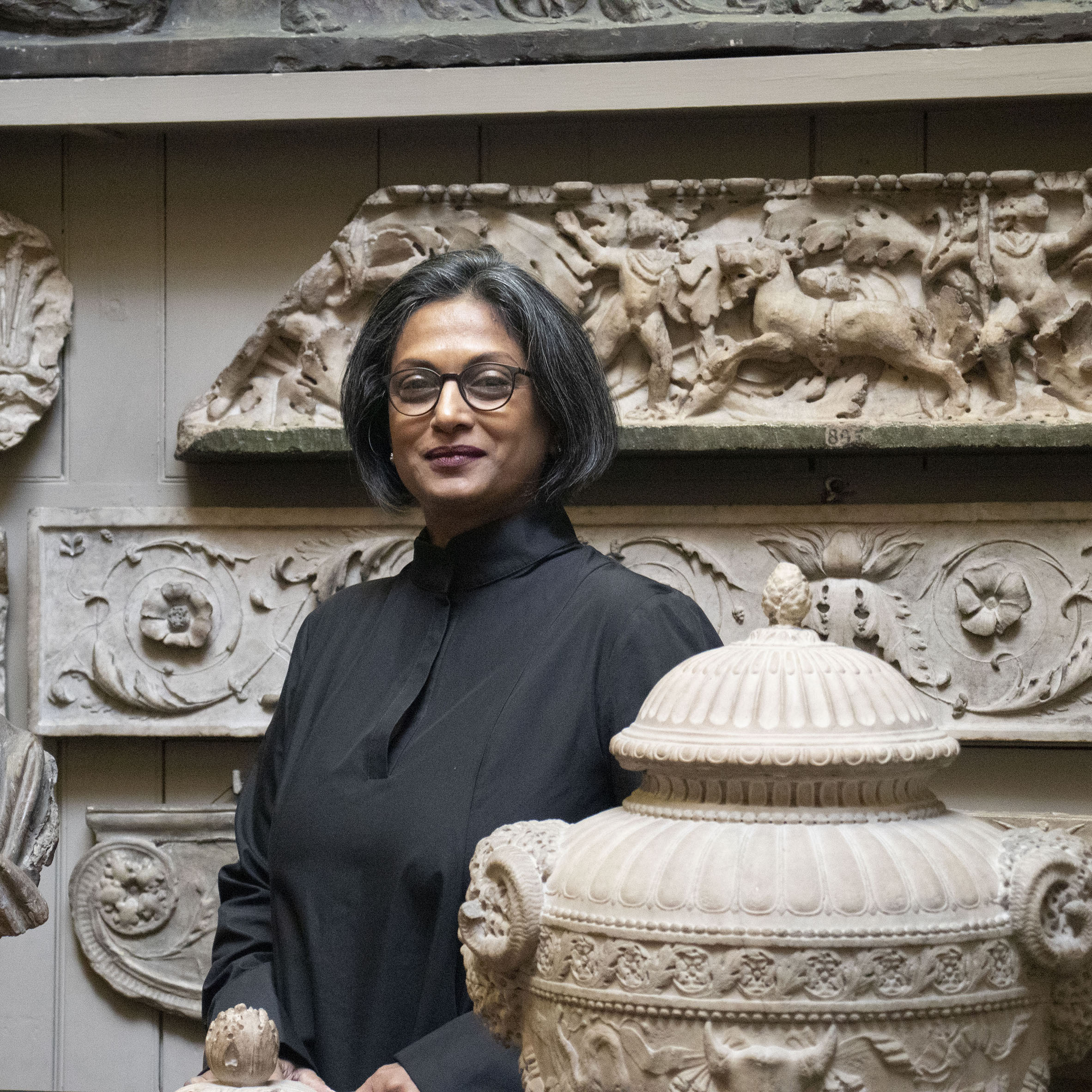
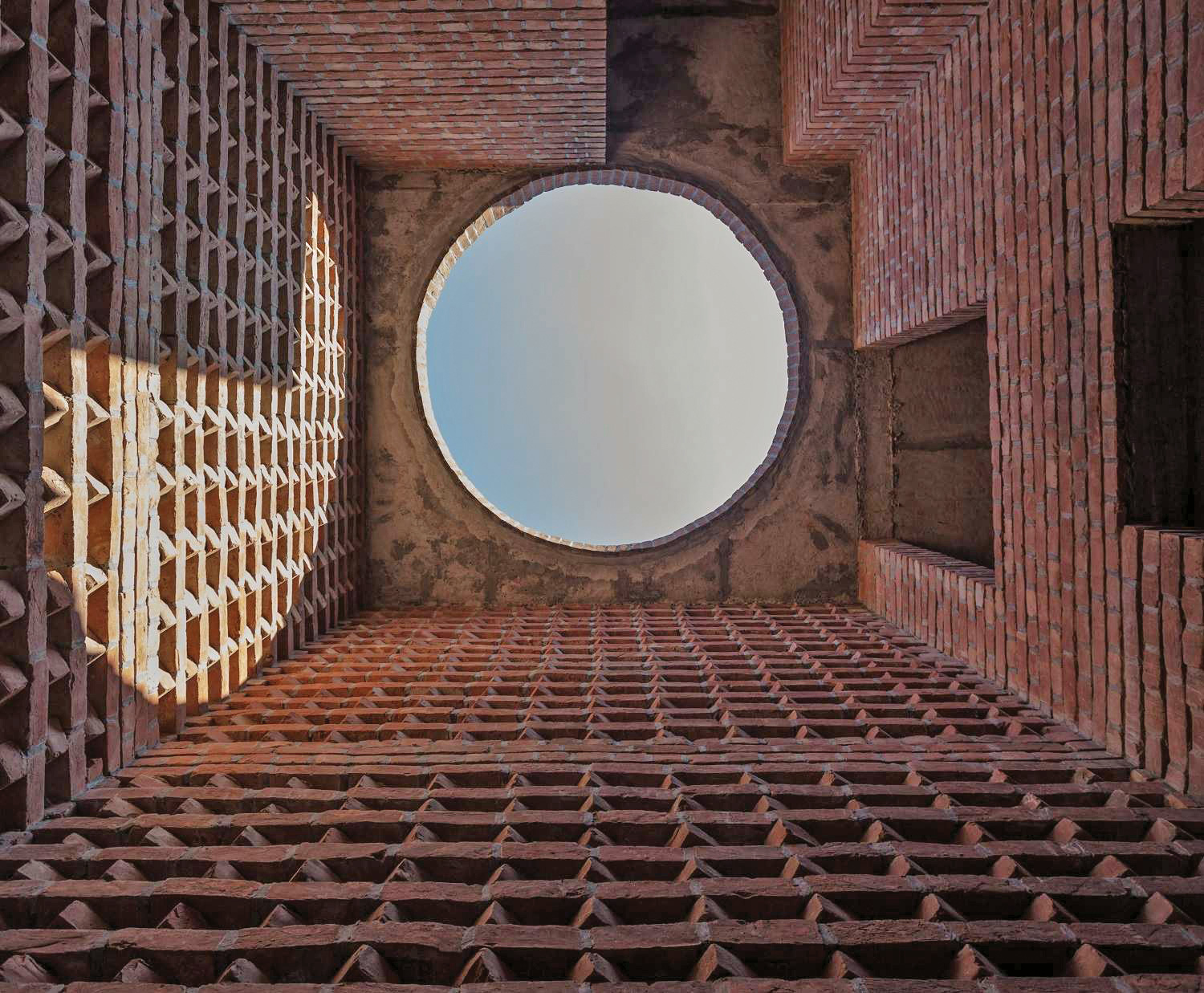
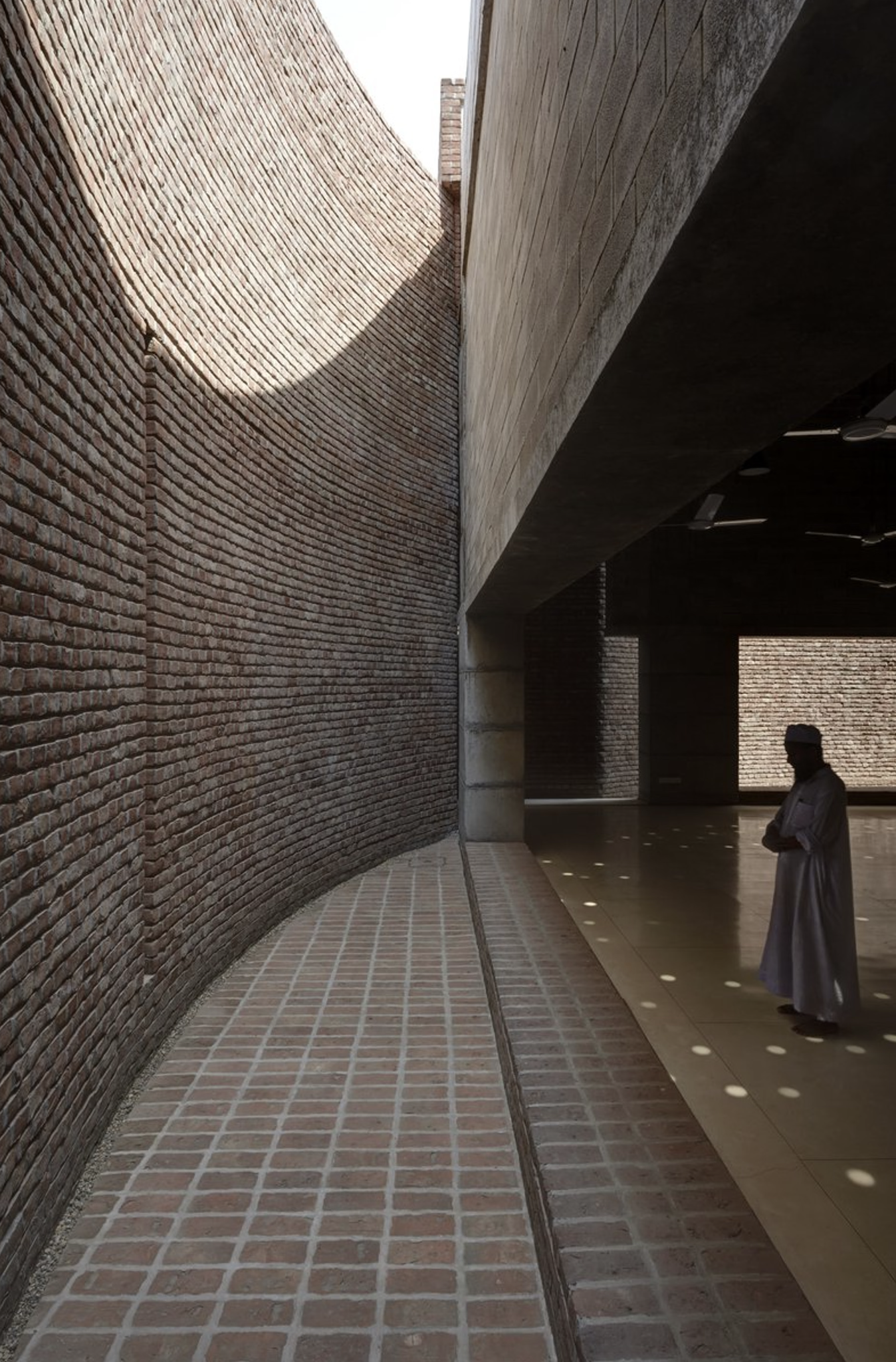
Marina Tabassum investigates architecture as a tool for responding to the climatic and social conditions of her territory. Deeply rooted in the context of Bangladesh, her work proposes spatial solutions that integrate tradition, sustainability, and resilience, demonstrating how architecture can adapt to complex and changing environments.
Fernanda Canales combines professional practice with theoretical research, developing a body of work that reflects on housing, the city, and the history of architecture in Latin America. Through projects and publications, her work offers new perspectives on the relationship between architecture, culture, and society.
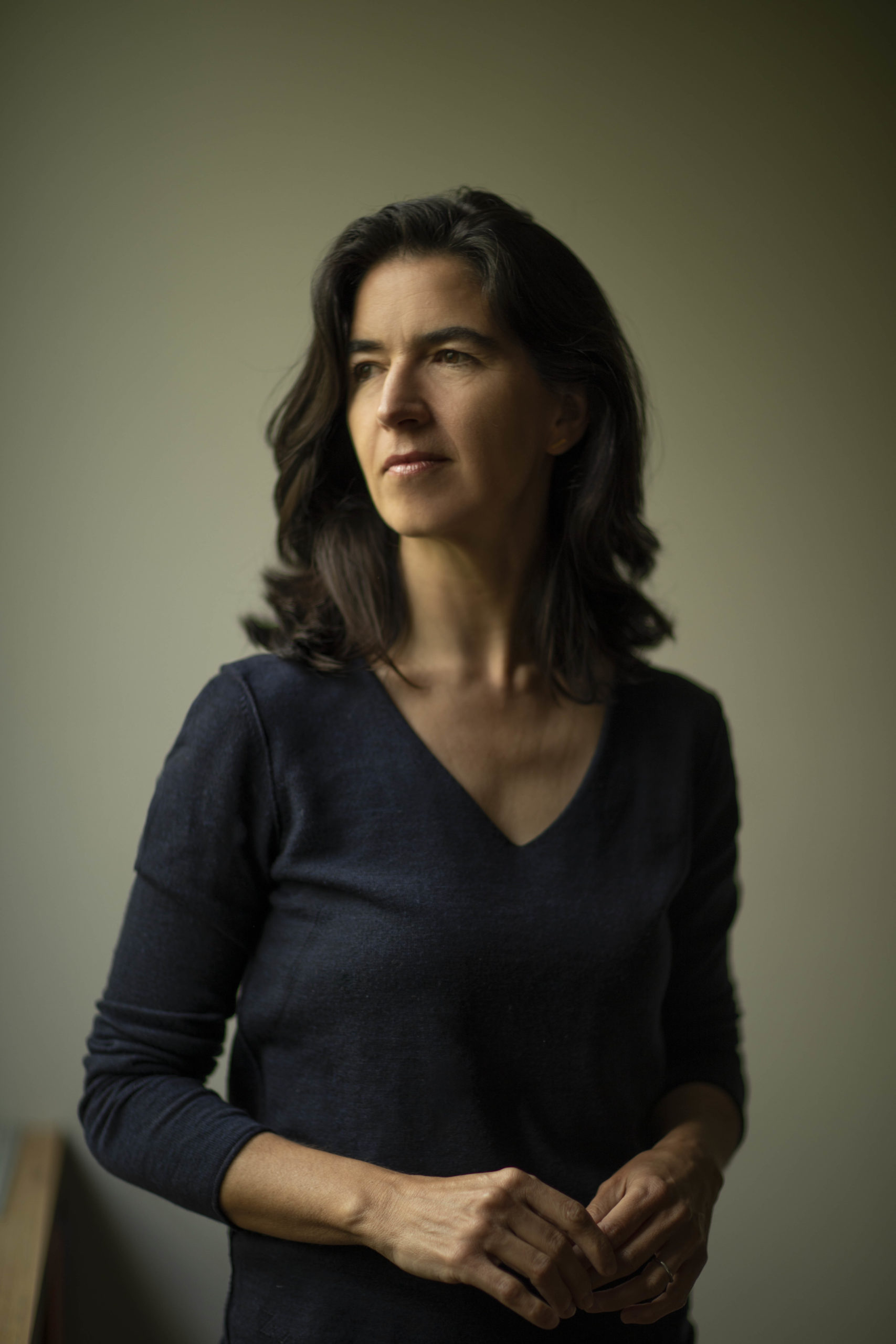
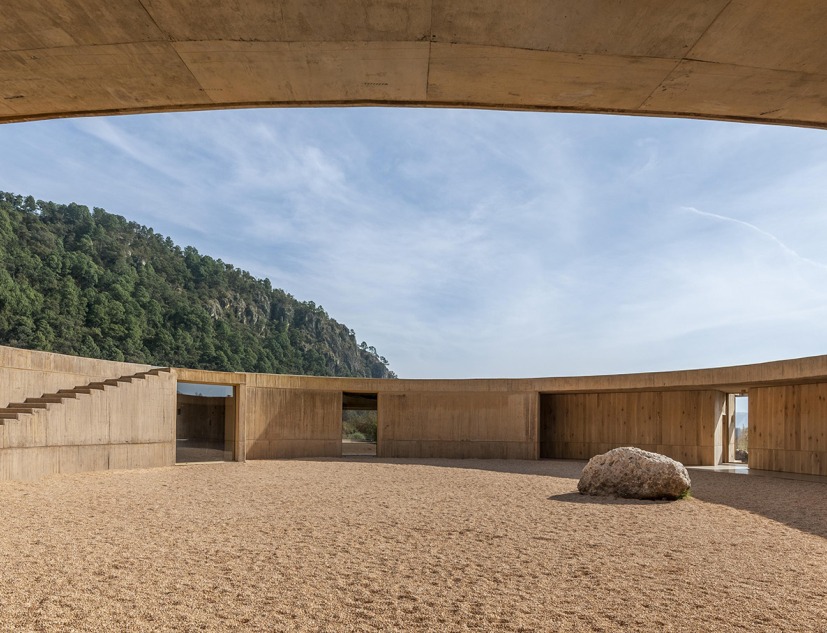
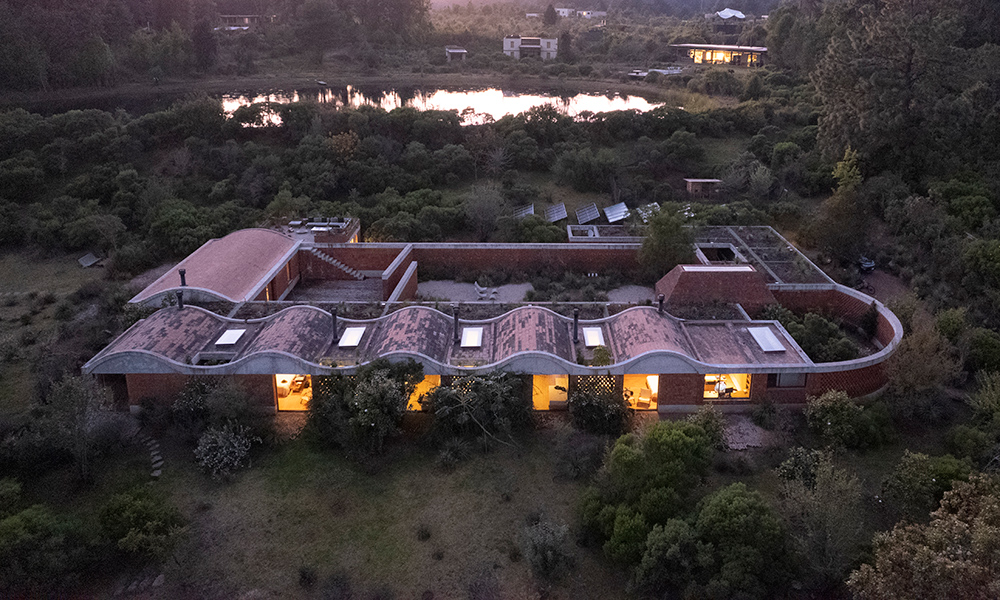
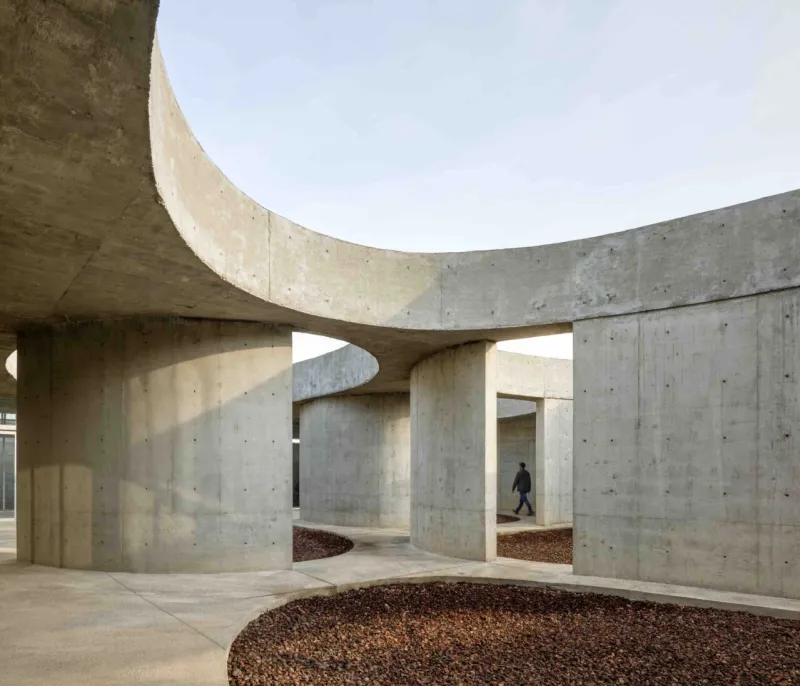
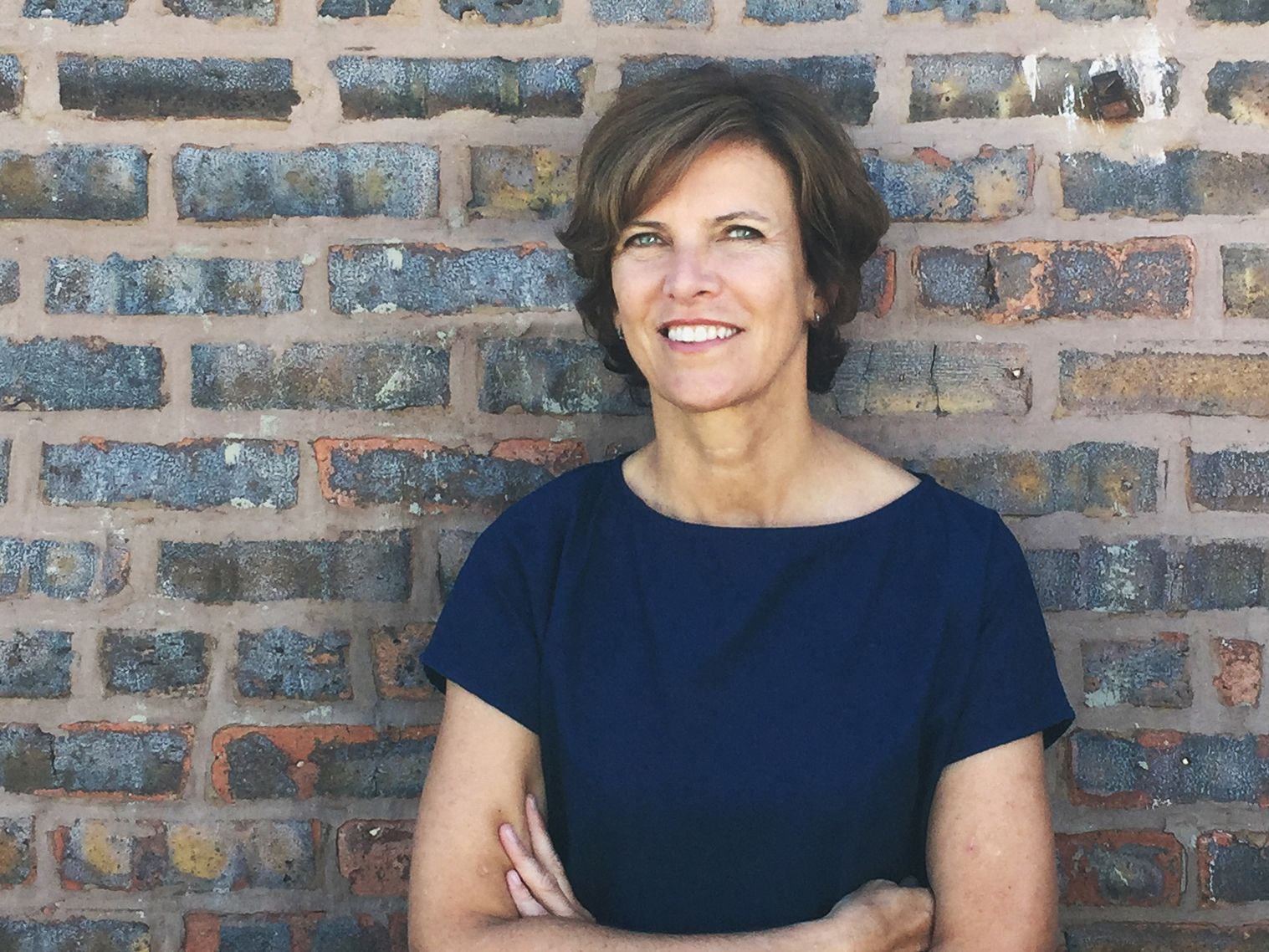
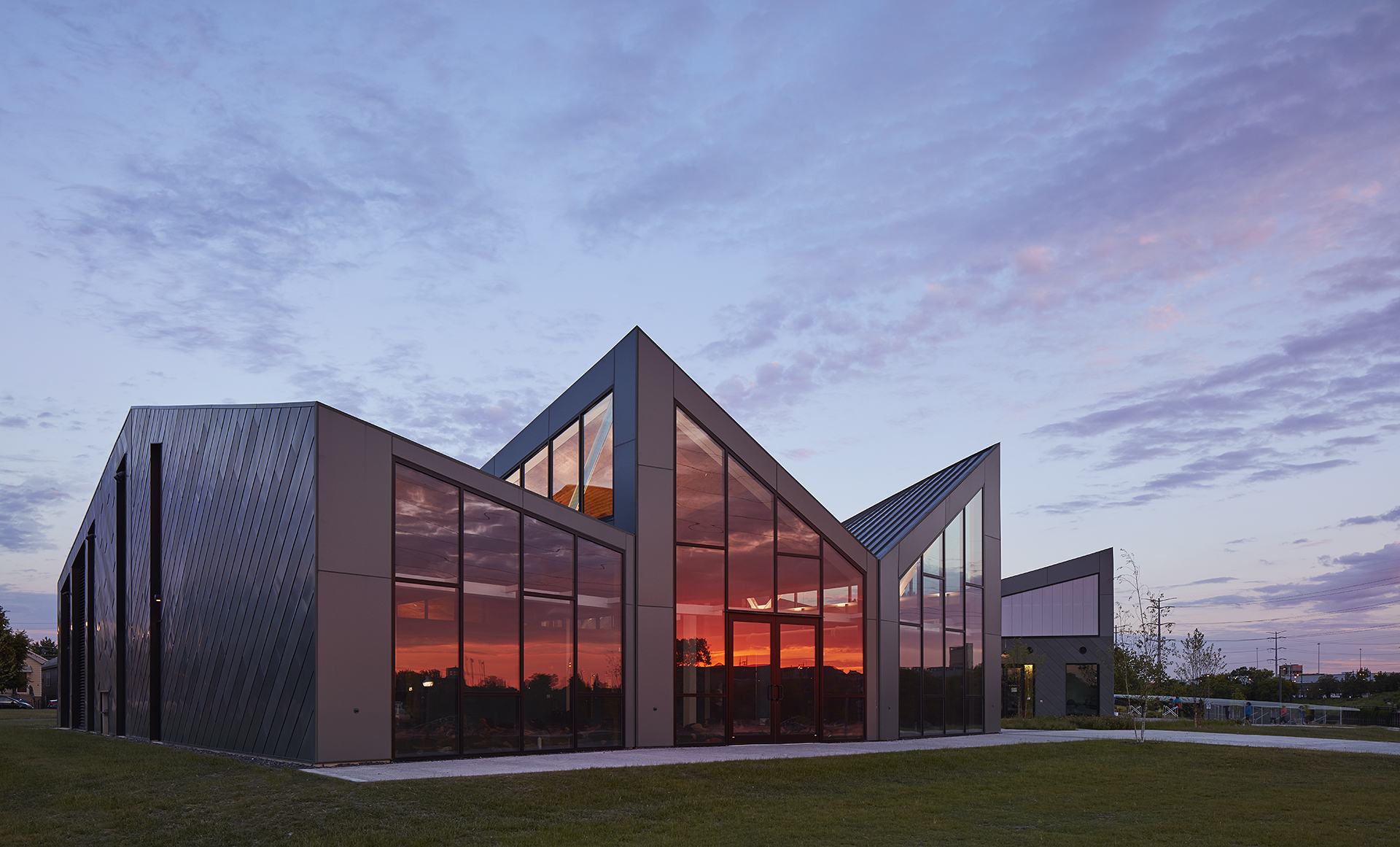
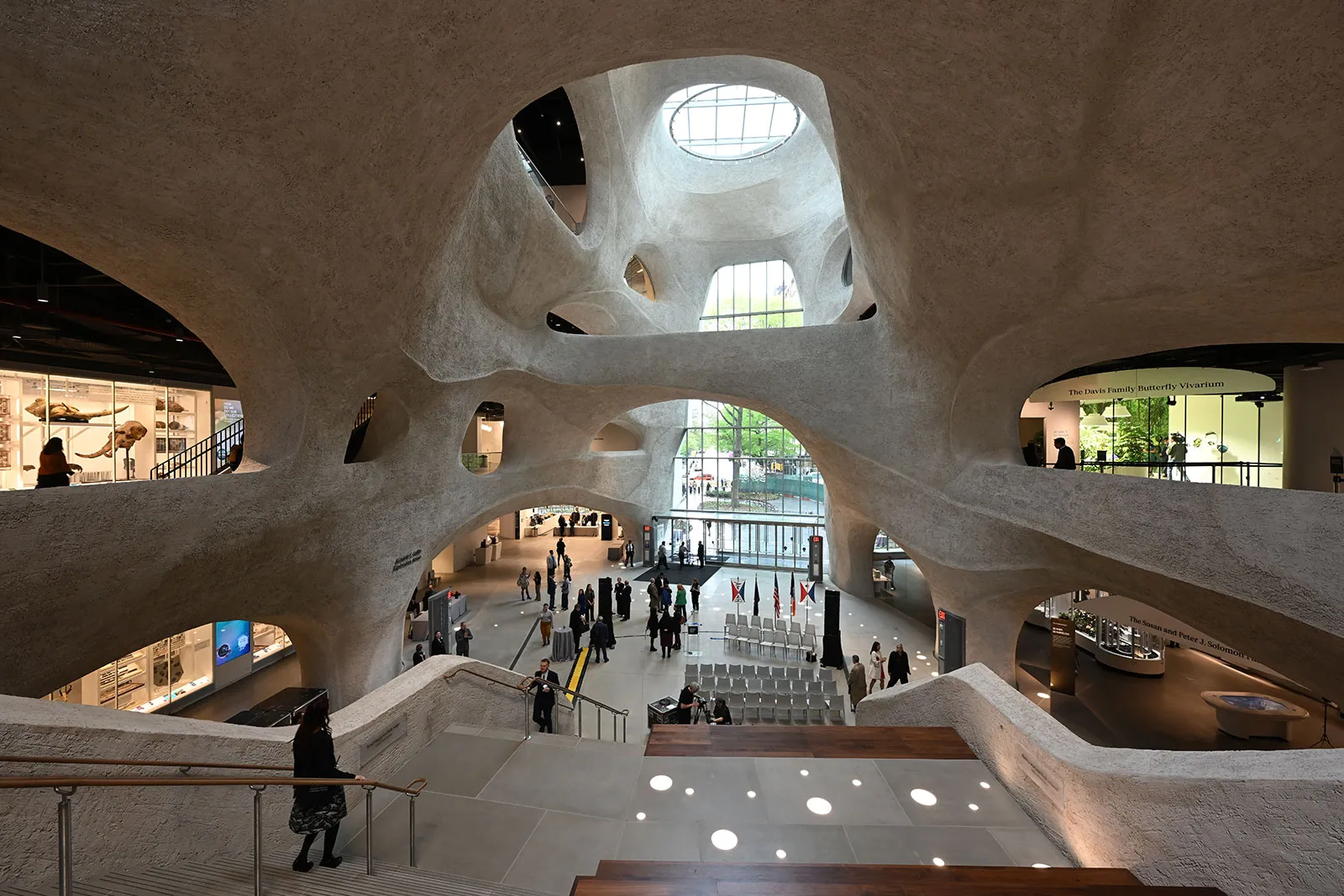
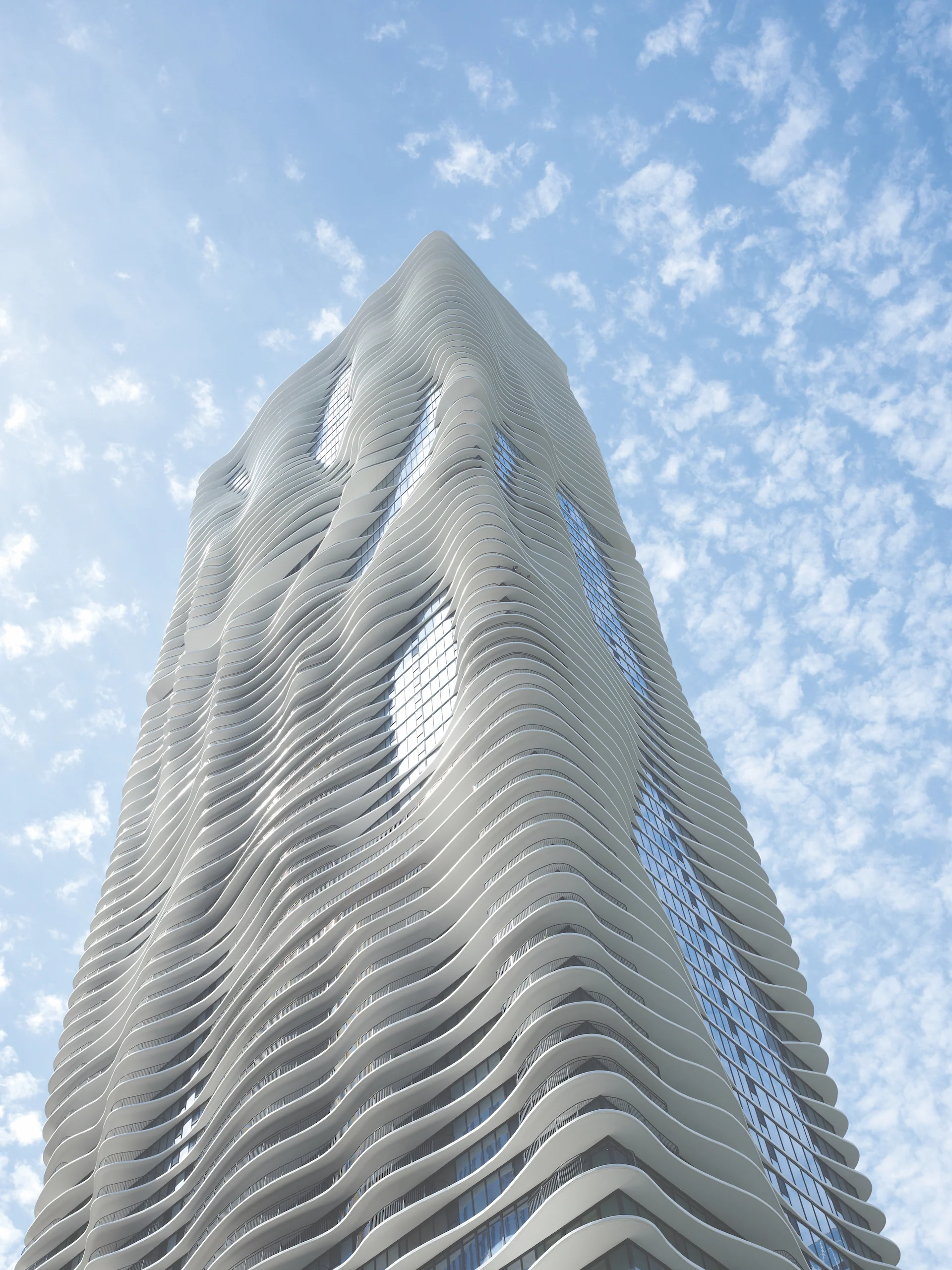
Jeanne Gang, founder of Studio Gang, represents another dimension of this transformation in contemporary architecture. Her projects, ranging from skyscrapers to cultural infrastructures and urban landscapes, explore the relationship between architecture, ecology, and community, integrating research, design, and social commitment in a practice that expands the possibilities of the discipline.
Taken together, these architects demonstrate how the profession is undergoing a profound transformation. Their trajectories show that architecture can no longer be understood solely as a formal exercise, but as a discipline capable of engaging with social, environmental, and cultural issues. Through diverse yet complementary approaches, they are expanding the boundaries of architectural practice and offering new ways of thinking about the spaces we inhabit.
MArch Valencia. Arquitectura y Diseño
© 2026 MArch Valencia. Arquitectura y Diseño
Privacy policy | Cookies policy | Terms of use