
“Domestic Engineers and the Kitchen Revolution” – Alfaro Hofmann Collection
DATE
05.05.2026
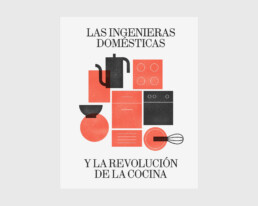
The National Museum of Decorative Arts has inaugurated “Domestic Engineers and the Kitchen Revolution,” an exhibition that draws from the Alfaro Hofmann Collection to analyze the metamorphosis of domestic space during the 20th century. The showcase does not merely exhibit objects; it narrates how the kitchen evolved from a place of servitude into a laboratory of technological efficiency. Through this selection, one can observe how industrialization and rationalist design elevated household equipment to the status of precision tools.
The core of the exhibition focuses on the application of scientific management principles to the private sphere, a phenomenon led by figures who rationalized domestic labor under the influence of Taylorism. The curatorial discourse highlights milestones such as the Frankfurt Kitchen, designed by Margarete Schütte-Lihotzky, which introduced ergonomics and movement-saving techniques to the home. This silent revolution sought to transform women into “domestic engineers” capable of managing a household with the same efficacy as a modern factory.
The exhibition allows visitors to trace the evolution of household appliances, from the first monitored refrigerators to the small gadgets that democratized comfort. The Alfaro Hofmann Collection provides pieces that demonstrate the transition from artisanal production to mass manufacturing, where materials such as steel and enamel defined a new aesthetic of hygiene. Each object on display serves as a testament to how engineering was placed at the service of time liberation, forever altering the social structure of the family.
Furthermore, the exhibition explores the decisive role of advertising and marketing in shaping the contemporary home. Companies did not just sell machines; they sold a new lifestyle based on modernity and technical progress, associating domestic happiness with the possession of cutting-edge technology. The show analyzes how these communication strategies helped users naturally assimilate complex engineering concepts, turning equipment into a symbol of status and well-being.
Ultimately, this exhibition invites reflection on the kitchen as the driving force behind changes in modern domestic architecture. By rescuing the history of these innovations, it highlights the legacy of a design movement that successfully combined aesthetics, technique, and social function. It is an opportunity to rediscover our own daily lives and understand that the objects surrounding us today are the result of one of the deepest and most successful design revolutions of the last century.
MArch Valencia. Arquitectura y Diseño
© 2026 MArch Valencia. Arquitectura y Diseño
Privacy policy | Cookies policy | Terms of use