
Five Leading teams compete for Liceu Mar
DATE
08.04.2026
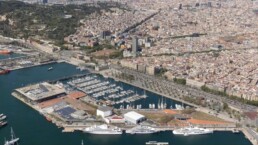
Five teams of architects and urbanists have been selected to take part in the international competition that will define the future Liceu Mar in Barcelona, a project aimed at expanding the activity of the Gran Teatre del Liceu towards the city’s waterfront. The initiative proposes the creation of a new cultural space along the coastline, capable of connecting the historic institution with new audiences and contemporary formats.
The project is located in the Port of Barcelona and is conceived as an opportunity to rethink the relationship between the city and the sea. Beyond a singular building, the proposal incorporates a significant urban dimension, integrating public spaces, pathways, and cultural uses. The aim is to create a new meeting point that brings together cultural activity, landscape, and urban life within a transforming environment.
The selected teams bring together international and multidisciplinary profiles, combining architecture studios with specialists in urbanism and landscape.
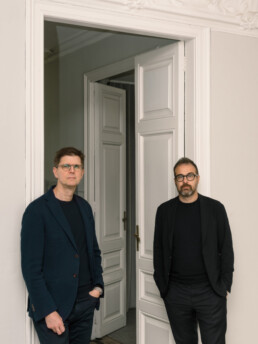
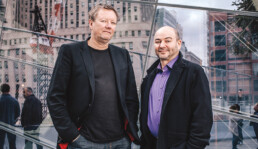
Barozzi / Veiga, MArch lecturers, develop an architecture defined by precision and timelessness, where form is shaped through light, materiality, and a strong relationship with context. Their internationally acclaimed work balances abstraction and silent monumentality, approaching each project as a unique piece deeply connected to its surroundings. In this case, they are collaborating with Mao-Burgos Garrido, integrating a joint vision between architecture and urbanism.
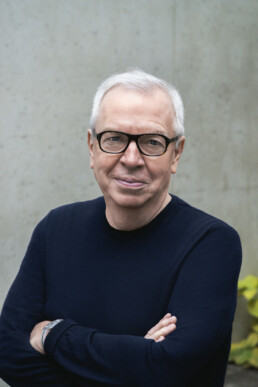
The studio of David Chipperfield, winner of the 2023 Pritzker Prize, is characterised by a rigorous and essential approach to architecture. His practice focuses on permanence, constructive clarity, and respect for what already exists, developing projects that engage with history and the urban context through a restrained and precise attitude. For this competition, he is working together with Fermín Vázquez and Ana Bassat, reinforcing the local dimension of the team.
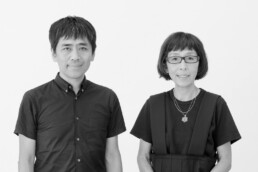
SANAA, led by Kazuyo Sejima and Ryue Nishizawa, has built a trajectory based on lightness, transparency, and spatial ambiguity. Their projects explore new relationships between interior and exterior, generating open, fluid, and deeply contemporary architectures. In this proposal, they collaborate with CFA, adding experience rooted in the local context.
Snøhetta, based in Oslo, works through an interdisciplinary approach that integrates architecture, landscape, and design. Their methodology is grounded in the idea of public space as the driving force of the project, developing proposals that combine cultural identity, sustainability, and a strong connection to the territory. In this case, they partner with Batlle Roig SLP, incorporating deep knowledge of local landscape and urbanism.
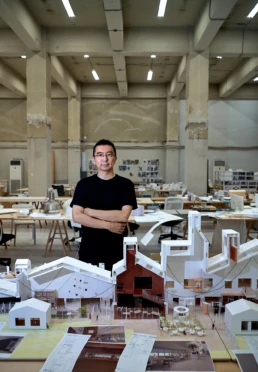
Sou Fujimoto proposes an experimental architecture that investigates the relationship between nature and artifice. His work is characterised by lightweight structures and open spatial systems that challenge traditional architectural boundaries, creating environments where the built and the natural intertwine. For this competition, he collaborates with Gras and Aldayjover, forming a hybrid team between architectural research and territorial practice.
This diversity reflects the complexity of the brief, which not only requires the resolution of an architectural piece but also the development of an intervention capable of engaging with the port context and the dynamics of the city.
Liceu Mar is conceived as an extension of the theatre’s cultural model, incorporating new forms of artistic production and dissemination. The proposal opens the door to more flexible and contemporary formats, expanding the institution’s reach beyond its historic headquarters on La Rambla and adapting to evolving audience demands.
This competition places architecture at the centre of a broader discussion about the future of cultural infrastructures and their relationship with urban space. The outcome will define not only a new facility, but also a way of understanding how culture can activate territory and generate new connections between city, citizens, and landscape.
MArch Valencia. Arquitectura y Diseño
© 2026 MArch Valencia. Arquitectura y Diseño
Privacy policy | Cookies policy | Terms of use