
Four projects by Steven Holl
DATE
01.06.2026
Steven Holl’s architecture is founded on a profound phenomenological sensibility, where space is not solely defined by its geometry, but by the body’s sensory experience, the weight of matter, and the behavior of light. Throughout his career, the American architect has rejected the repetition of a corporate or mimetic style, opting instead for what he calls “Anclaje” (Anchoring): a design philosophy whereby each project must emerge from a unique and meaningful connection with the landscape, climate, and historical circumstances of its site. Through the initial use of abstract watercolors as an ideation tool and the meticulous manipulation of natural light as an additional building material, Holl has managed to consolidate an international body of work that transforms buildings into musical and spatial compositions capable of deeply moving the visitor.
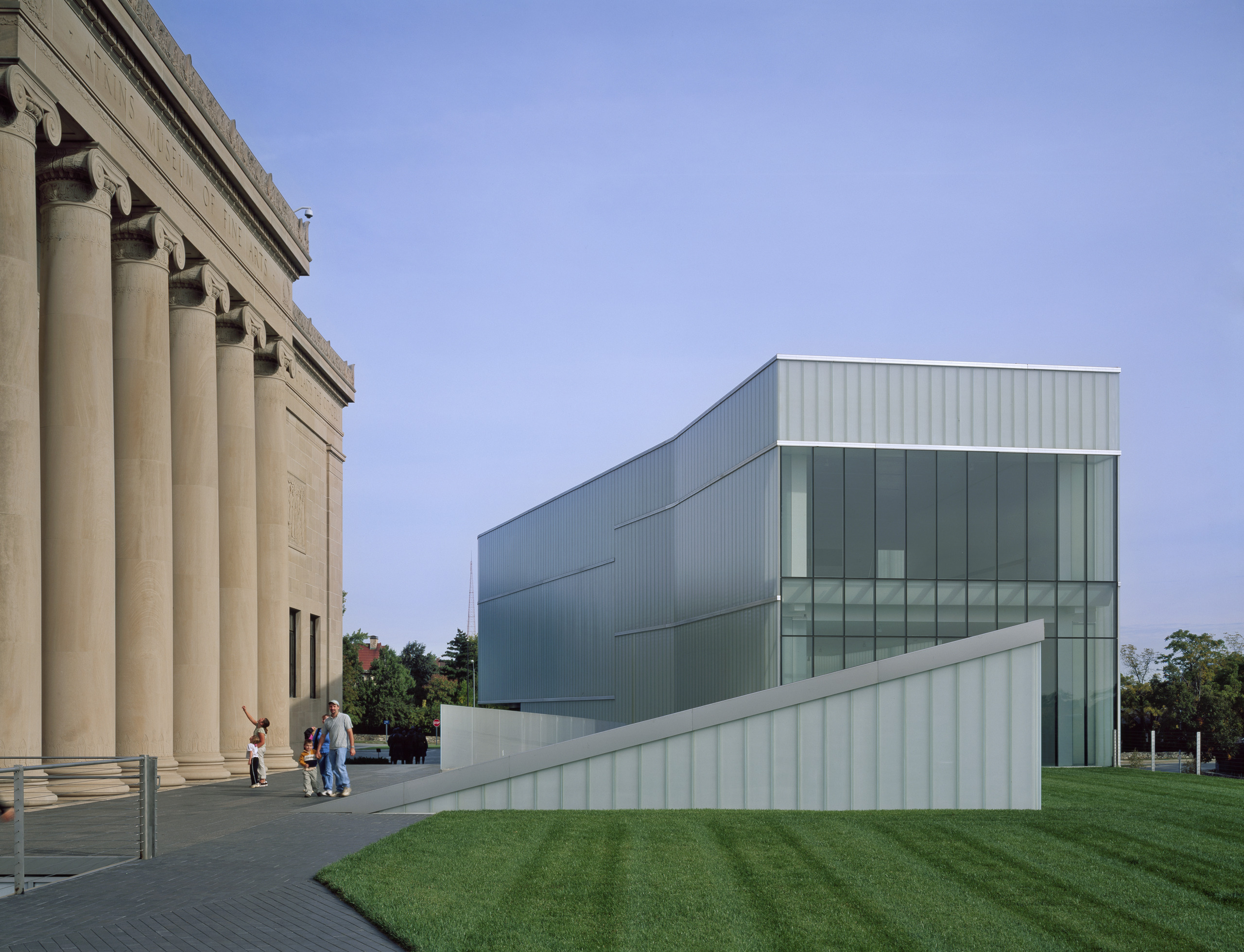
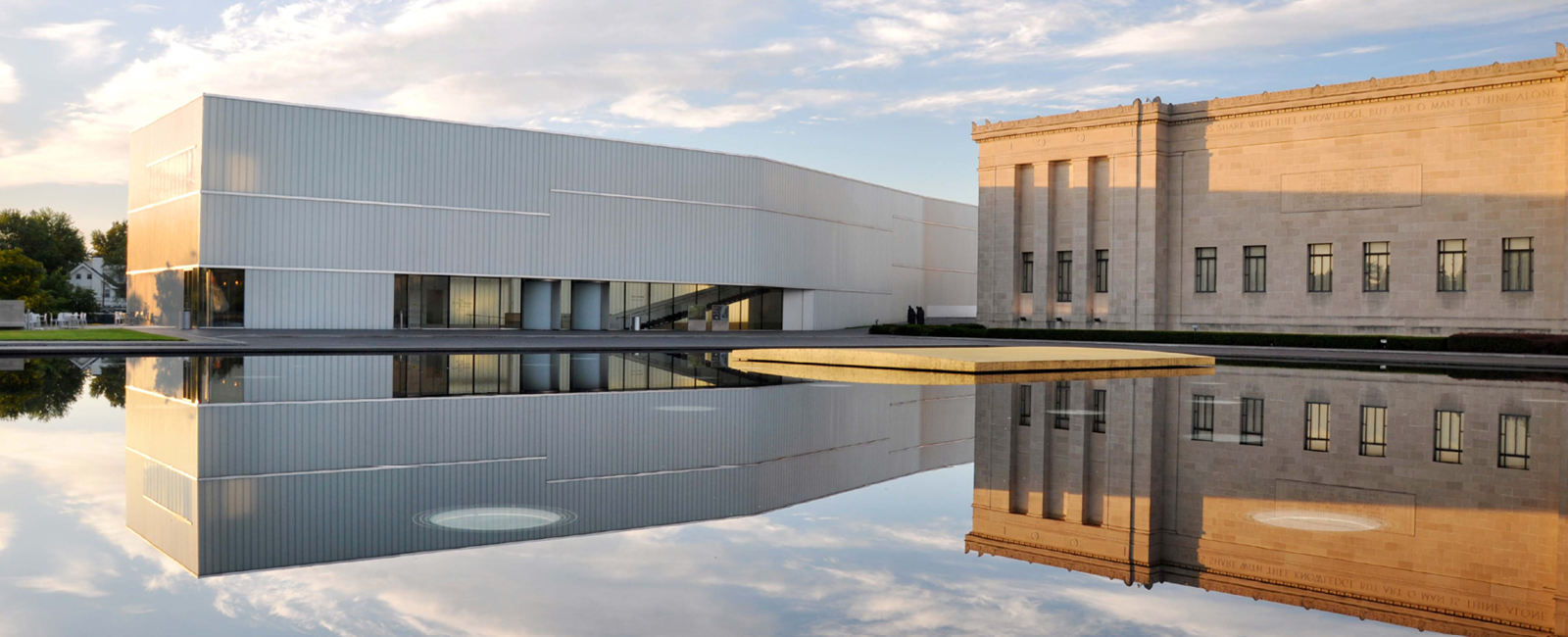
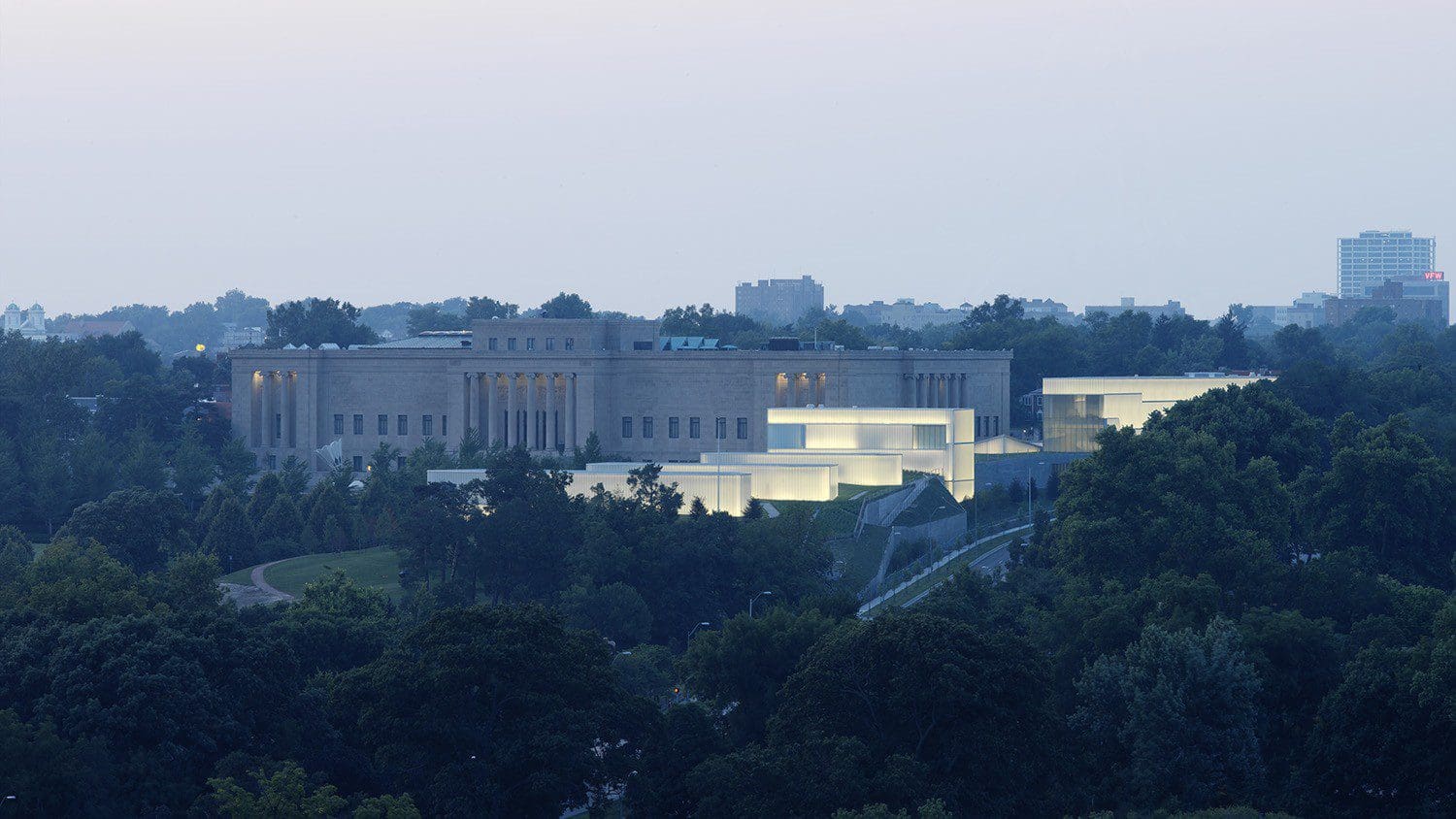
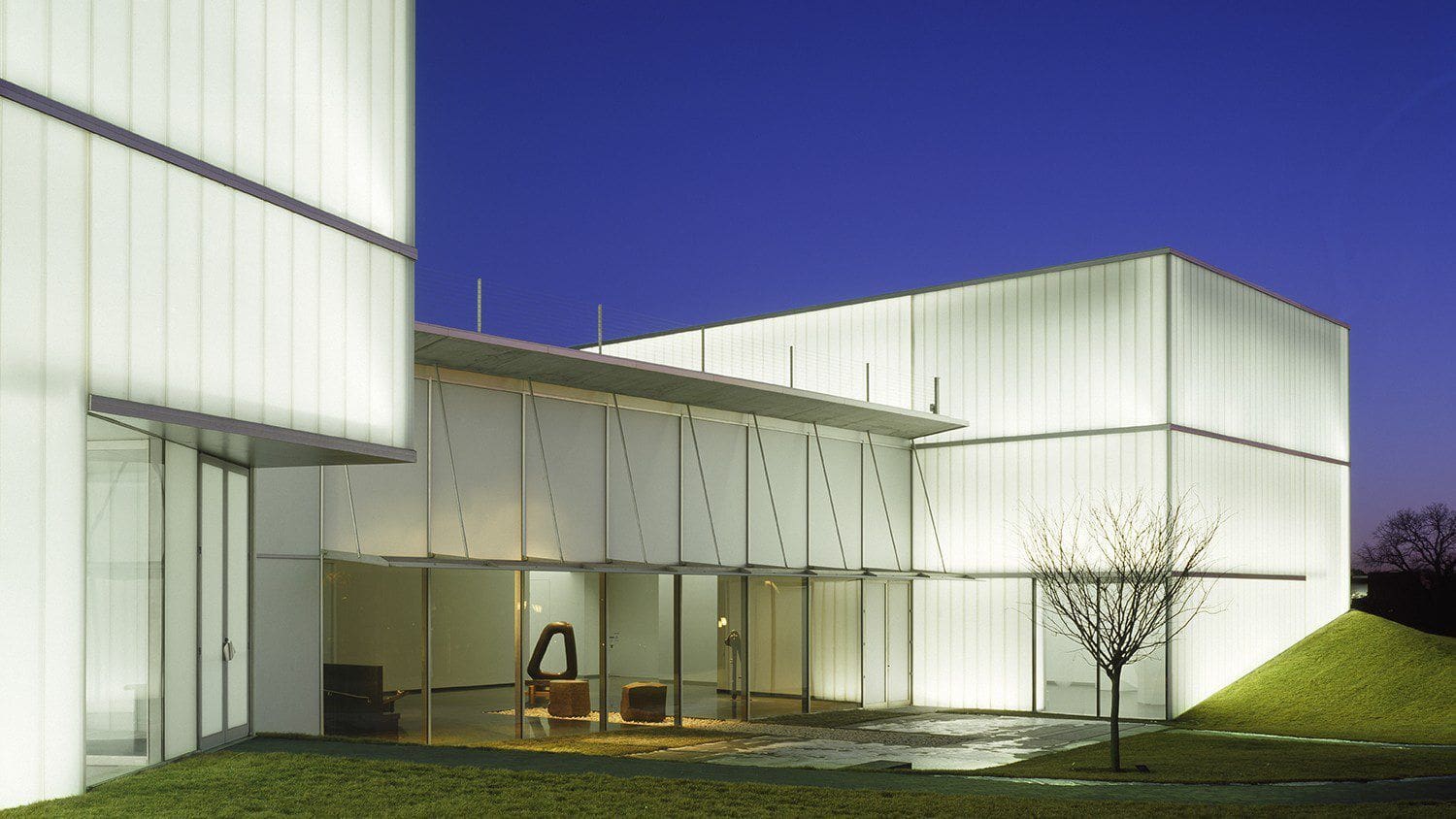
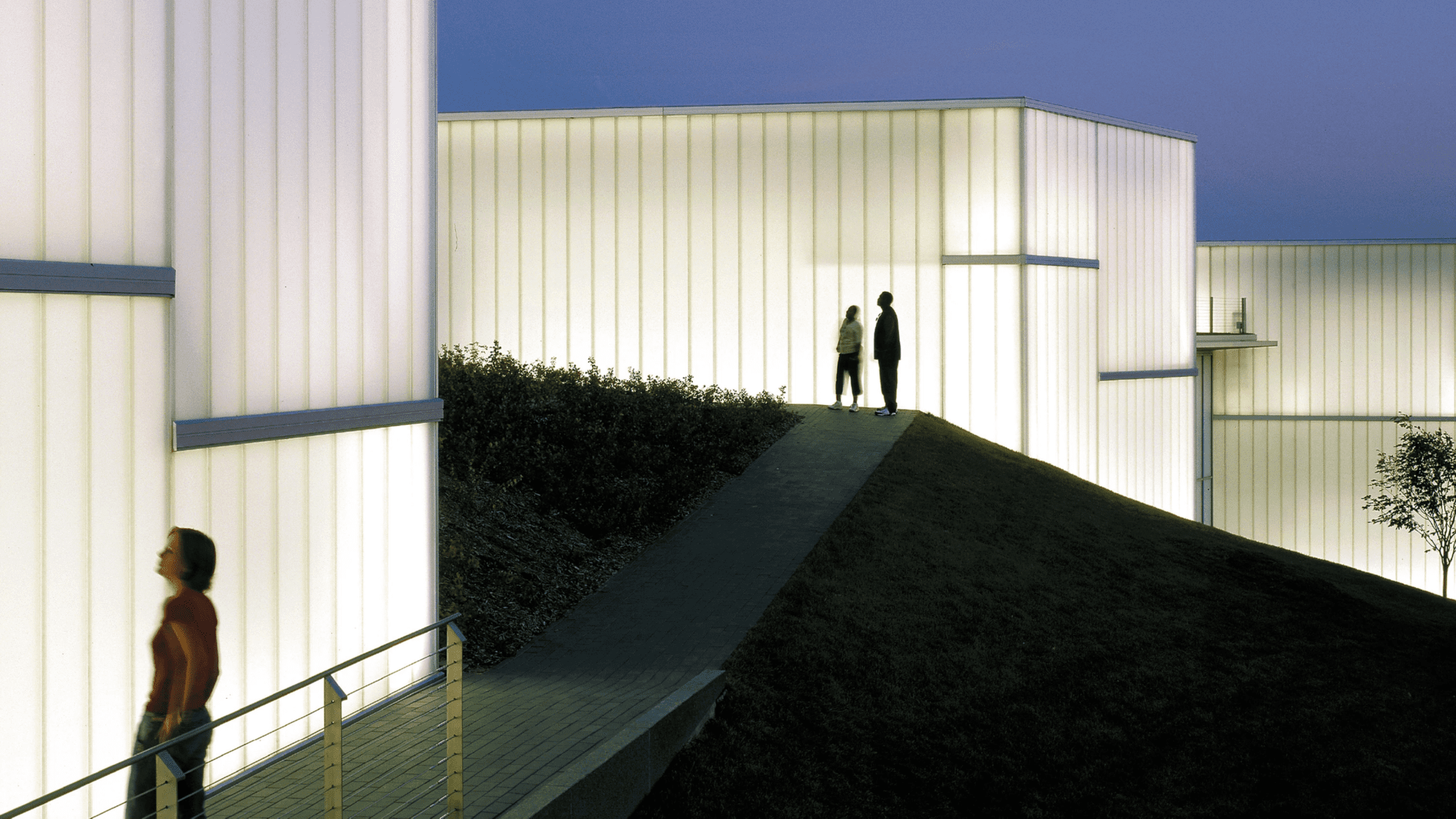
The expansion of the Nelson-Atkins Museum in Kansas City (United States) represents one of the most masterful examples of the dialogue between the historic and the contemporary in Holl’s work. Under the concept of “the stone and the feather,” the intervention contrasts the original neoclassical building—a monumental, enclosed, and heavy stone structure—with a series of five translucent glass pavilions or “lenses” that emerge lightly and sinuously along the park’s topography. These lenses not only organize the visitor’s path descending into the landscape, but also function as collectors that blend north and south light, channeling vibrant natural illumination into the underground galleries and transforming, at nightfall, into sculptural lanterns that illuminate the exterior surroundings.
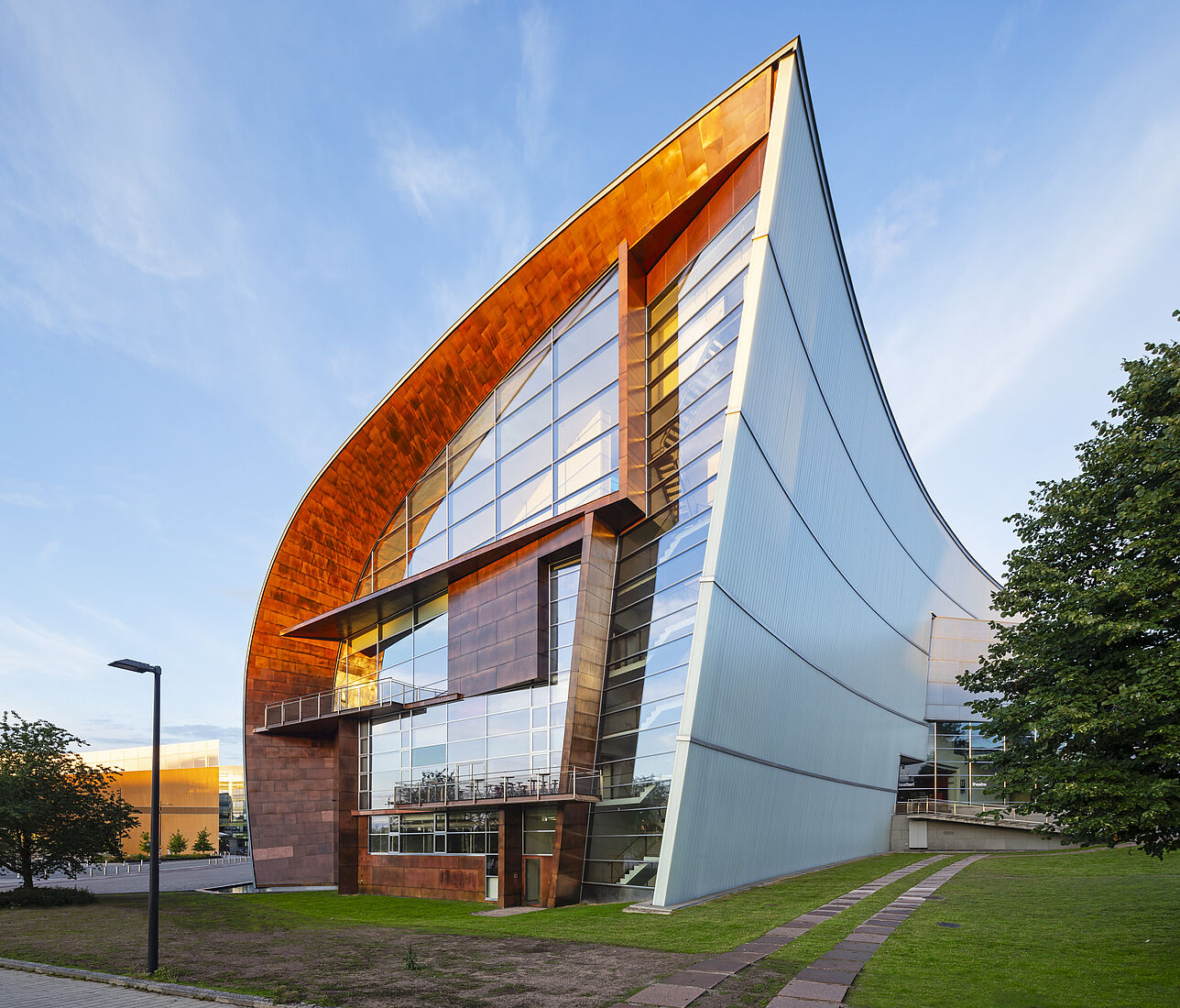
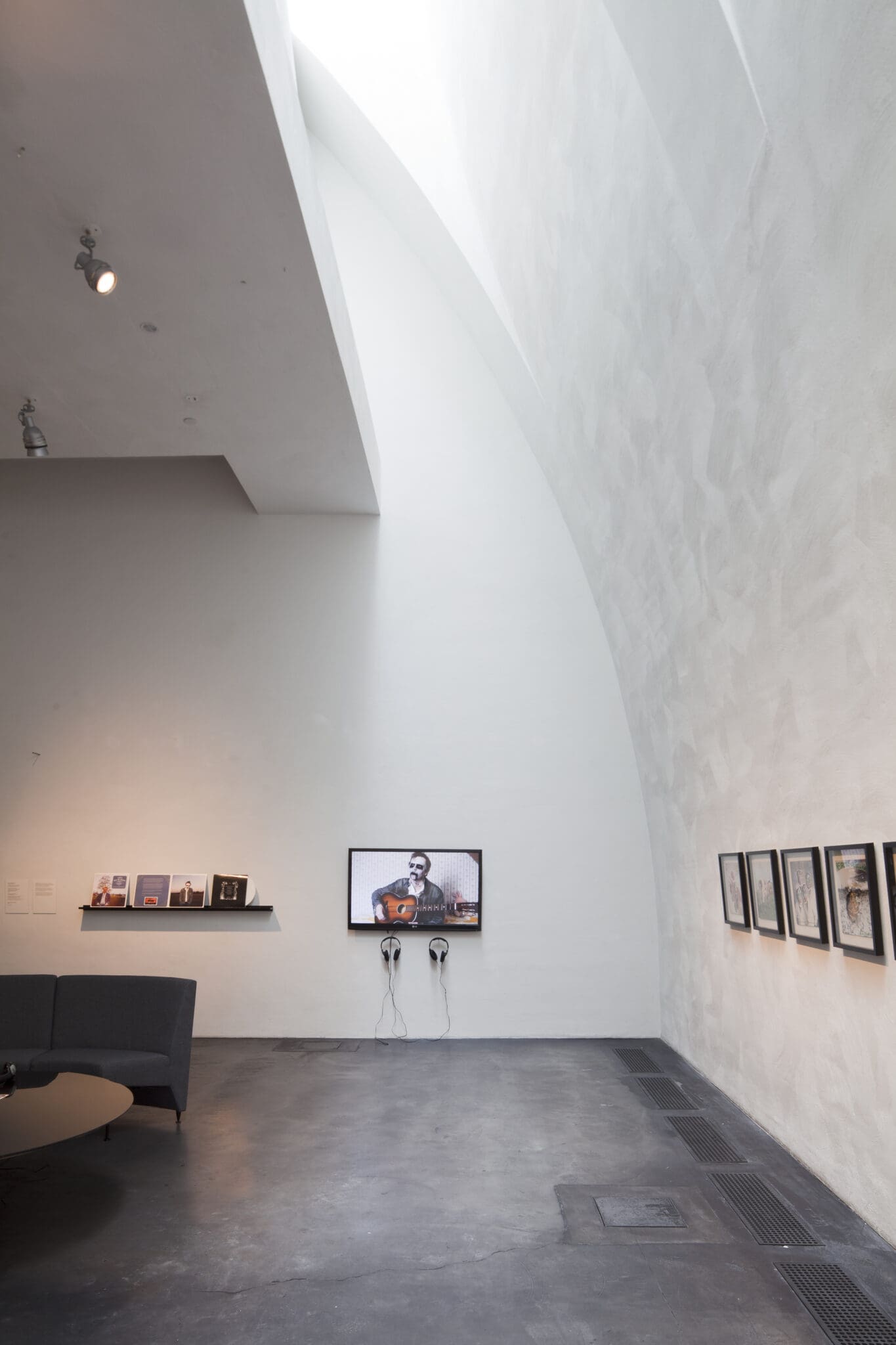
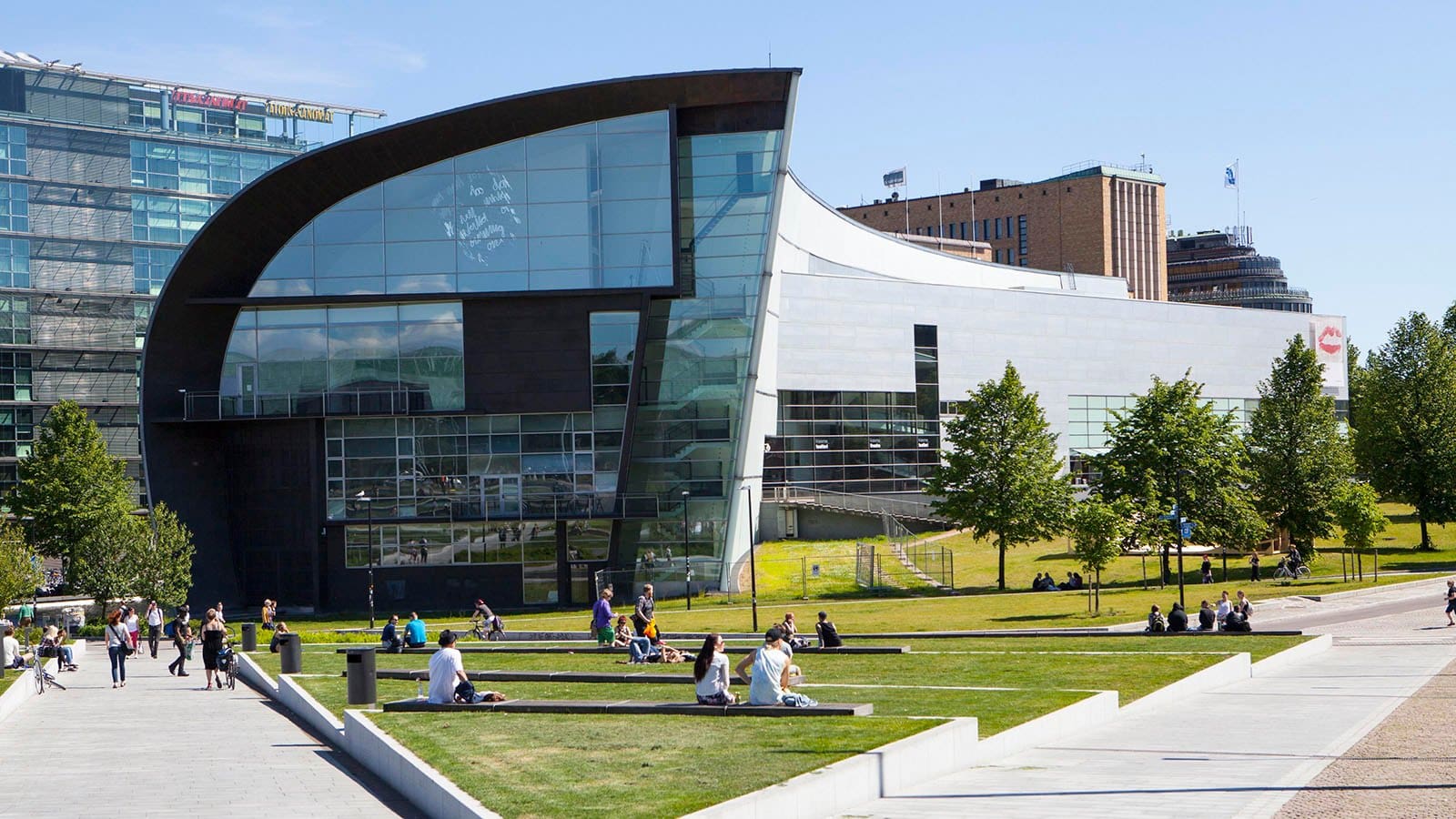
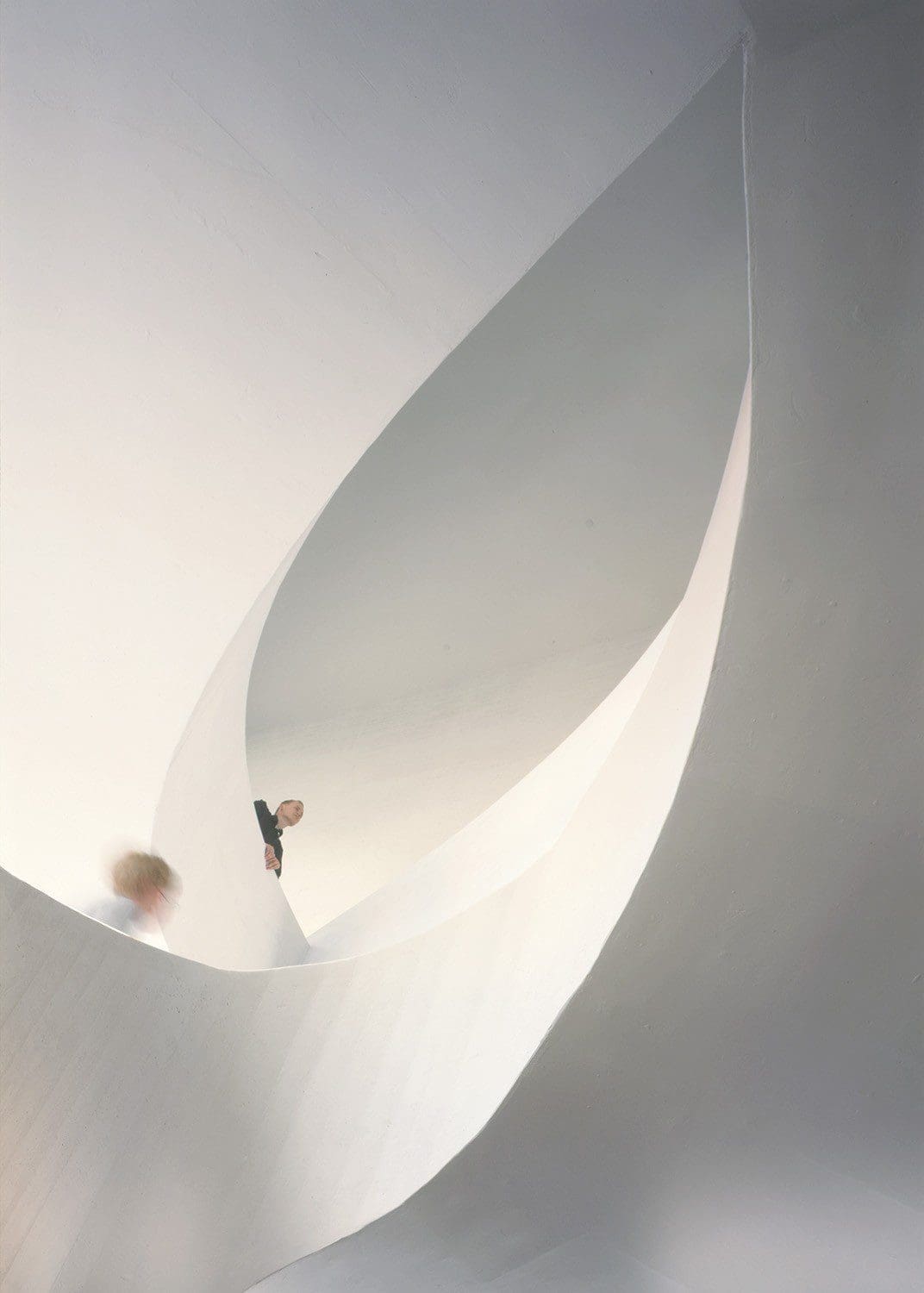
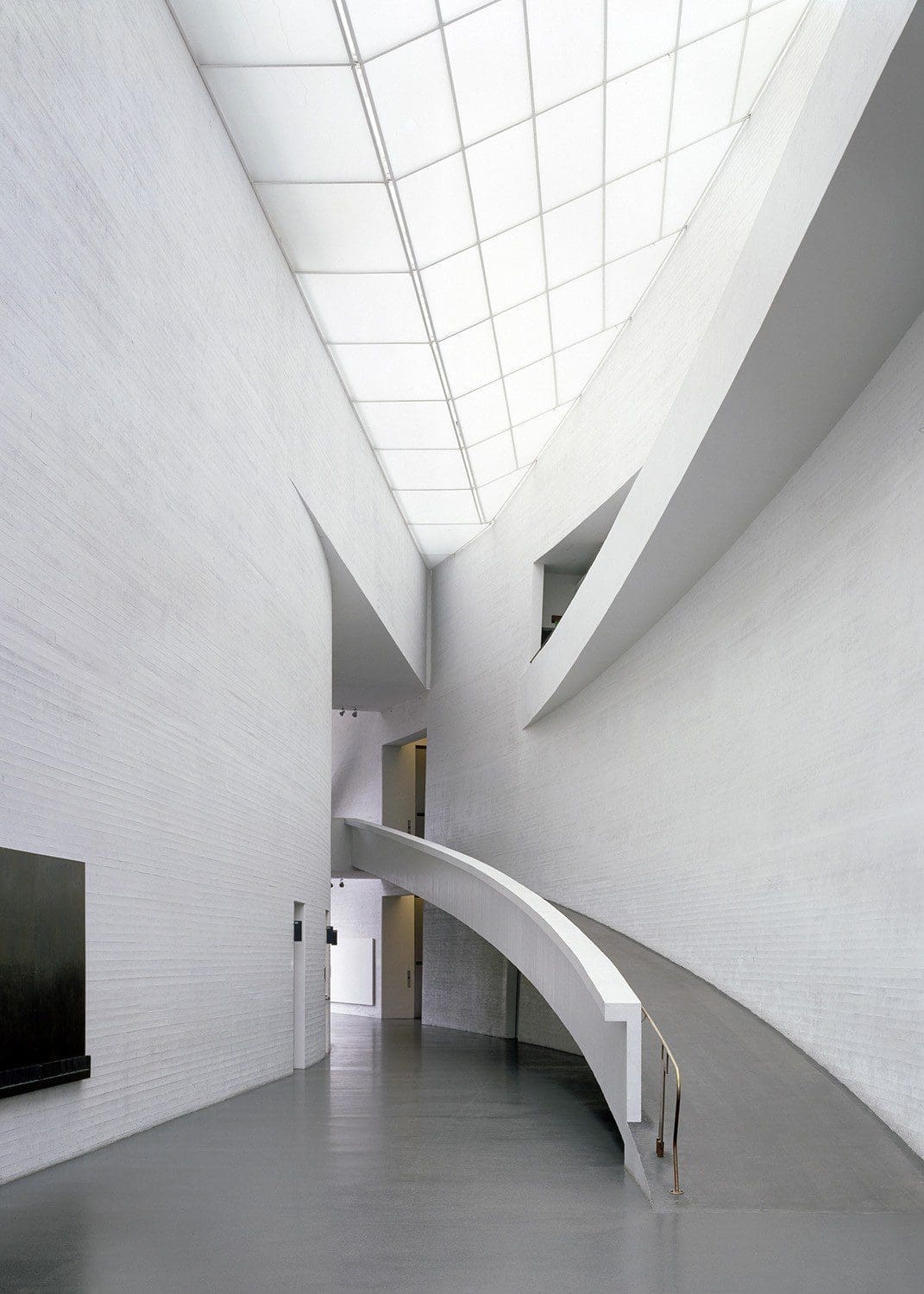
In Helsinki, Finland, the Kiasma Museum of Contemporary Art embodies Holl’s quest for a fully experiential architecture developed from the inside out. The overall concept is based on chiasmatic intertwining (a crossing of geometries), which translates into a fluid sequence of asymmetrical and curved galleries adapted to the changing natural light of the high Nordic latitudes. Conceived under an almost musical logic, the interior journey through the building immerses the visitor in a total sensory experience, where variations in light intensity, the subtle turns in the ramps, and the perception of materials accompany the contemplation of art in a continuous spatial transition.
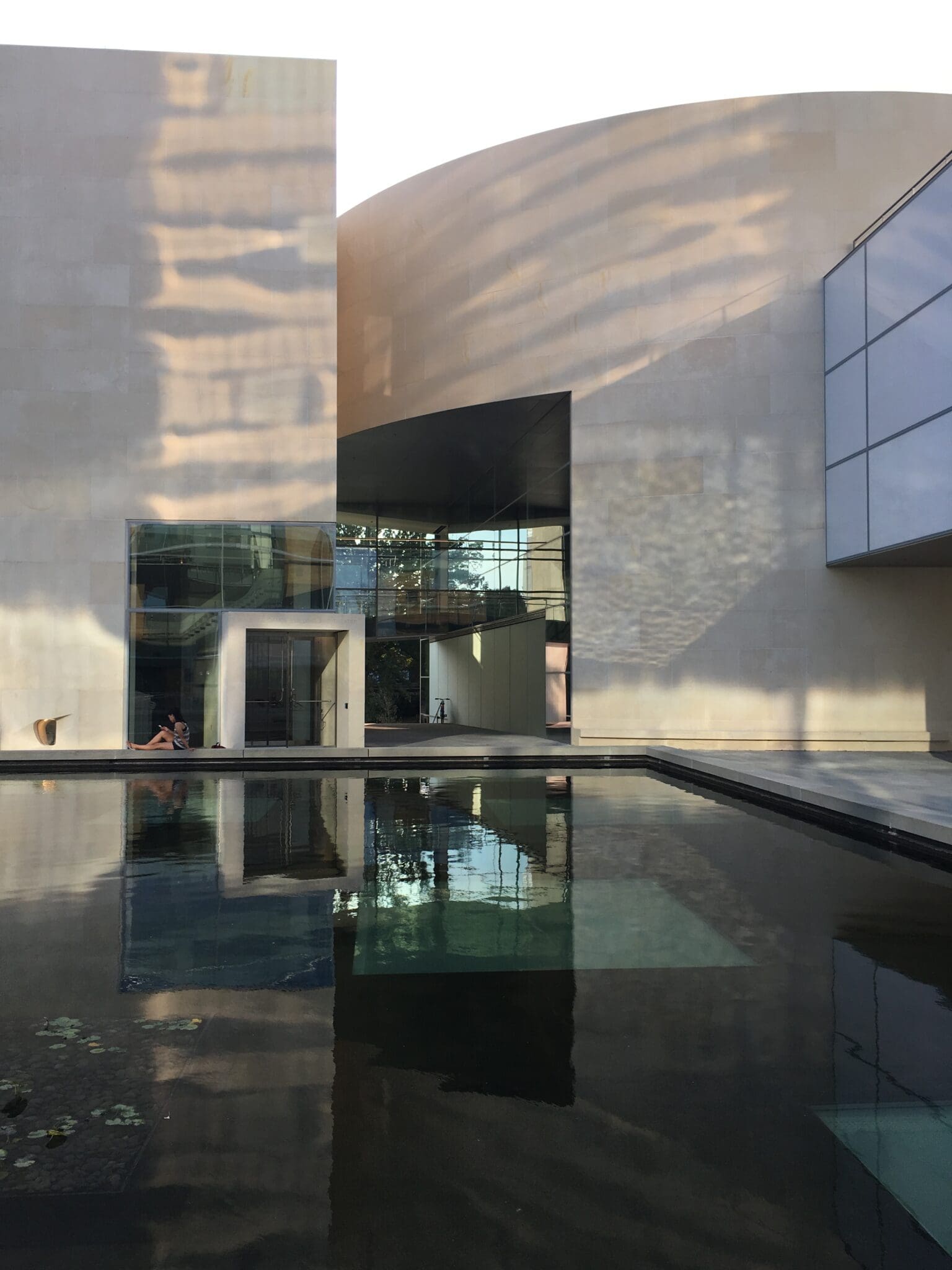
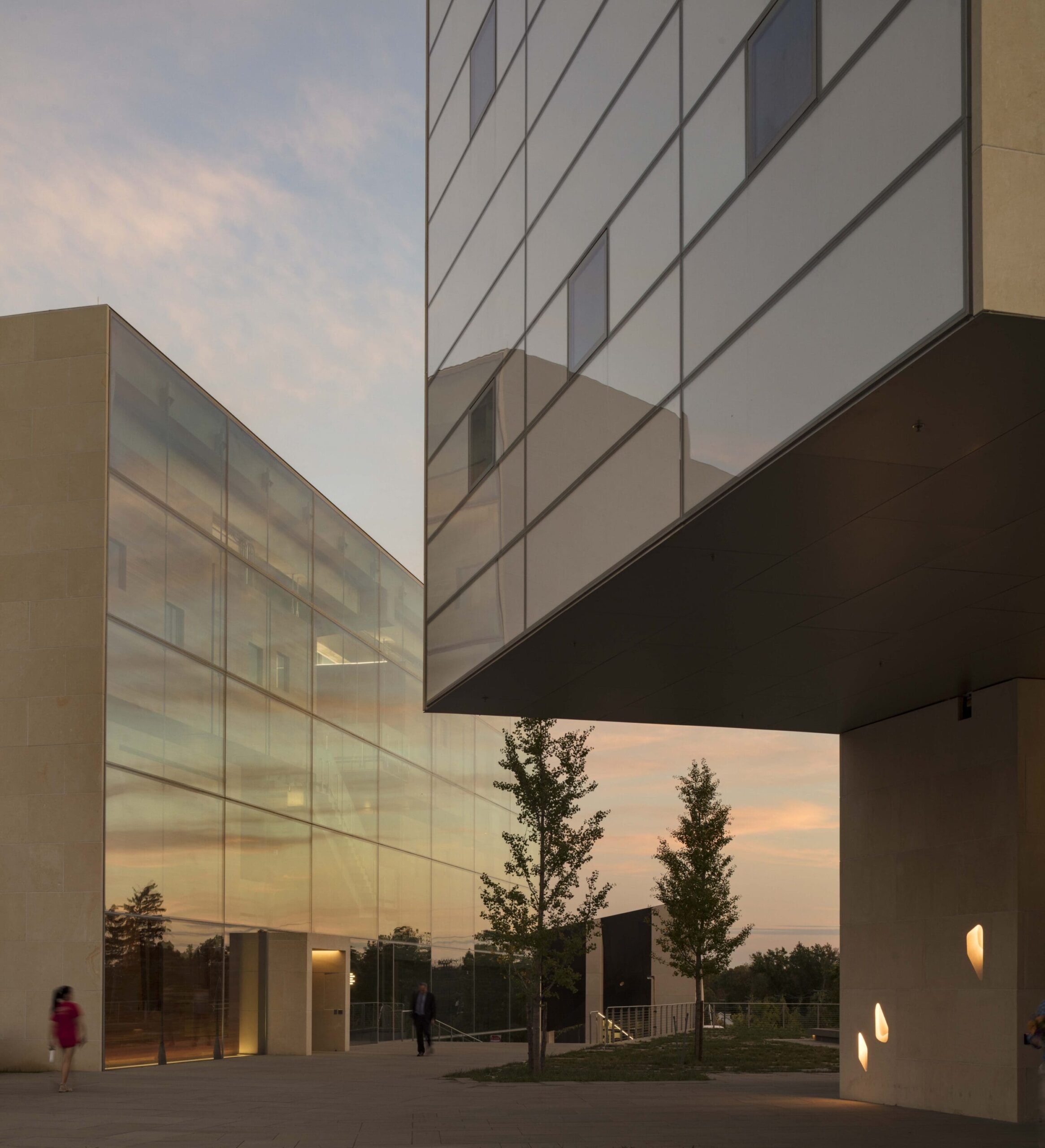
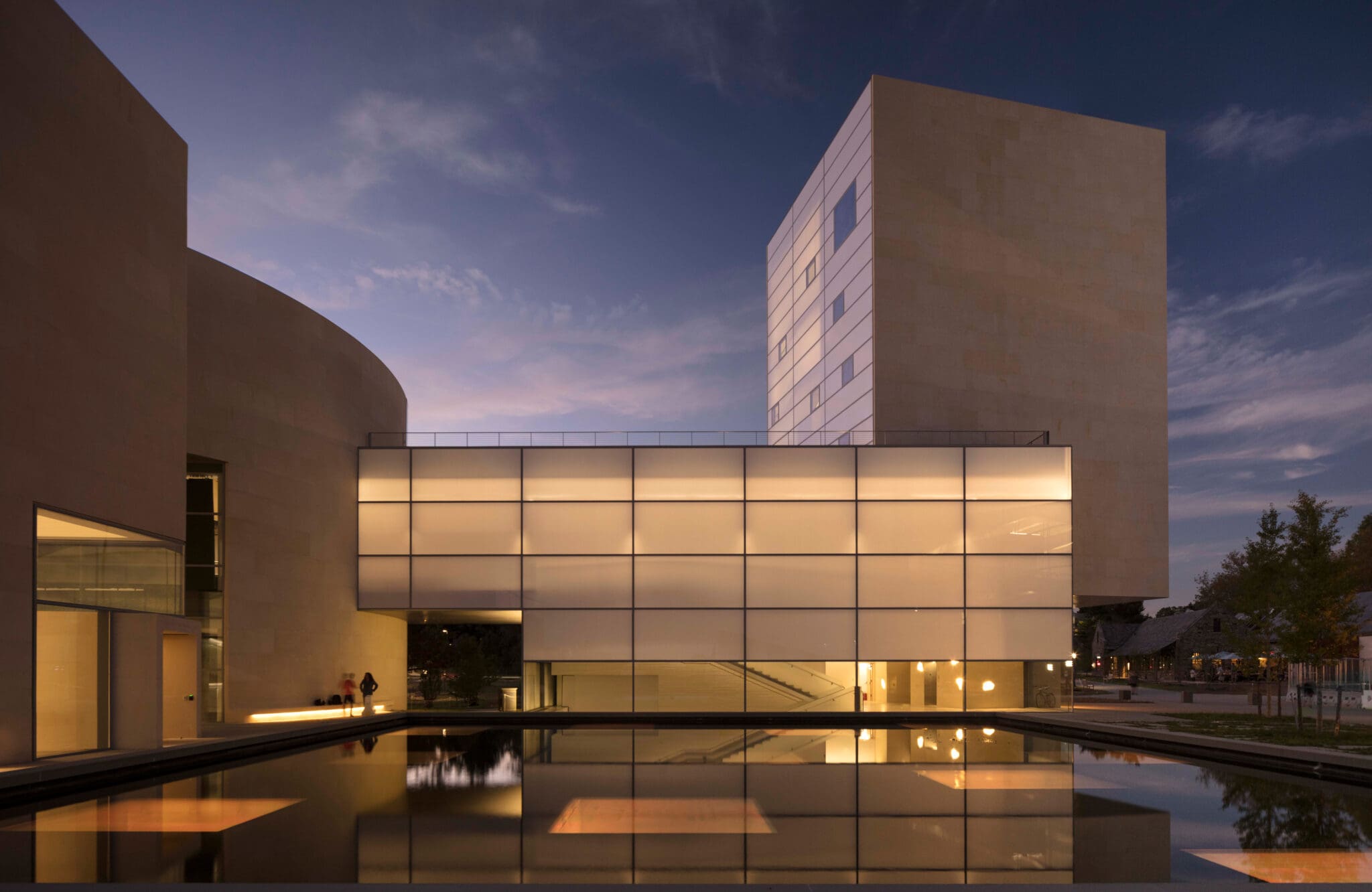
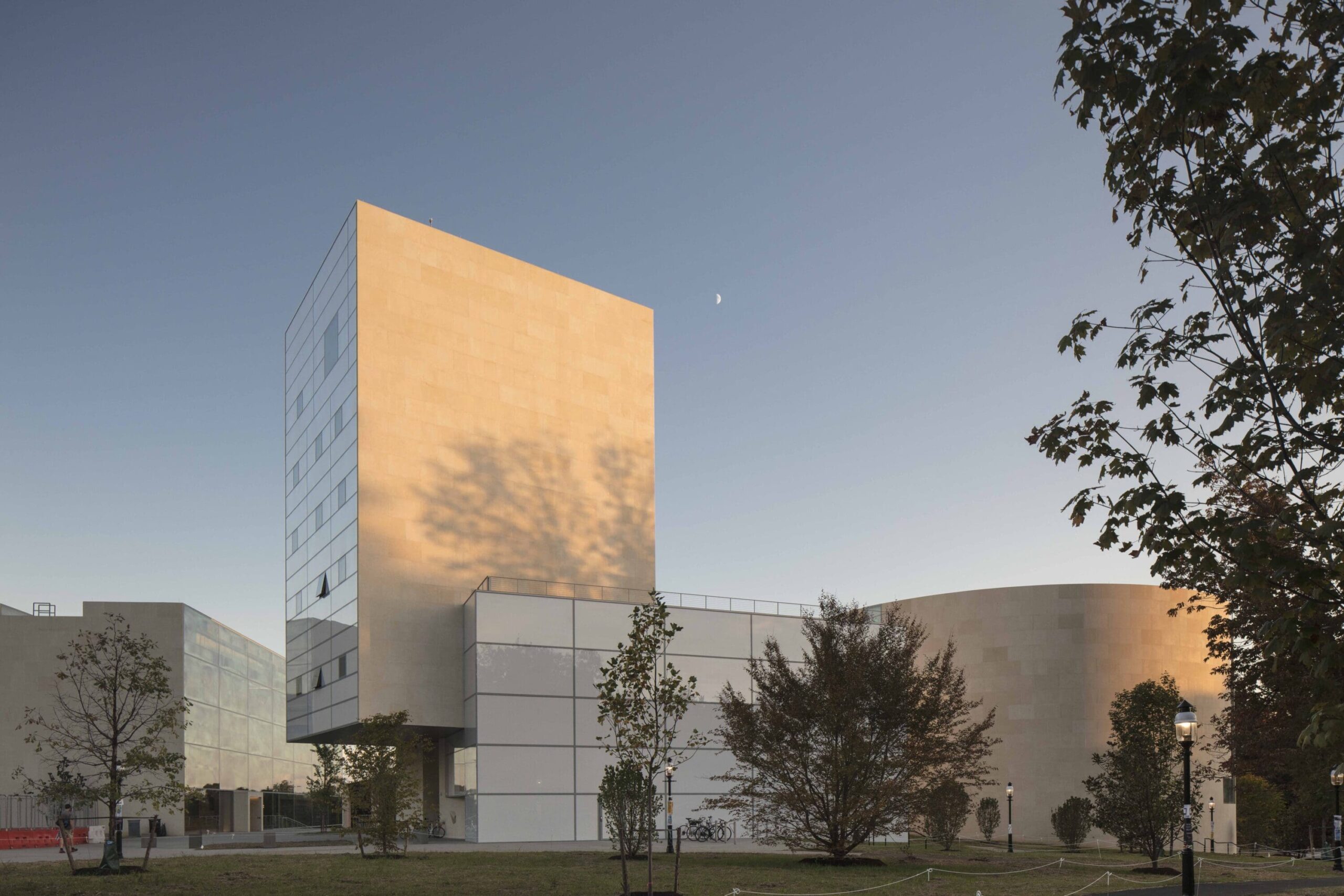
The Lewis Arts Complex at Princeton University (United States) demonstrates Holl’s interest in urban porosity and architecture’s capacity to generate a public and communal fabric. The residential and learning complex groups three independent buildings—dedicated to theater and dance, visual arts, and music—clad in historic Lecce stone, which visually connects with the traditional campus. These three independent structures are unified underground through the Forum, a large gathering space top-lit by the water of a large exterior reflecting pool featuring skylights, allowing sunlight to filter down to the lower rehearsal areas while passersby observe the dynamism of art from the public plaza.
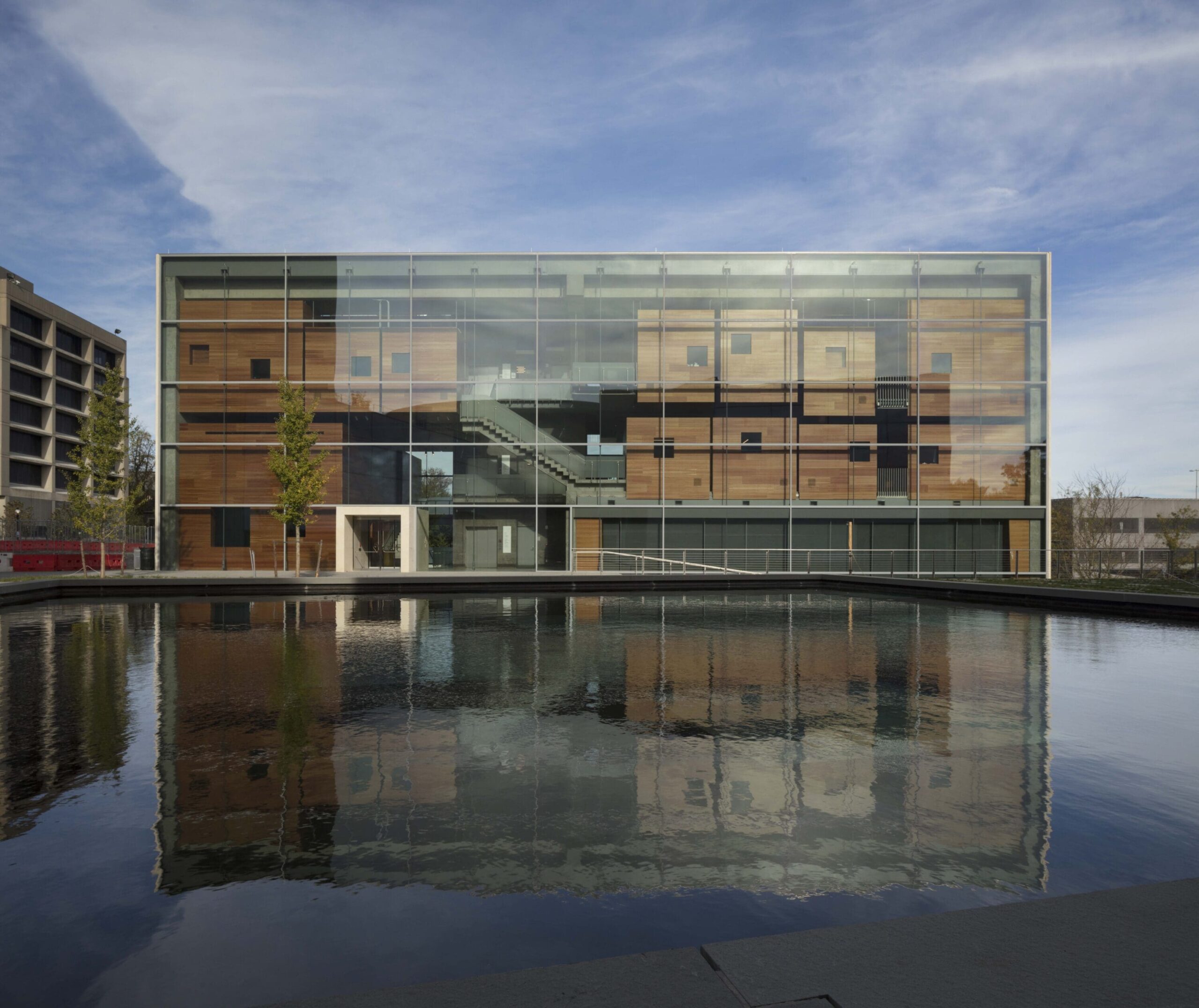
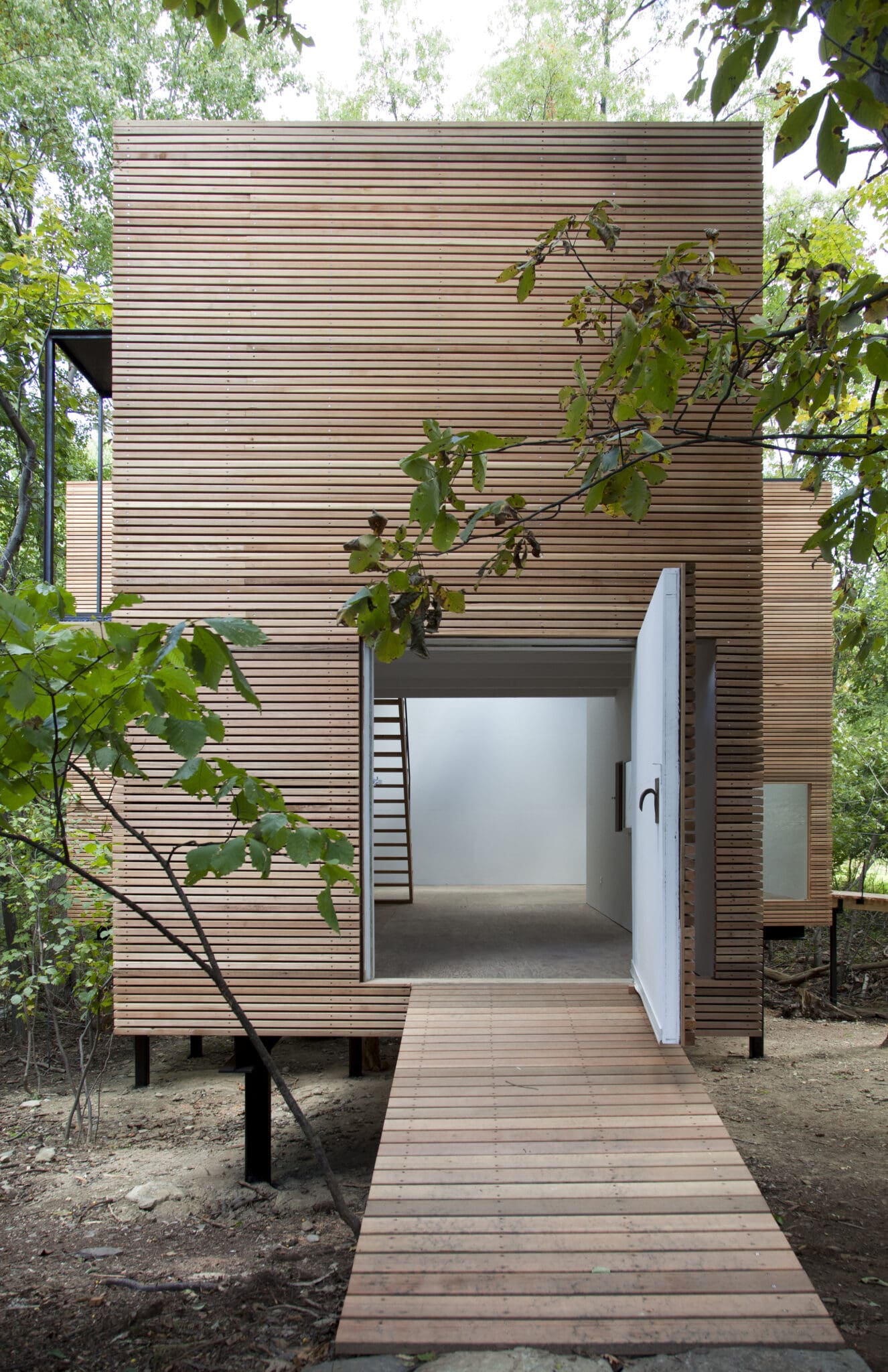
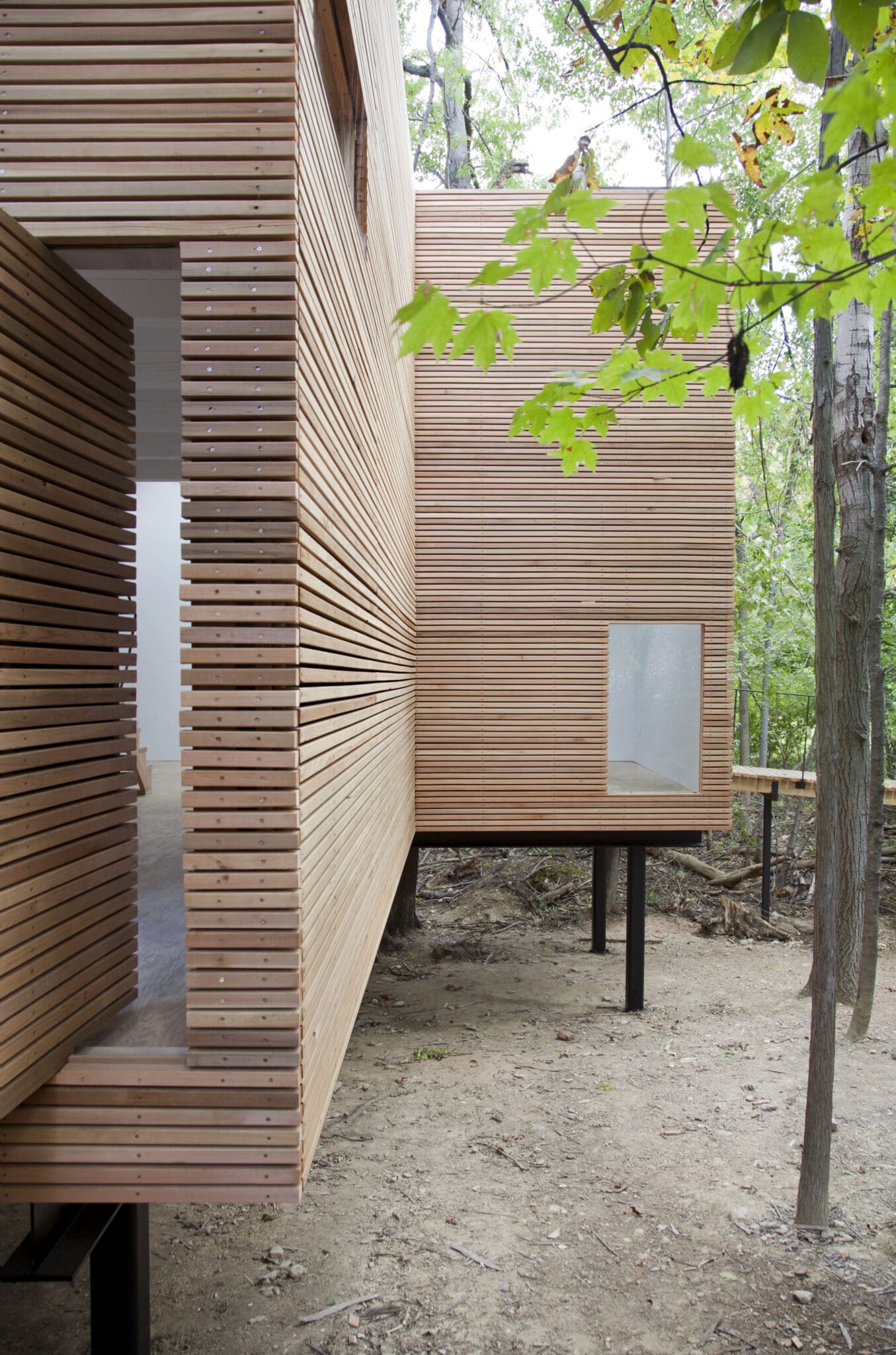
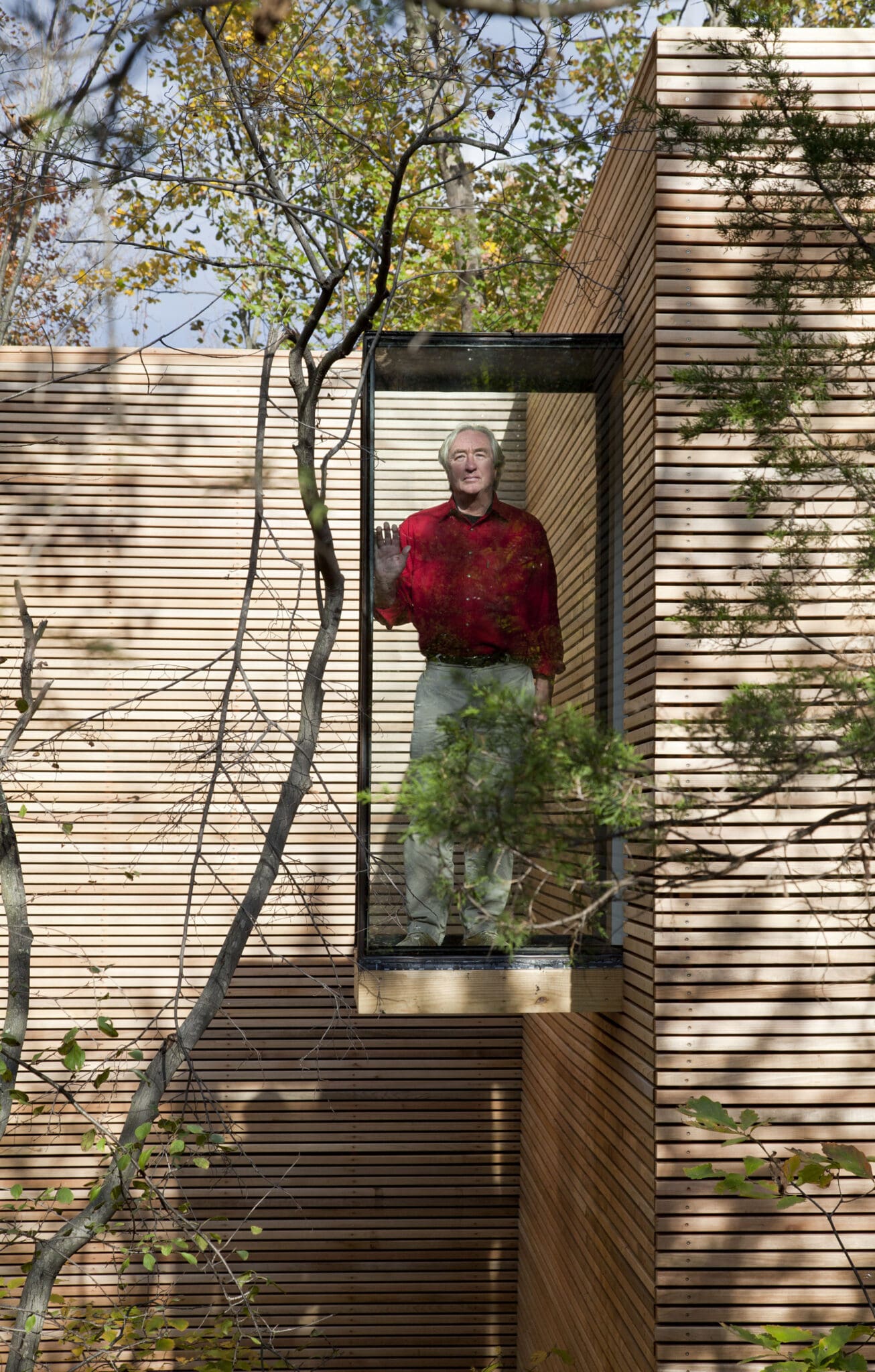
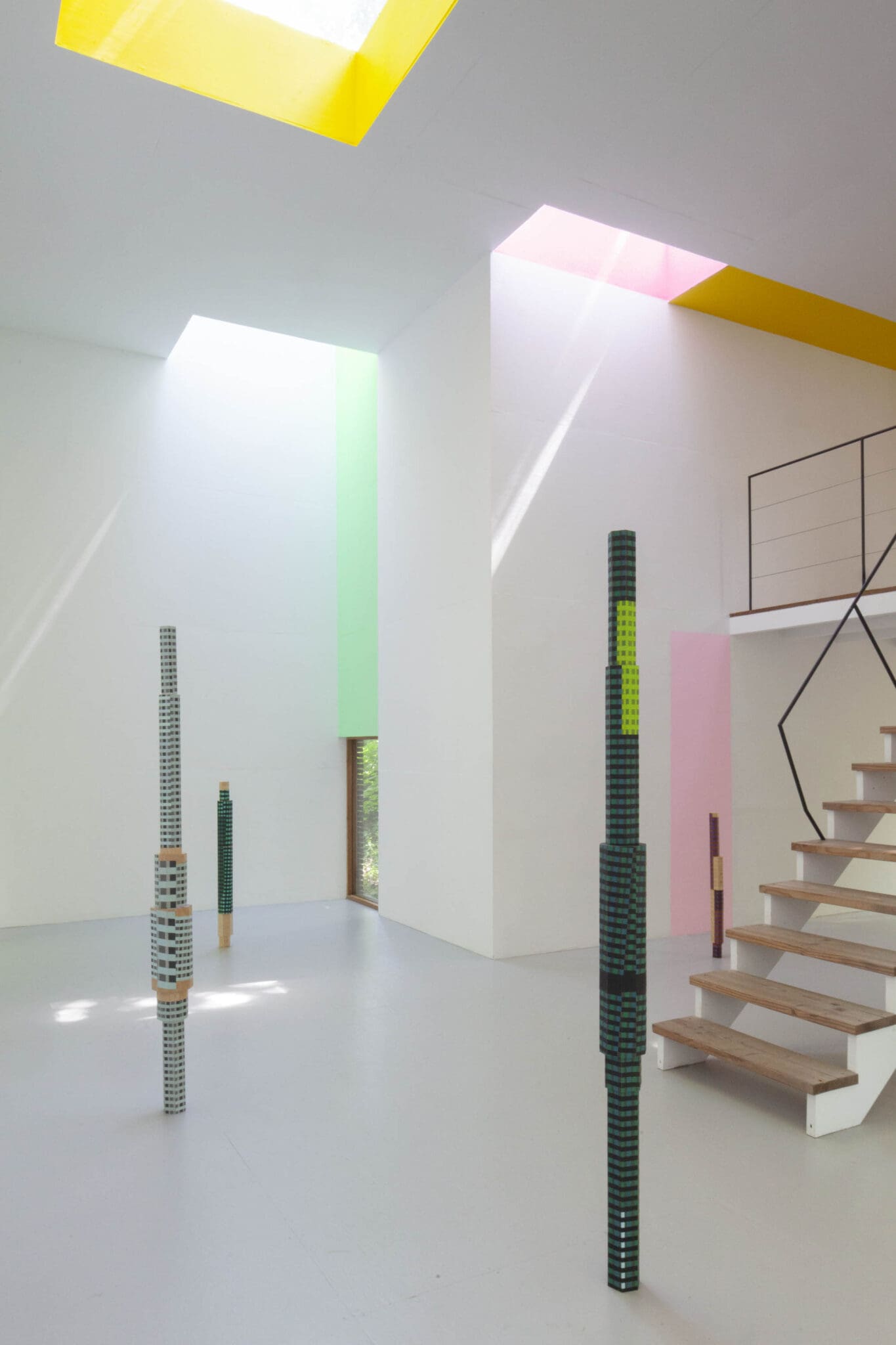
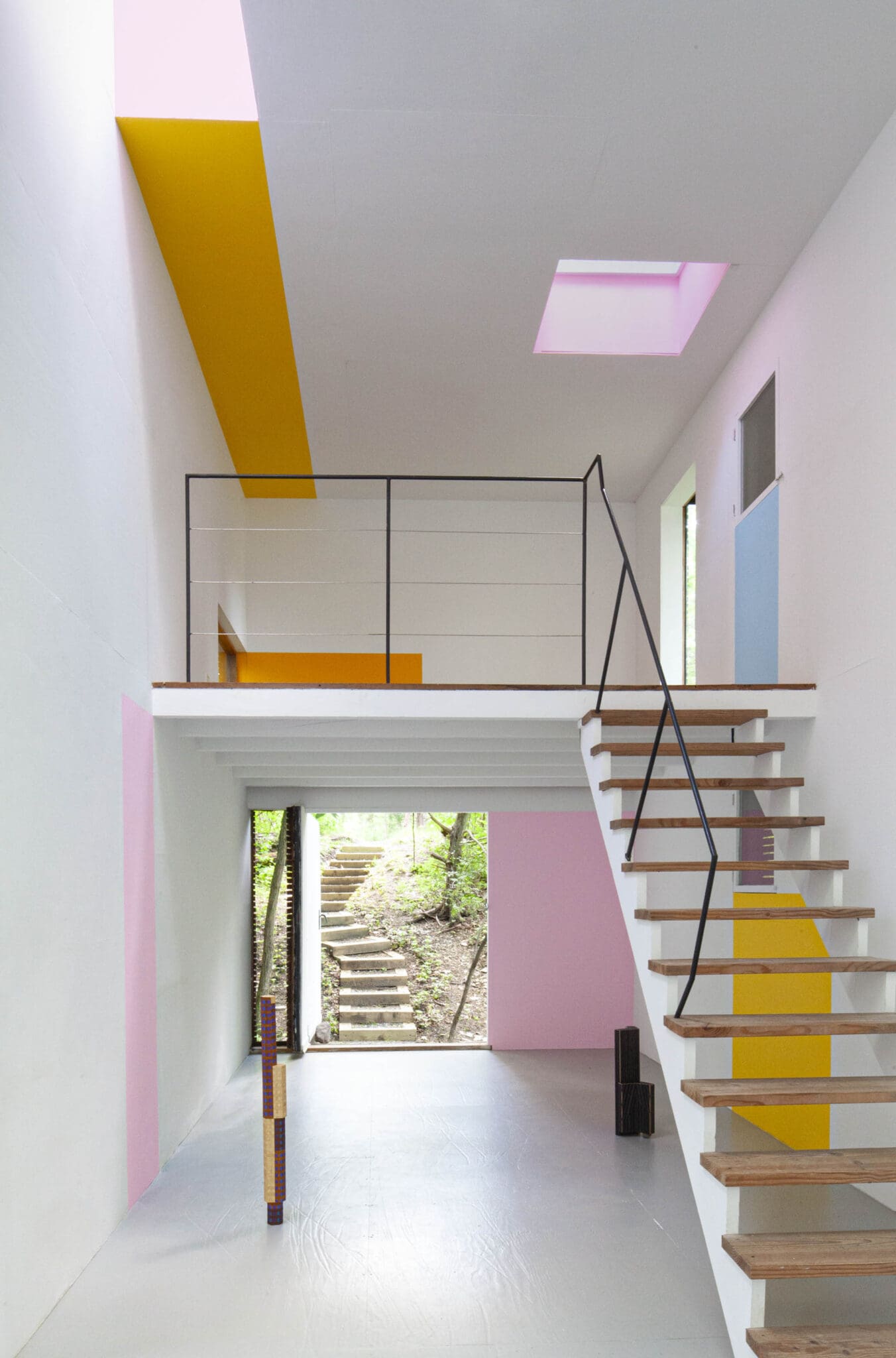
Finally, the T Space project in Rhinebeck, New York (United States), embodies Holl’s exploration of the minimal residential and cultural scale, standing out for its ecological approach and precise spiritual proportions. This wooden gallery and art intervention is situated in a wooded setting next to an existing stone dwelling, serving as a manifesto for sustainable design and technological disconnection. The building foregoes the use of conventional electricity through solutions such as strategically oriented pivot windows and spaces designed to accommodate candles, achieving an absolute symbiosis with nature and demonstrating that even a small-scale space can hold profound symbolic and phenomenological meaning.
MArch Valencia. Arquitectura y Diseño
© 2026 MArch Valencia. Arquitectura y Diseño
Privacy policy | Cookies policy | Terms of use