
Ginza: Tokyo’s Vertical Showcase
DATE
13.05.2026
Located in the heart of Tokyo, the Ginza district represents one of the most intense concentrations of contemporary architecture applied to luxury retail. Its streets bring together a continuous sequence of buildings designed by some of the most influential architects on the international scene. In this context, architecture rises vertically, transforming each plot into a compact manifesto where structure, skin, and brand merge into a unique identity.
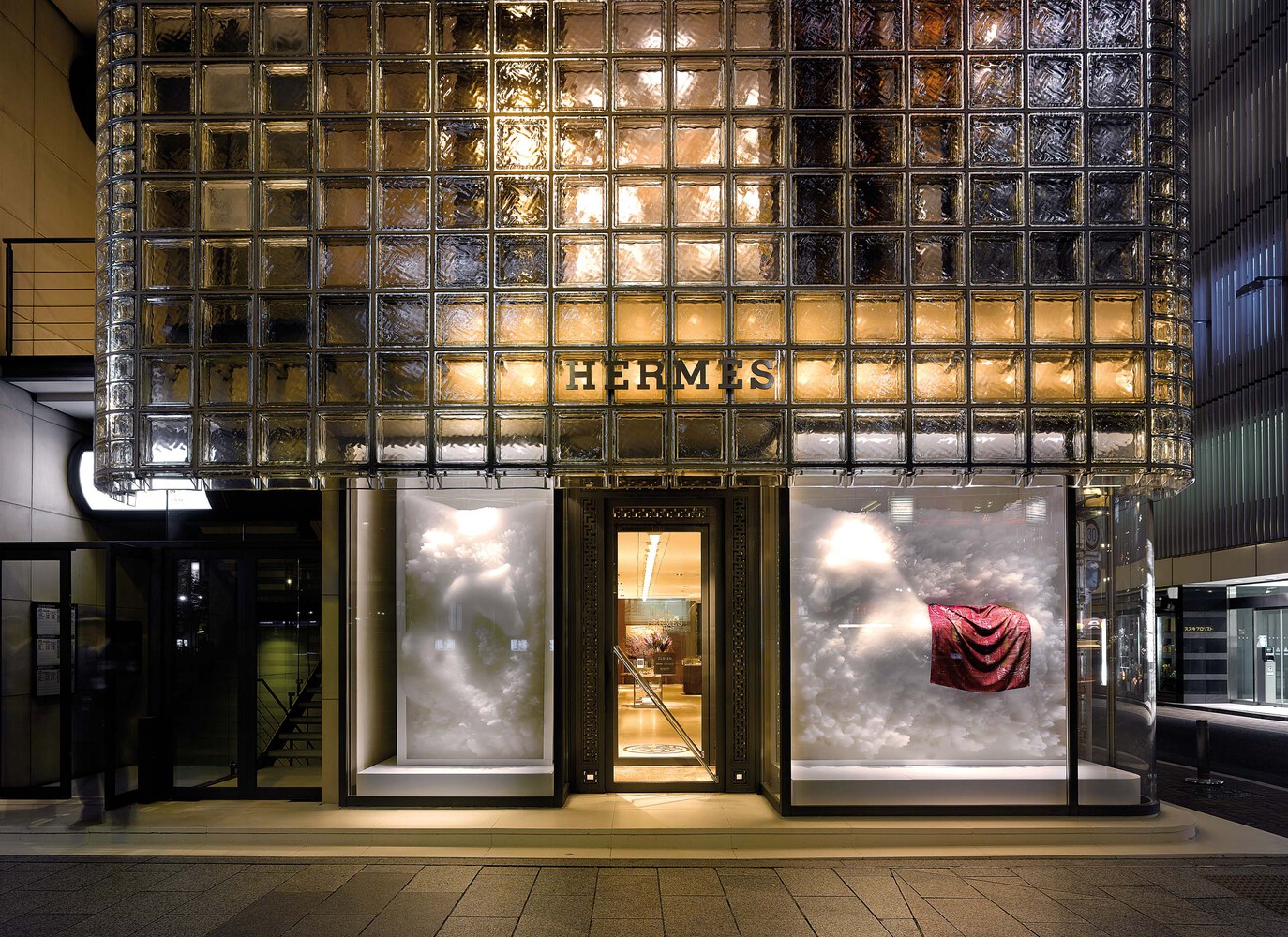
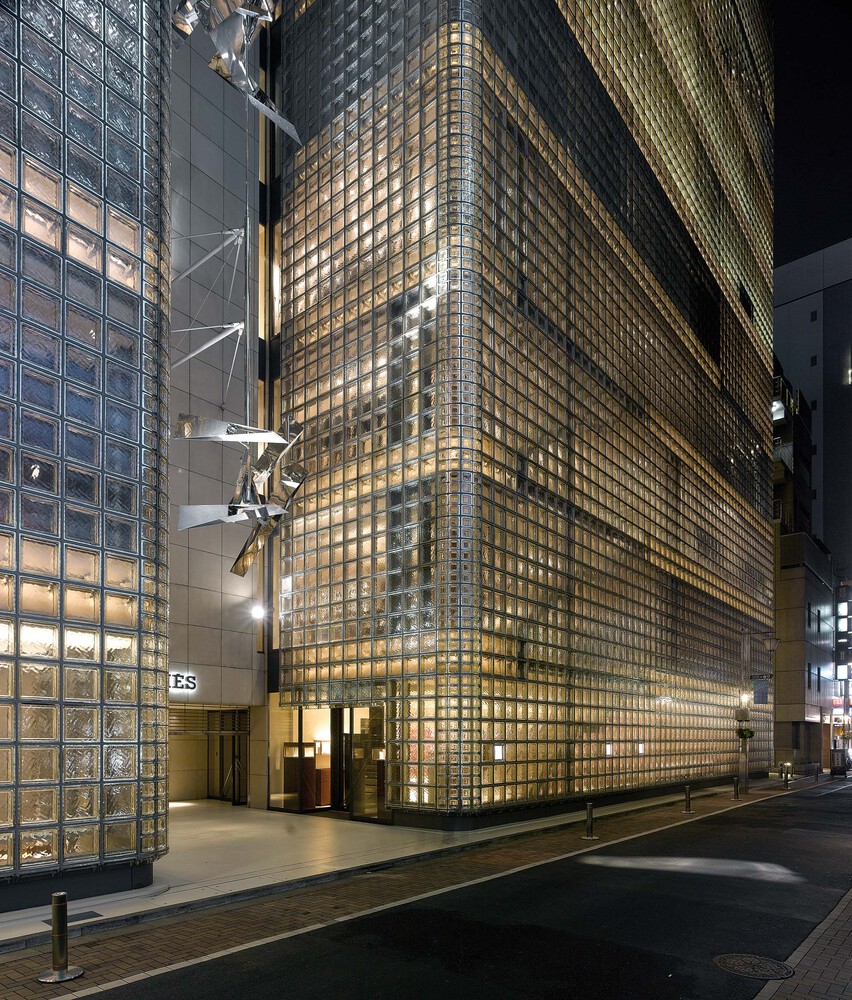
The Maison Hermès building, designed by Renzo Piano, stands out for its façade composed of thousands of glass blocks that act as a translucent filter. During the day, the building absorbs light evenly, while at night it transforms into an urban lantern emitting a warm and uniform glow. This treatment turns the envelope into an active element, capable of dissolving the boundary between interior and exterior.
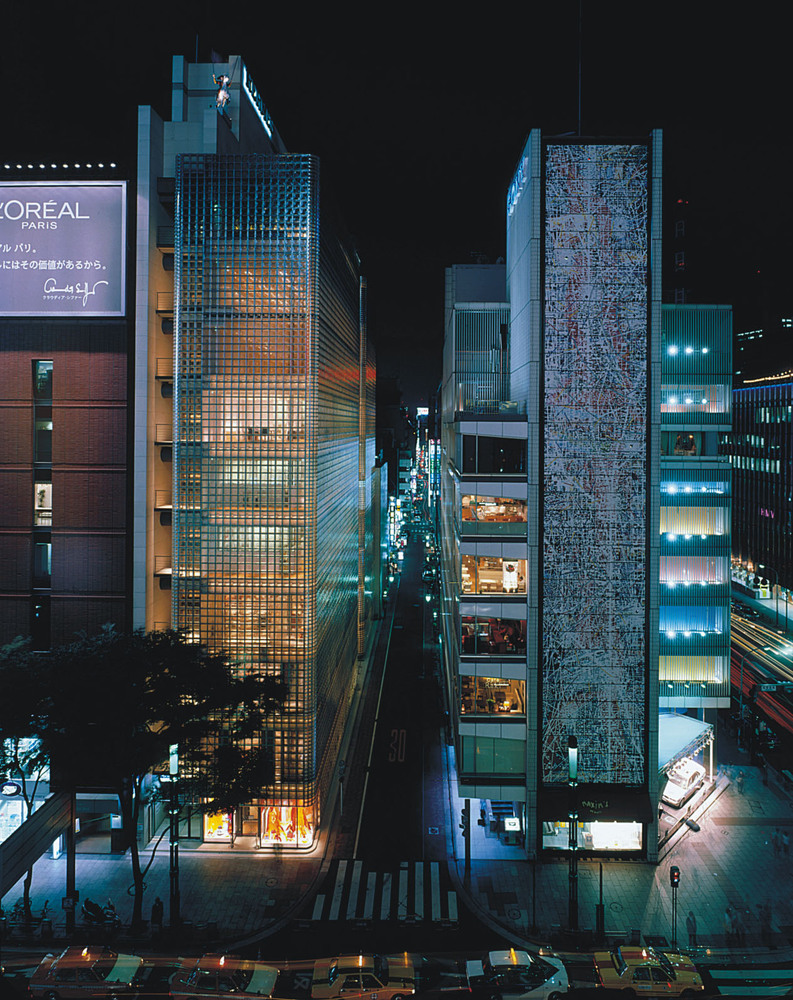
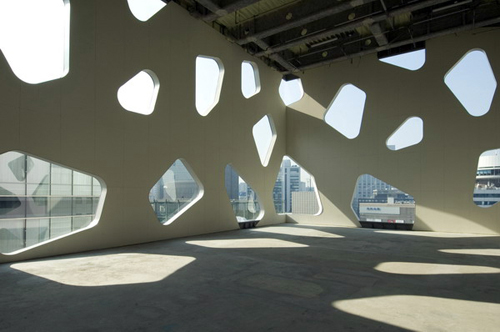
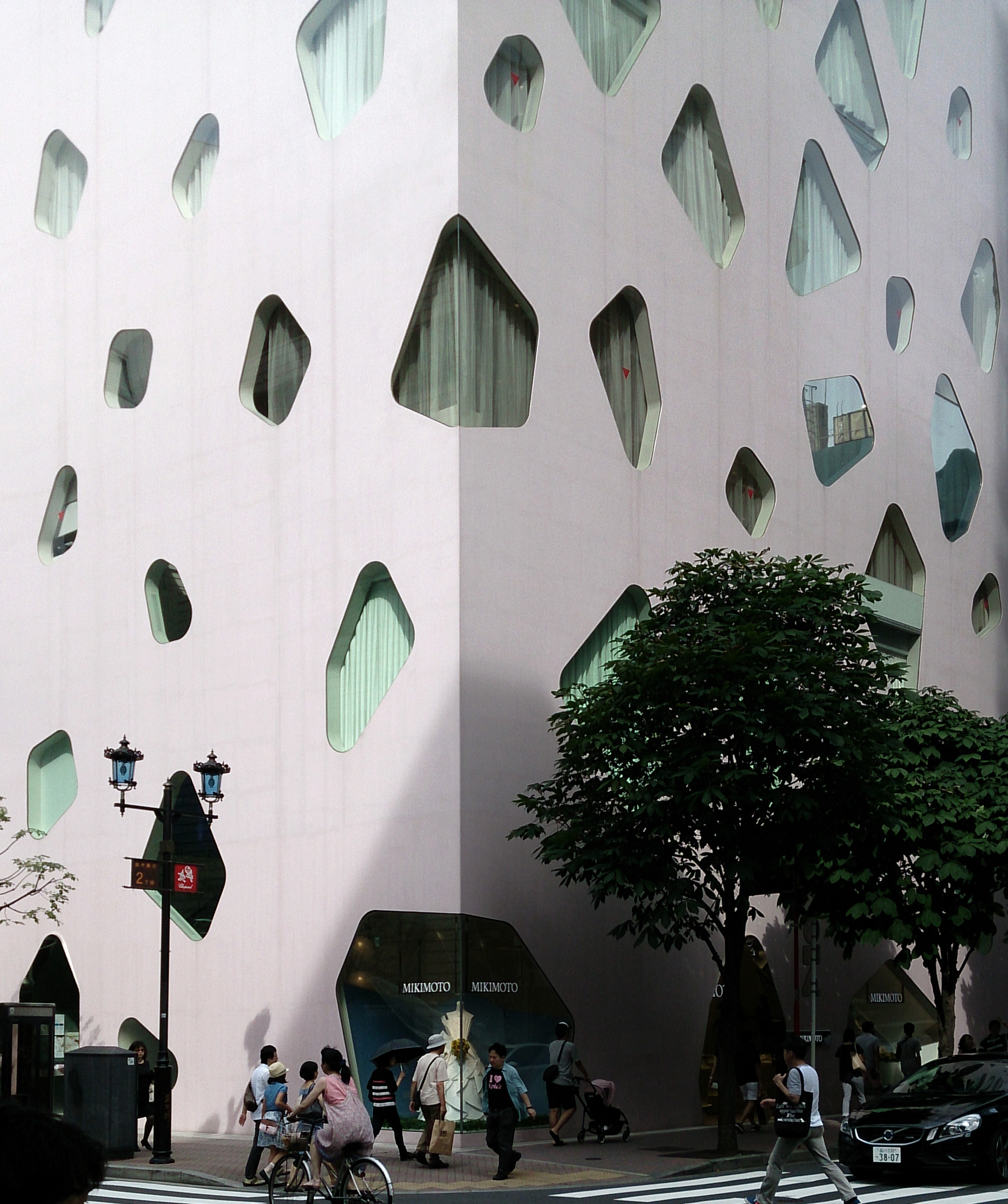
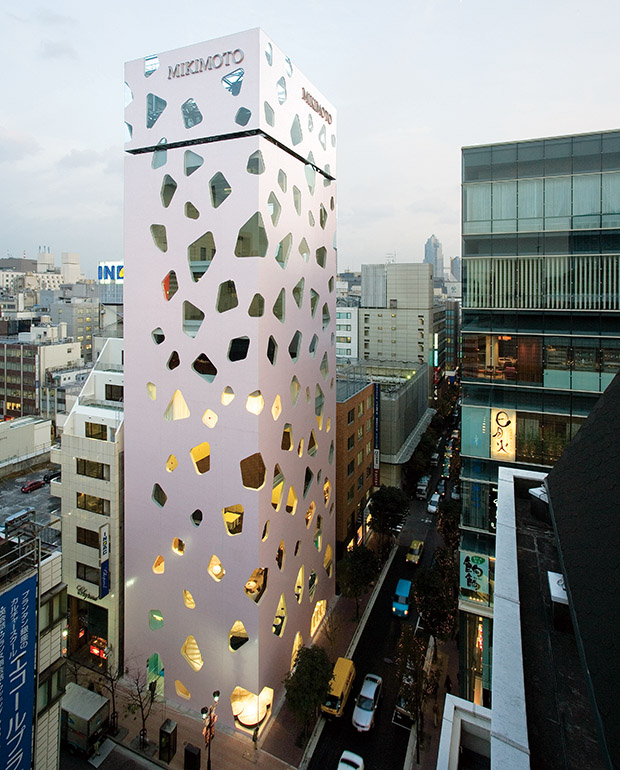
The Mikimoto Ginza store, designed by Toyo Ito, features a perforated façade that breaks away from traditional structural repetition. Its irregular openings generate an organic composition reminiscent of natural forms, blurring the scale of the building and giving it a sculptural dimension. Structure and envelope merge into a single gesture, where void becomes the protagonist.
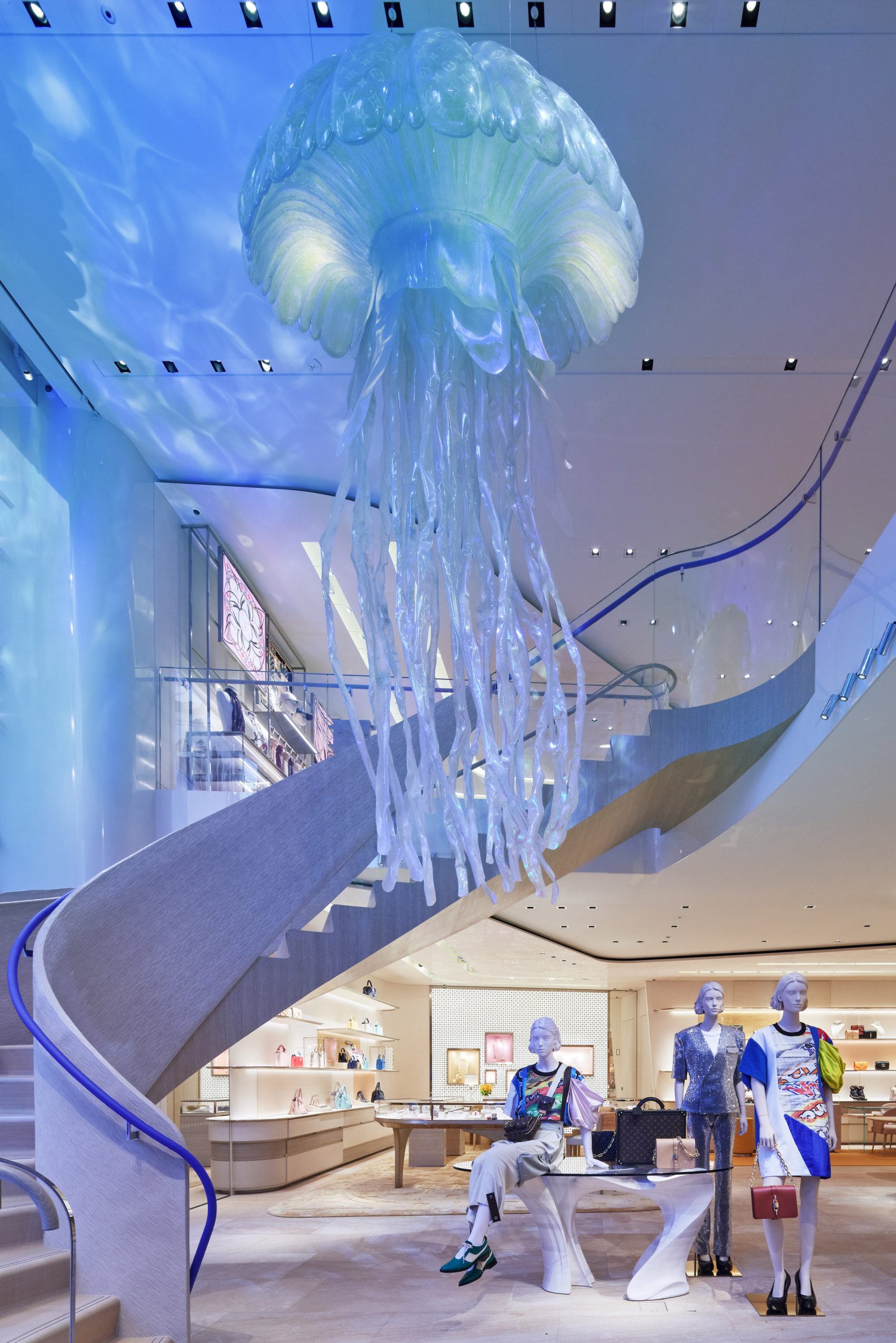
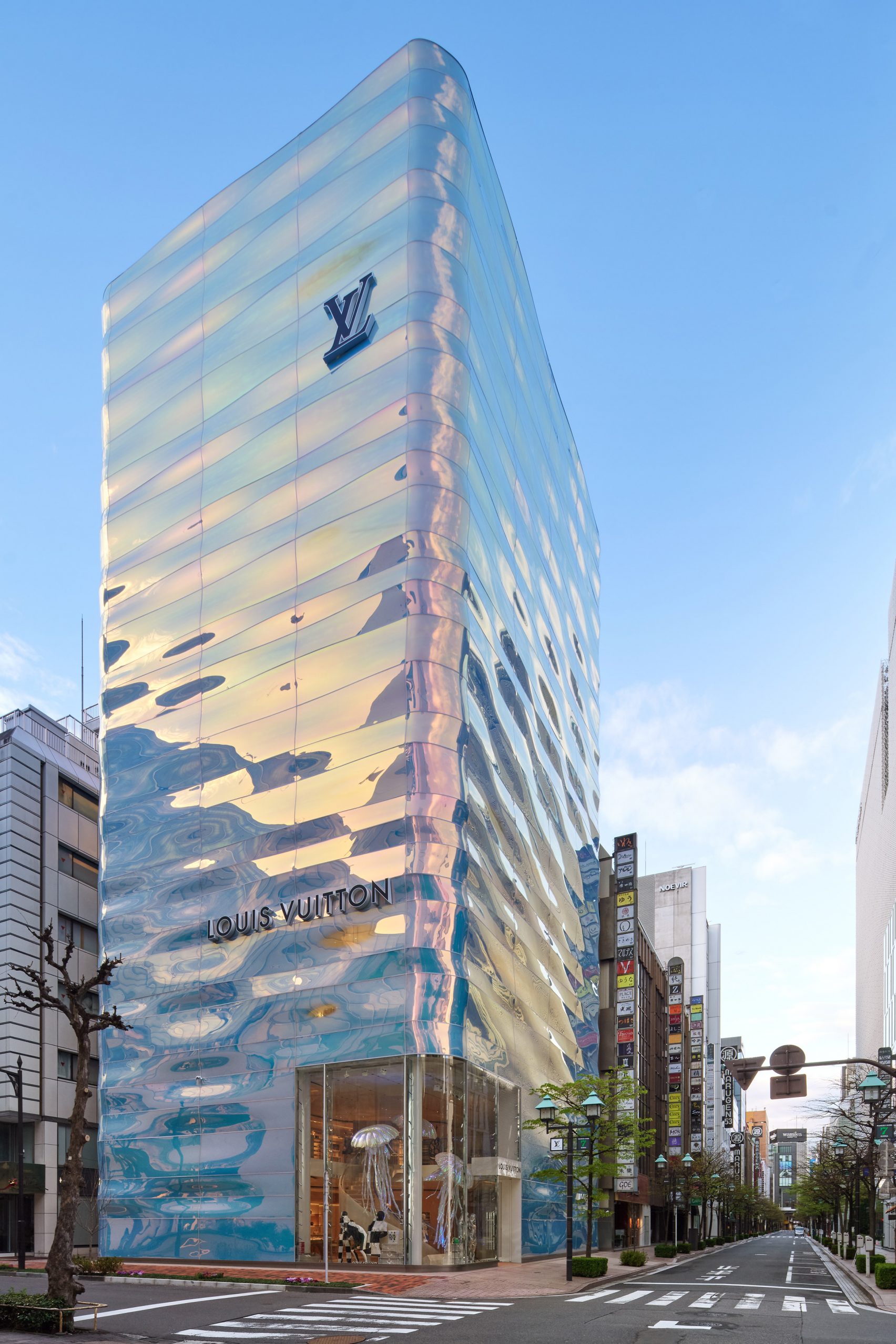
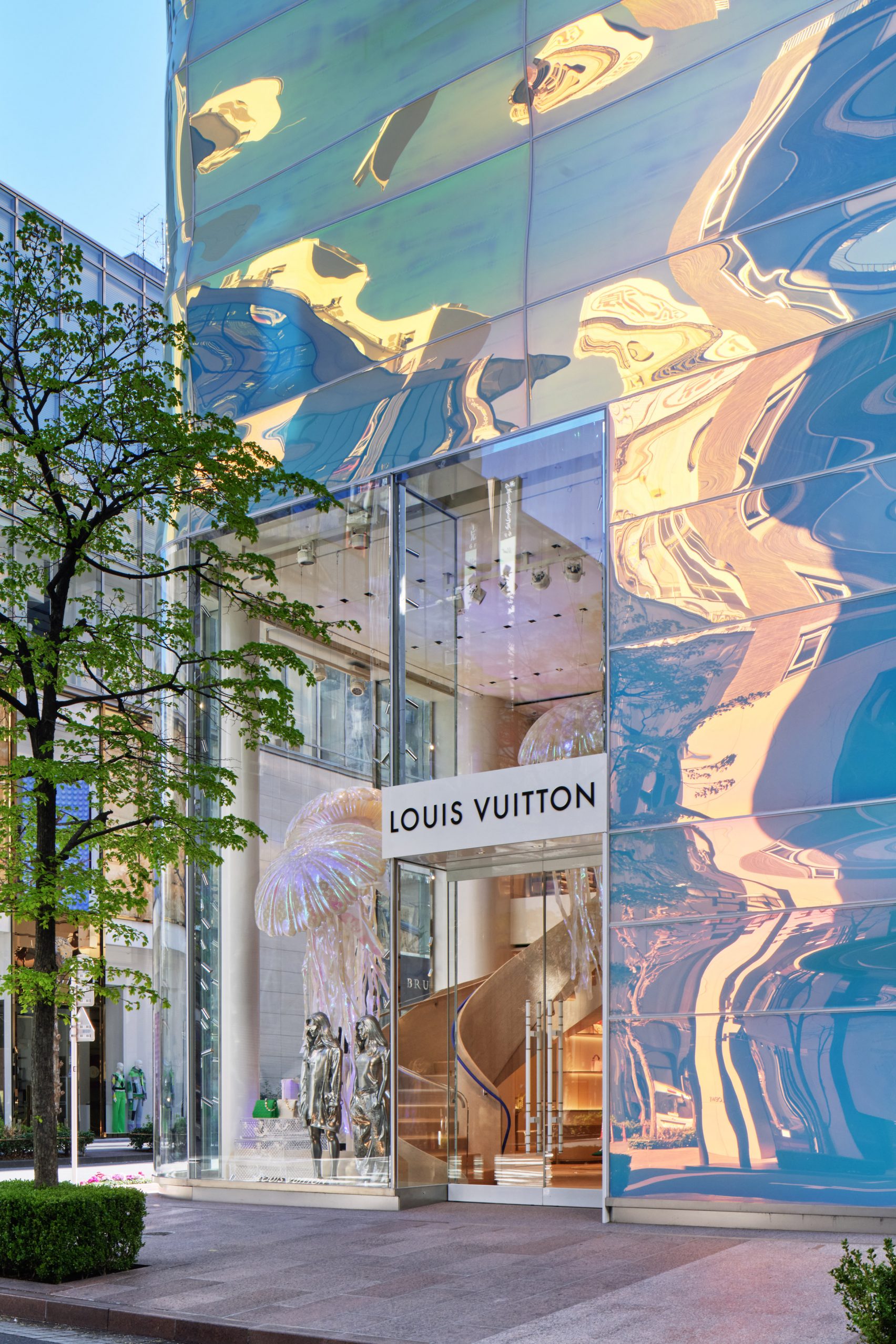
The Louis Vuitton Ginza store, designed by Jun Aoki, draws inspiration from the movement of water, creating an undulating façade that evokes the lightness of fabric in the wind. Through layered surfaces and translucent materials, the building constructs a shifting image that responds to light and urban movement, reinforcing the sense of dynamism associated with the brand.
The Nicolas G. Hayek Center, designed by Shigeru Ban, introduces a system of large movable modules that allow the interior space to be reconfigured. The façade acts as a dynamic display in which different volumes move vertically, revealing or concealing functions as needed. This approach turns the building into a flexible machine where architecture and movement merge.
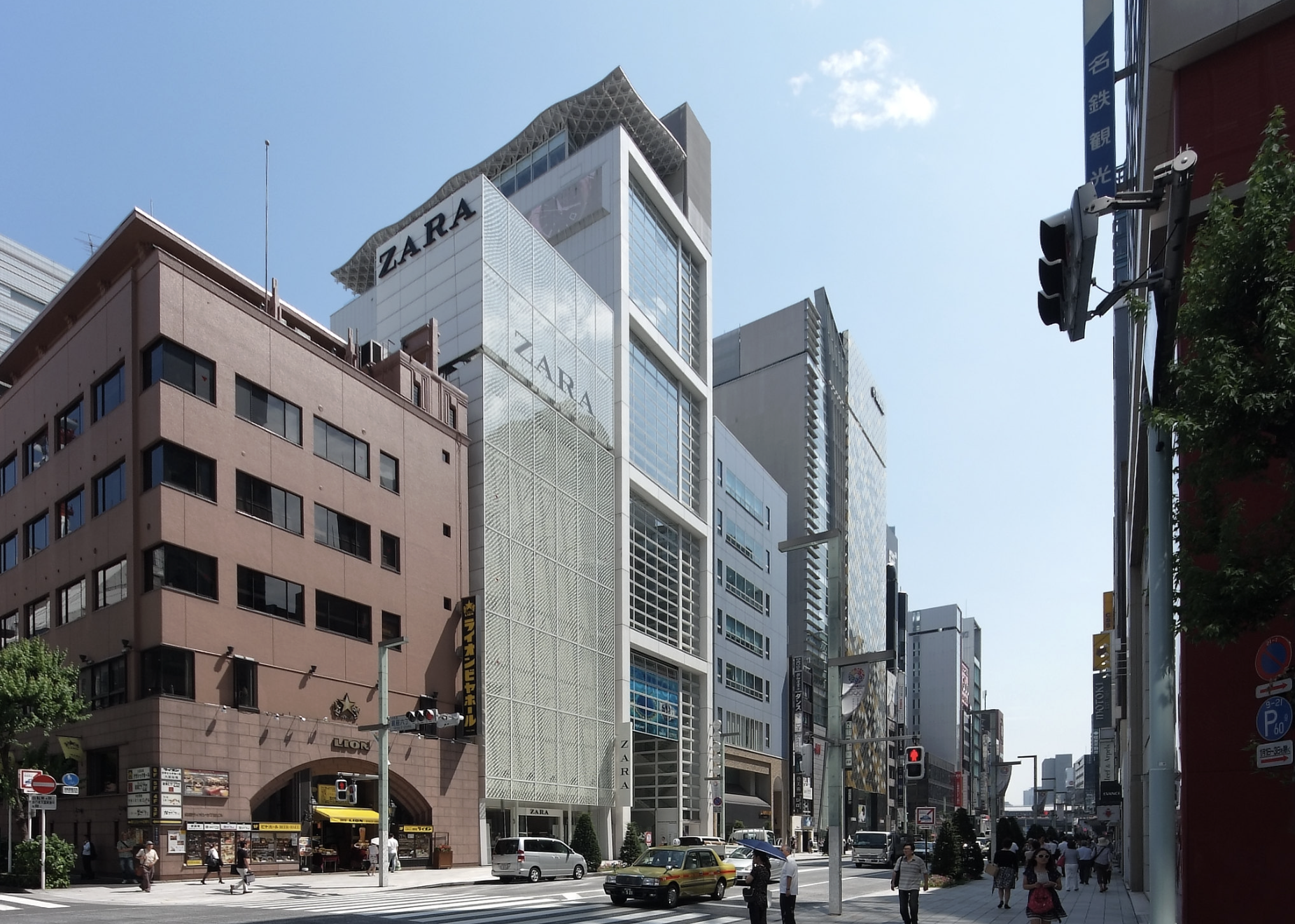
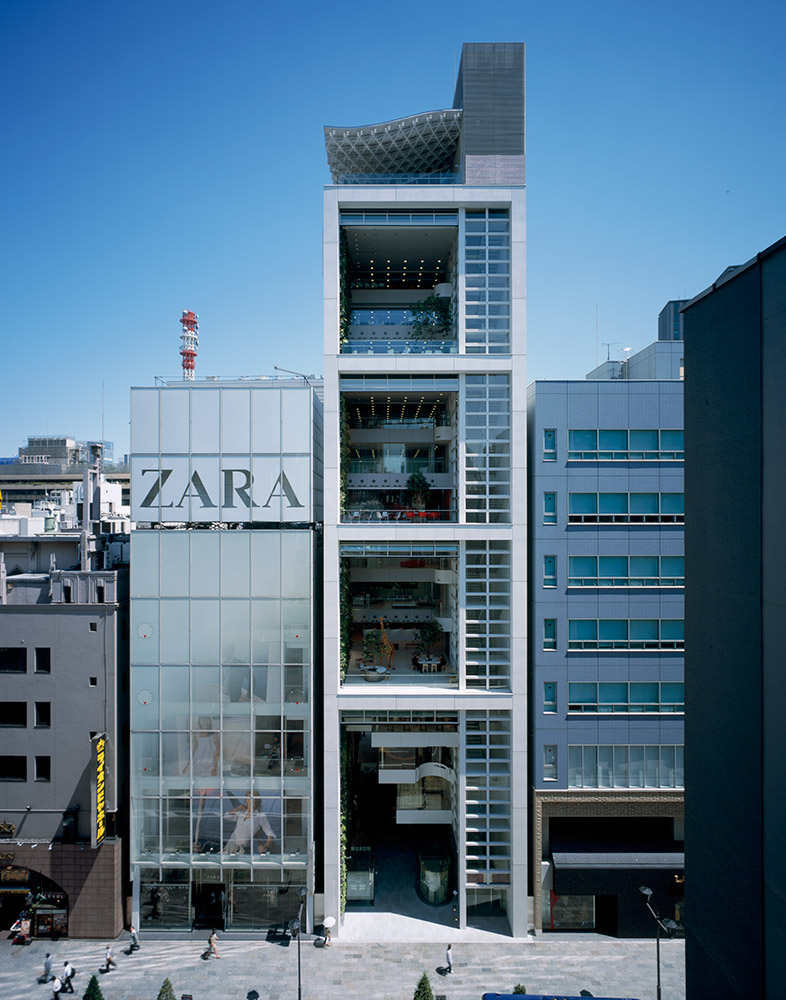
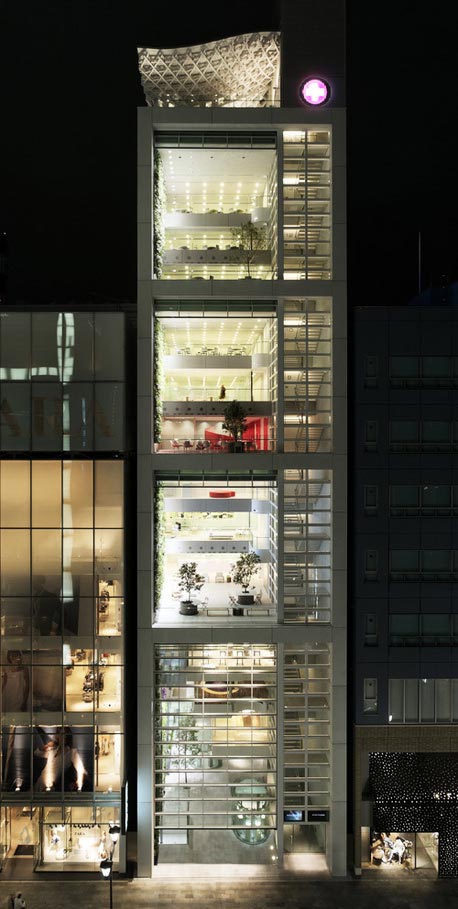
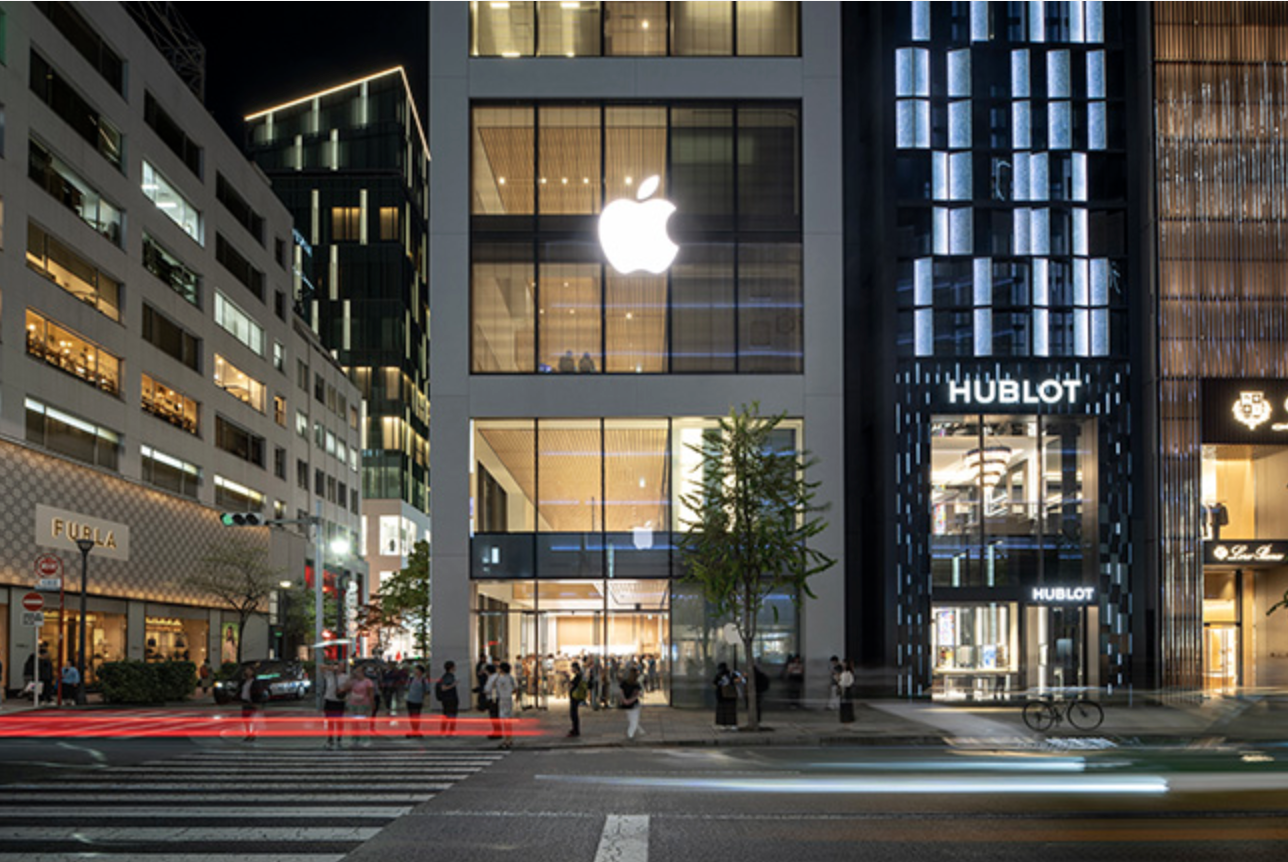
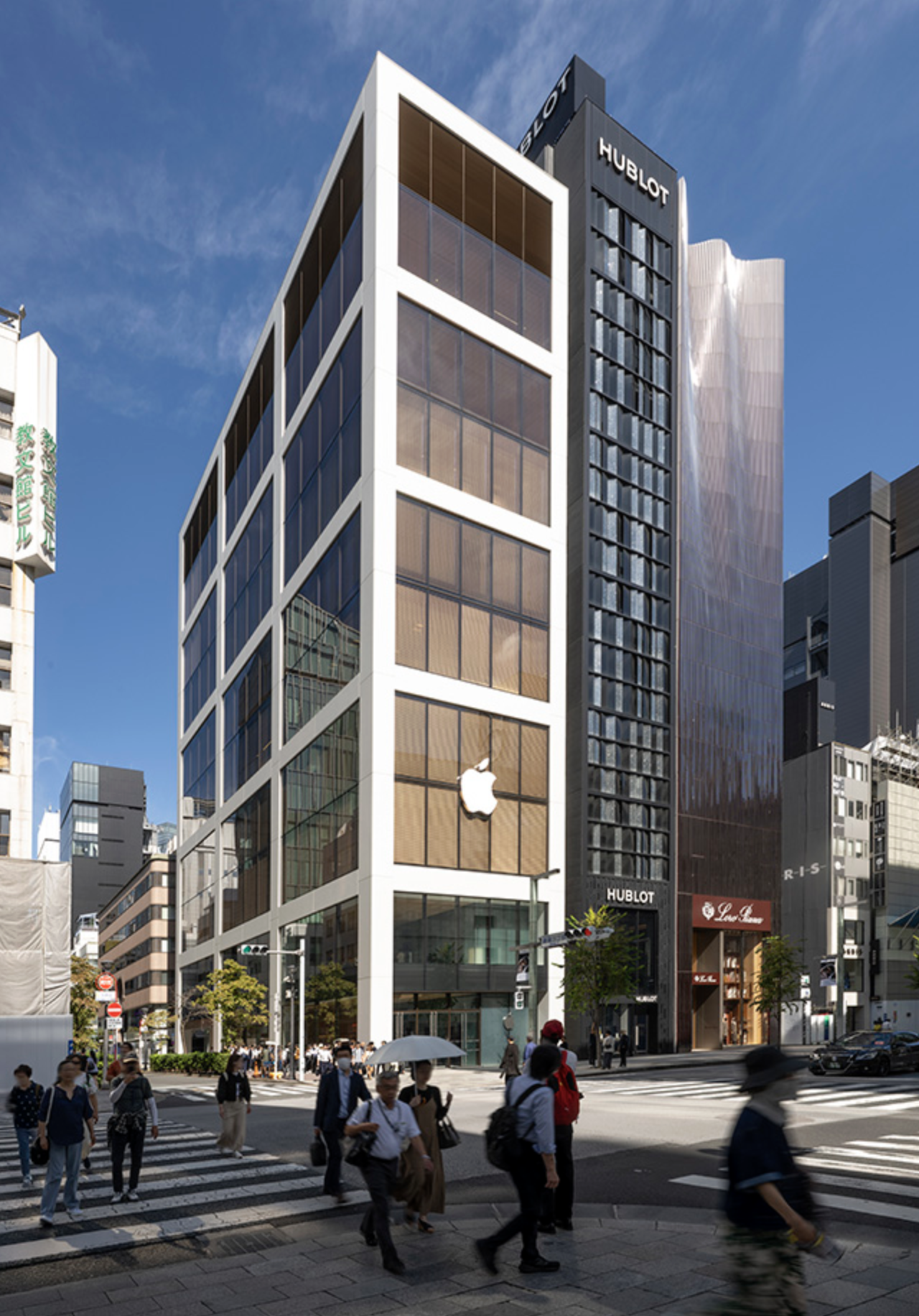
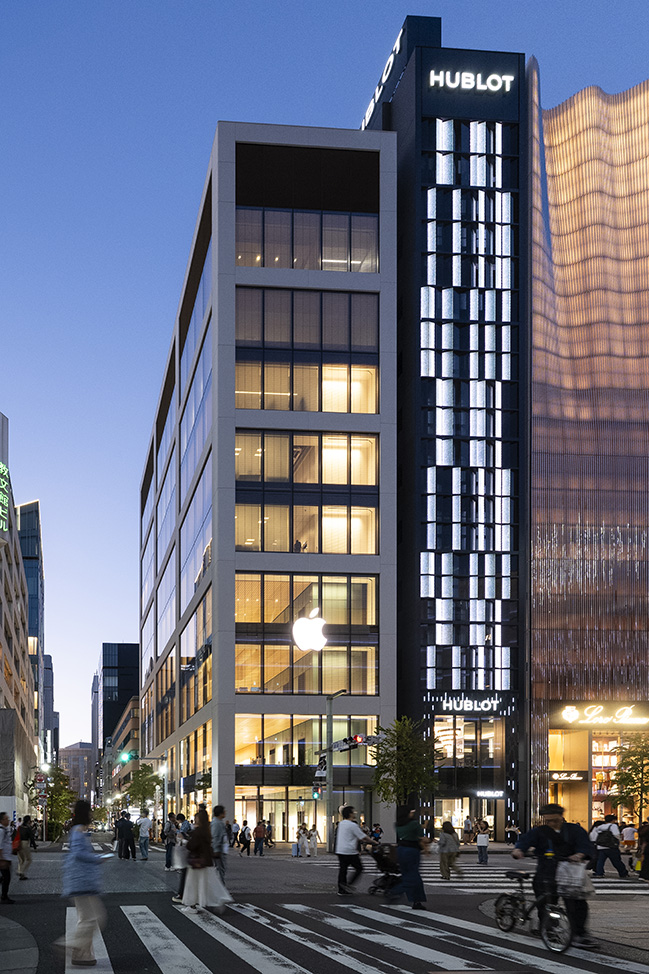
The Apple Store Ginza, designed by Foster + Partners, follows a logic of transparency and technological precision. Its tall glass façade establishes a direct visual connection between interior activity and the street, reinforcing the idea of openness. Structural lightness and spatial clarity turn the building into a continuous environment where technology is presented as an accessible urban experience.
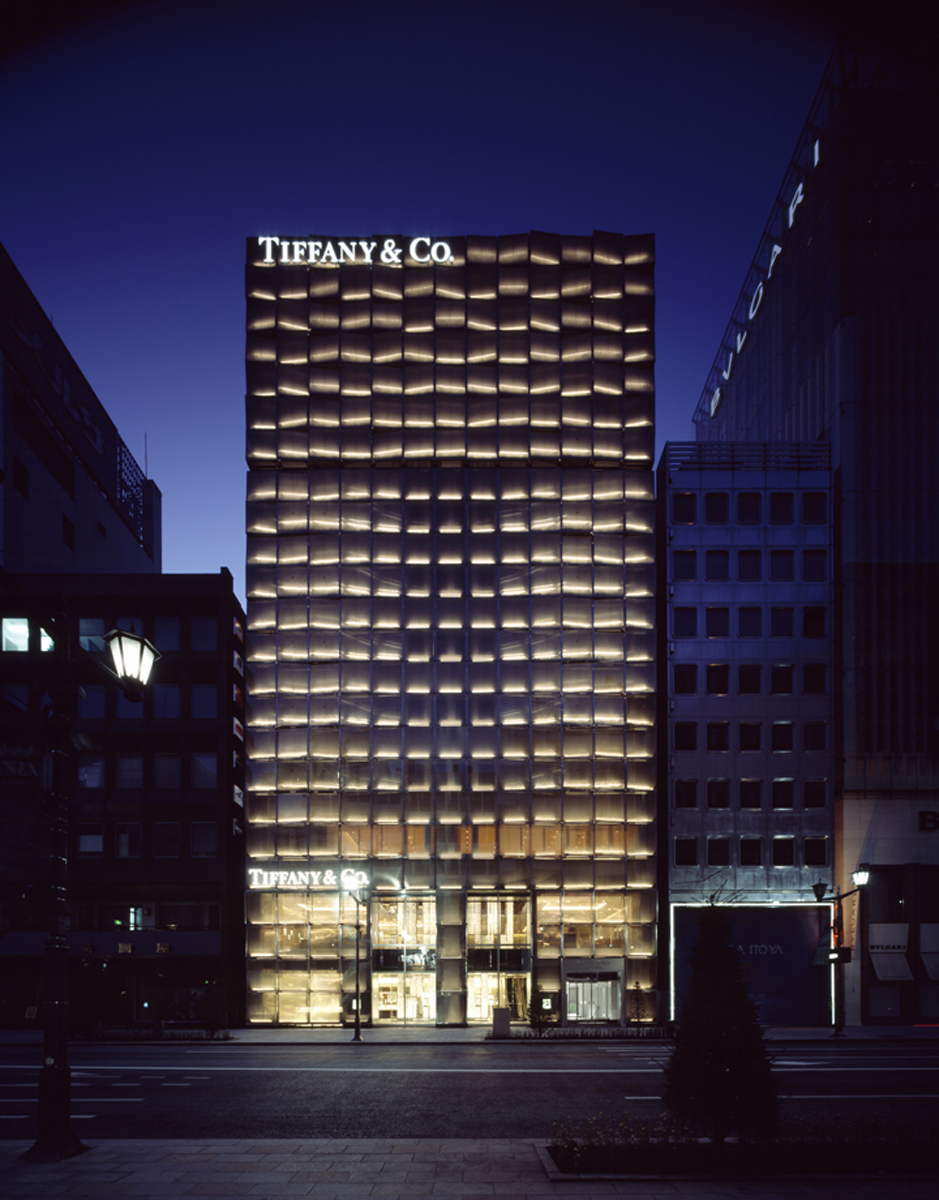
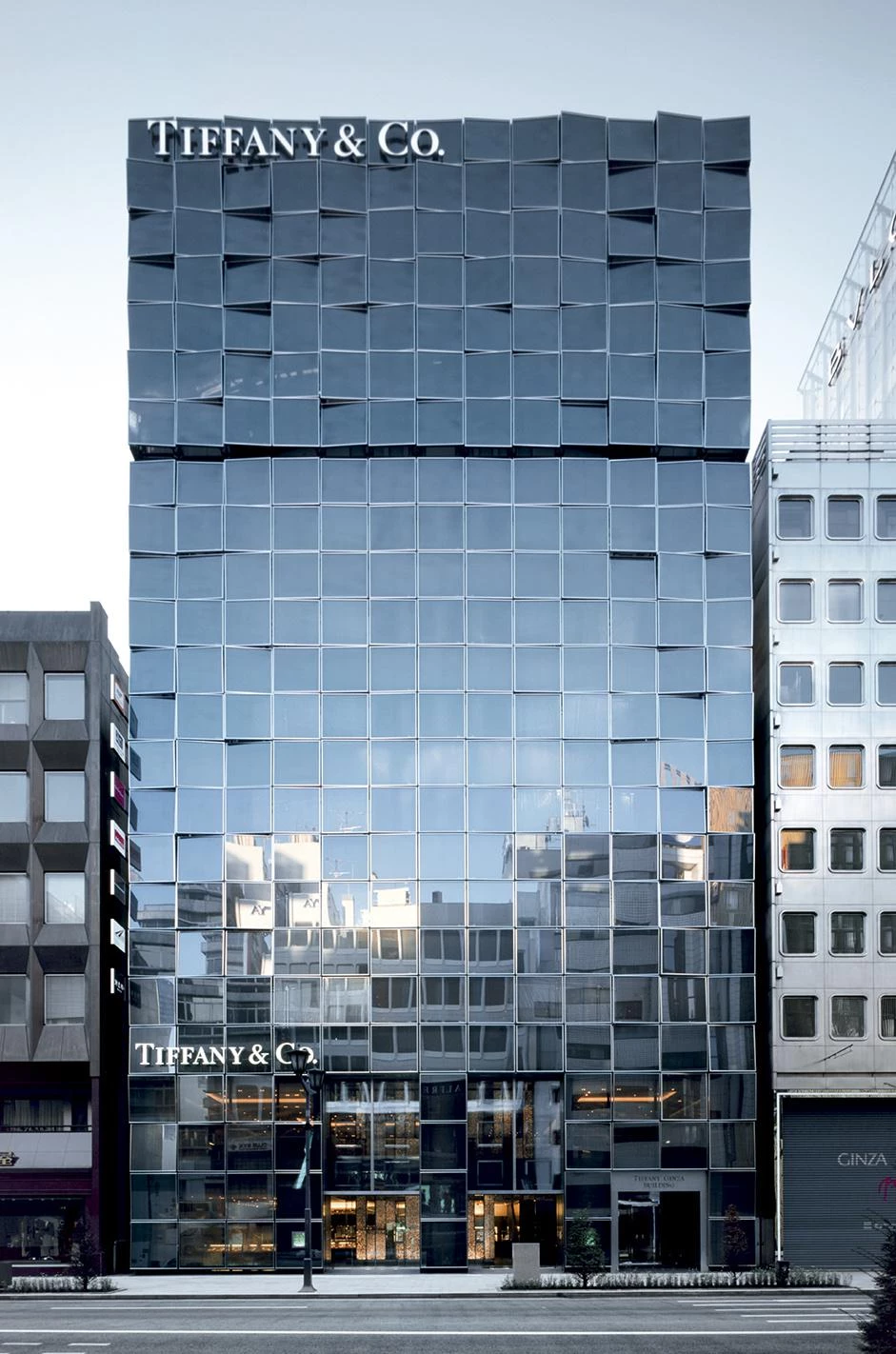
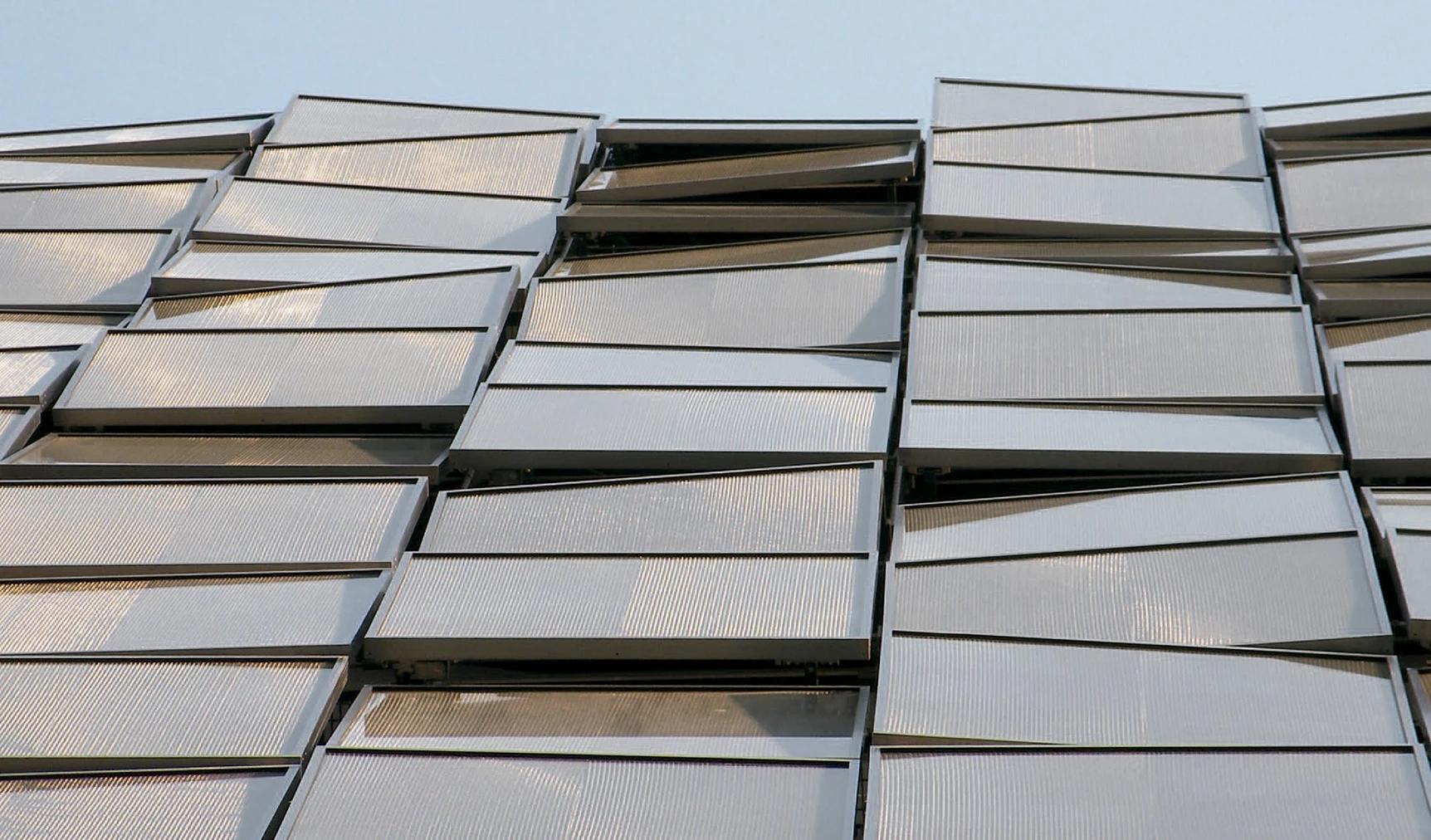
Finally, the Tiffany & Co Ginza building, designed by Kengo Kuma, offers a contemporary reinterpretation of tradition. Through a façade composed of layered textures, the project creates a play of depth and shadows that evolves throughout the day. The intervention translates the brand’s values into an architectural language that combines delicacy, materiality, and precision.
MArch Valencia. Arquitectura y Diseño
© 2026 MArch Valencia. Arquitectura y Diseño
Privacy policy | Cookies policy | Terms of use