
If you’re thinking about your next holiday, you should know these houses and residential buildings
DATE
31.03.2026
Travel can become a way of experiencing architecture firsthand. Around the world, there are iconic homes that, beyond representing milestones in modern history, transform any place into a must-visit destination for those seeking something beyond a conventional trip.
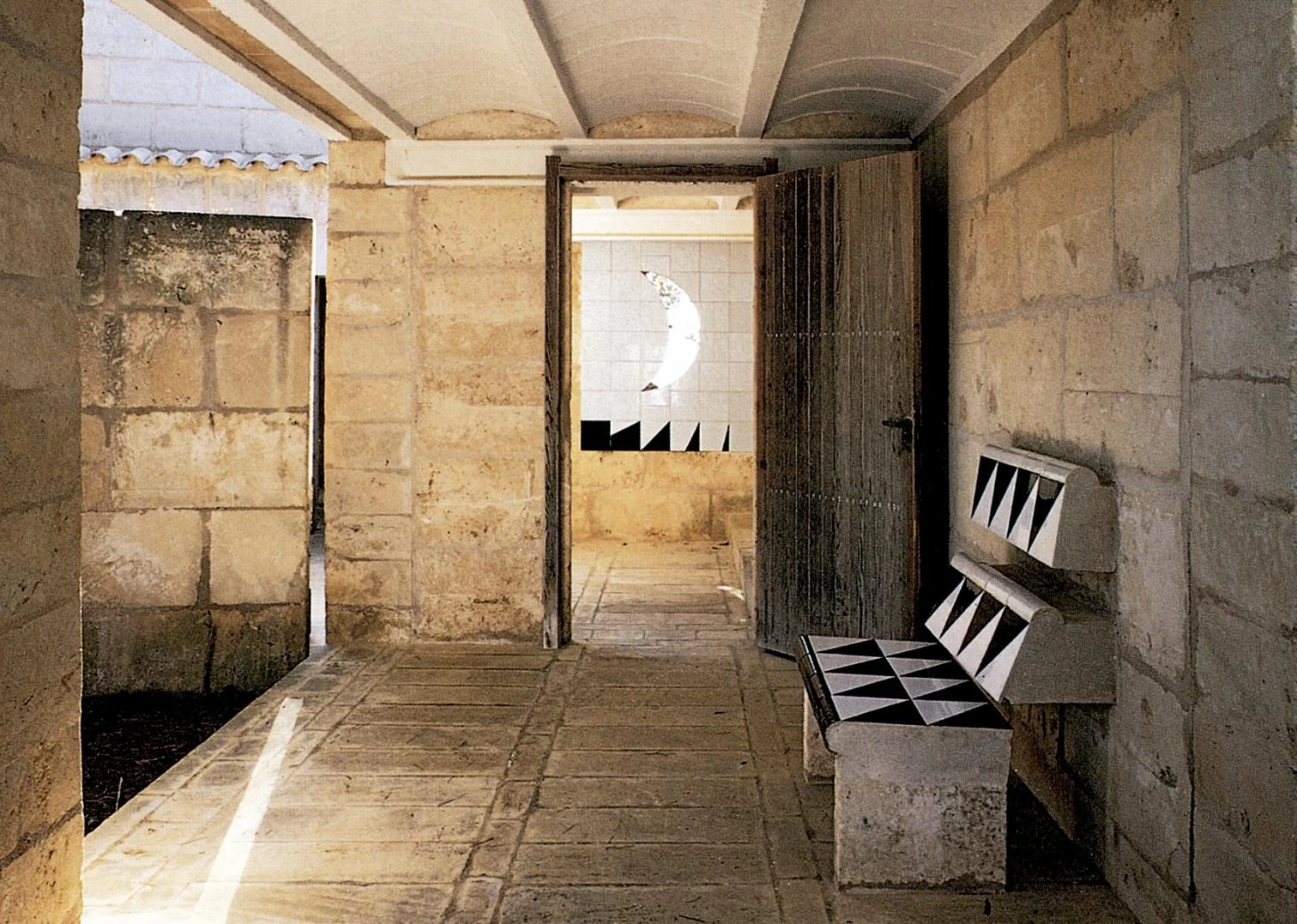
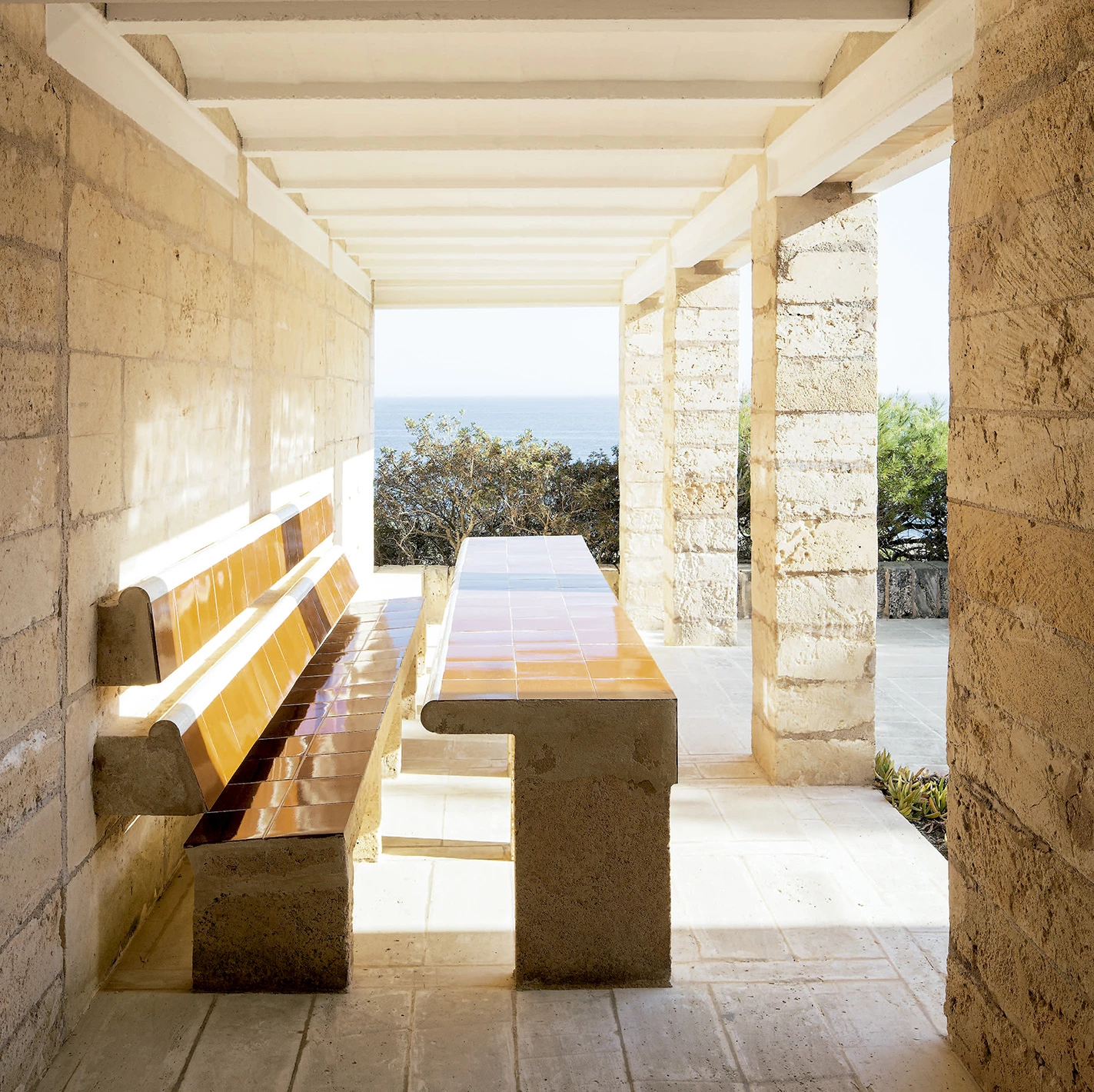
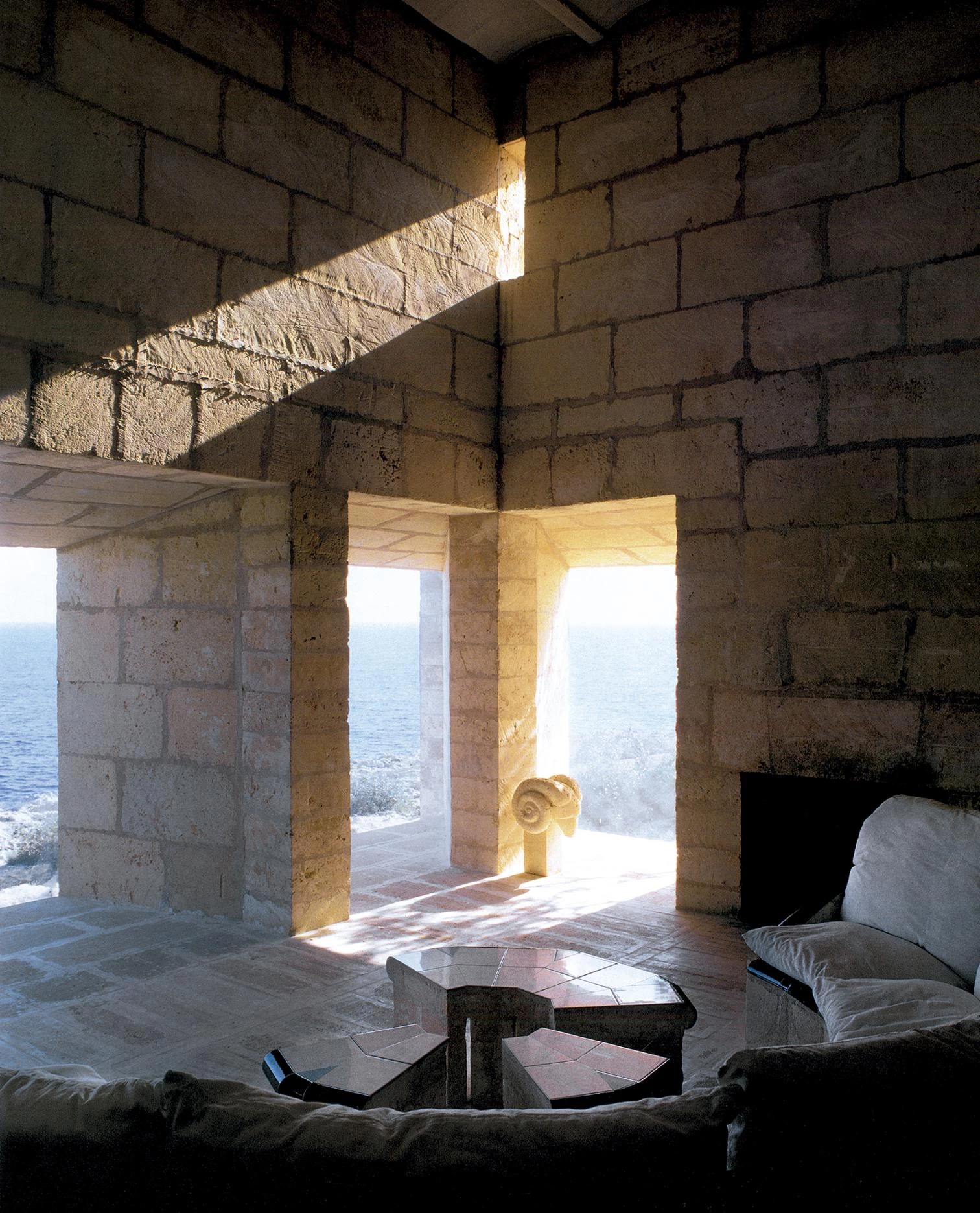
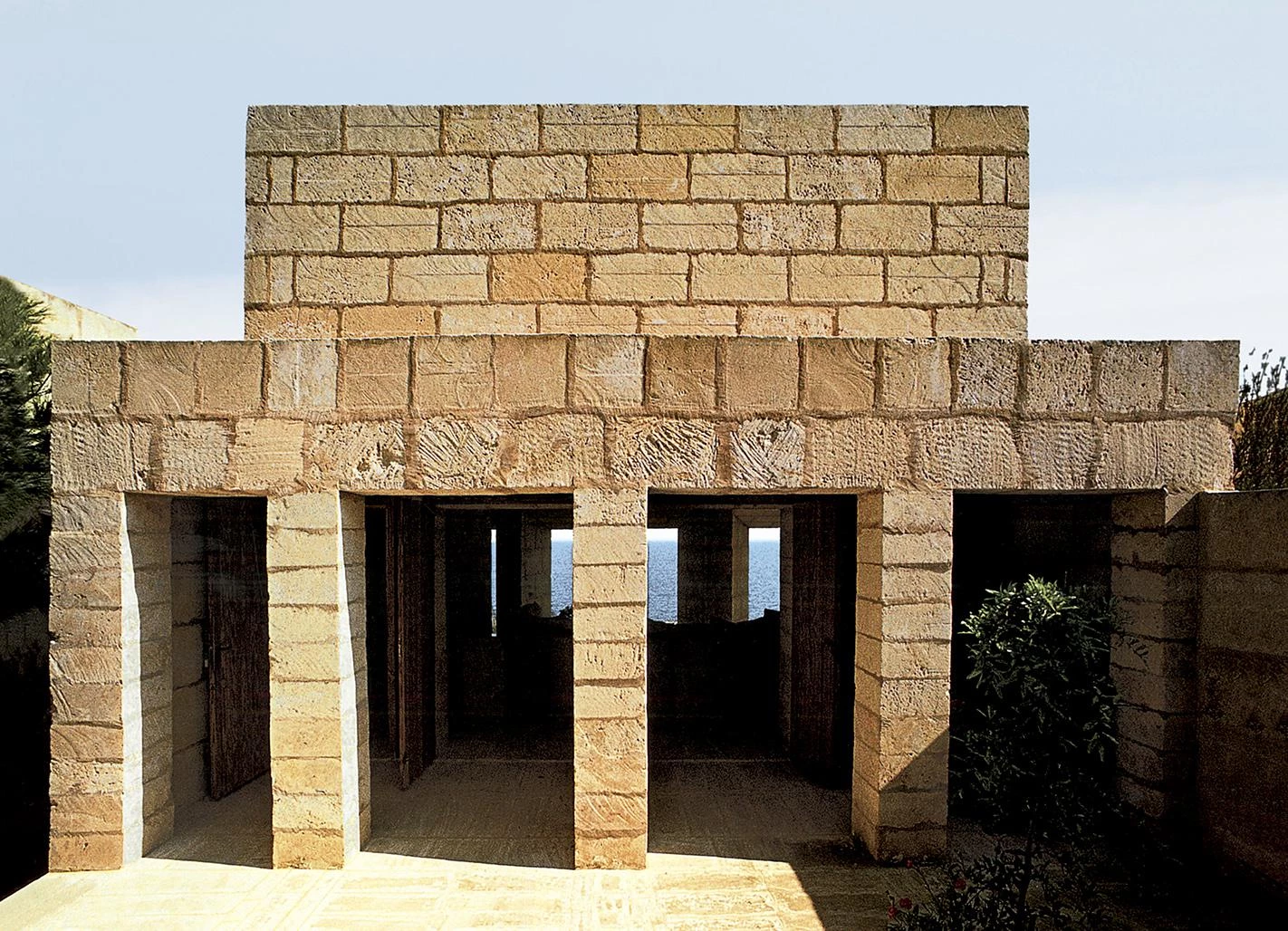
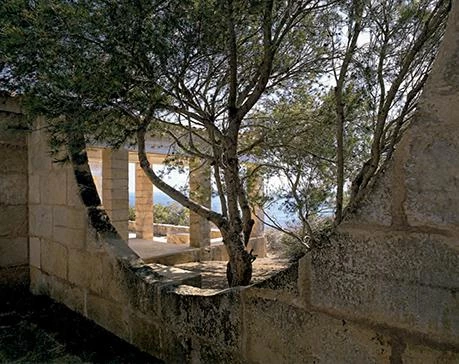
In Mallorca, Can Lis, designed by Jørn Utzon, is composed of a series of independent pavilions built with local marés stone, connected through courtyards and outdoor paths. This layout allows each space to engage directly with the sea, carefully controlling light and wind. The house does not impose itself on the landscape, but rather rests on it, turning each room into a viewpoint over the Mediterranean.
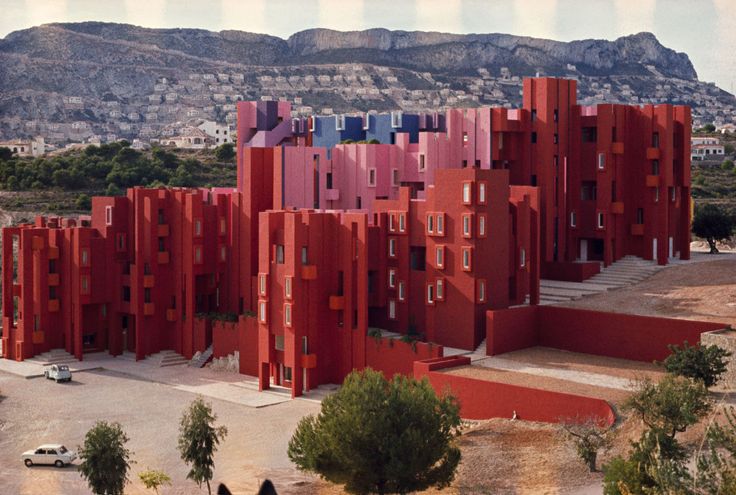
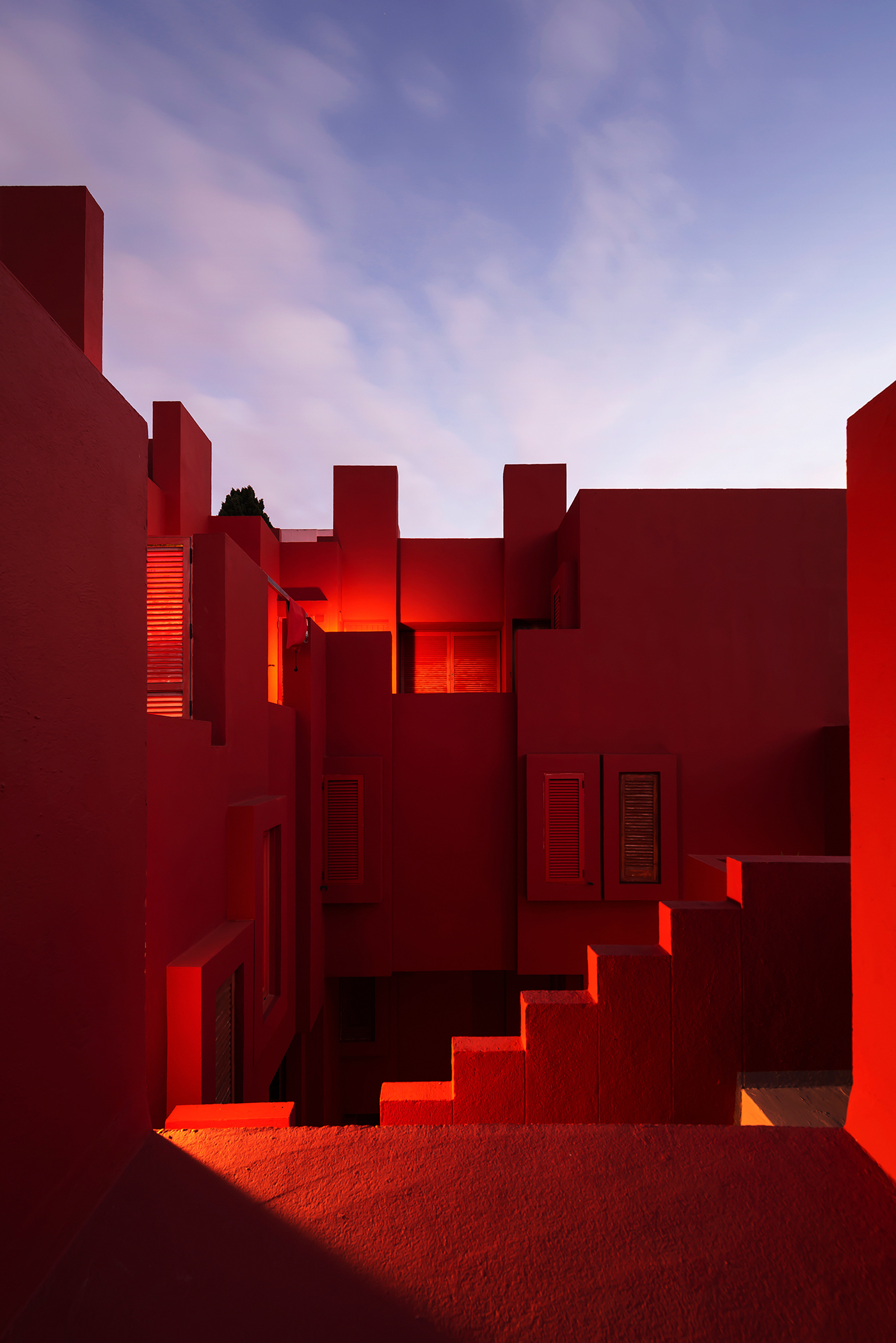
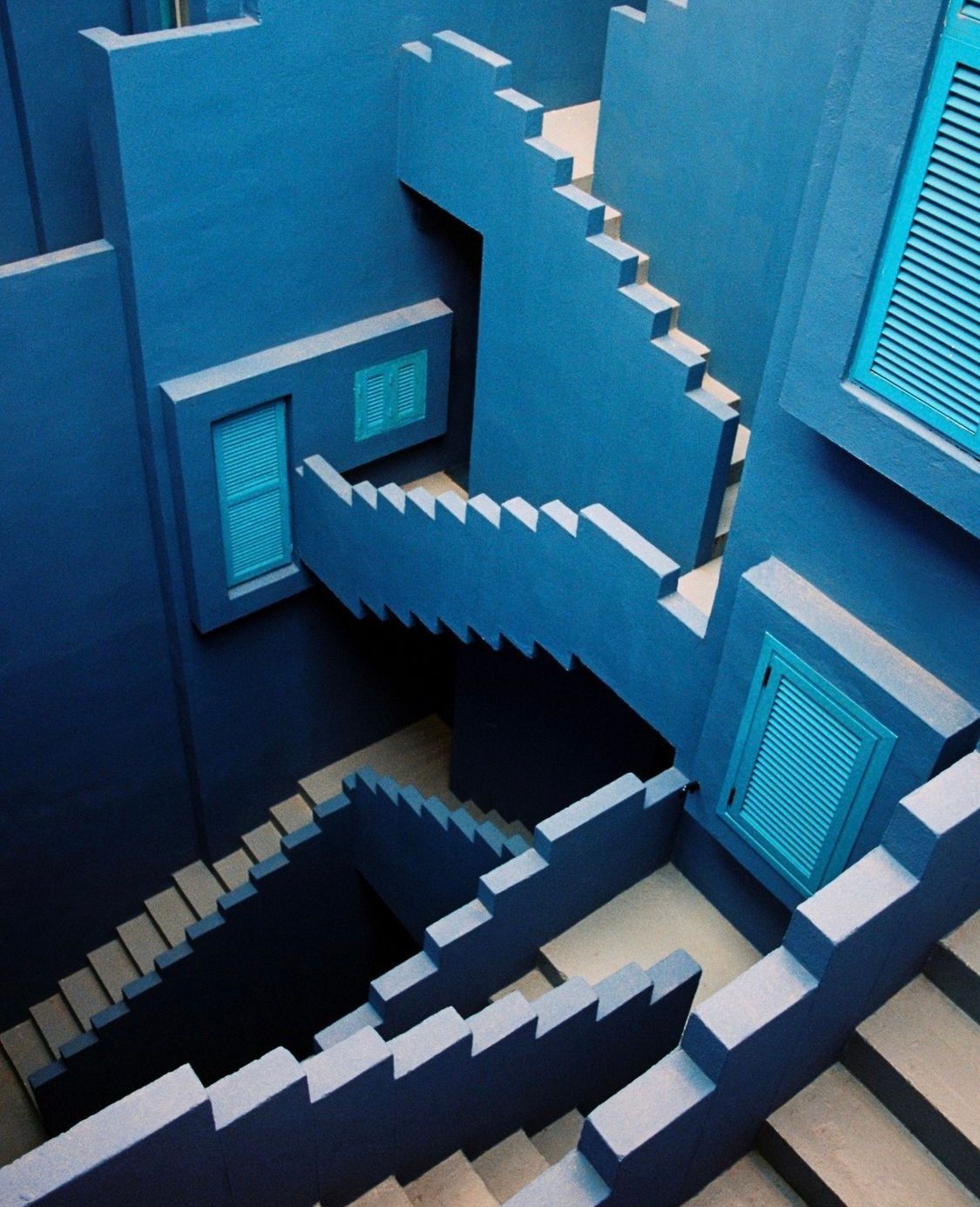
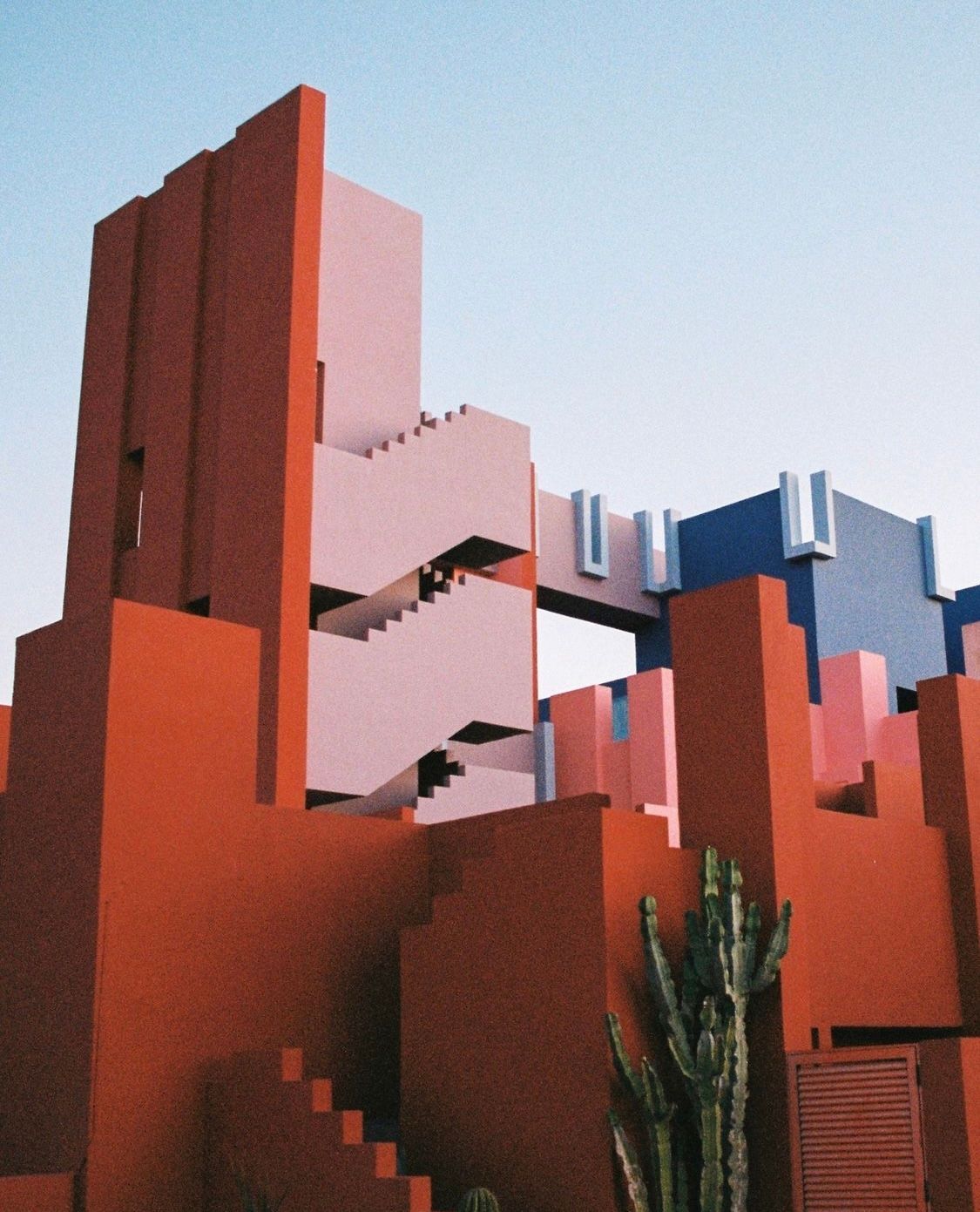
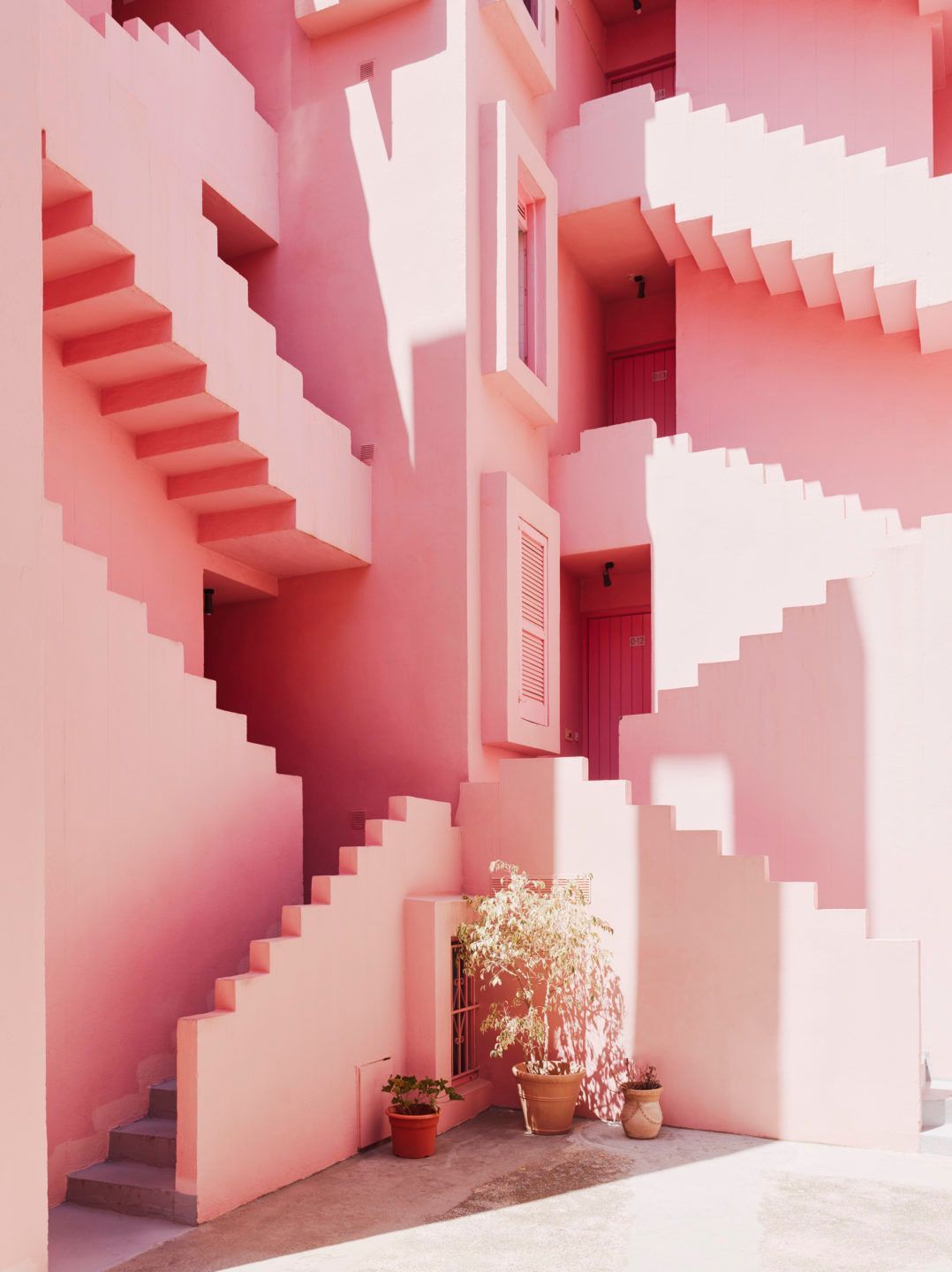
Also on the Spanish coast, La Muralla Roja, by Ricardo Bofill, reinterprets Mediterranean architecture and the geometry of North African kasbahs. Its system of interconnected patios, stairs, and terraces creates a complex and ever-changing spatial experience, where colors—reds, pinks, and blues—intensify the perception of depth, light, and shadow throughout the day.
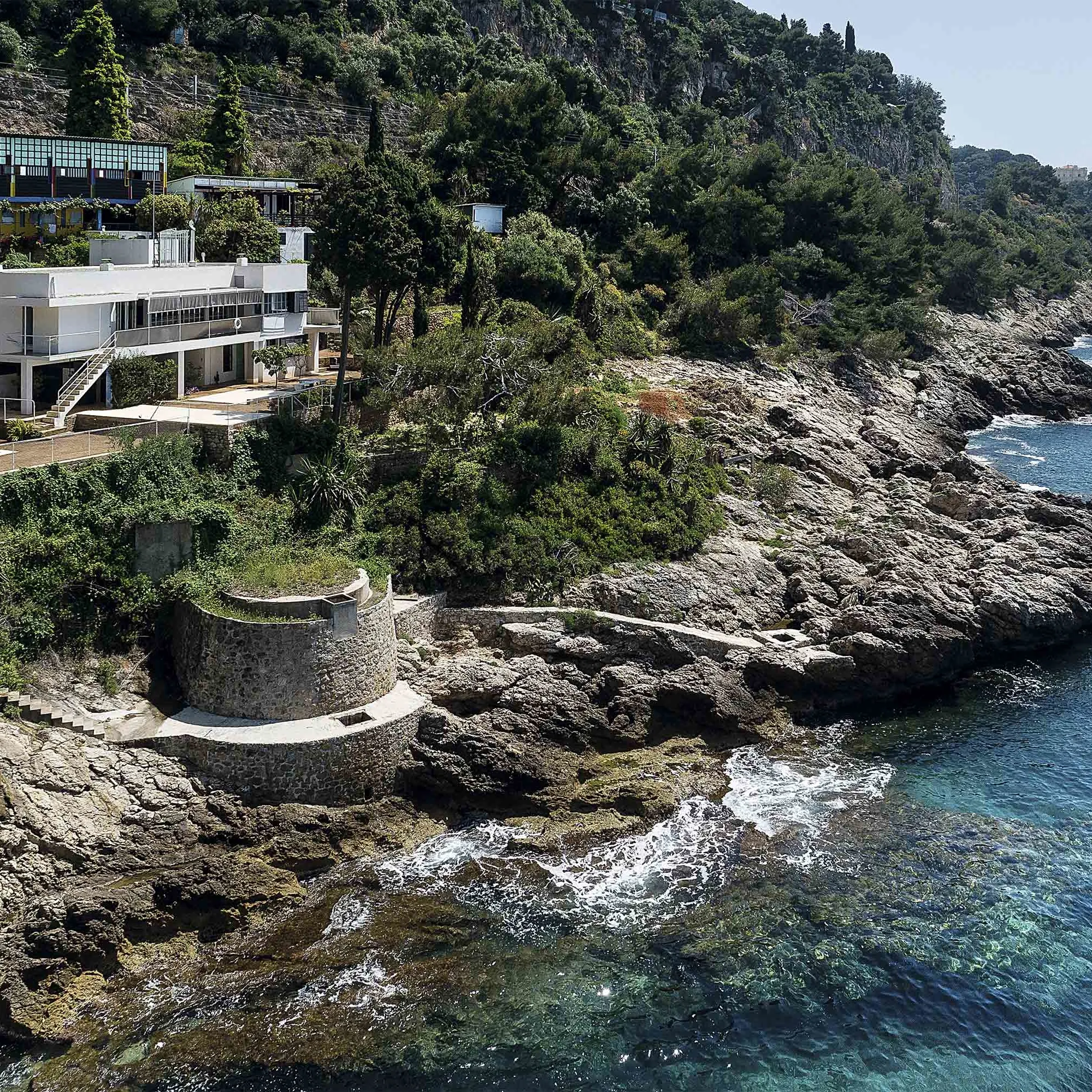
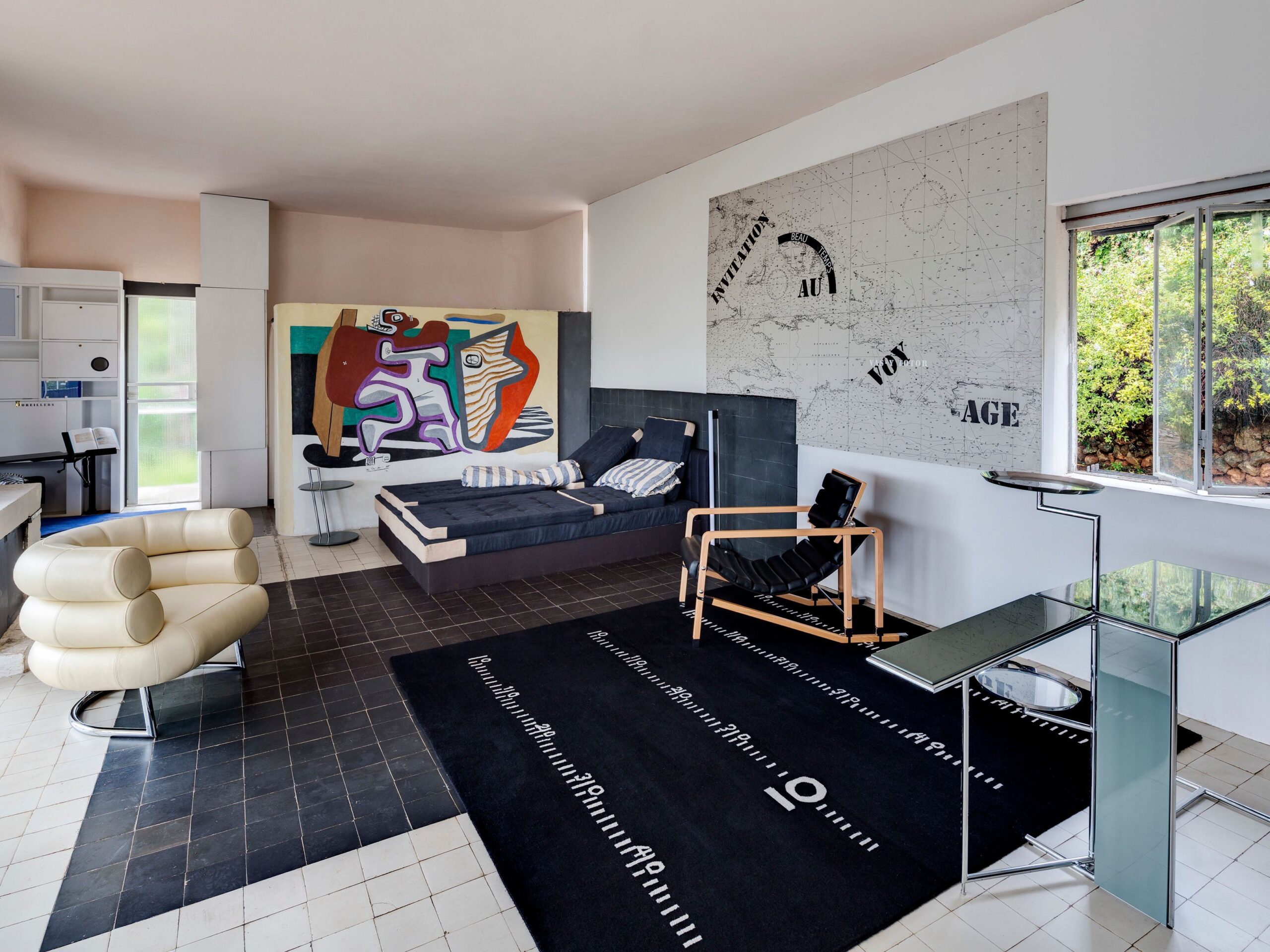
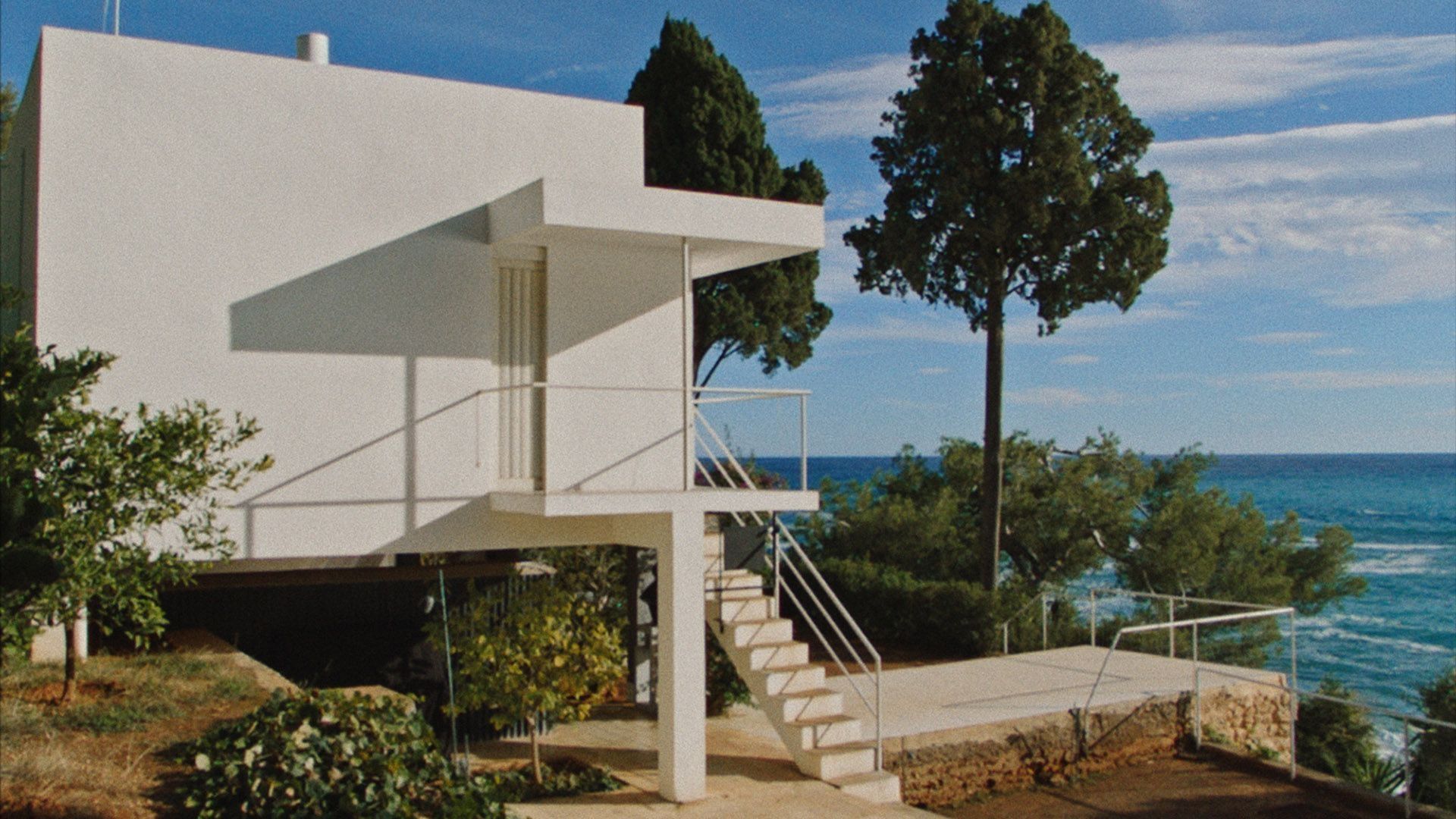
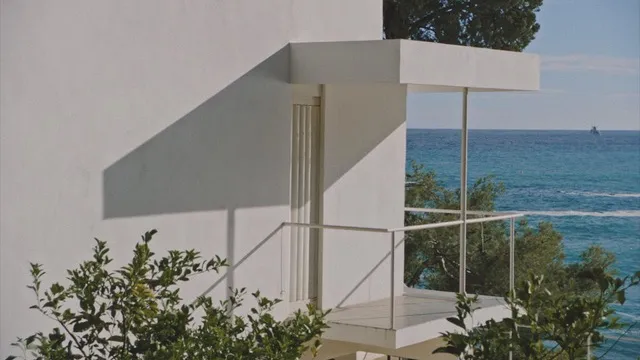
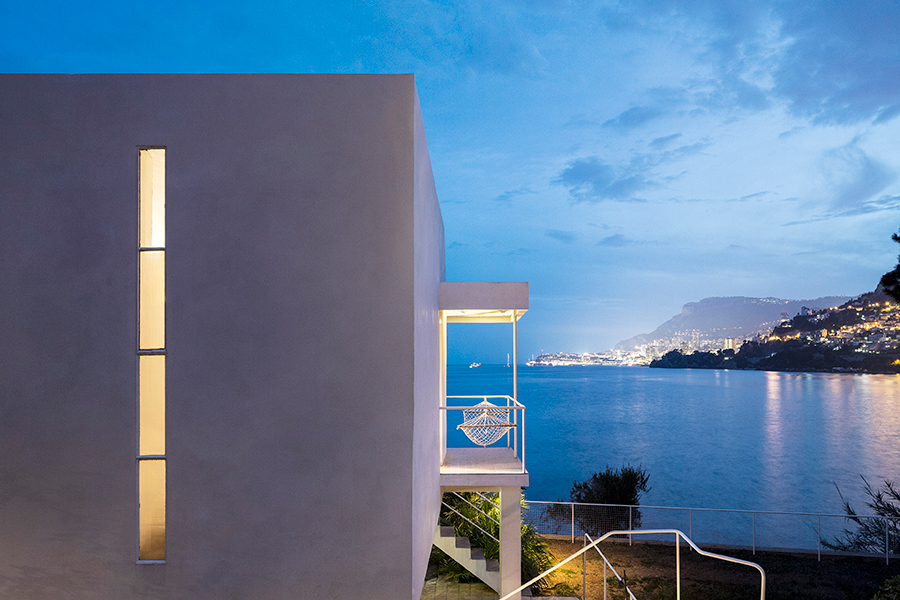
On the French Riviera, Casa E-1027, by Eileen Gray together with Le Corbusier, stands as a key example of modern housing conceived from the inside out. Designed as a sensitive “machine for living,” it incorporates built-in furniture and flexible solutions that respond to daily life, climate, and sea views, with exceptional attention to detail.
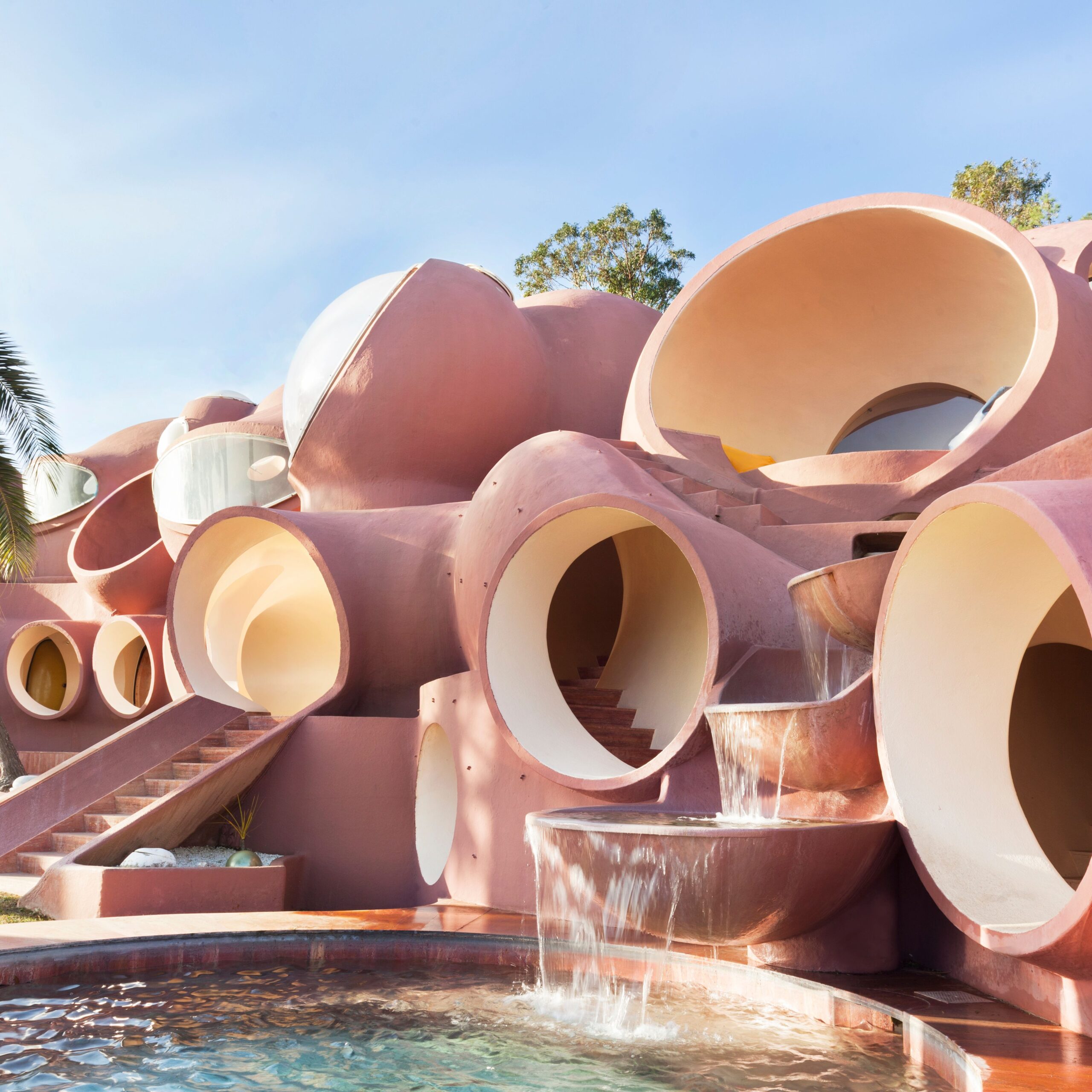
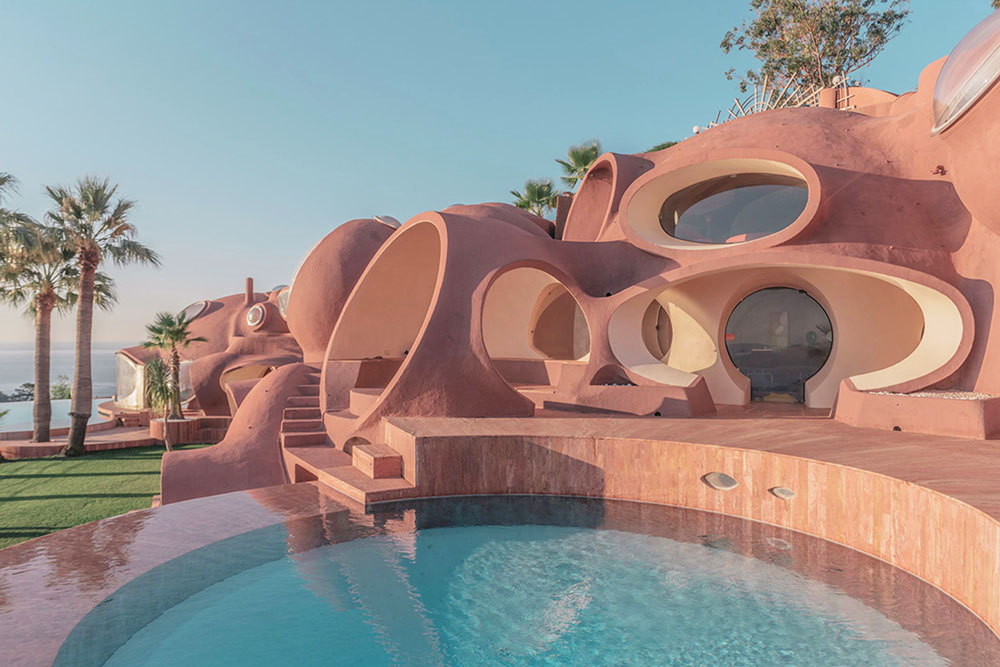
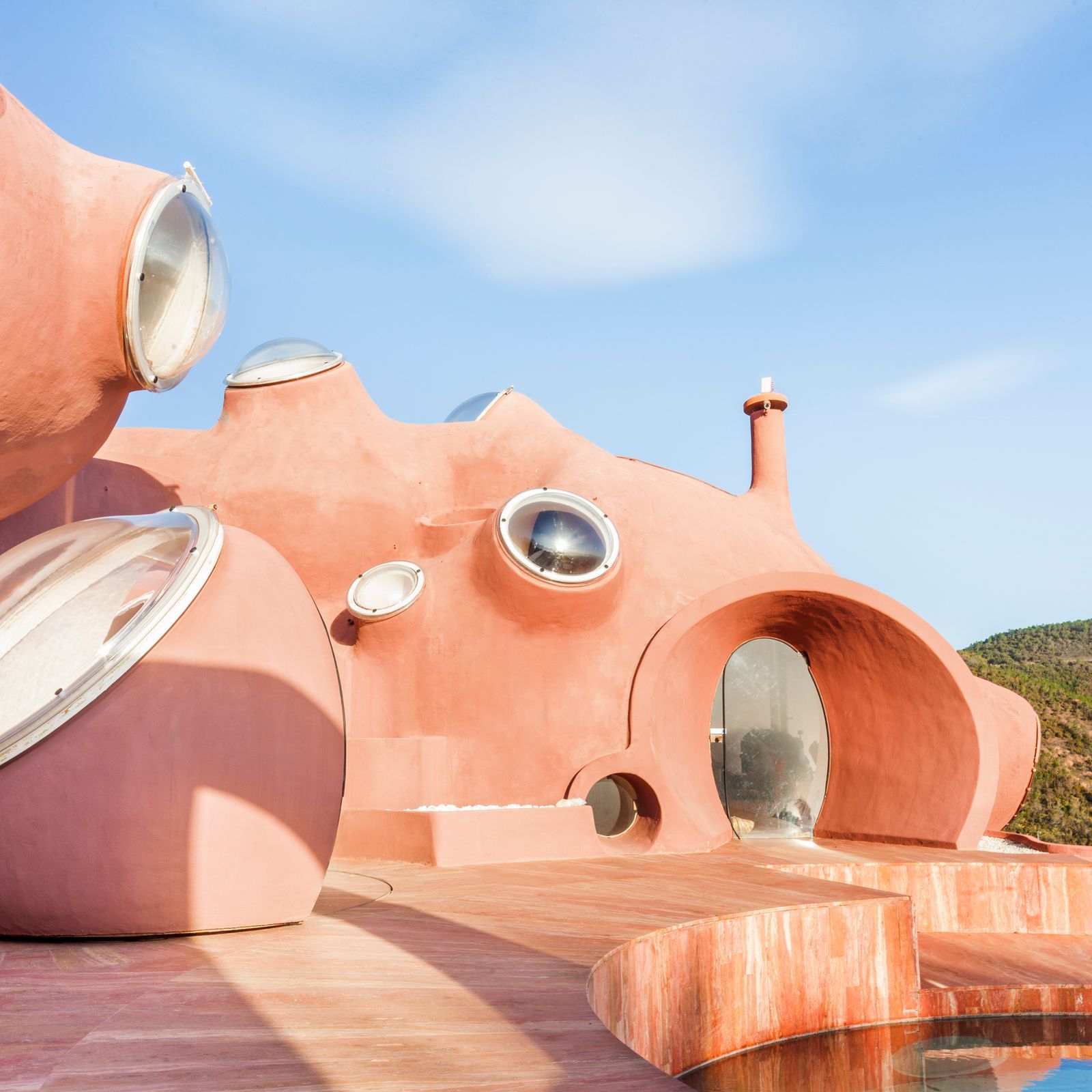
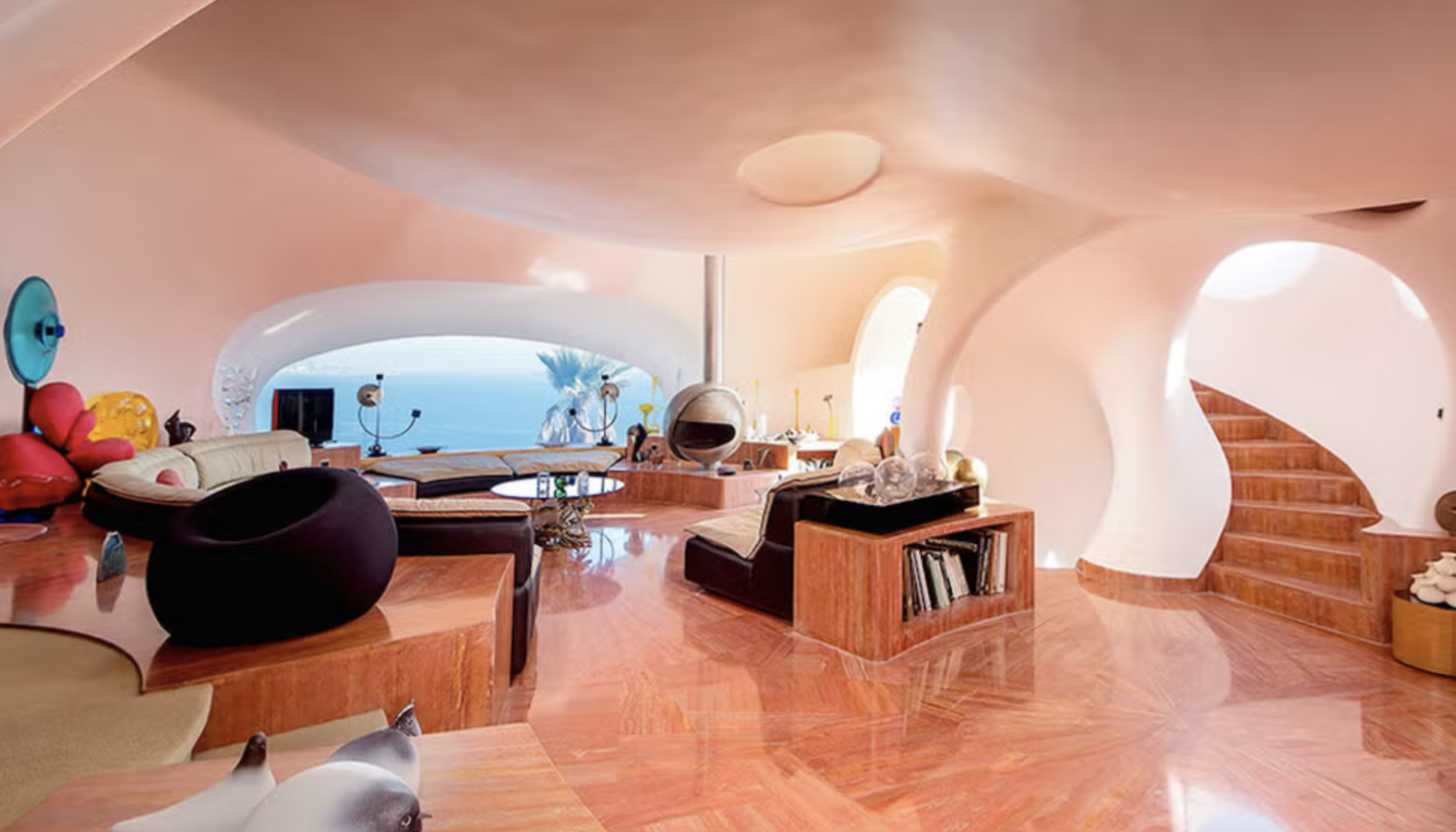
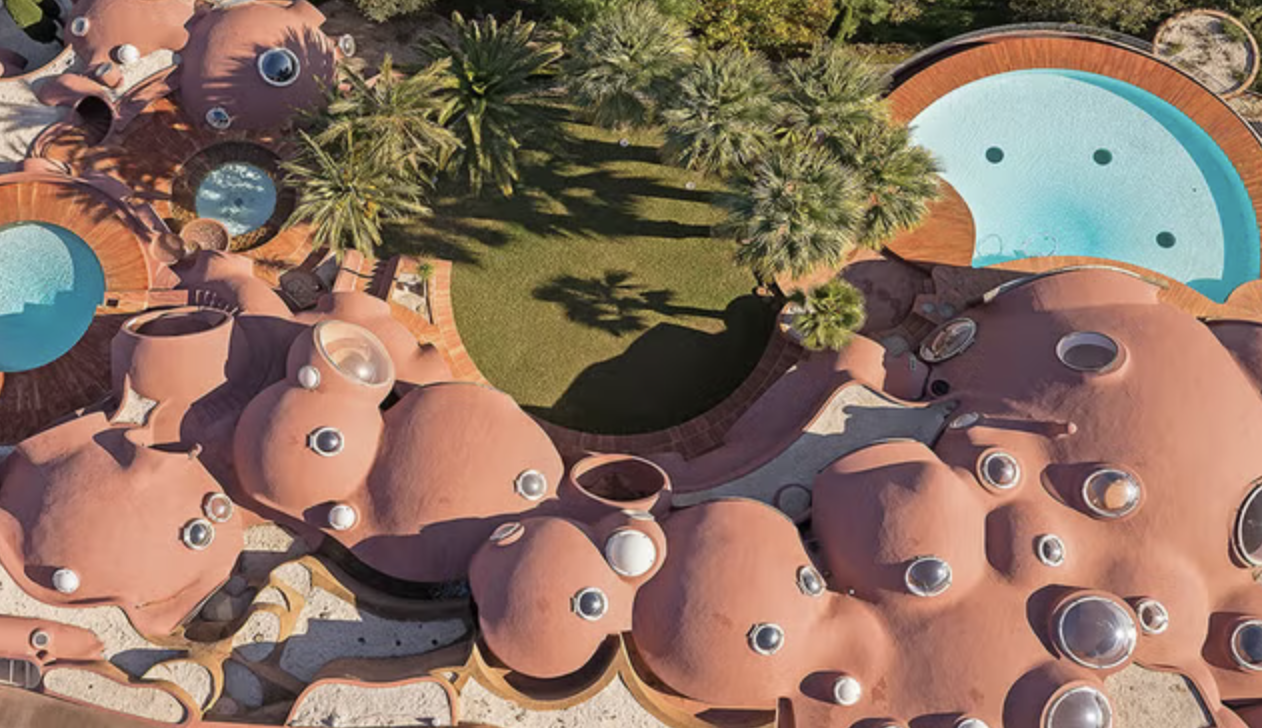
Also in France, Palais Bulles, conceived by Antti Lovag, proposes an architecture without right angles, formed by spherical cells that expand organically. Its continuous and enveloping spaces dissolve the traditional notion of rooms, creating a sensory experience where form, light, and movement are perceived in a fluid, almost cinematic way.
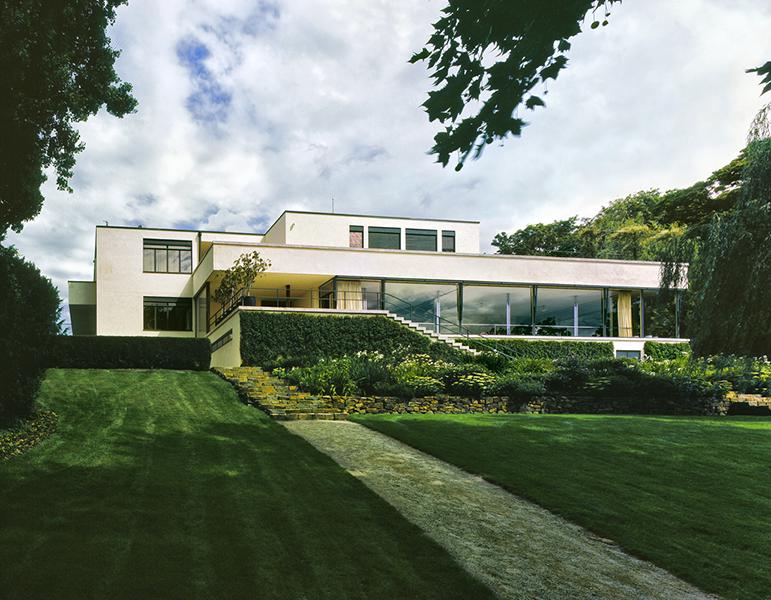
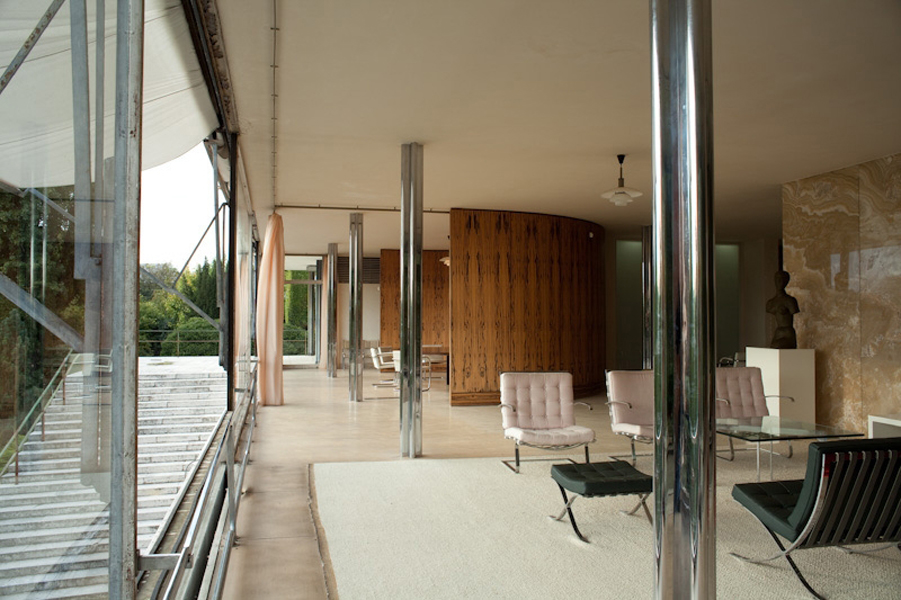
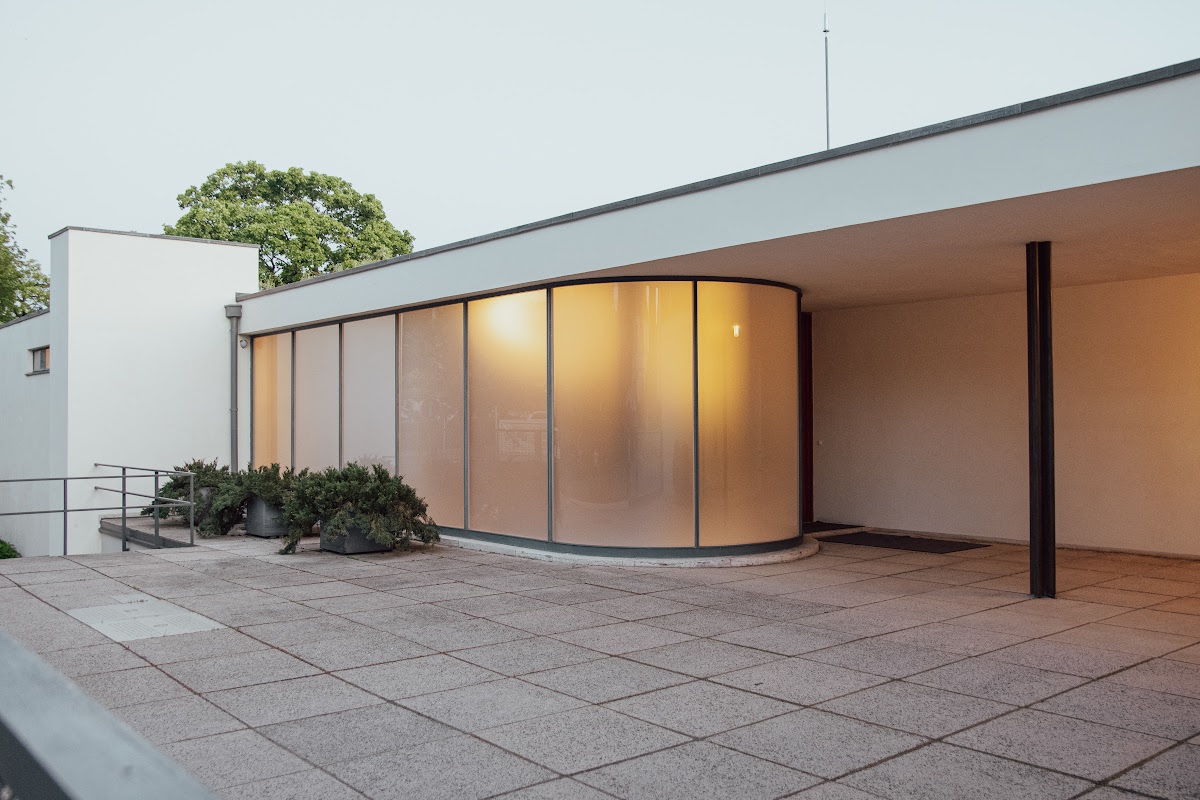
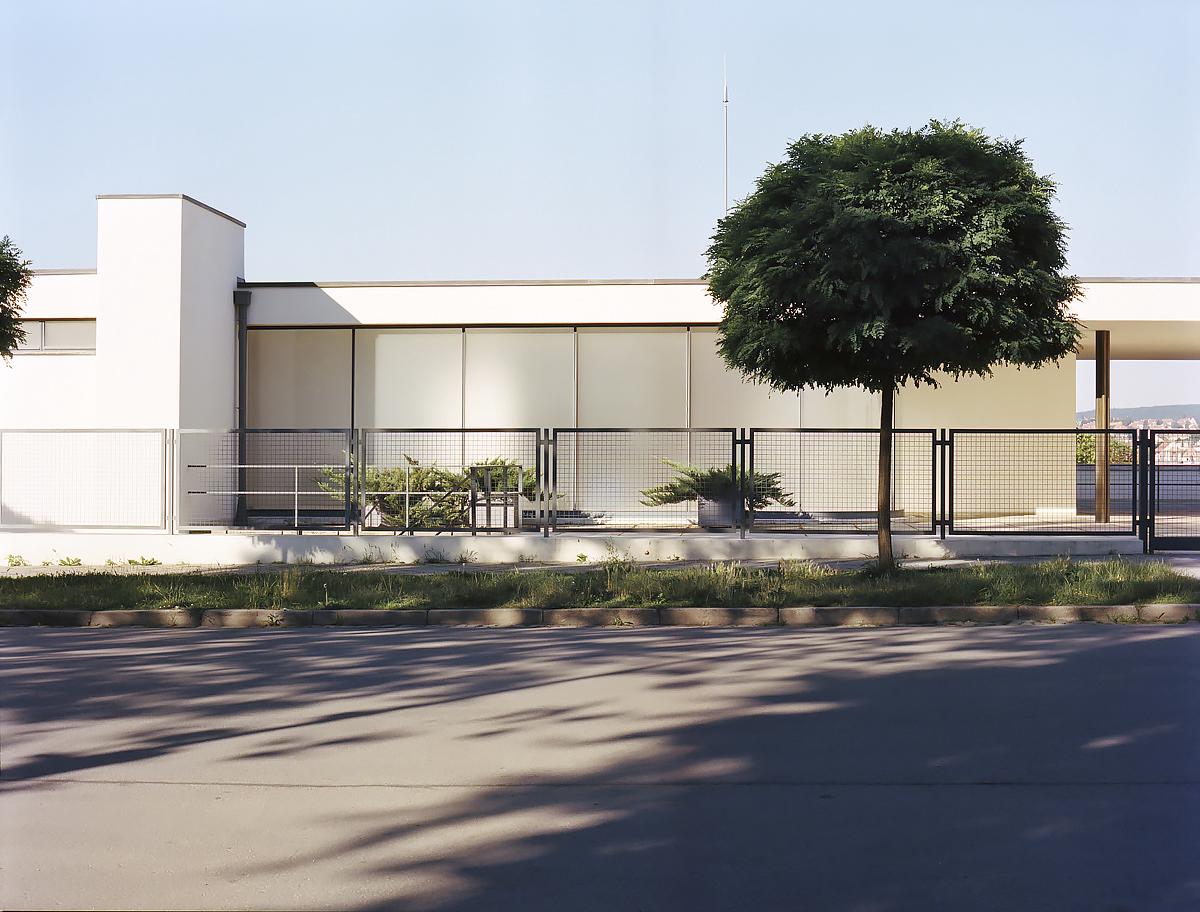
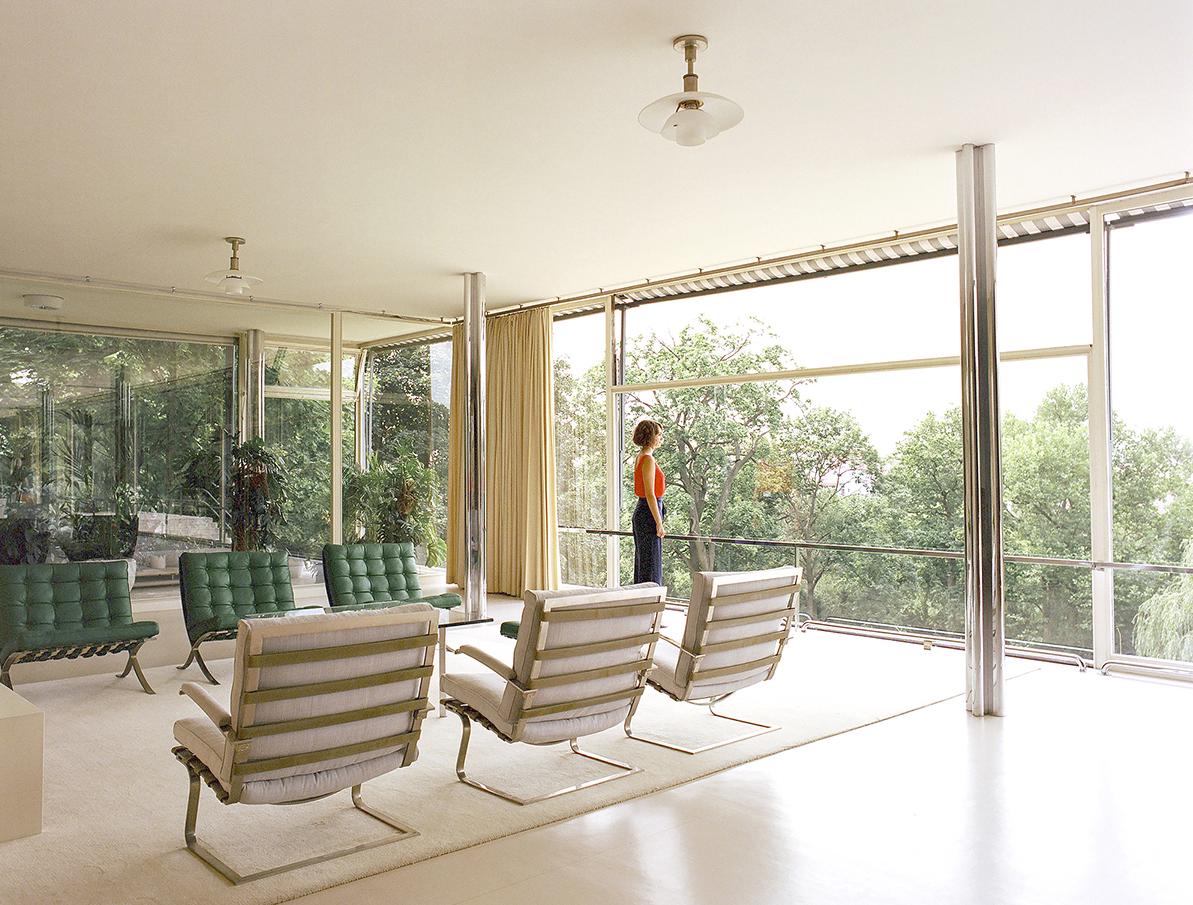
In Brno, Villa Tugendhat, designed by Mies van der Rohe, represents one of the great milestones of the modern movement. Its open plan, large glass surfaces, and the use of noble materials such as onyx and chrome steel create a continuous space where interior and exterior merge. Its construction precision and control of proportion make it a timeless reference.
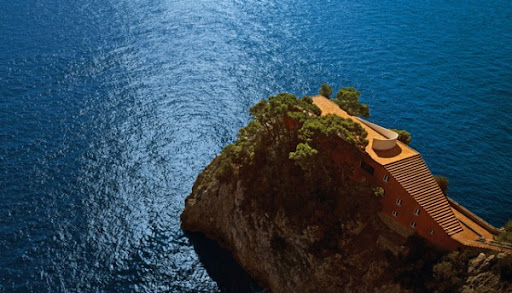
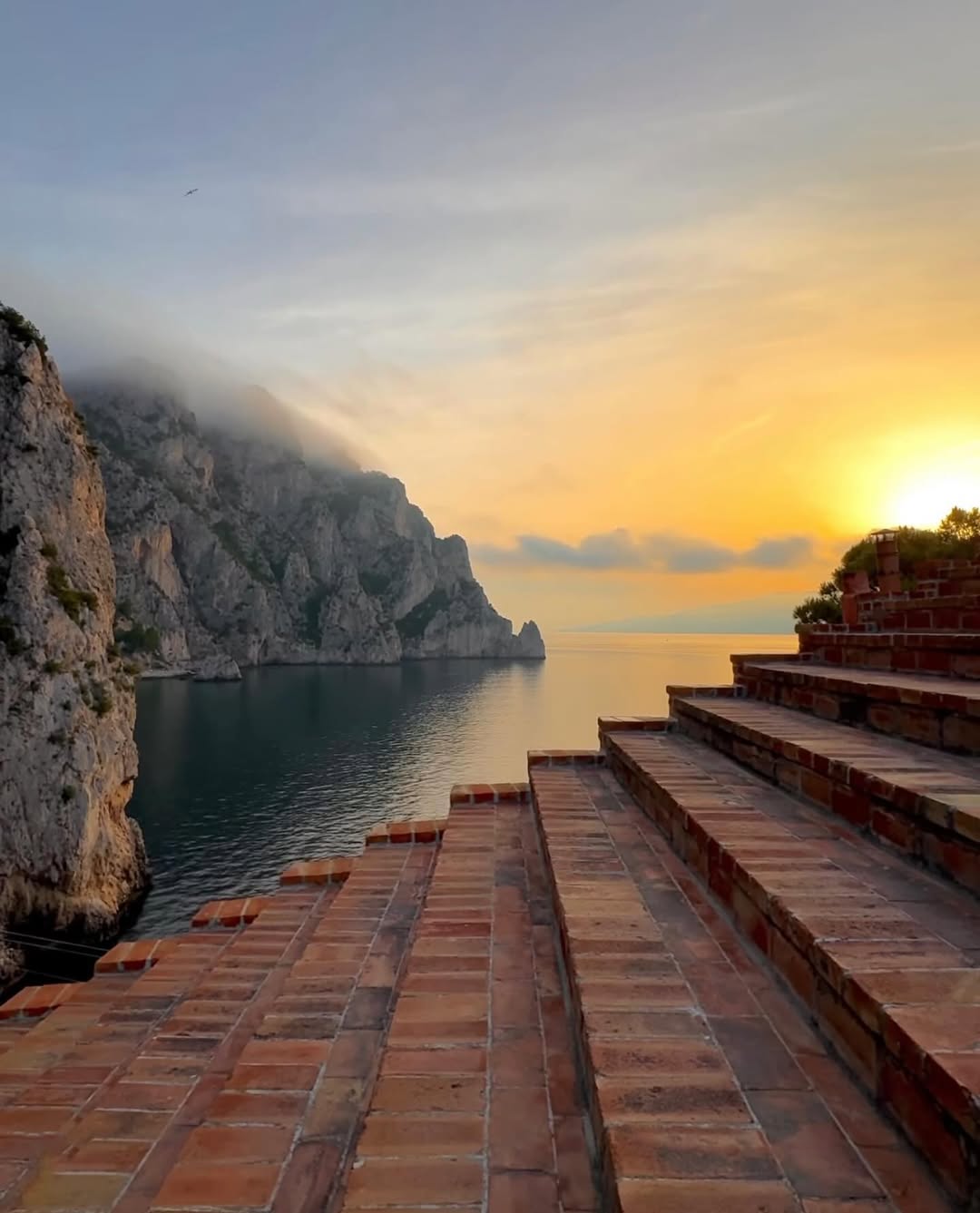
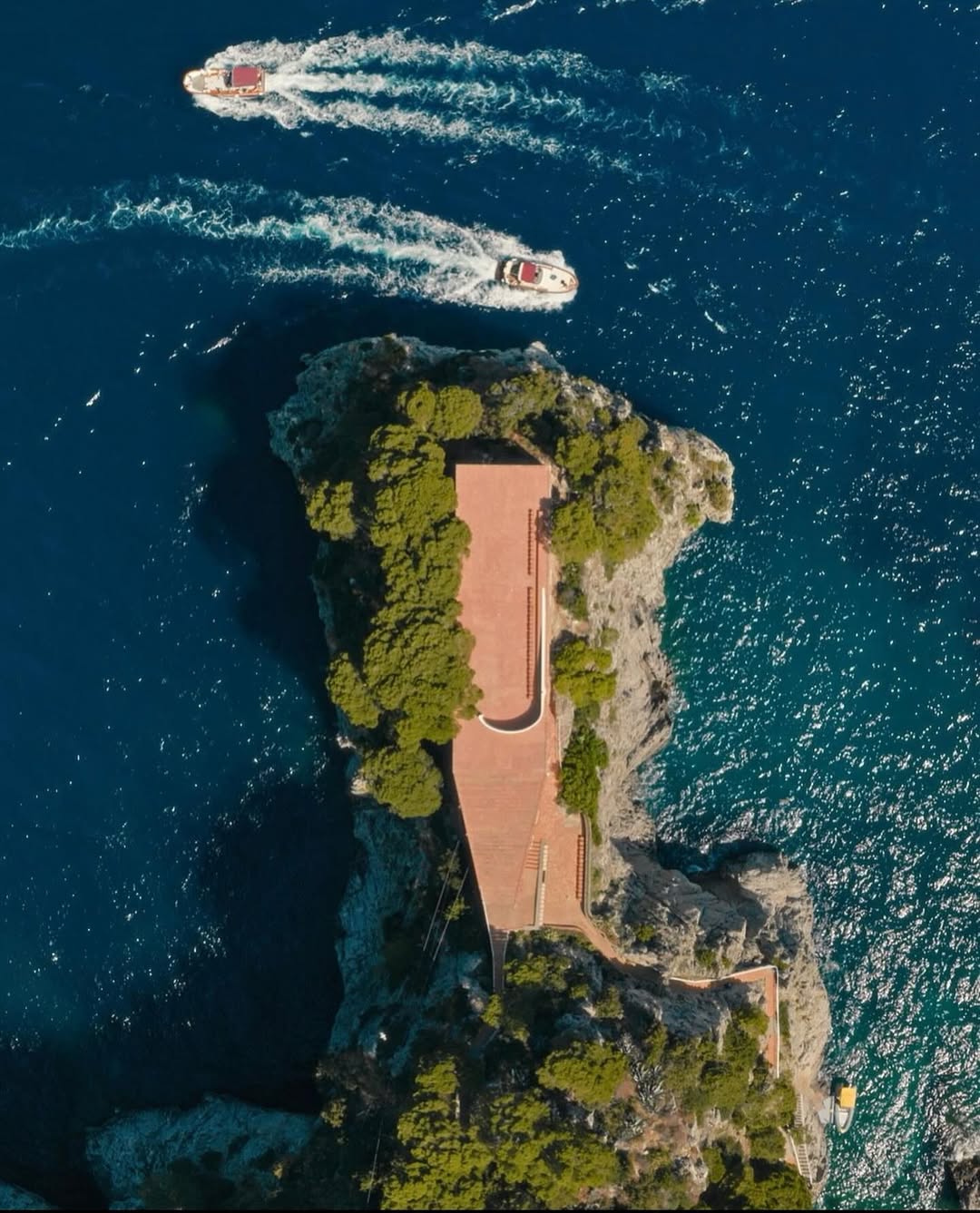
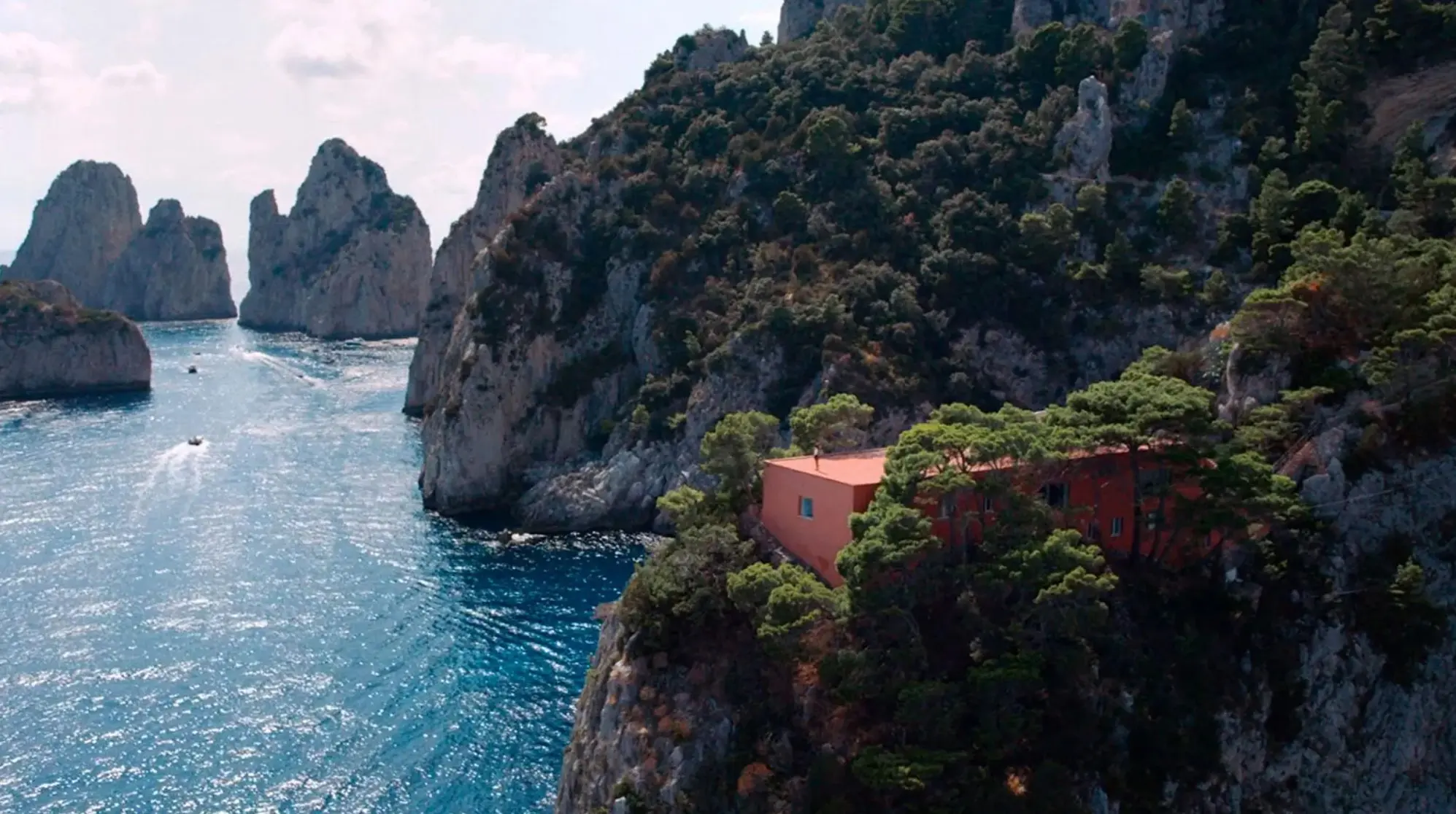
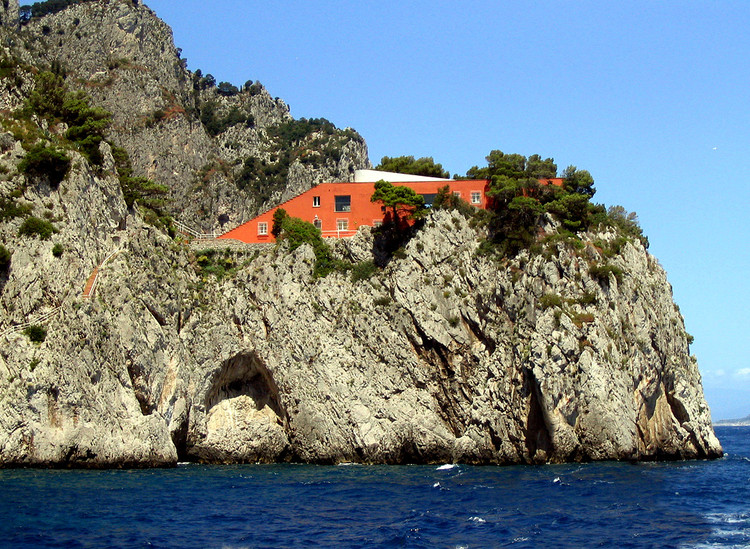
On the island of Capri, Casa Malaparte, by Adalberto Libera, appears as a sculptural object emerging from the rock. Its iconic staircase leads to a rooftop terrace that functions as an abstract platform open to the landscape. More than a conventional house, it is a symbolic construction where architecture and nature merge into a powerful image.
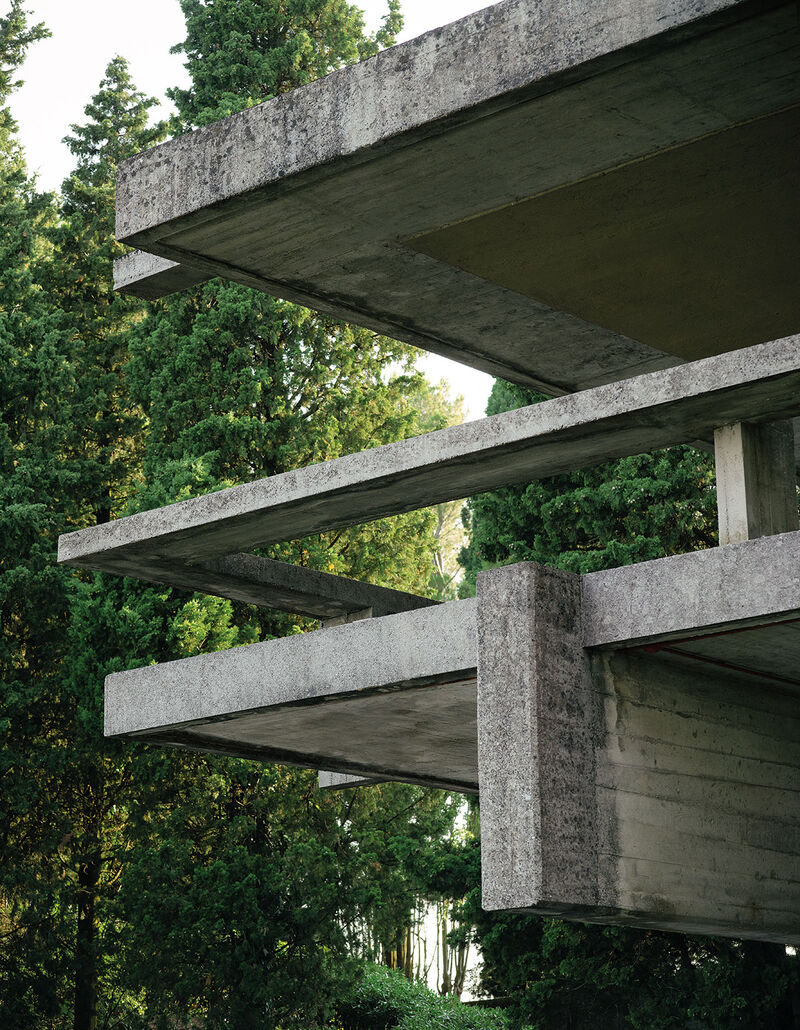
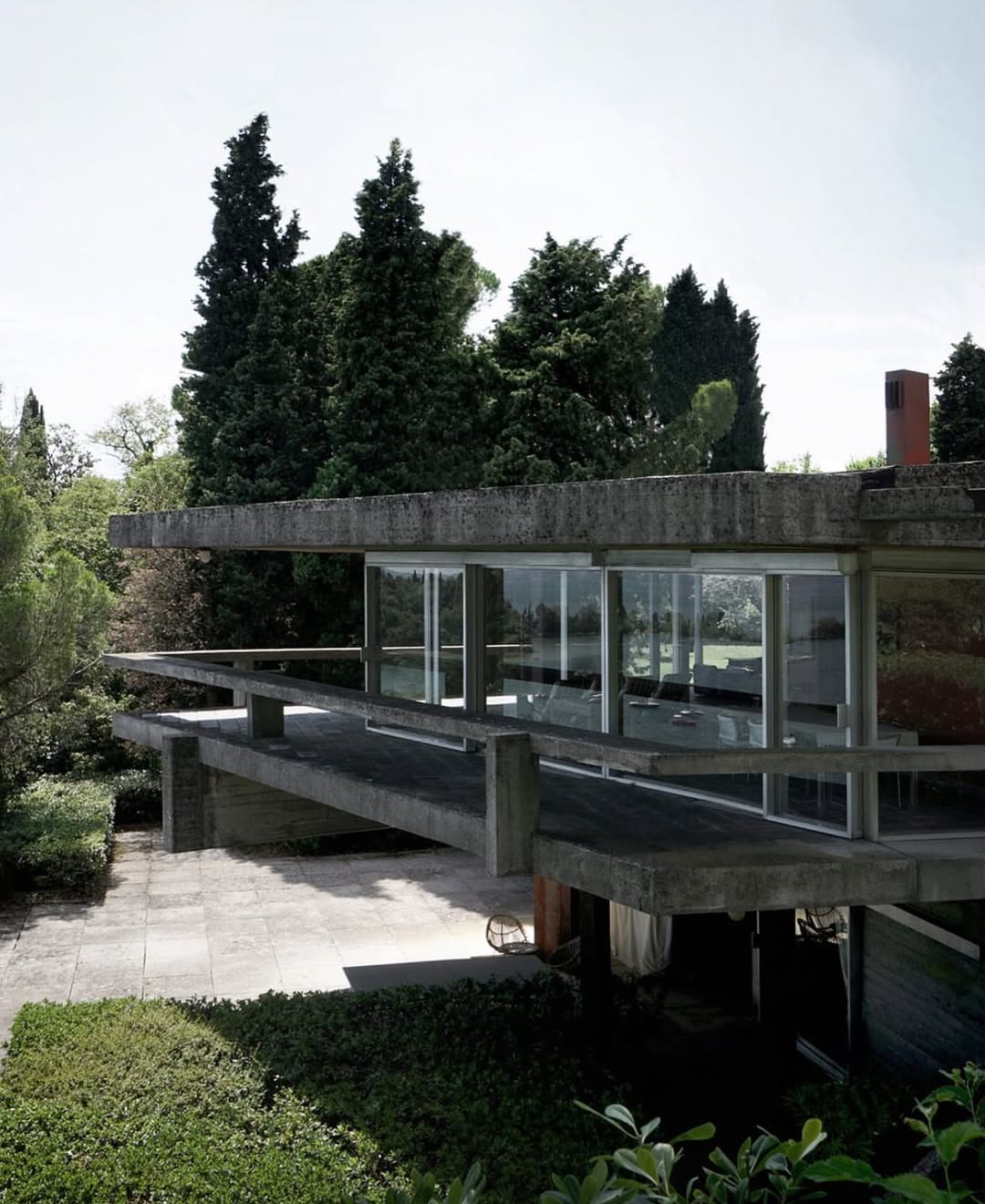
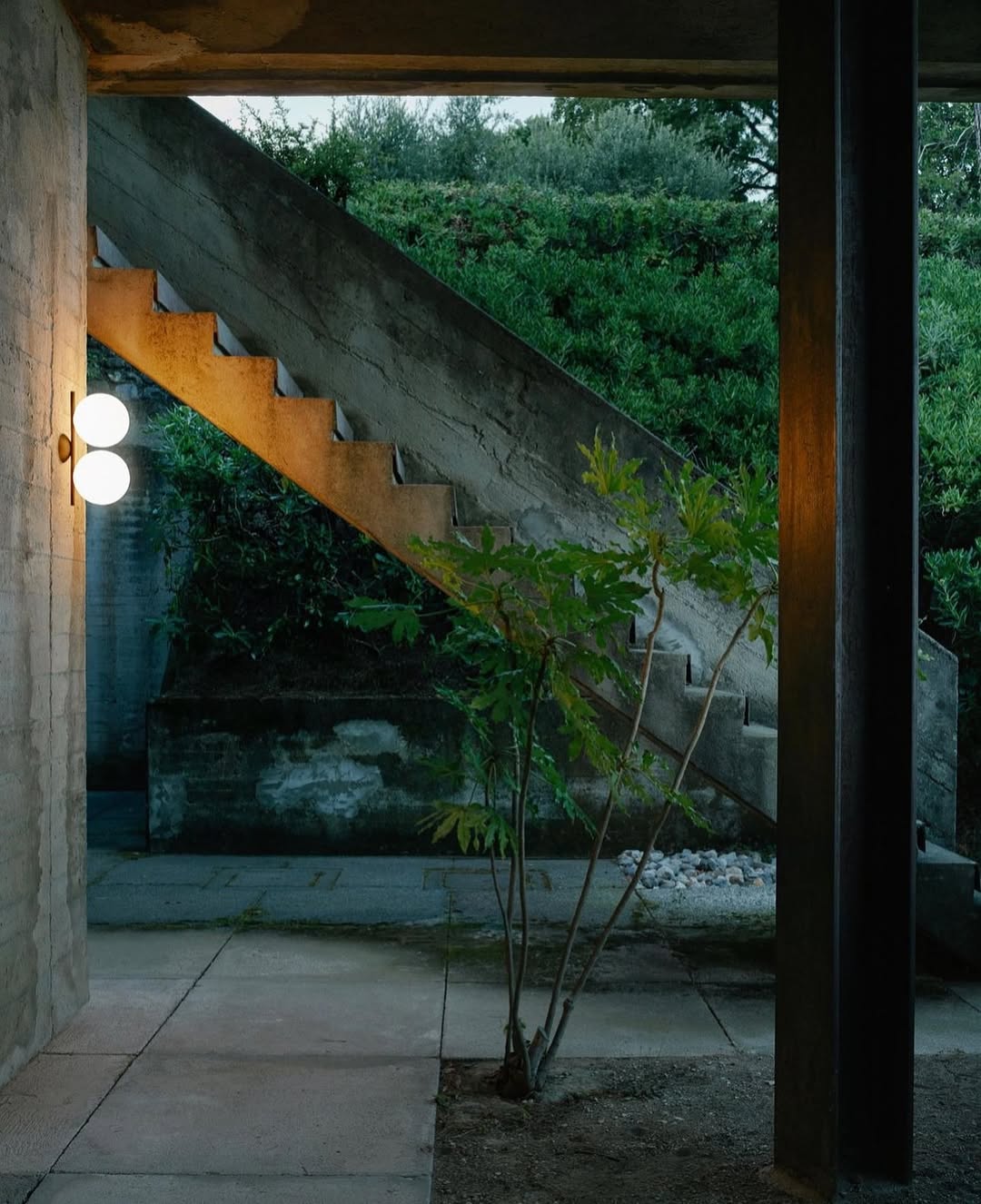
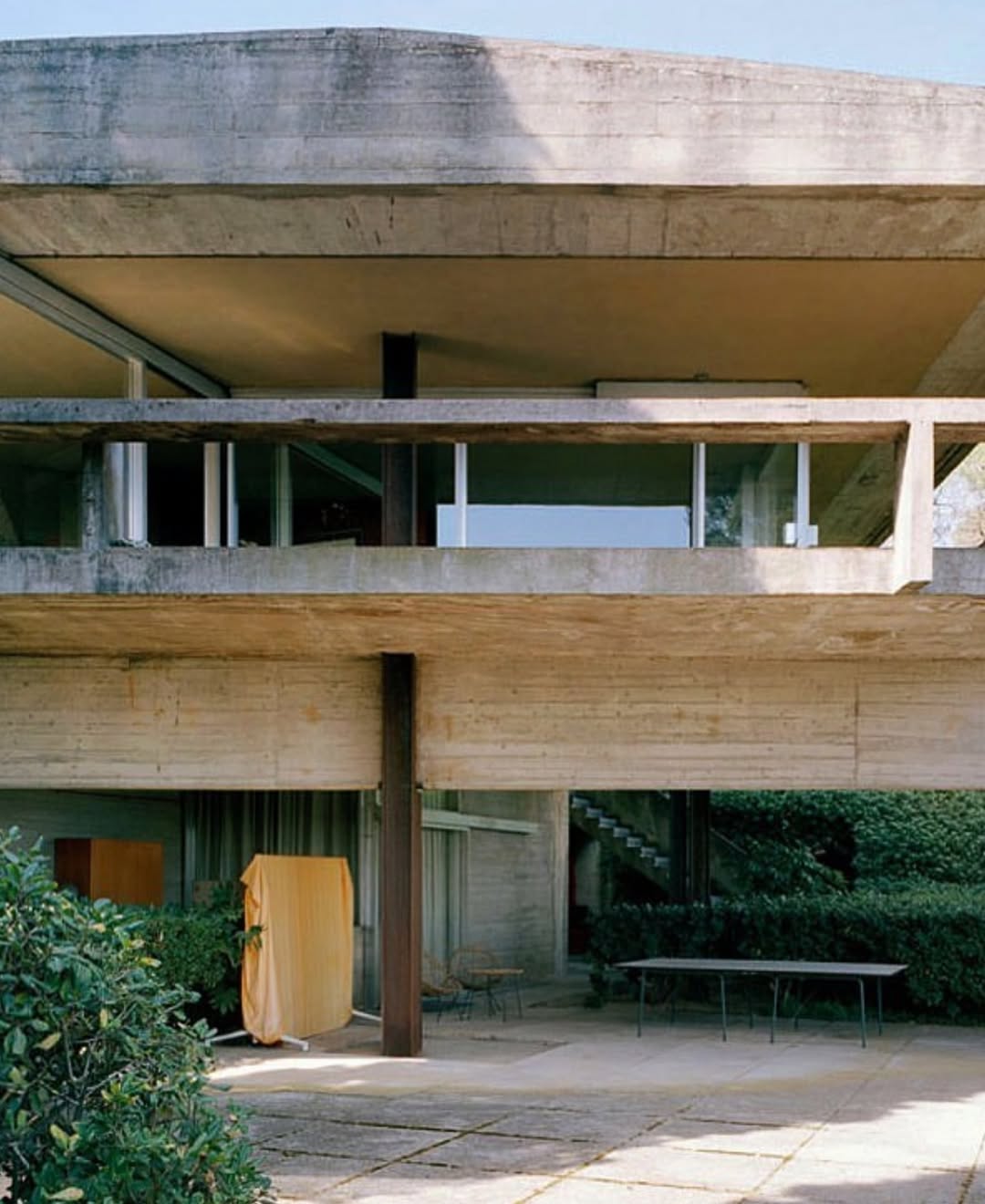
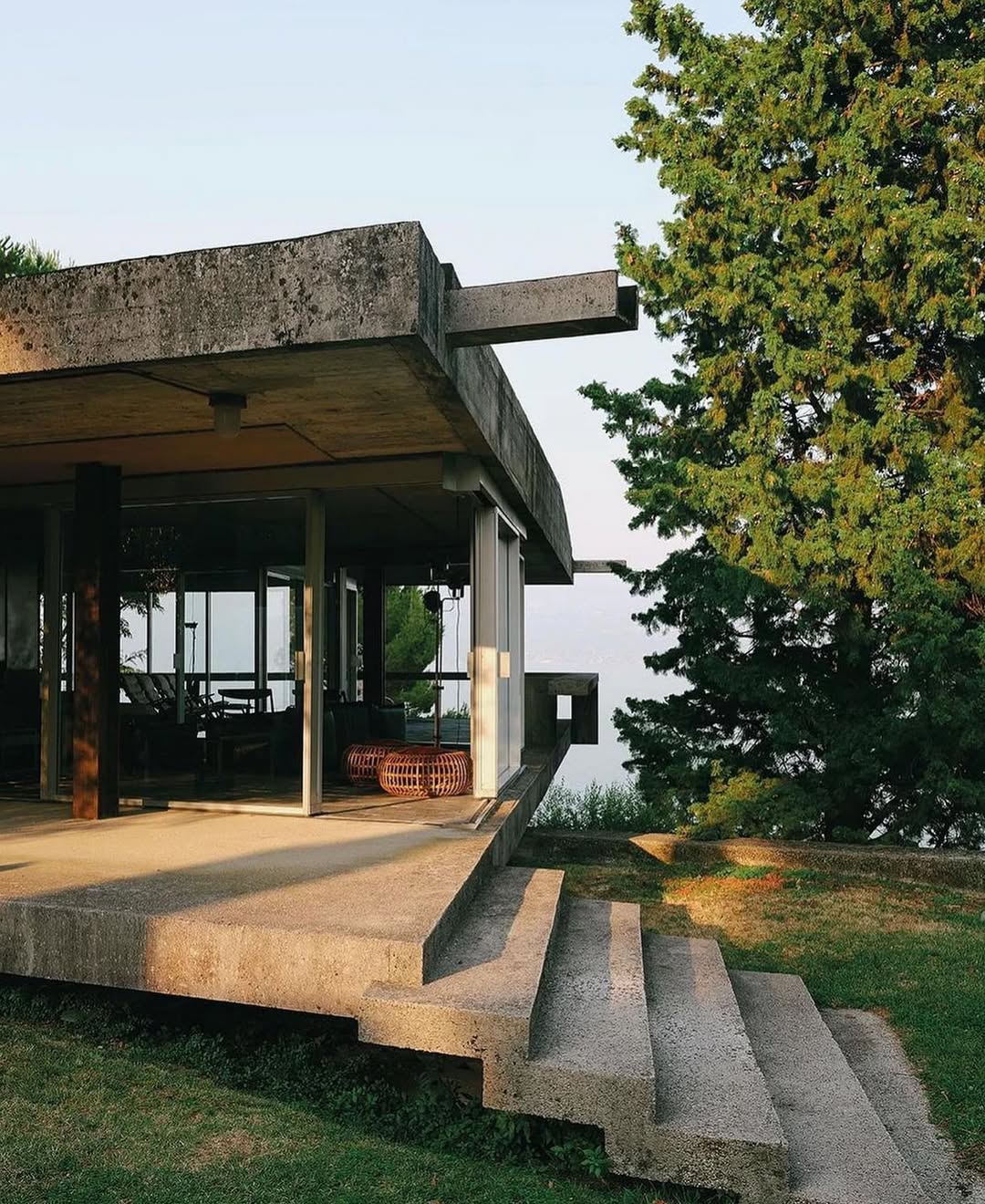
Also in Italy, Casa La Scala, by Vittoriano Viganò, adapts to a complex topography through stepped platforms that follow the terrain. Its architecture, more material and tectonic, emphasizes the relationship with the slope, the weight of materials, and integration with the natural environment, offering a more intimate and grounded experience.
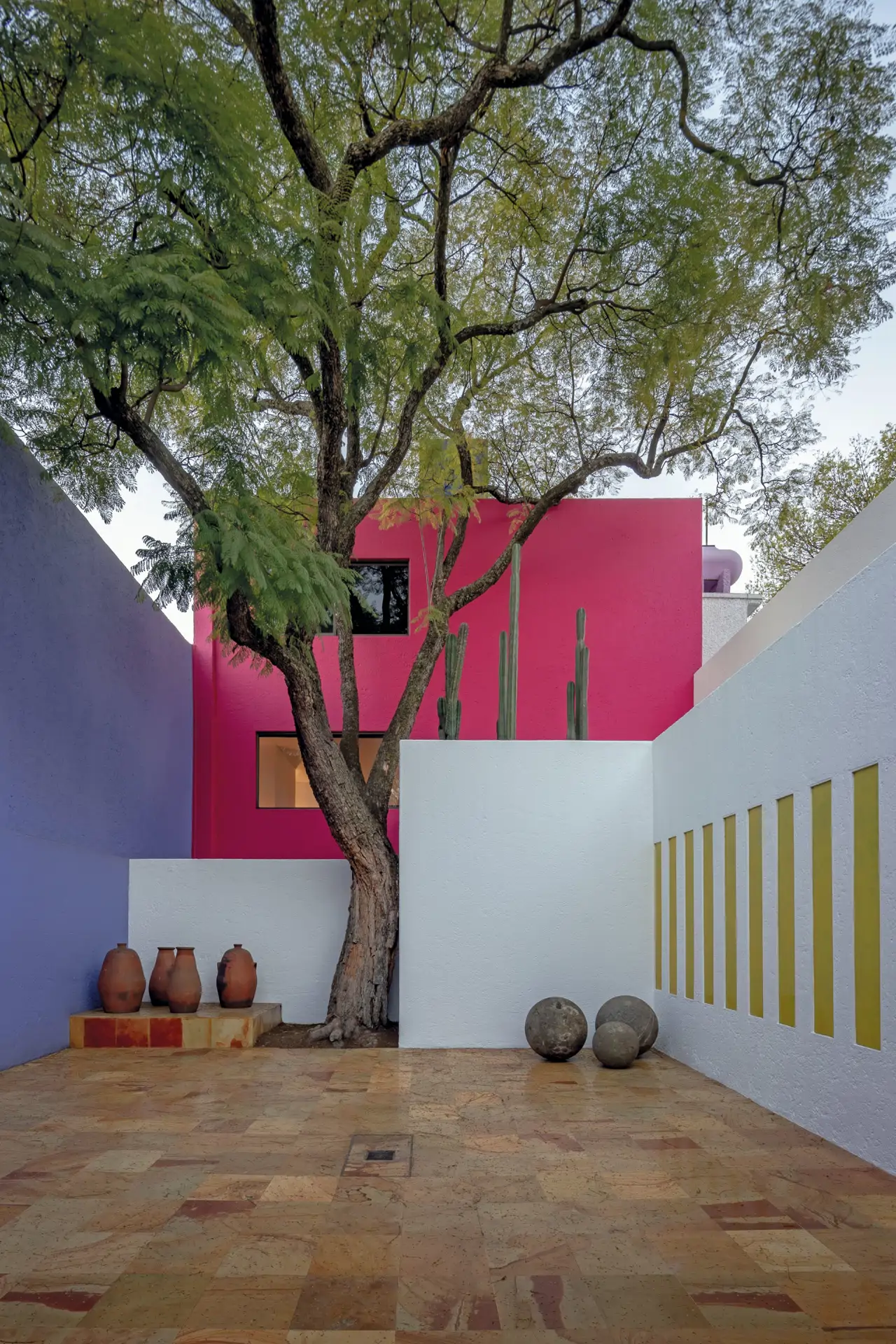
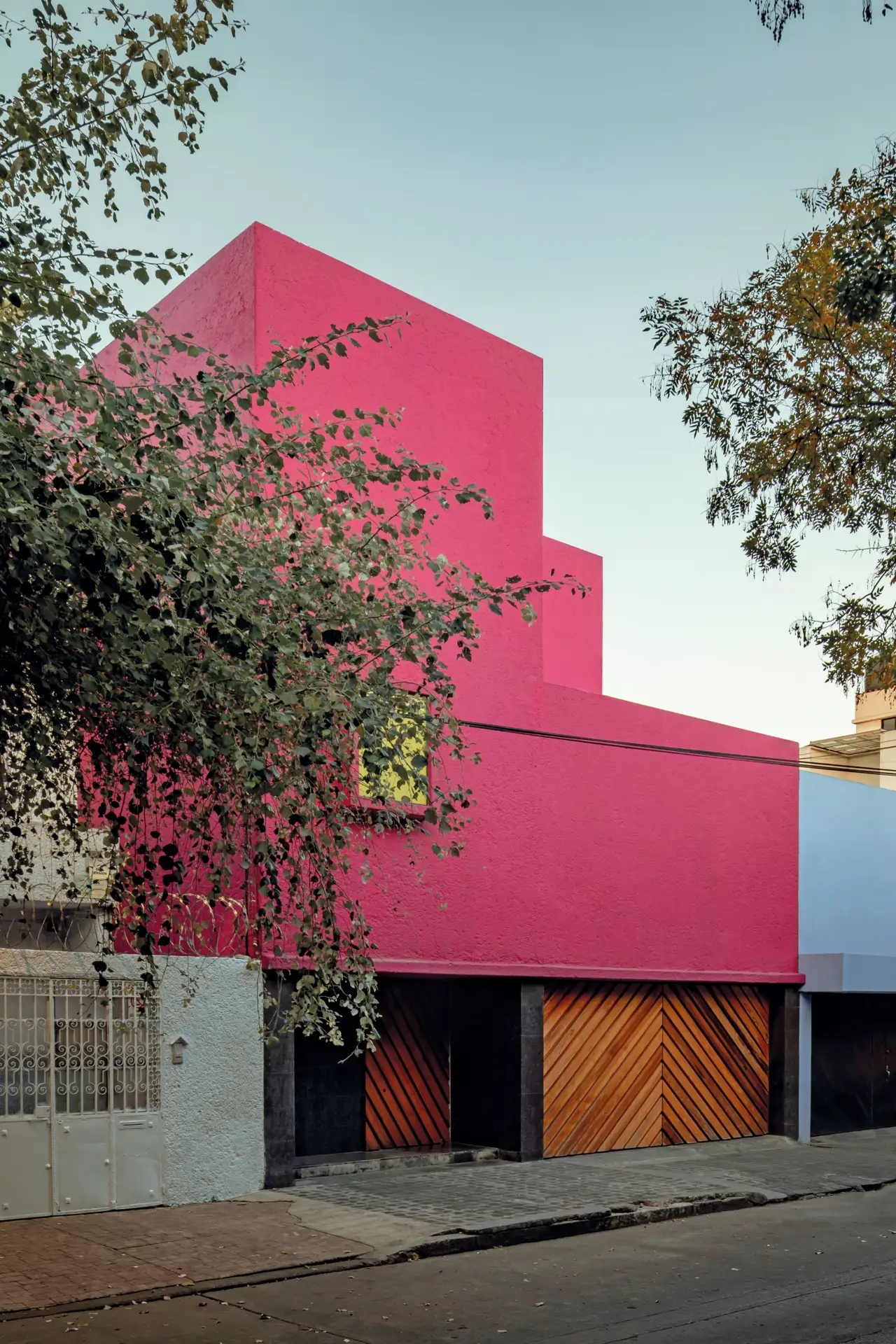
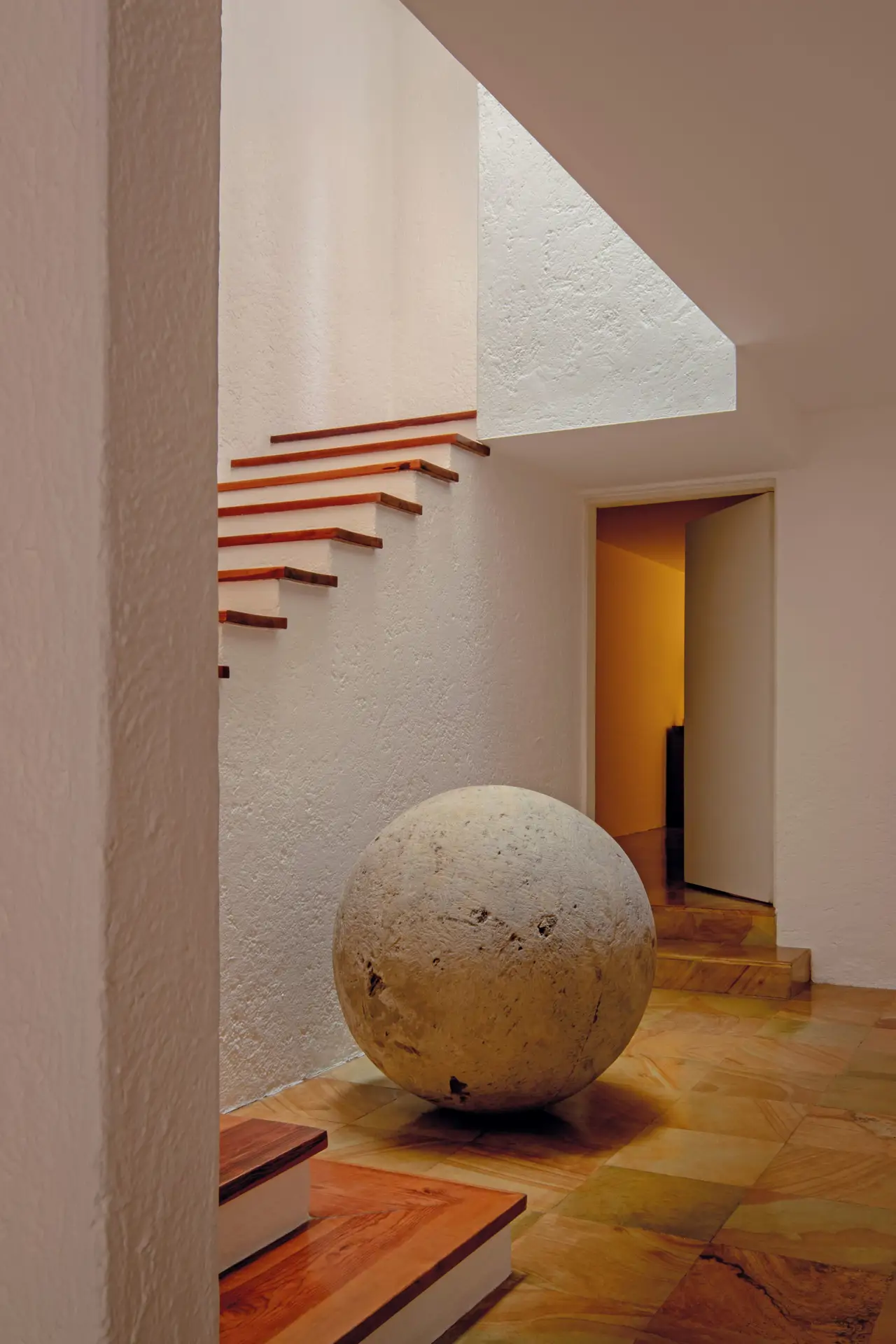
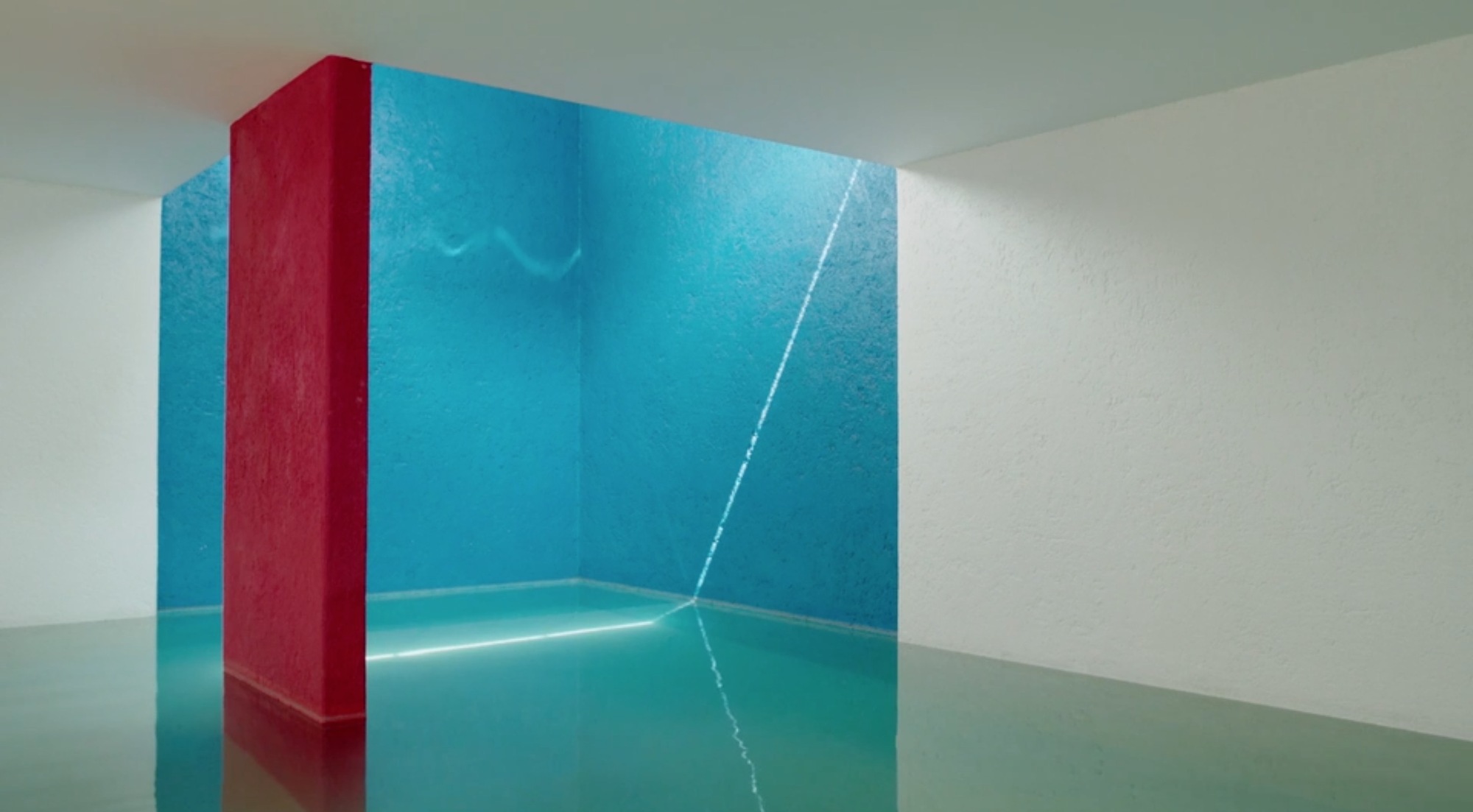
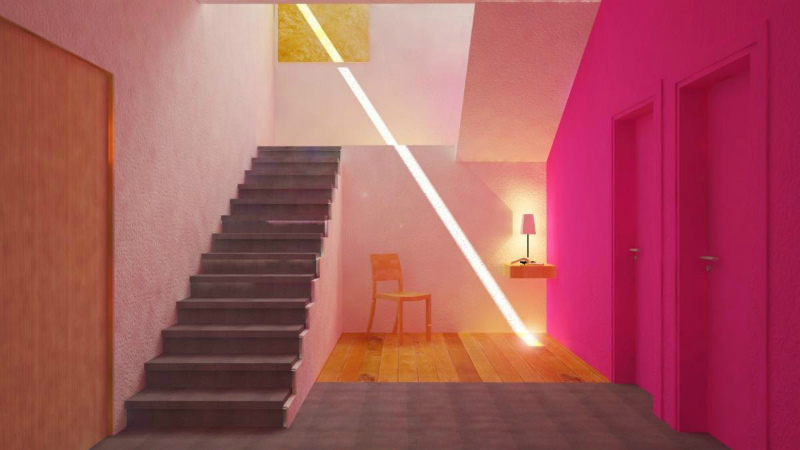
In Mexico City, Casa Gilardi, by Luis Barragán, is one of his last works and a masterful example of the use of color and light. The spaces are organized around a courtyard with a jacaranda tree and an indoor pool, where planes of color—pink, yellow, and blue—create changing and deeply emotional atmospheres.
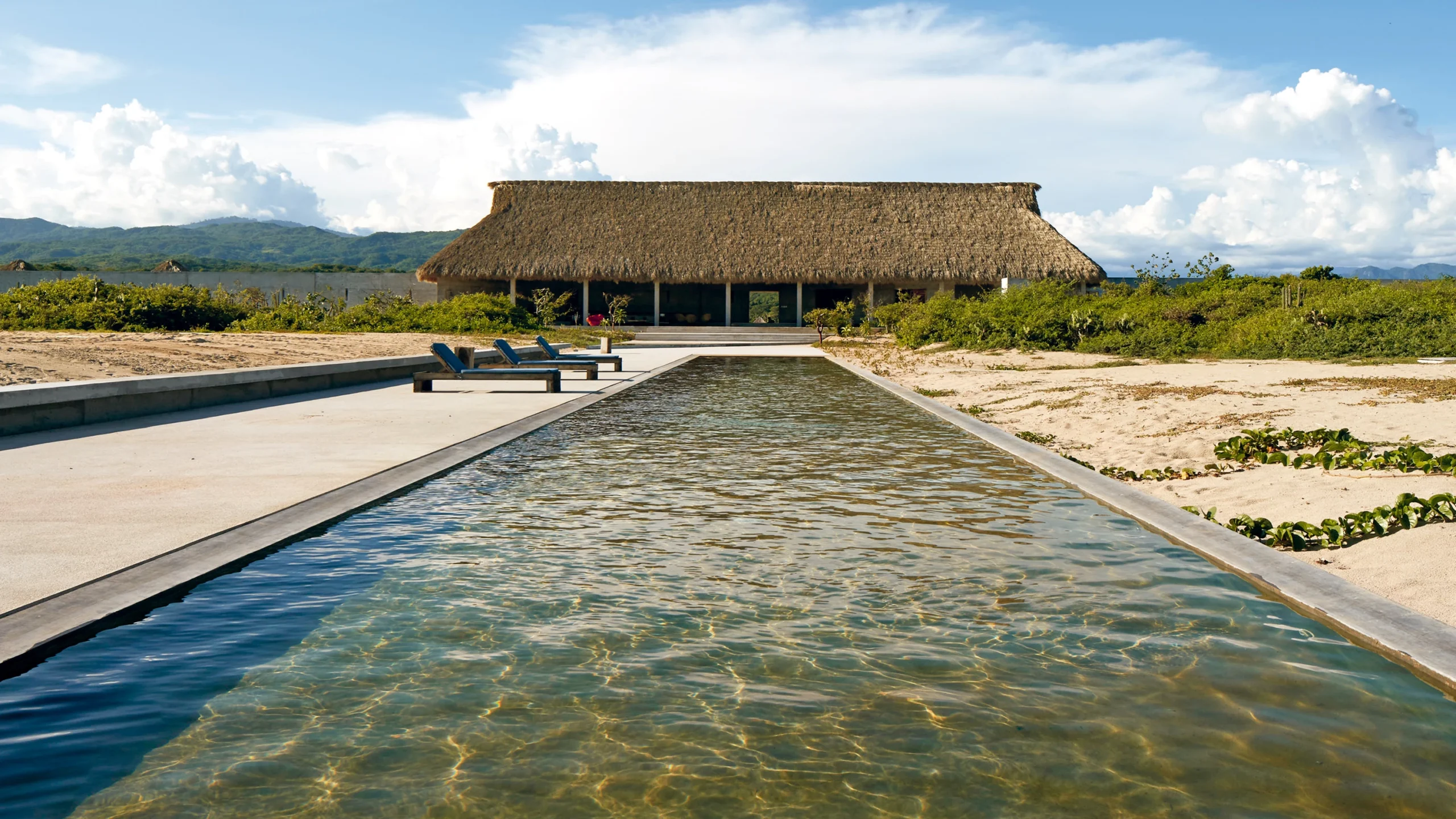
On the coast of Oaxaca, Casa Wabi, designed by Tadao Ando under the initiative of Bosco Sodi, unfolds as a long concrete wall framing the landscape. Inspired by the wabi-sabi philosophy, it proposes an austere architecture where time, nature, and imperfection become essential parts of the experience.
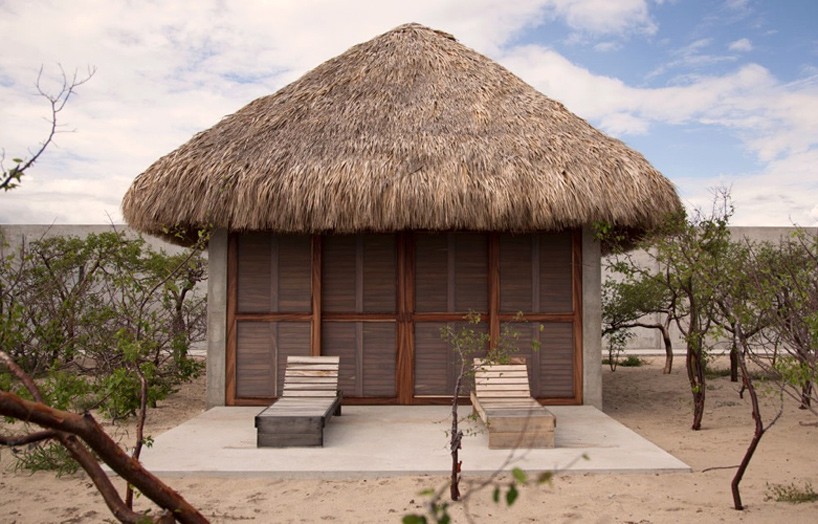
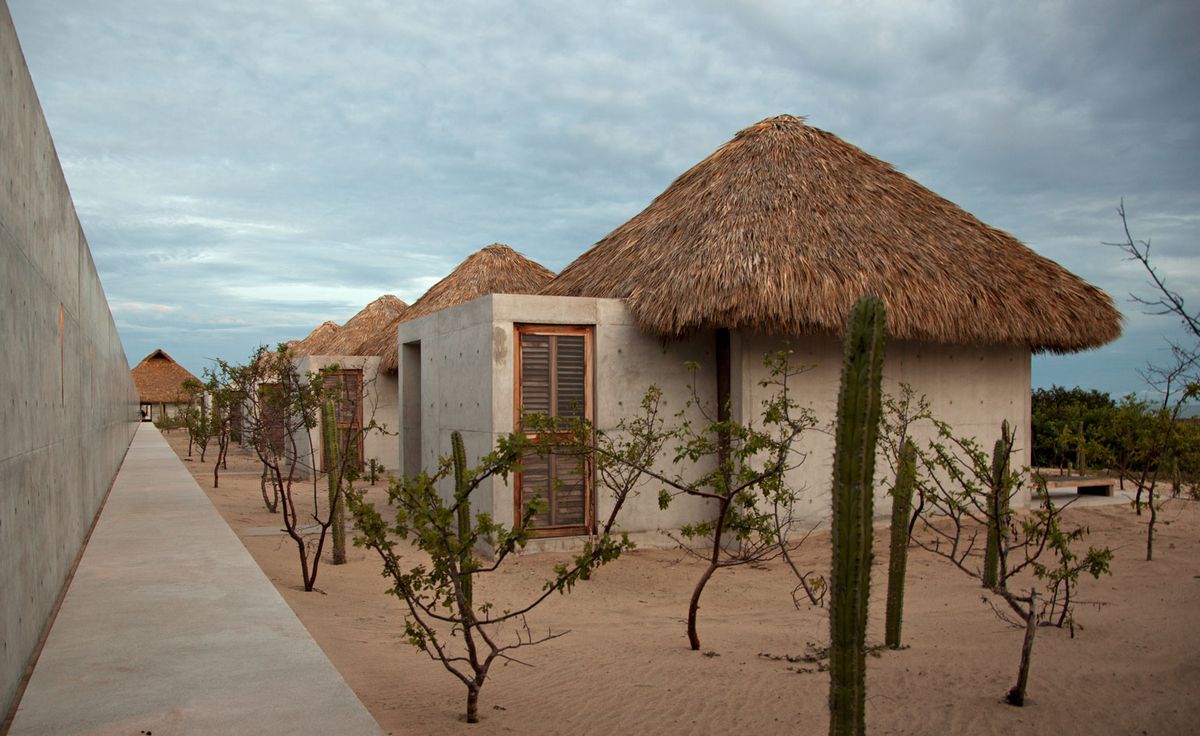
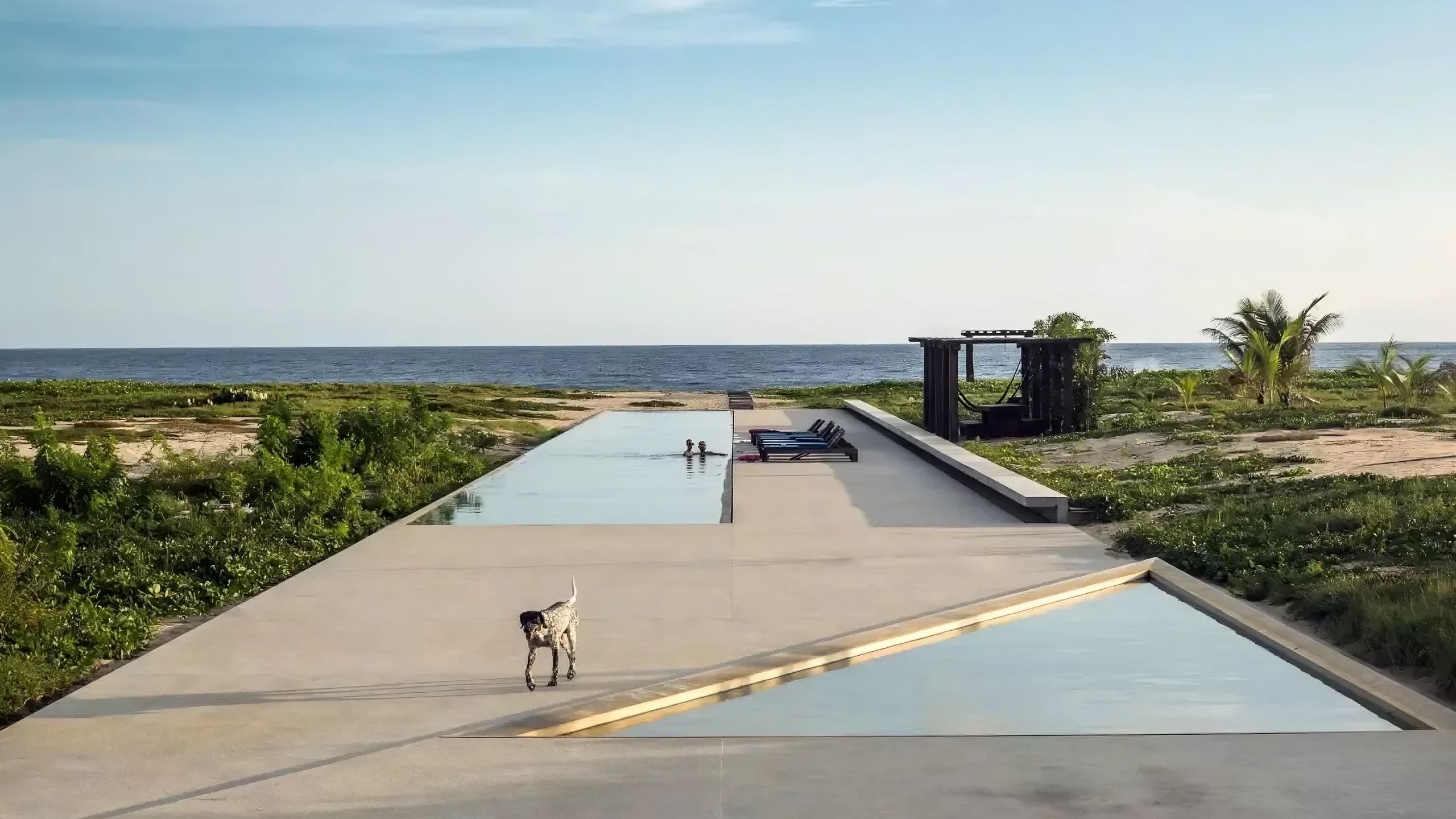
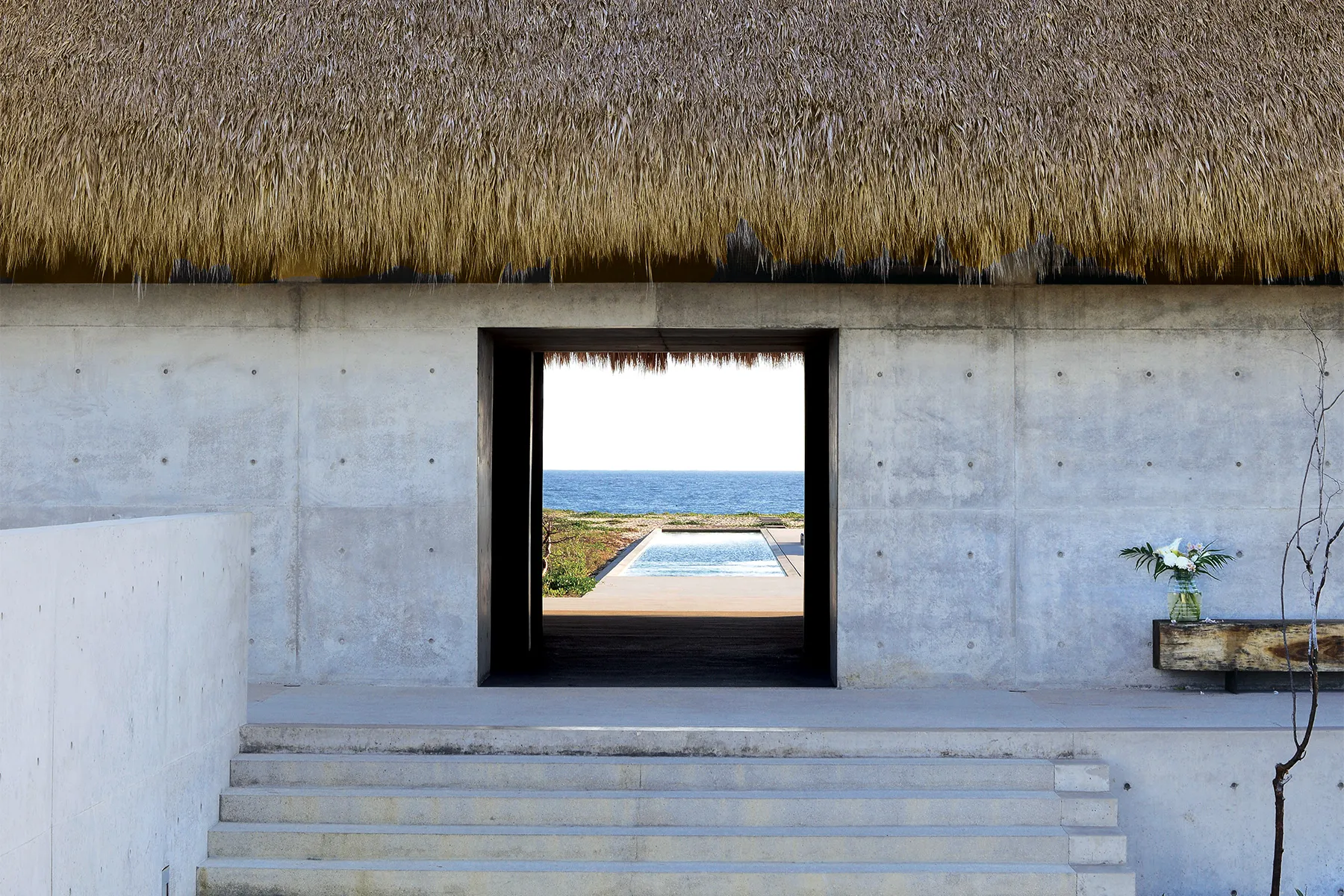
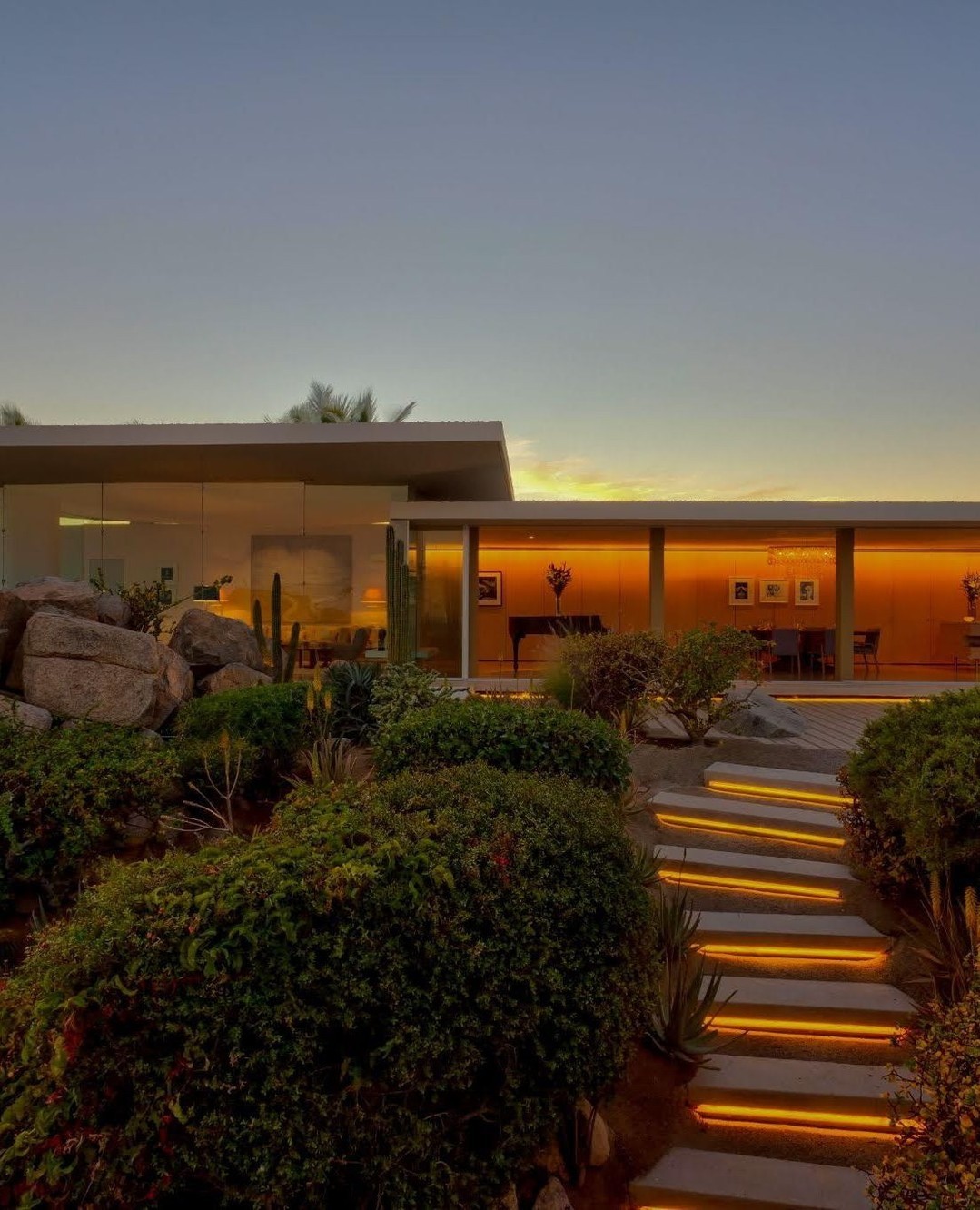
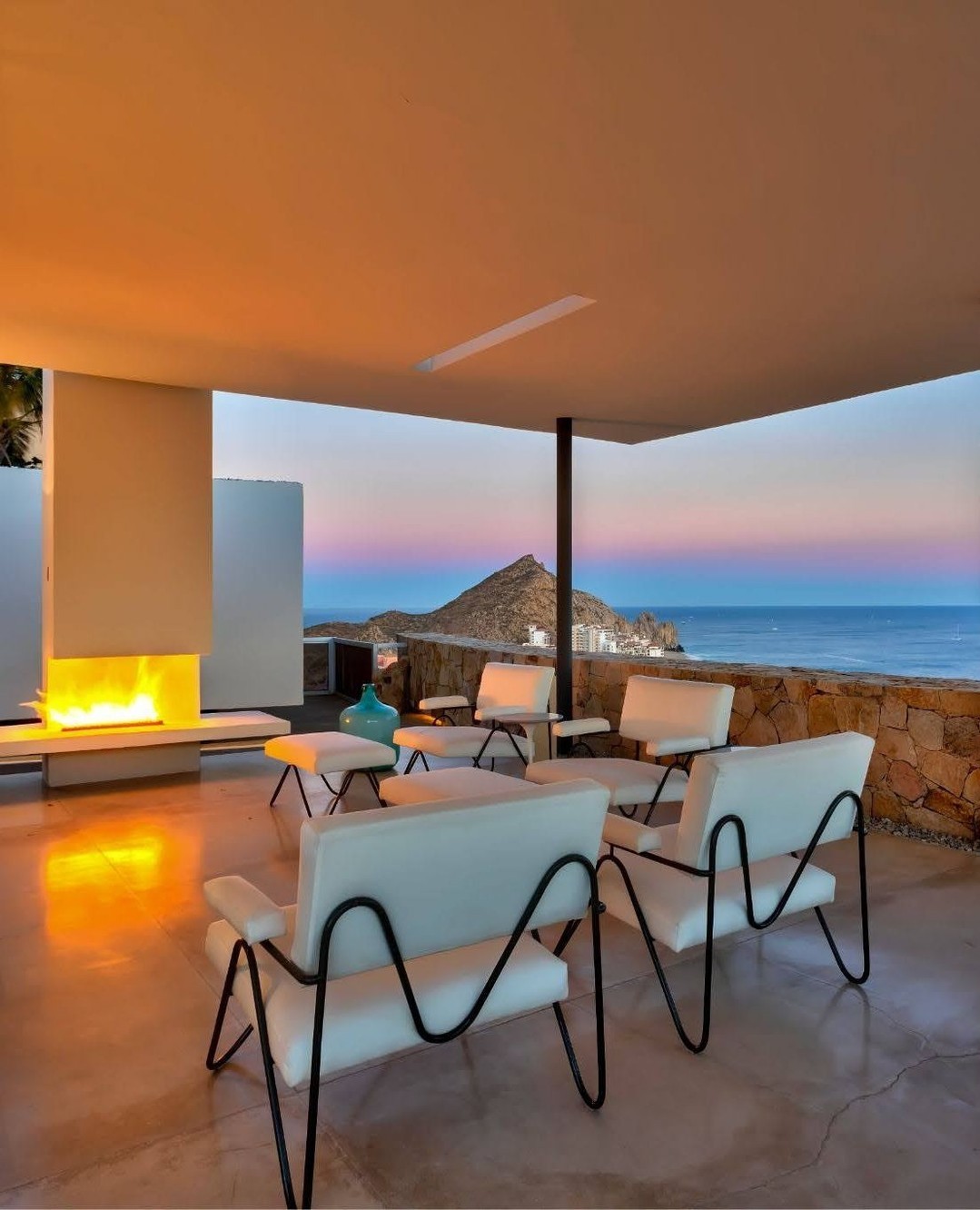
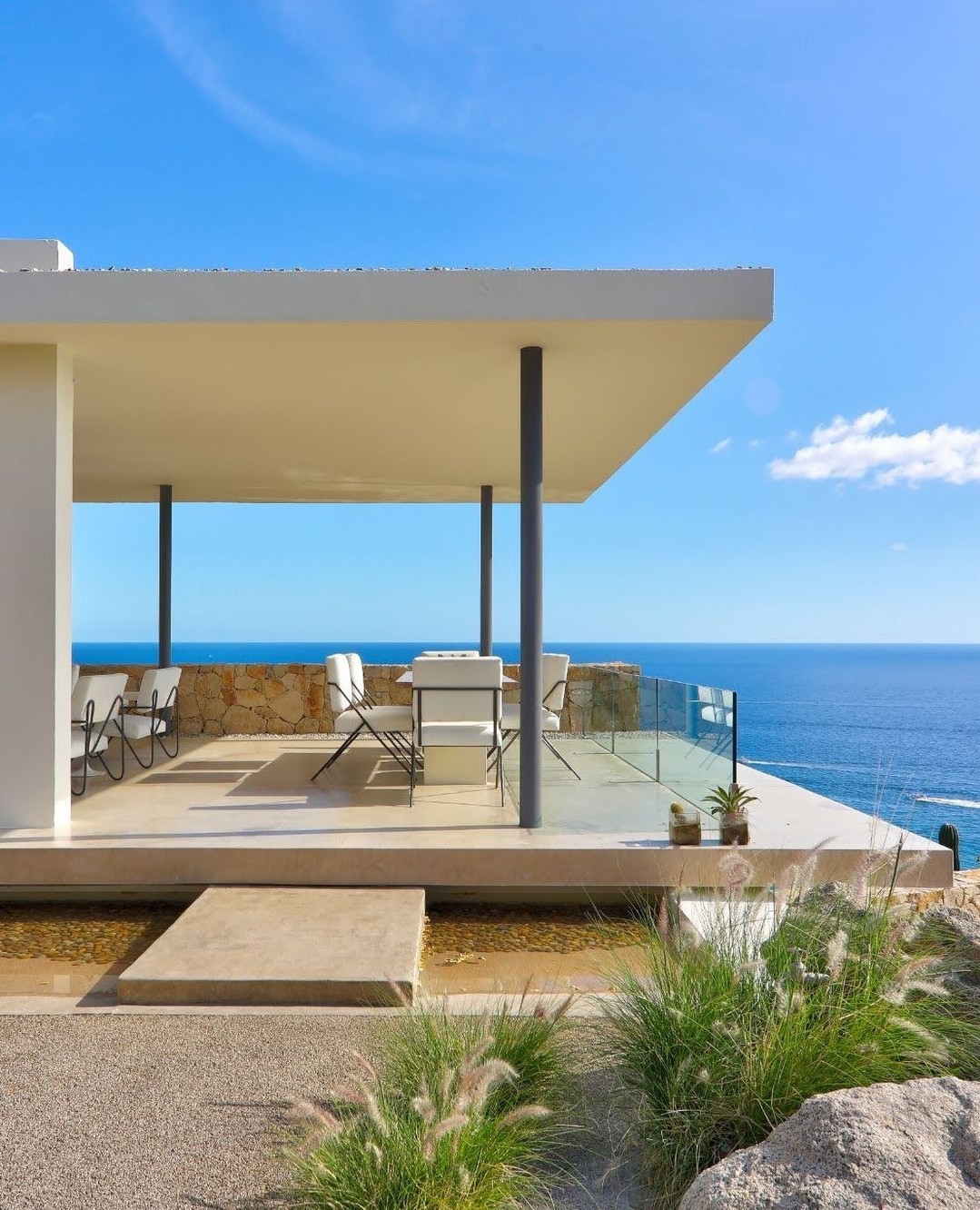
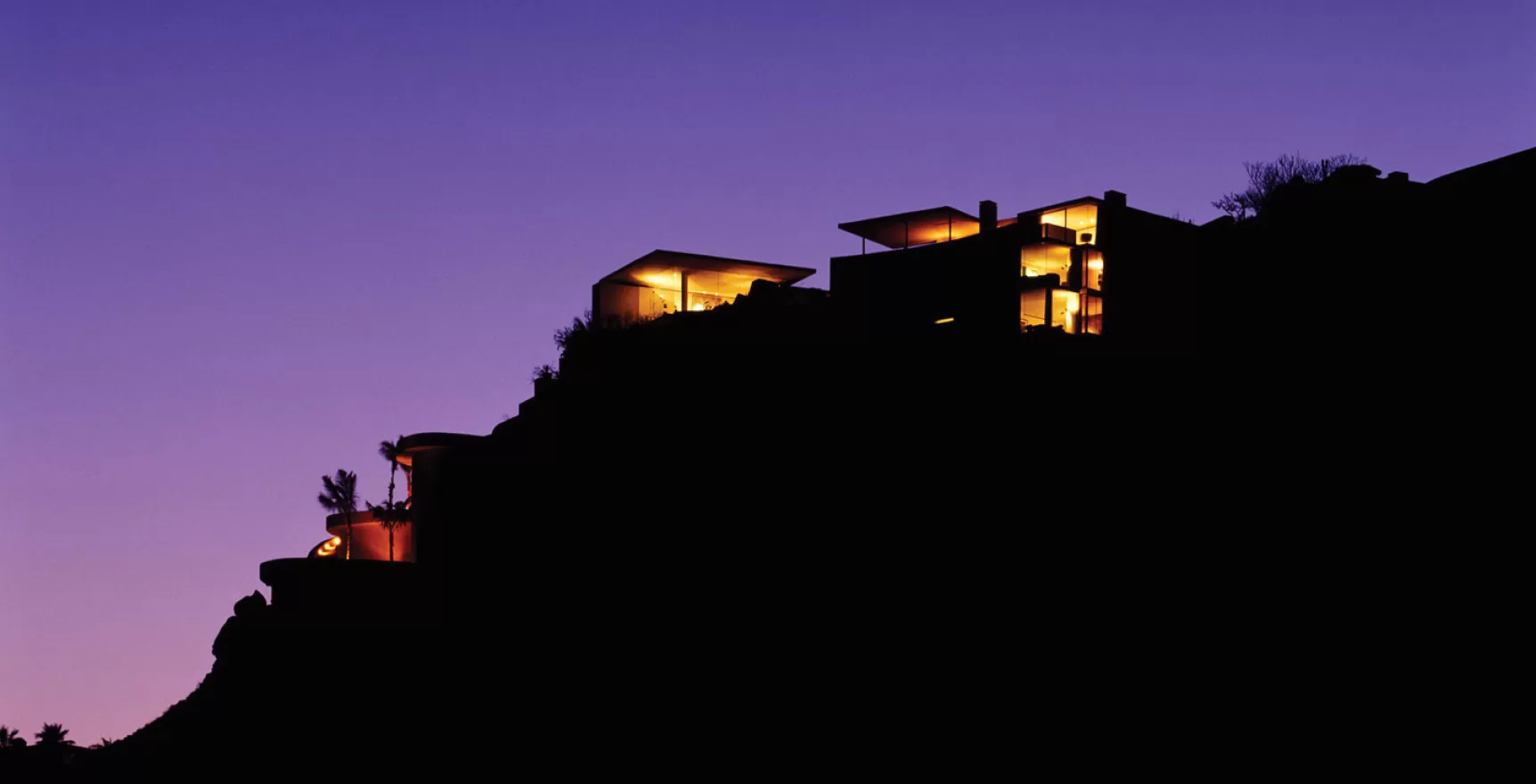
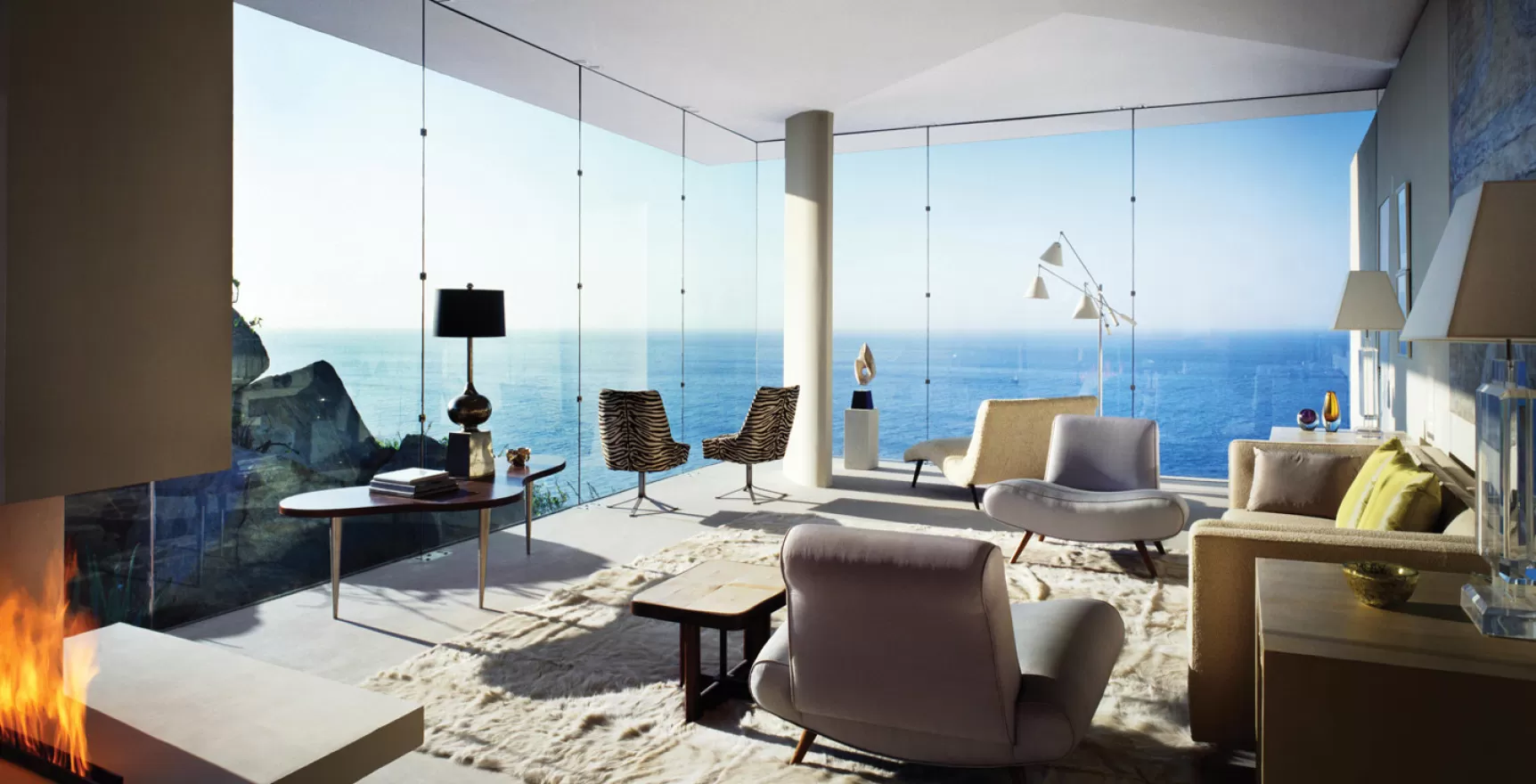
In Baja California Sur, Casa Finisterra, by Steven Harris, sits on a cliff facing the ocean. Its quiet and restrained architecture uses natural materials and large openings to integrate with the surroundings, allowing landscape and light to become the true protagonists of the space.
Taken together, all these houses invite us to travel differently—by inhabiting architecture as an experience and as a way of learning.
MArch Valencia. Arquitectura y Diseño
© 2026 MArch Valencia. Arquitectura y Diseño
Privacy policy | Cookies policy | Terms of use