
New project by Aires Mateus: House in Alvito
DATE
19.05.2026
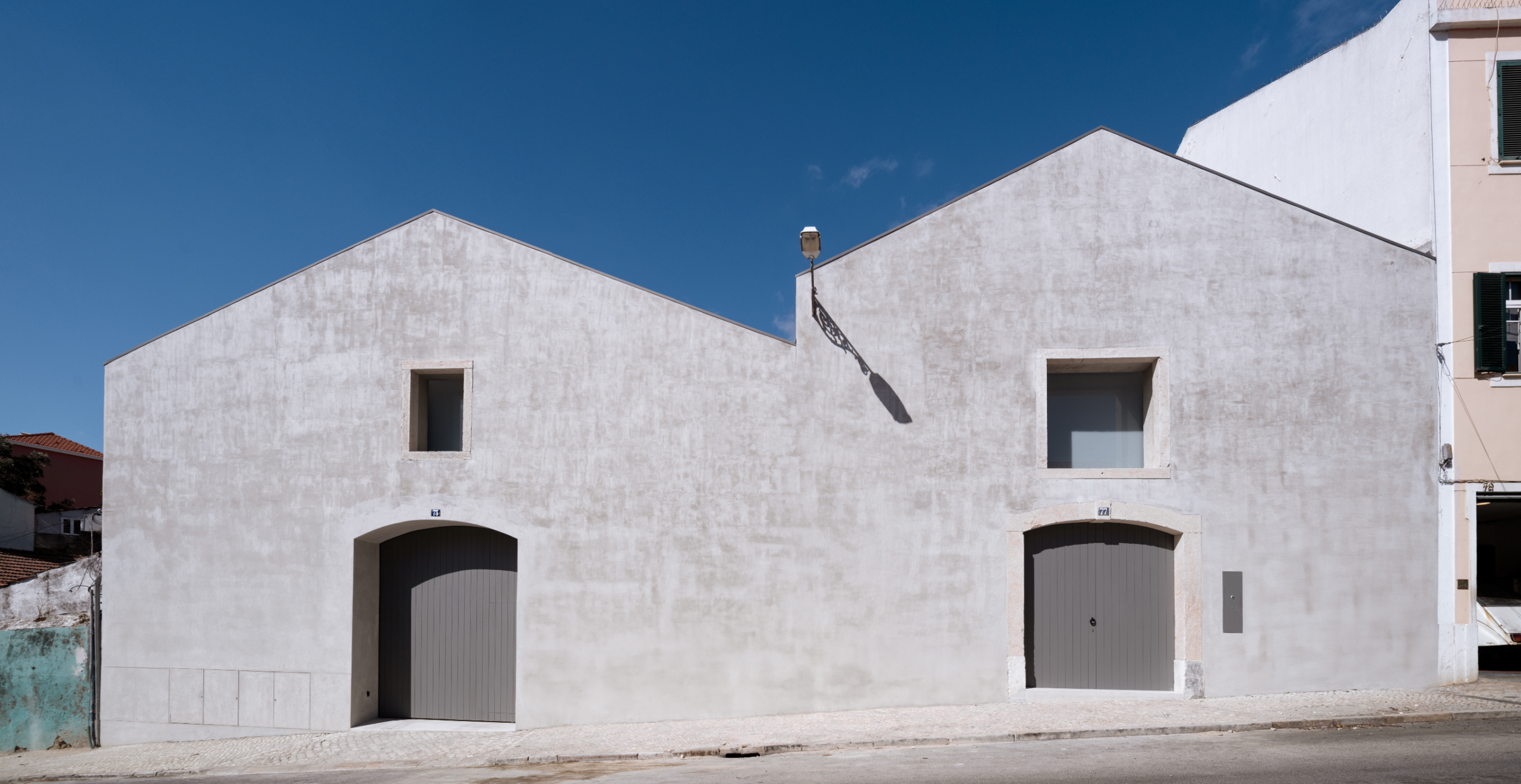
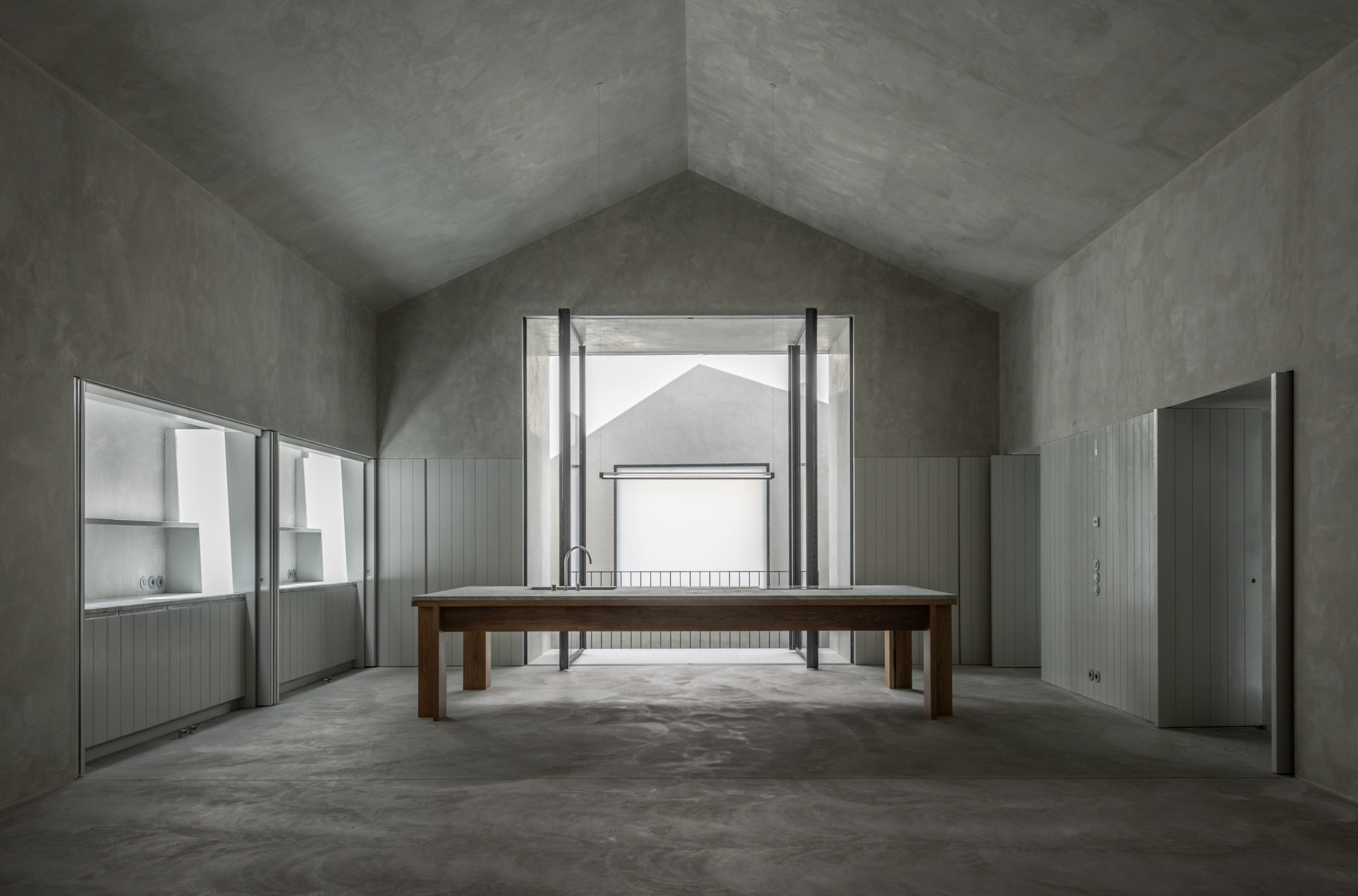
The House in Alvito project, designed by the prestigious Portuguese studio Aires Mateus—who are also lecturers in the MArch programs—is articulated as a reflection on the memory of the place and intervention within inherited architecture. The starting point of the proposal is based on respect for a pre-existing structure configured by two traditional volumes whose gabled roofs rose perpendicularly to the street line. While keeping this exterior volumetry and the original urban scale intact, the studio carries out a radical transformation inside, emptying the previous structures to generate completely clean spaces free of intermediate structural elements, where the true prominence lies in the formal strength of the chosen construction material: reinforced concrete.
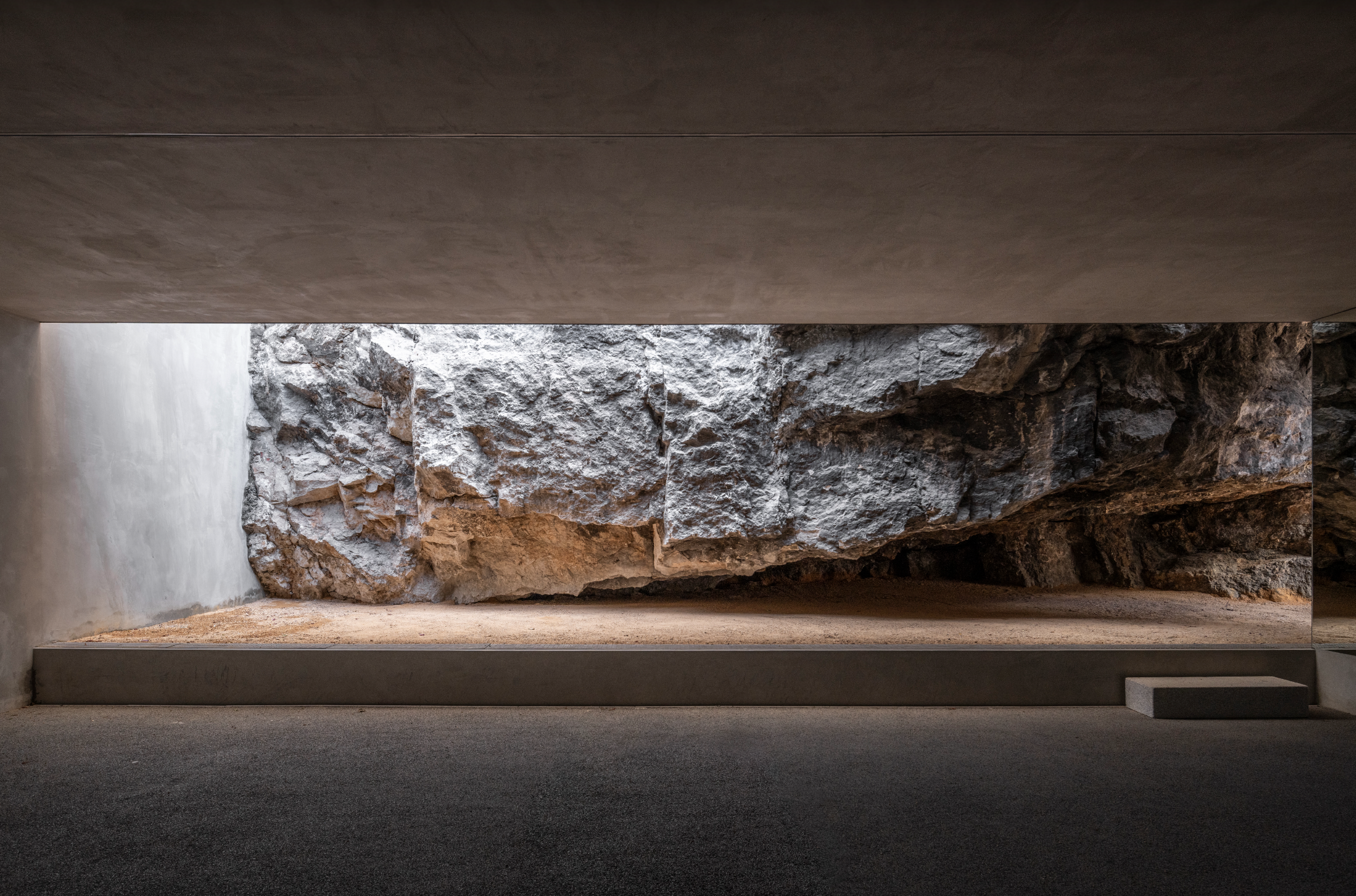
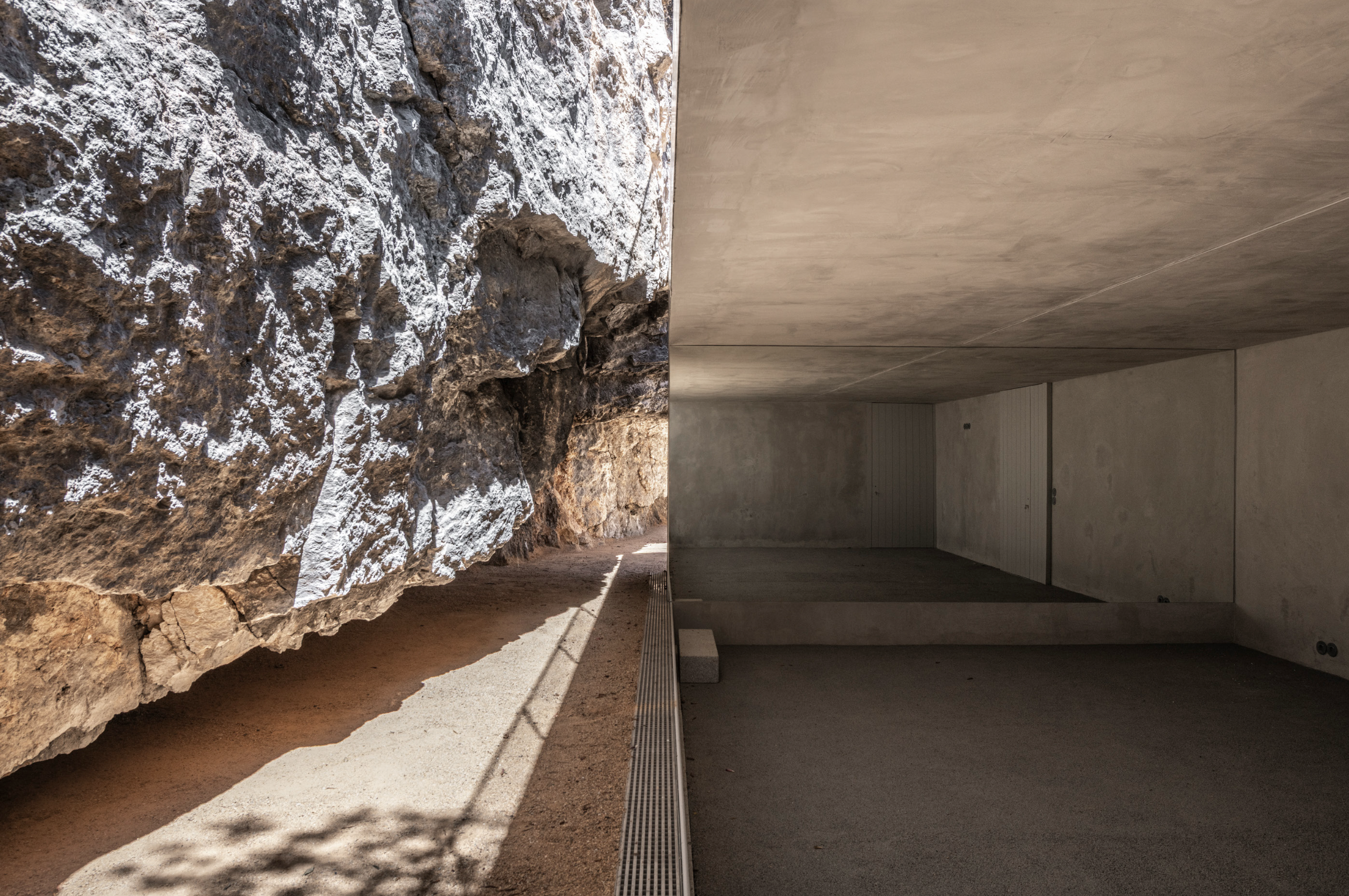
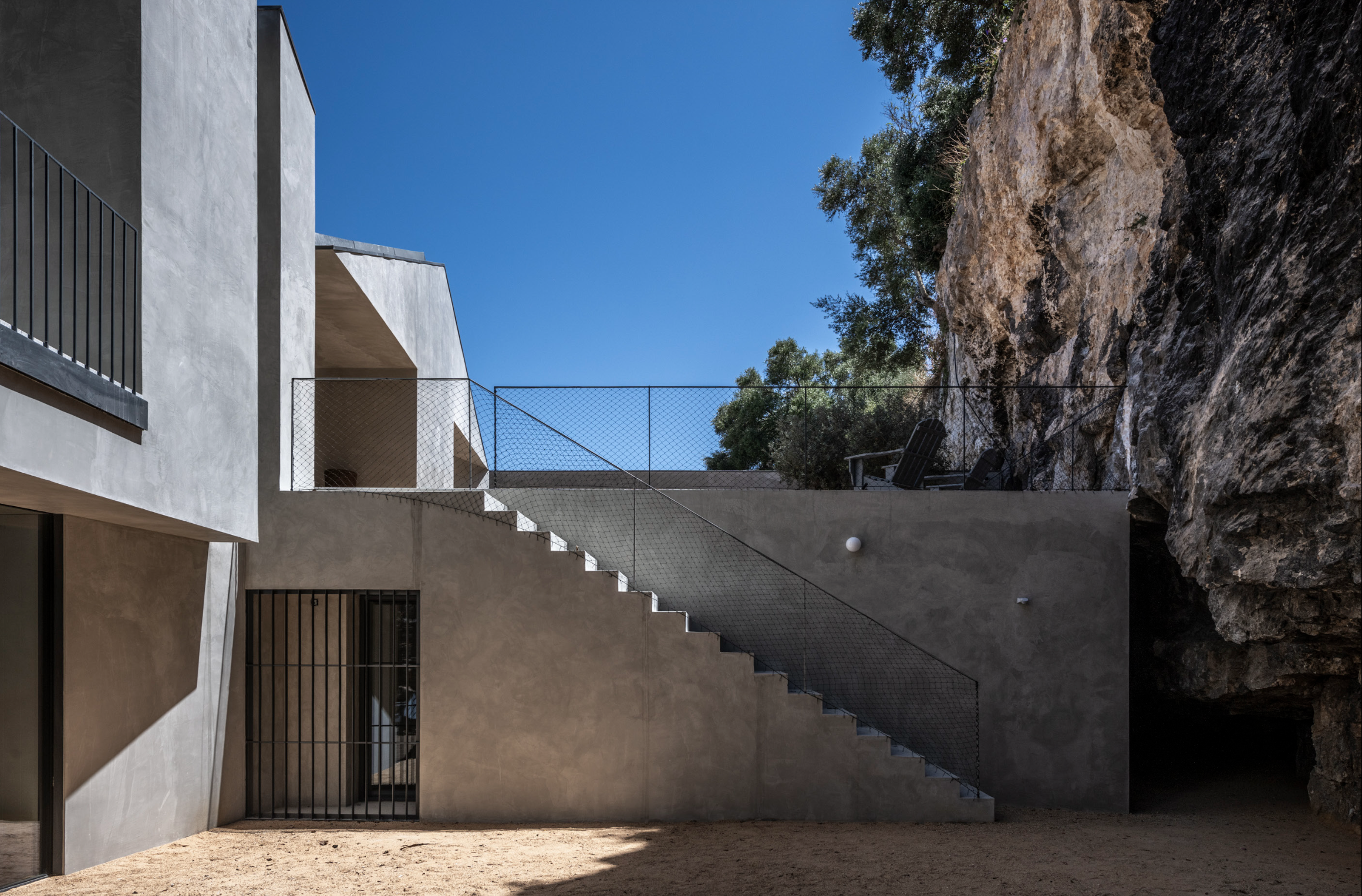
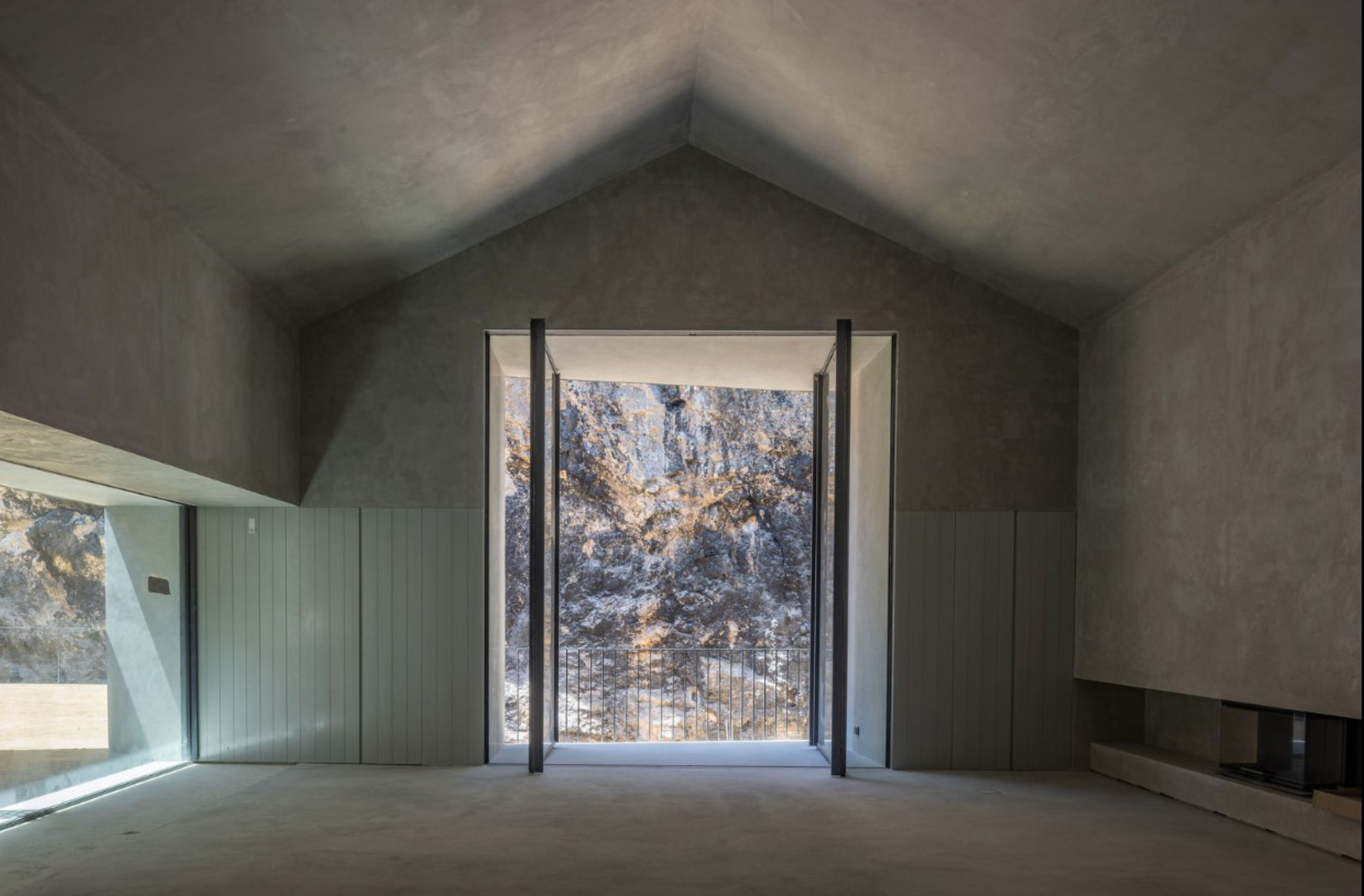
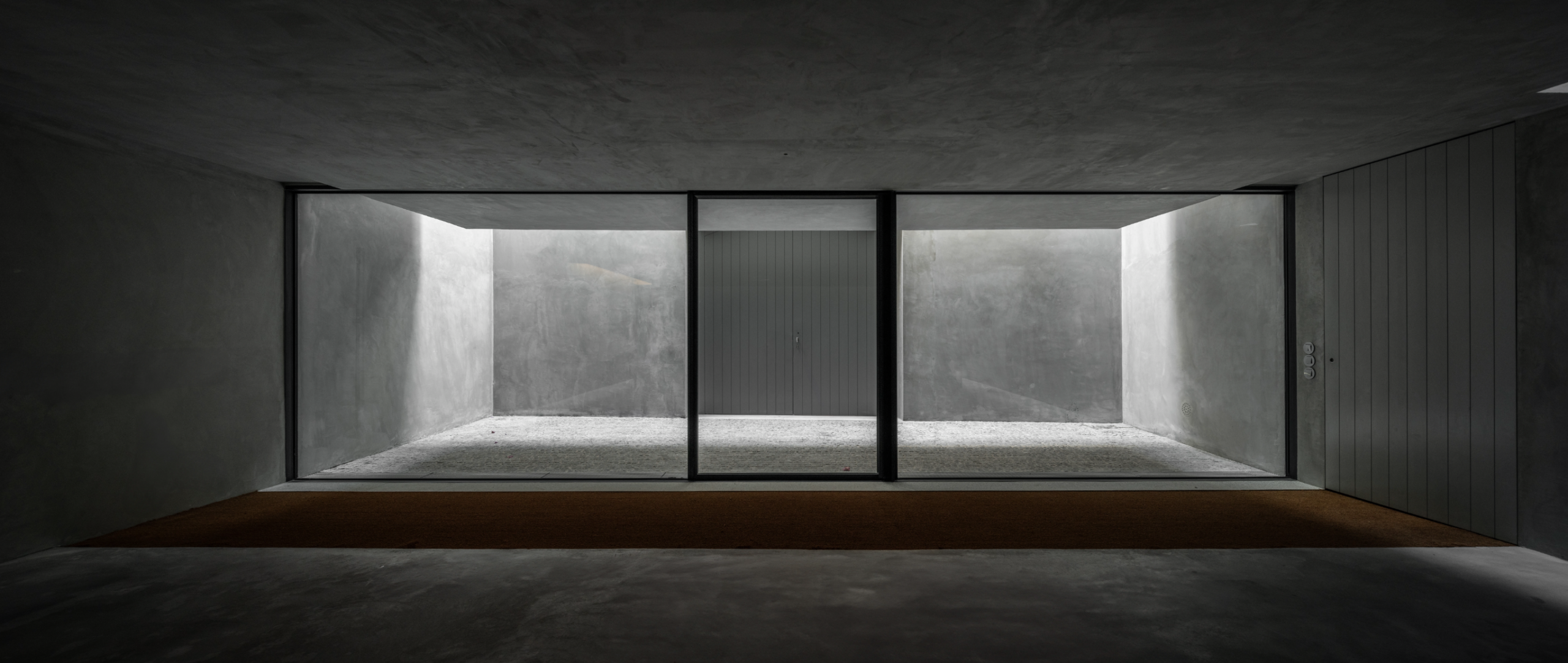
The relationship between the architecture and the immediate topography defines one of the most poetic moments of the ensemble. At its rear facade, both built volumes meet the imposing presence of a rocky mountain. Far from imposing itself on the environment or attaching to it in a literal manner, the building avoids direct contact and establishes a magnetic dialogue with the stone through a new body of very contained proportions. In this subtle transition zone, the new concrete structure approaches the geographical feature without ever touching it, compressing the light and creating a space of subtle twilight that evokes the silent and mystical atmosphere of a place for meditation.
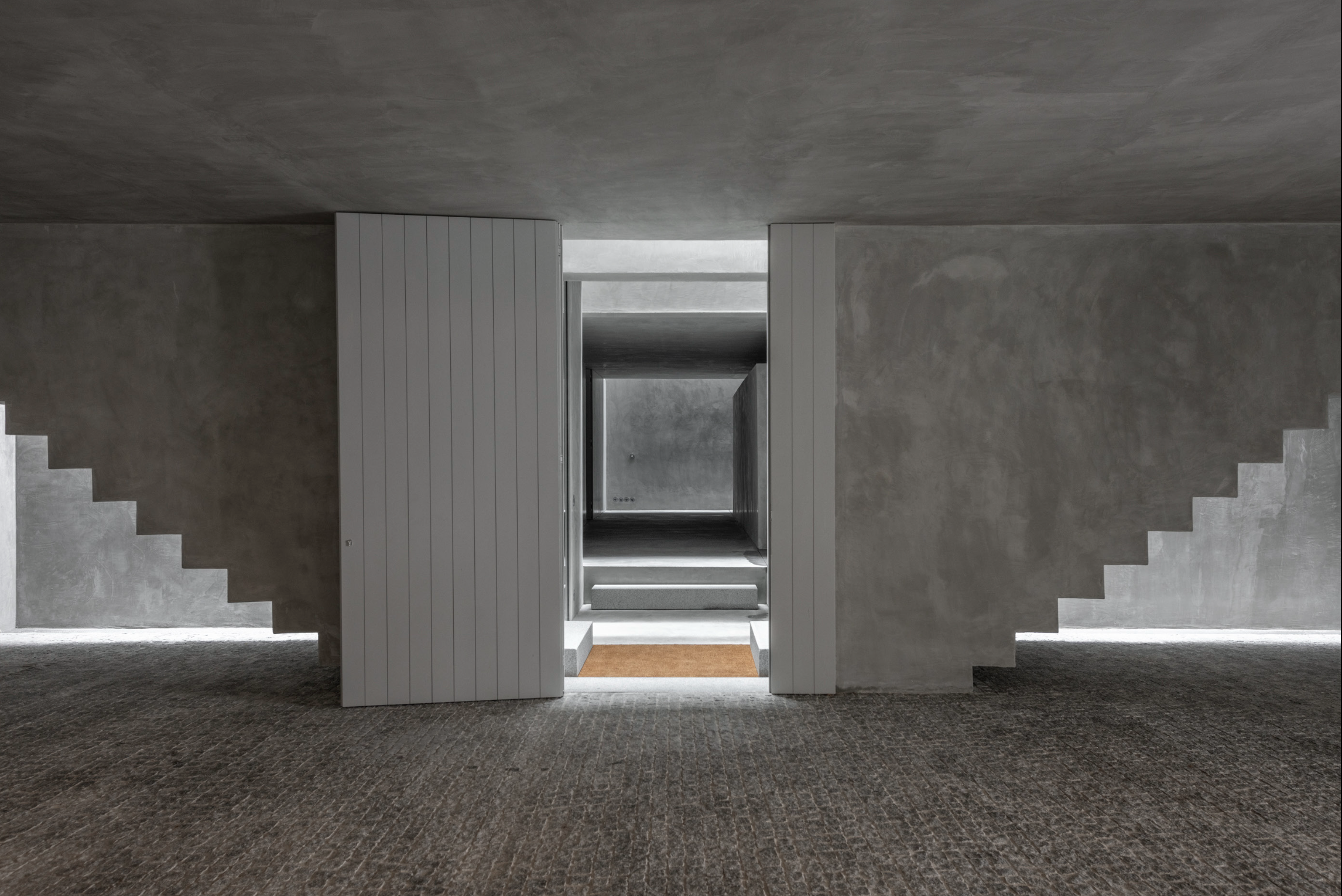
Inside, the seam between the two pre-existing buildings is resolved through a wise exercise of formal perforation. The spaces communicate transversally through an opening made in the original party wall shared by both bodies. On one side of this large breach sits the vertical circulation core, a sculptural element composed of two staircases that fragment the journey to the first floor. On one hand, the ascent leads to a terraced space that opens directly toward the spectacular mountain; on the other, it provides access to the private area of bedrooms and the kitchen—rooms that connect to the dining room through a new passageway in the party wall, sheltering all domestic life under the timeless envelope of the gabled roof inherited from the past.
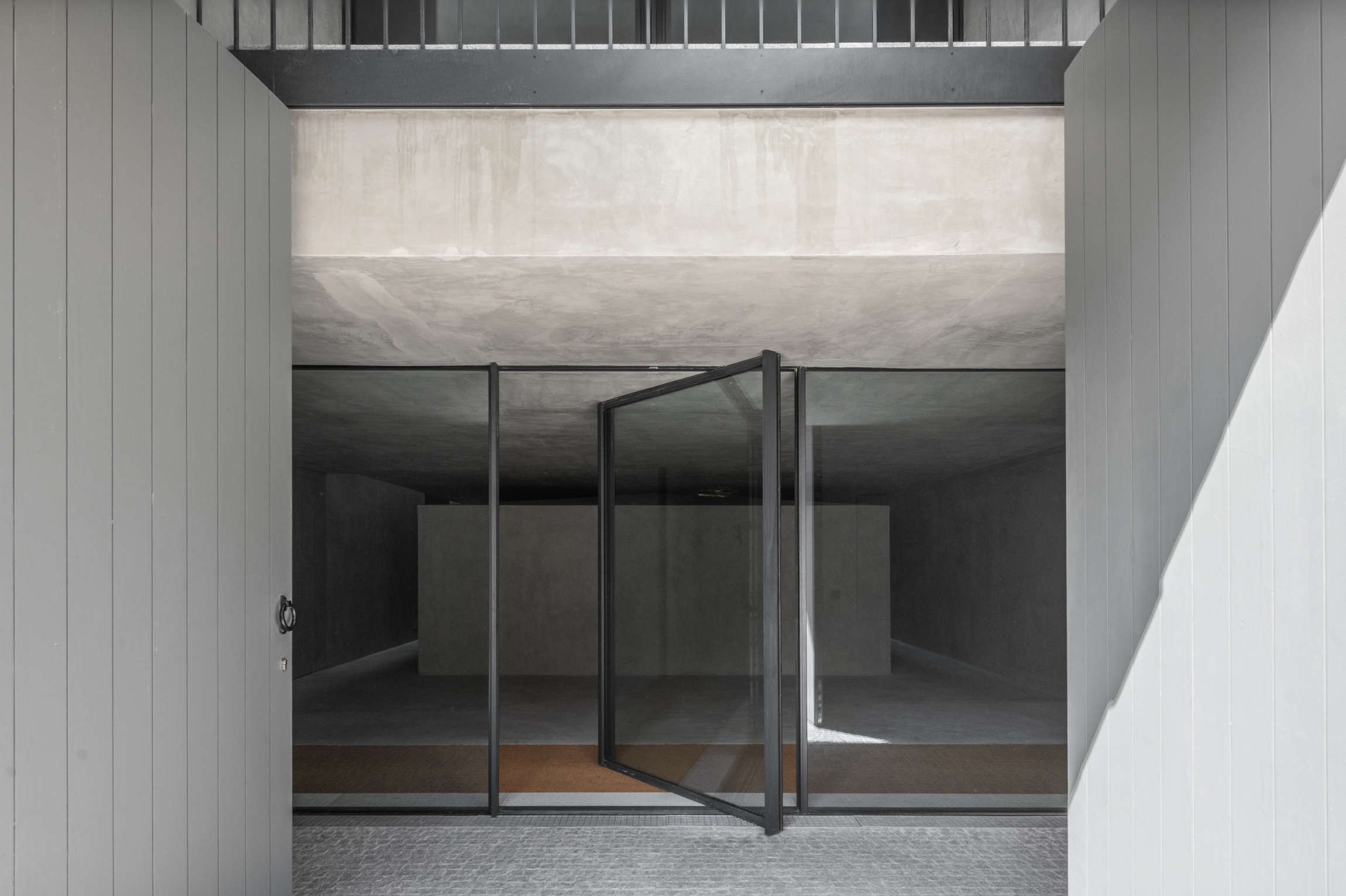
The resolution of the ground floor responds to a completely different spatial logic, based on the fluidity and transparency of contemporary architecture. On this lower level, the space is completely freed from traditional partition walls and, instead, a series of freestanding, clean volumes appear to have been carefully placed upon the continuous flooring. These autonomous bodies, which do not touch the ceiling, function as subtle spatial landmarks that naturally distribute the different amenities and installations of the house, while invisibly yet precisely defining an open area intended for car parking.
House in Alvito condenses the methodological essence that characterizes the trajectory of Aires Mateus, utilizing the void as a design tool and mass as a shaping element for light. By encapsulating a contemporary residential program within the boundaries of a traditional typology, the project demonstrates how architecture can be deeply respectful of historical heritage without renouncing spatial experimentation. The result is a home that contains the functions of dwelling while simultaneously encapsulating time, matter, and landscape in a single architectural gesture of resounding permanence.
MArch Valencia. Arquitectura y Diseño
© 2026 MArch Valencia. Arquitectura y Diseño
Privacy policy | Cookies policy | Terms of use