
Space Age Design and Cinema
DATE
16.03.2026
Science fiction has imagined for decades what life in the future might look like. In this speculative exercise, interior design — and particularly furniture — has played a fundamental role. In many films within the genre, pieces of furniture become narrative tools that help visually construct future worlds, suggesting new technologies, lifestyles, and environments that do not yet exist.
Organic forms, soft curves, and innovative materials are some of the most commonly used resources by production designers to create spaces that feel different from everyday environments, yet still remain functional and habitable. These qualities were especially characteristic of what is known as Space Age design, a movement associated with the technological optimism of the 1960s and 1970s, when industrial design began experimenting with molded plastics, minimalist structures, and fluid geometries.
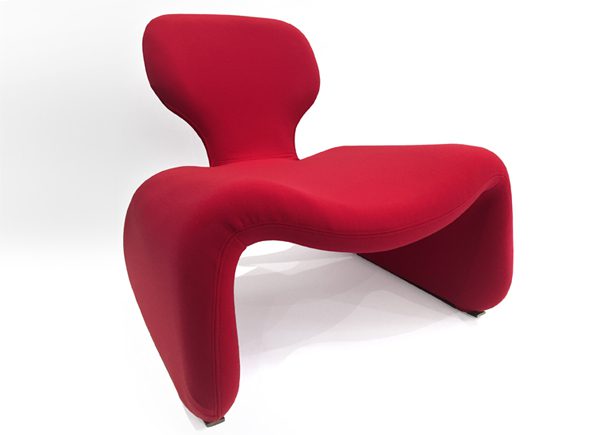
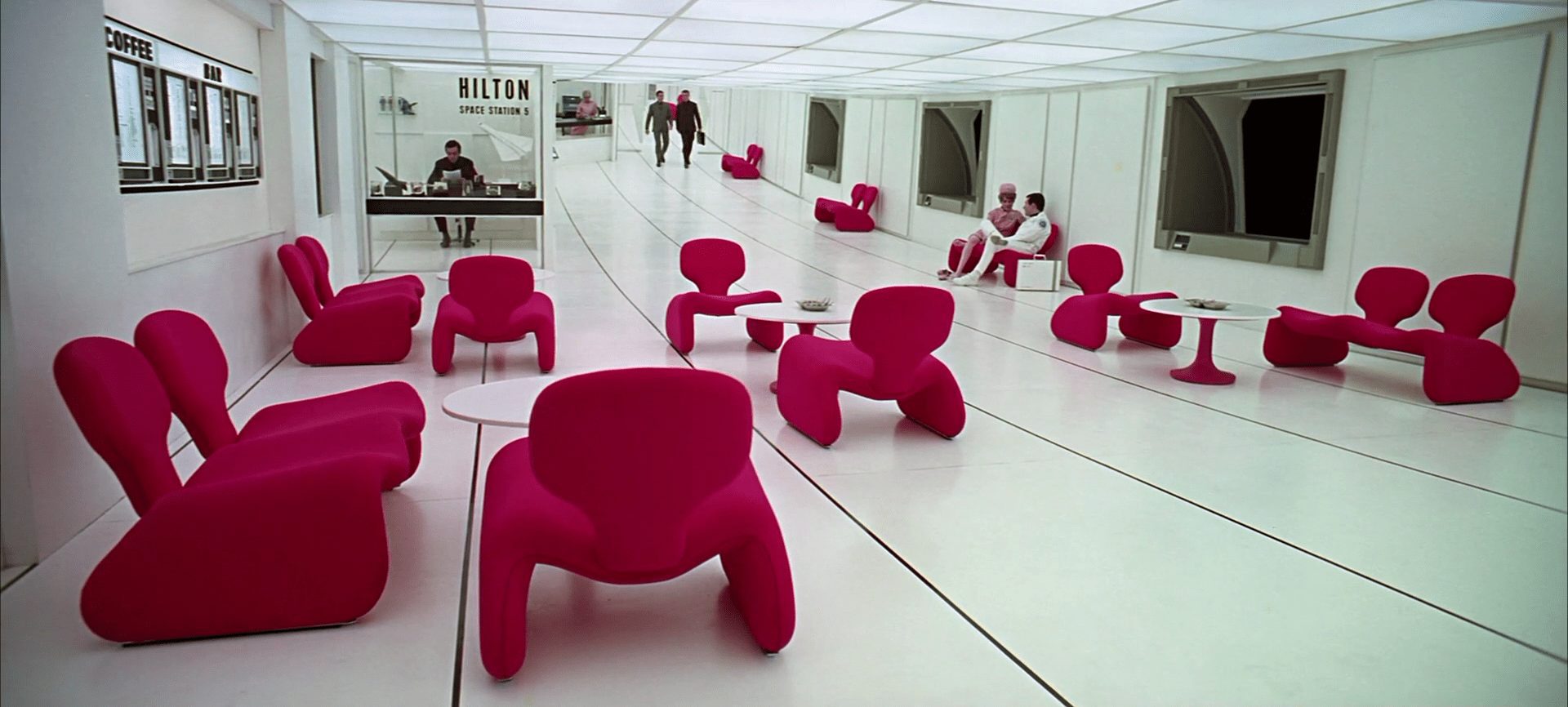
2001: A Space Odyssey (1968) and the Djinn Chair by Olivier Mourgue
In the film 2001: A Space Odyssey, directed by Stanley Kubrick, the interior of the space station is defined by a minimalist and technological aesthetic that anticipated a new way of inhabiting space. One of the most recognizable pieces in the film is the Djinn Chair, designed by Olivier Mourgue in 1965. Its low, undulating profile, together with its continuous upholstered structure, breaks with the traditional logic of the chair and suggests a new ergonomics adapted to a futuristic environment. The piece helps reinforce the atmosphere of weightlessness and technological sophistication that characterizes the interiors of the film.
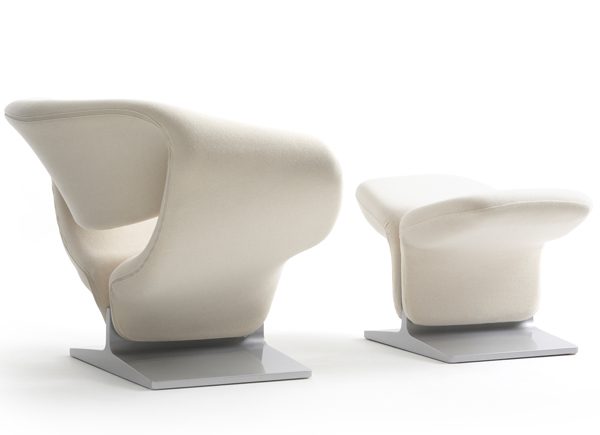
Blade Runner 2049 (2017) and the Ribbon Chair by Pierre Paulin
Decades later, the film Blade Runner 2049 continues this tradition by incorporating iconic pieces of twentieth-century design. In one of its interior scenes appears the Ribbon Chair, designed by Pierre Paulin in 1966. Conceived as a continuous ribbon that folds over itself, the chair has a sculptural character that fits with the sophisticated and technological aesthetic of the film’s visual universe. Its fluid and enveloping form reflects the experimental spirit of Space Age design, where structure and form are integrated into a single formal gesture.

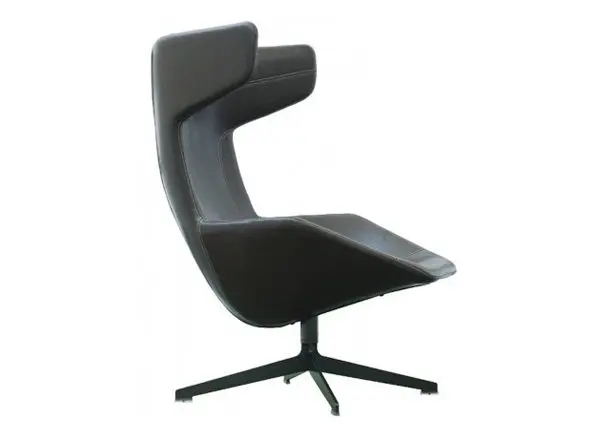
Ex Machina (2014) and the Take a Line for a Walk Chair by Alfredo Häberli
The film Ex Machina, directed by Alex Garland, explores the relationship between technology, artificial intelligence, and contemporary architecture. Inside the house-laboratory where the story unfolds appears the Take a Line for a Walk Chair, designed by Alfredo Häberli for Moroso. The piece presents a light, continuous geometry that seems to be drawn in space through a single structural line. Its presence reinforces the experimental and conceptual character of the architectural environment in which the narrative develops.
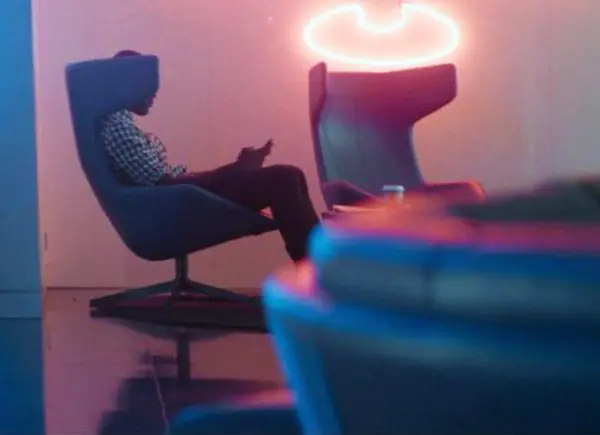
Severance (2022) and the Nimrod Chair by Marc Newson
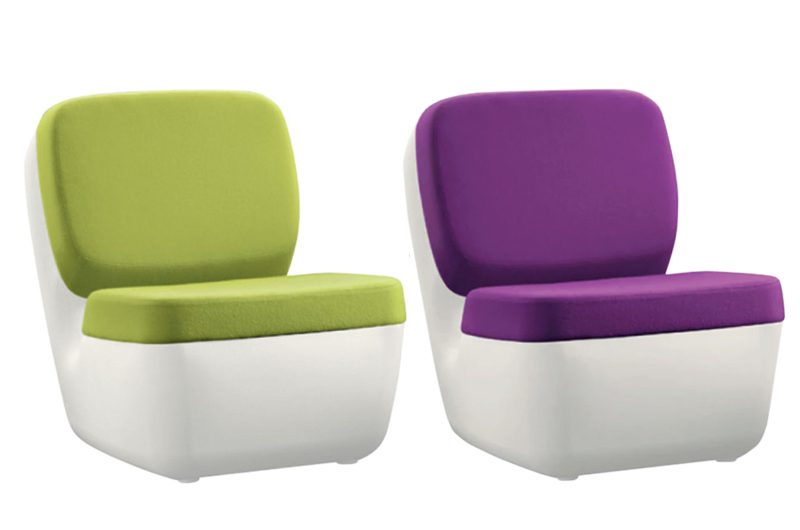
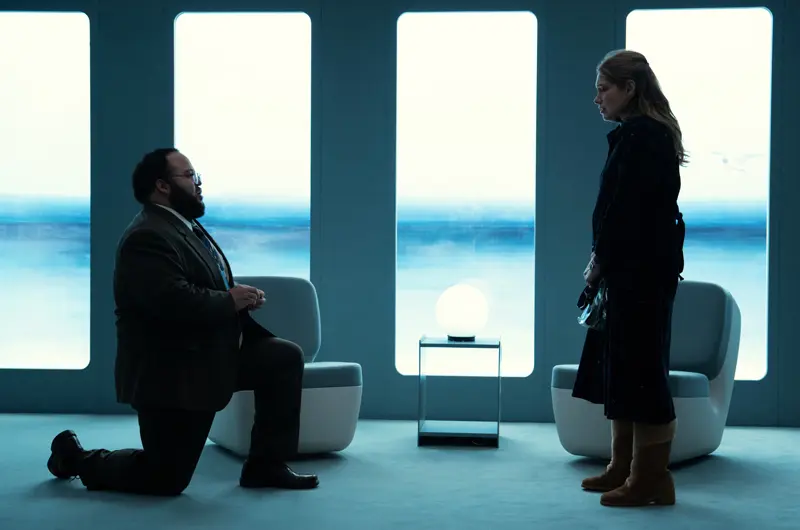
The series Severance incorporates several examples of contemporary design within its distinctive visual universe, which combines mid-twentieth-century corporate aesthetics with futuristic elements. Among the pieces used is the Nimrod Chair, designed by Marc Newson. With its rounded, almost sculptural form and continuous structure, the chair conveys the sensation of an advanced technological object. Its presence fits with the strange and carefully controlled atmosphere that defines the spaces of the series.
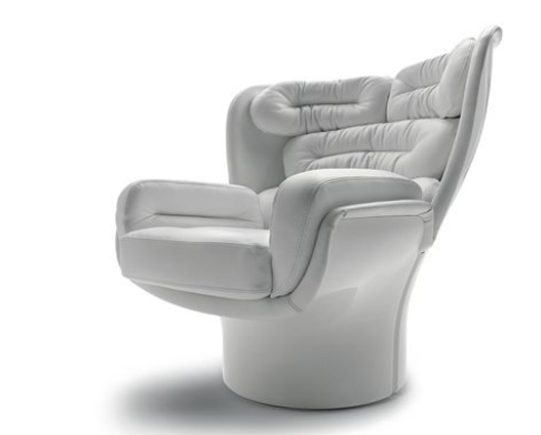
Space: 1999 (1975) and the Elda Chair by Joe Colombo
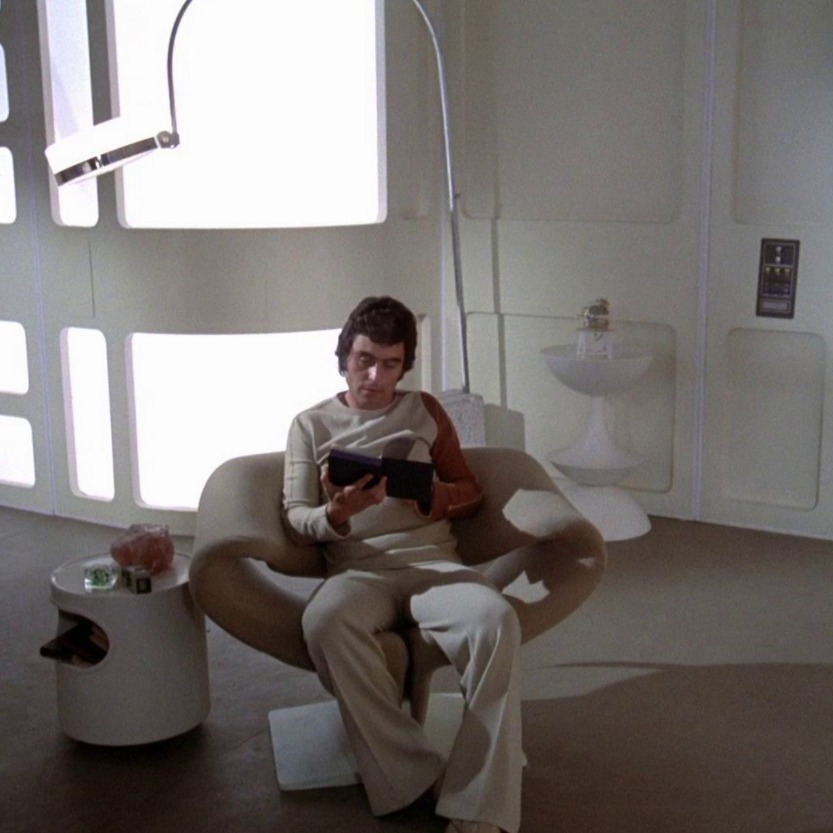
The television series Space: 1999 incorporated numerous icons of Italian design from the 1960s and 1970s to construct its futuristic interiors. One of the most recognizable is the Elda Chair, designed by Joe Colombo in 1963. With its fiberglass structure and large upholstered cushions, the chair resembles a protective capsule that envelops the user. Its design conveys a mixture of comfort, technology, and isolation — qualities that perfectly matched the spatial narrative of the series.
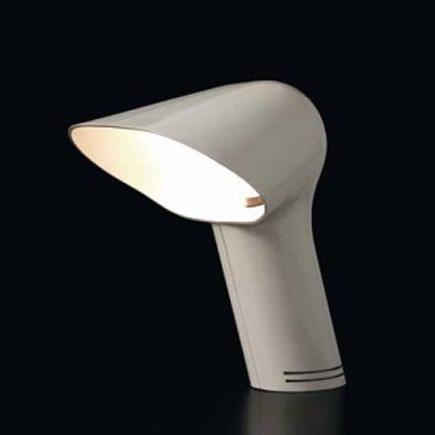
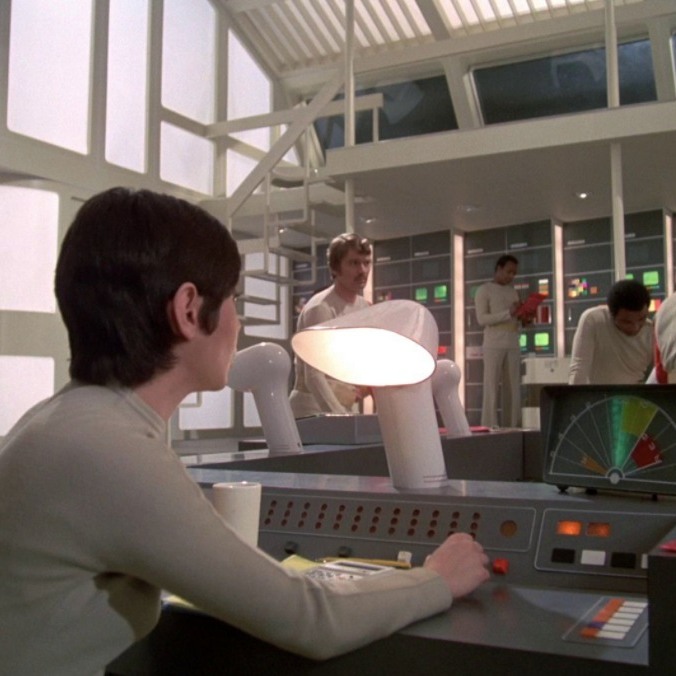
Space: 1999 (1975) and the Sorella Table Lamp by Harvey Guzzini
Also present in the series Space: 1999, the Sorella Table Lamp designed by Harvey Guzzini represents another example of the technological optimism of Space Age design. Made of molded plastic and featuring a compact geometric form, the lamp introduces diffused lighting that emphasizes the technological aesthetic of the interiors. This type of lighting reflected the enthusiasm of the time for new synthetic materials and for the possibility of creating domestic objects that seemed to come from the future.
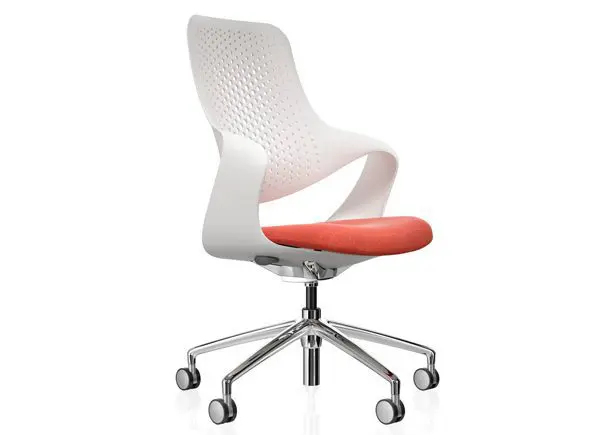
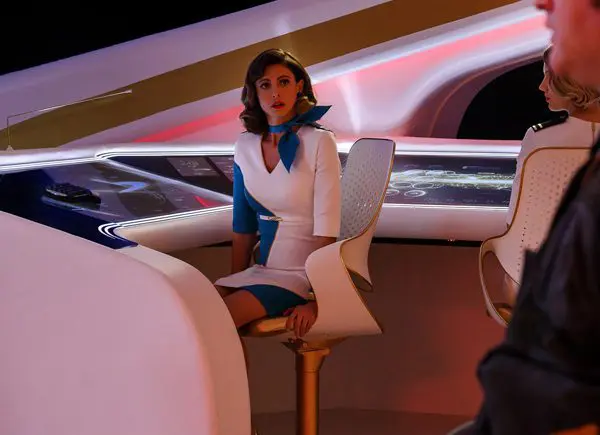
Avenue 5 (2020) and the Coza Chair by Boss Design
In more recent productions, contemporary design continues to play a key role in constructing futuristic environments. The series Avenue 5 uses the Coza Chair by Boss Design as part of the furniture aboard the spaceship where the story takes place. Its enveloping form, swivel base, and soft surfaces generate an aesthetic that is both technological and comfortable. The piece demonstrates how the formal language developed during the Space Age movement continues to influence the way cinema and television imagine the interiors of the future.
Interestingly, many of these pieces were not originally designed for cinema. Art directors turned to existing objects that, at the time, represented the frontier of innovation in industrial design. Over time, their appearance in widely distributed films and series helped consolidate their cultural status. What began as a visual resource for imagining the future ultimately turned many of these pieces of furniture into true design icons.
The visual research project Film and Furniture, dedicated to documenting the presence of design in cinema, has recently focused on this phenomenon. Their work shows how furniture associated with Space Age design not only formed part of the twentieth century’s futuristic imagination, but continues to influence our collective perception of what the interiors of tomorrow might look like.
MArch Valencia. Arquitectura y Diseño
© 2026 MArch Valencia. Arquitectura y Diseño
Privacy policy | Cookies policy | Terms of use