
The 21st-century cantilever: Challenging gravity with CLT structures
DATE
08.06.2026
Since the Modern Movement, the cantilever has been a powerful resource that evokes minimalism. Traditionally, achieving these great challenges to gravity required the intensive use of massive materials such as reinforced concrete or structural steel, which are able to absorb the flexural tensions at the expense of a high carbon footprint.
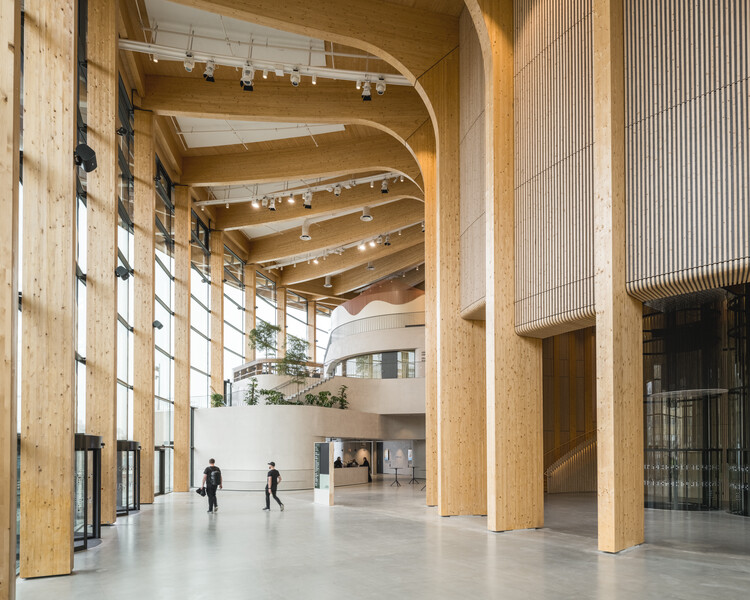
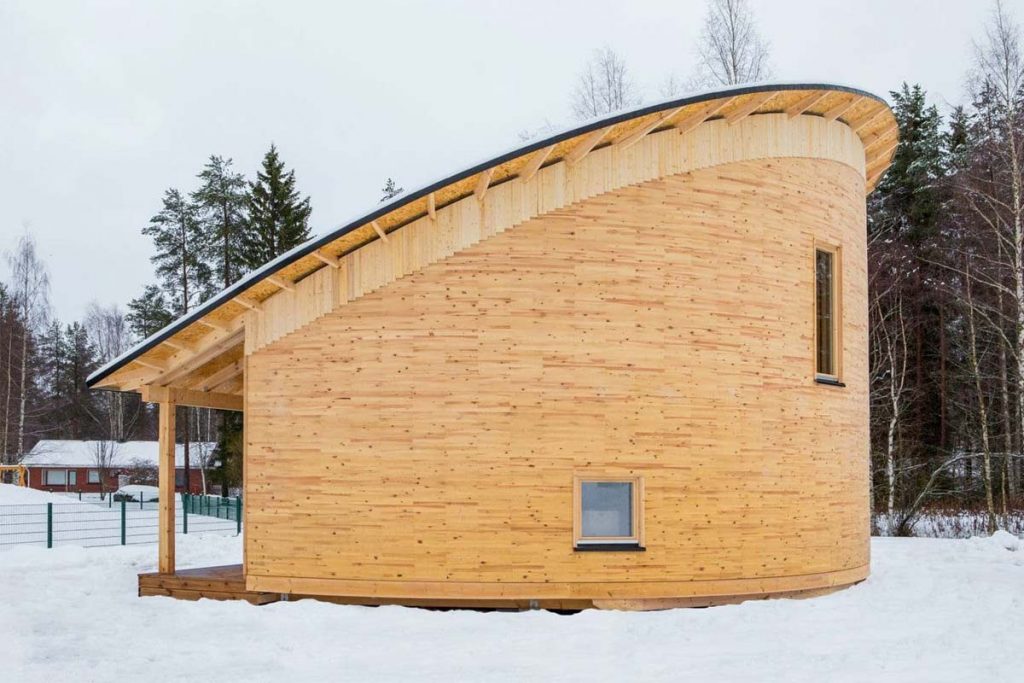
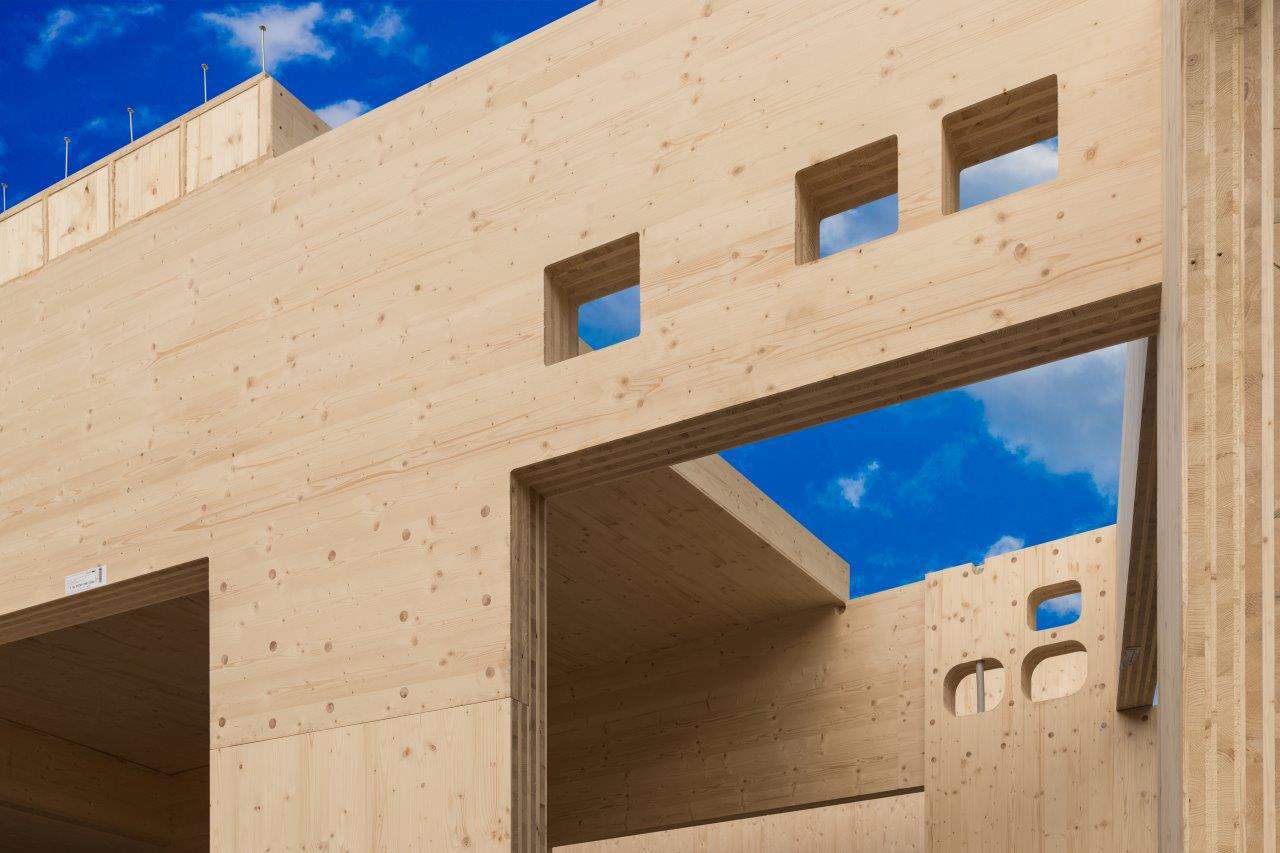
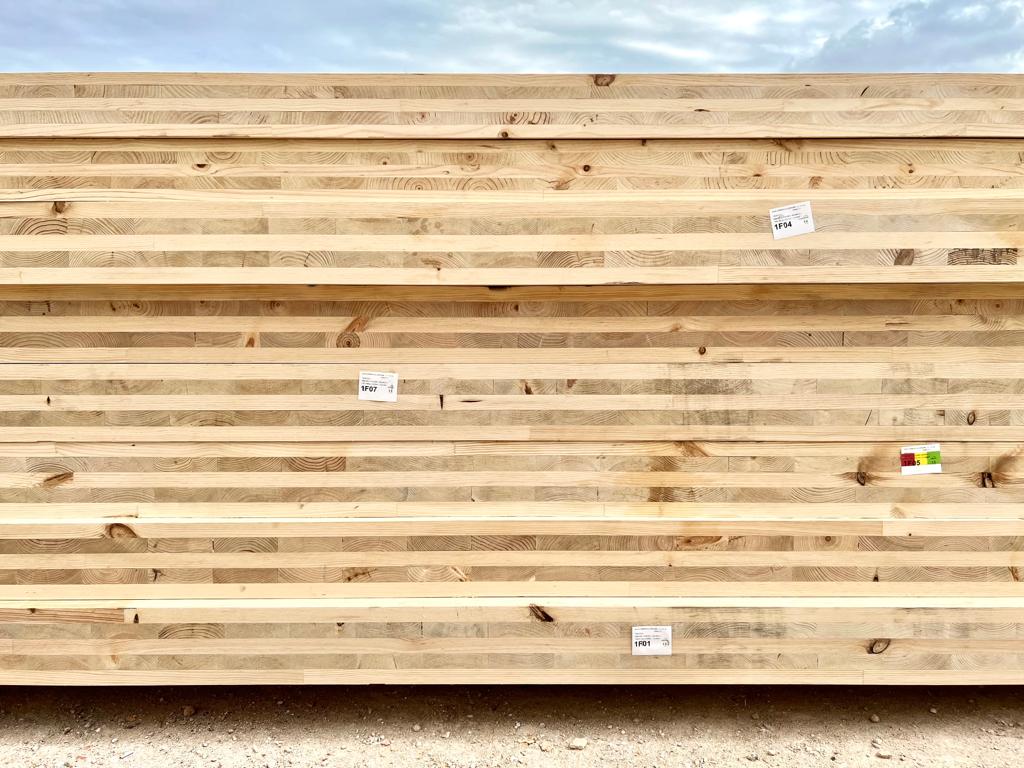
The emergence of sustainable and industrial architecture is changing the rules of the game thanks to CLT (Cross Laminated Timber or Counterlaminated Wood). This material, composed of layers of solid wood glued in a crisscross pattern, has demonstrated exceptional structural performance that allows it to function as the “concrete of the 21st century”. Unlike popular intuition about wood, CLT panels have such high bidirectional stiffness that they are fully capable of supporting large spans and spectacular cantilevered structures, completely transforming residential and high-rise engineering.
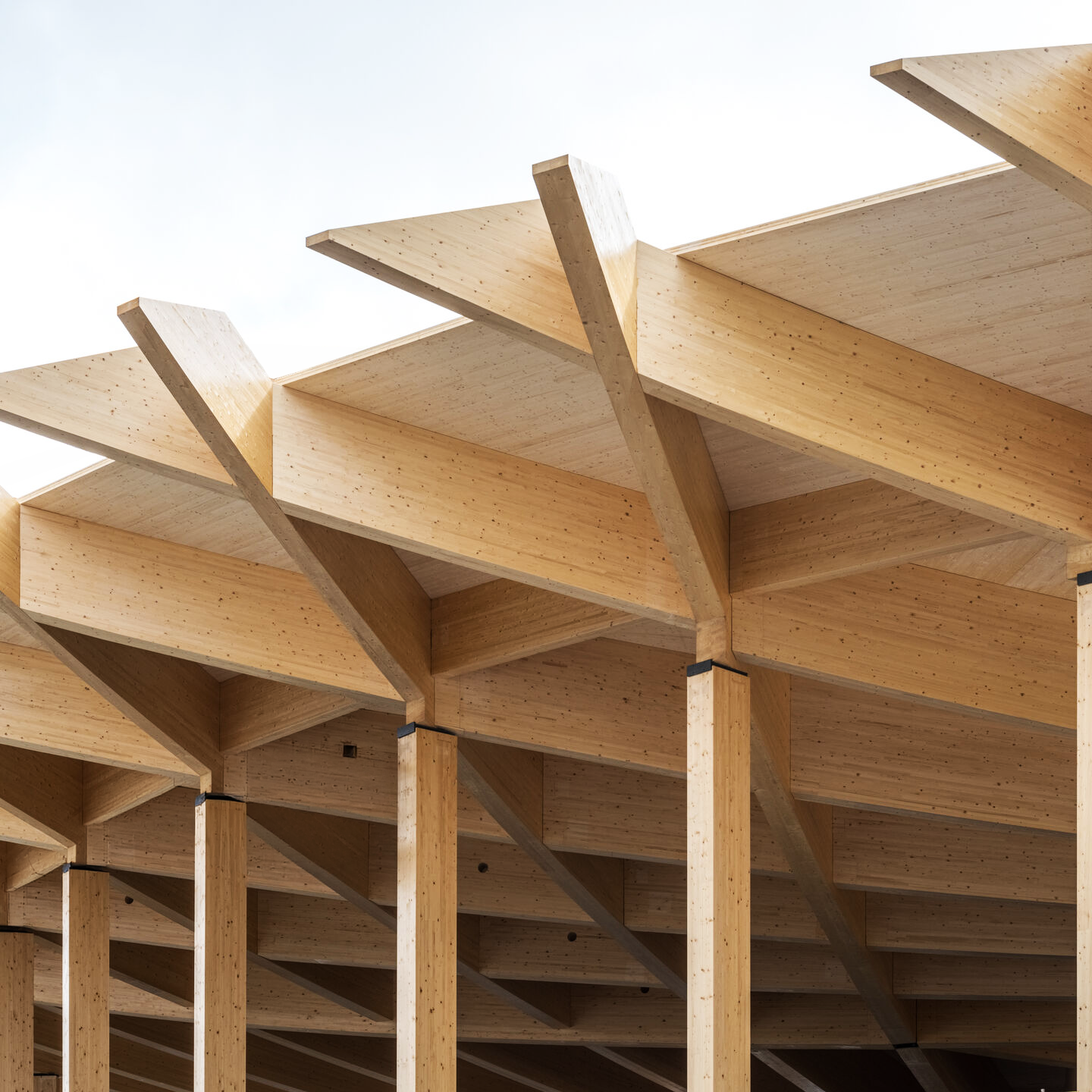
For a CLT cantilever to function successfully, the secret lies in the paradigm shift proposed by industrialization: design for manufacturing and assembly (DfMA). Instead of solving stresses on-site with handcrafted patches, the project is calculated and digitally modularized to the millimeter. The entire plant or the facade of the building is projected as a large concrete-cast wood beam that counteracts the weight of the cantilever. By lightening the weight of the structure compared to concrete, the forces acting on the foundation decrease, making the cantilever paradoxically more efficient and safe.
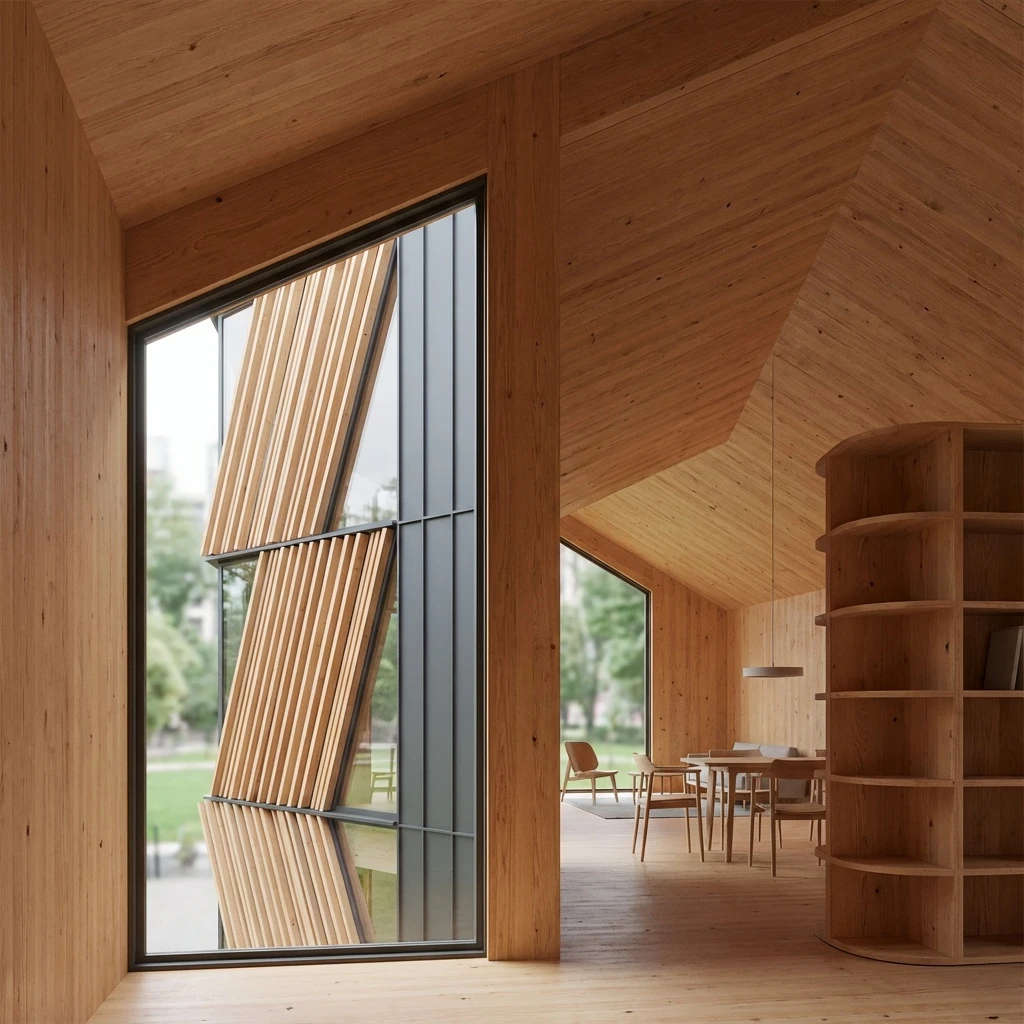
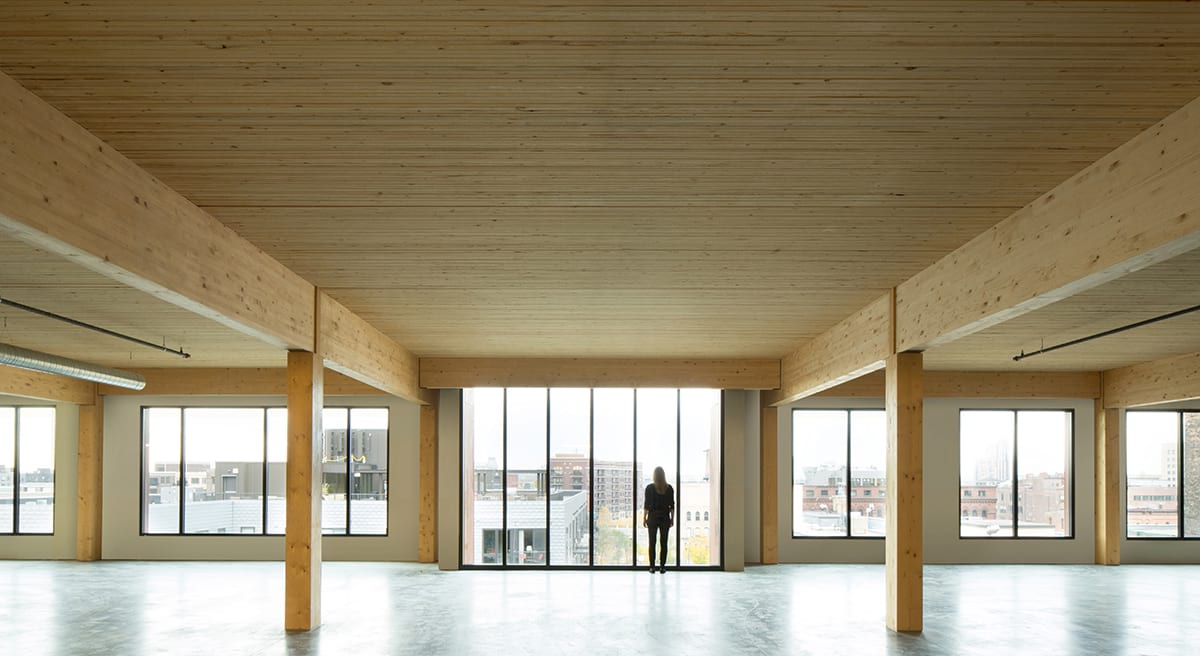
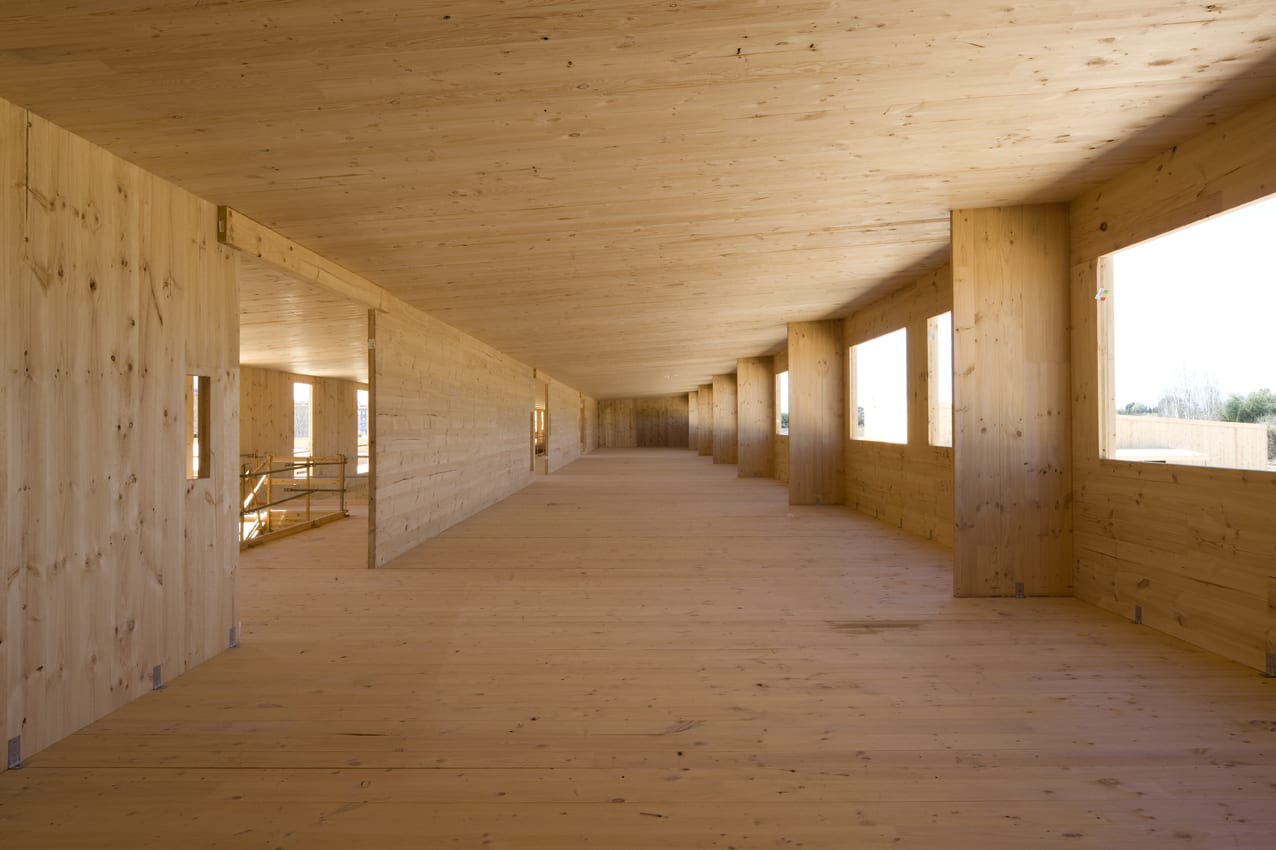
This symbiosis between technology and material translates into a new way of understanding minimalism, now dubbed “constructive minimalism or warm minimalism”. No longer is it about hiding the structure behind false plaster roofs or artificial finishes to achieve visual cleanliness; now, the CLT panel is left visible inside. The continuous plane of counterlaminated wood unites the space, adding a natural texture, unparalleled acoustic comfort, and warmth that traditional white minimalism could never offer, demonstrating that high engineering is not incompatible with spatial sensitivity.
The cantilever in the current day is no longer a mere formal whim of avant-garde architecture. It must be understood as a demonstration of ecological efficiency and technical sophistication. The use of industrial wood structures proves that it is possible to continue to excite through geometry and emptiness, but in response to the current climatic demands. Designing a cantilever space today means understanding the material from its origin, optimizing resources in the workshop, and gifting the user an architecture that, in addition to appearing light, is truly respectful of the planet.
MArch Valencia. Arquitectura y Diseño
© 2026 MArch Valencia. Arquitectura y Diseño
Privacy policy | Cookies policy | Terms of use