
The Venice Biennale’s New Historical Archive
DATE
11.06.2026
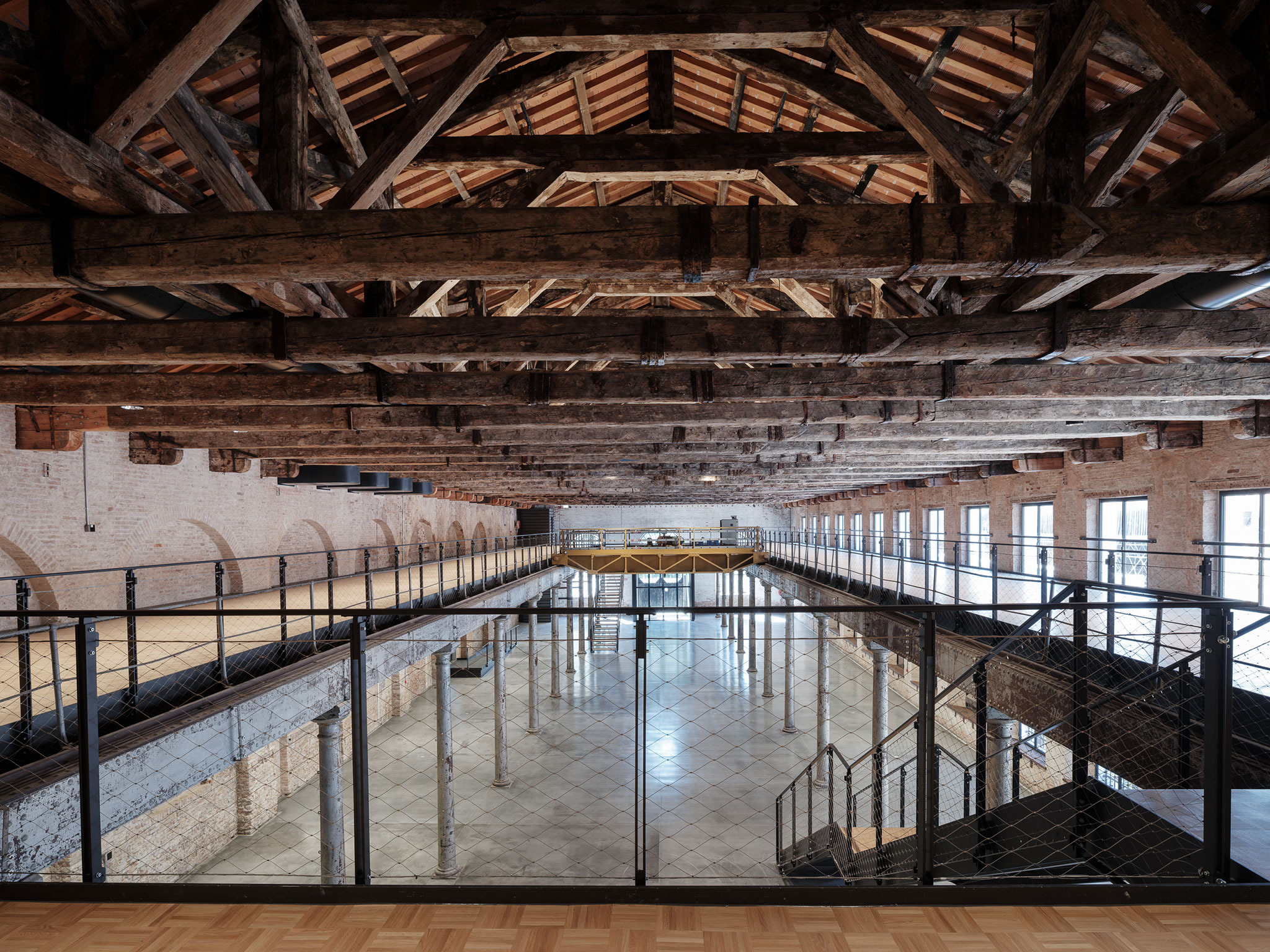
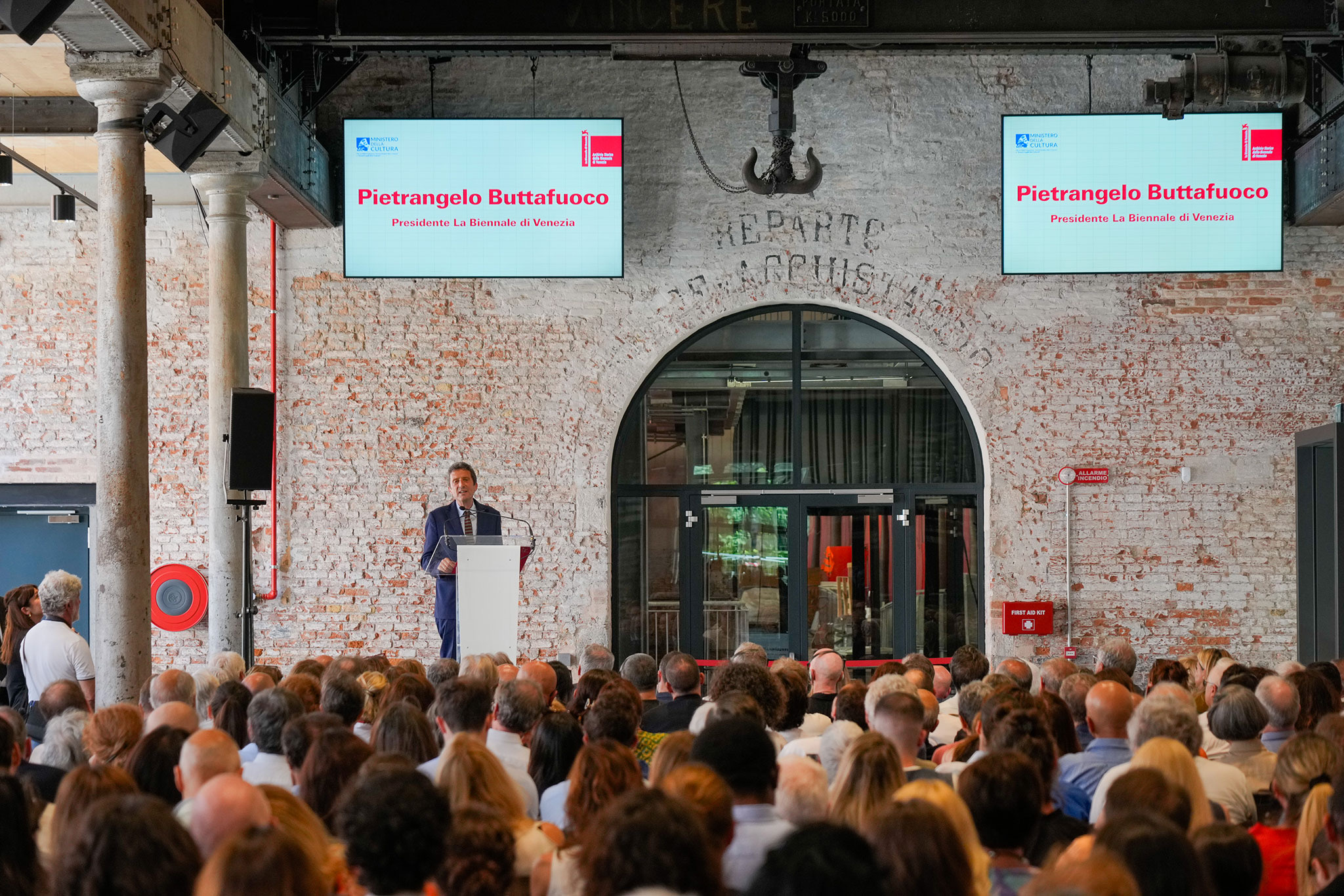
The Venice Biennale has formally presented its new Historical Archive and International Research Center for Contemporary Arts at the Arsenale.
This long-awaited inauguration has culminated a process of structural and logistical adaptation that has been exhaustively carried out over the last four years. Until this moment, the valuable institutional and documentary heritage has been located at the VEGA (Scientific Technological Park) facilities in Marghera, from where its definitive transfer to its new headquarters in the Arsenale has been successfully coordinated. To celebrate this milestone, the institution has organized a wide program of activities, lectures, and artistic performances open to the general public.
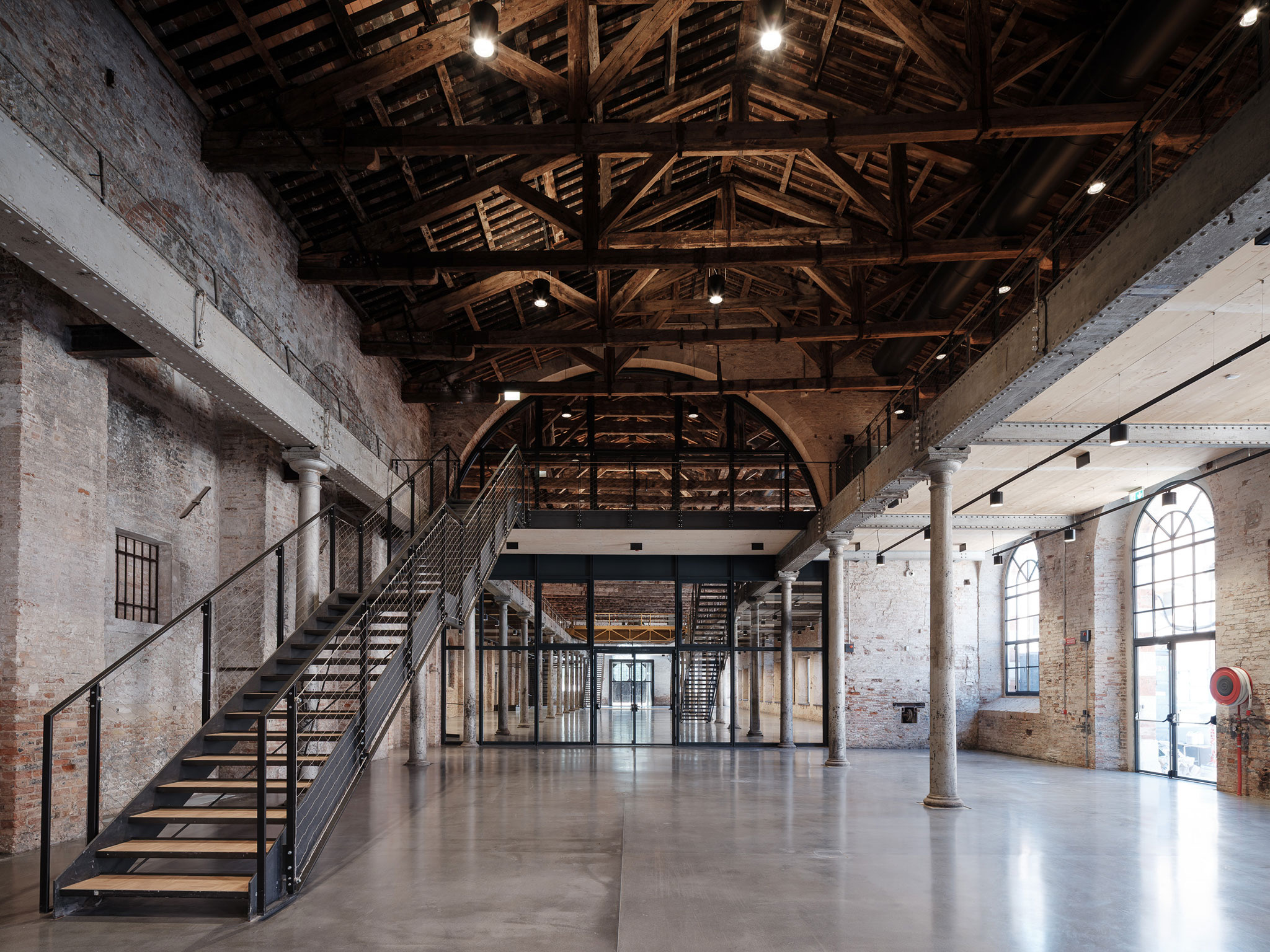
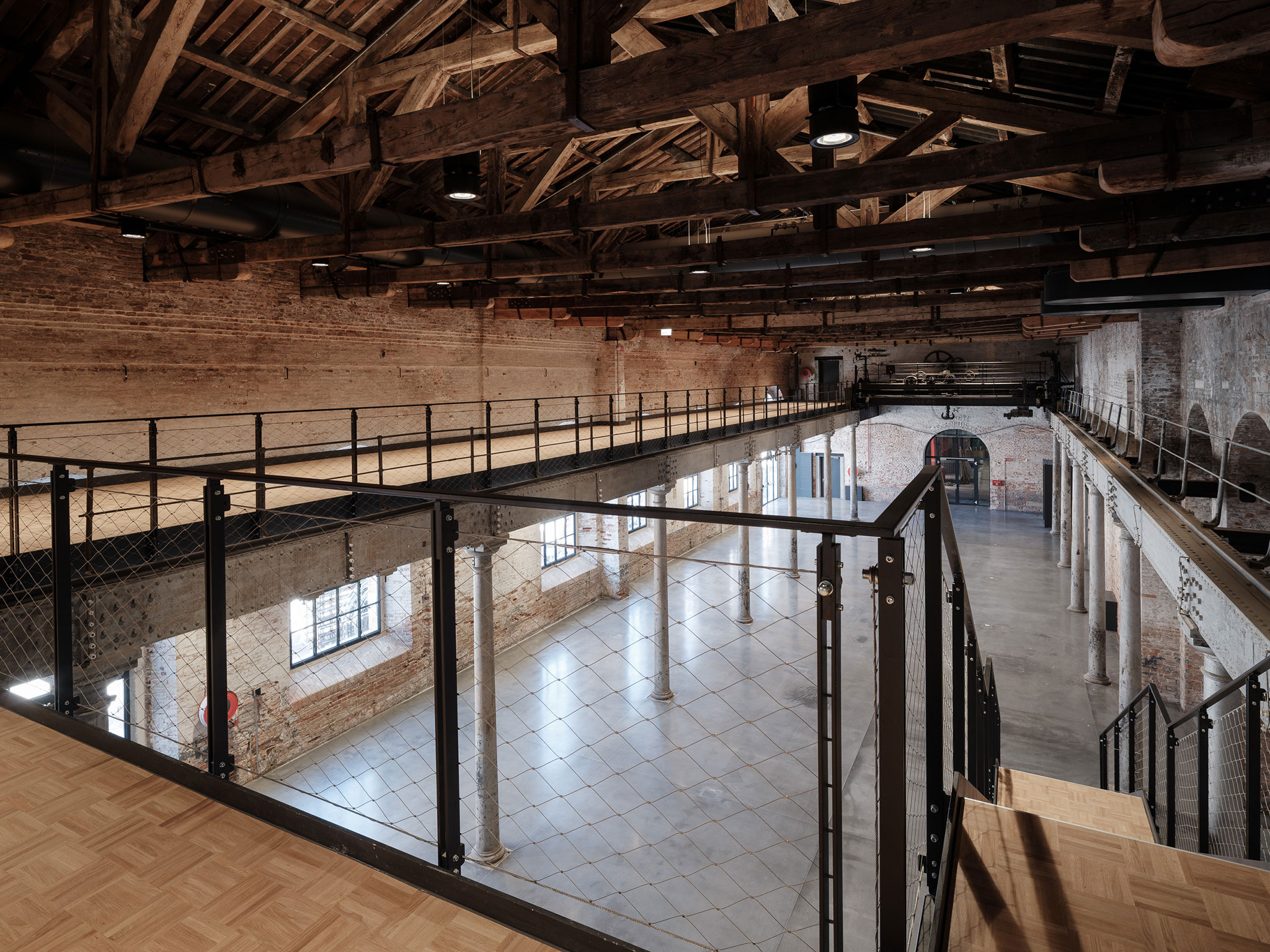
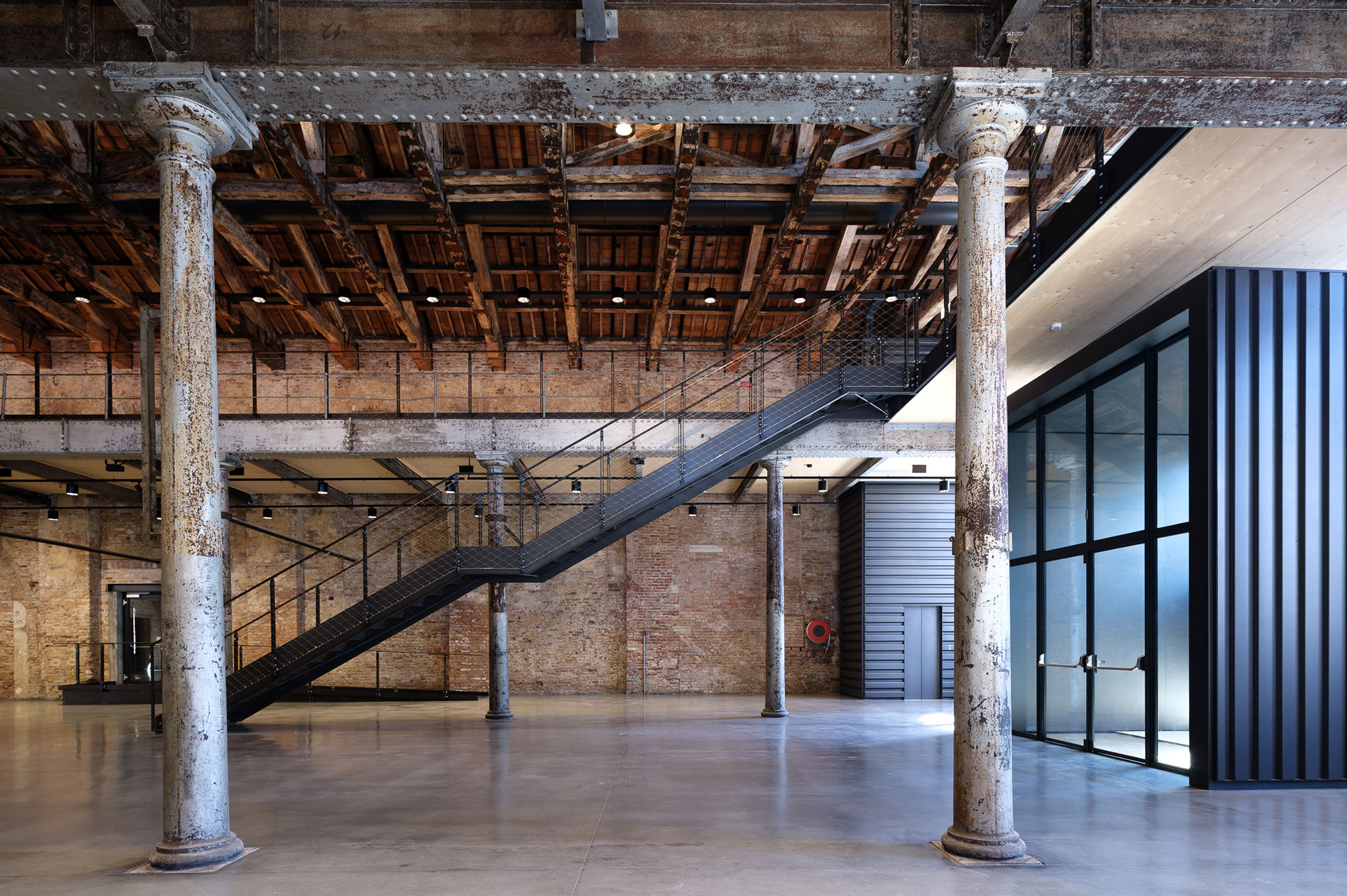
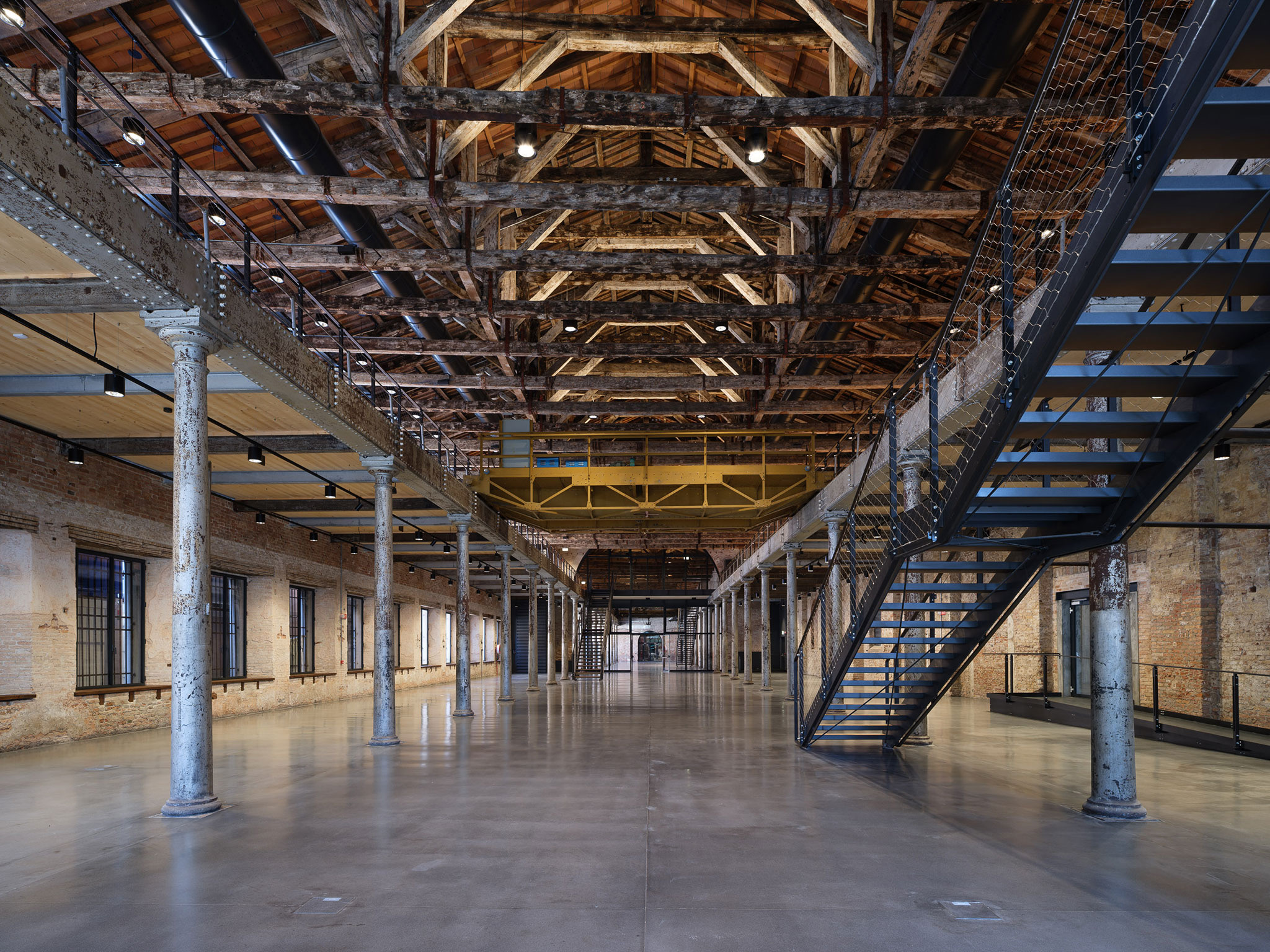
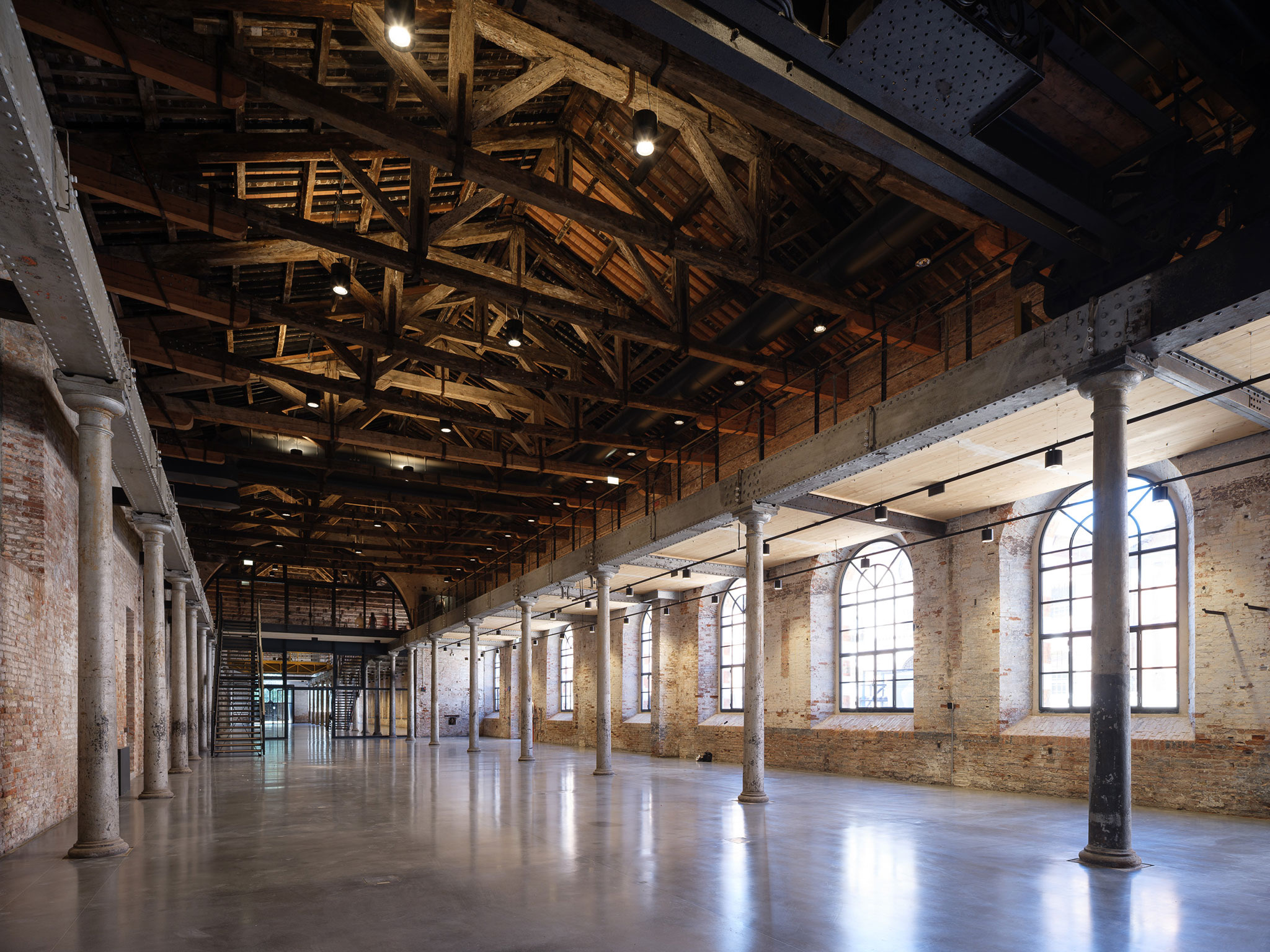
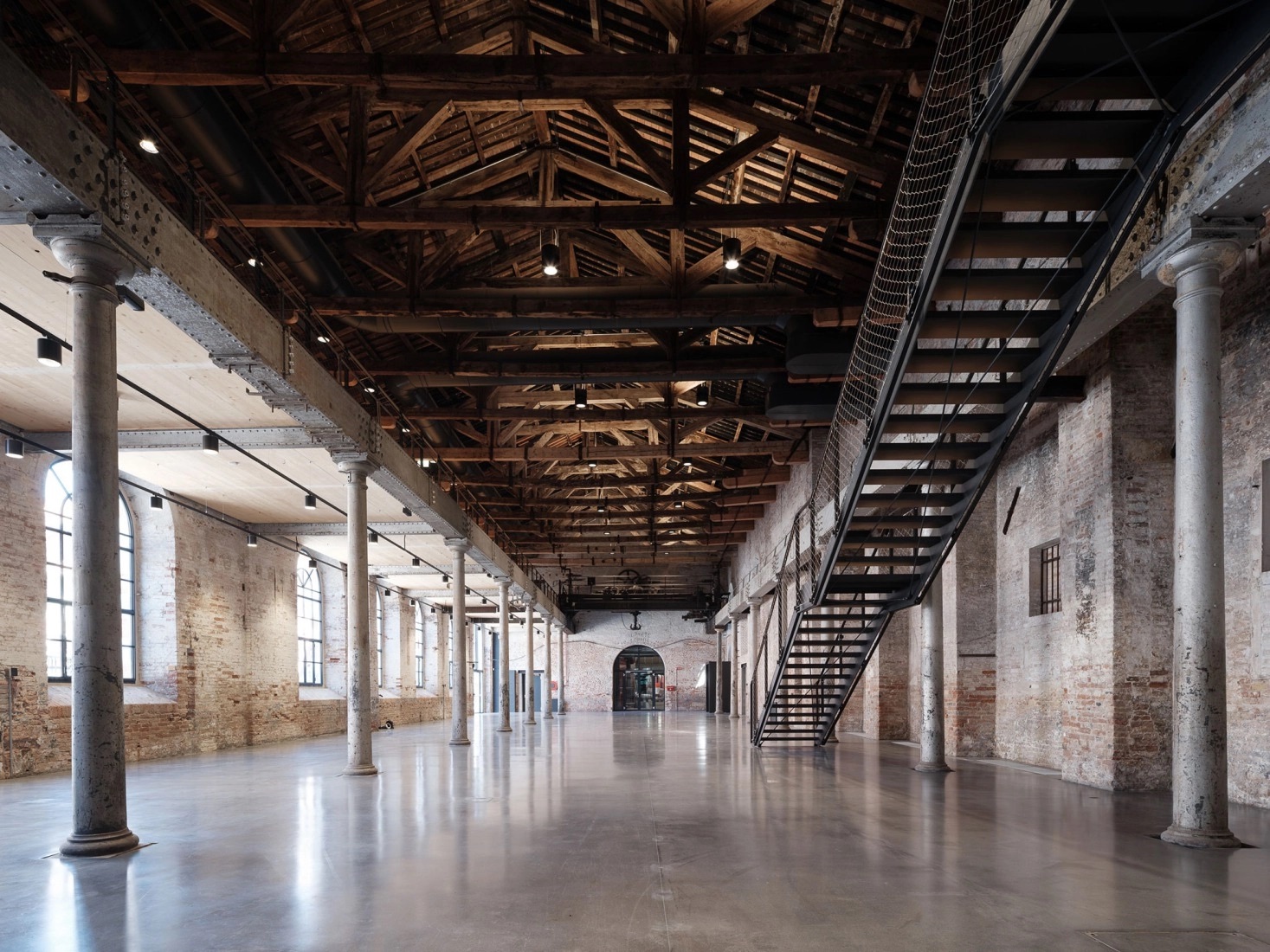
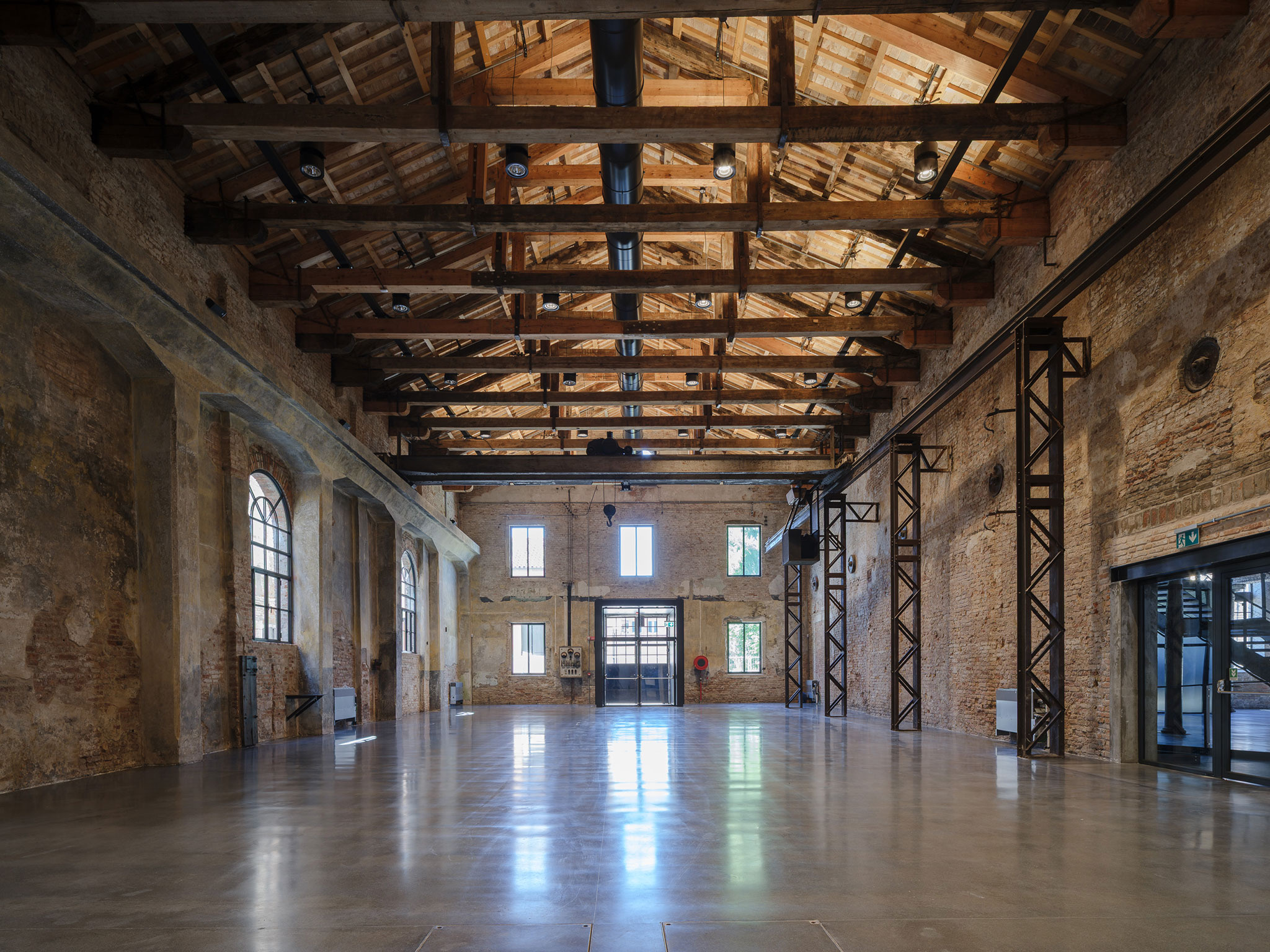
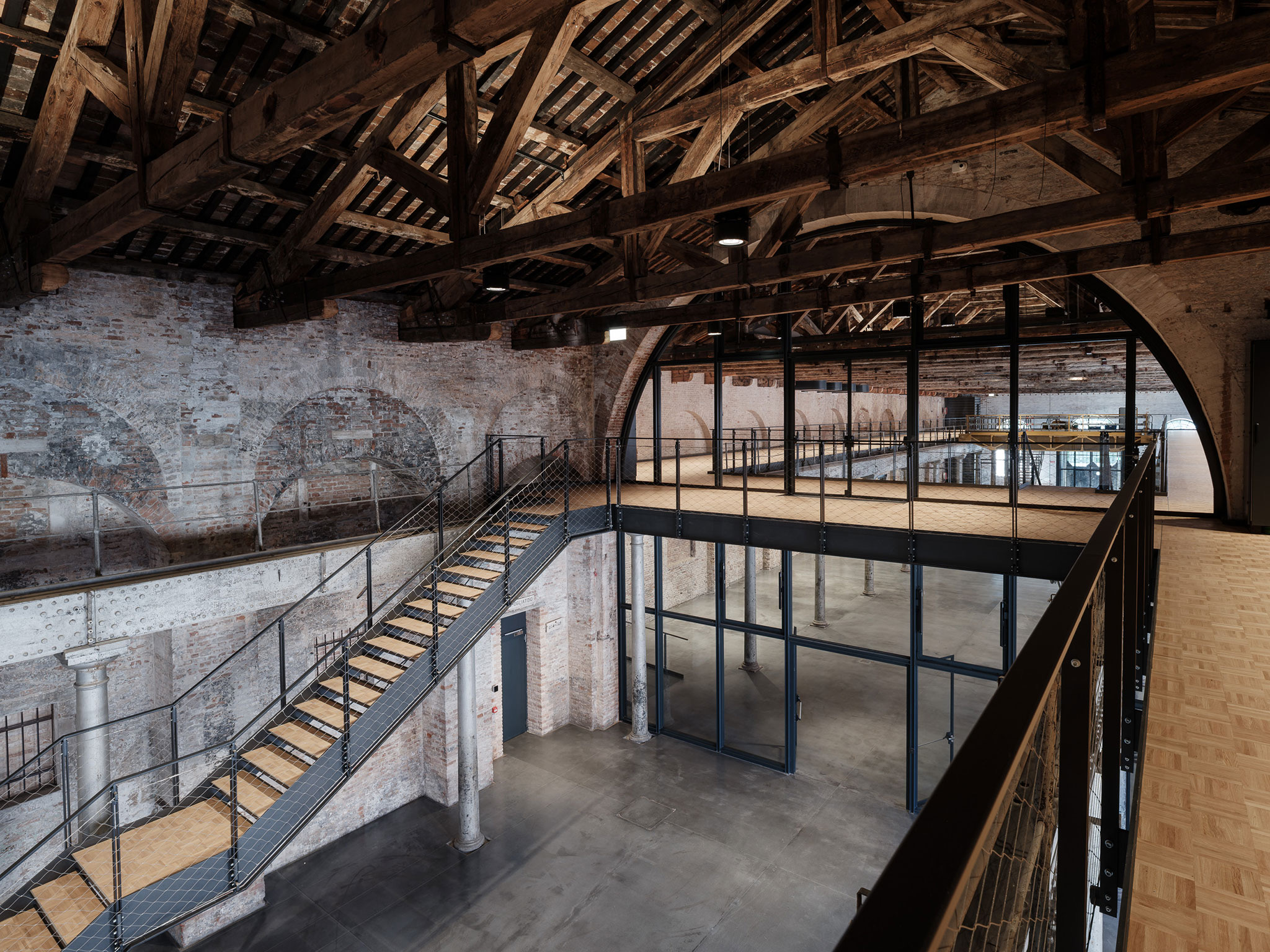
The architectural restoration and executive design project has been undertaken by the studio TA Torsello Architettura, under the leadership of architect Alberto Torsello. The intervention has focused its efforts on conditioning the former industrial halls to guarantee the optimal preservation of the historical document collections. To achieve this, the technical team has built complex advanced storage units that have incorporated state-of-the-art climate control systems, ensuring a milimetric control over temperature and humidity.
In parallel with the opening of the building, the Biennale has called upon a selection of directors and leading figures from various international artistic disciplines to enrich the debates during the presentation days. Among the prominent names that have formed part of the theoretical sessions, audiences have found Alberto Barbera in the field of cinema, Caterina Barbieri for music, Willem Dafoe in theater, and Wayne McGregor in dance. The architecture section has counted on the participation of the renowned commissioners Wang Shu and Lu Wenyu.
The official launch of the archive has coincided in time with the celebration of the 61st International Art Exhibition of the Venice Biennale. Within this framework of cultural revitalization and the reopening of heritage spaces, the city has also added the recovery of the historic Faccanon building of Ca’ Giustinian after a year of construction work. In this manner, the institution has boosted its role as a global epicenter for contemporary culture, definitively merging the custody of its historical memory with the creative avant-garde.
MArch Valencia. Arquitectura y Diseño
© 2026 MArch Valencia. Arquitectura y Diseño
Privacy policy | Cookies policy | Terms of use