
Women Who Changed the Way We Live
DATE
10.03.2026
Throughout the history of architecture and design, many women have made decisive contributions to transforming the way we inhabit spaces. Their work, often overlooked for decades, has had a profound influence on the configuration of modern housing, the organization of interiors, and the relationship between architecture, everyday life, and design.
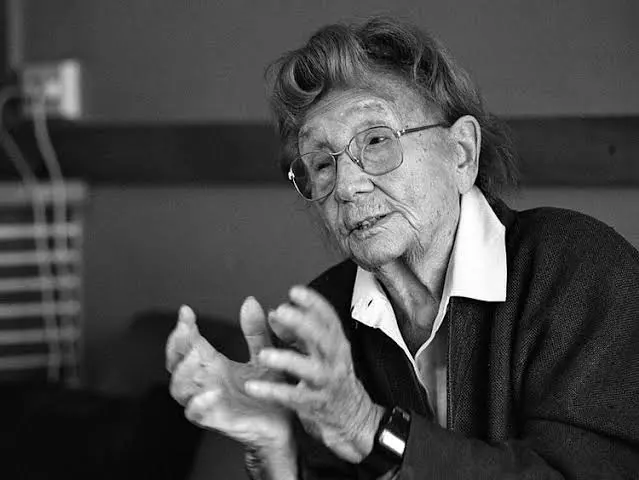
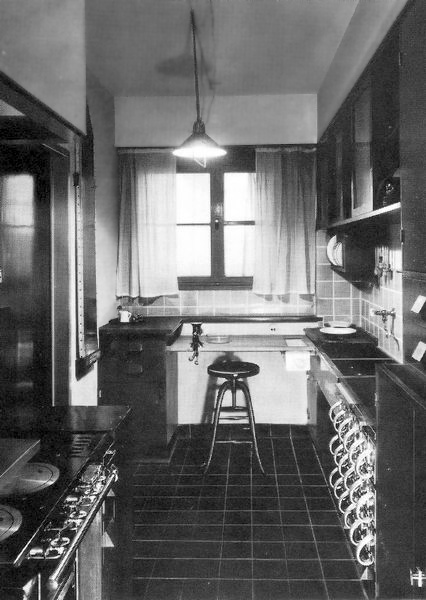
Among them stands out Margarete Schütte-Lihotzky (1897–2000), the author of the famous Frankfurt Kitchen, considered one of the first modern kitchens conceived according to functionalist principles. Designed in the 1920s for the social housing programs in Frankfurt, this proposal reorganized domestic space through a rational logic inspired by industrial processes. Its compact, efficient, and carefully studied design introduced a new way of understanding the kitchen as a space optimized for domestic work, becoming a direct precursor to the contemporary kitchen.
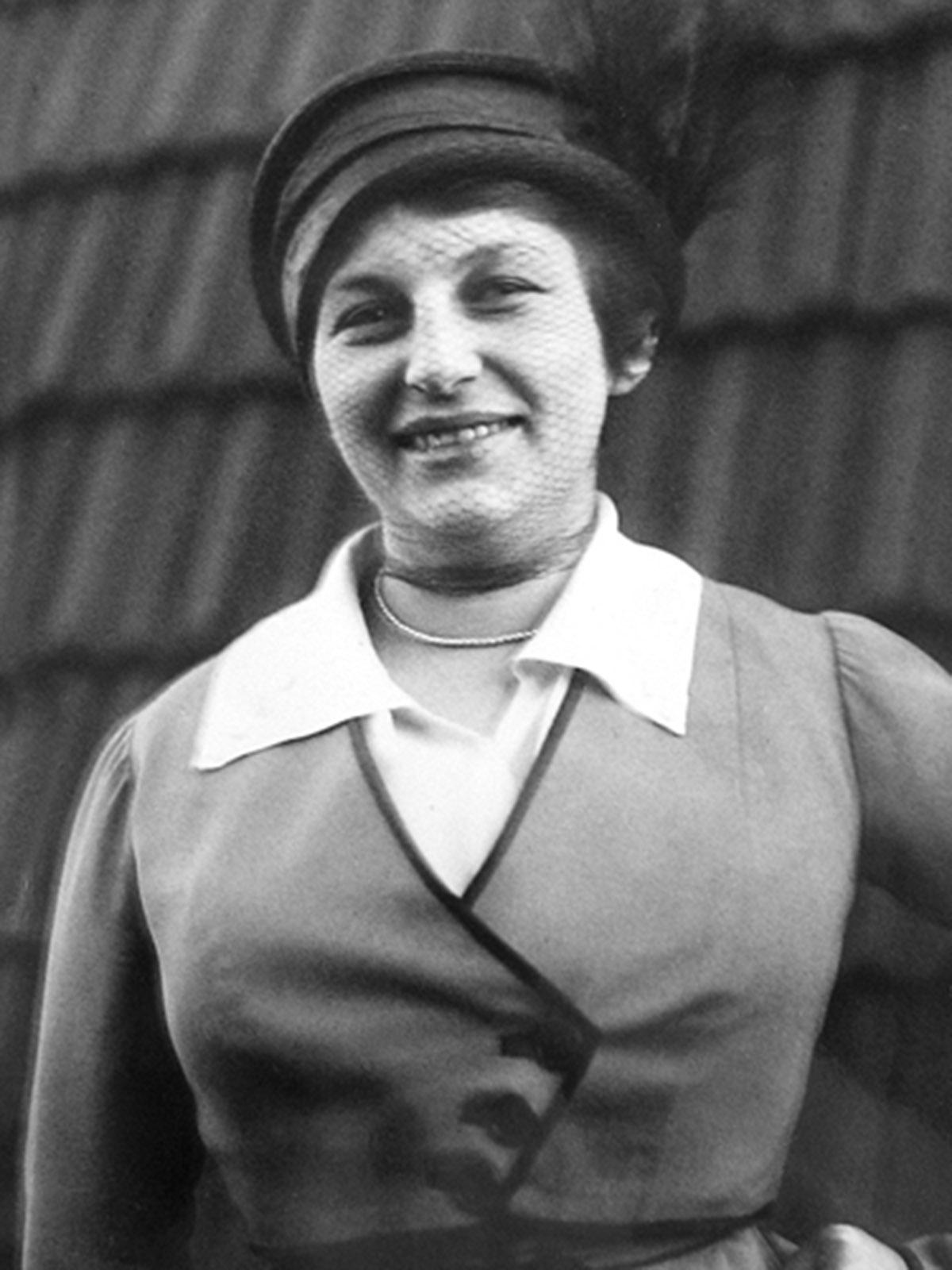
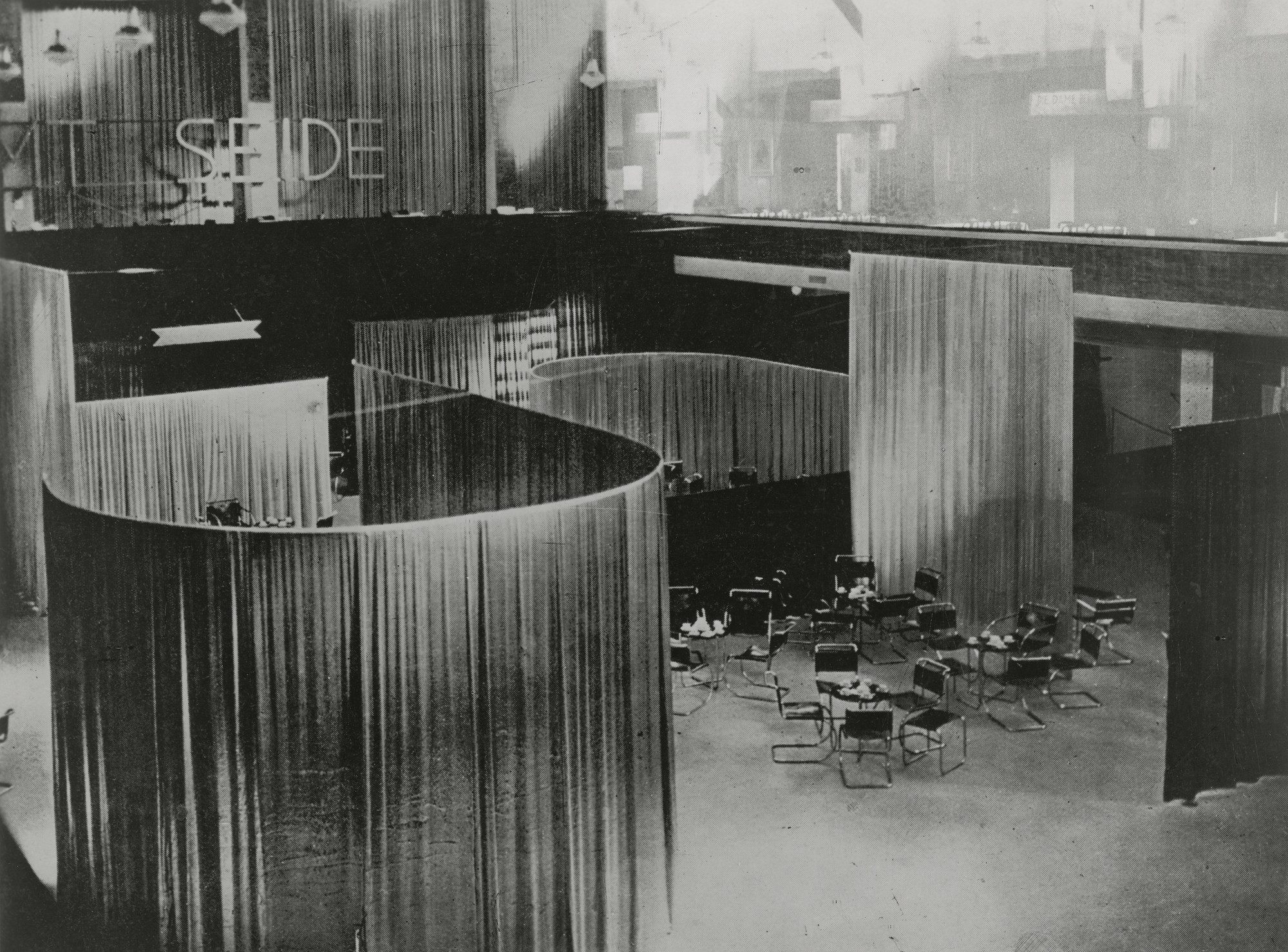
Another key figure is Lilly Reich (1885–1947), a pioneer of the modern movement and a close collaborator of Ludwig Mies van der Rohe. Reich played a crucial role in the development of interiors, furniture, and exhibitions that helped define the aesthetics of European modernism. Her work contributed to establishing a new relationship between architecture, design, and materiality, exploring structural clarity, constructive precision, and innovative uses of materials.
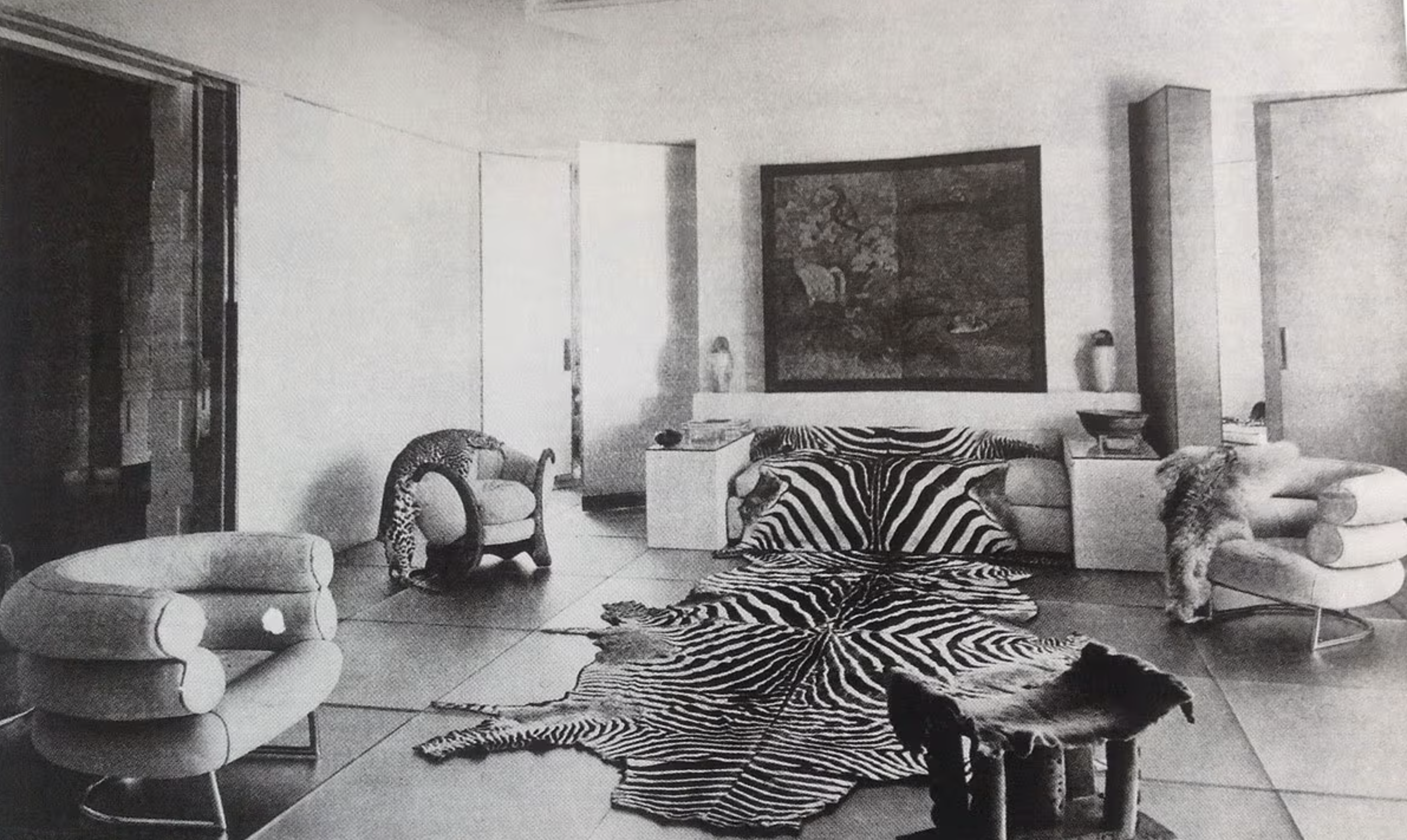
Eileen Gray (1878–1976) also occupies a central place as one of the great pioneers of the modern movement. A furniture designer and architect, Gray developed pieces that have become icons of twentieth-century design, as well as architectural projects that explored new ways of living. Her work challenged traditional spatial hierarchies and proposed a more flexible architecture adapted to the needs of its inhabitants.
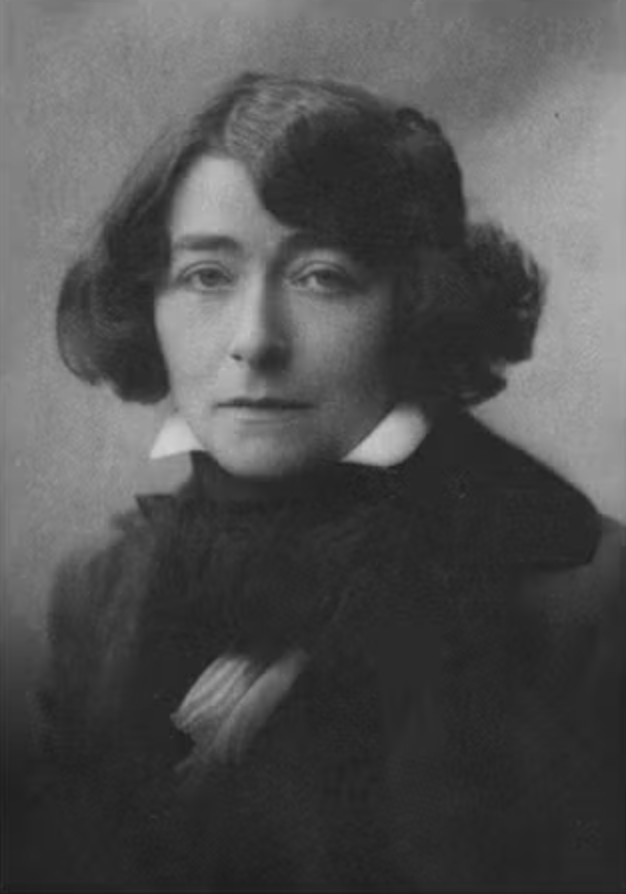
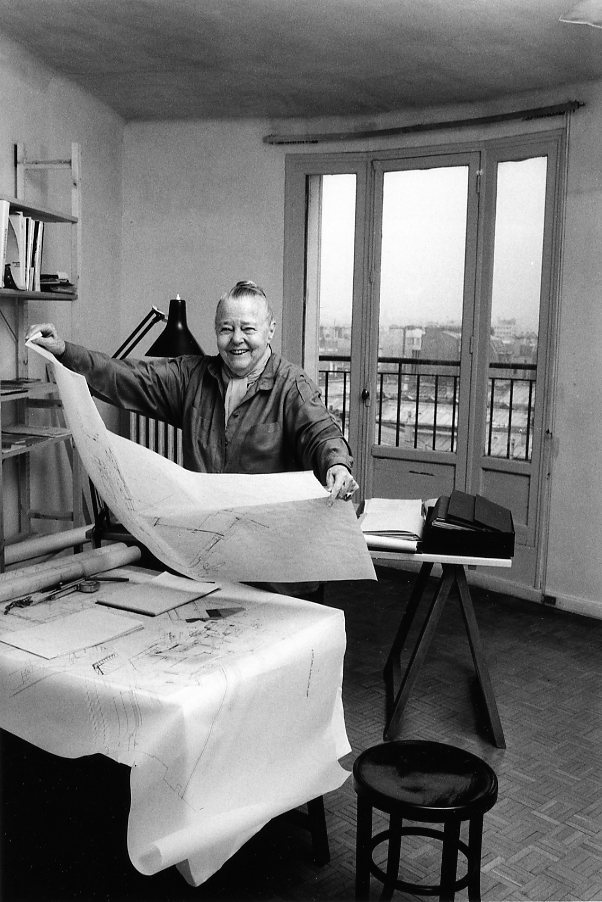
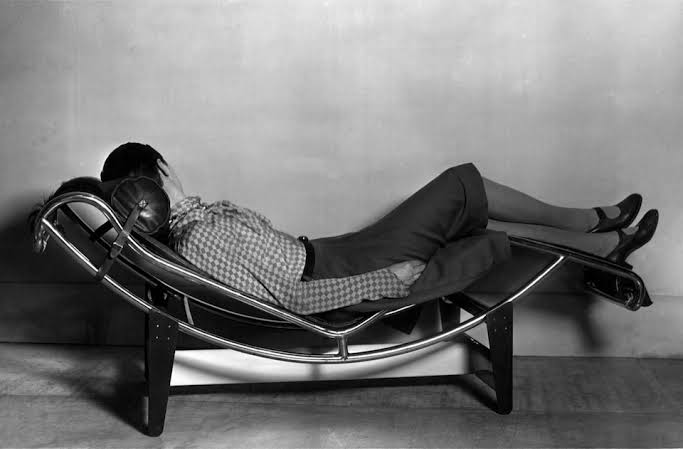
Charlotte Perriand should also be highlighted, as her contribution to modern design was decisive both in furniture design and in the conception of domestic space. Her work, initially linked to Le Corbusier’s studio, evolved into a personal exploration centered on the relationship between design, nature, and contemporary ways of living. Through her projects and furniture pieces, Perriand proposed new ways of inhabiting space, integrating functionality, ergonomics, and a particular sensitivity toward materials and the environment.
Revisiting these trajectories allows us to understand that modern architecture was not the result of a single narrative, but of multiple voices that contributed to redefining everyday space. The contributions of Schütte-Lihotzky, Reich, Gray, and Perriand demonstrate how the design of the home, furniture, and interiors has been a fundamental field for transforming the way we live, expanding the possibilities of architecture and design in daily life. To explore their lives in greater depth, the book *Heroínas del espacio* by architect and researcher Carmen Espegel recovers and highlights the work of these figures who redefined domestic space from new perspectives.
MArch Valencia. Arquitectura y Diseño
© 2026 MArch Valencia. Arquitectura y Diseño
Privacy policy | Cookies policy | Terms of use