


10 books every architect should read
DATE
14.01.2026
Reading is a fundamental part of the education of any architect. Some books help us understand the discipline from within, while others broaden our perspective and connect architecture with emotions and storytelling.
Here is a curated selection so readers can grasp it at a glance. Below, we offer a list of books that approach architecture from a more essayistic and professional standpoint, alongside others that do so as part of a narrative discourse, through fiction:
Architecture books
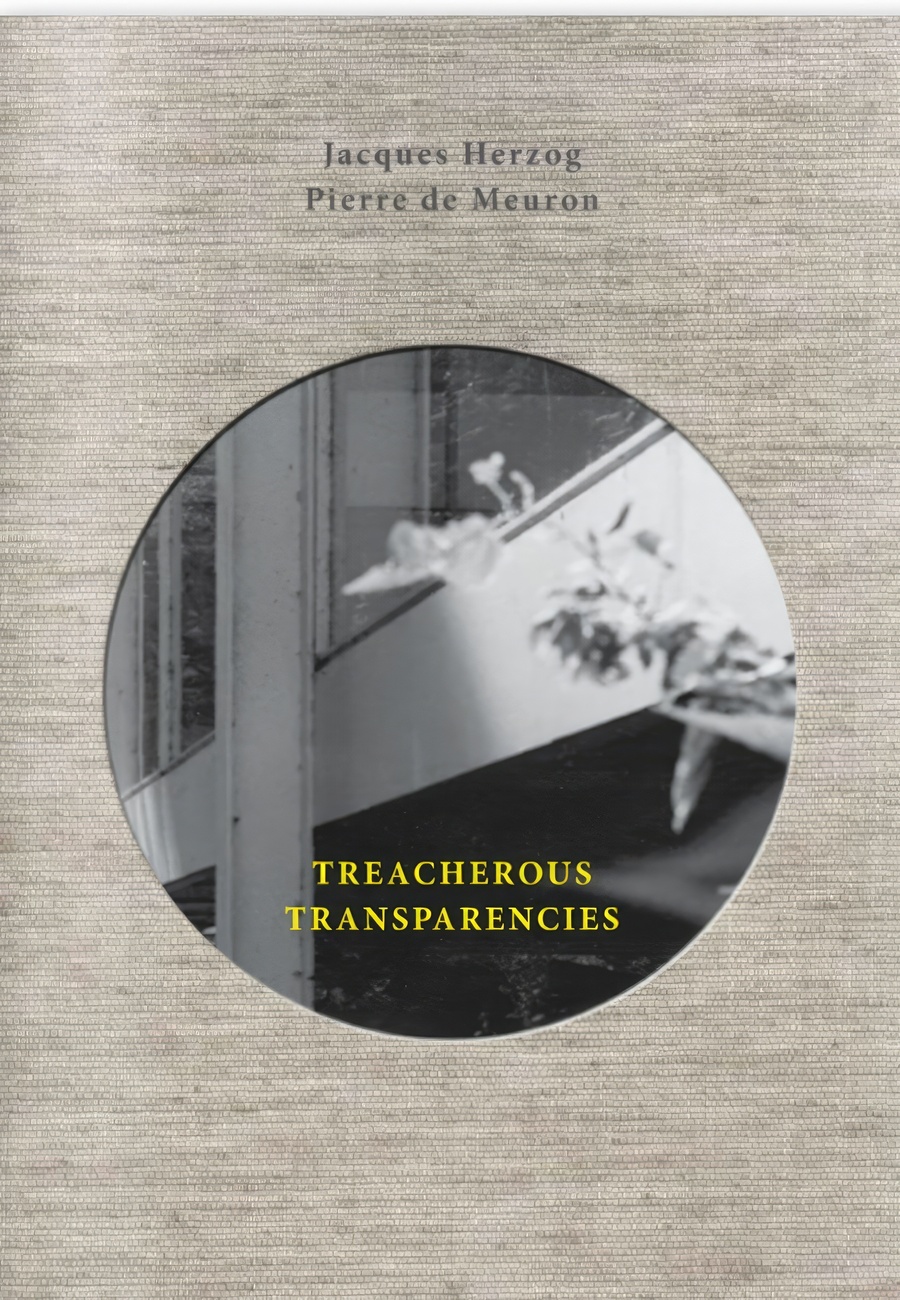
1. Deceptive Transparencies, by Herzog & de Meuron (Gustavo Gili): After visiting Mies van der Rohe’s Farnsworth House, Herzog and de Meuron analyze transparency as an architectural and artistic language, exploring the intentions and hidden meanings behind the works of some of the most influential creators of the 20th century. Through these examples, they reflect on how transparency can become a strategy of illusion and an expressive device rich in nuance.
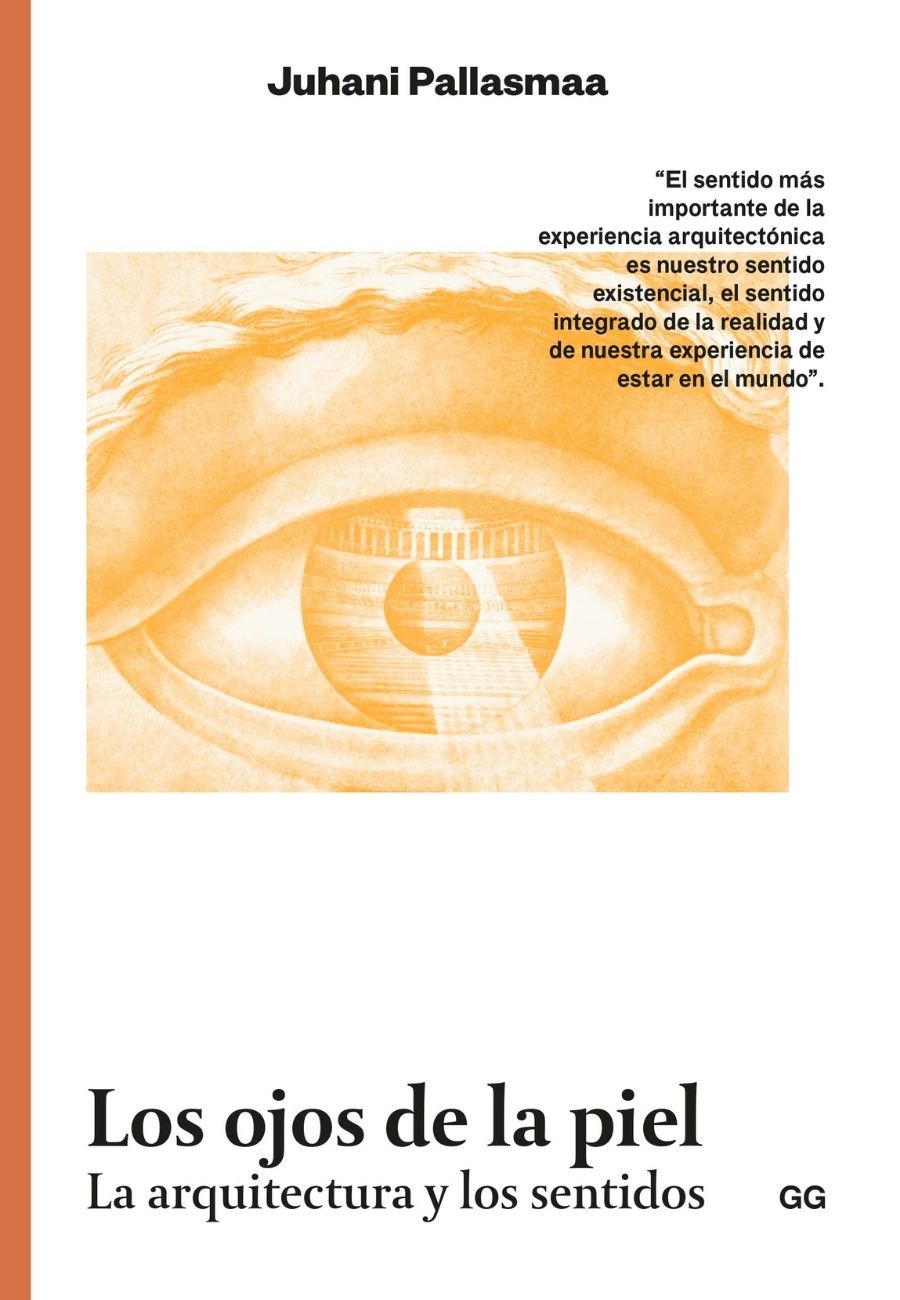
2. The Eyes of the Skin, by Juhani Pallasmaa (Gustavo Gili): A contemporary classic born from Juhani Pallasmaa’s concern about the growing dominance of vision in architectural thinking—a tendency that has pushed the other senses aside and impoverished both our understanding of architecture and the way we experience spaces.
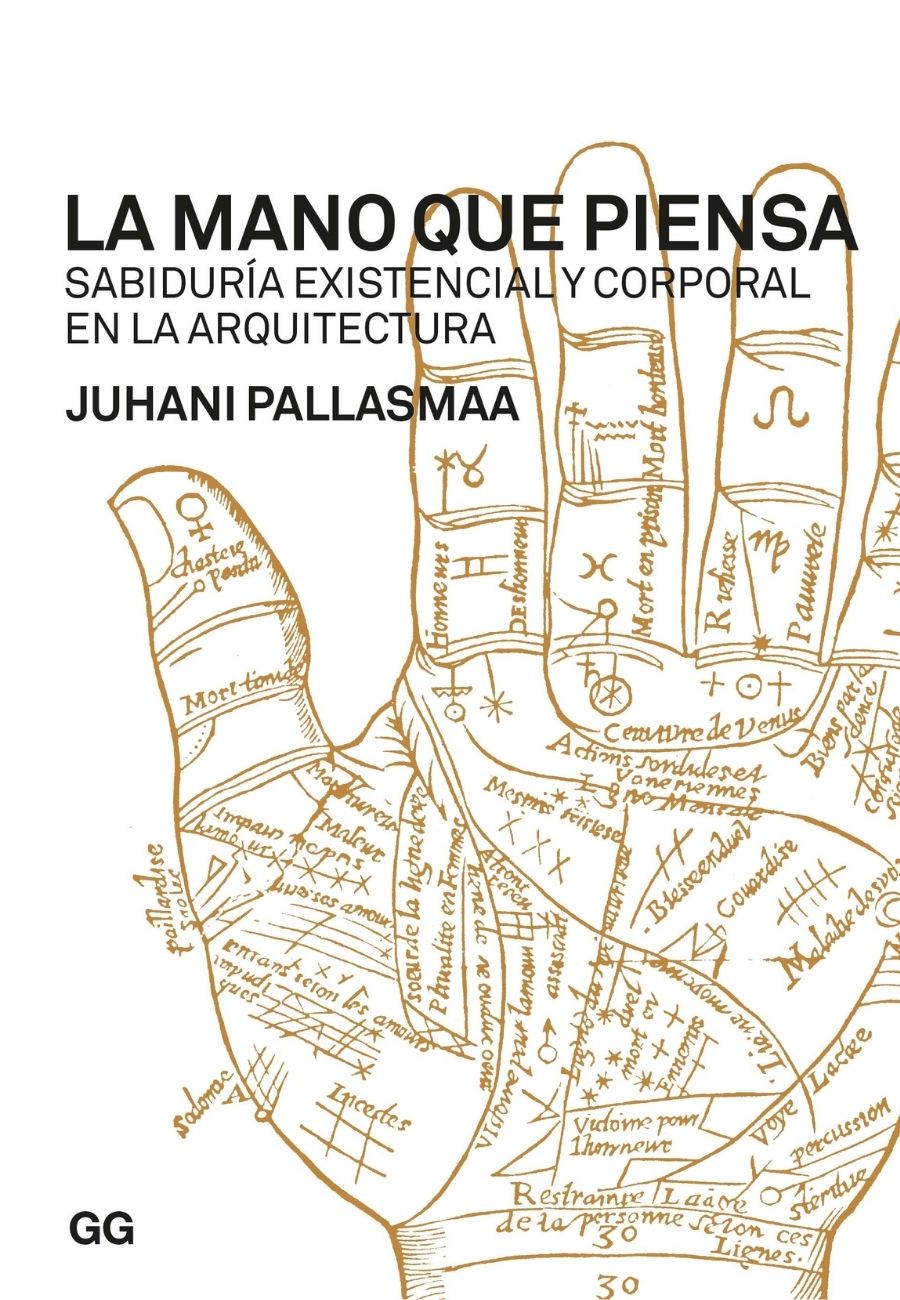
3. The Thinking Hand, by Juhani Pallasmaa (Gustavo Gili): A complement to the previous book, focusing on the role of drawing and manual experience in the creative process. A beautiful defense of thinking that emerges through the hands.
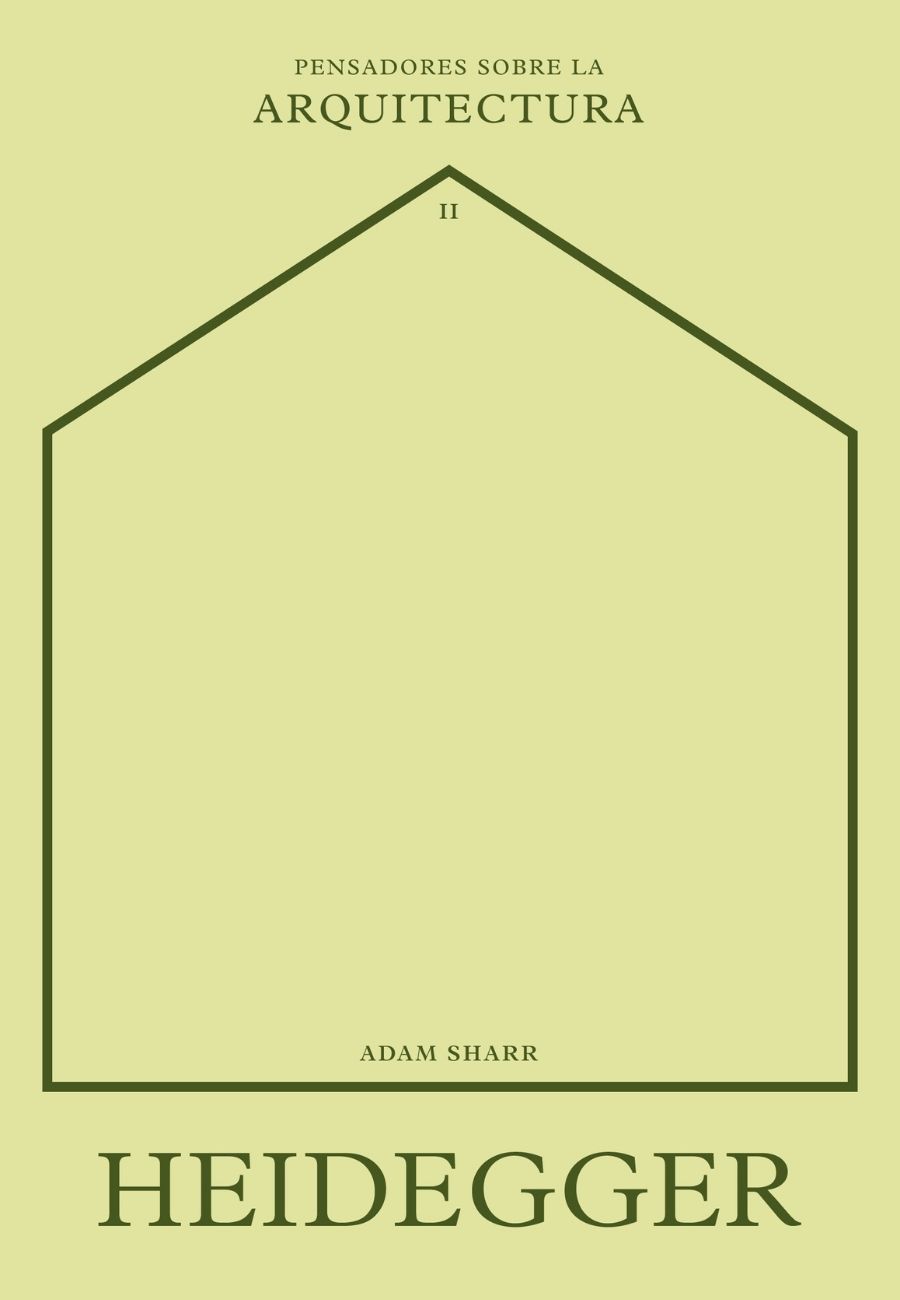
4. Heidegger for Architects, by Adam Sharr (Reverté): A clear and accessible introduction to how Heidegger’s ideas can be applied to understand dwelling, place, and the essence of spaces.
5. X-Ray Architecture, by Beatriz Colomina (Puente Editores): This book examines how medical discourse and imaging technologies profoundly influenced the way architecture was designed, represented, and experienced throughout the 20th century. At the same time, it challenges the traditional view of modern architecture by arguing that its development was shaped by a medical obsession of the era: tuberculosis and its most emblematic diagnostic tool, X-rays.
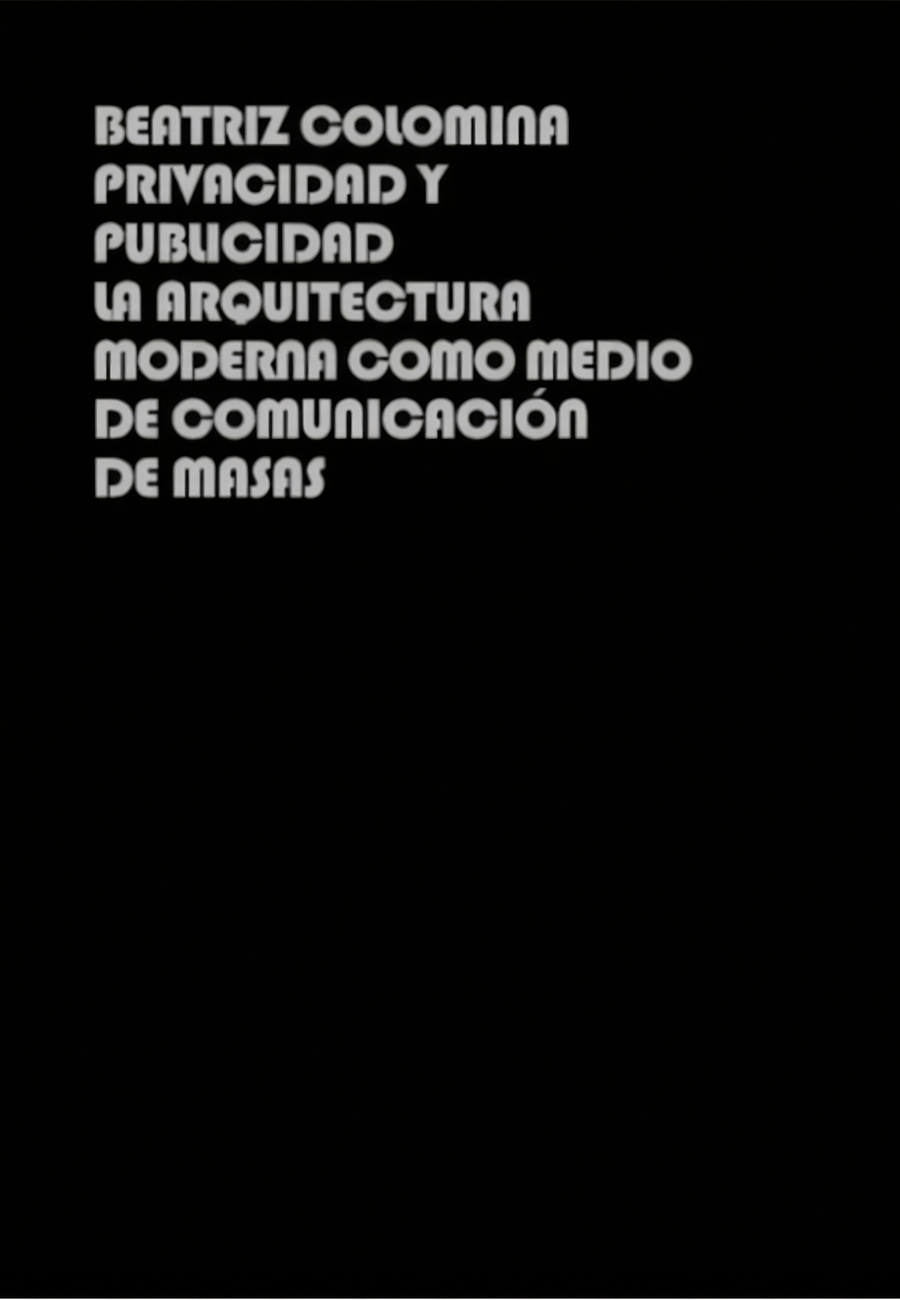
6. Privacy and Publicity, by Beatriz Colomina (CENDEAC): A key study for understanding how modern architecture became a mass medium, transforming how we live and how we present ourselves.

Narrative where architecture takes center stage
7. Piranesi, by Susanna Clarke (Salamandra): A novel that captivates any architect. It builds a world of infinite halls, impossible staircases, and monumental statues, all surrounded by an inner sea that gives the space a dreamlike atmosphere.
8. The New York Trilogy, by Paul Auster (Anagrama): Especially the first story, which offers an almost detective-like view of the city. New York becomes a character in its own right, with an architectural presence that shapes everything.


9. Austerlitz, by W.G. Sebald (Anagrama): A work in which history, memory, and architecture intertwine. Train stations, libraries, fortifications, and buildings marked by time accompany the narrator on a deeply human journey.
10. The City of Marvels, by Eduardo Mendoza (Seix Barral/Booket): A historical novel that portrays the transformation of Barcelona between 1888 and 1929. Through the life of Onofre Bouvila, architecture and urbanism act as the backdrop to a city changing at full speed.


Taken together, these readings offer a broad vision of architecture: from its most intimate thinking to its presence in culture and fiction. They are books that help train sensitivity, better understand the profession, and above all, enjoy the architectural experience in all its forms.
MArch Valencia. Arquitectura y Diseño
© 2026 MArch Valencia. Arquitectura y Diseño
Privacy policy | Cookies policy | Terms of use