



7 Reasons to Study for a Year in Valencia
DATE
10.09.2026
Studying abroad for a year is one of the most enriching experiences in any student’s personal and academic growth, but the choice of destination makes a decisive difference. Selecting the ideal city means finding a balance between quality of life, cultural engagement, an inspiring environment, and a vibrant leisure scene. In this context, the capital of the Turia River emerges as an outstanding option that combines urban dynamism, history, and nature. Below, we review seven fundamental reasons why spending an academic year in Valencia becomes an unforgettable experience.
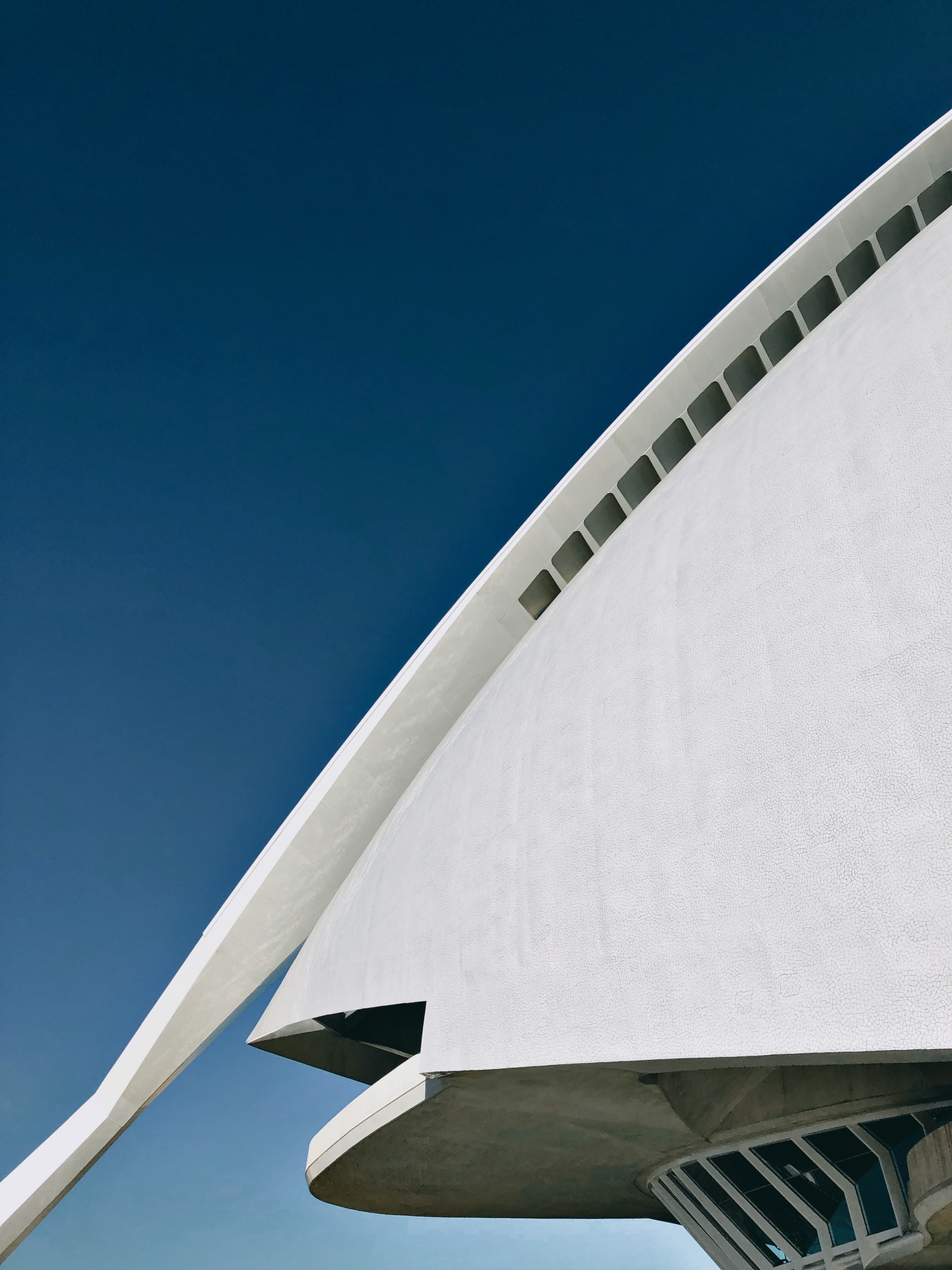
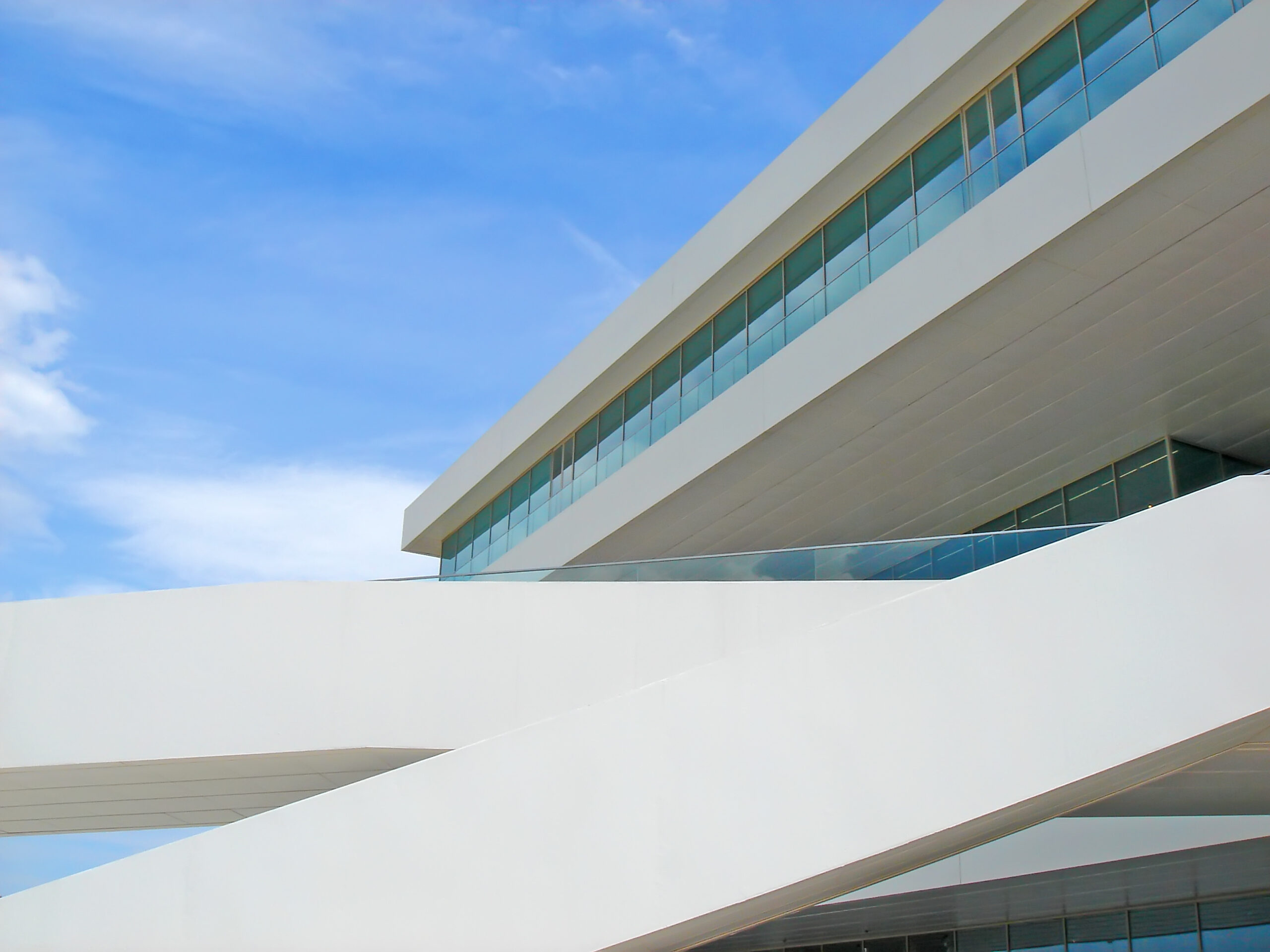
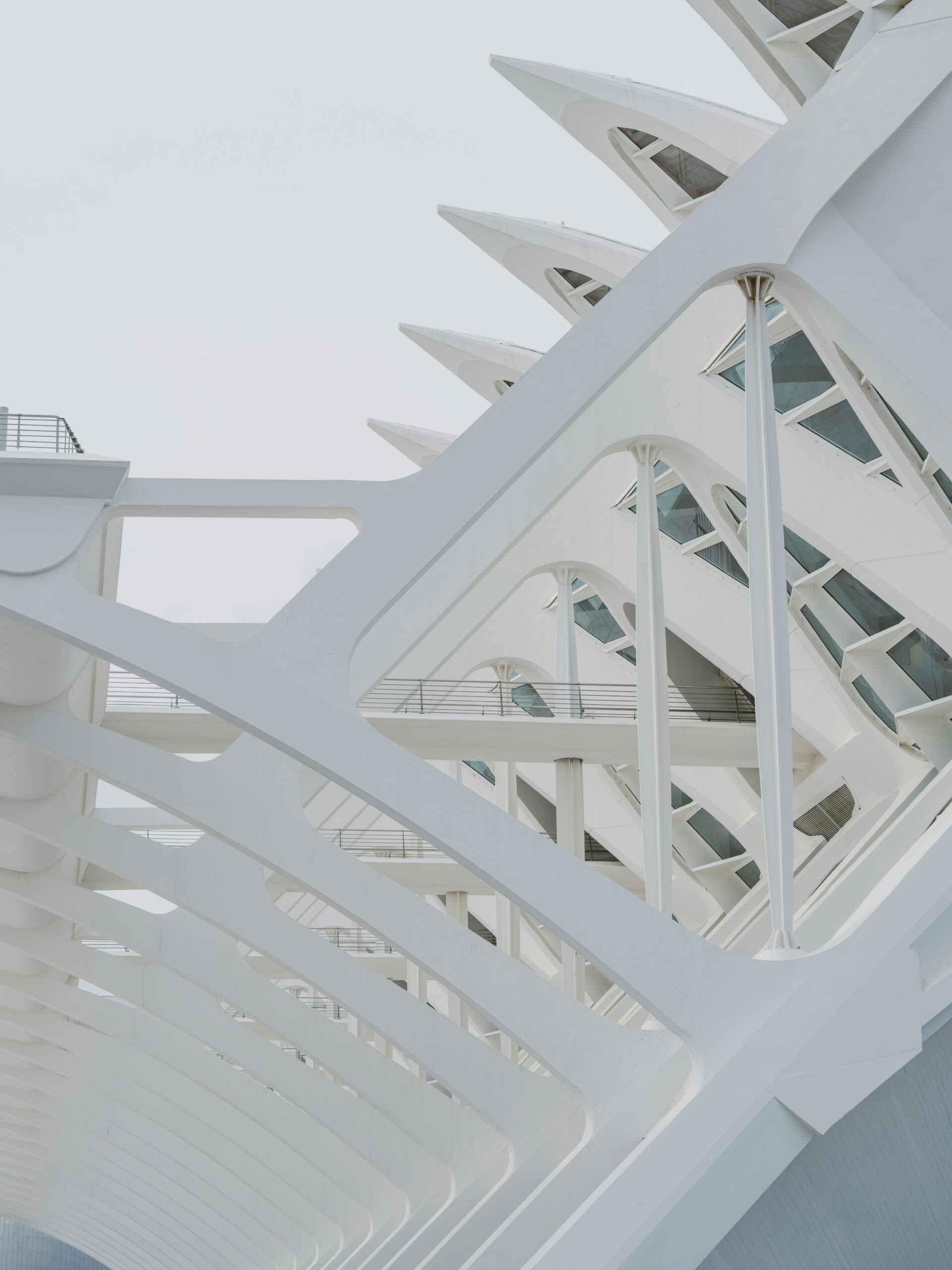
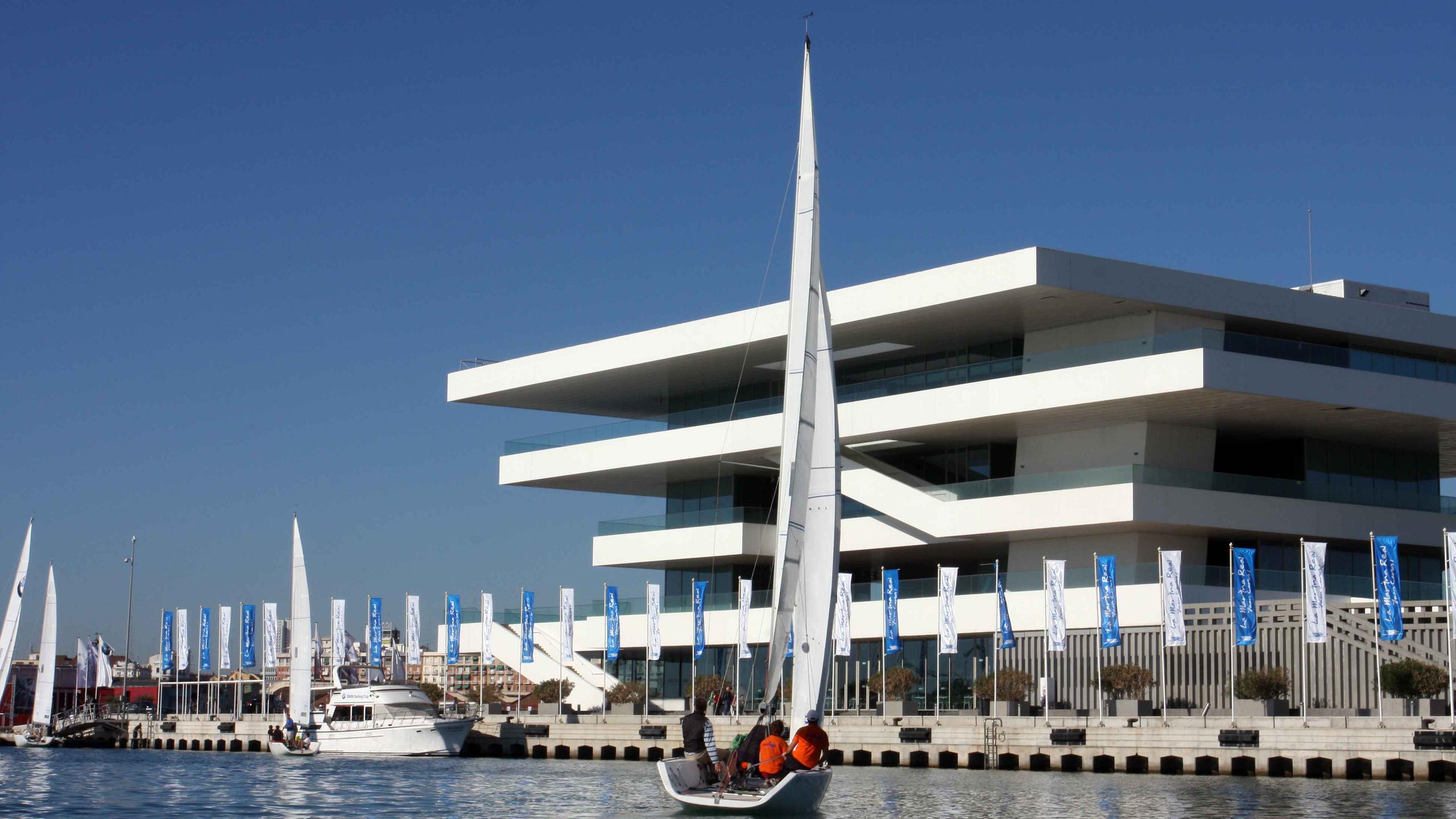
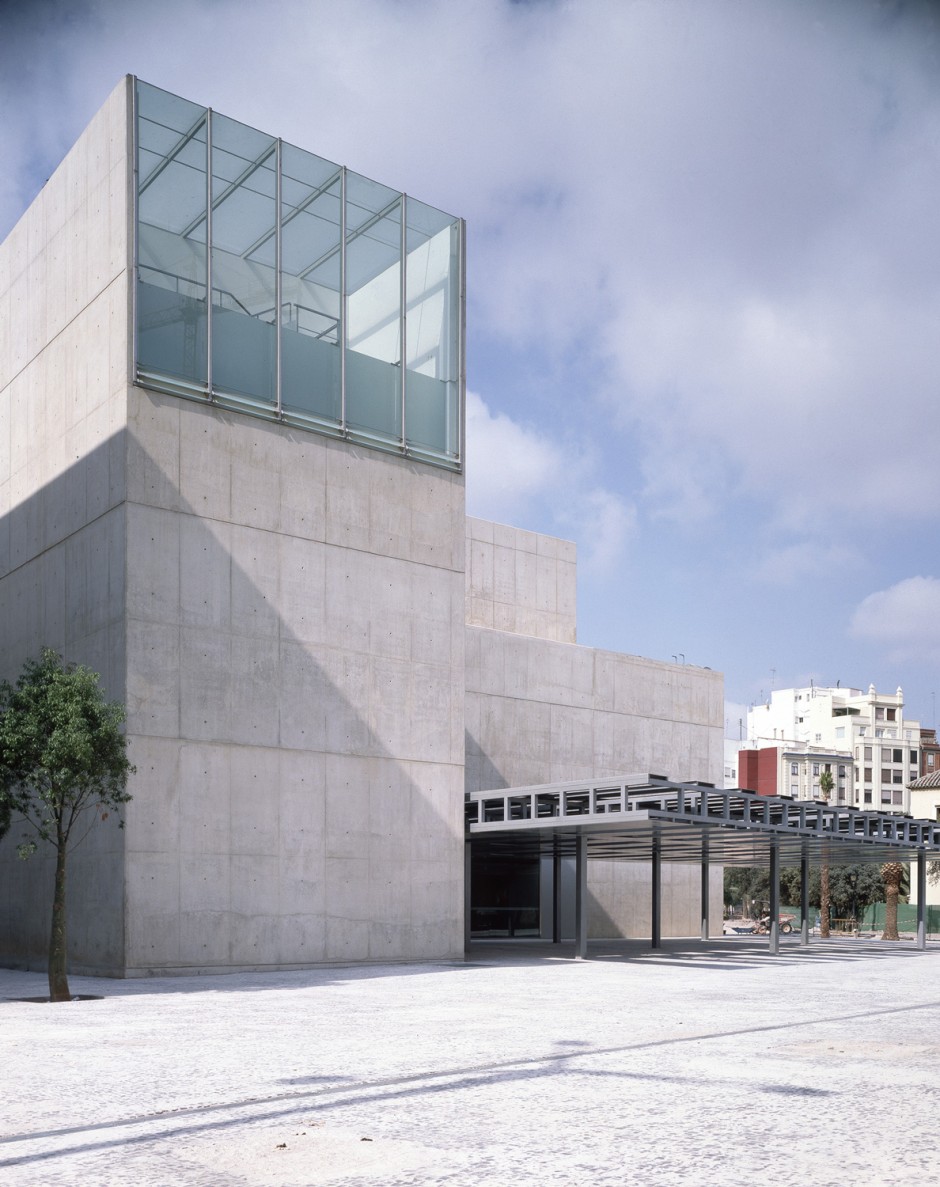
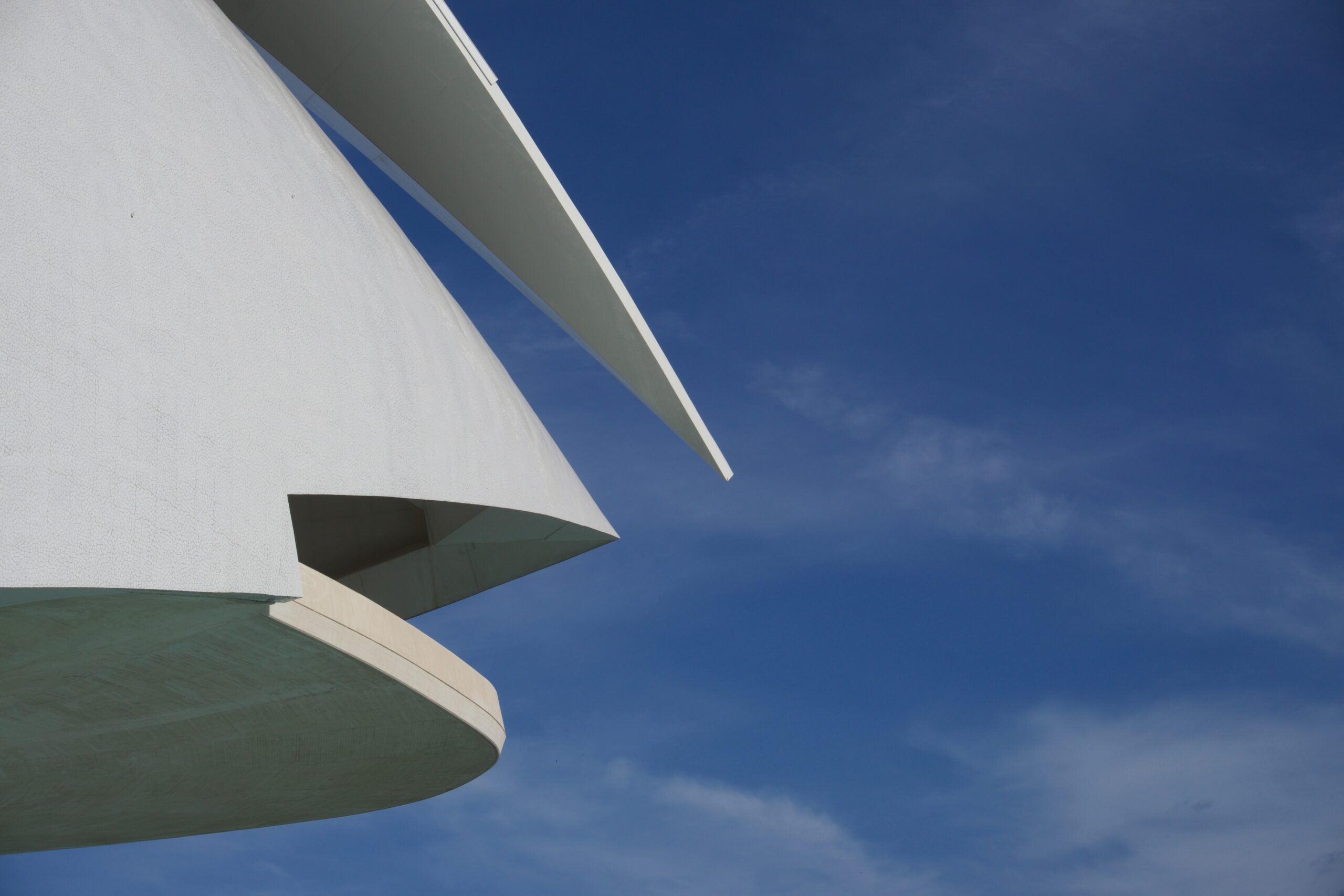
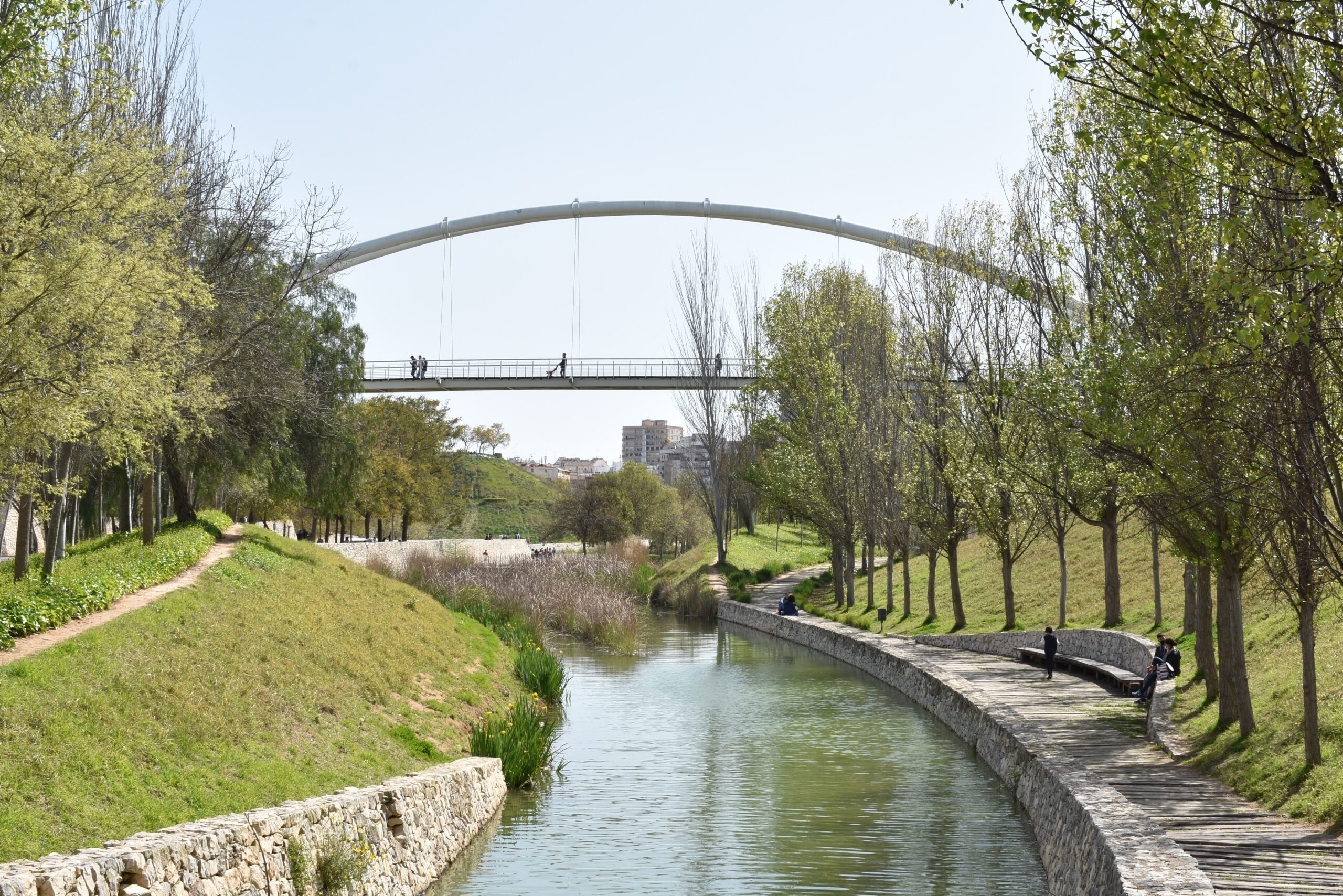
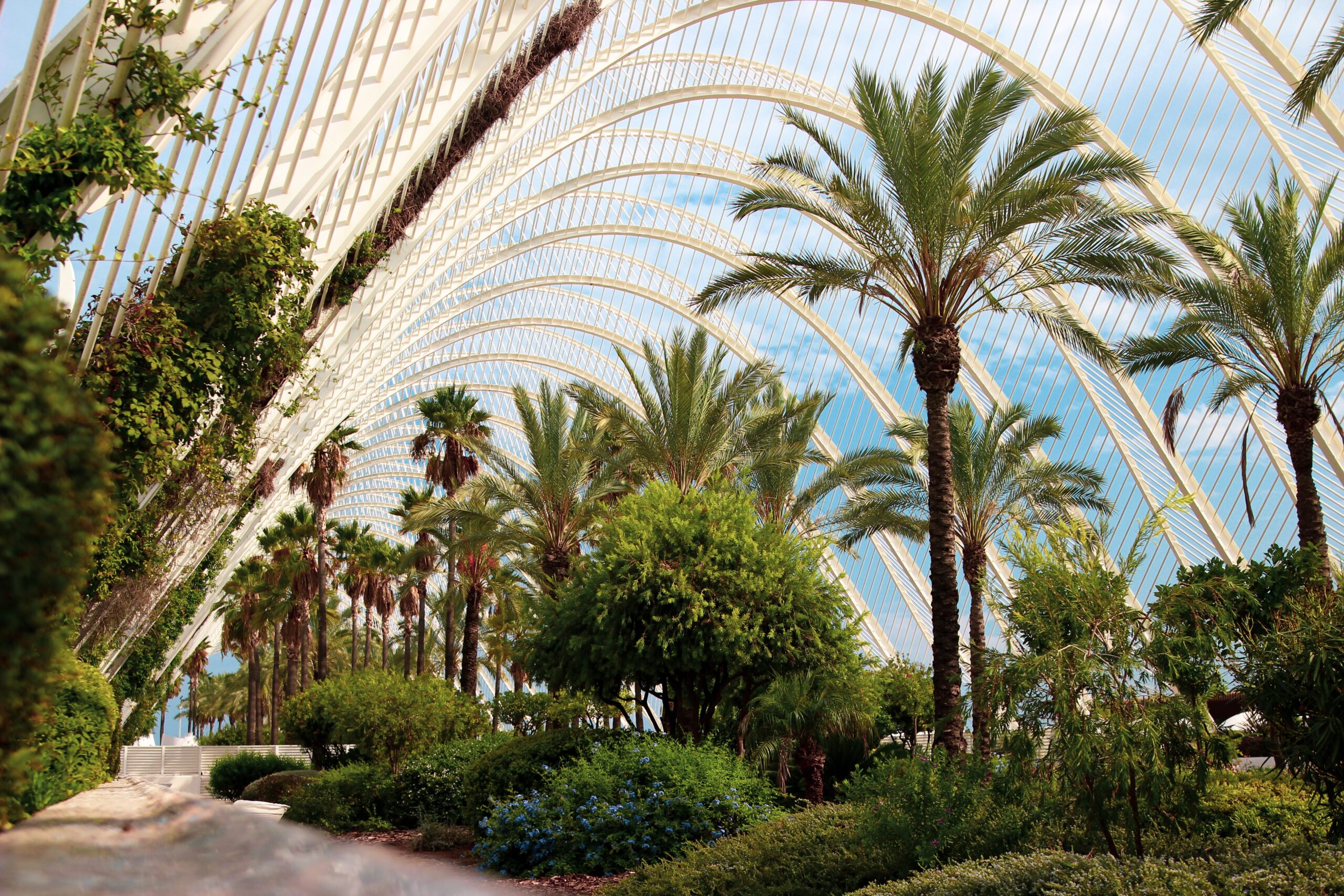
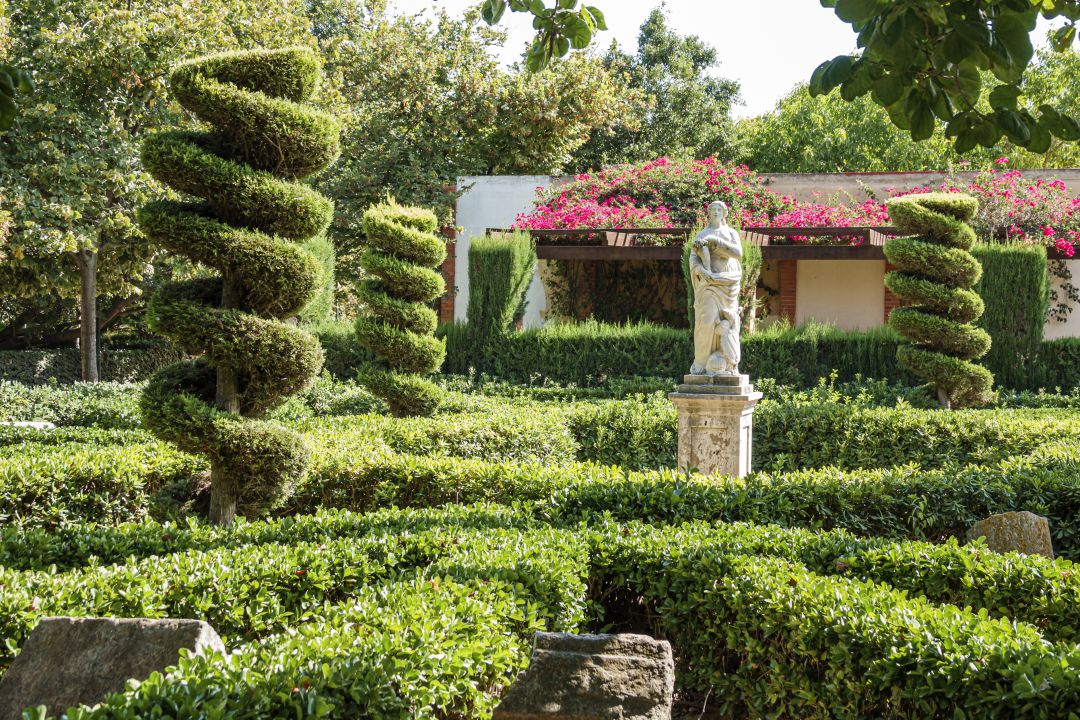
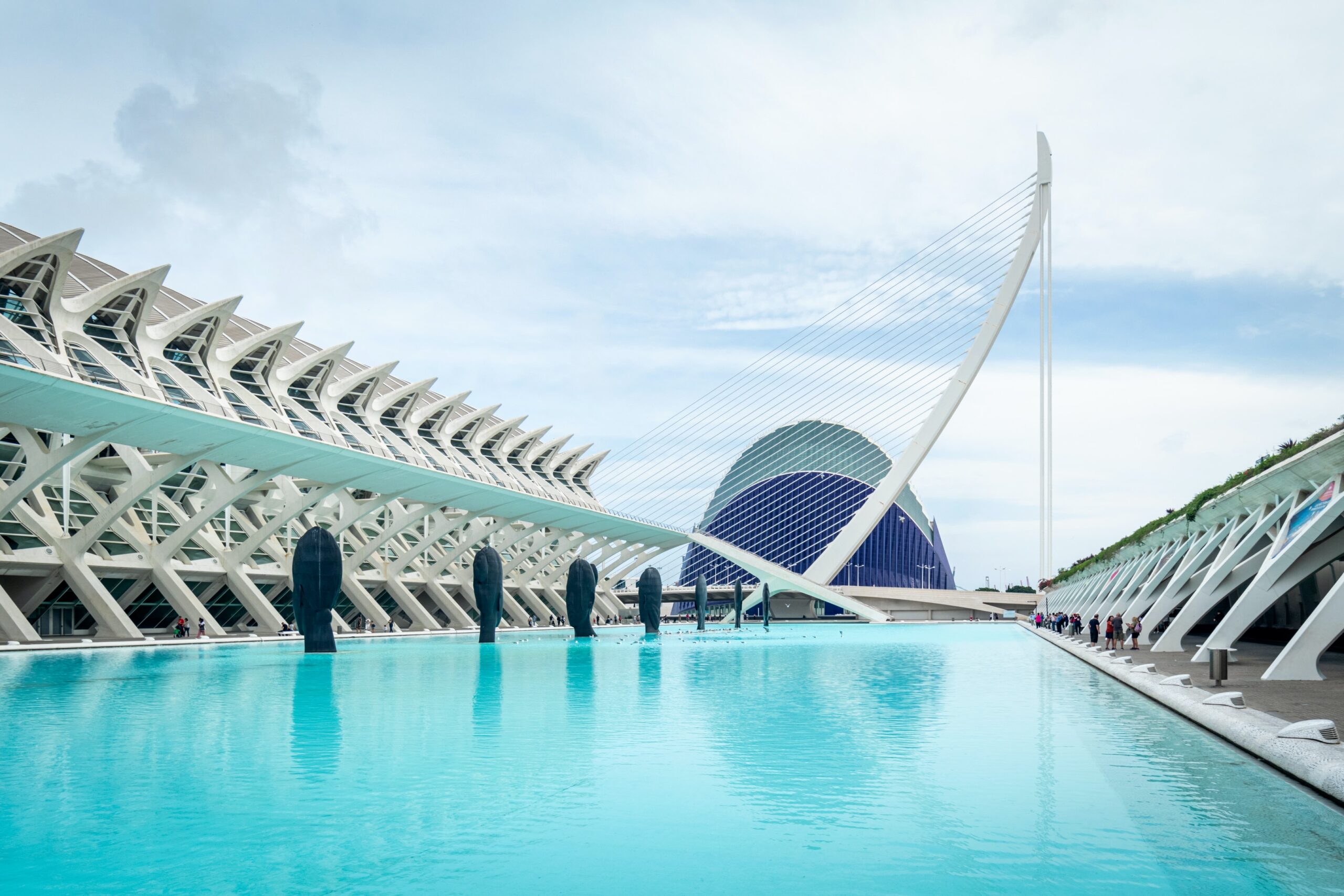
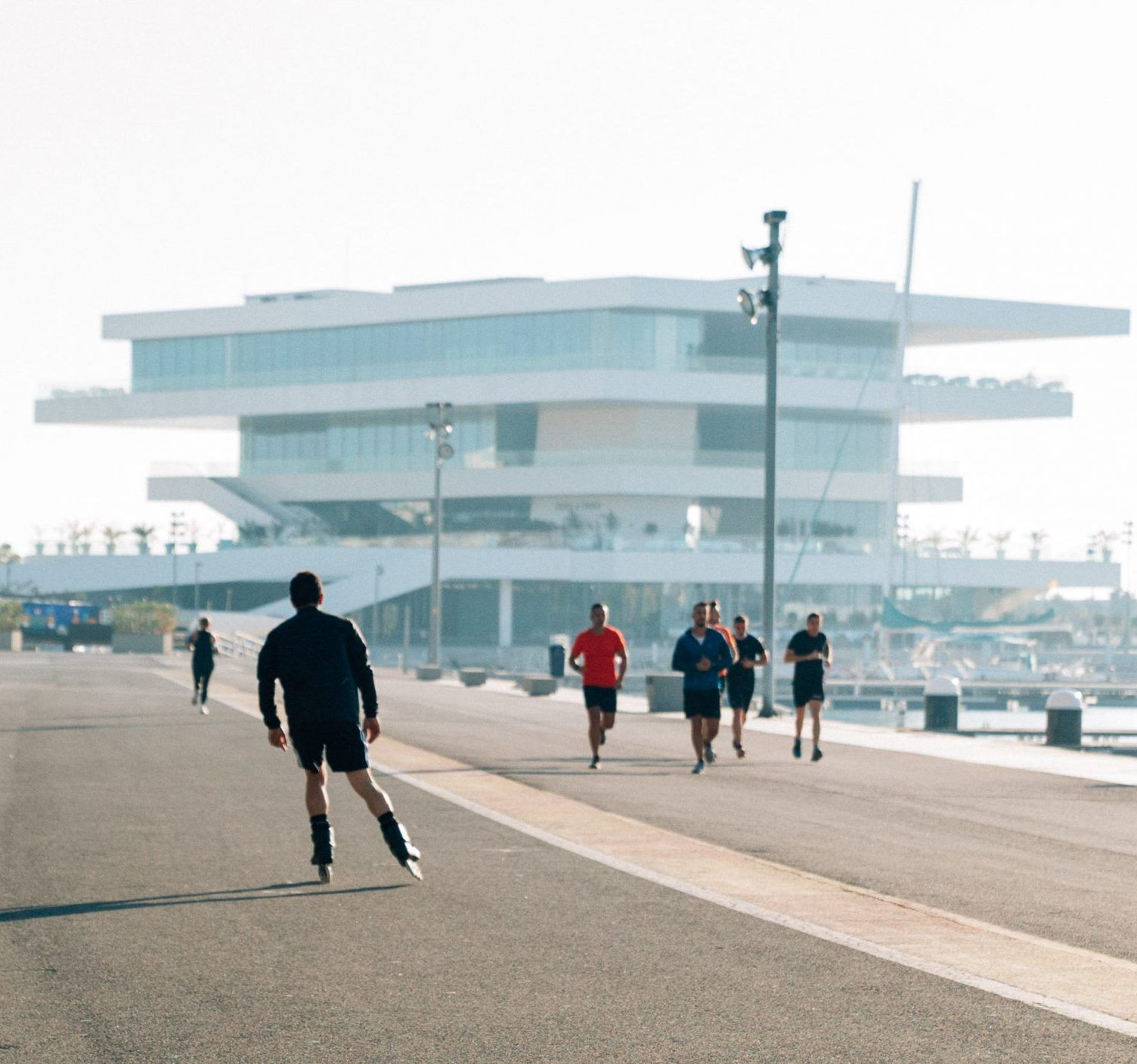
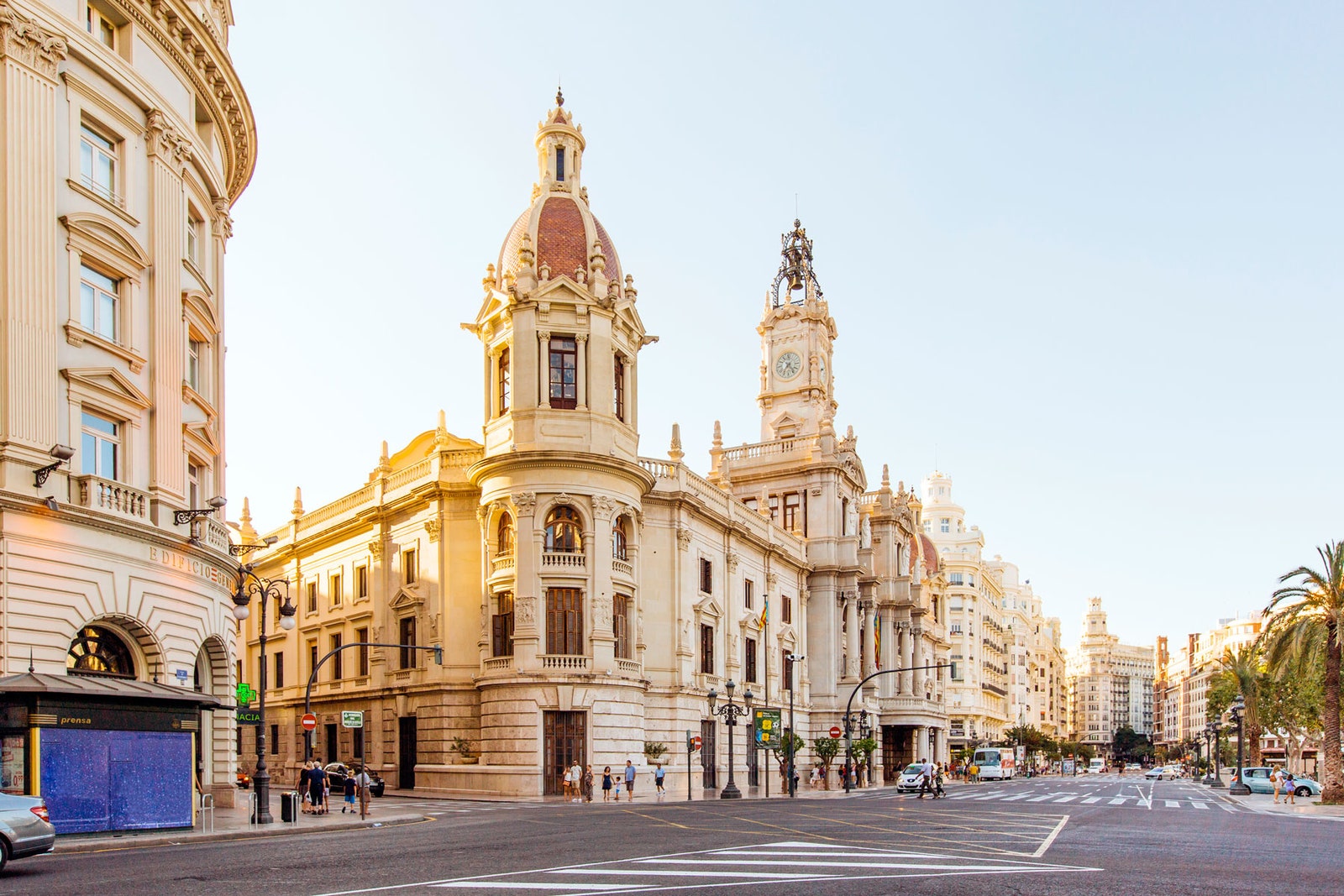
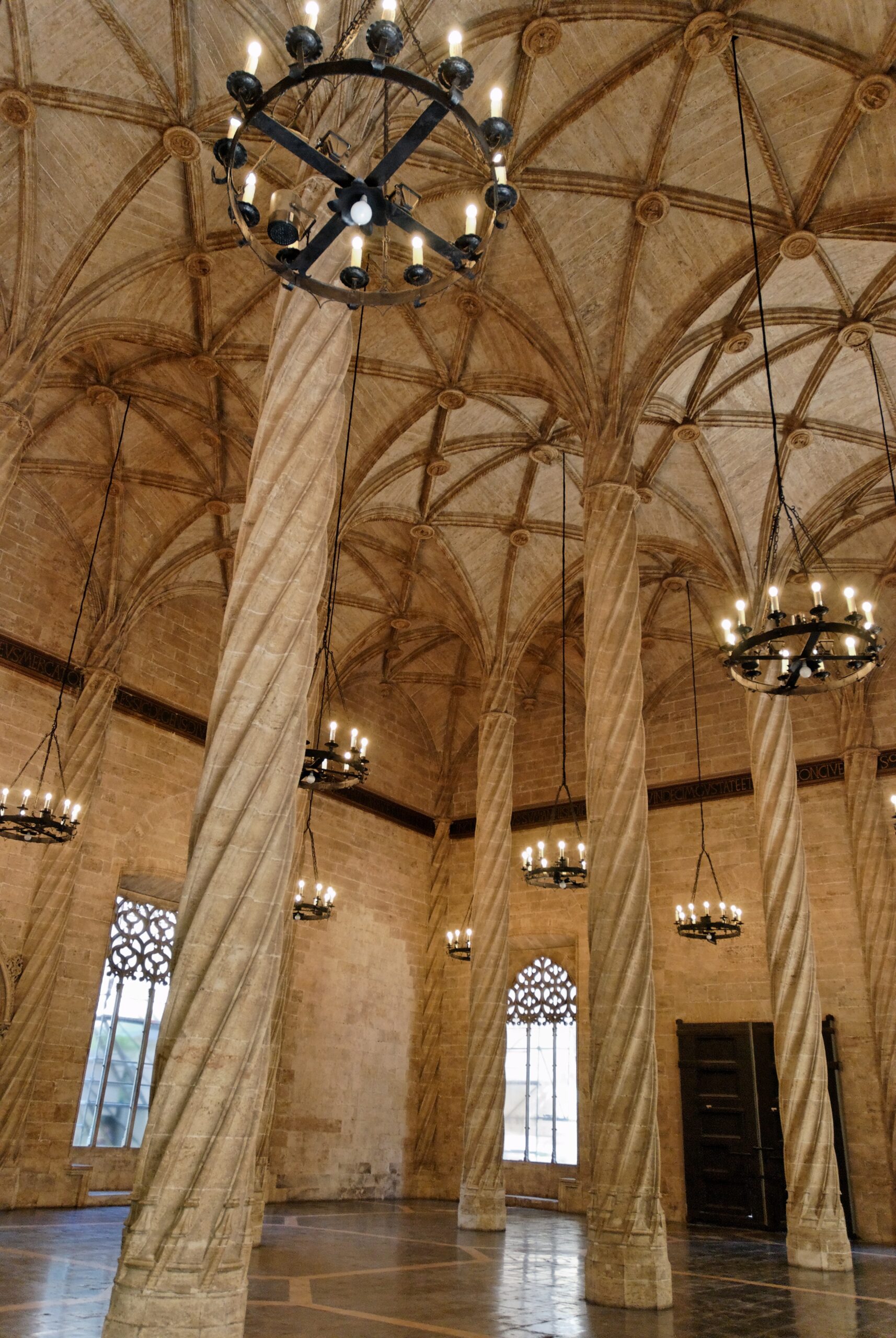
First, the city itself offers an exceptional urban layout that has been recognized by various international rankings as one of the best places in the world to live. Valencia boasts one of Europe’s largest historic centers, where tradition seamlessly coexists with the contemporary architecture of the City of Arts and Sciences, as well as works by renowned architects such as David Chipperfield, Norman Foster, Ricardo Bofill, and Guillermo Vázquez Consuegra. Added to this built heritage is the former Turia riverbed, now transformed into an immense linear park and urban forest that crosses the city from end to end, serving as a massive green lung for walking and sports.
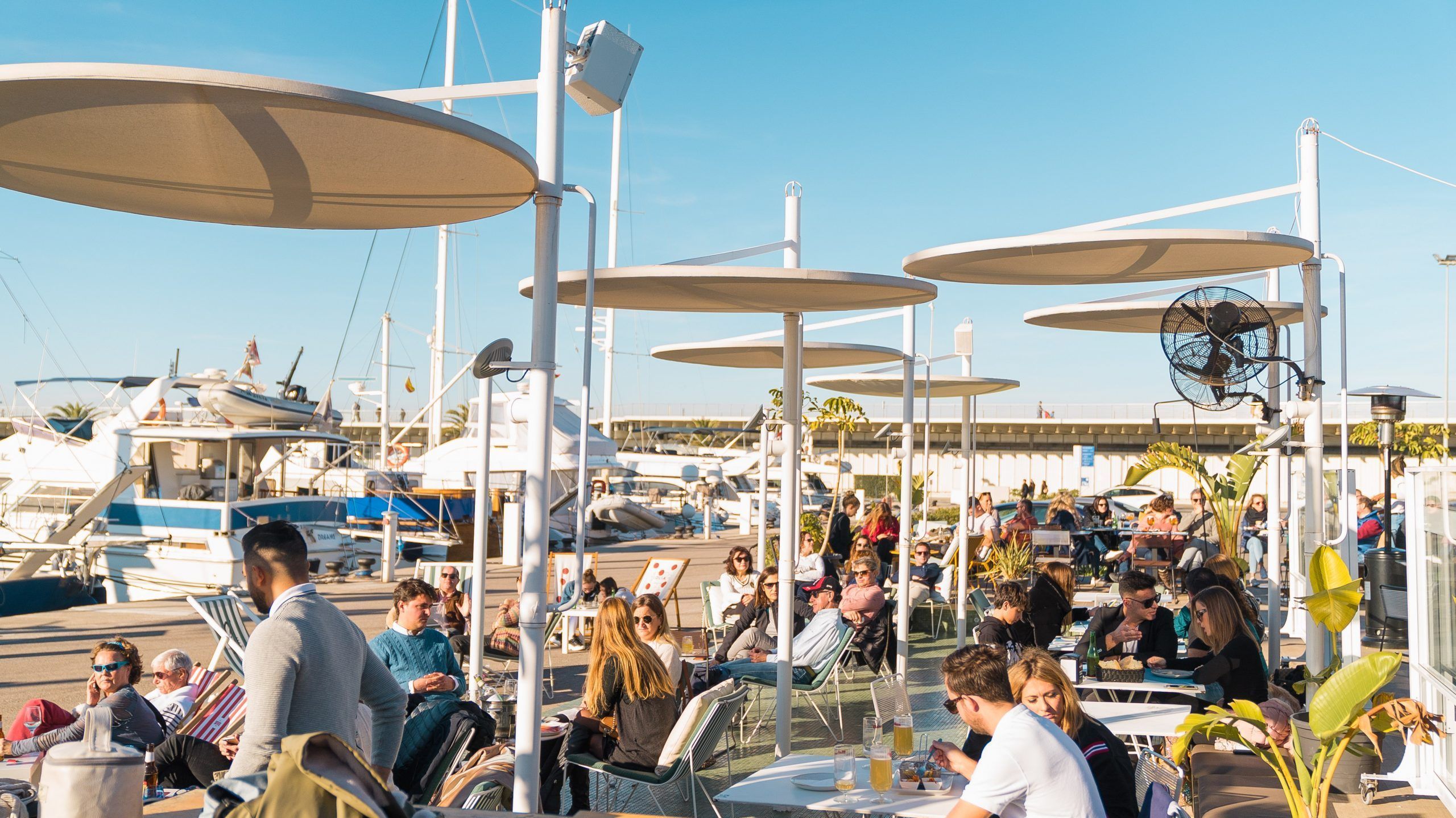
The climate is another major draw that turns daily life into an everyday privilege. Characterized by mild conditions almost year-round, the Valencian winter is remarkably short and mild, quickly giving way to long seasons of light and pleasant temperatures. This abundance of sunny days constantly invites outdoor living, studying on terraces or in parks, and enjoying the urban environment throughout the academic year without the constraints of extreme cold.
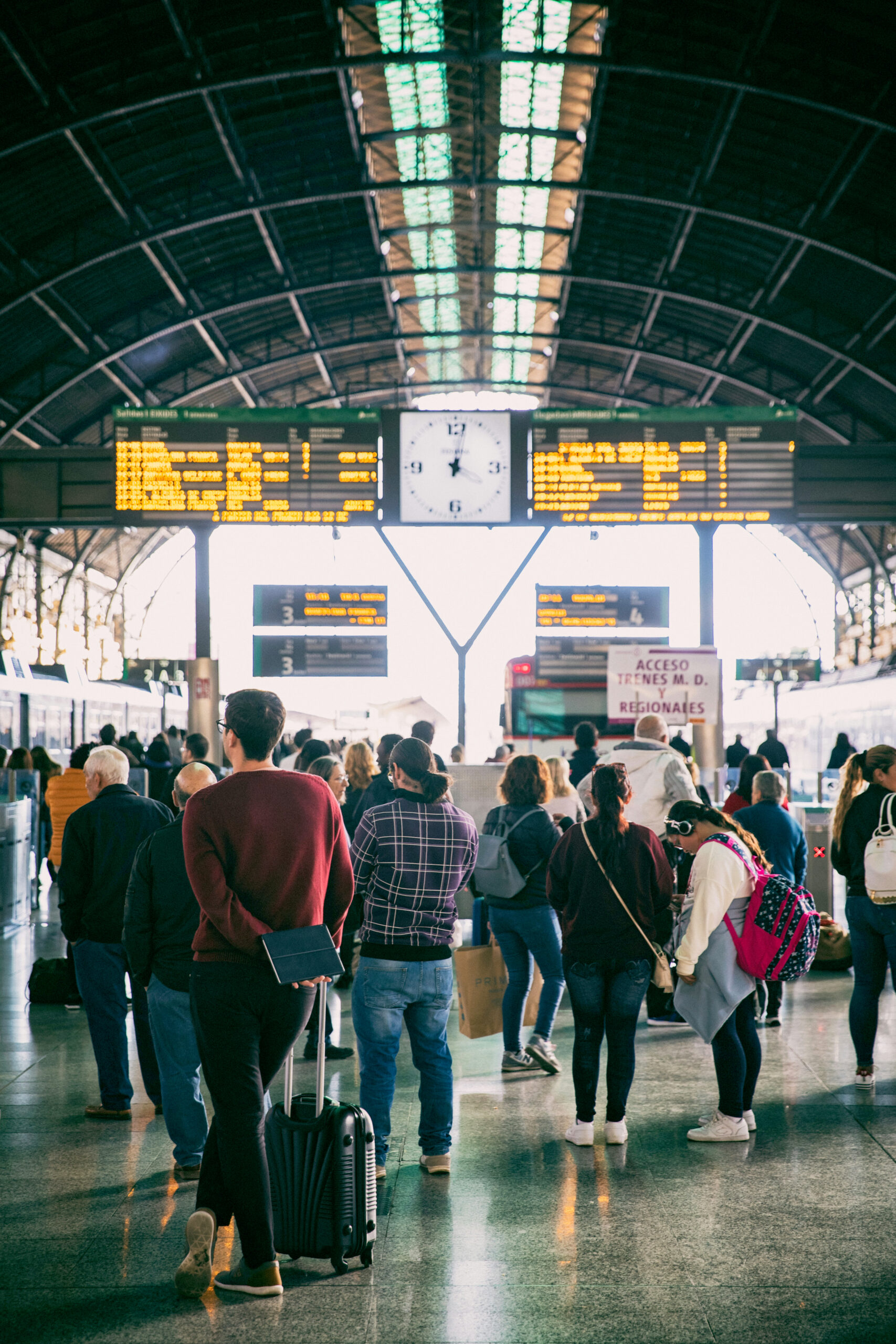
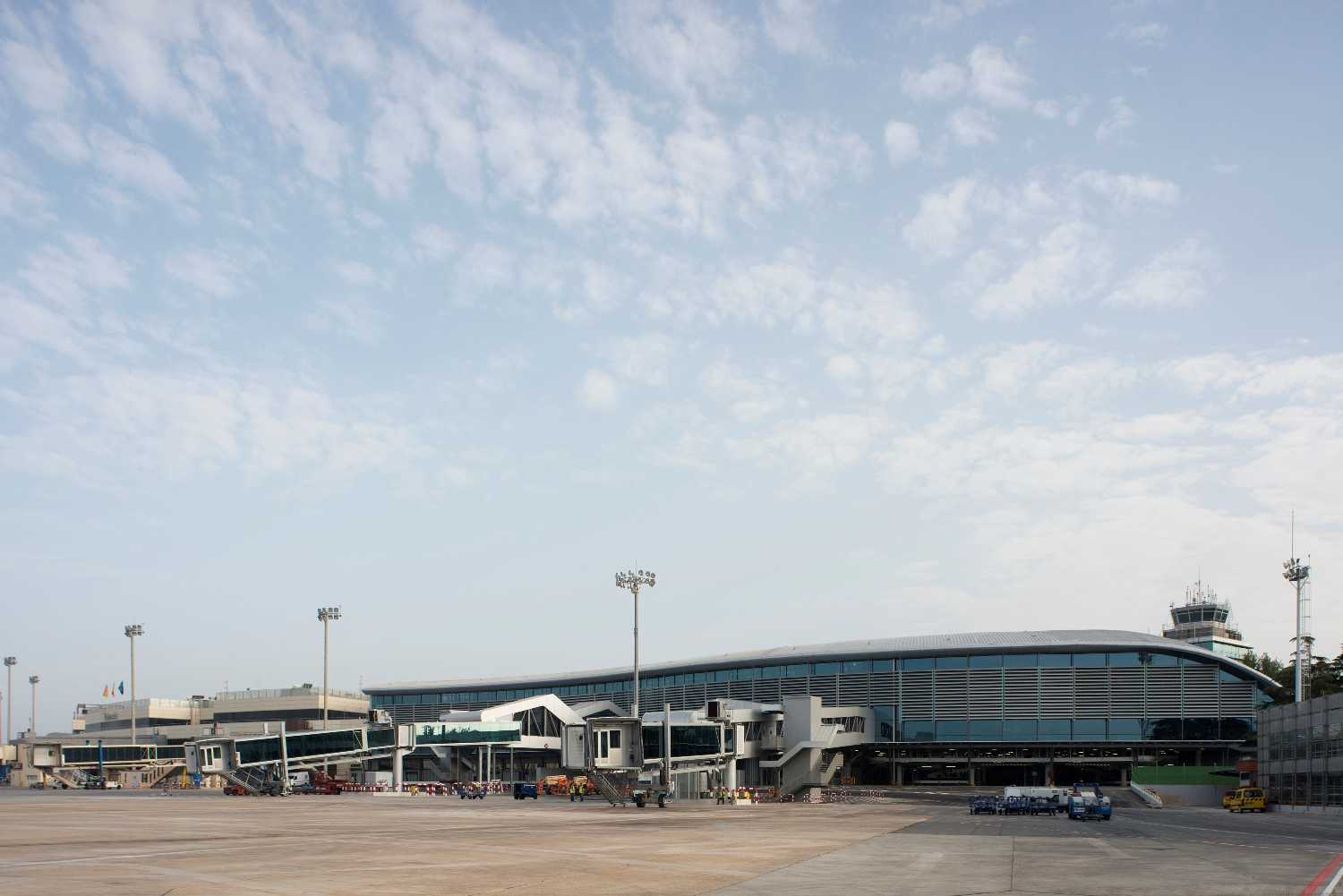
In terms of transport connections, the Valencian capital’s strategic location facilitates both daily commutes and weekend travel. Situated at an ideal distance between Madrid and Barcelona, the city features excellent high-speed rail links. Furthermore, its international airport—established as one of the busiest and most dynamic in Spain—continues to strengthen its global connectivity through milestones such as direct routes to New York, making access easy for students and researchers from around the world.

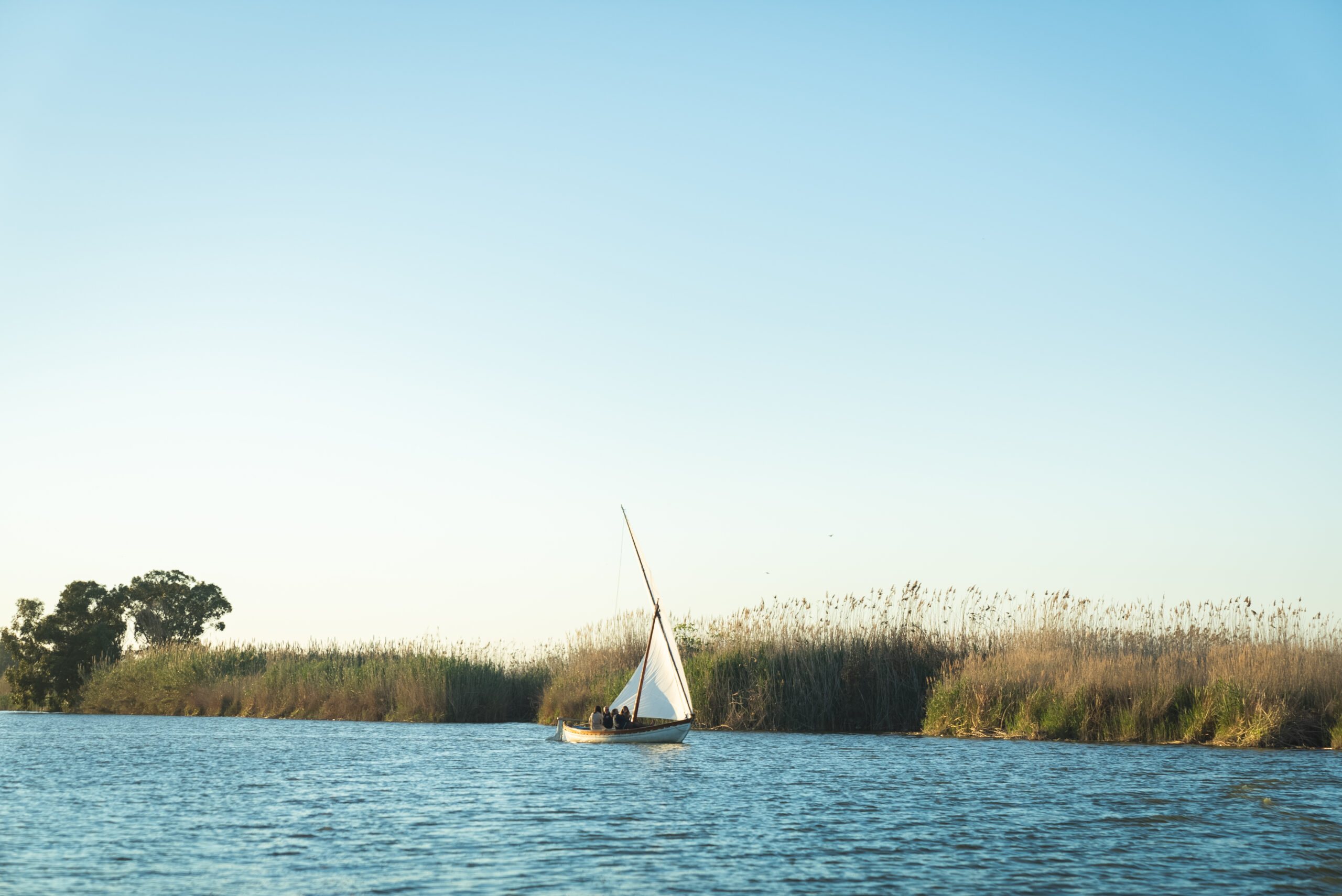
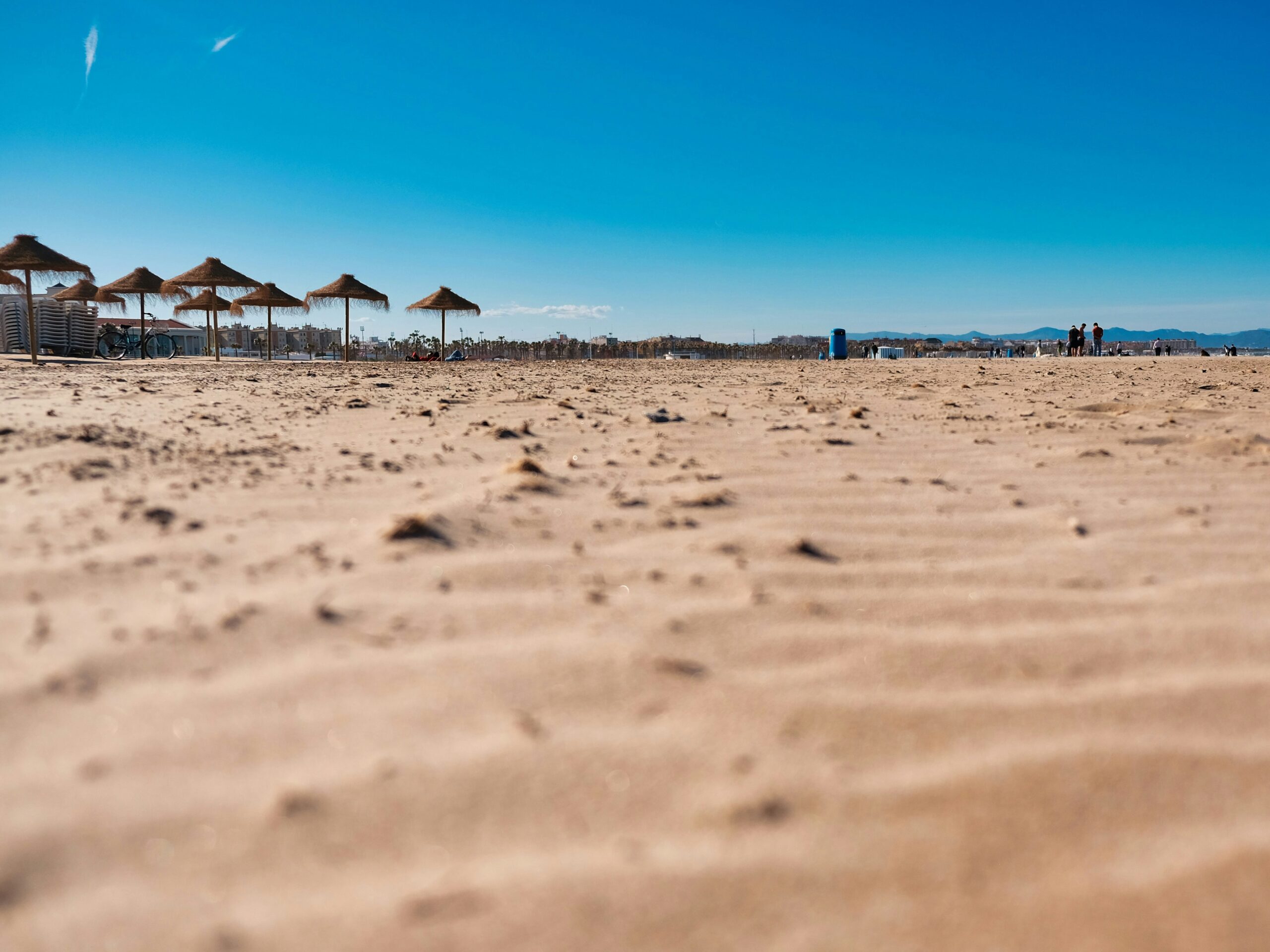
Its geography adds unique value thanks to its distinct topography and nearby biodiversity. As a completely flat city, sustainable mobility on foot or by bicycle is remarkably easy and intuitive in daily life. In addition, its immediate proximity to the Mediterranean Sea and the Albufera Natural Park allows for a change of scenery in a matter of minutes, while also providing quick access to various inland mountain areas for those seeking contact with nature or hiking.
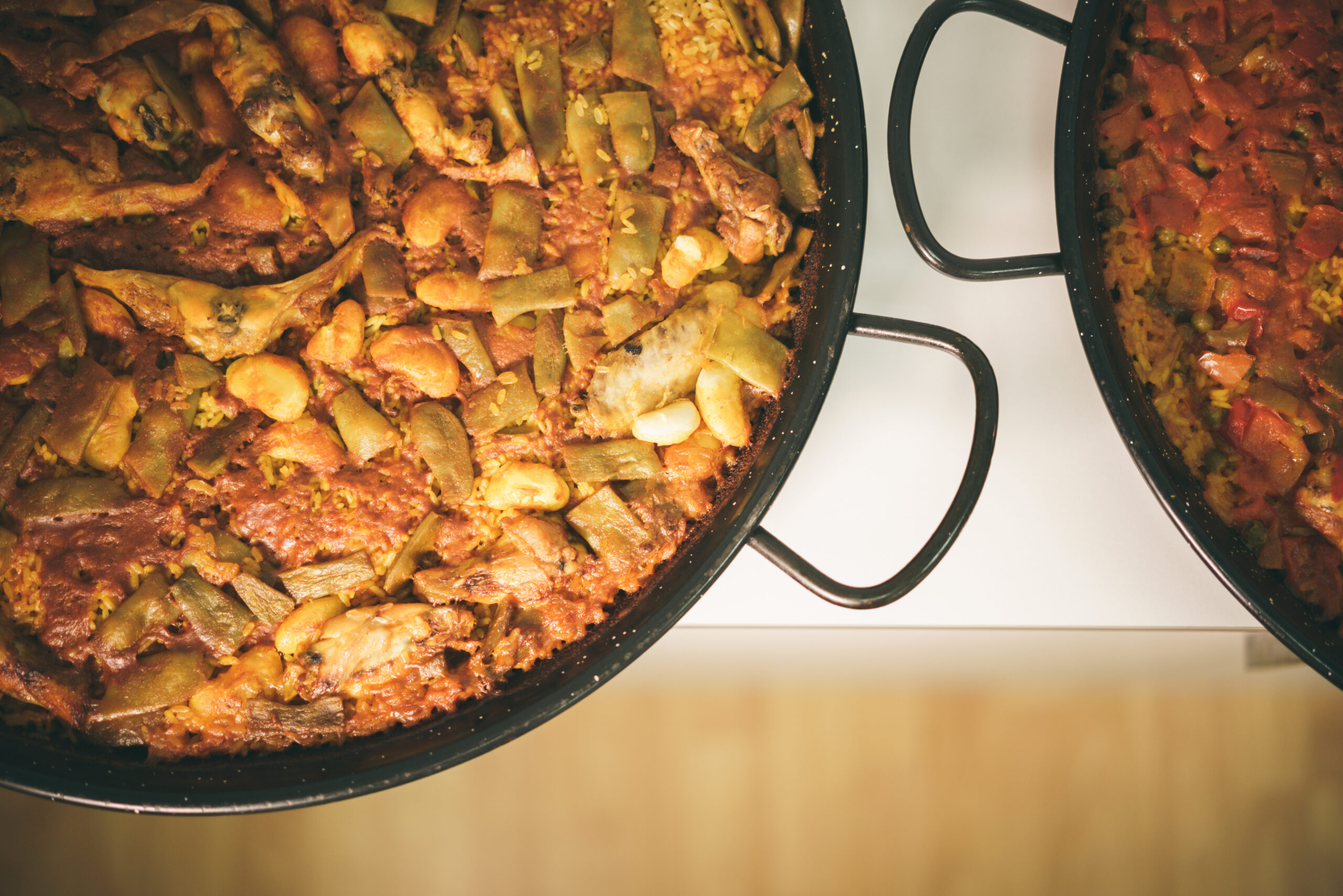
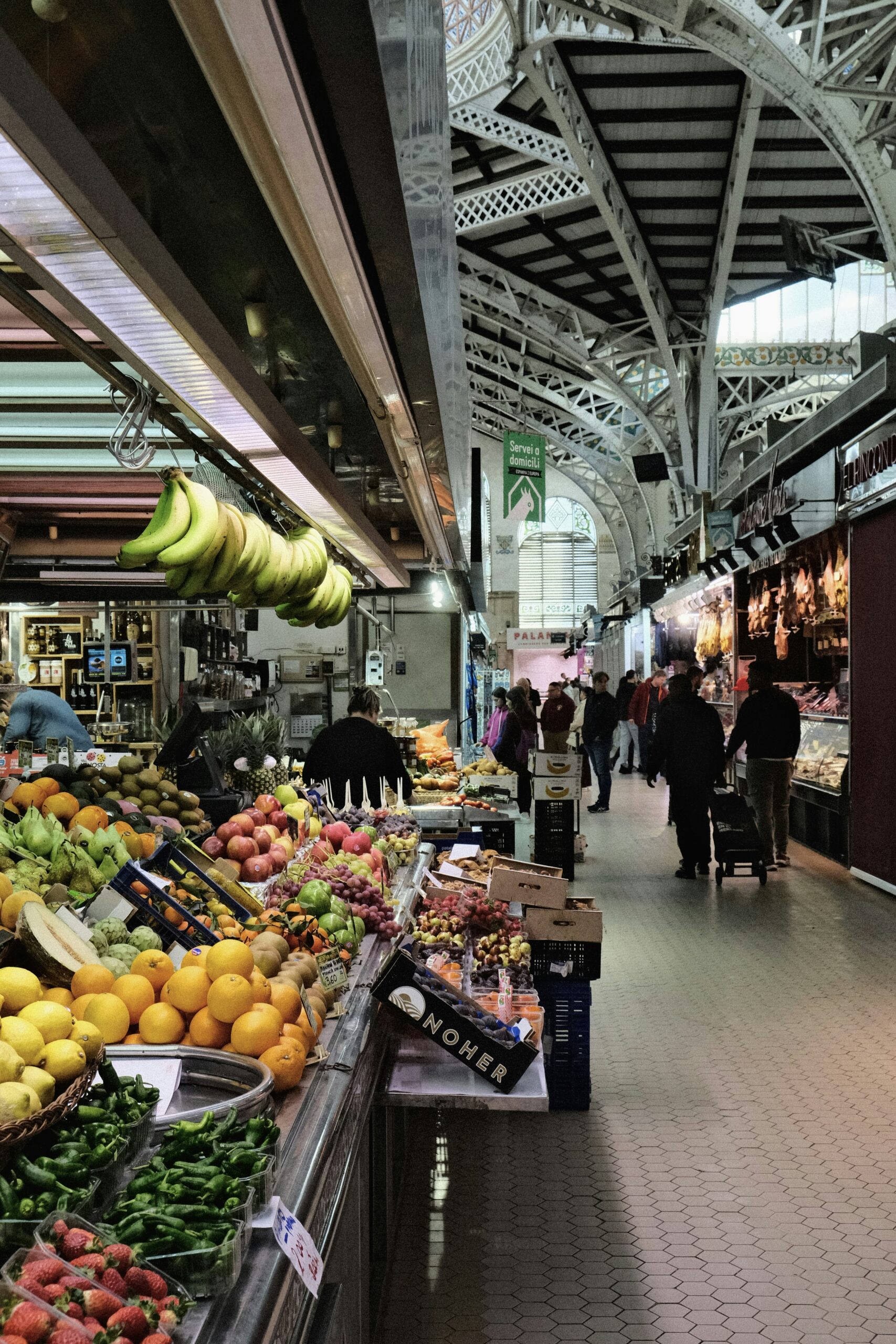
Gastronomy also occupies a privileged place in the experience of anyone living in the city, as it is the birthplace of some of Spanish cuisine’s most internationally recognized dishes. Based primarily on the pillars of the Mediterranean diet, Valencia’s culinary offerings stand out for the fresh quality of produce from both sea and land. Beyond the traditional paella, the local gastronomy enjoys an immense variety of dishes, traditional markets, and creative proposals that turn dining into a continuous cultural discovery.
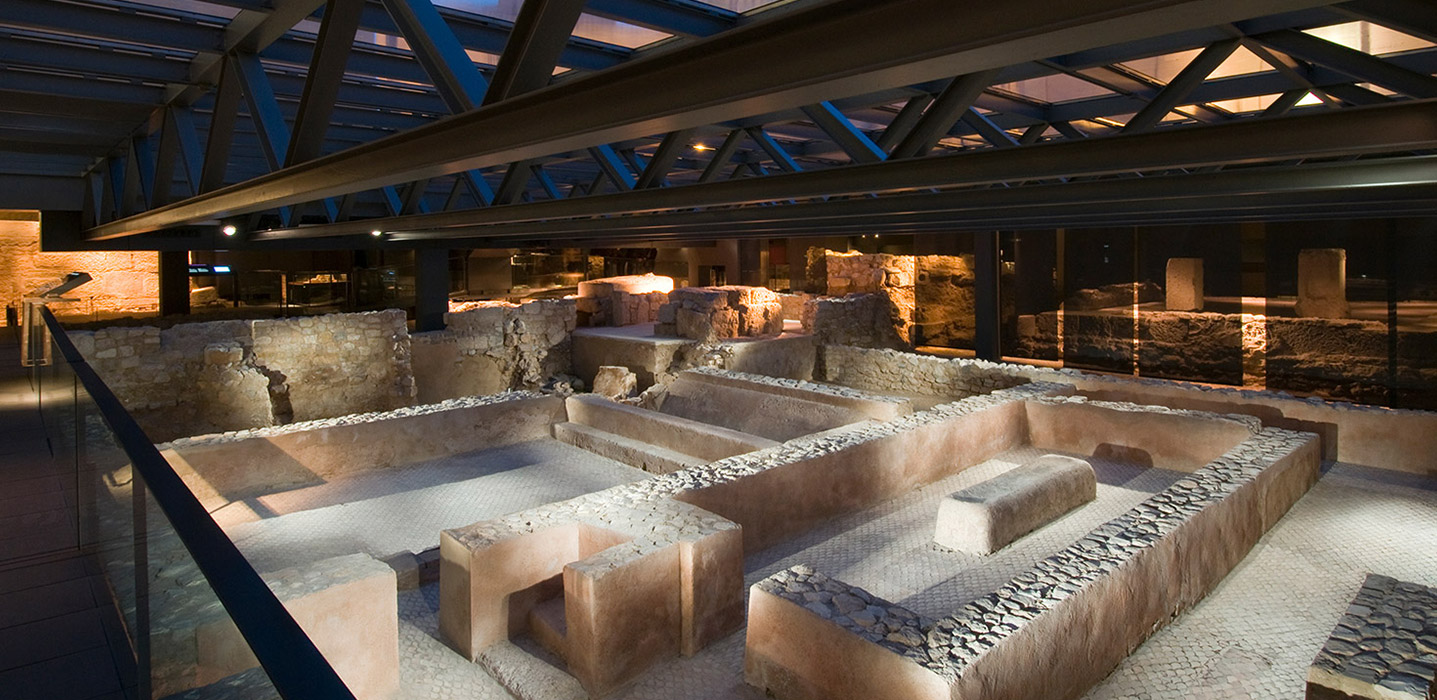
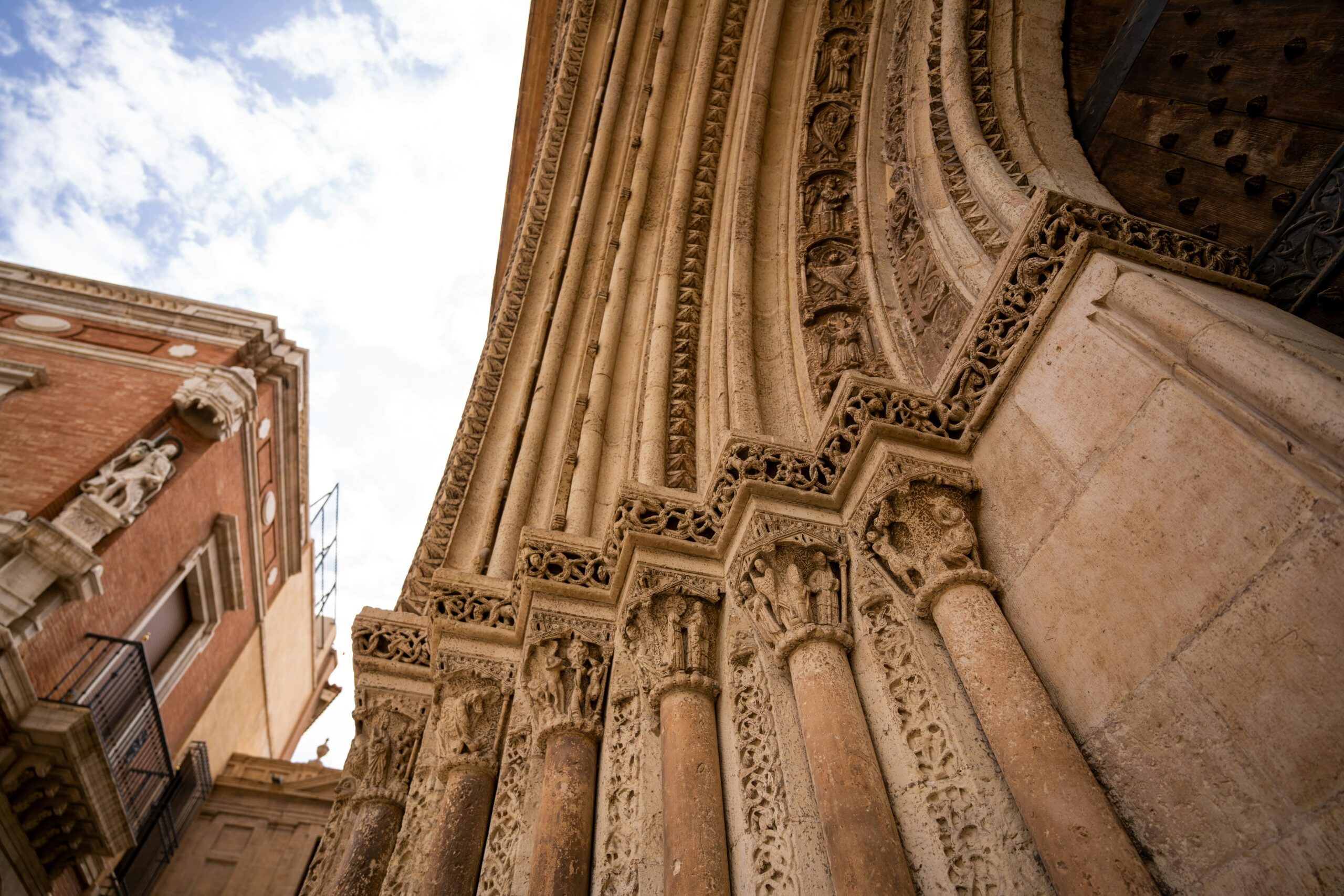
On the other hand, the metropolis’s long history serves as an endless source of academic and personal exploration. Founded by the Romans in the 2nd century BCE, the city preserves in its streets, underground sites, and monuments the traces of the various civilizations that have settled there over the centuries. This layered Roman, Visigothic, Muslim, and Christian legacy has shaped a rich and complex urban fabric, turning Valencia into an open-air classroom for understanding the evolution of Mediterranean culture.
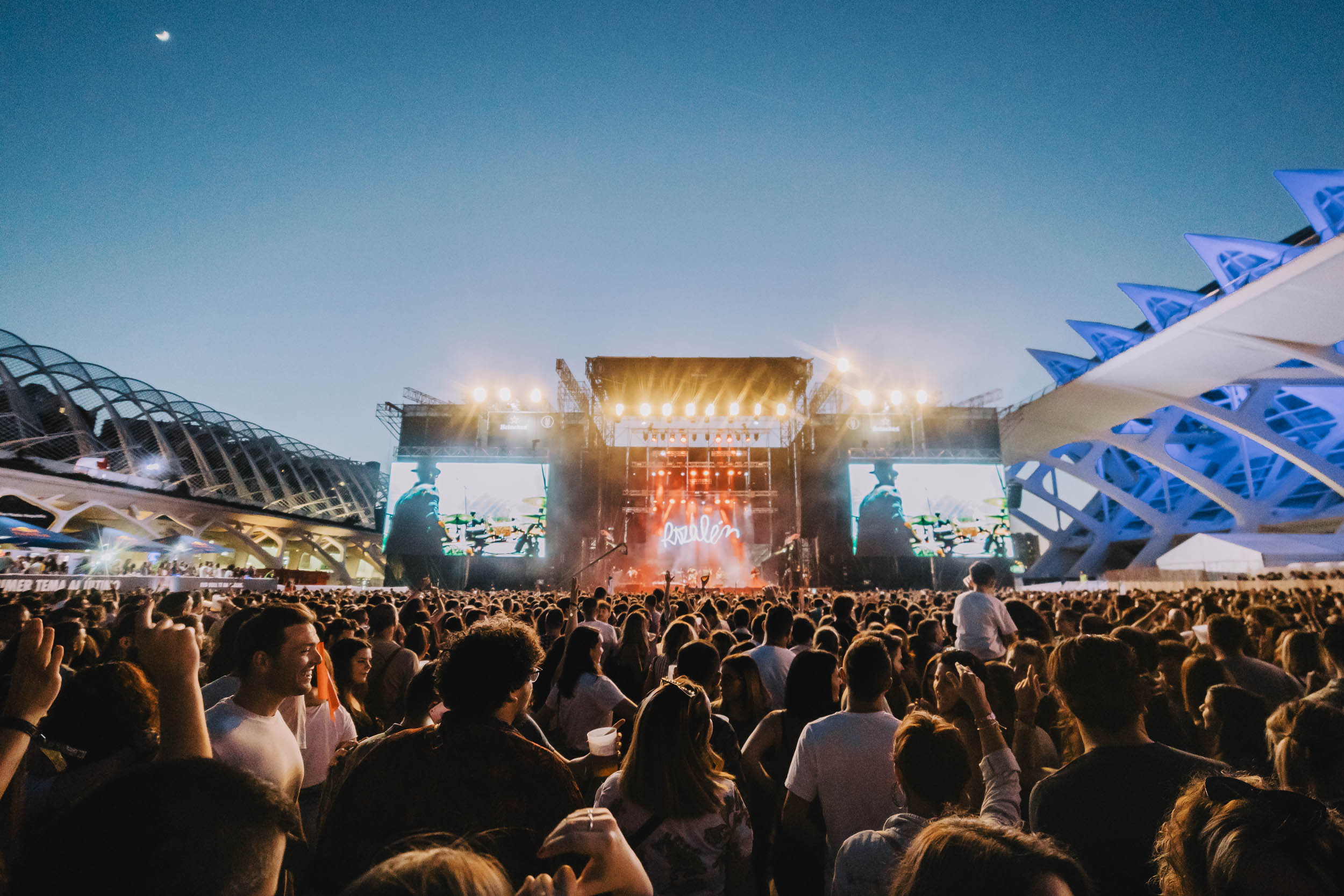
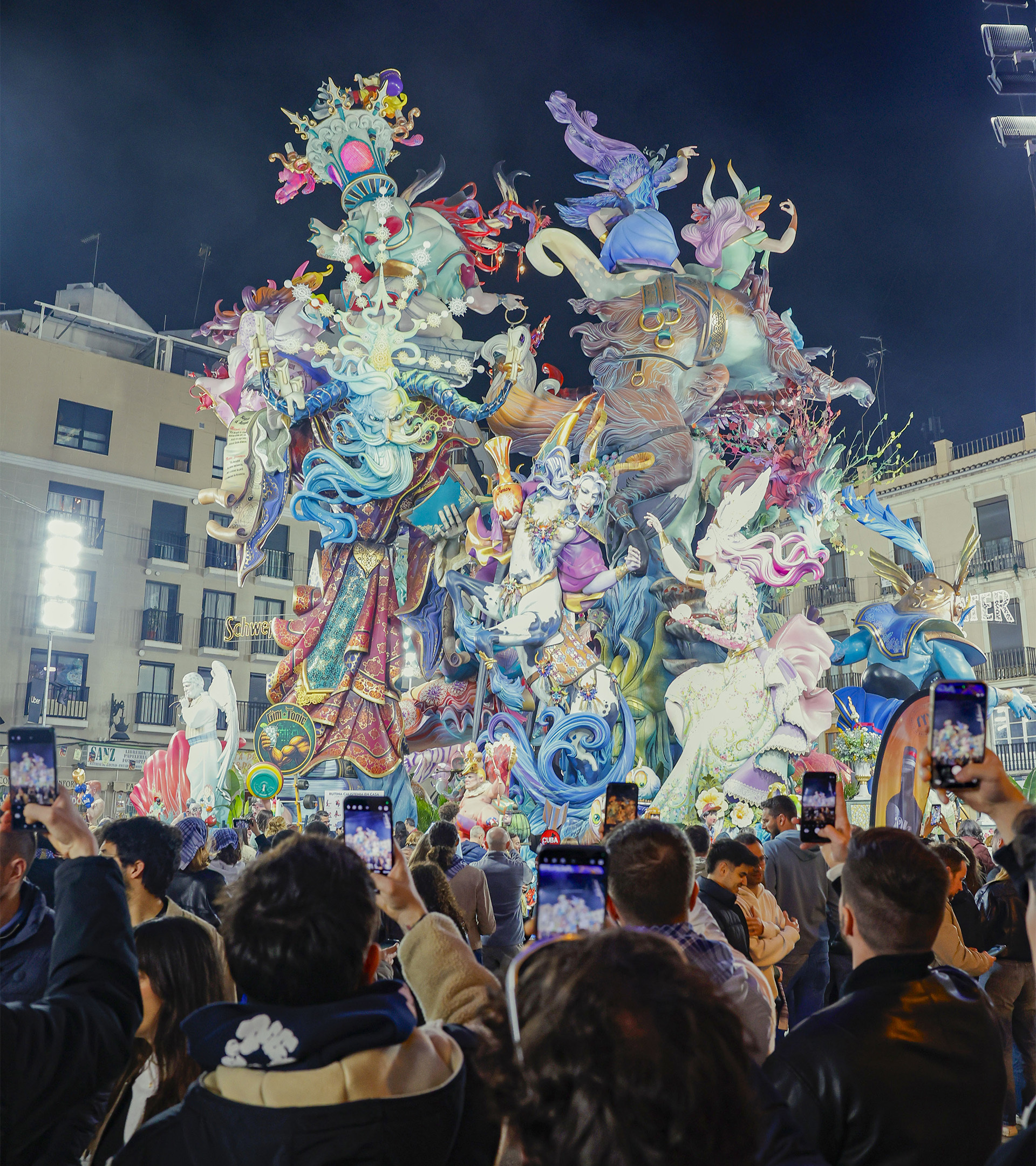
Finally, the city’s festive and social spirit ensures that the stay is unforgettable on a human level. Valencia hosts world-renowned celebrations declared Intangible Cultural Heritage of Humanity by UNESCO, such as Las Fallas, where ephemeral art, gunpowder, and music take over the streets. However, this festive character extends far beyond a single event, as the city exudes cultural dynamism and lively social traditions throughout the entire calendar, including the Gran Fira de Julio (July Fair), the Maritime Holy Week, and its unique Christmas traditions.

MArch Valencia. Arquitectura y Diseño
© 2026 MArch Valencia. Arquitectura y Diseño
Privacy policy | Cookies policy | Terms of use