



Architecture and Music
DATE
18.11.2026
Architecture and music share a profound connection tied to rhythm, proportion, and space, transforming the acoustic experience into a unique material and sensory journey.
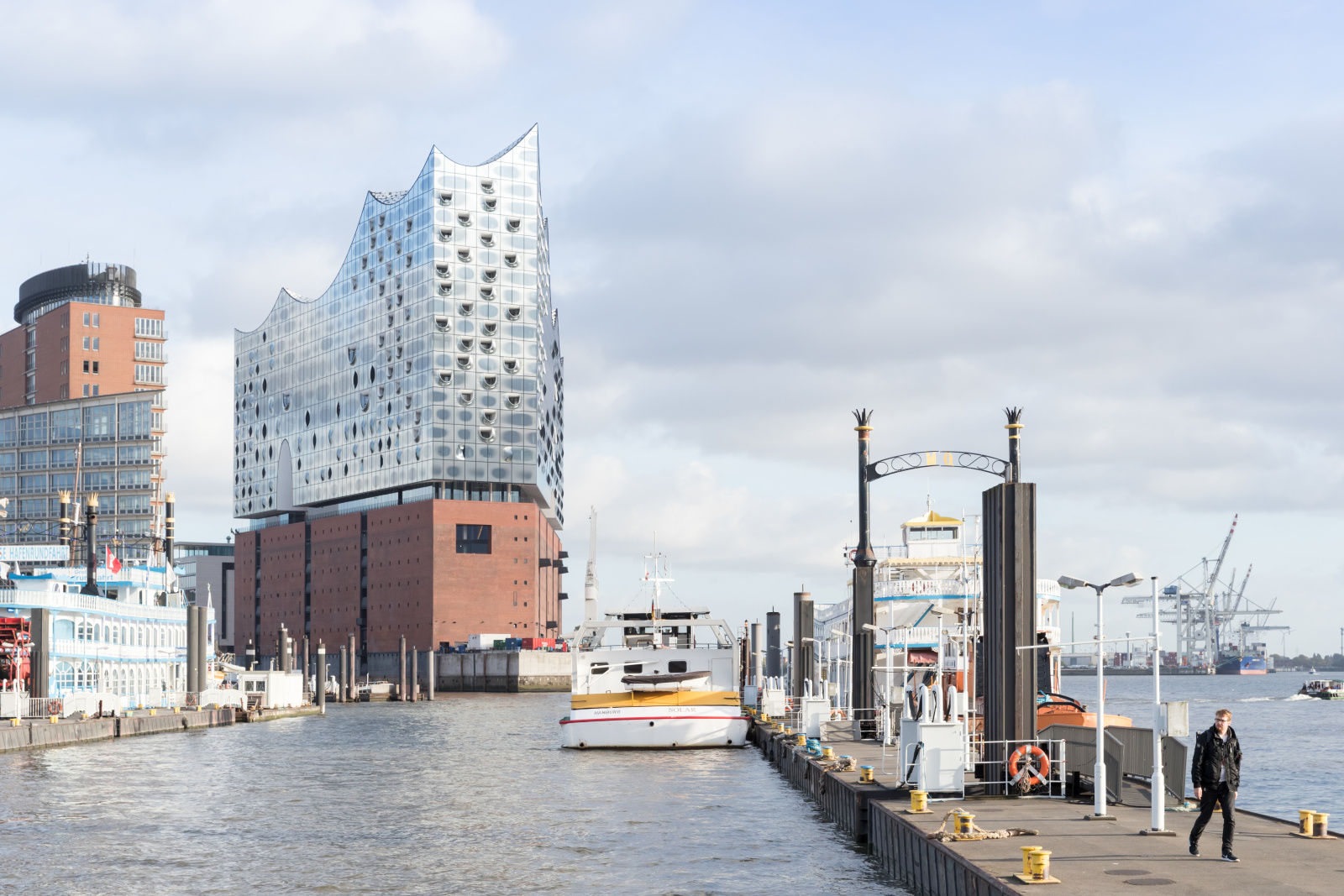
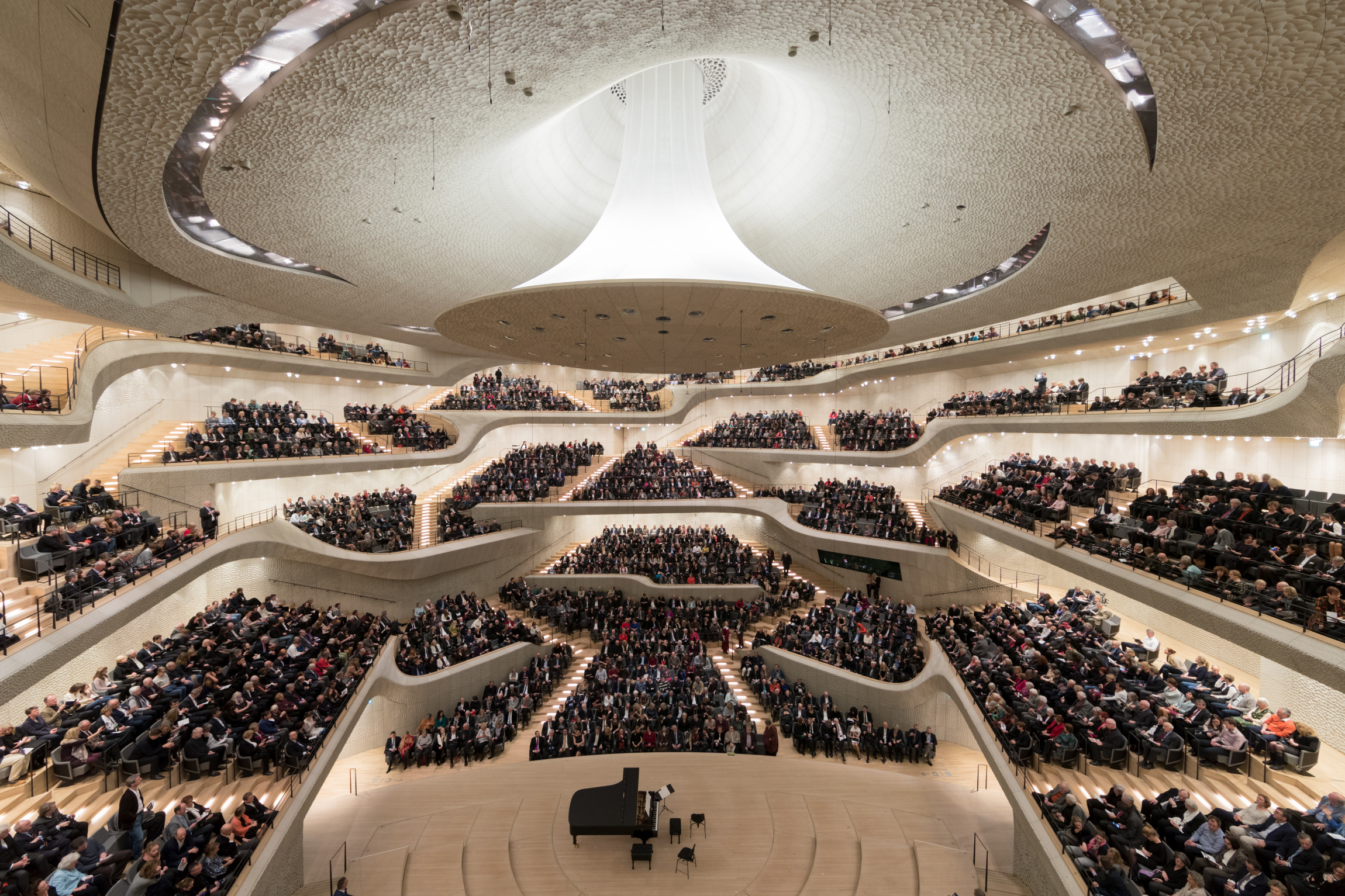
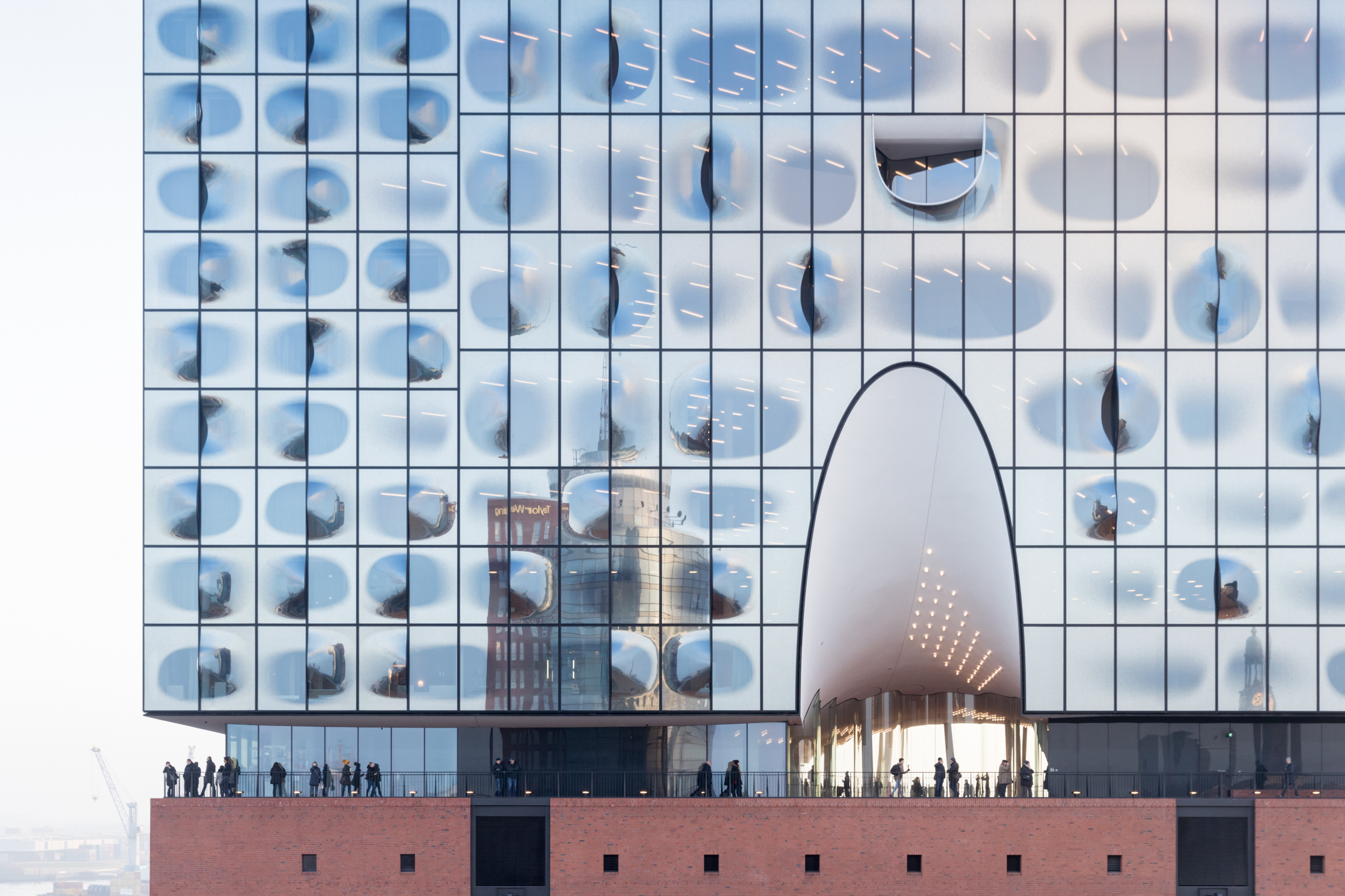
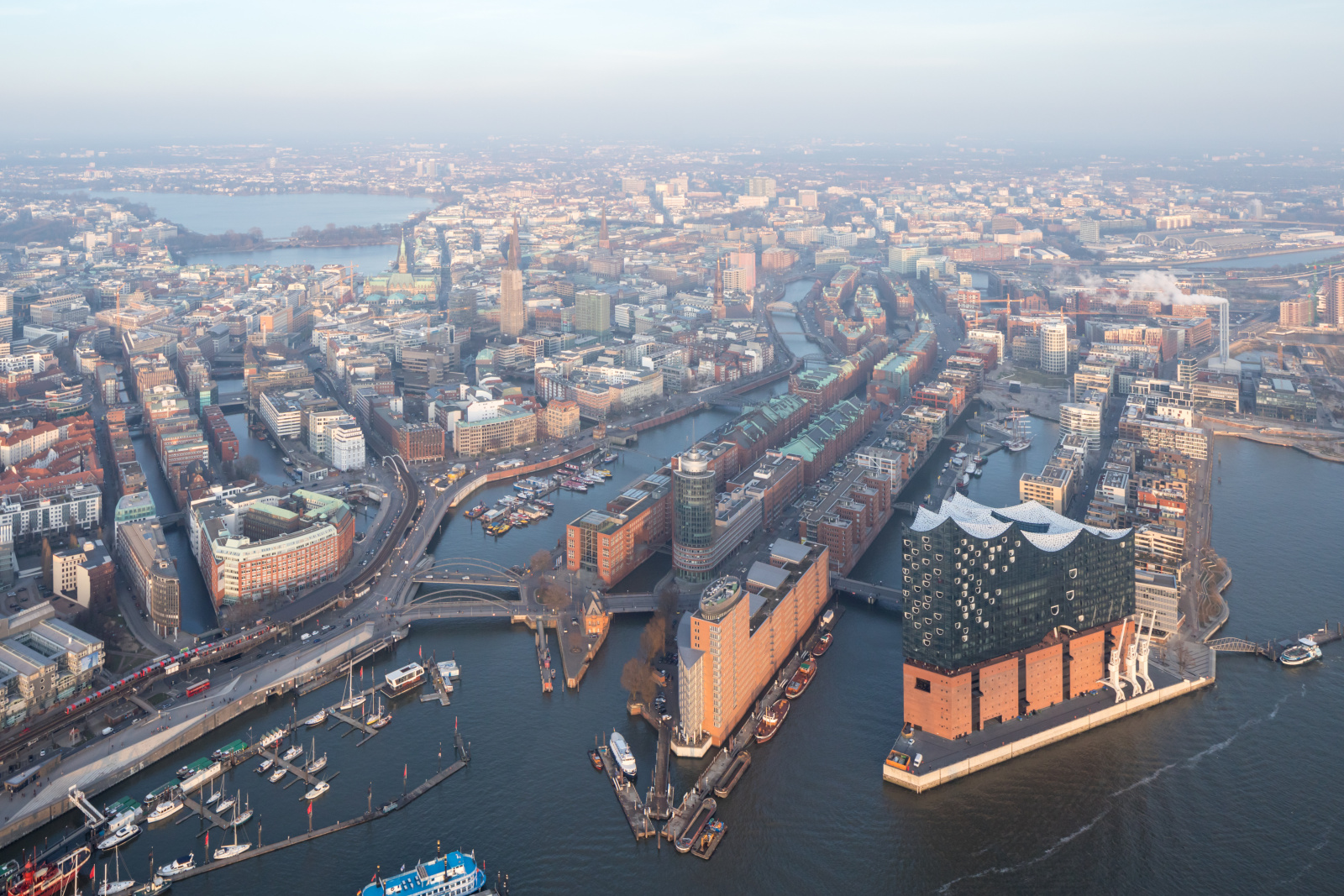
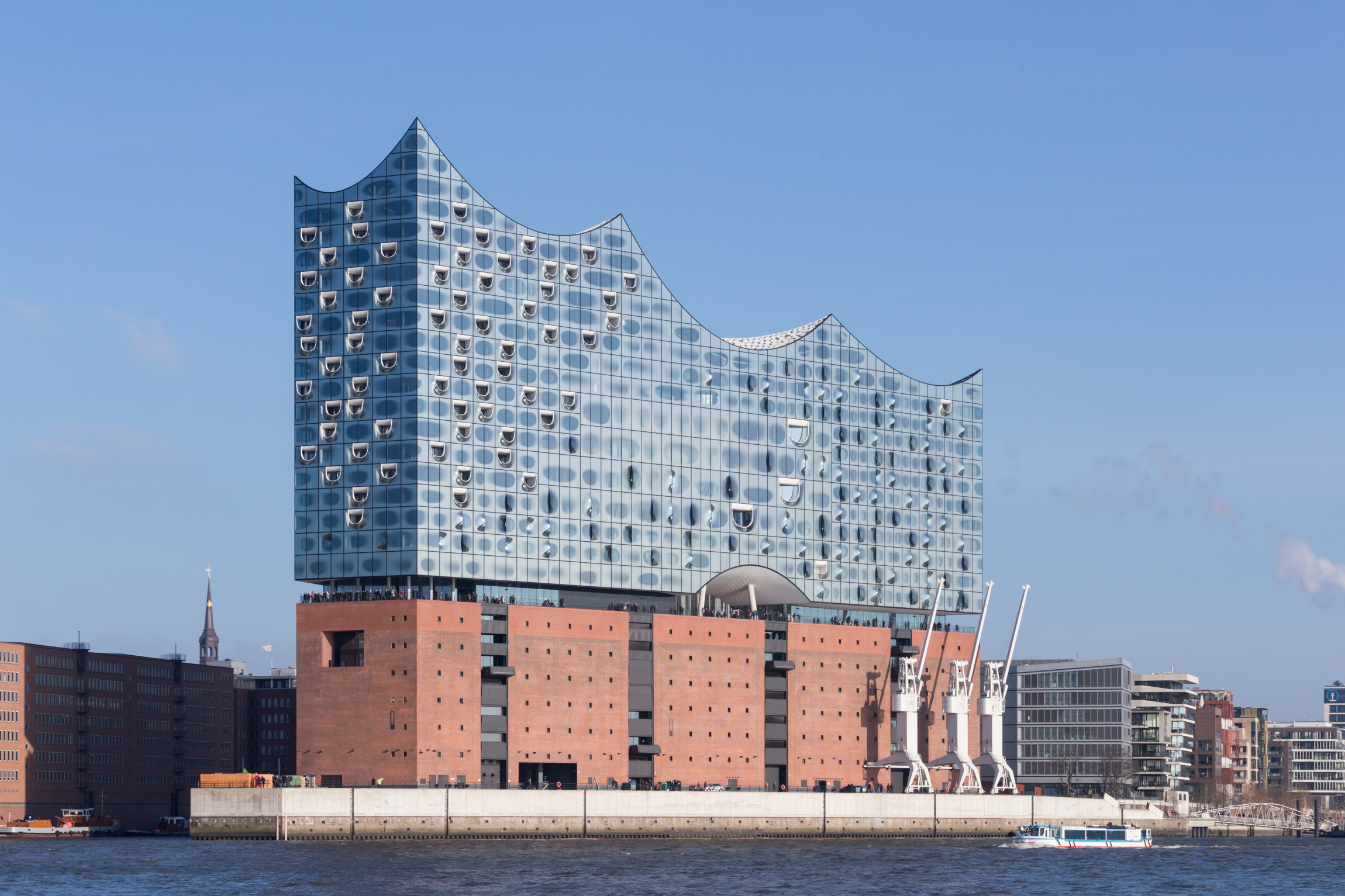
The tour begins in northern Europe with the Elbphilharmonie in Hamburg, designed by Herzog & de Meuron—an undulating glass structure inspired by sails and water waves that crowns an old brick warehouse in the harbor, housing a vineyard-style main hall with acoustics designed by Yasuhisa Toyota.
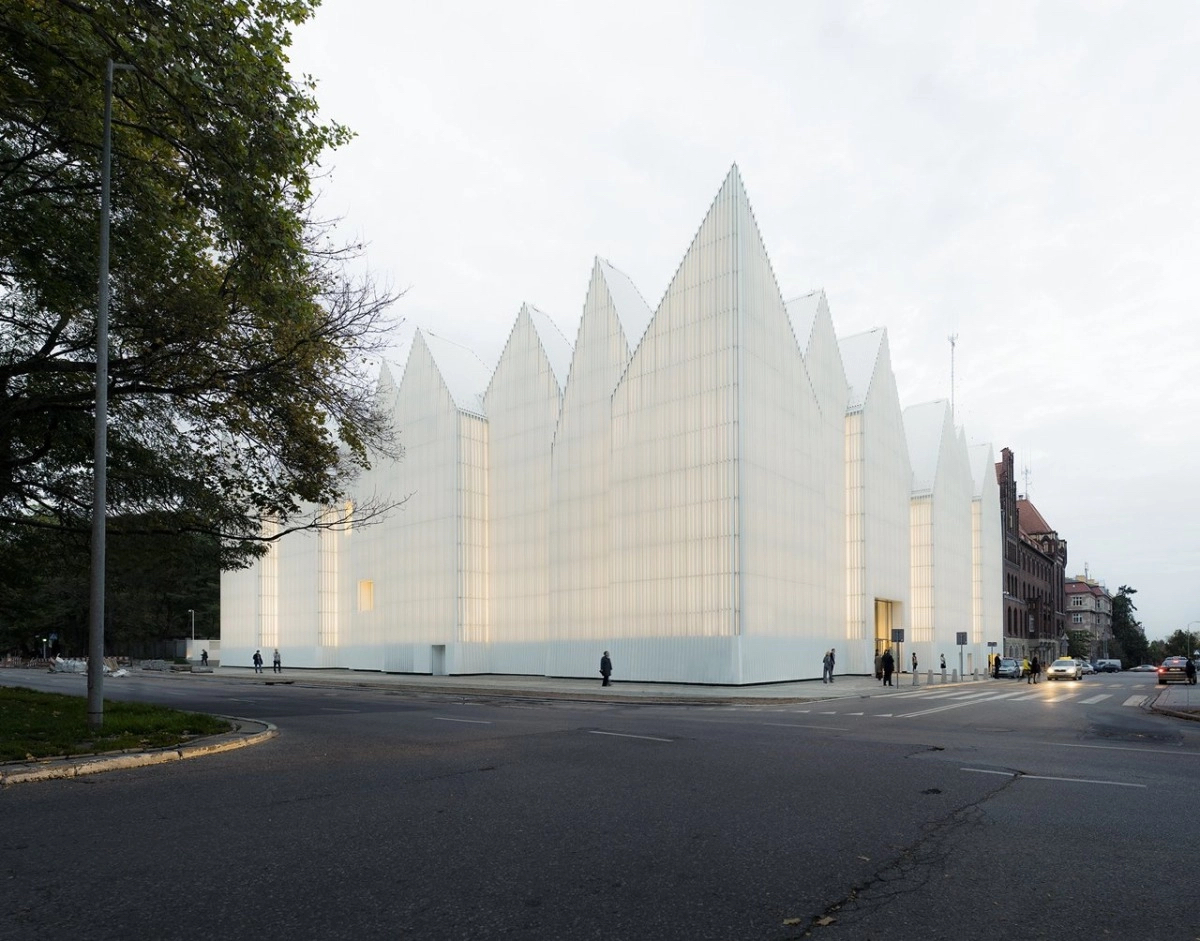
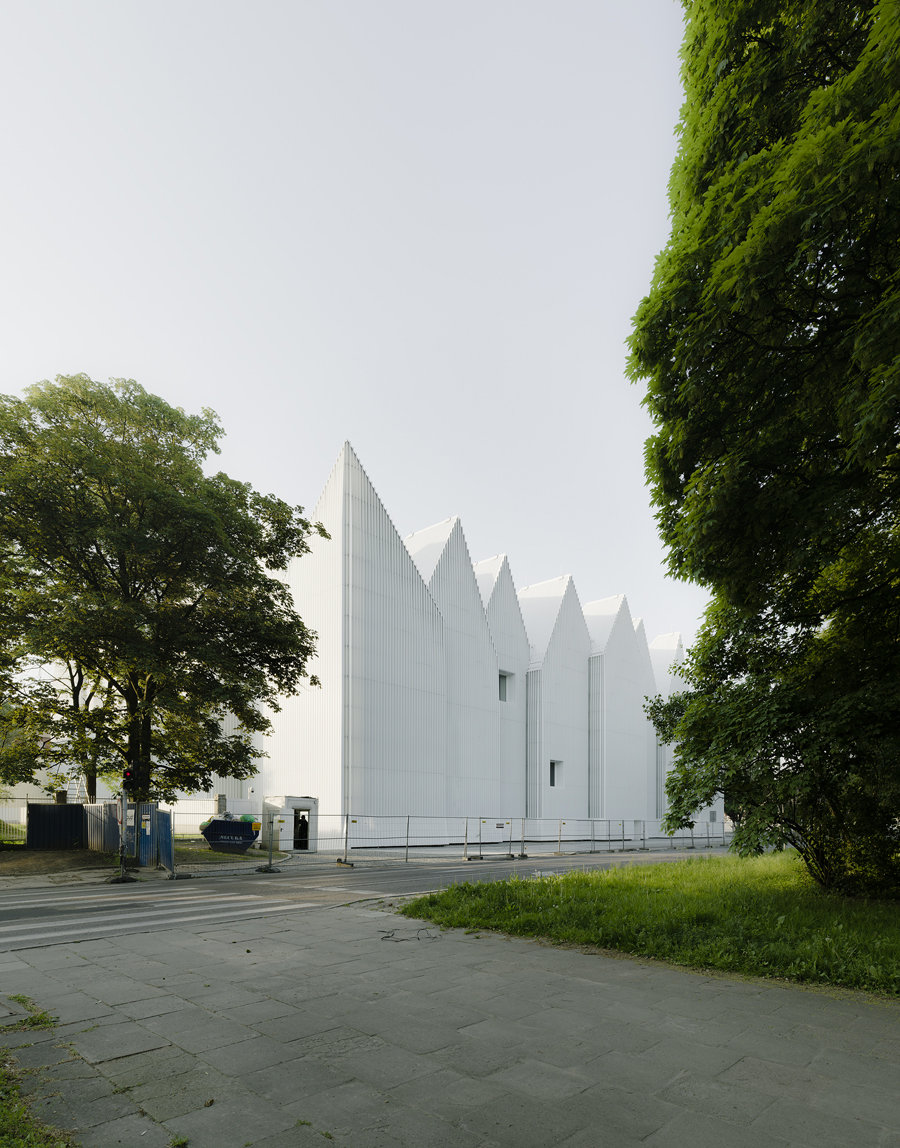
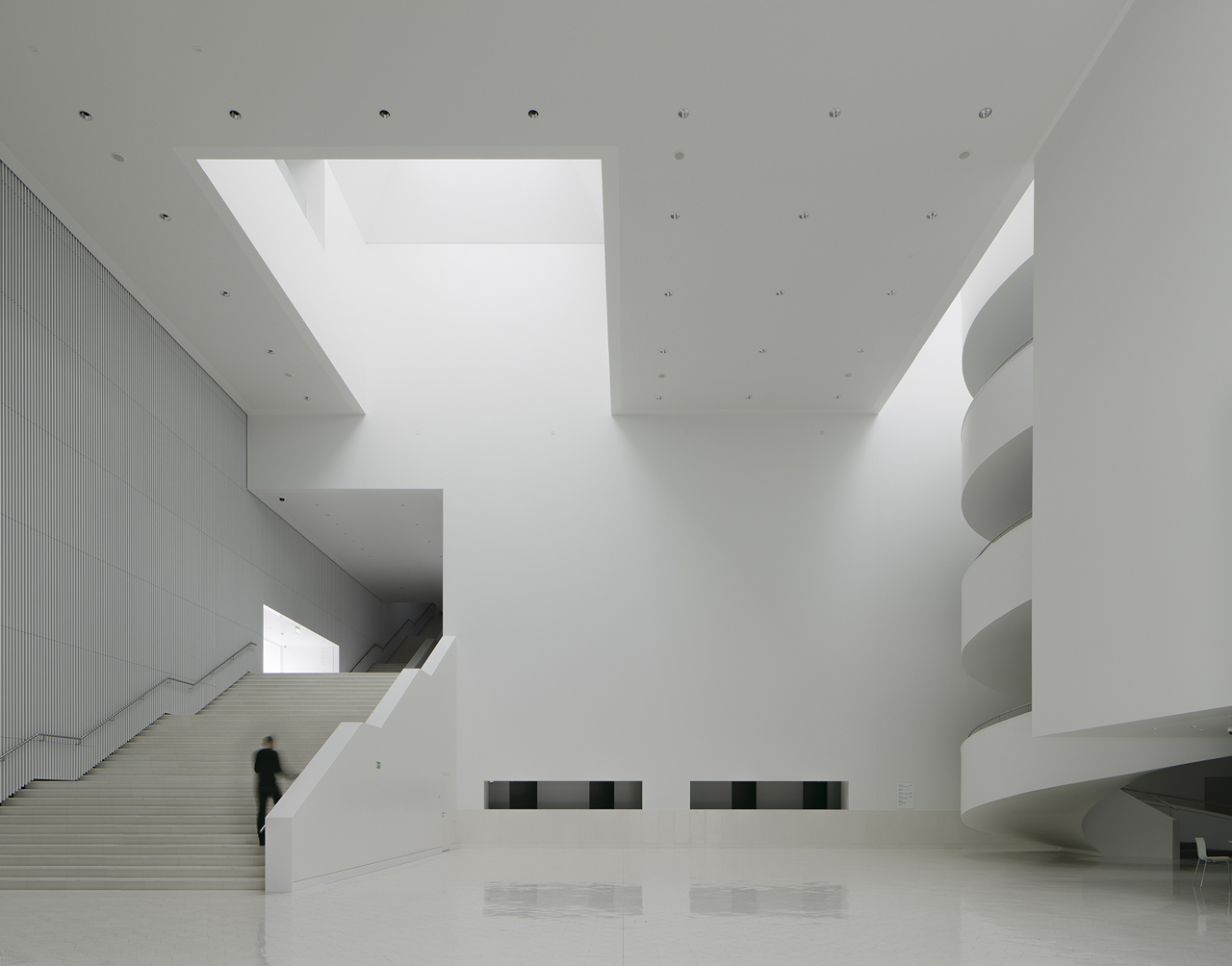
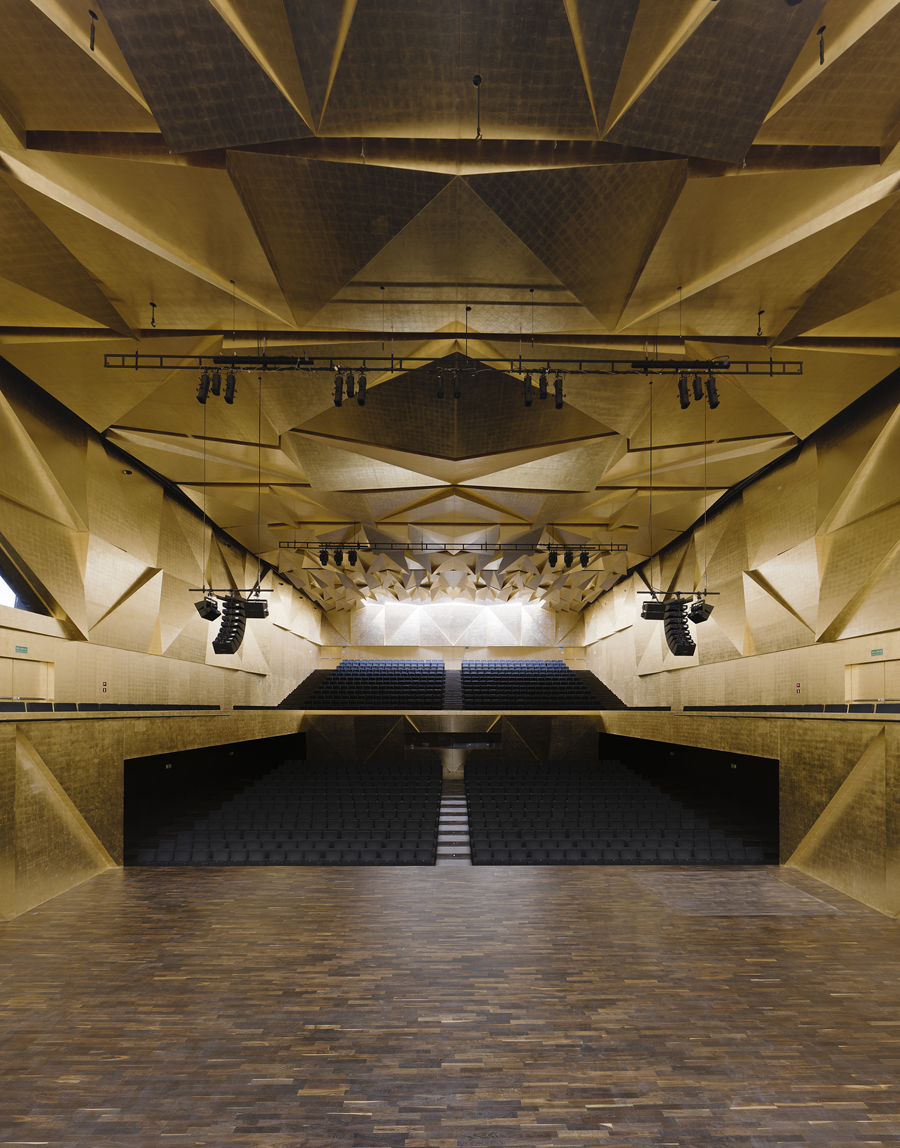
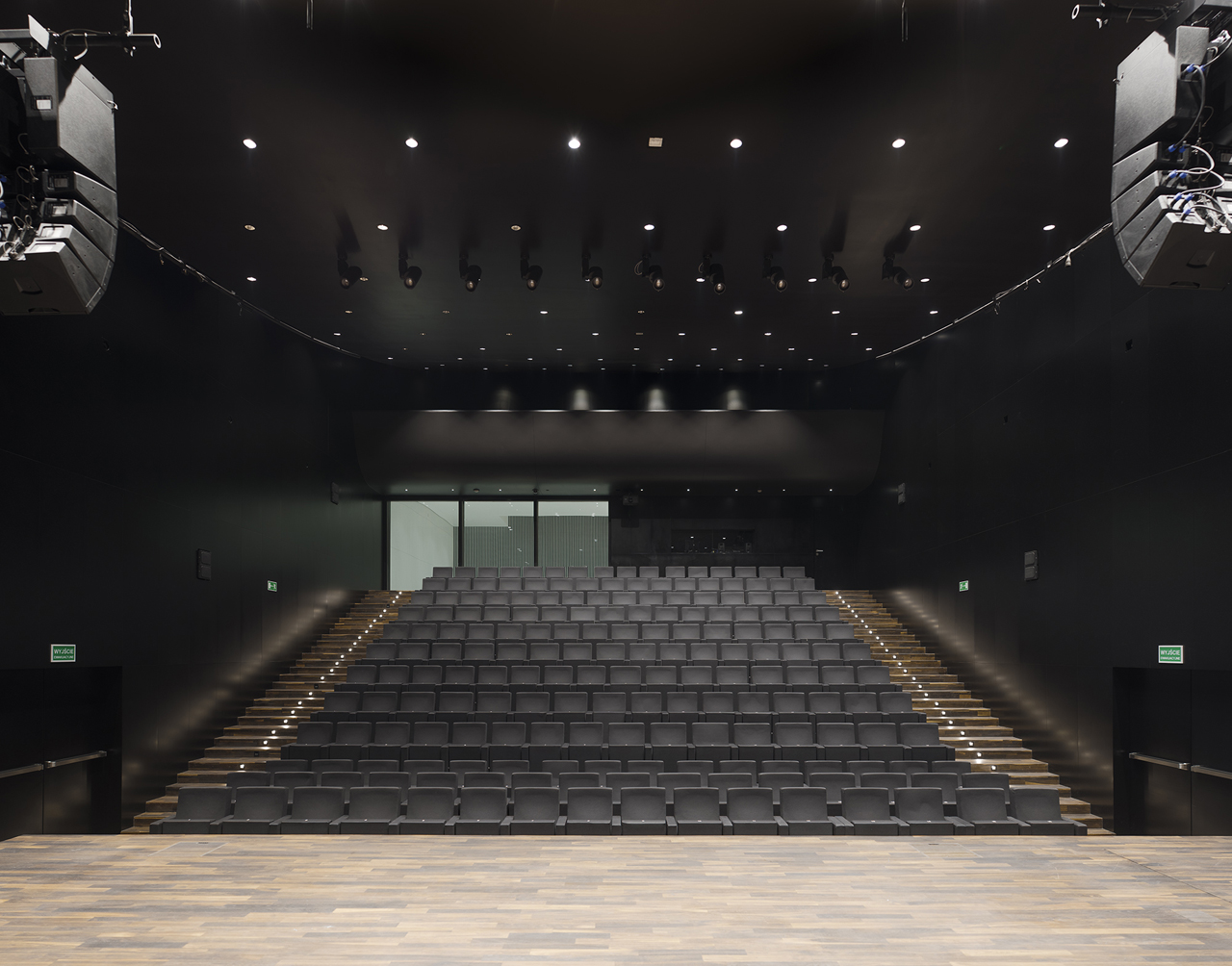
Joining it is the Szczecin Philharmonic in Poland, a work by Barozzi Veiga: a sculptural volume with white translucent facades and pitched roofs that dialogues with the city’s neo-Gothic architecture and shipyards, whose interior contrasts with a symphonic hall clad in gold leaf. The studio’s founders have shared their vision and design experience with students as guest lecturers in the MArch programs.
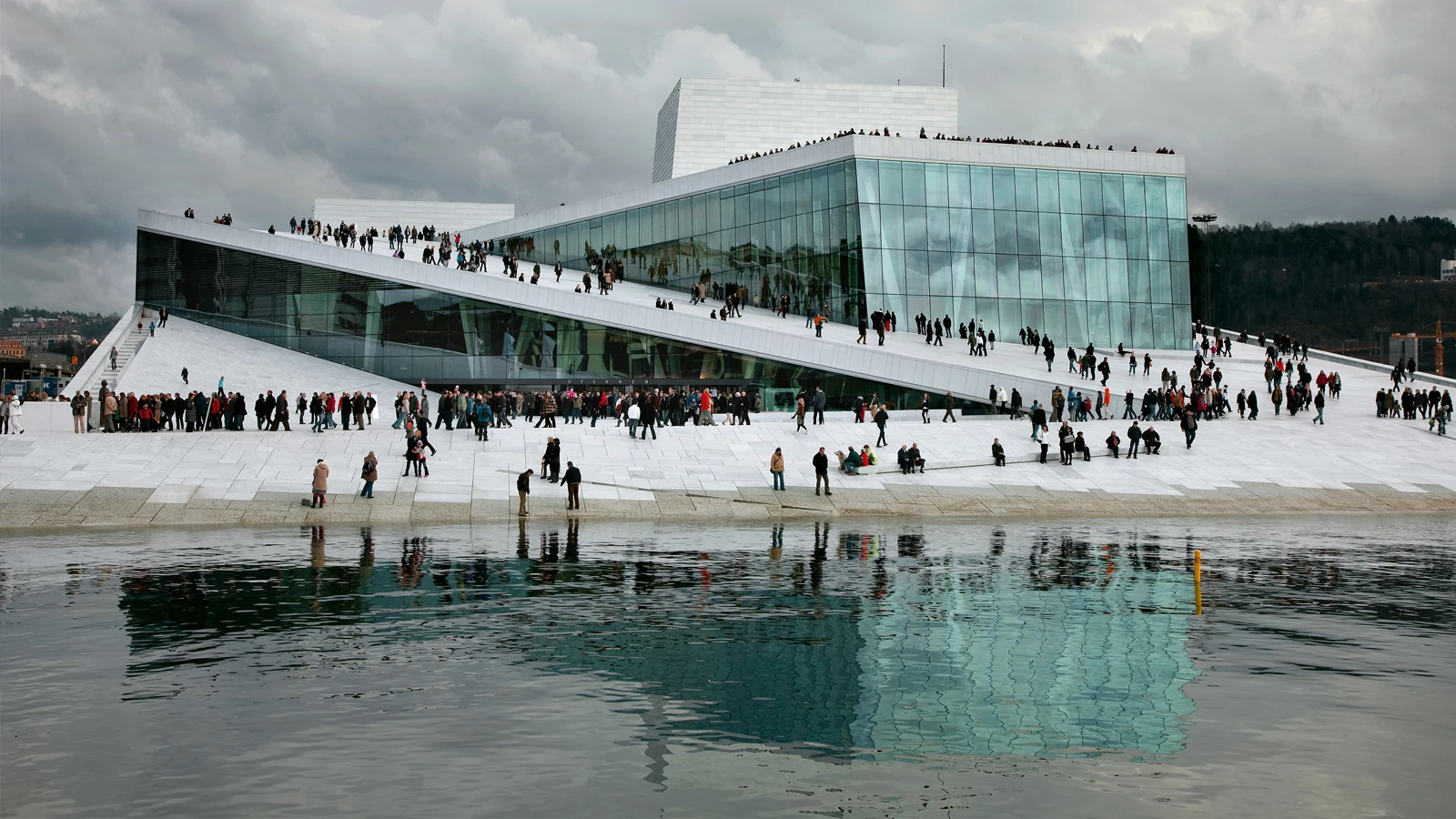
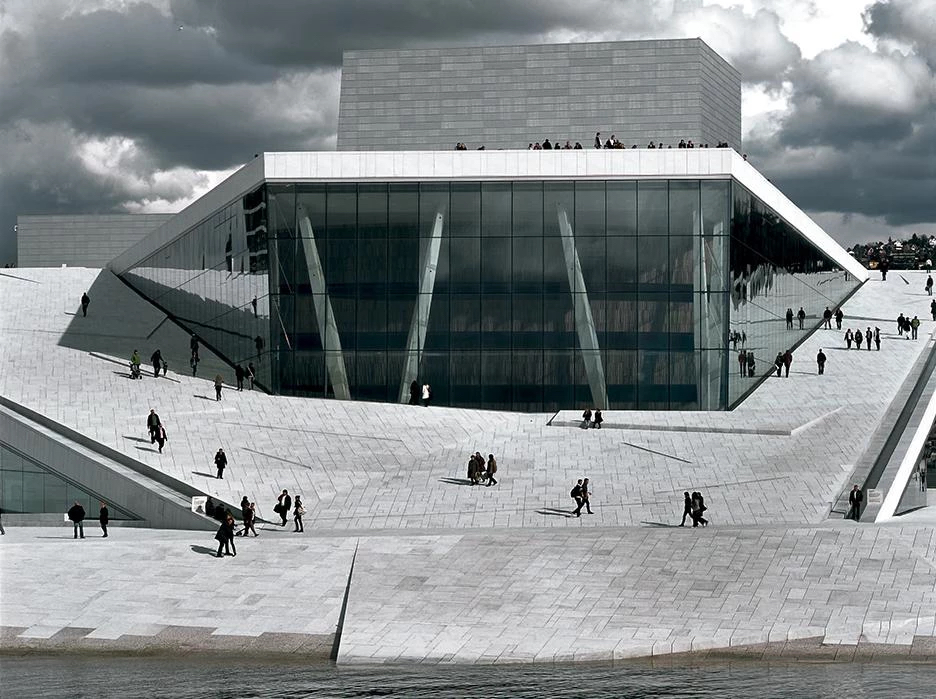
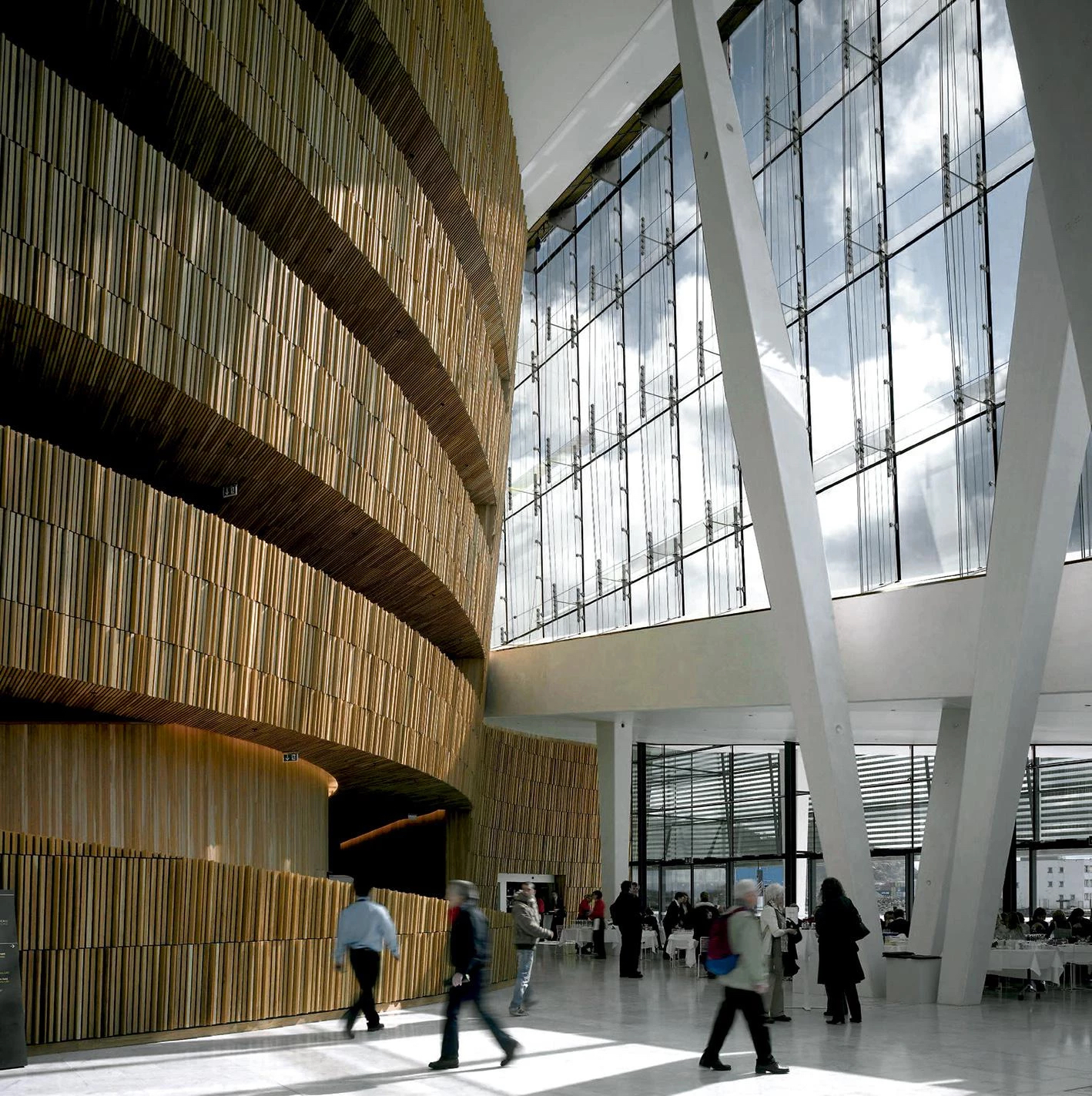
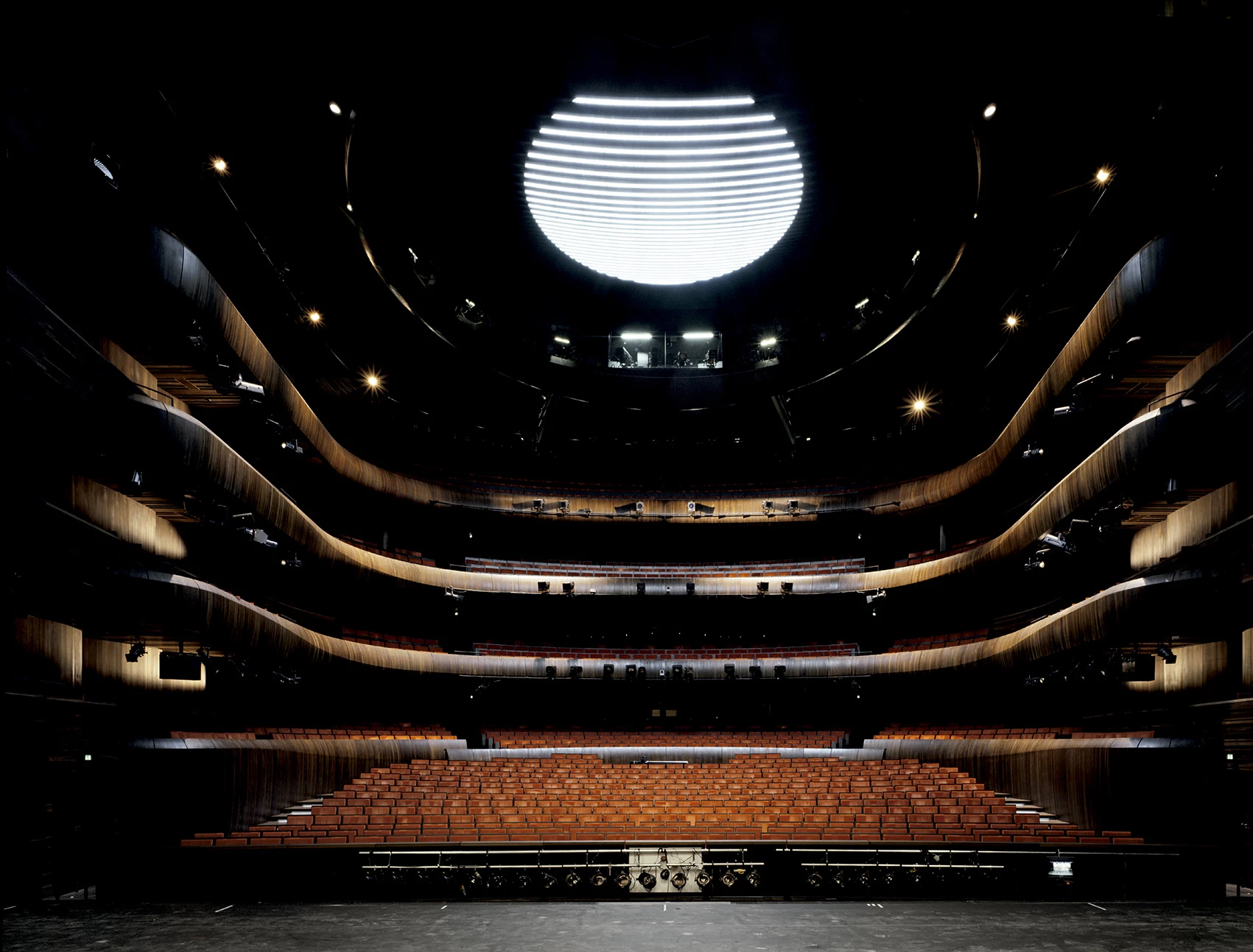
In the Norwegian capital, the Oslo Opera House, designed by the studio Snøhetta, rises directly from the waters of the fjord like a sculptural iceberg clad in Carrara marble and white granite. Its most iconic feature is its sloped, walkable roof, conceived as an authentic public space that invites citizens and visitors to walk across the building up to panoramic viewpoints overlooking the city, while inside, the warmth of oak wood shapes a main hall with exceptional acoustics.
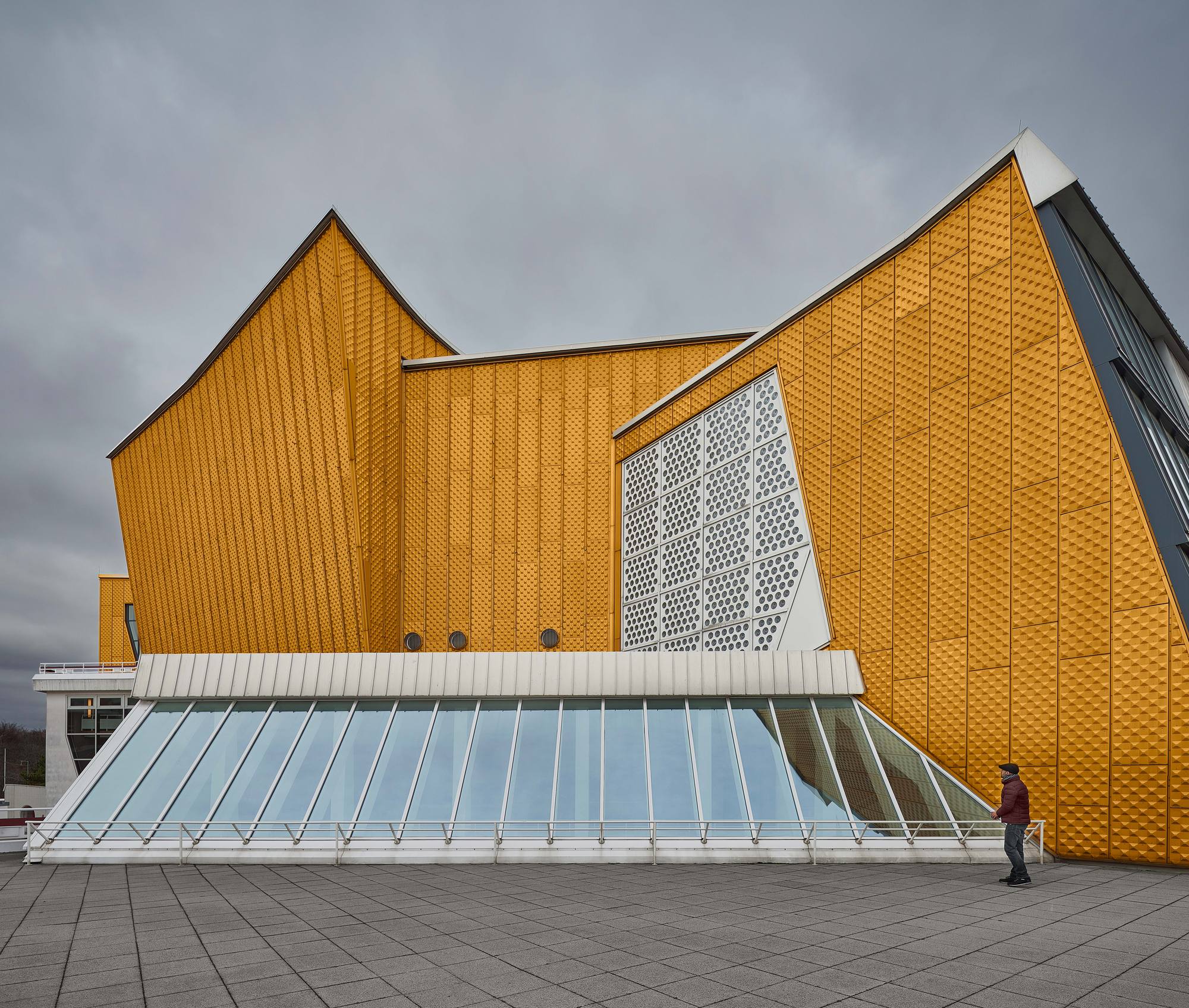
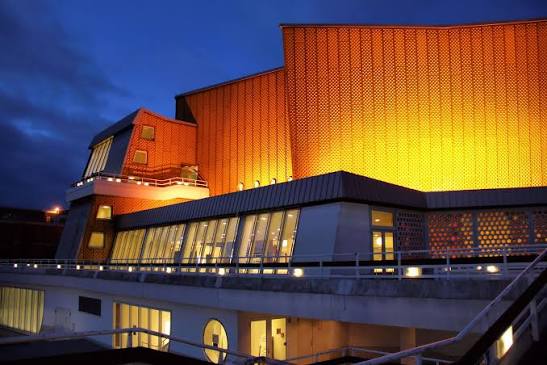
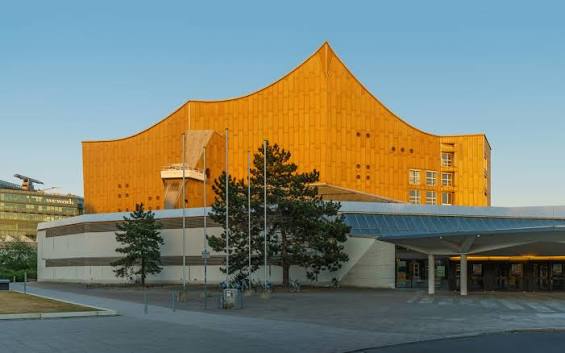
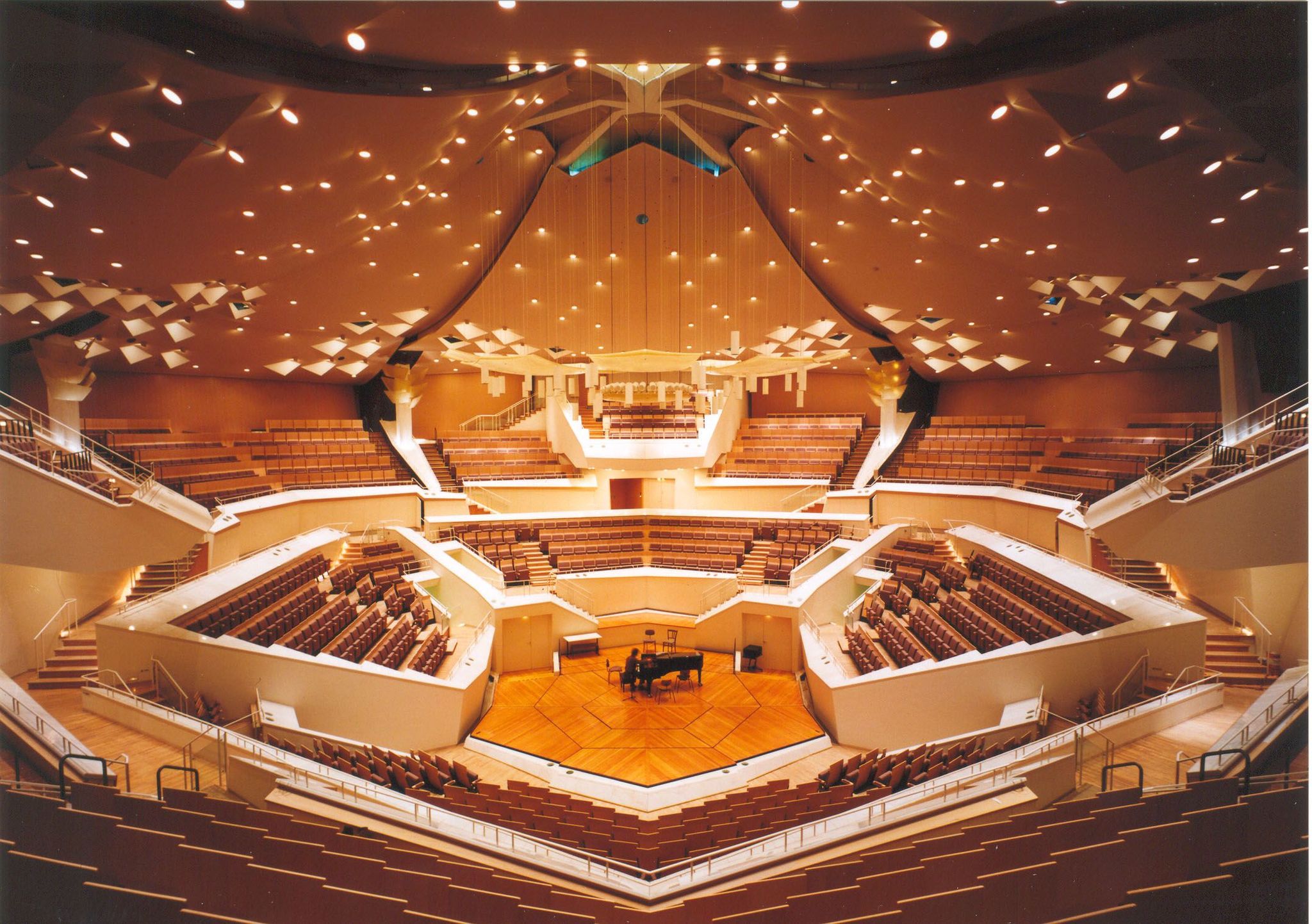
For its part, the Berliner Philharmonie, an organic expressionist masterpiece by Hans Scharoun, pioneered the vineyard-style concert hall typology with terraced seating surrounding the central stage beneath an asymmetrical roof geometry resembling a tent.
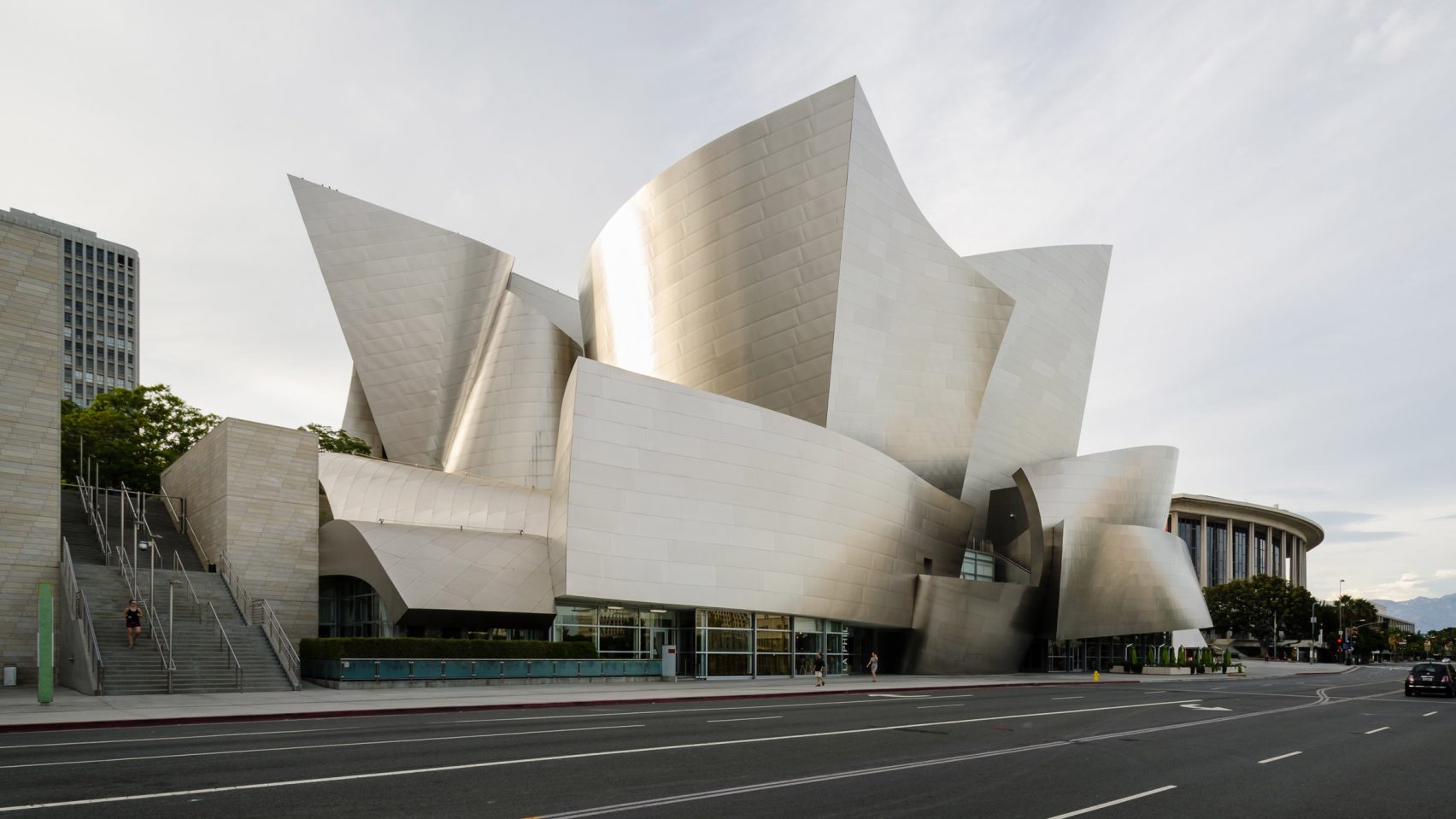
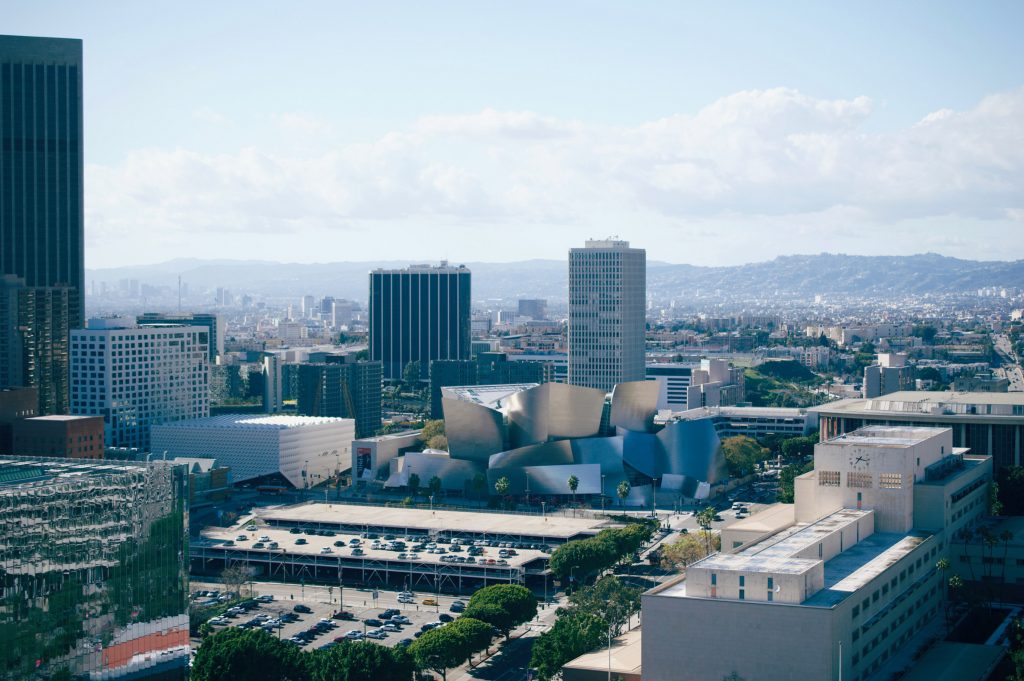
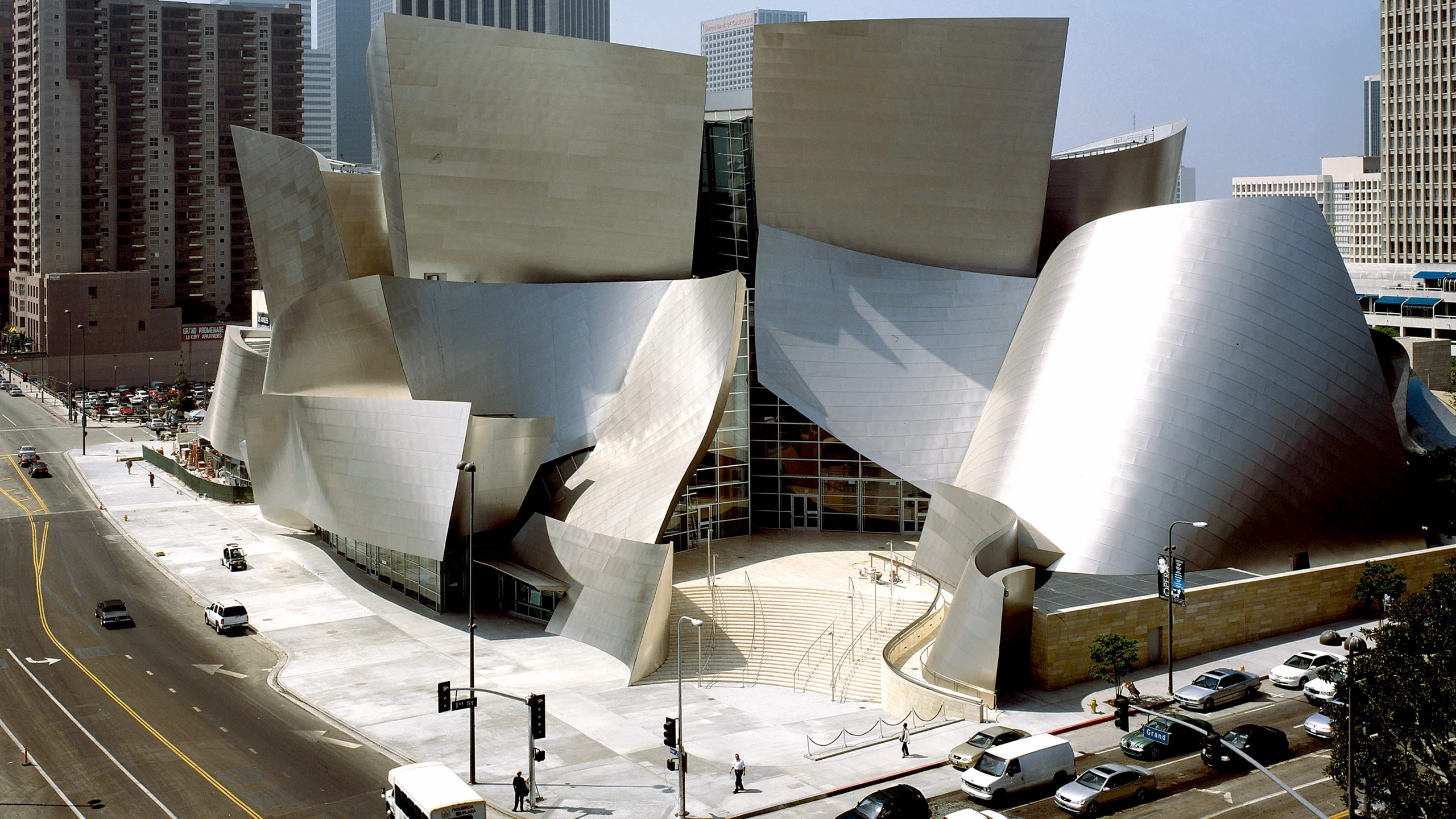
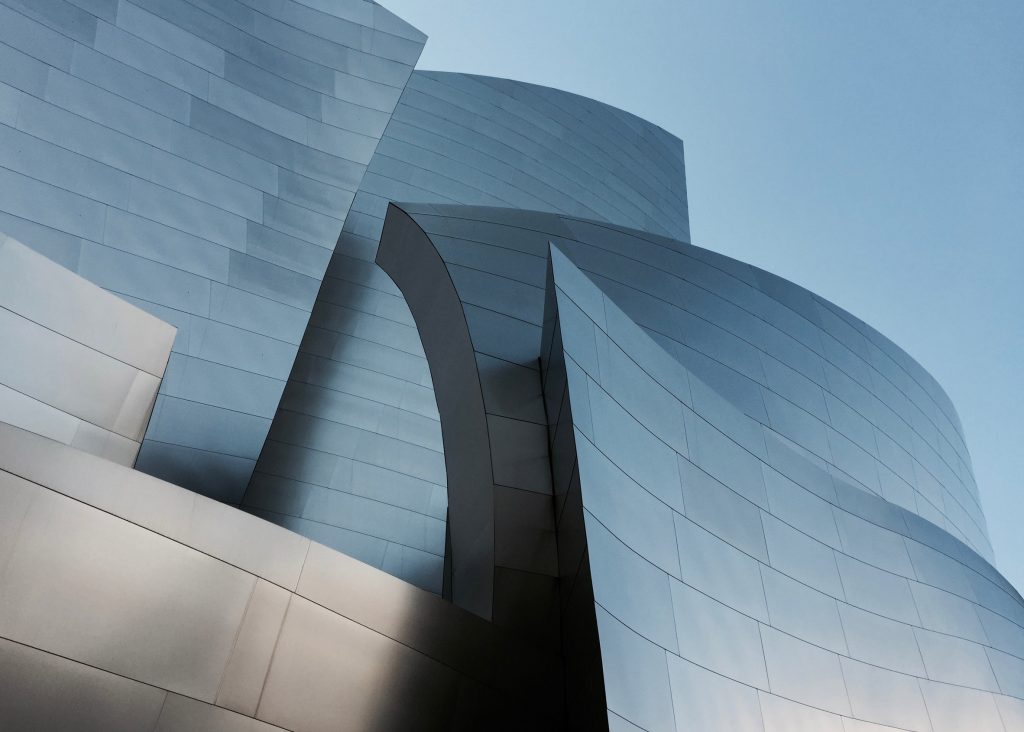
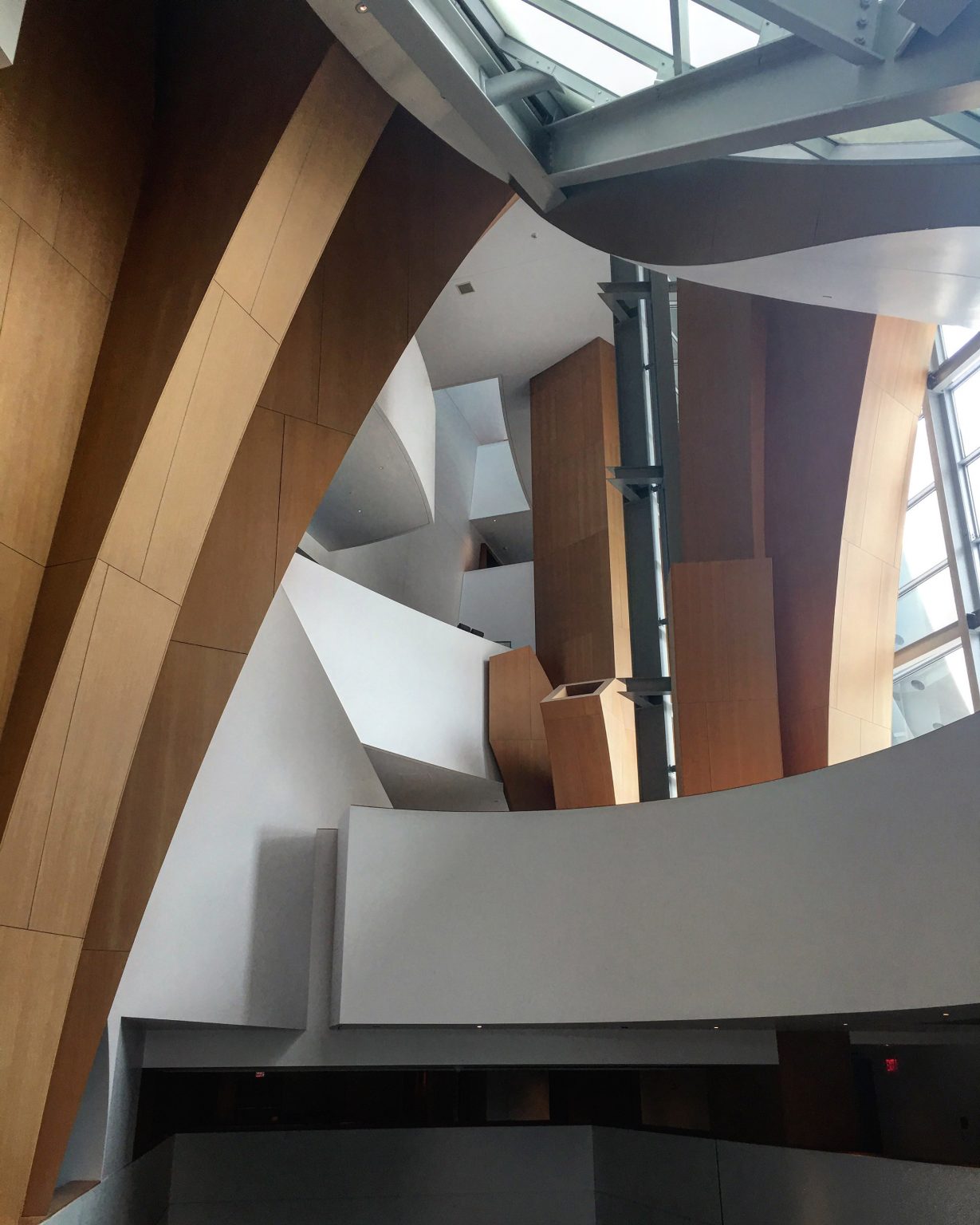
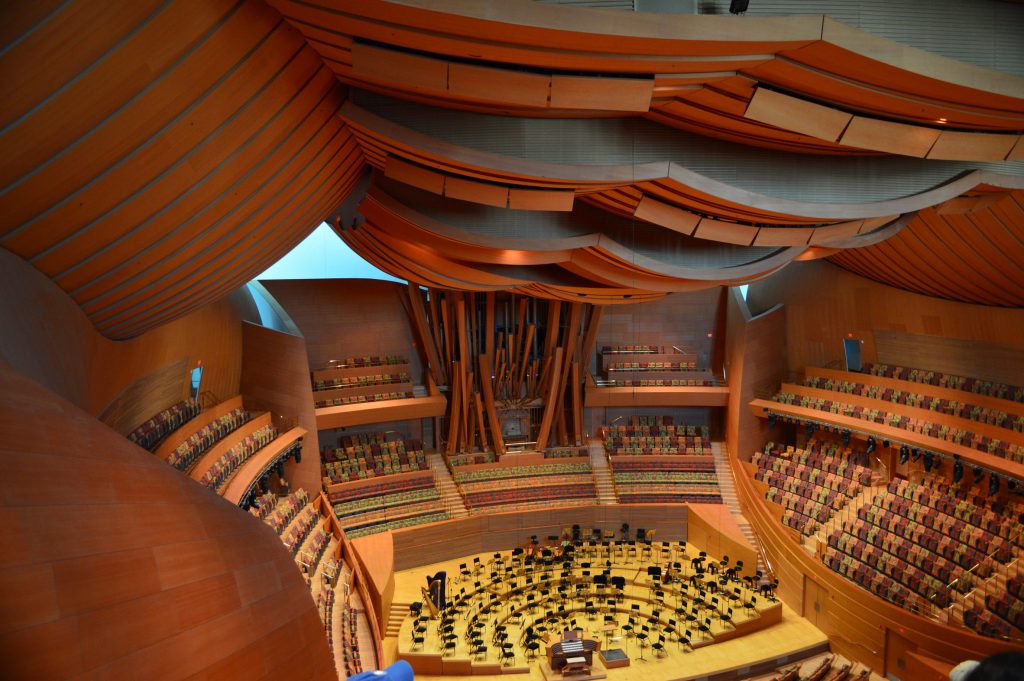
Continuing across the international scene, in the Americas, the Walt Disney Concert Hall in Los Angeles, by Frank Gehry, stands out for its sweeping curved stainless-steel sails that capture the California light, while its main hall, clad in Douglas fir wood, broke new ground by integrating the monumental organ as a central sculptural element.
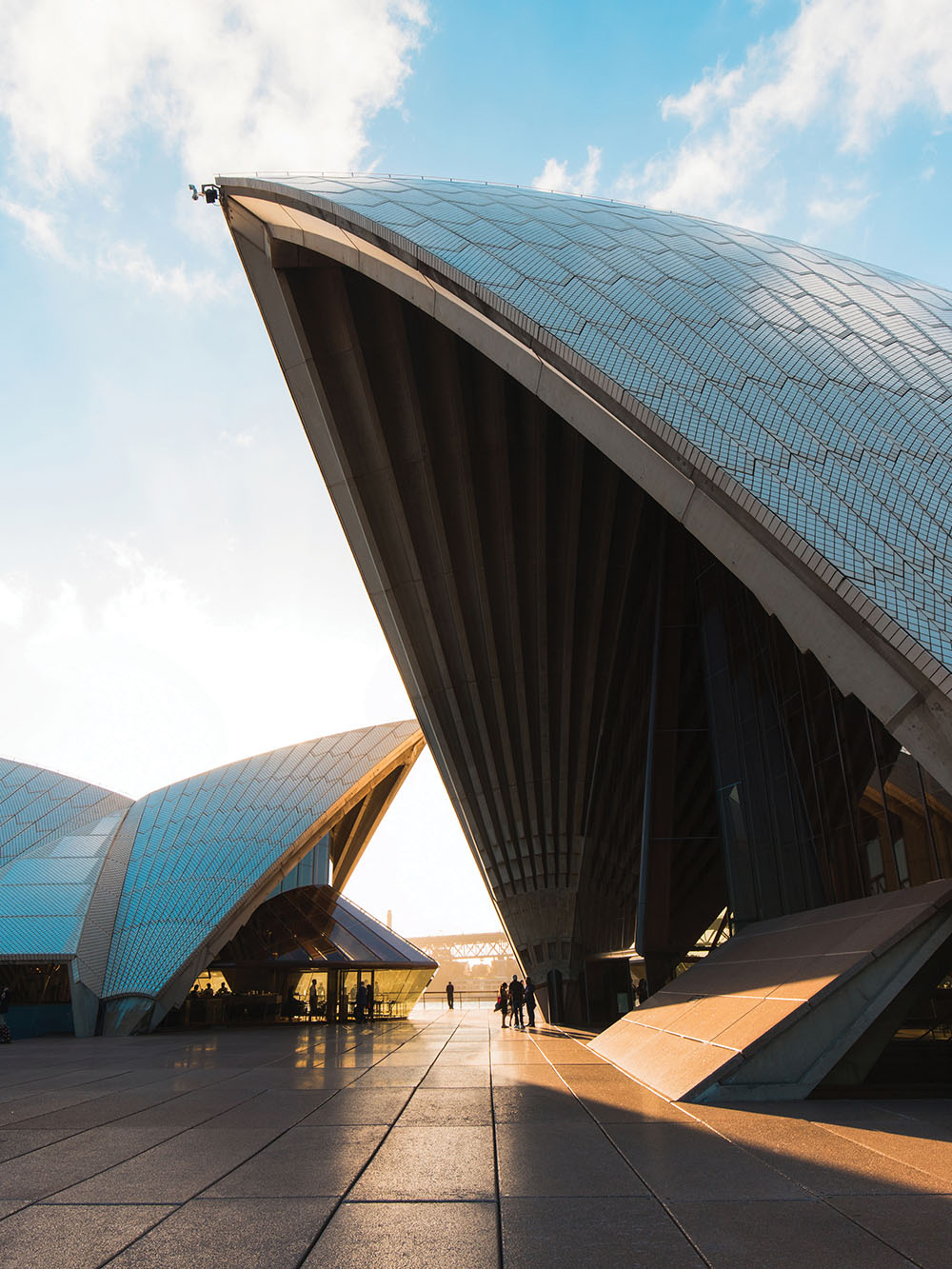
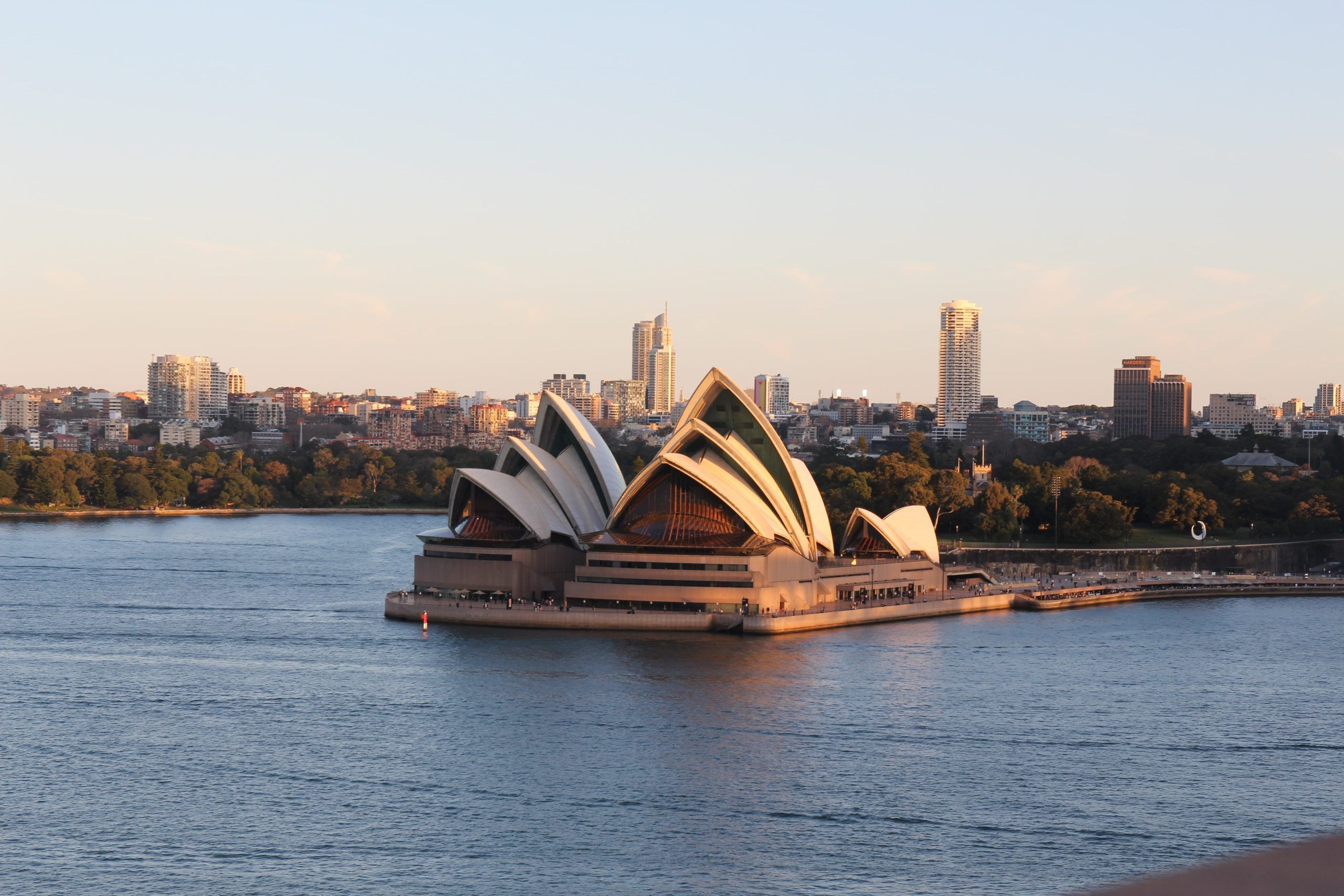
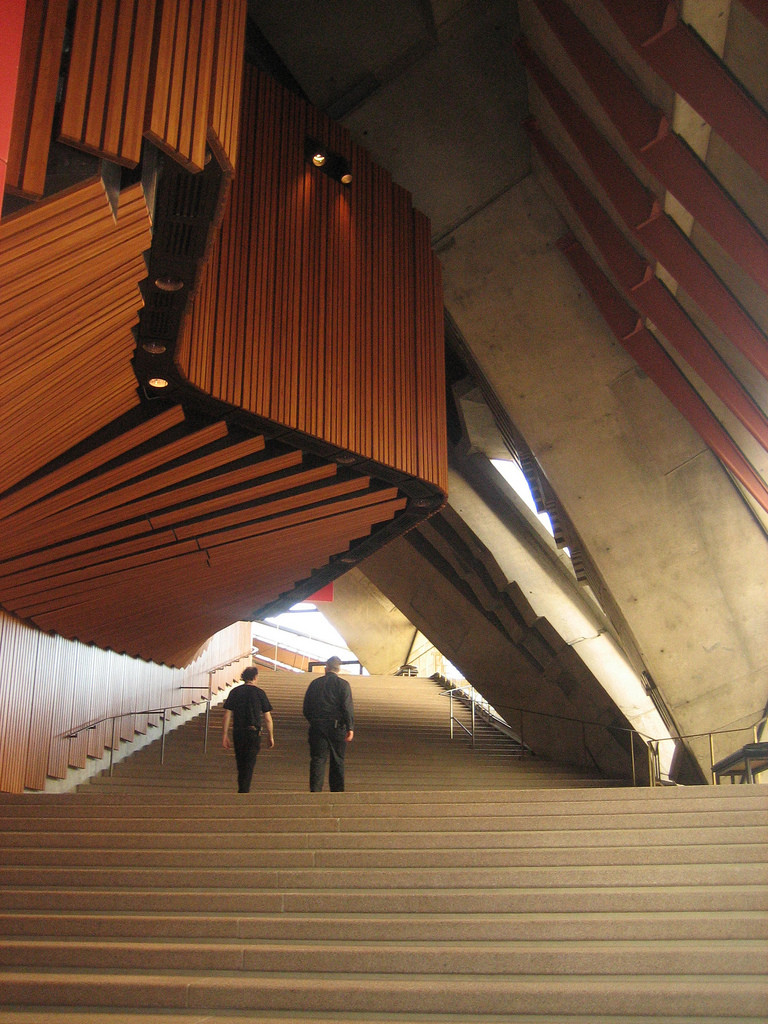
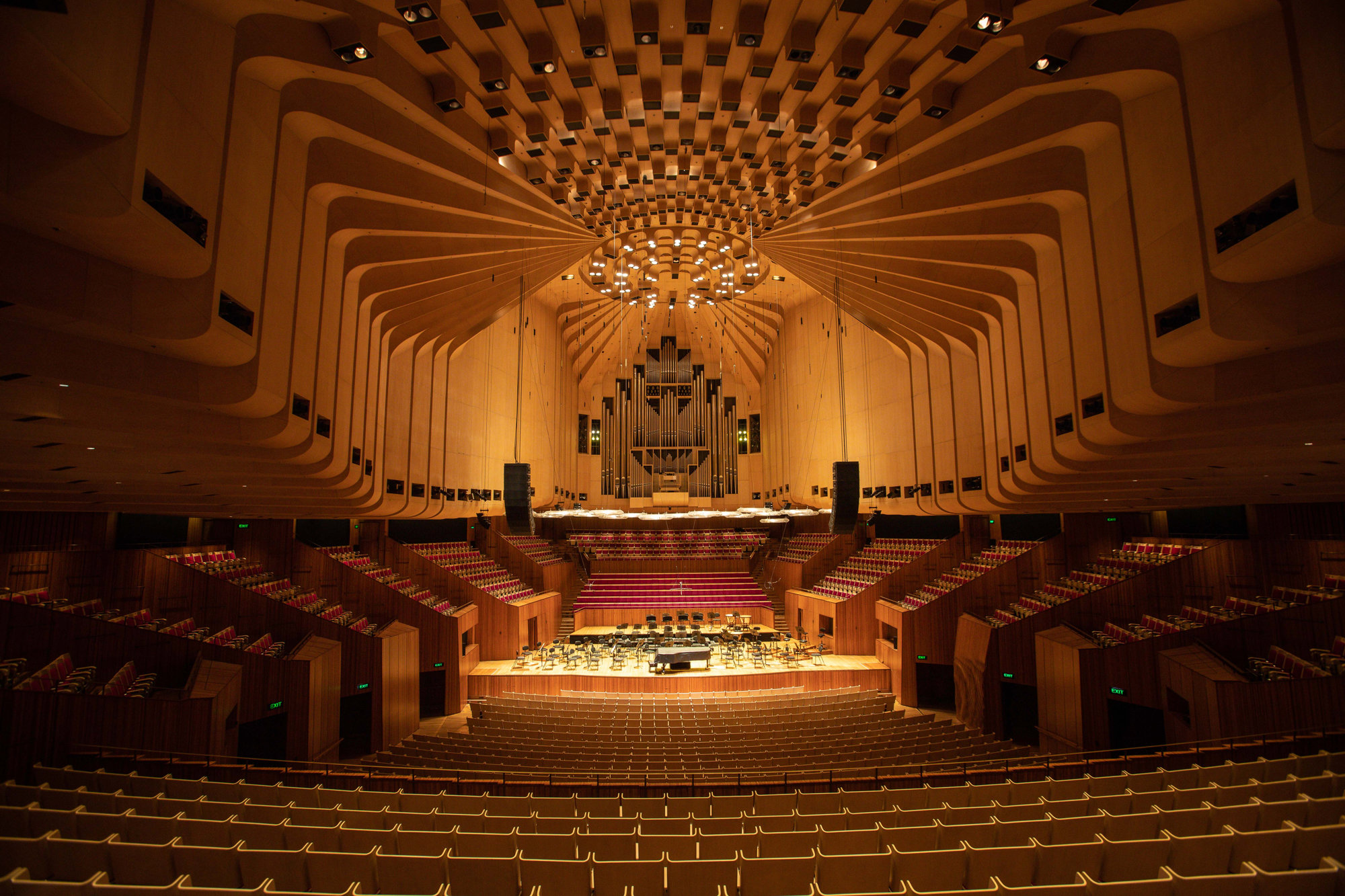
In Oceania, on Sydney Harbour, stands the iconic Sydney Opera House, designed by Jørn Utzon, celebrated for its precast concrete shells clad in white and cream tiles that emerge over the water like billowing sails. Today, it is an icon of Australia and a prime example of how architecture and music become and represent the identity of a place.

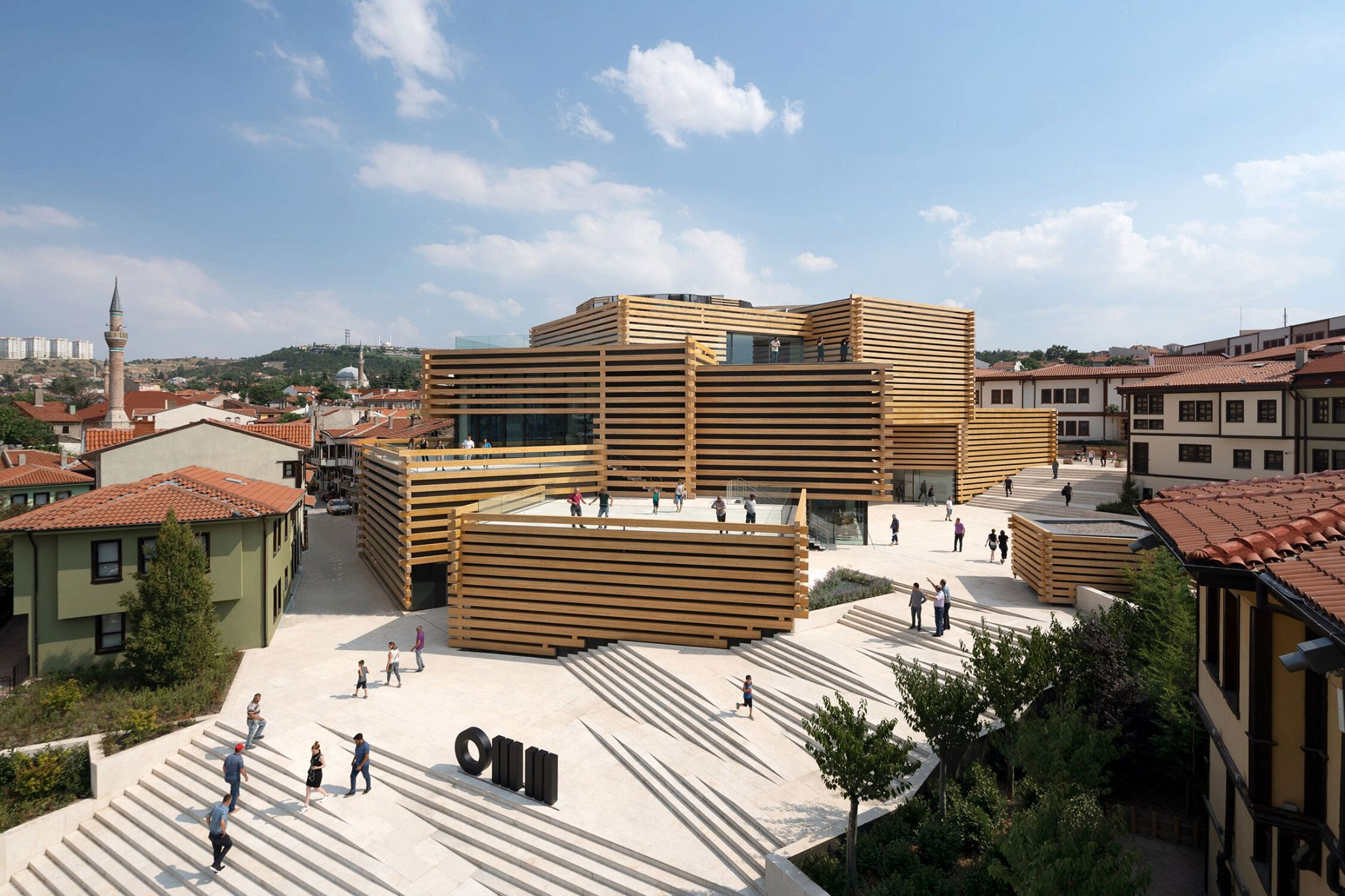
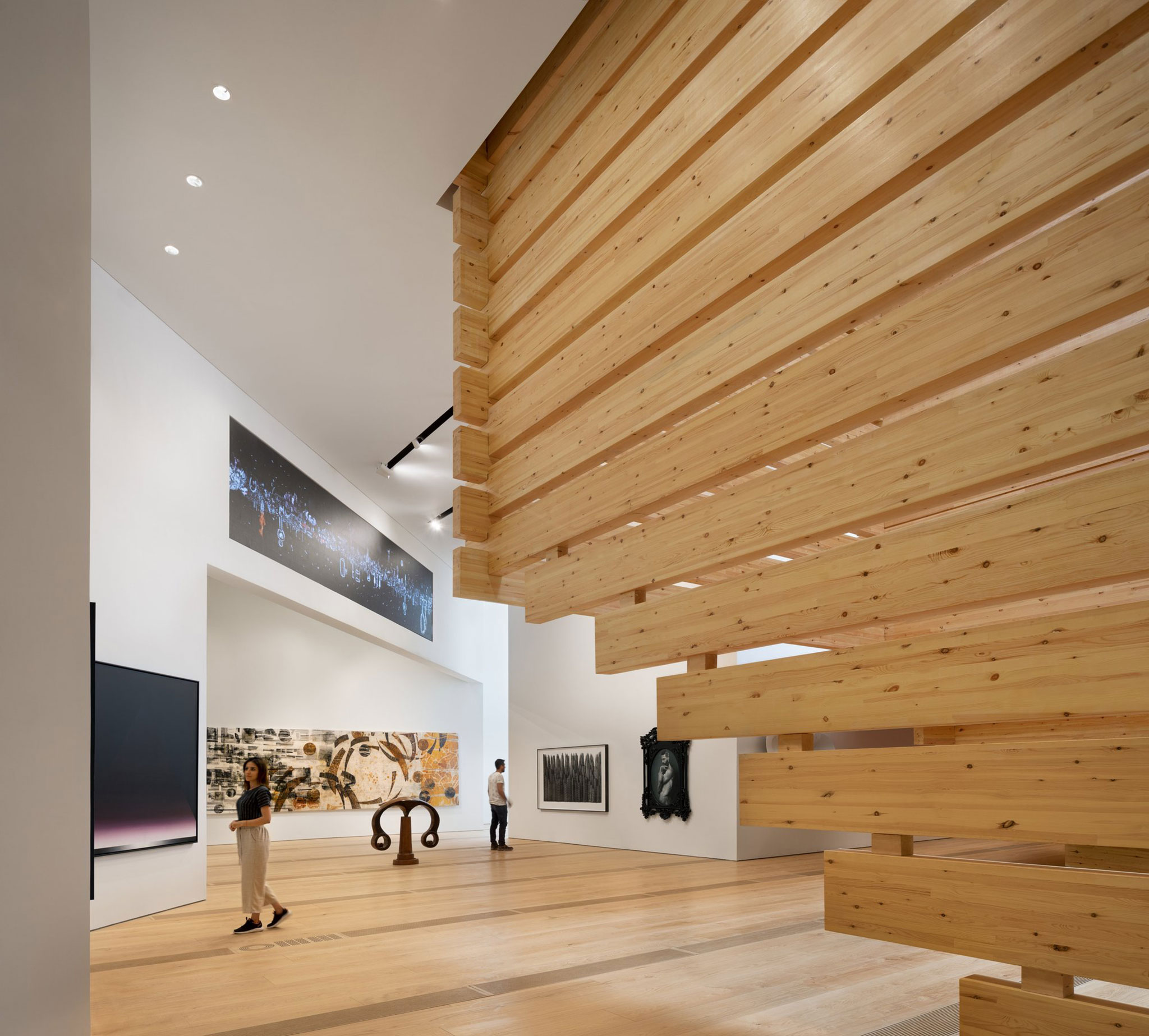
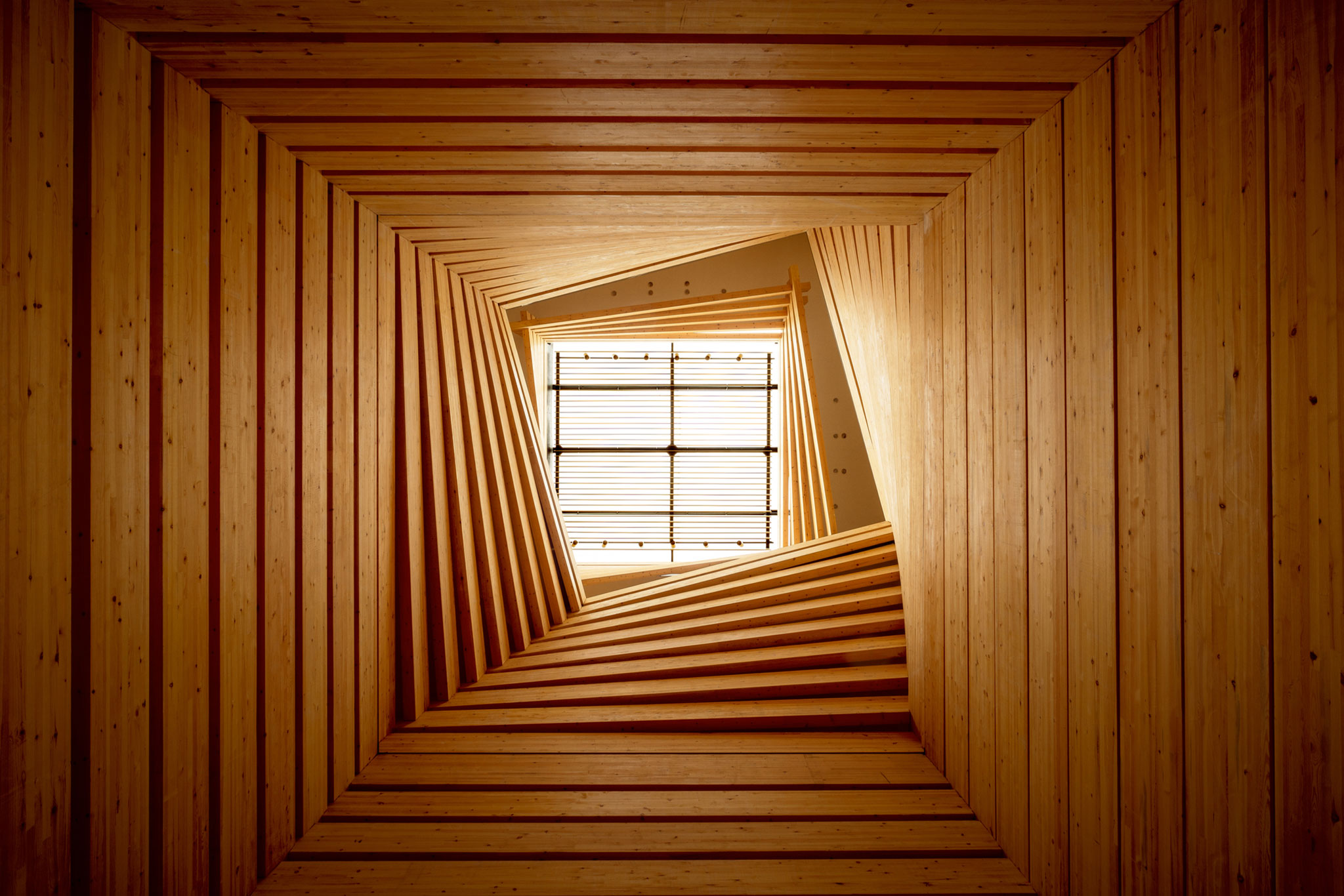
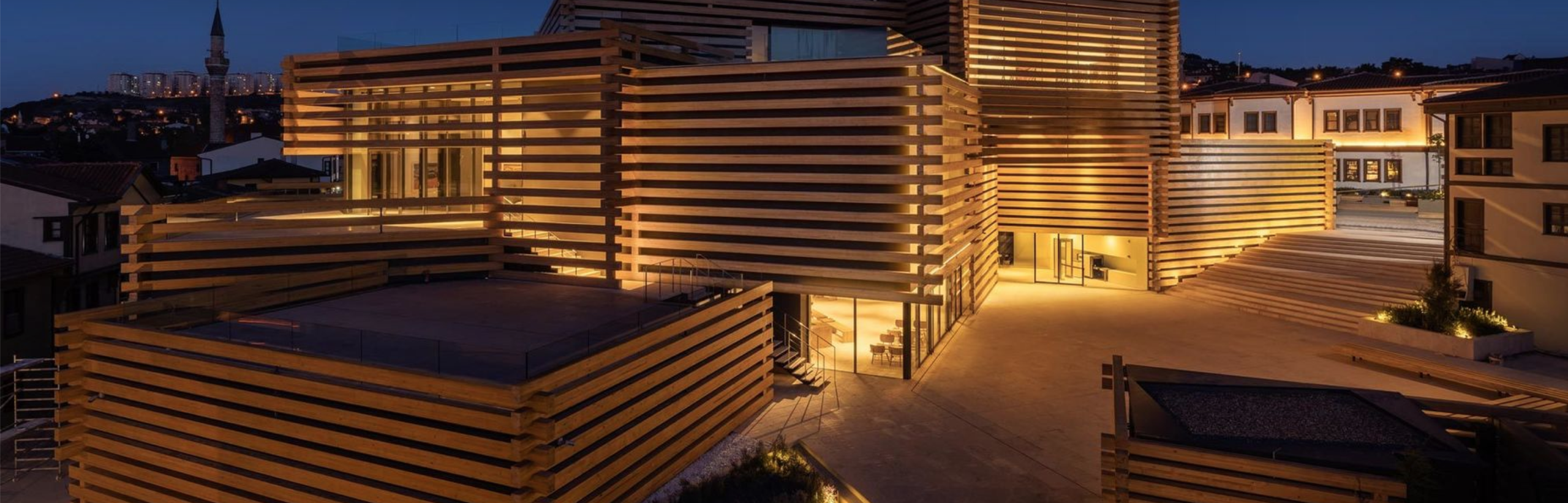
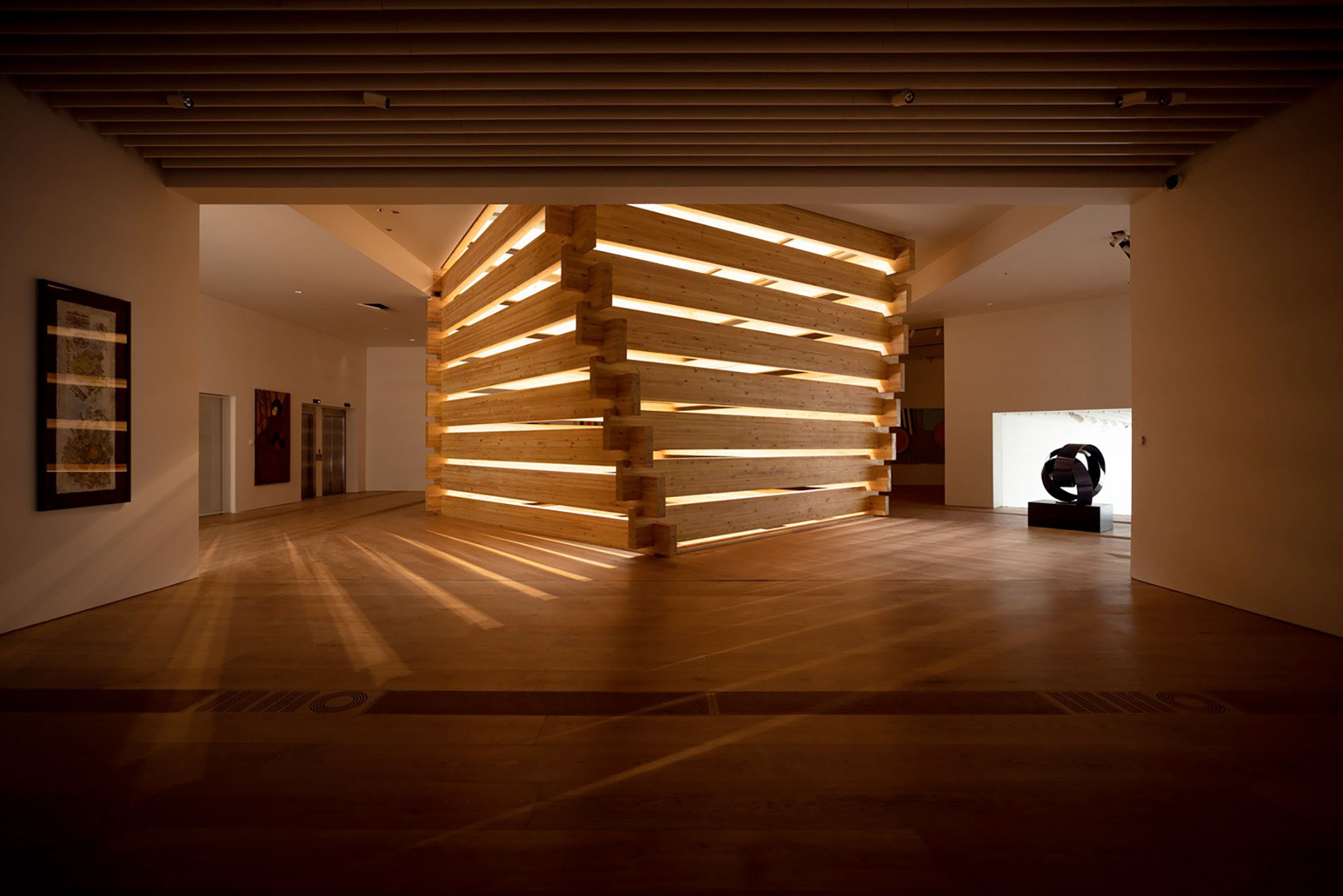
In Asia, the Auditorium of the Odunpazari Modern Museum (OMM) Cultural Center in Eskişehir, Turkey, designed by Kengo Kuma, is an impressive building composed of stacked timber planks wrapping the volume, creating a play of light and textures characteristic of the Japanese architect’s language and housing spaces dedicated to the performing arts and music.
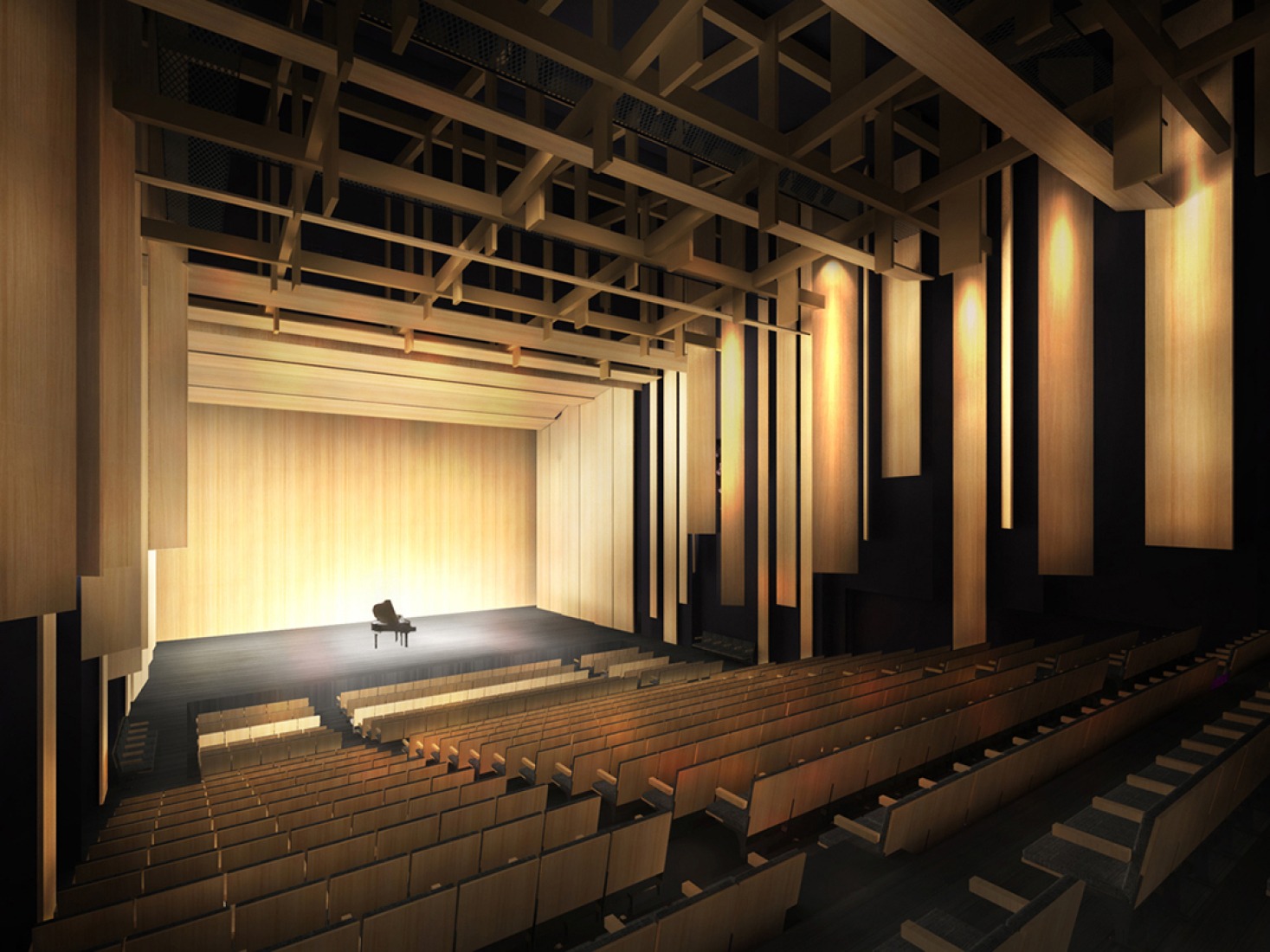
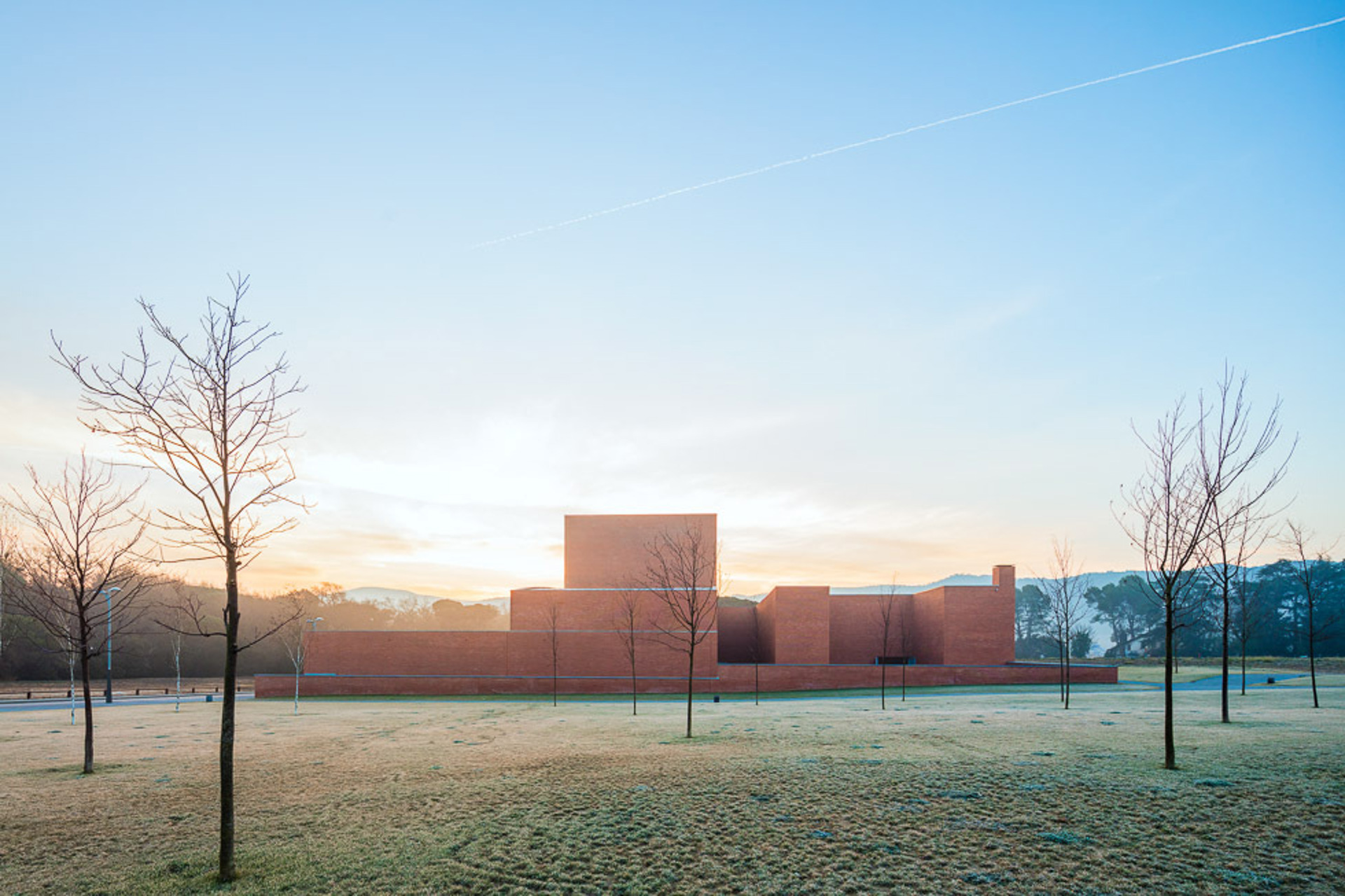
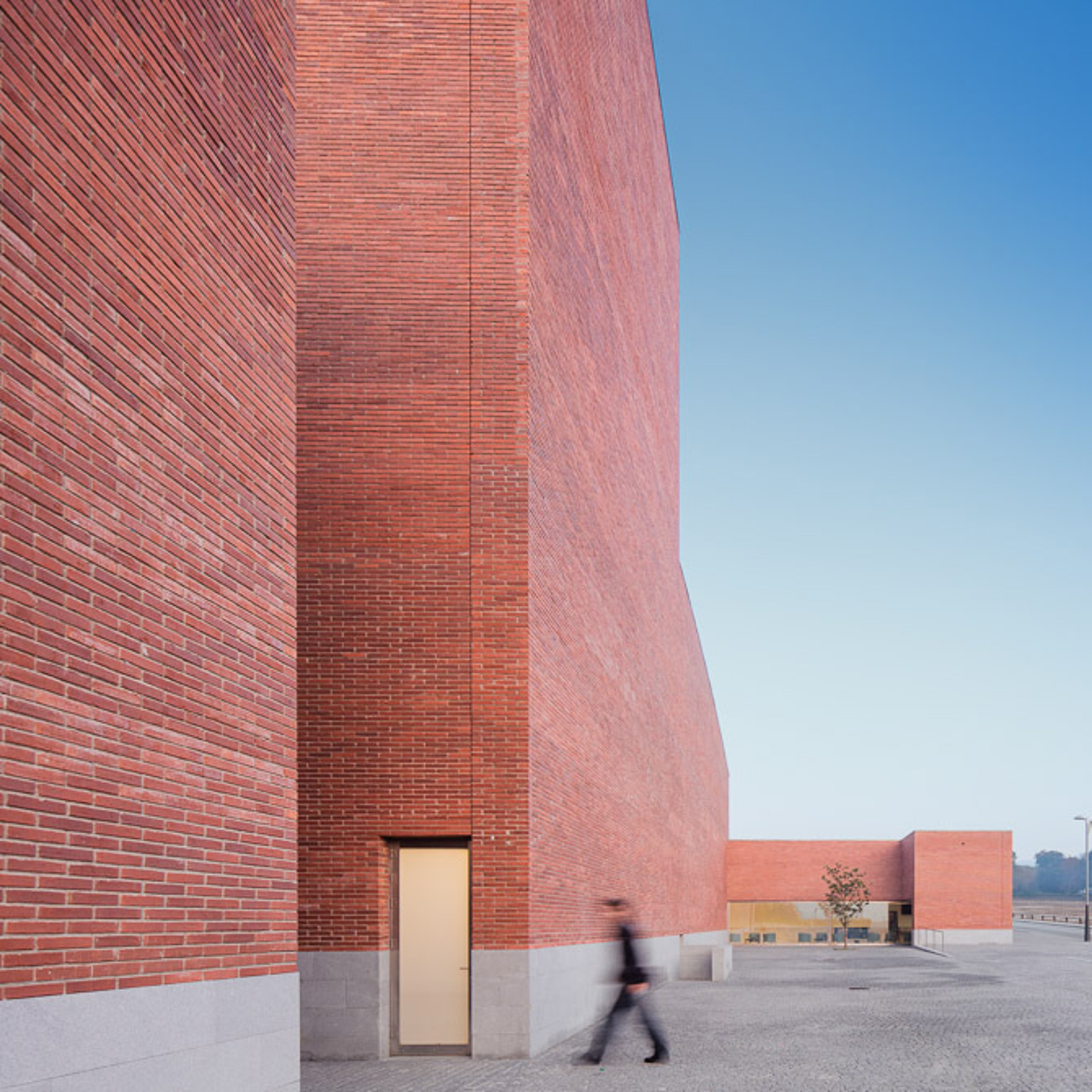
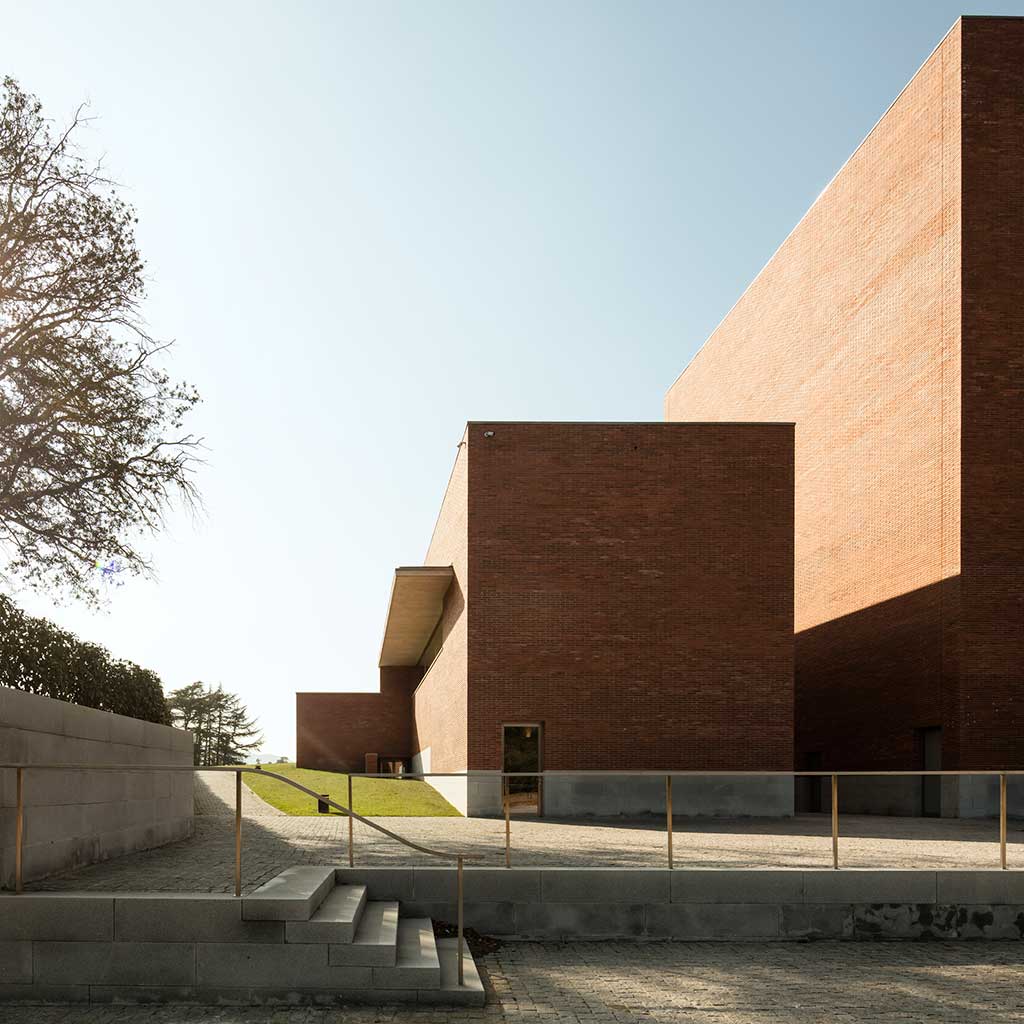
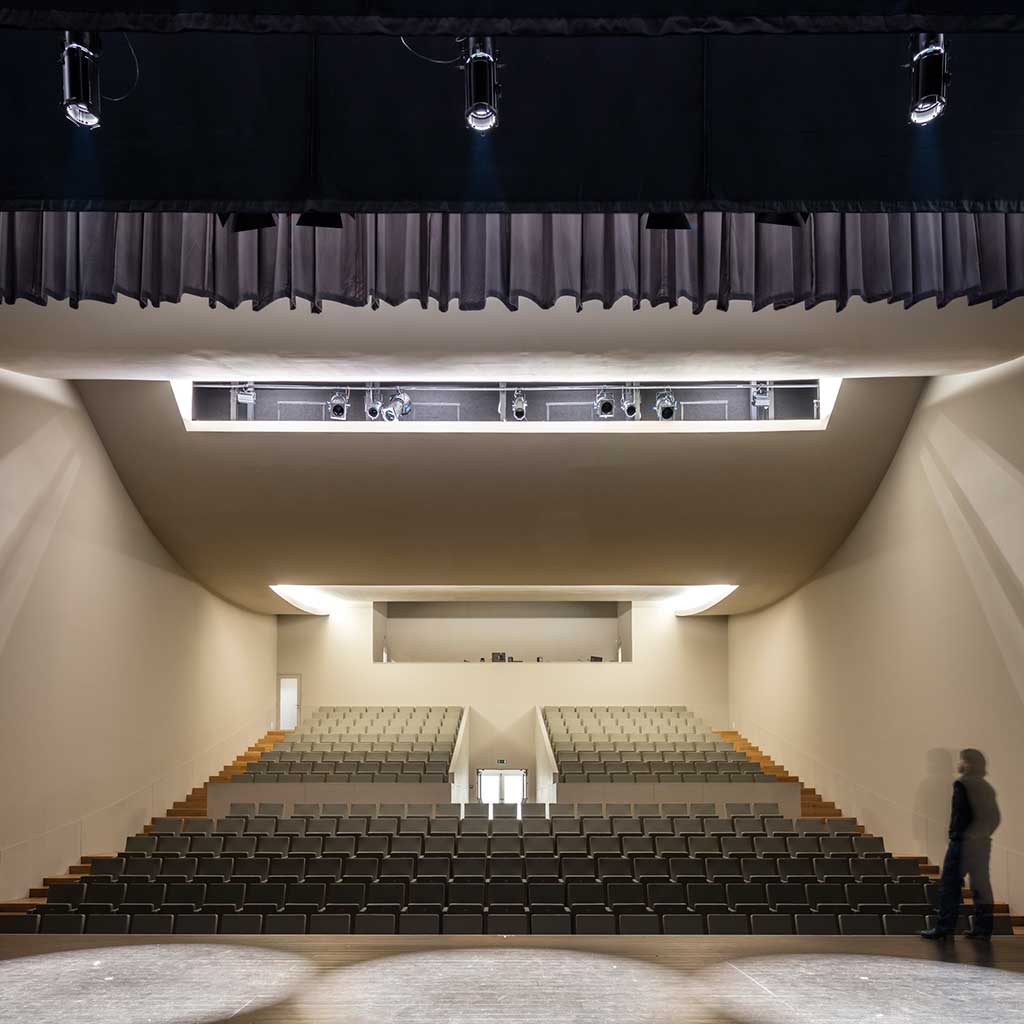
In the Iberian Peninsula, there are remarkable examples worth mentioning. The Llinars del Vallès Theater-Auditorium, designed by Álvaro Siza, is organized through two interconnected primary volumes of exposed red brick that adapt sensitively to the urban and landscape surroundings, standing out for the geometric precision of its layout and the warm presence of wood inside its main hall.
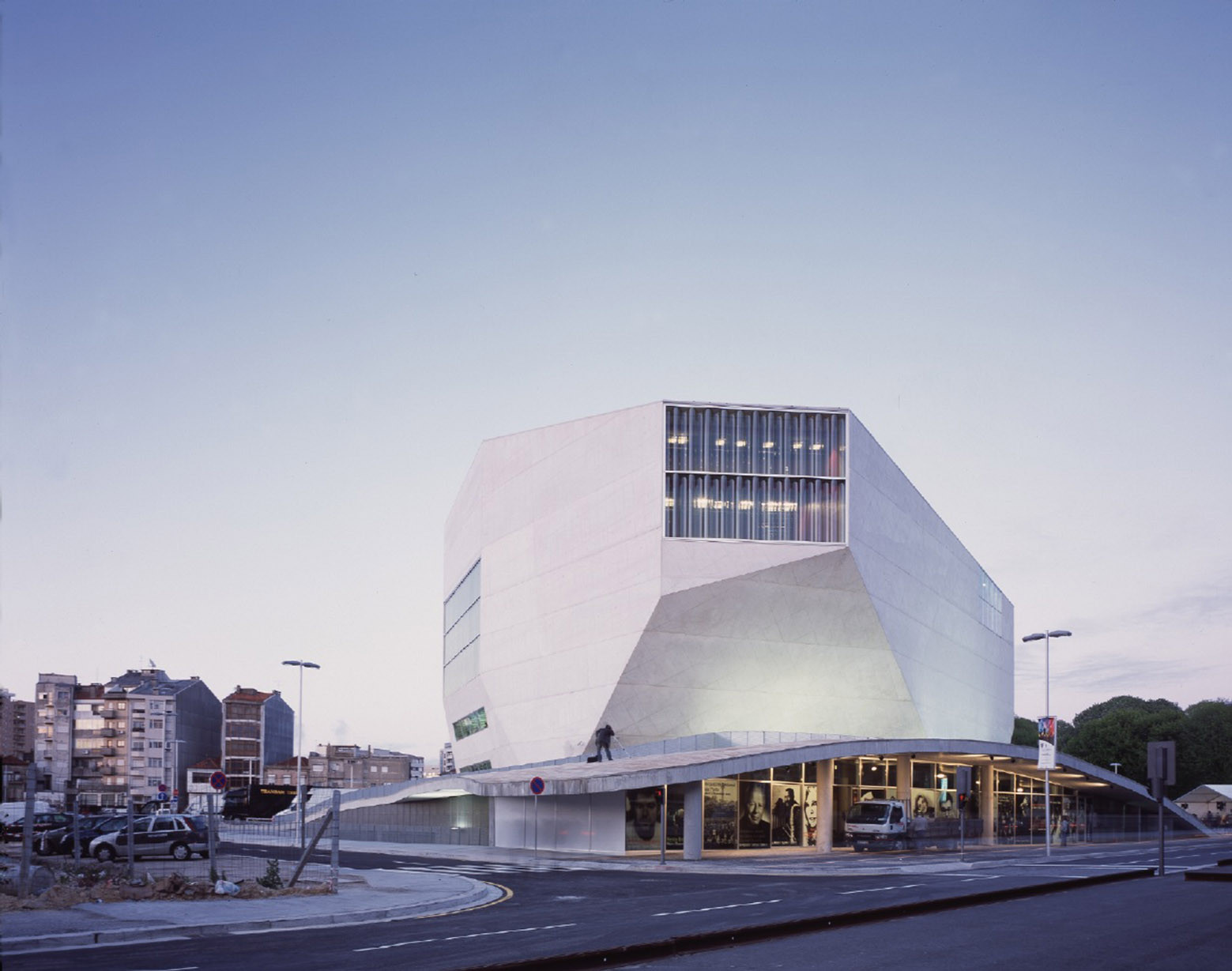
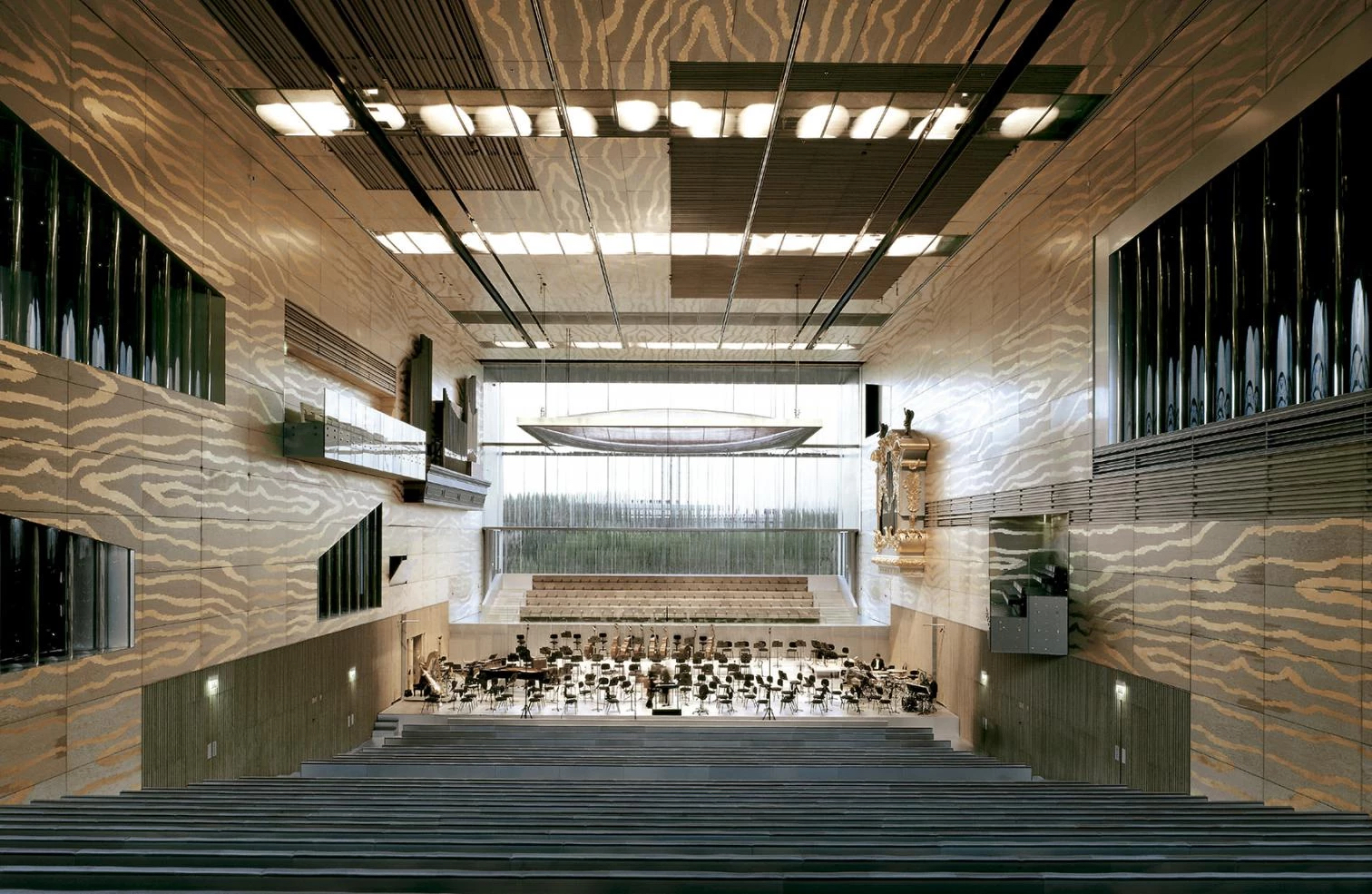
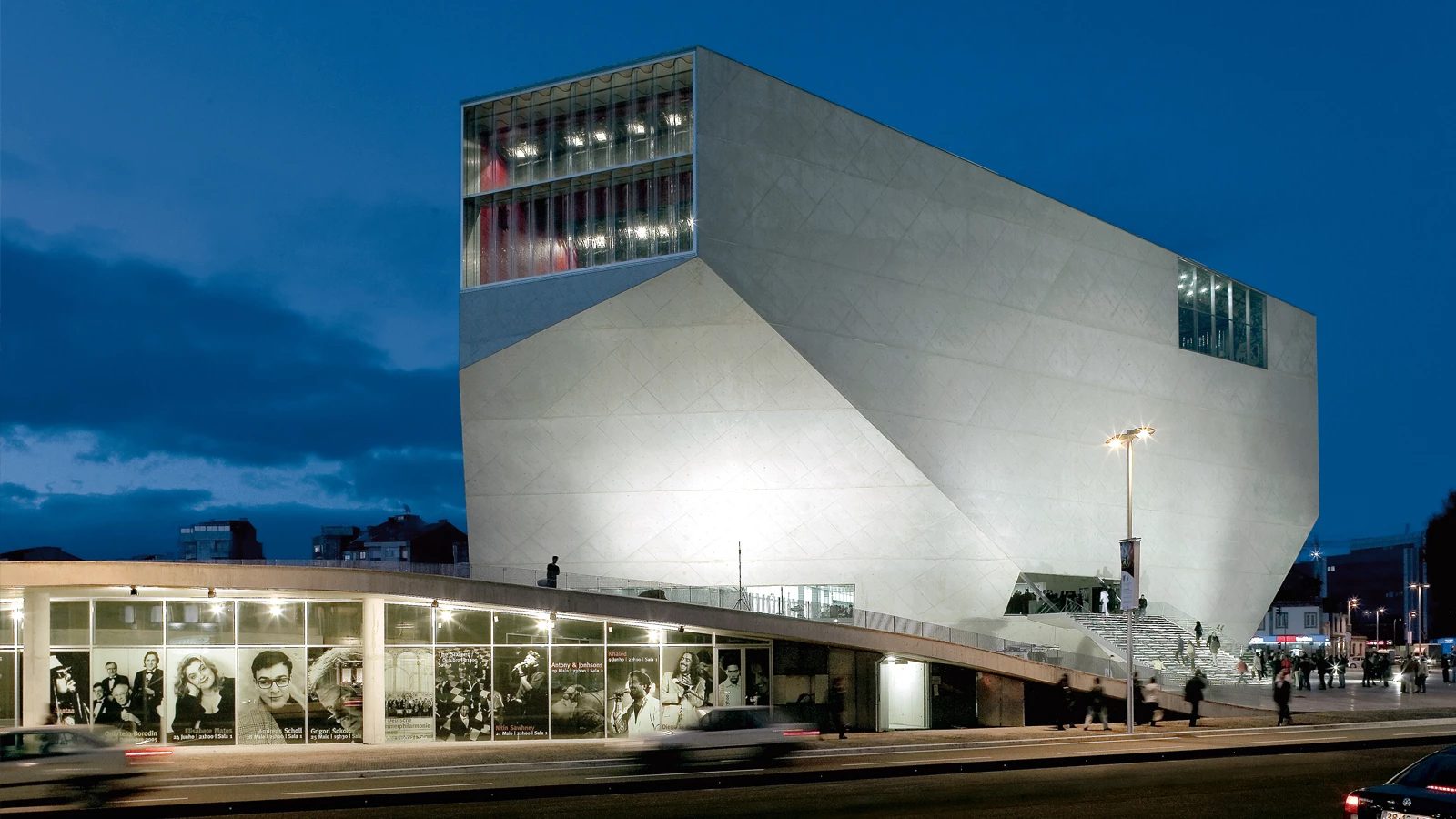
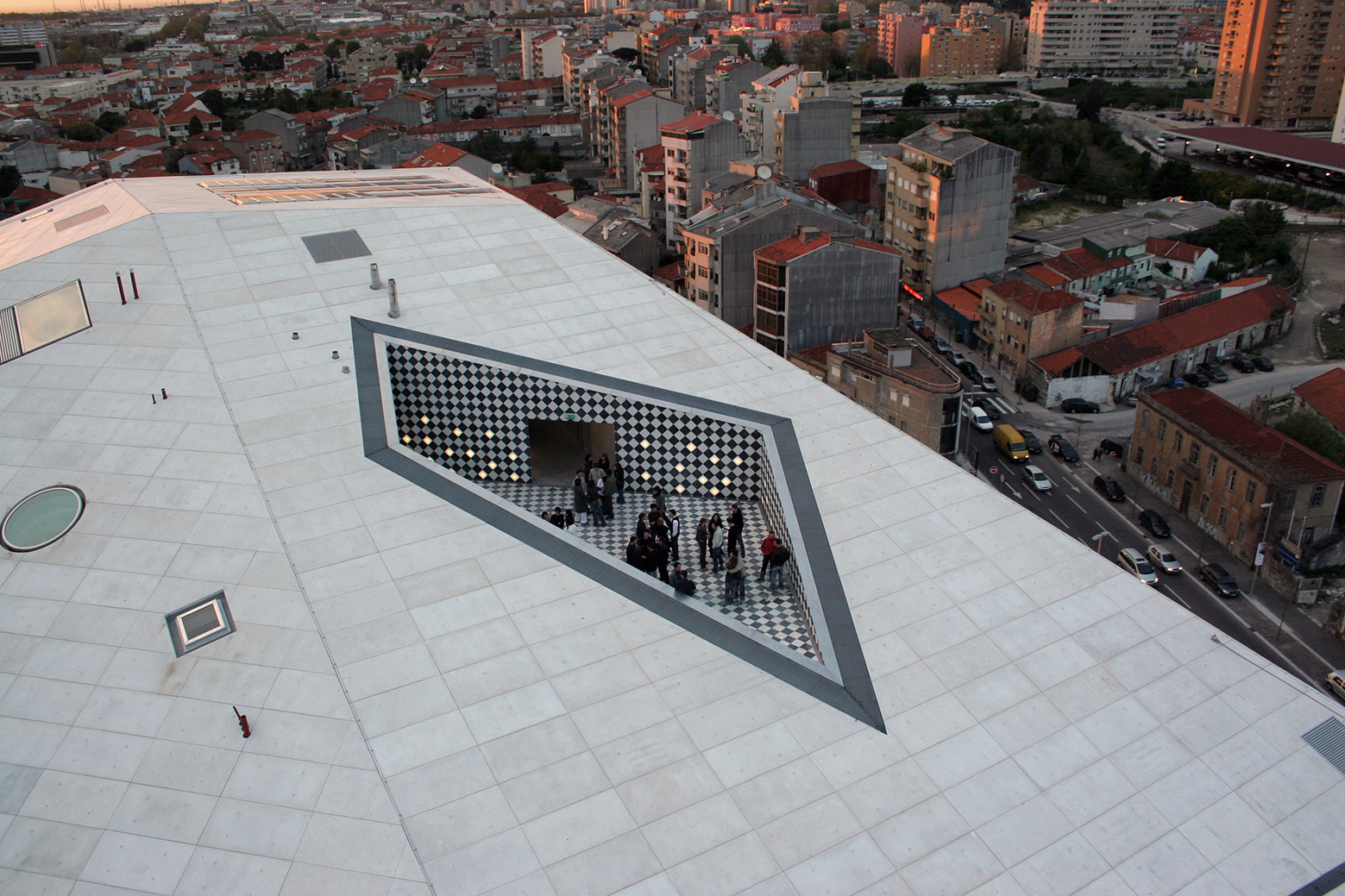
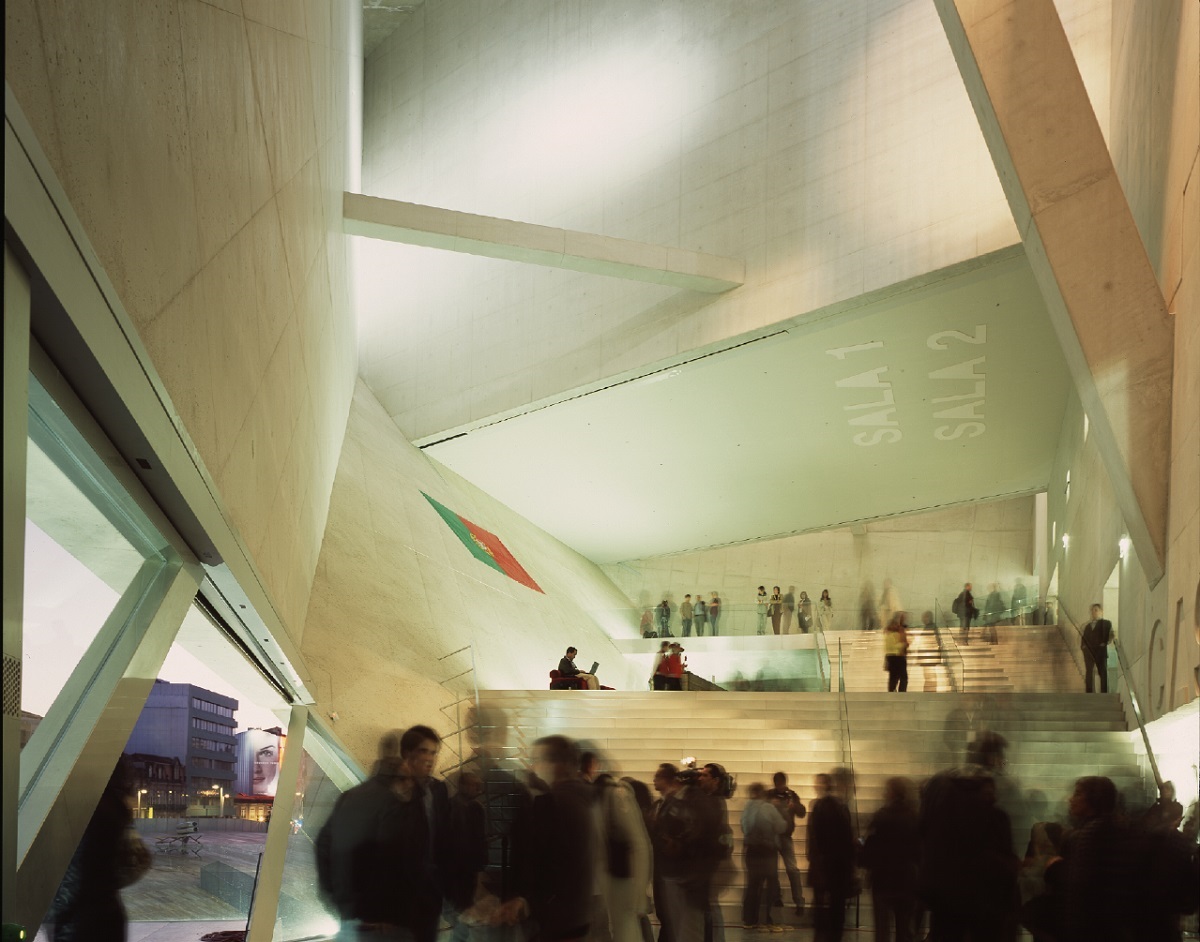
The list moves on to Casa da Música in Porto, designed by OMA (Rem Koolhaas), which is presented as a faceted concrete polyhedron where the main hall acts as a central acoustic tunnel with large undulating glass windows at both ends that visually connect the concerts with the city.
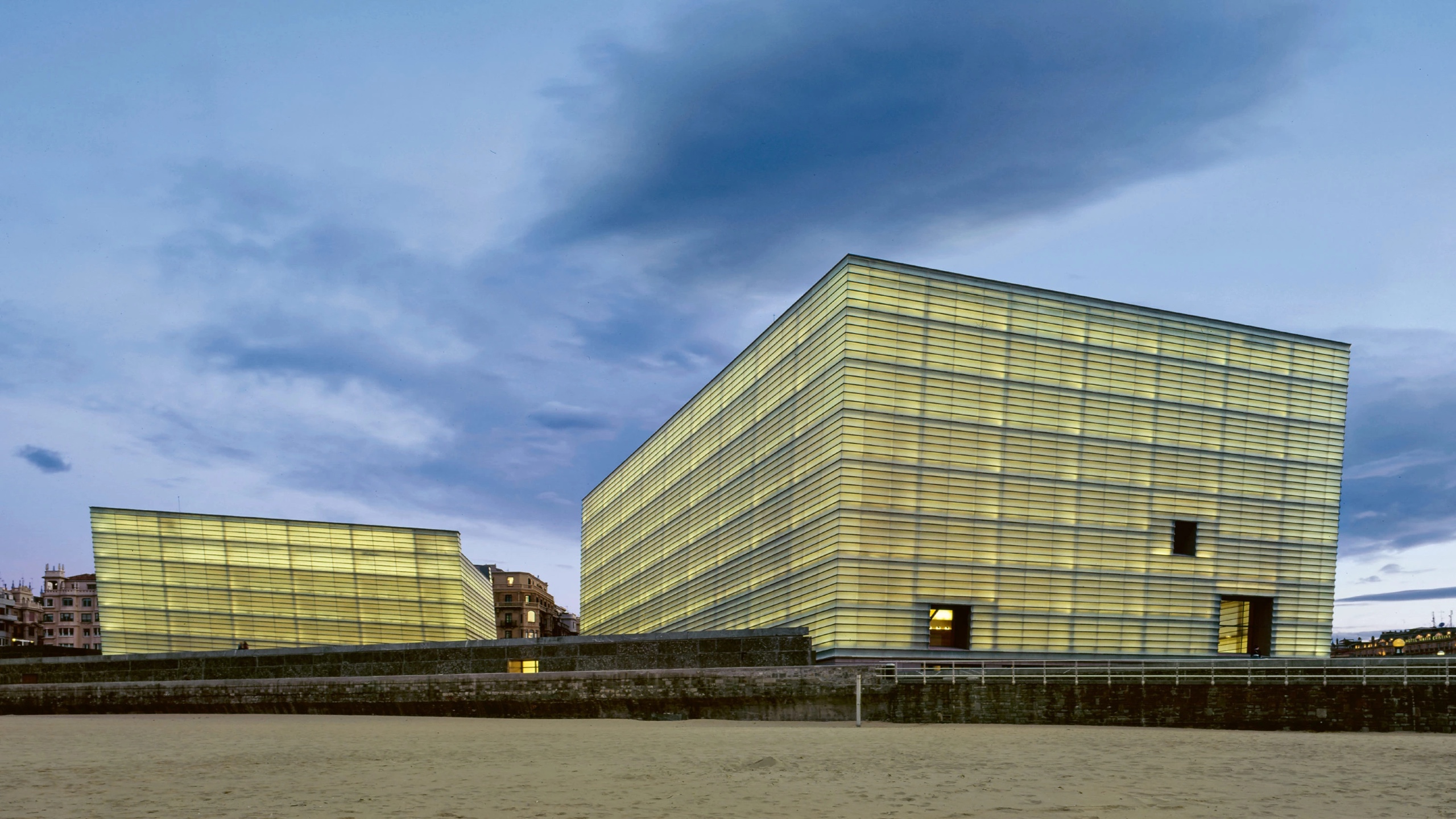
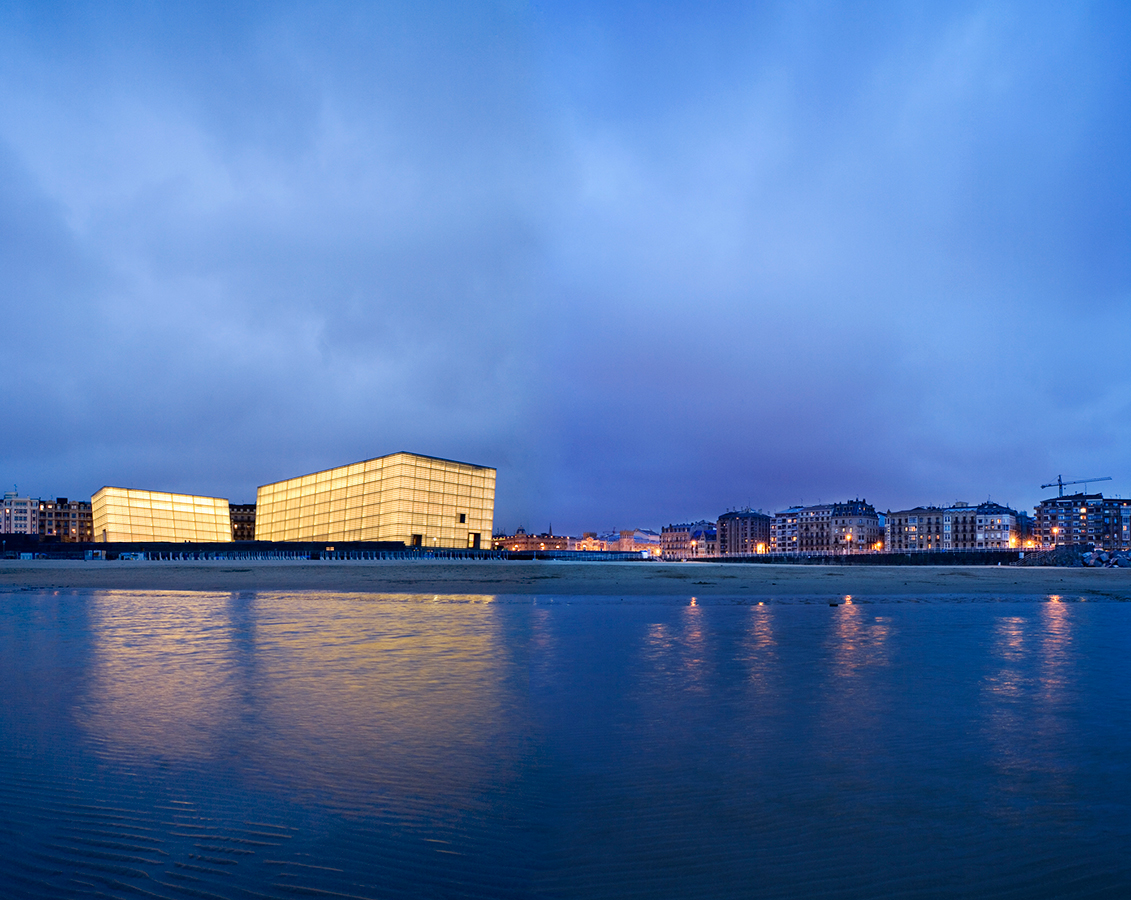
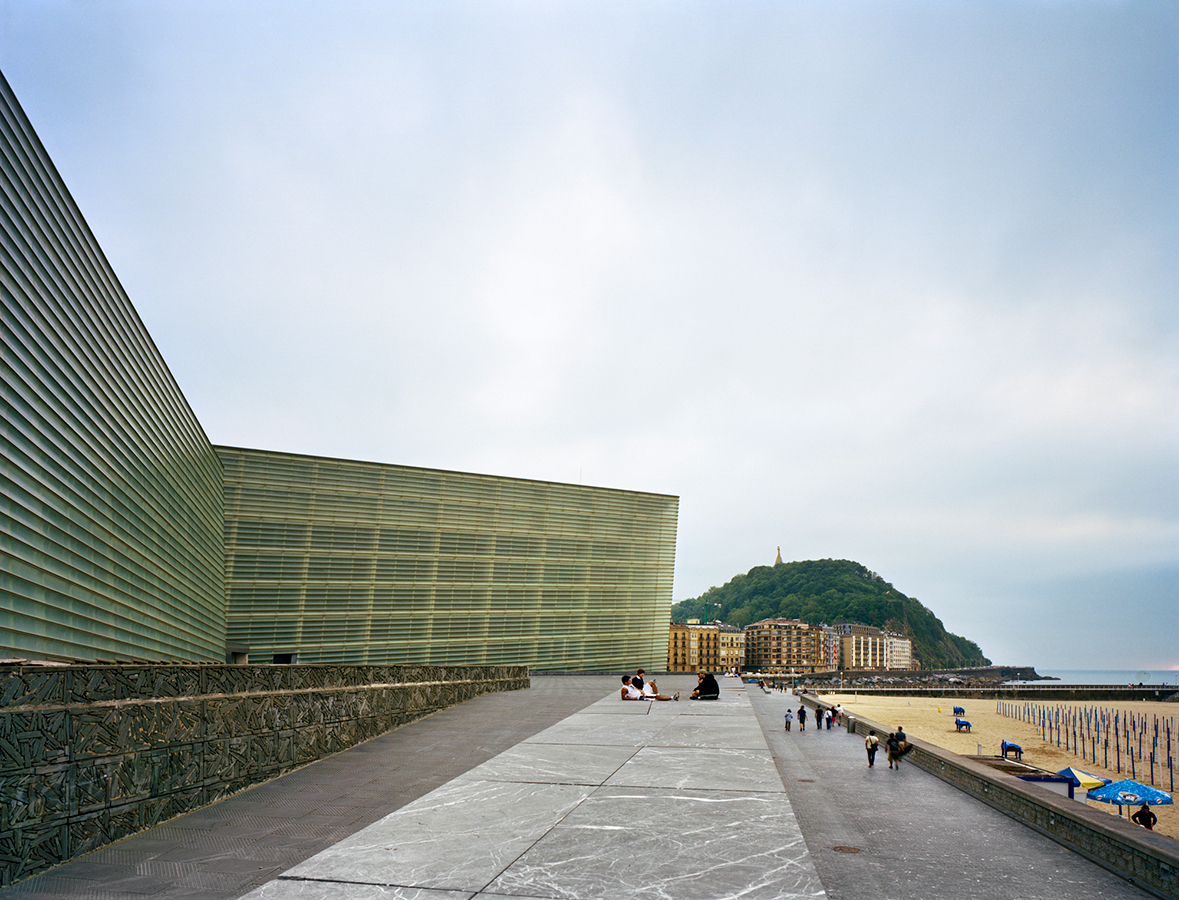
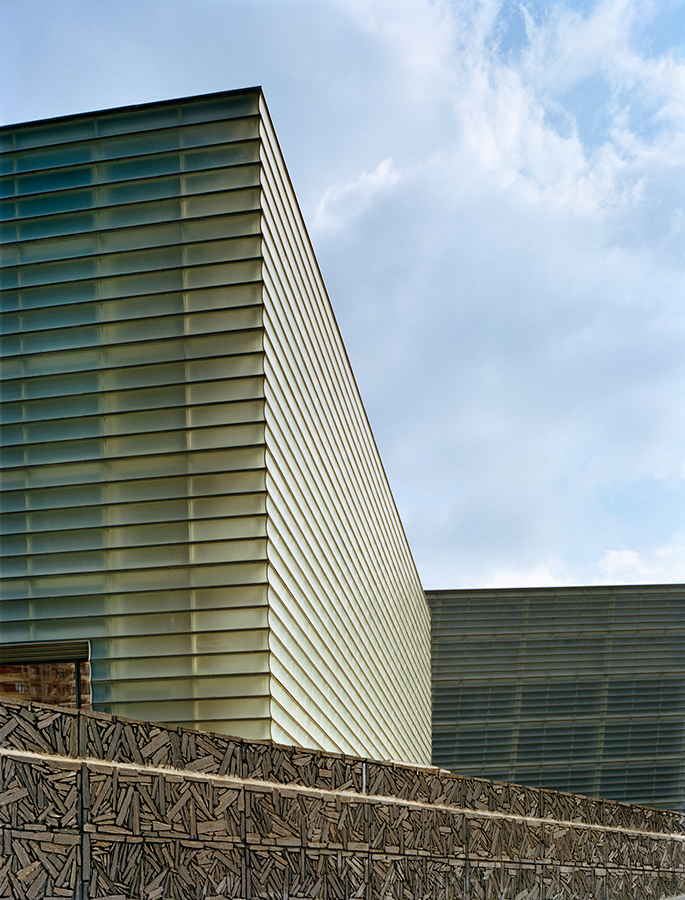
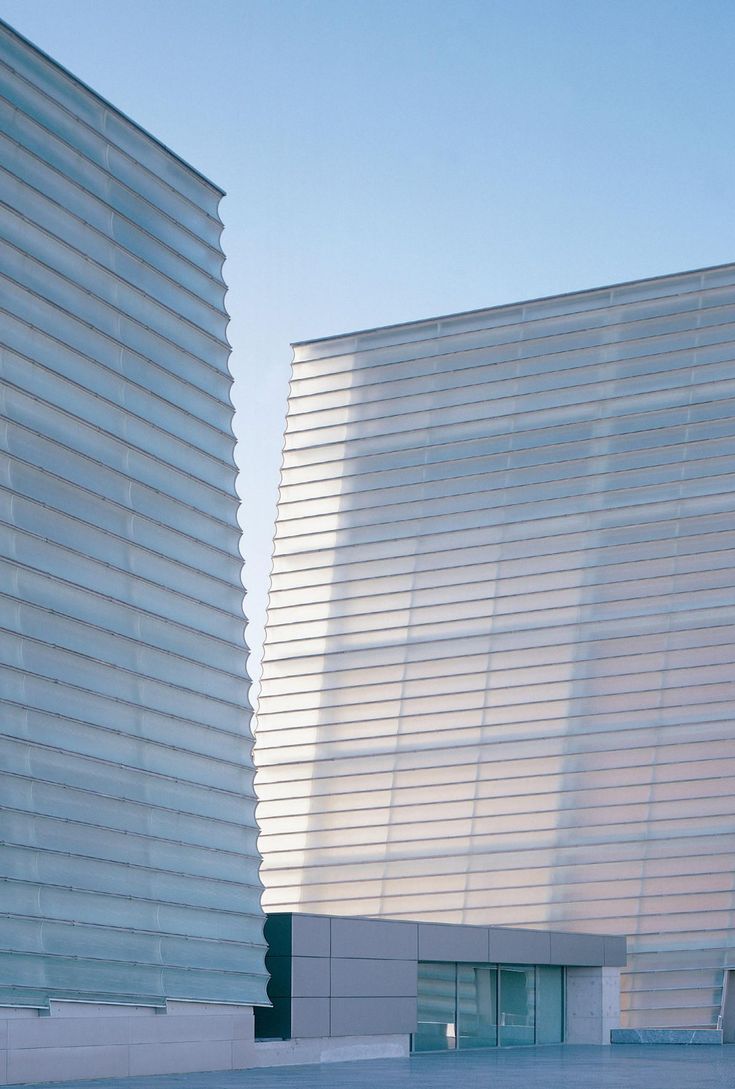
In San Sebastián, the Kursaal Auditorium, by Rafael Moneo, features two large, slightly tilted translucent cubes of pressed glass that evoke two stranded rocks facing the mouth of the Urumea River and the Cantabrian Sea.
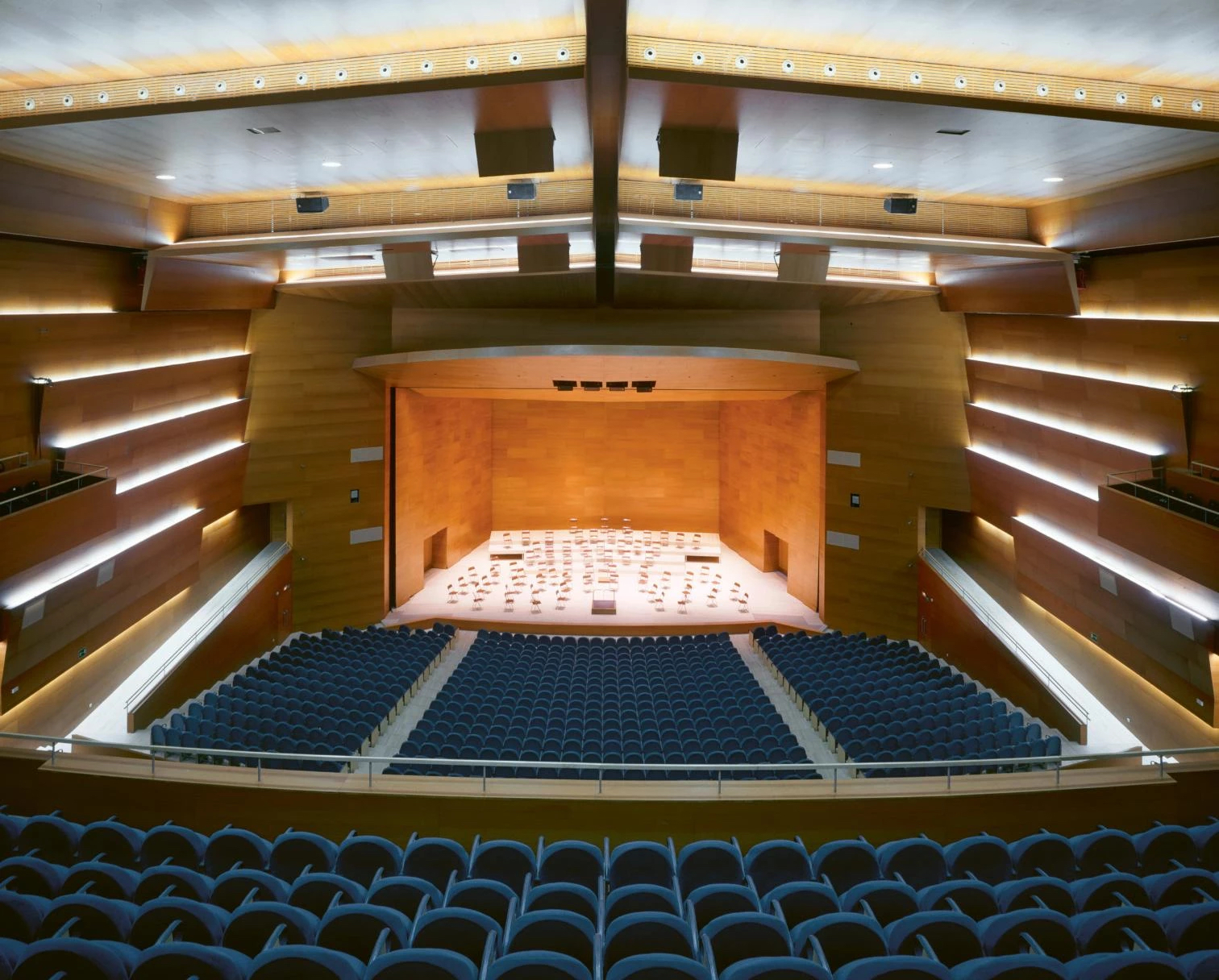
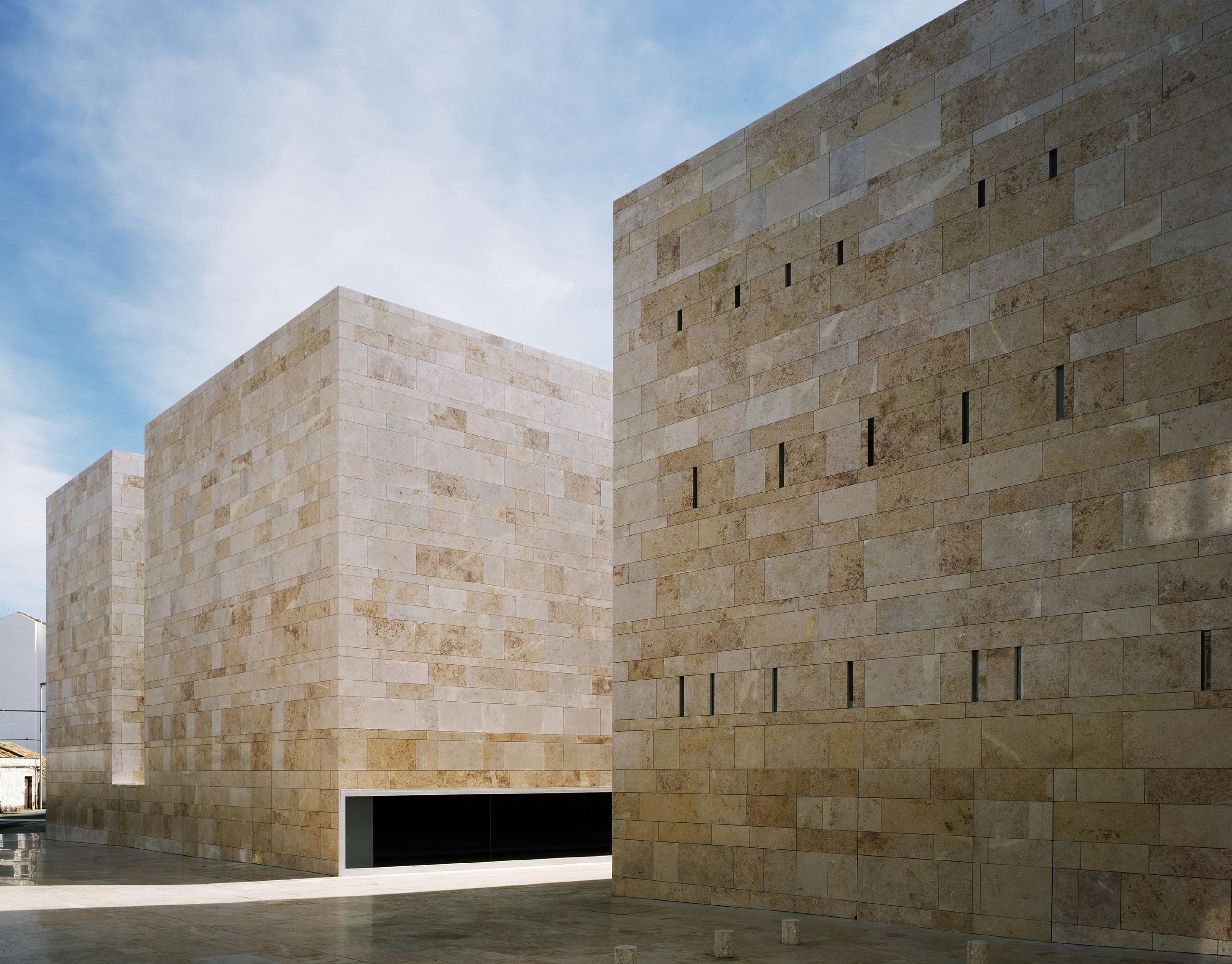
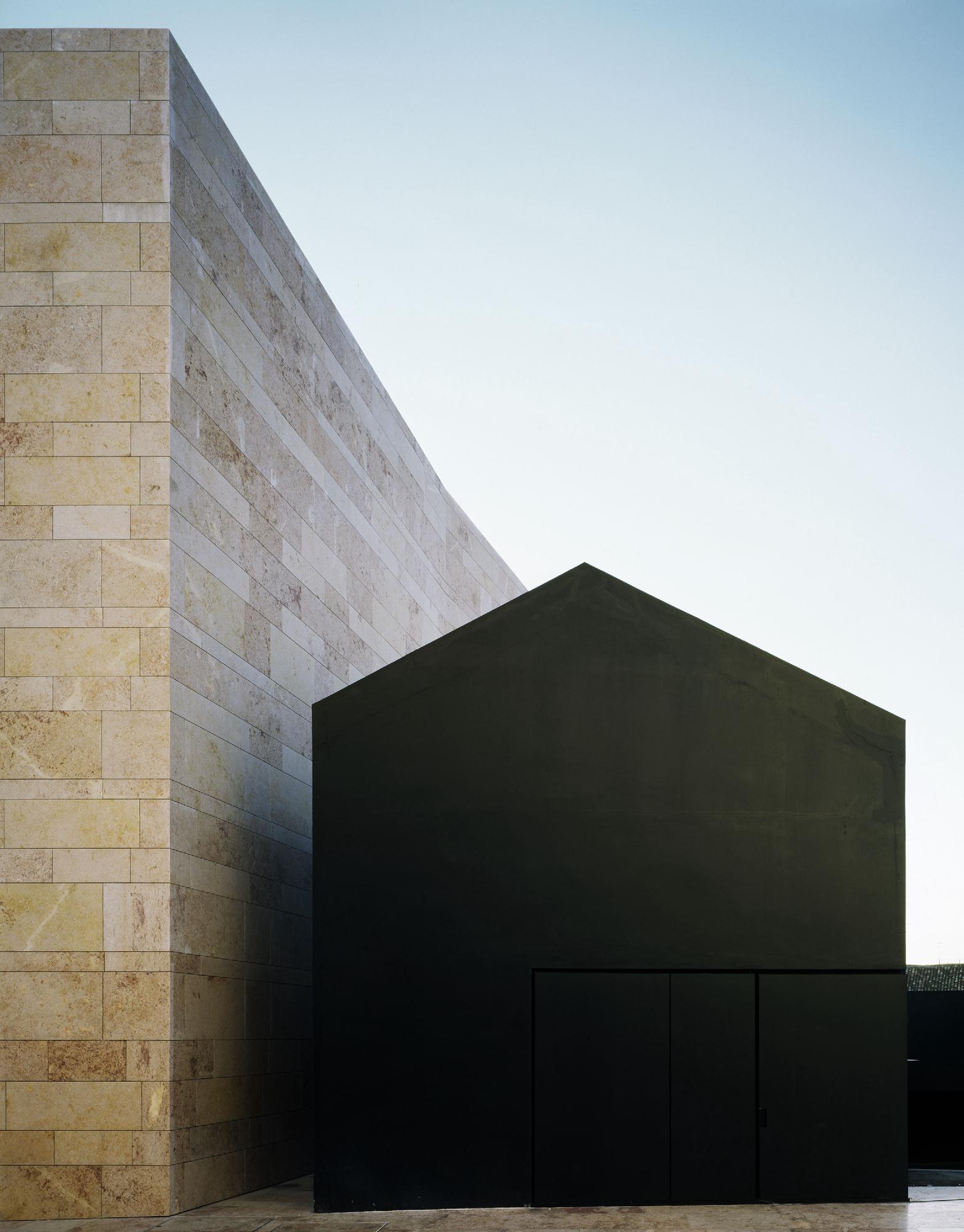
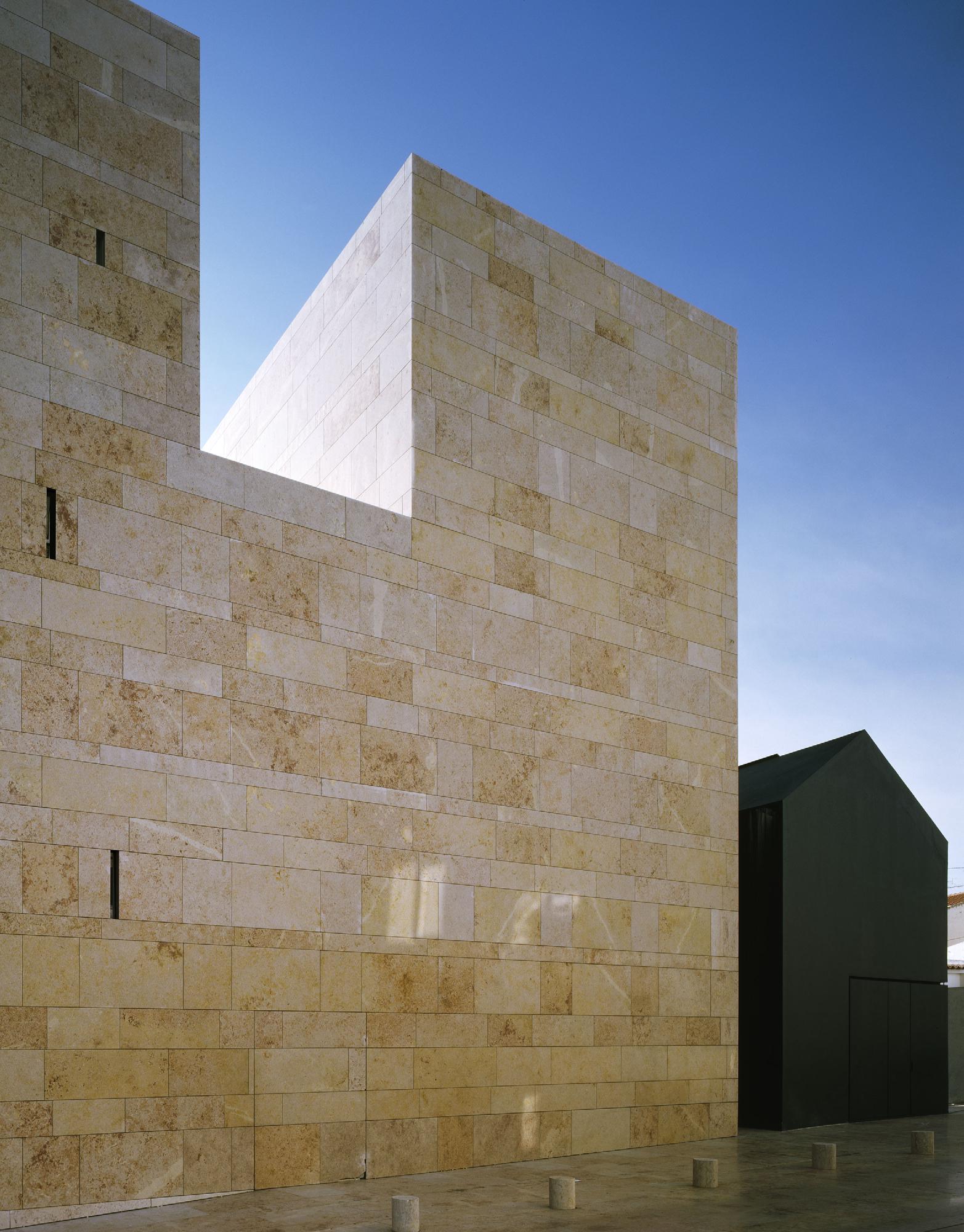
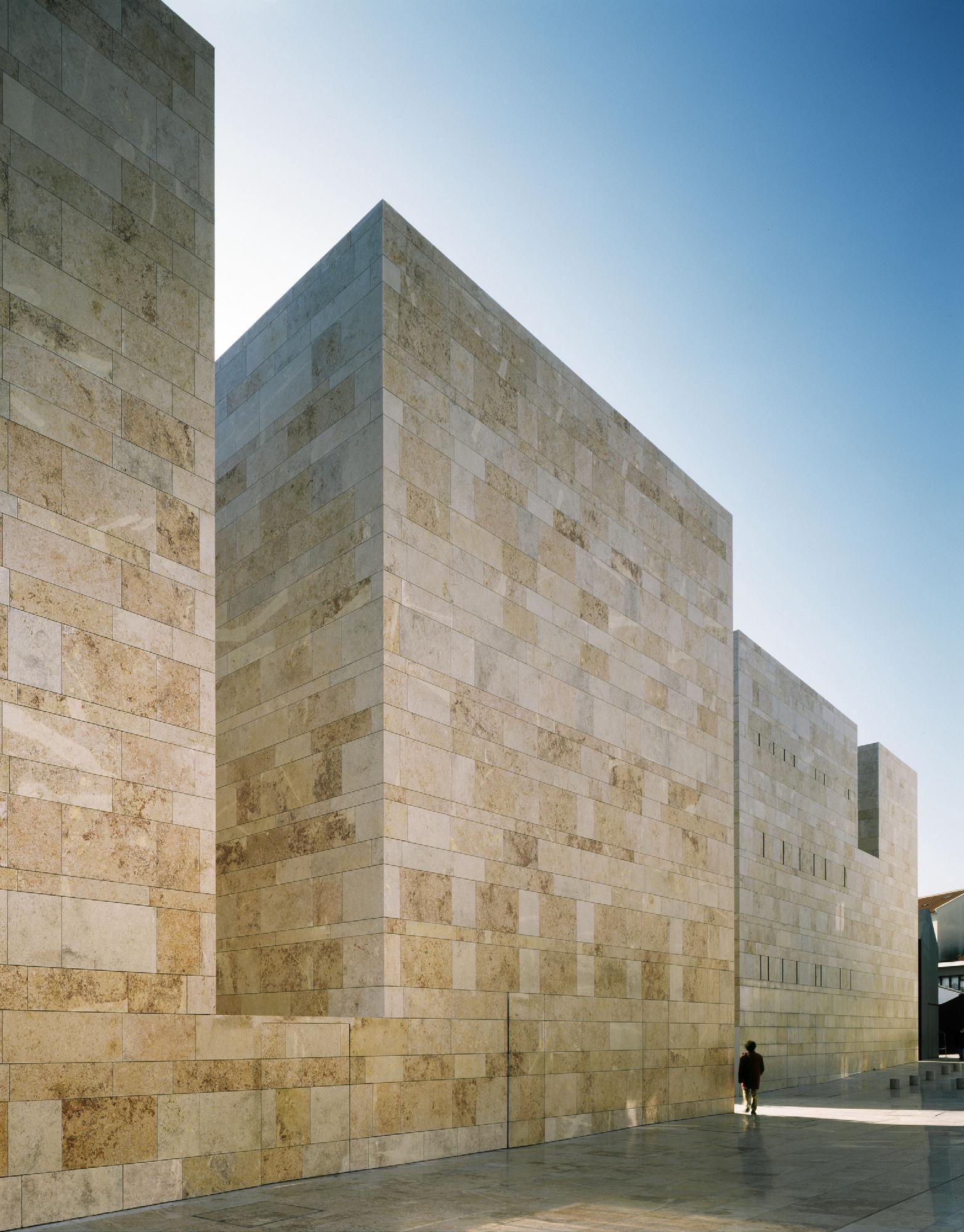
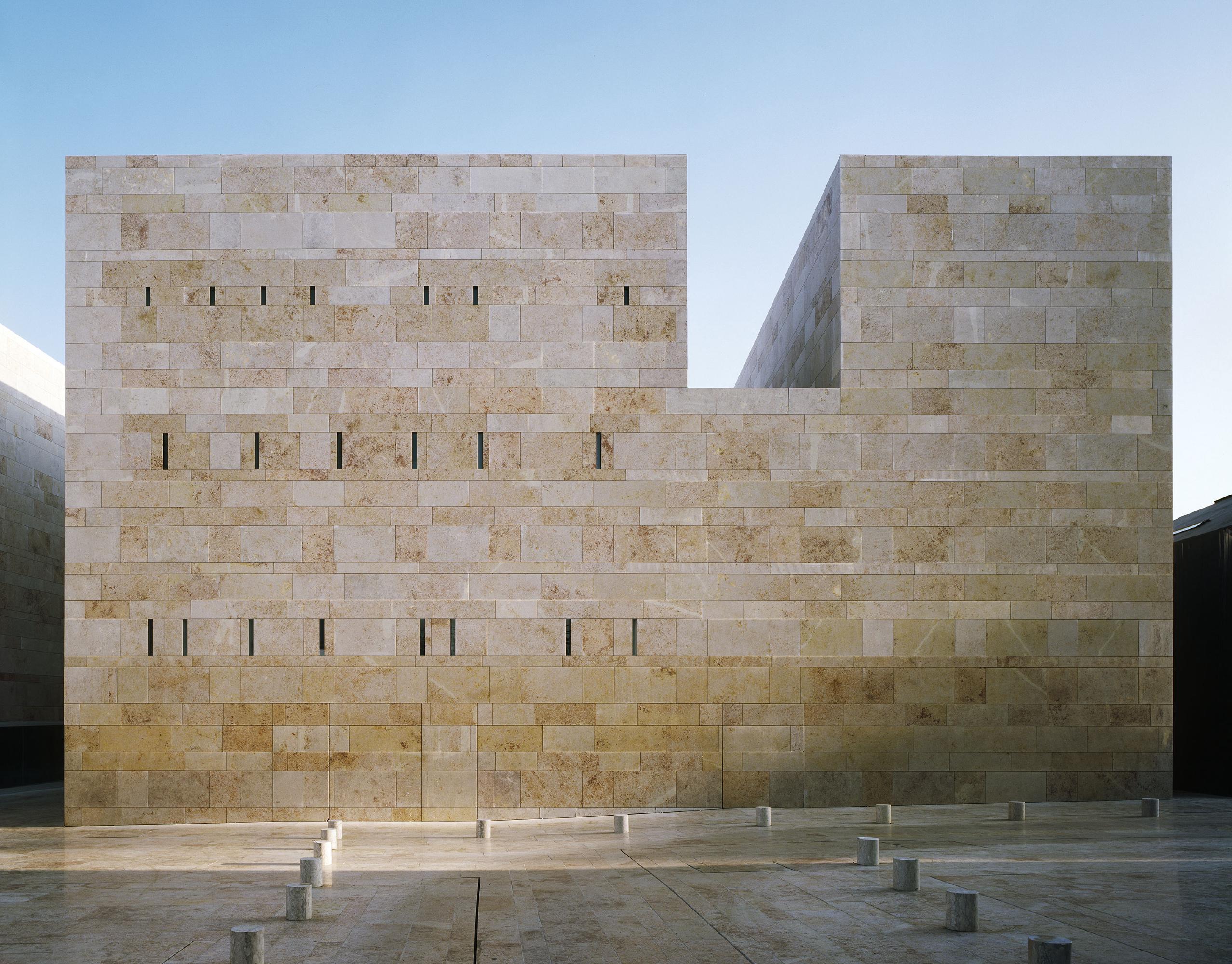
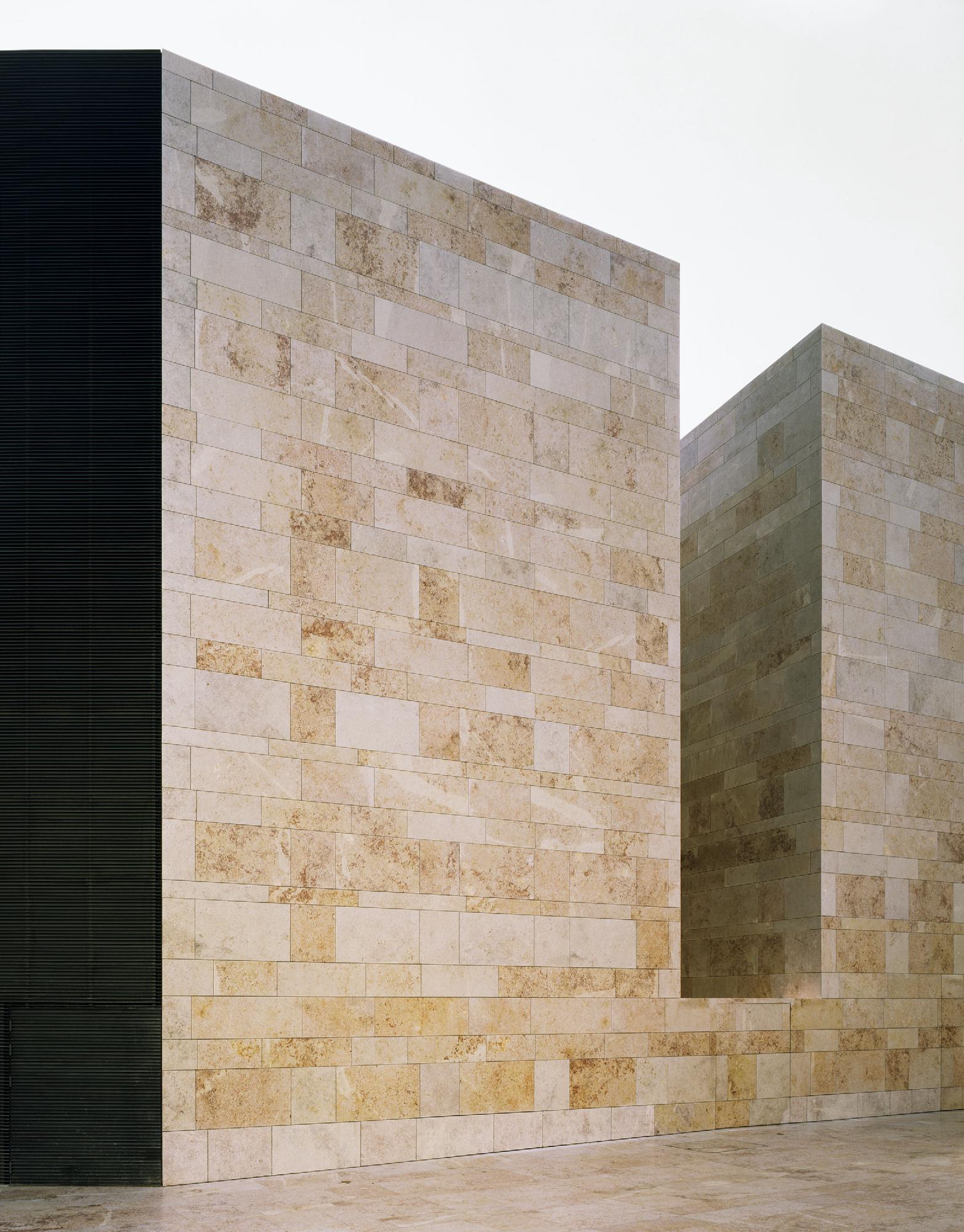
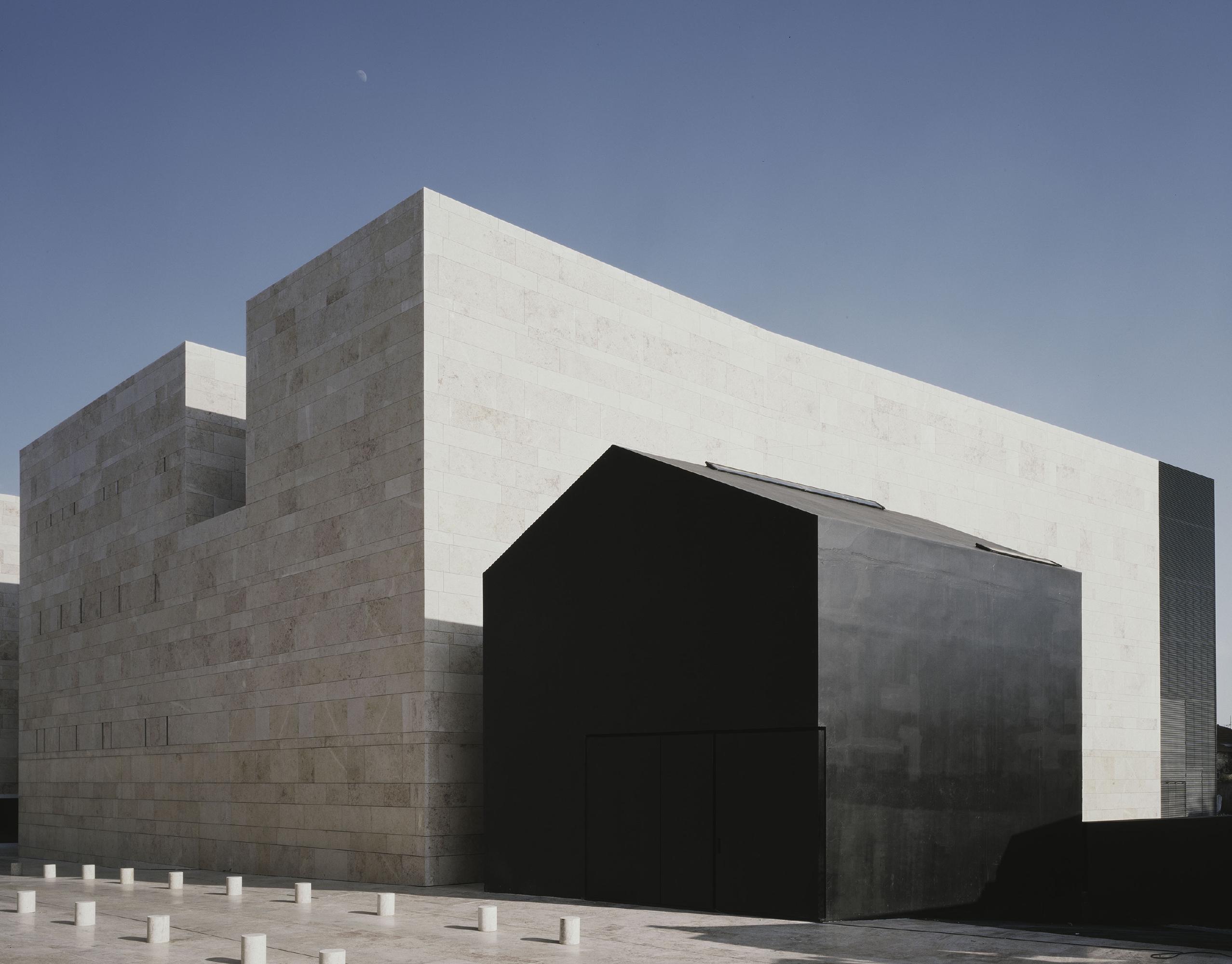
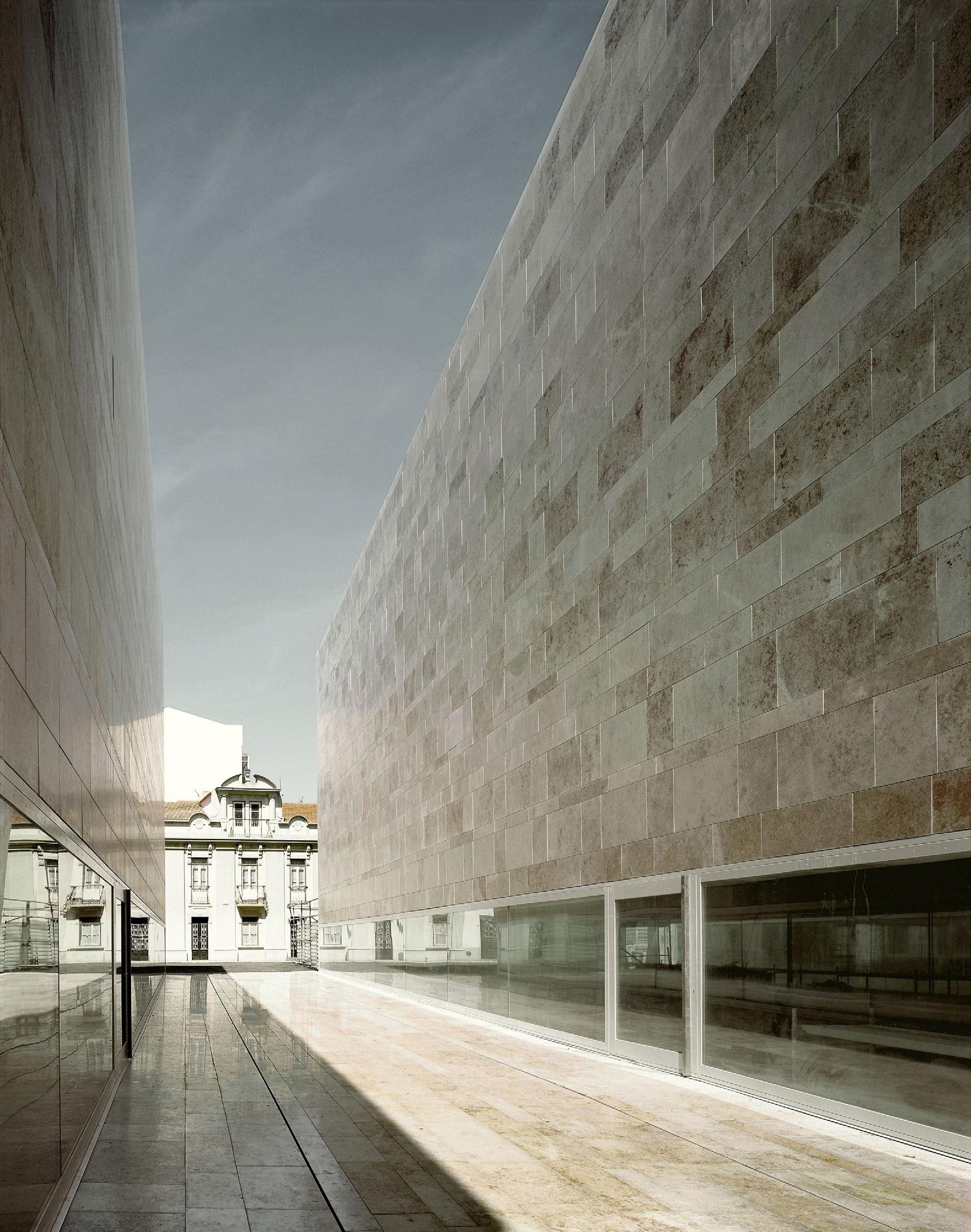
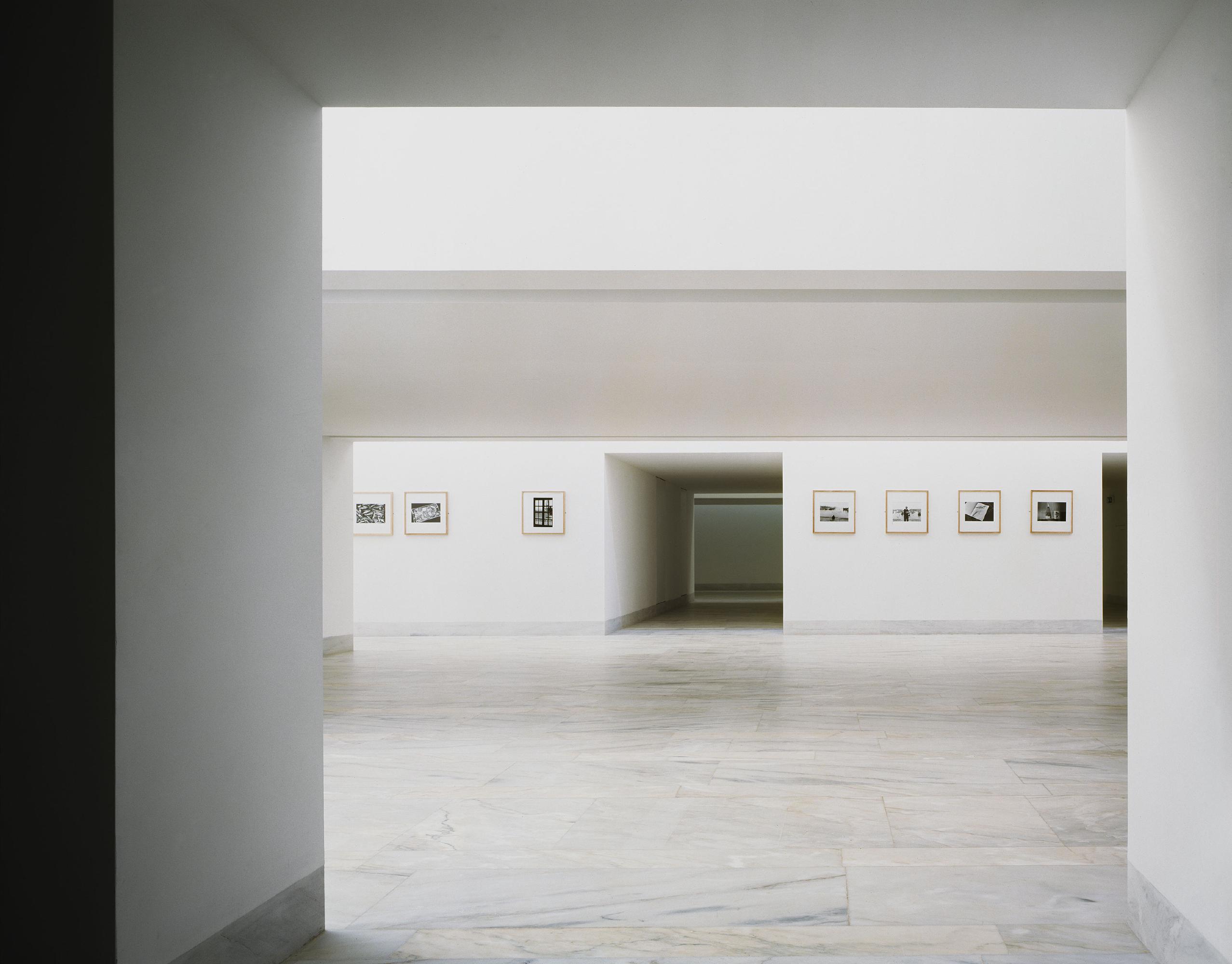
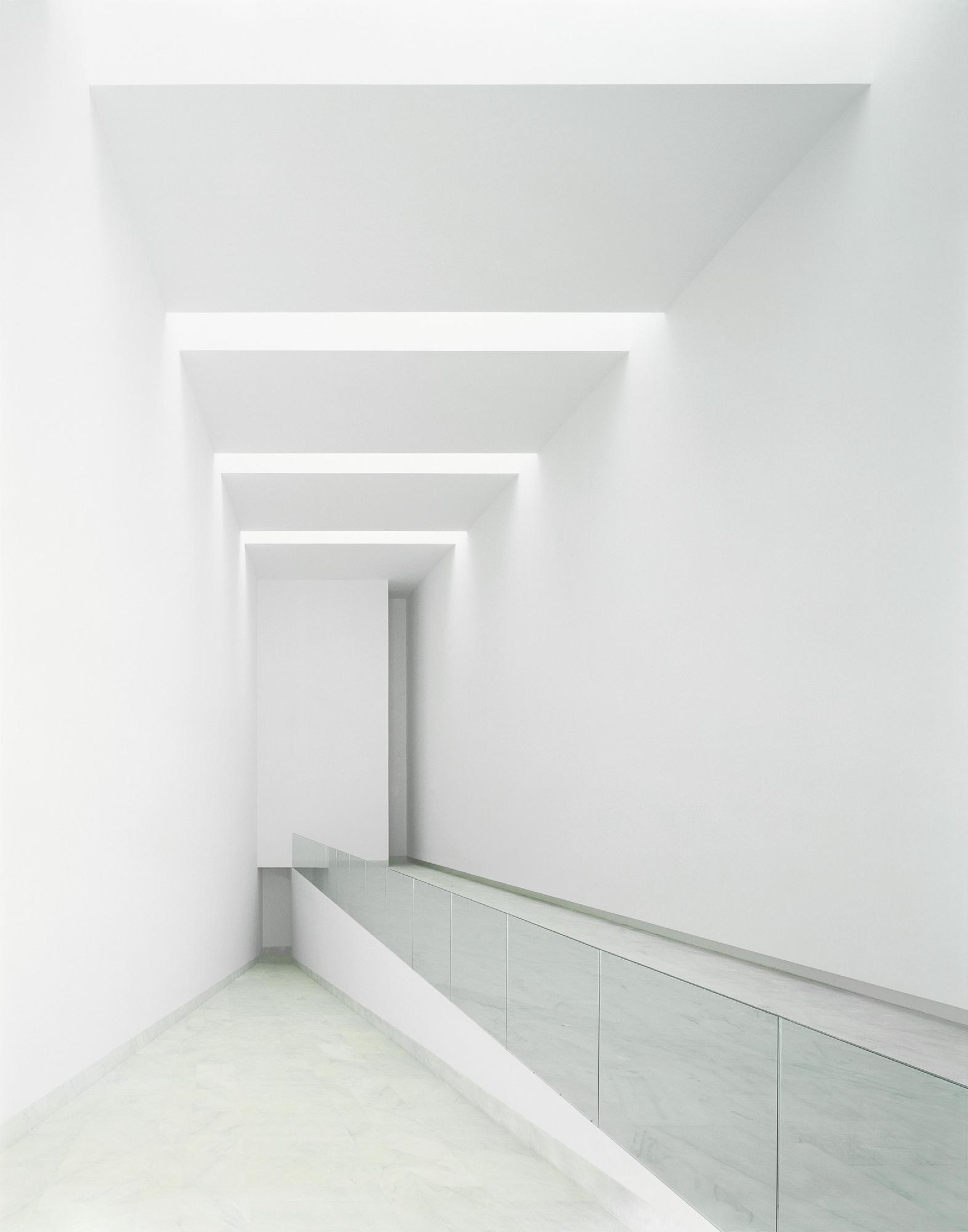
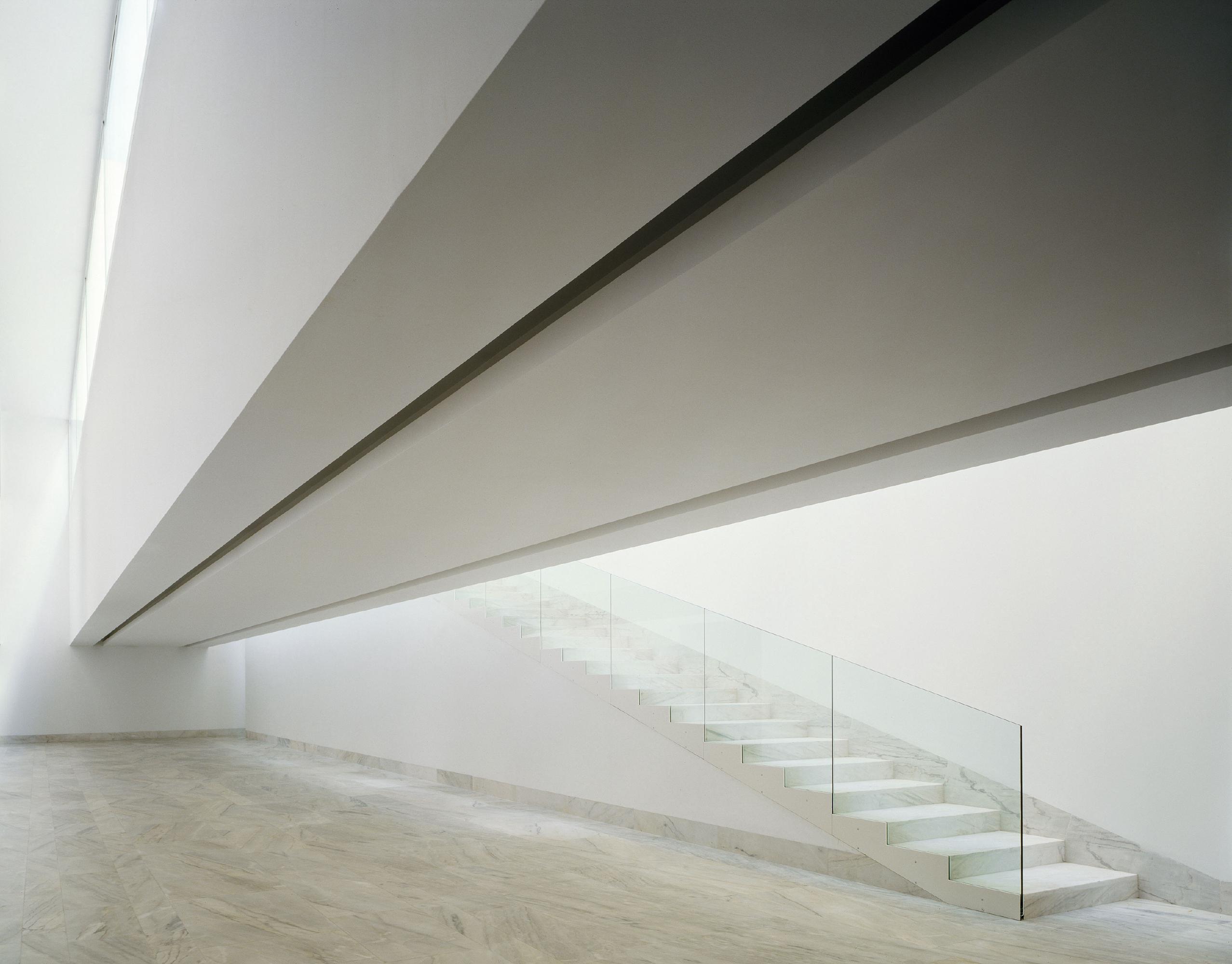
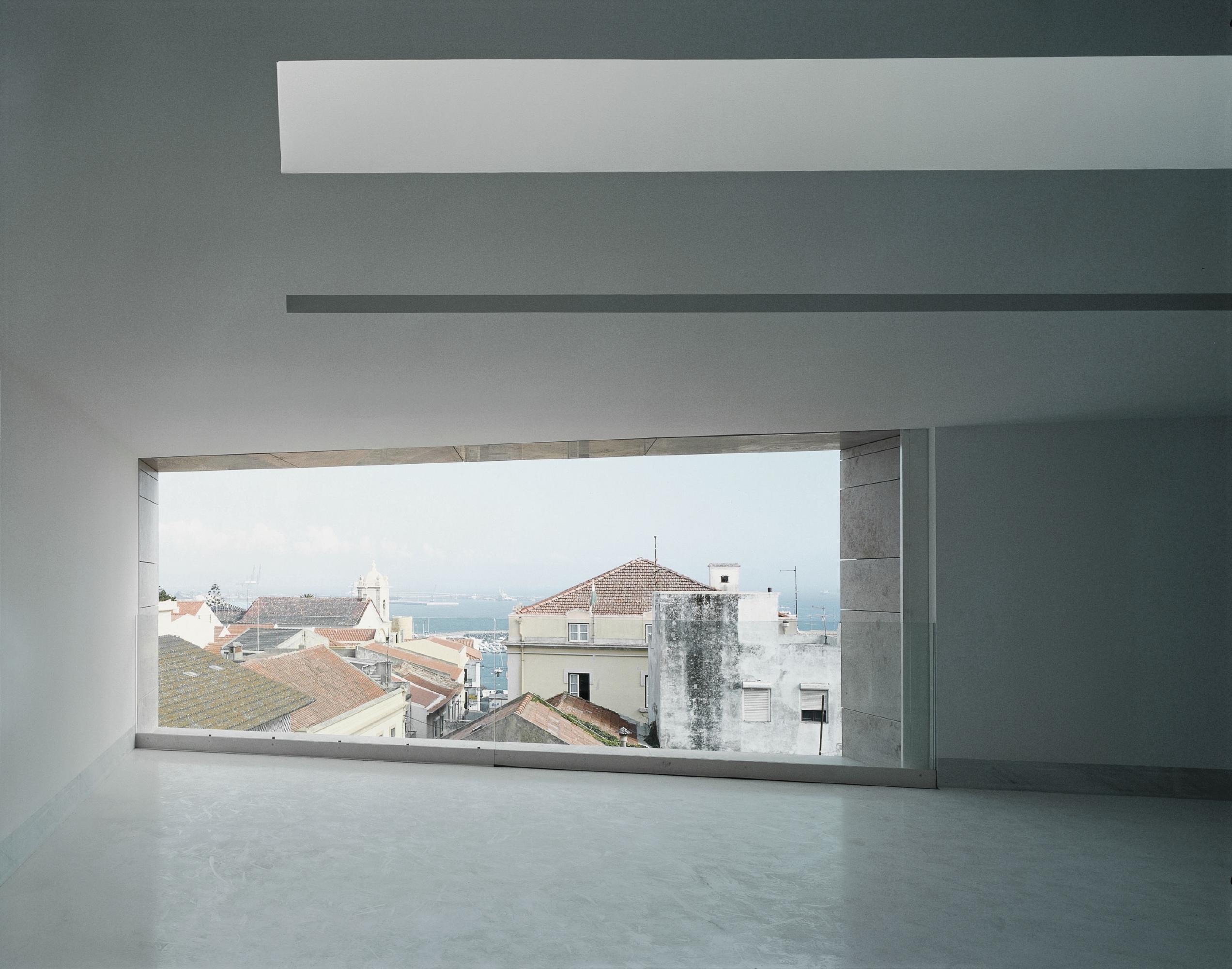
As a Bonus Track, the Sines Cultural Center in Portugal stands out as an excellent example: although in terms of scale and facilities it cannot be compared to the major international auditoriums mentioned above, it demonstrates how contemporary architecture dialogues with the territory and local culture through voids, interspersed courtyards, and bold volumes clad in limestone that engage with the history of the site. This thoughtful intervention bears the signature of Aires Mateus, a studio whose architects have enriched students’ education by participating as lecturers in the MArch programs.
MArch Valencia. Arquitectura y Diseño
© 2026 MArch Valencia. Arquitectura y Diseño
Privacy policy | Cookies policy | Terms of use