


Contemporary Architecture in Valencia: What to See
DATE
21.01.2026
Valencia brings together an interesting collection of contemporary architecture that makes it possible to understand different ways of designing, thinking about public space, and approaching housing, culture, and large-scale facilities.
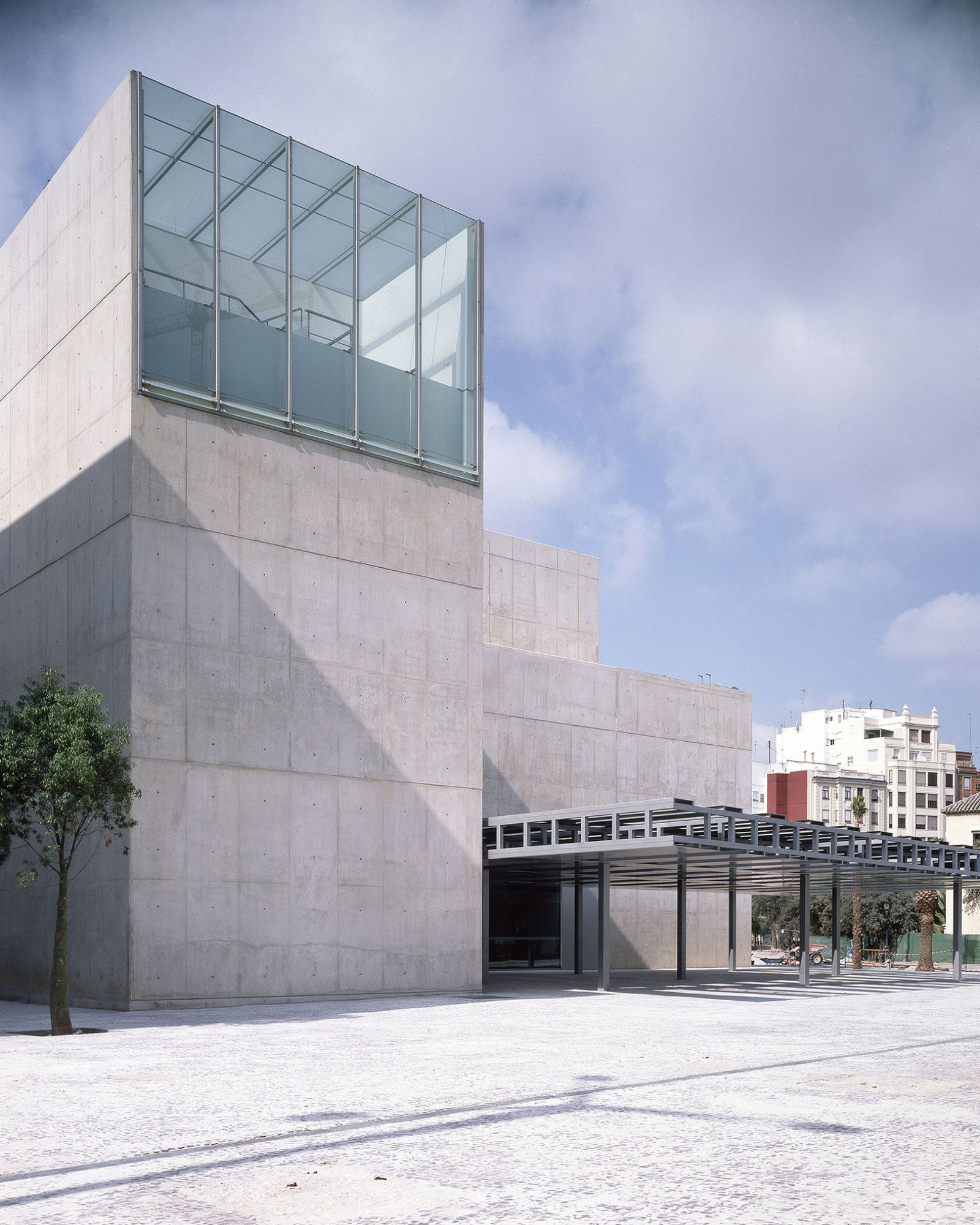
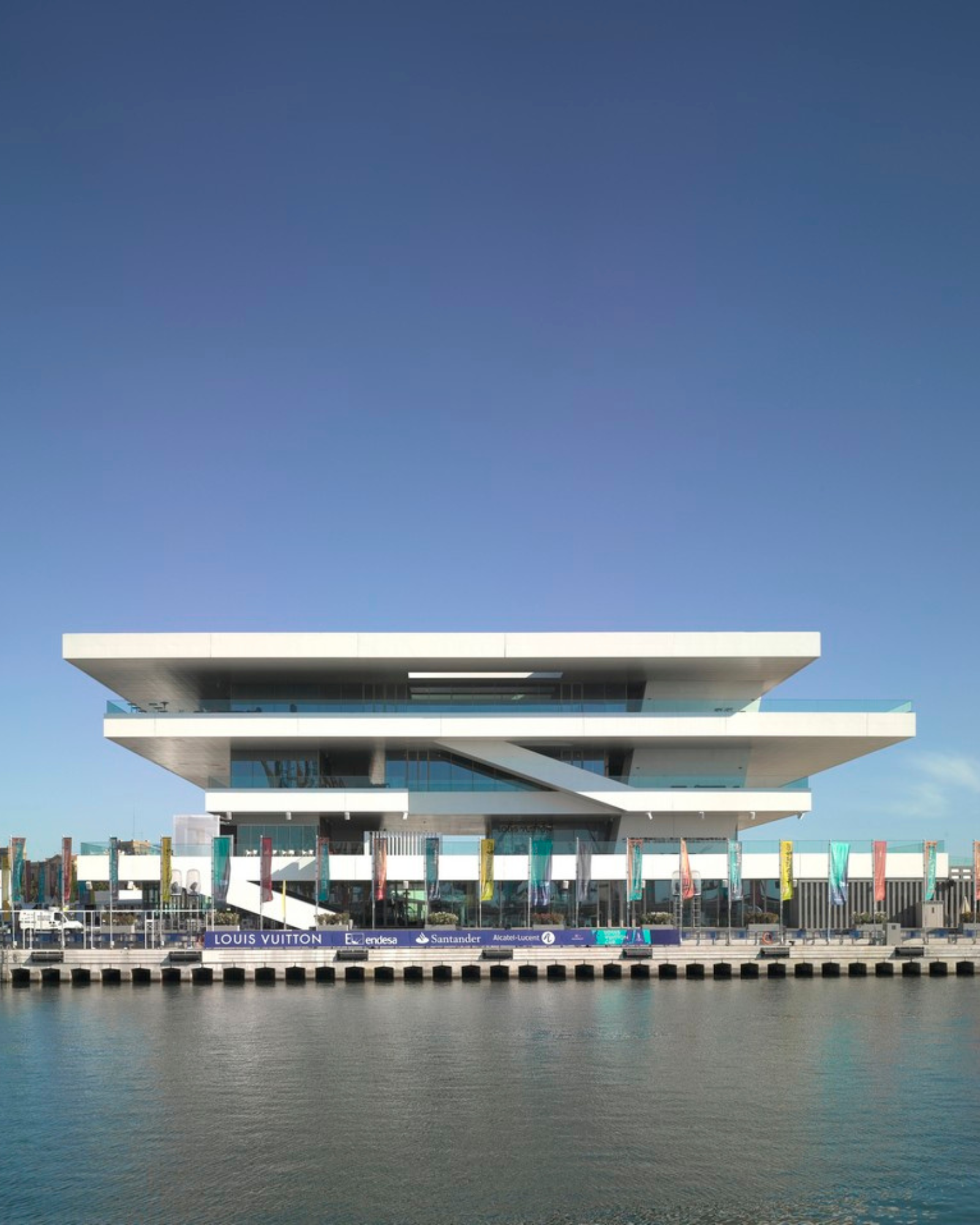
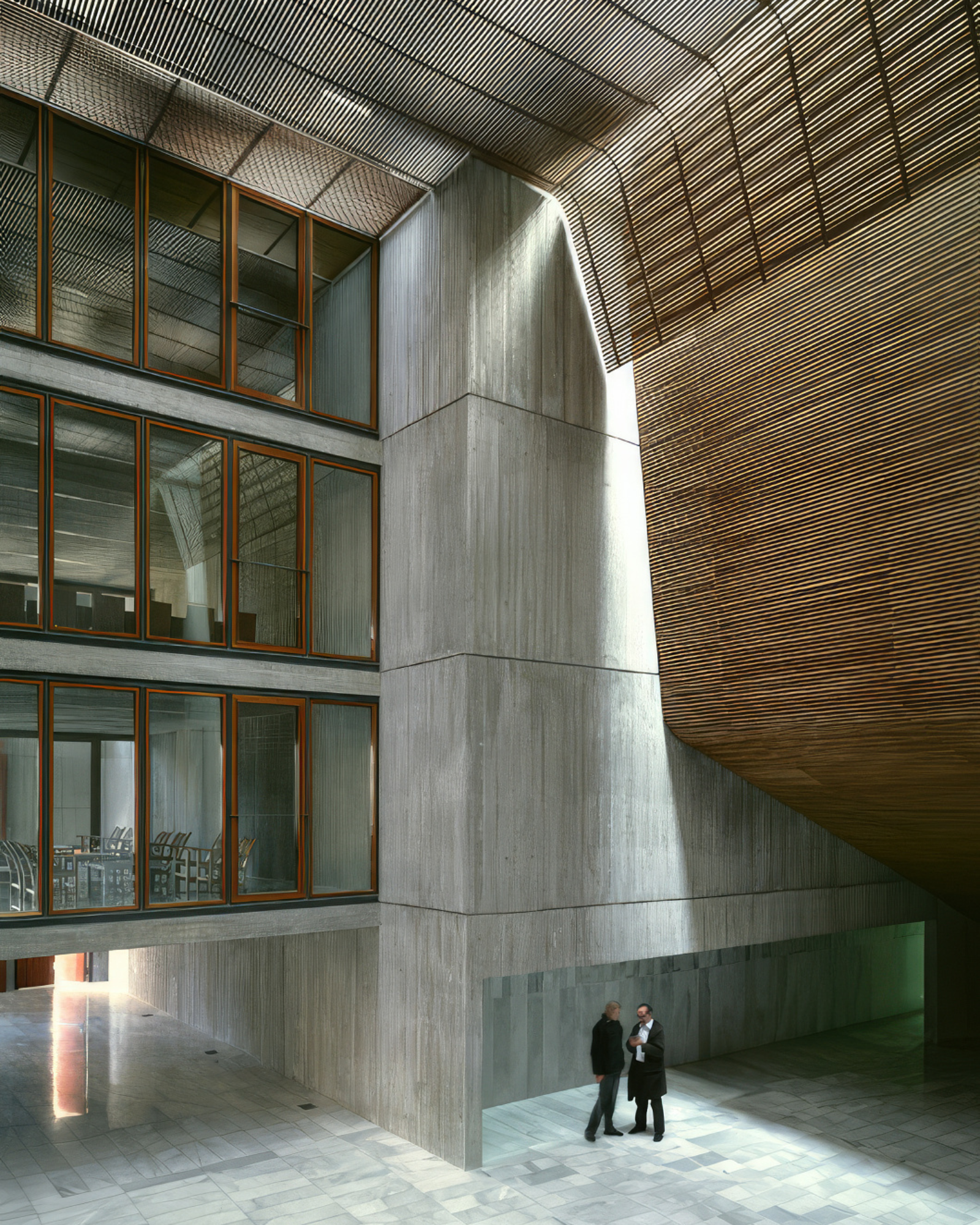
Among cultural buildings, the MuVIM, designed by Guillermo Vázquez Consuegra, stands out for its sober and precise architecture, highly aware of scale and materiality, with the solidity of reinforced concrete defining its envelope. Along a different line, Veles e Vents, by David Chipperfield, is based on structural clarity and the superposition of planes as a compositional strategy, offering a very serene reading of contemporary architecture. Also within the cultural sphere, the El Musical Cultural Centre, refurbished by Eduardo de Miguel, is a particularly successful example of how to update an existing building without losing its character, carefully working on the relationship between the new and the inherited, and creating a dialogue between materials with strong presence, such as reinforced concrete and wood, the latter expressed through very slender elements.
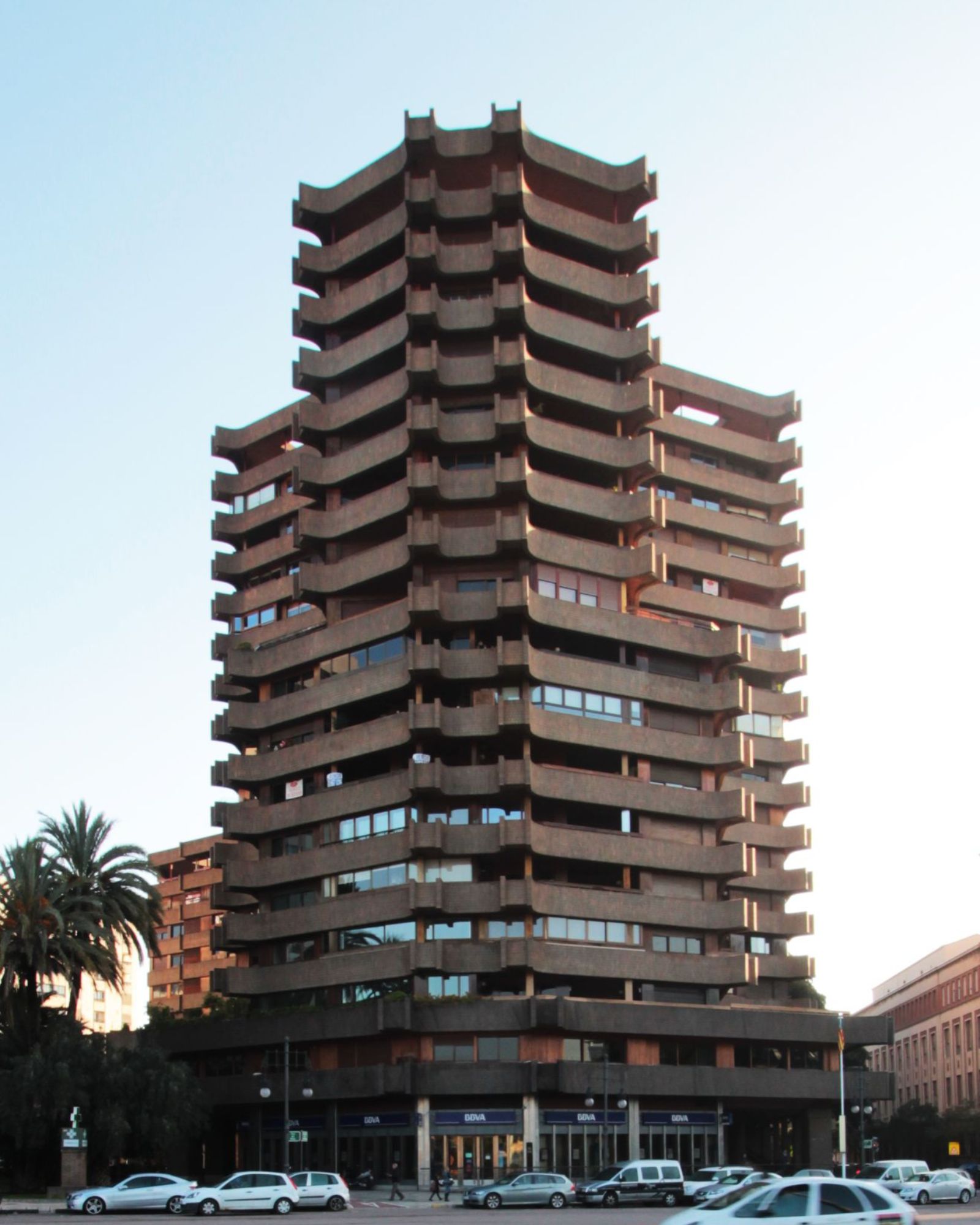
In the field of housing and residential architecture, Valencia features especially singular works. The Ripalda Tower (La Pagoda Building), by Antonio Escario, proposes a highly recognisable stepped volumetry that has become a quiet reference in contemporary residential architecture. In a more experimental register, Espai Verd, designed by CSPT Arquitectos, appears as an almost utopian work that explores the relationship between collective housing, vegetation, and shared space from a radically different perspective.
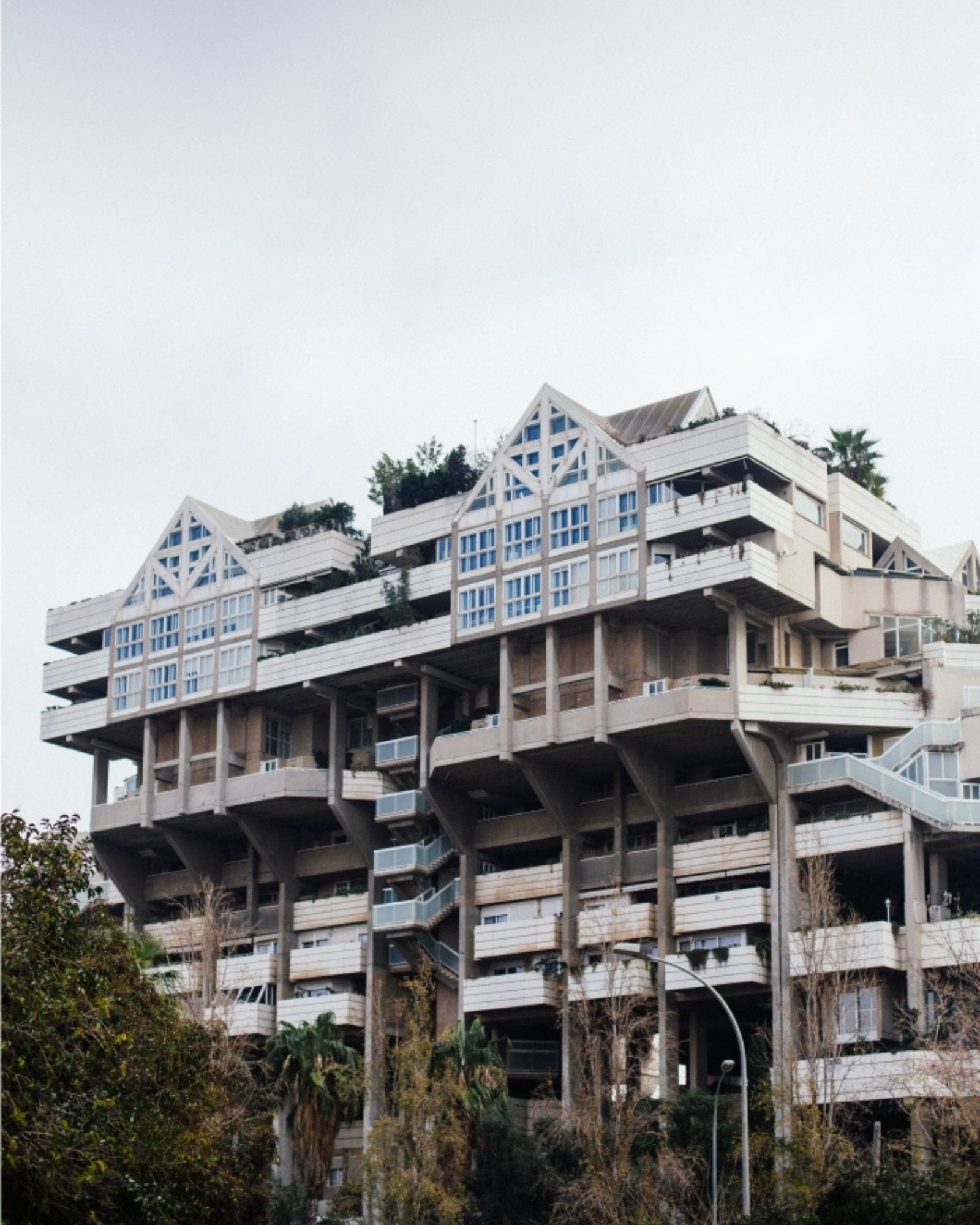
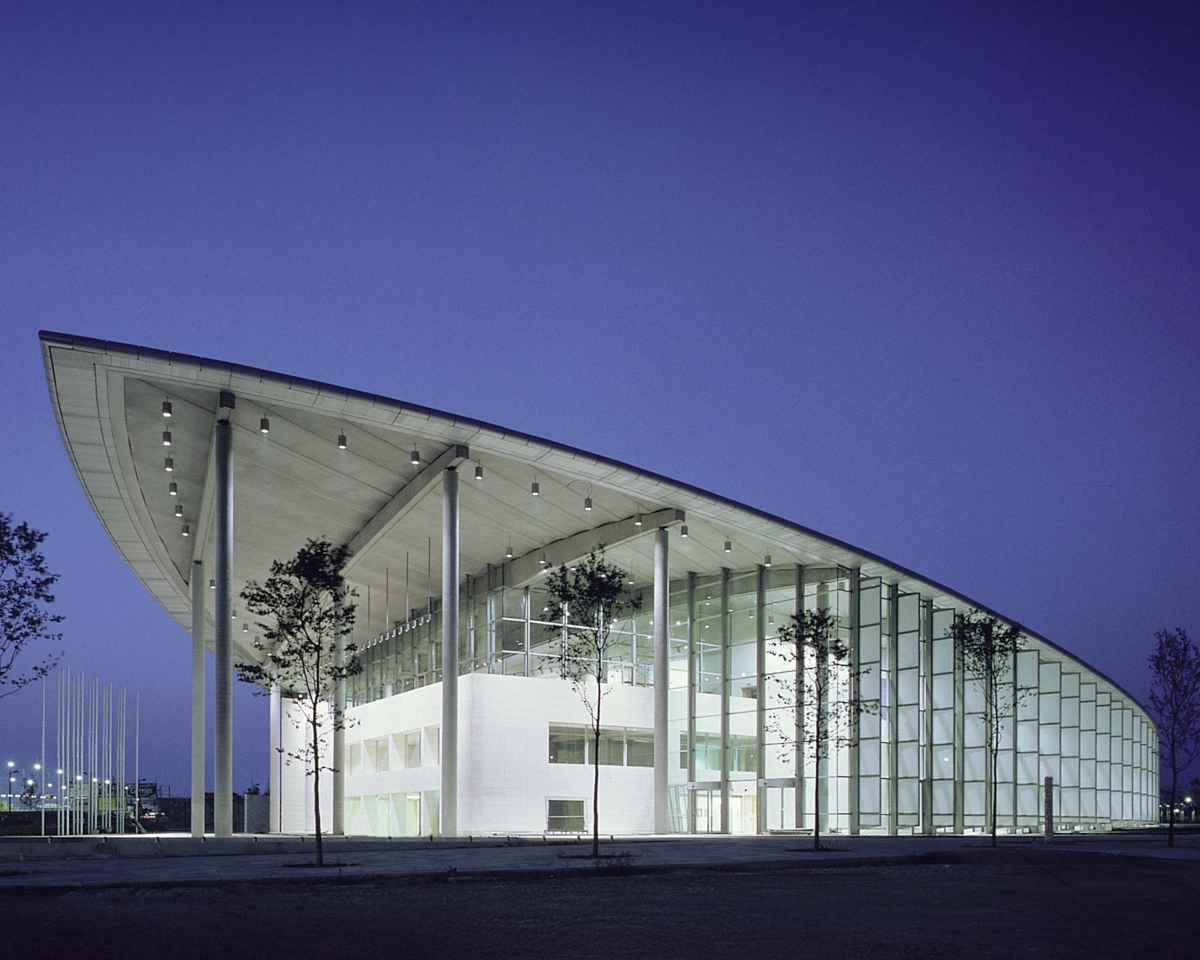
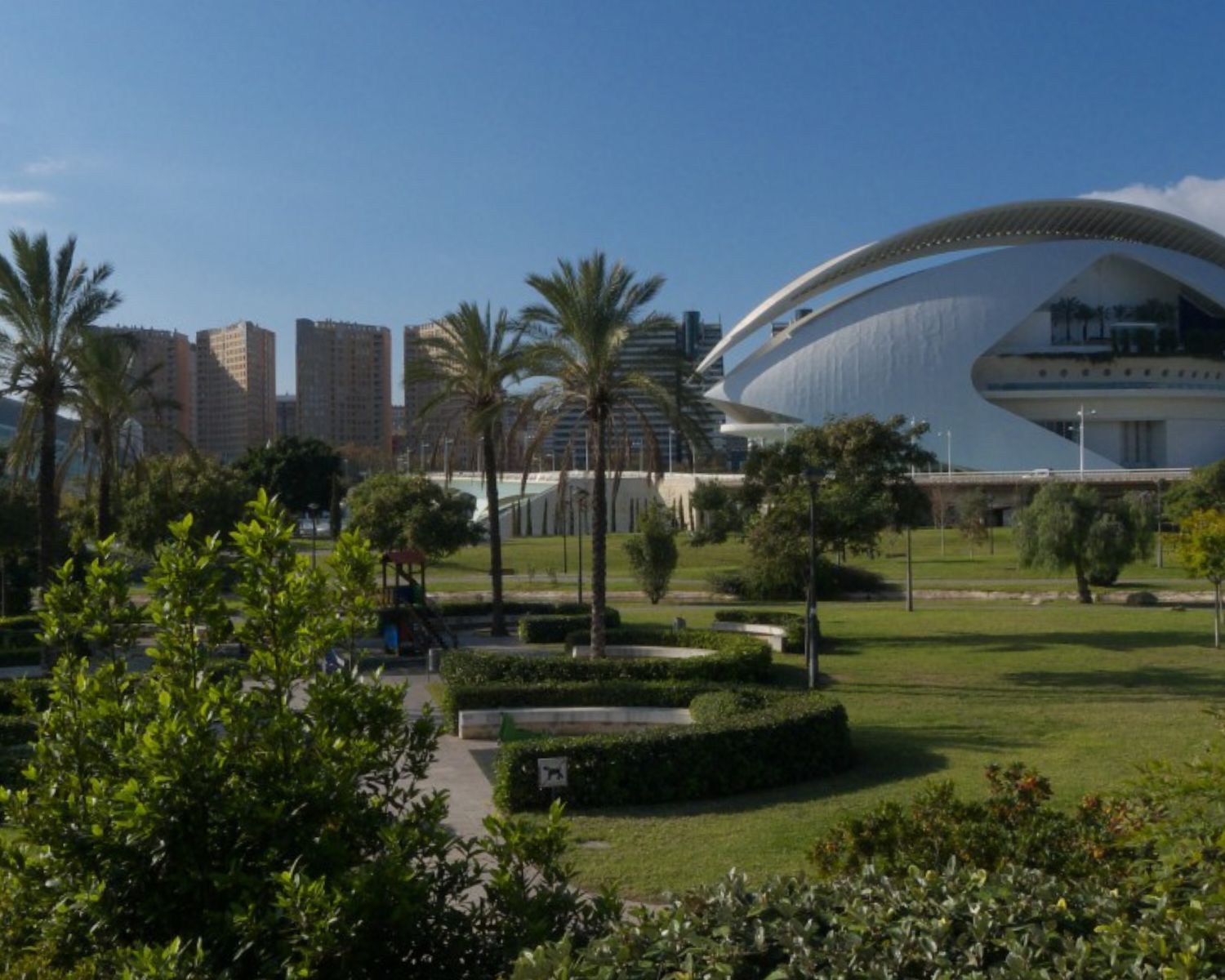
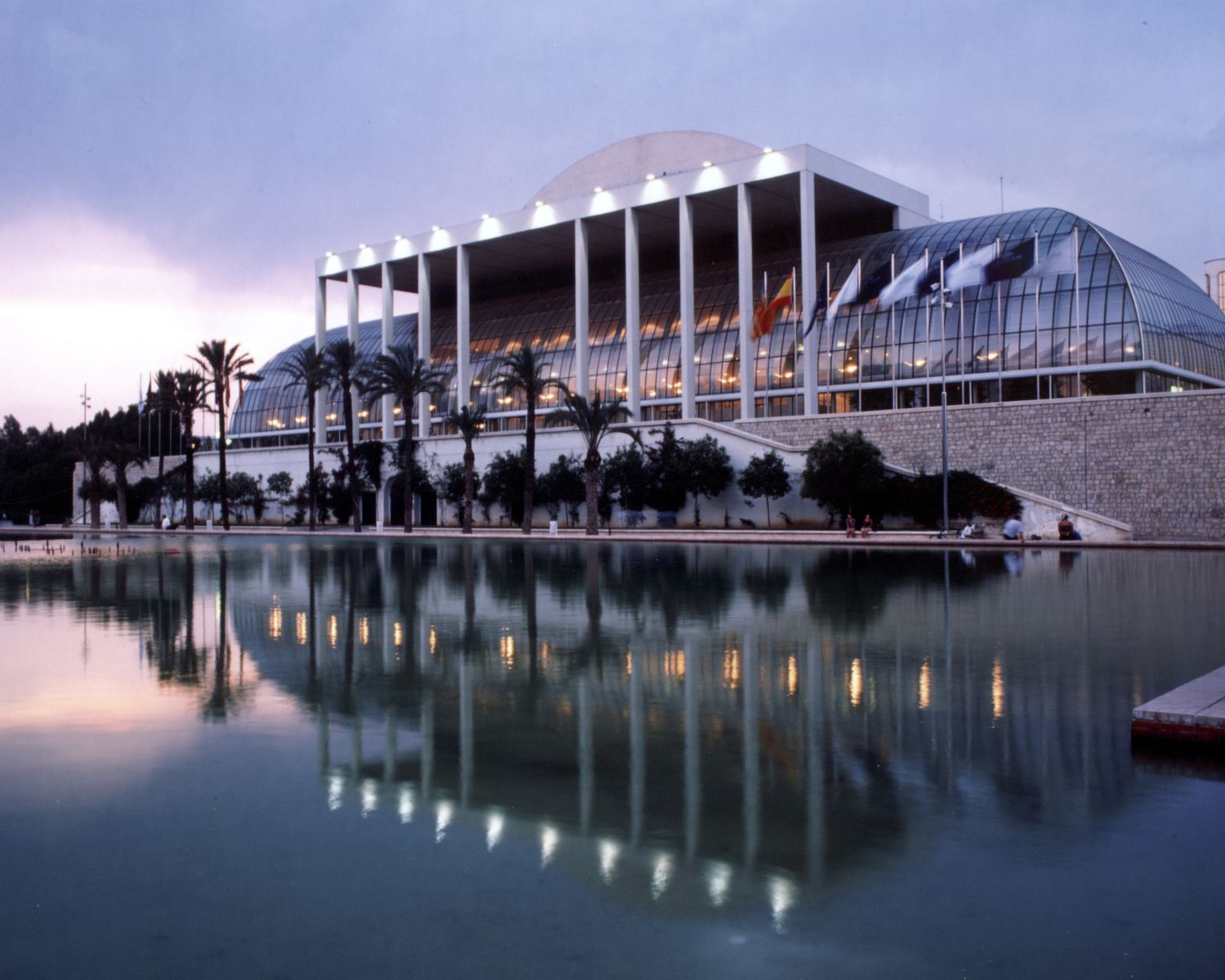
Large-scale facilities also play an important role within this panorama. The Valencia Conference Centre, by Foster + Partners, is an example of institutional architecture where structure, technology, and control of light are combined with great formal clarity. At another scale, the Turia Garden, designed by multiple creative teams, includes in the Palau de la Música section an intervention by Ricardo Bofill, which demonstrates how architecture and landscape can be integrated into a public space through a postmodern language unique to the city. And, of course, the City of Arts and Sciences, by Santiago Calatrava, remains a key reference for understanding the international projection of contemporary Valencian architecture.
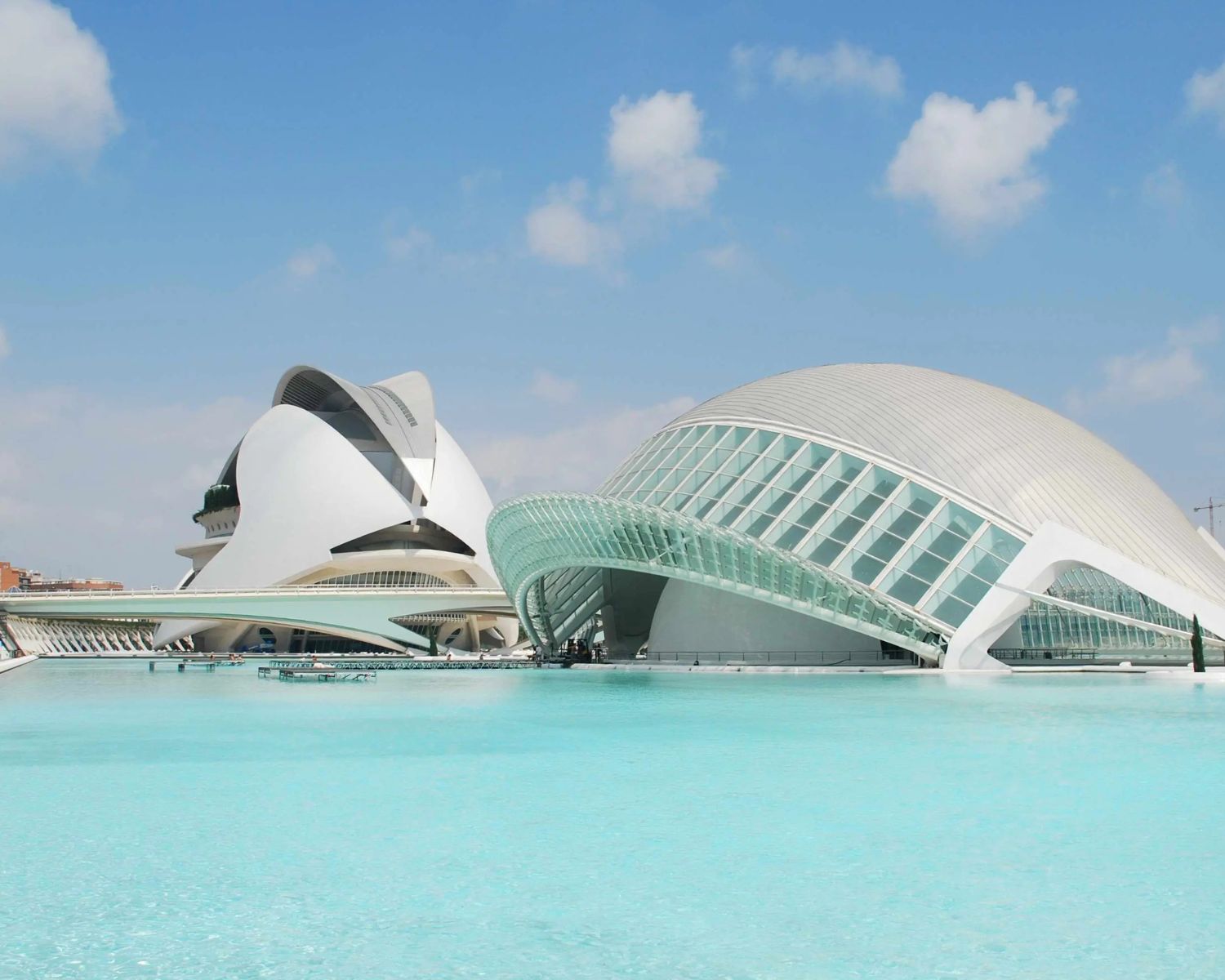
This selection concludes with two buildings that deserve special attention. The La Rambleta Building, by Gradolí + Sanz, stands out for its clear and direct architecture, very well resolved from a constructive point of view. And the Santa María Micaela Building, by Santiago Artal, is an outstanding reference in collective housing, where control of detail, proportion, and formal coherence produce domestic architecture of great quality.
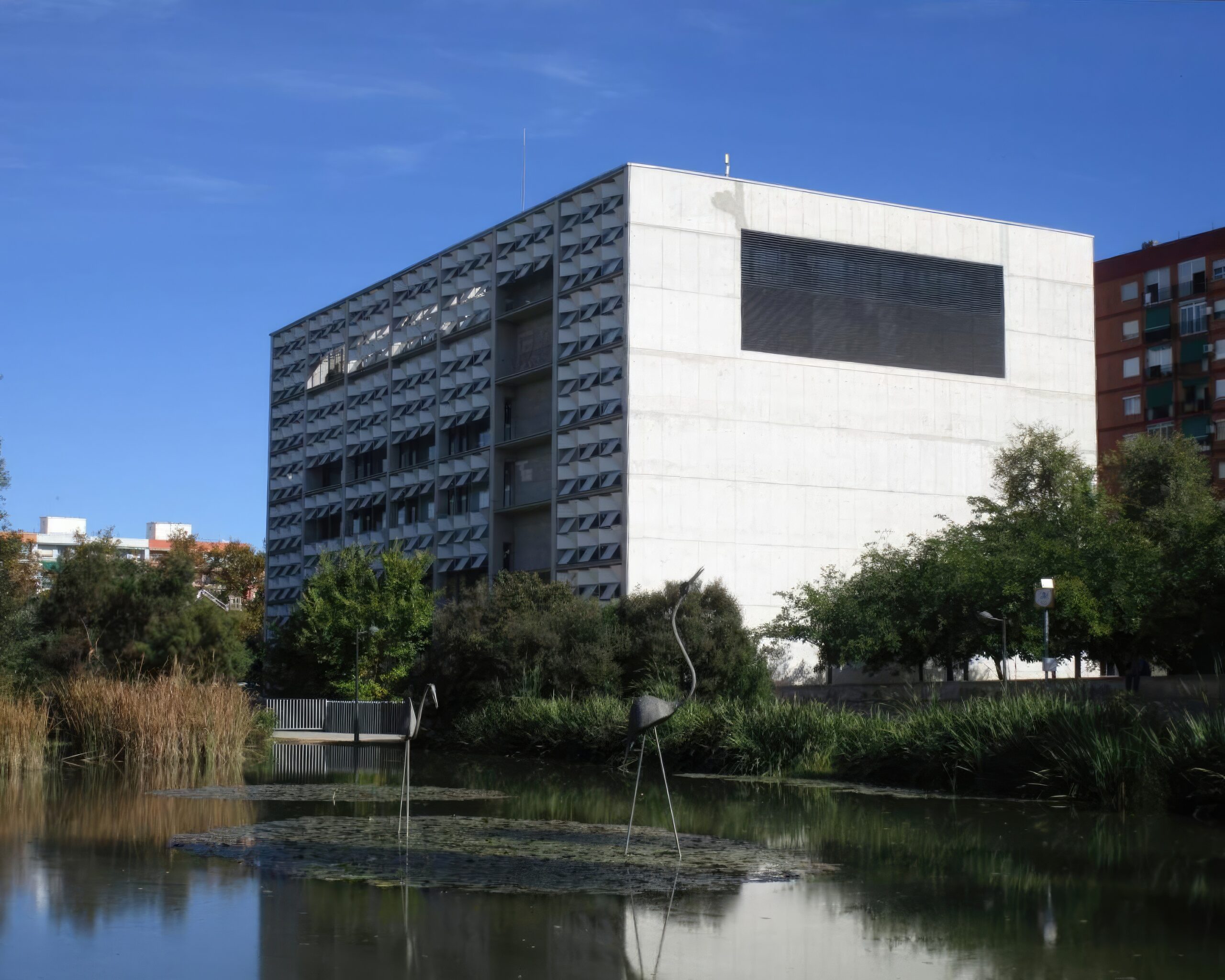
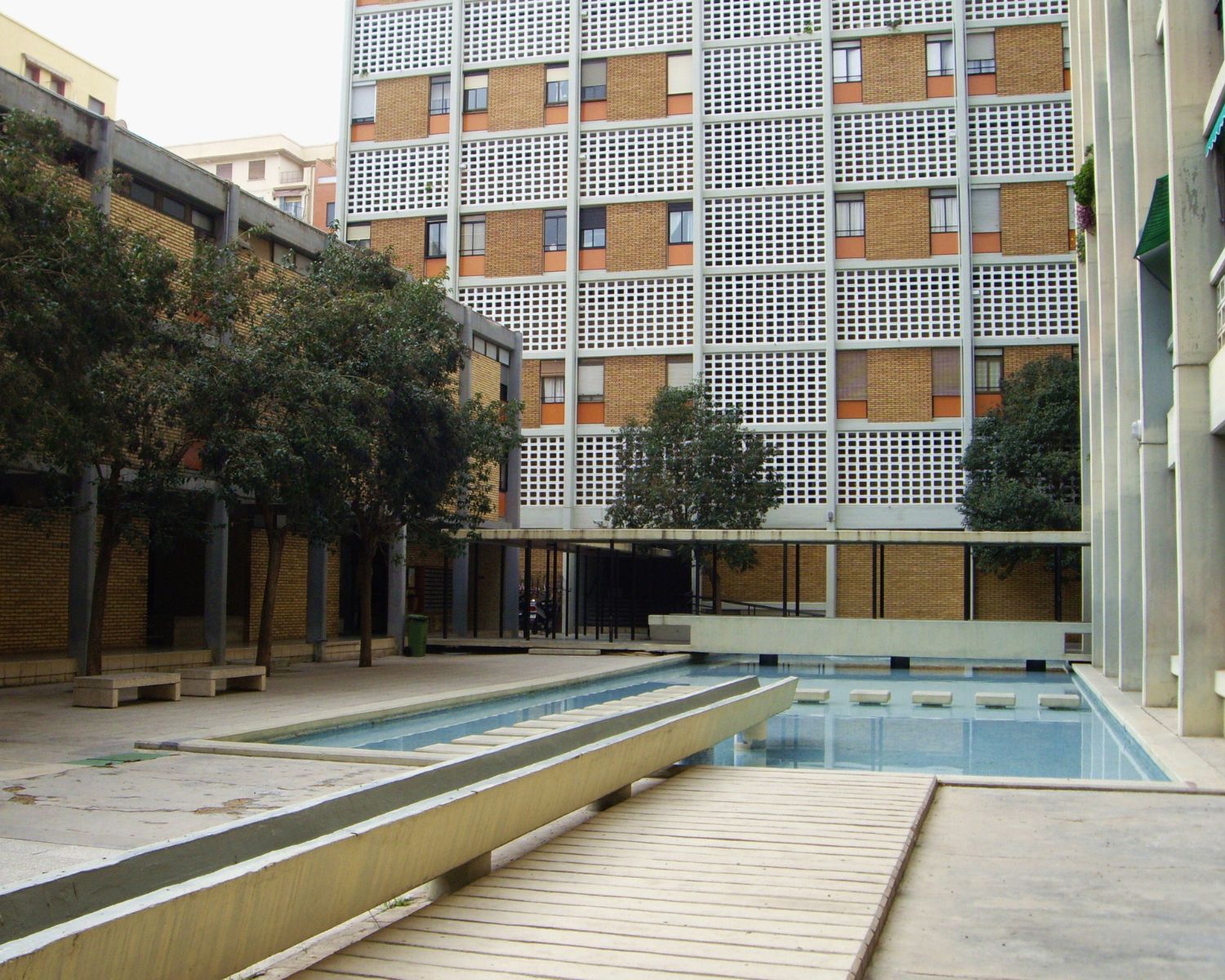
Together, these works draw a very complete panorama of contemporary architecture in Valencia, showing how different perspectives, scales, and programmes can coexist within the same city. A selection that helps to understand not only specific buildings, but also attitudes, methods, and ways of thinking about architecture today.
MArch Valencia. Arquitectura y Diseño
© 2026 MArch Valencia. Arquitectura y Diseño
Privacy policy | Cookies policy | Terms of use