


Design Spaces in Valencia
FECHA
30.01.2026
Valencia has an increasingly solid network of shops and showrooms where space acts not only as a container, but also as an active part of the brand narrative.
These are places where interior architecture, materials, light, and atmosphere come together to build a coherent and recognizable experience, becoming benchmarks of good design within the city’s commercial and cultural fabric.
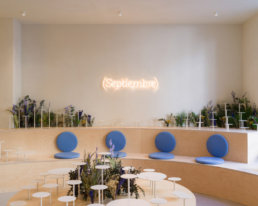
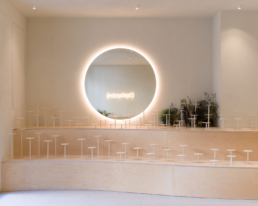
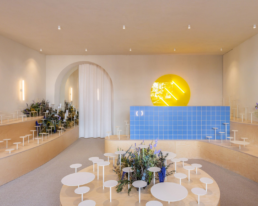
First, Septiembre is a space designed by Clap Studio that explores a direct relationship between brand identity, architecture, and experience. The project is built around a precise atmosphere, where the use of color, geometry, and lighting defines a contemporary and recognizable environment. The space is conceived as a coherent system in which every element is carefully measured, generating a clear and immersive sensory experience. Beyond its commercial function, Septiembre is understood as a place for gathering and lingering, where design naturally accompanies the user and reinforces the project’s singular character.
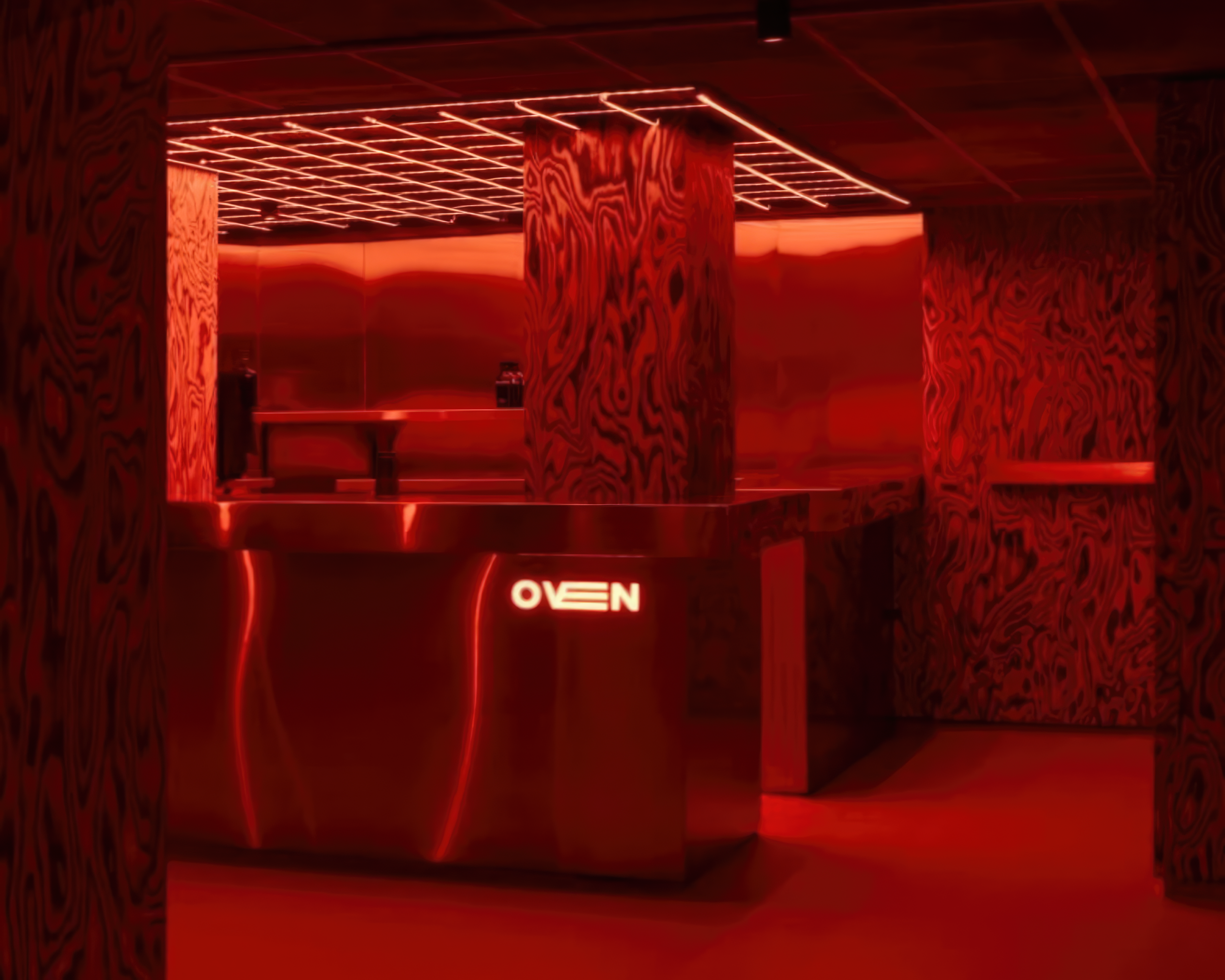
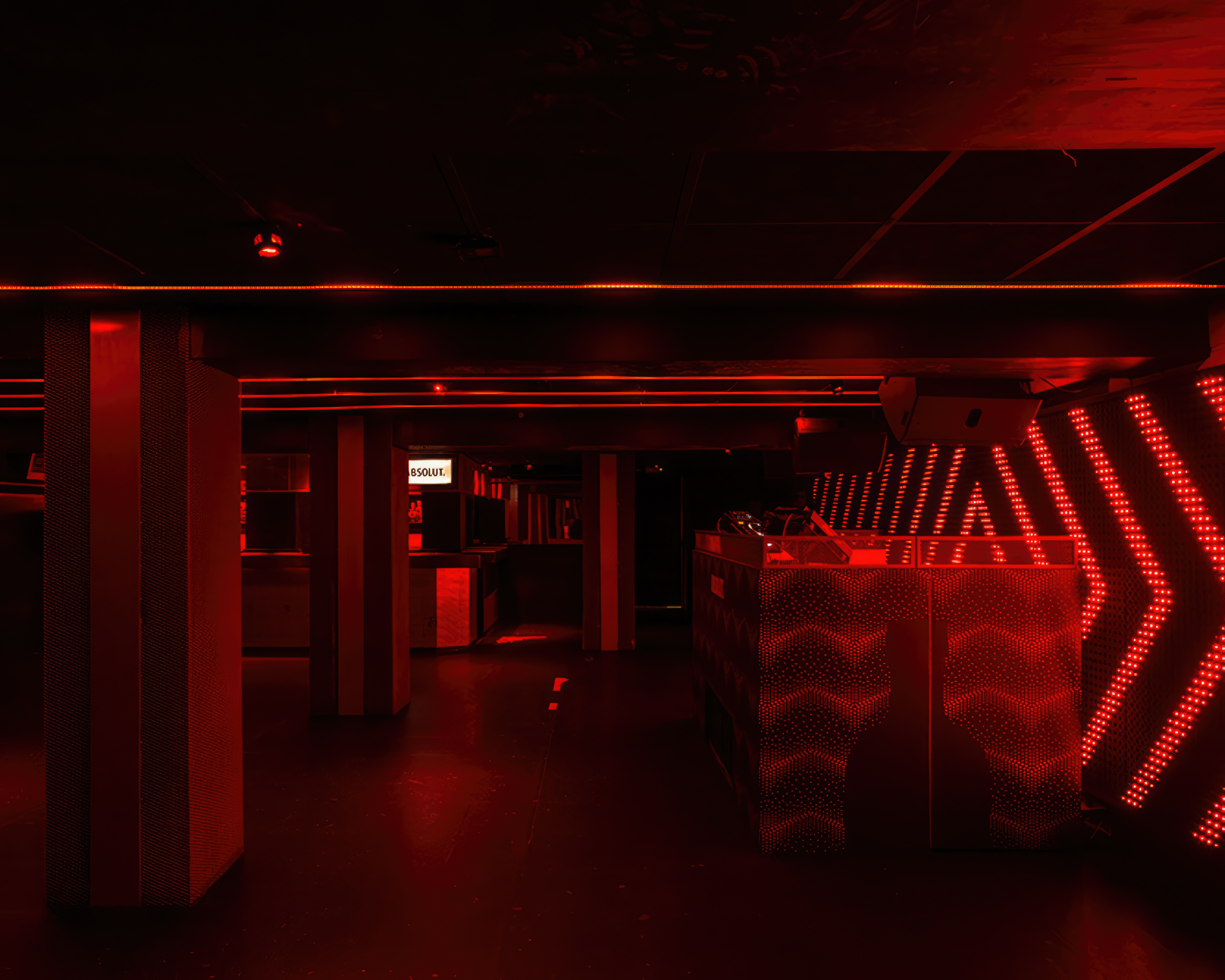
Continuing with Clap Studio, they also designed the interior of the nightclub Oven. Taking its name as a metaphor, they transform the interior into an “oven,” hence the use of colors moving within the red chromatic scale, creating an atmosphere that, together with screens projecting flames, transports visitors into a conceptual universe. In material terms, stainless steel and Alpi wood in reds and blacks are used.
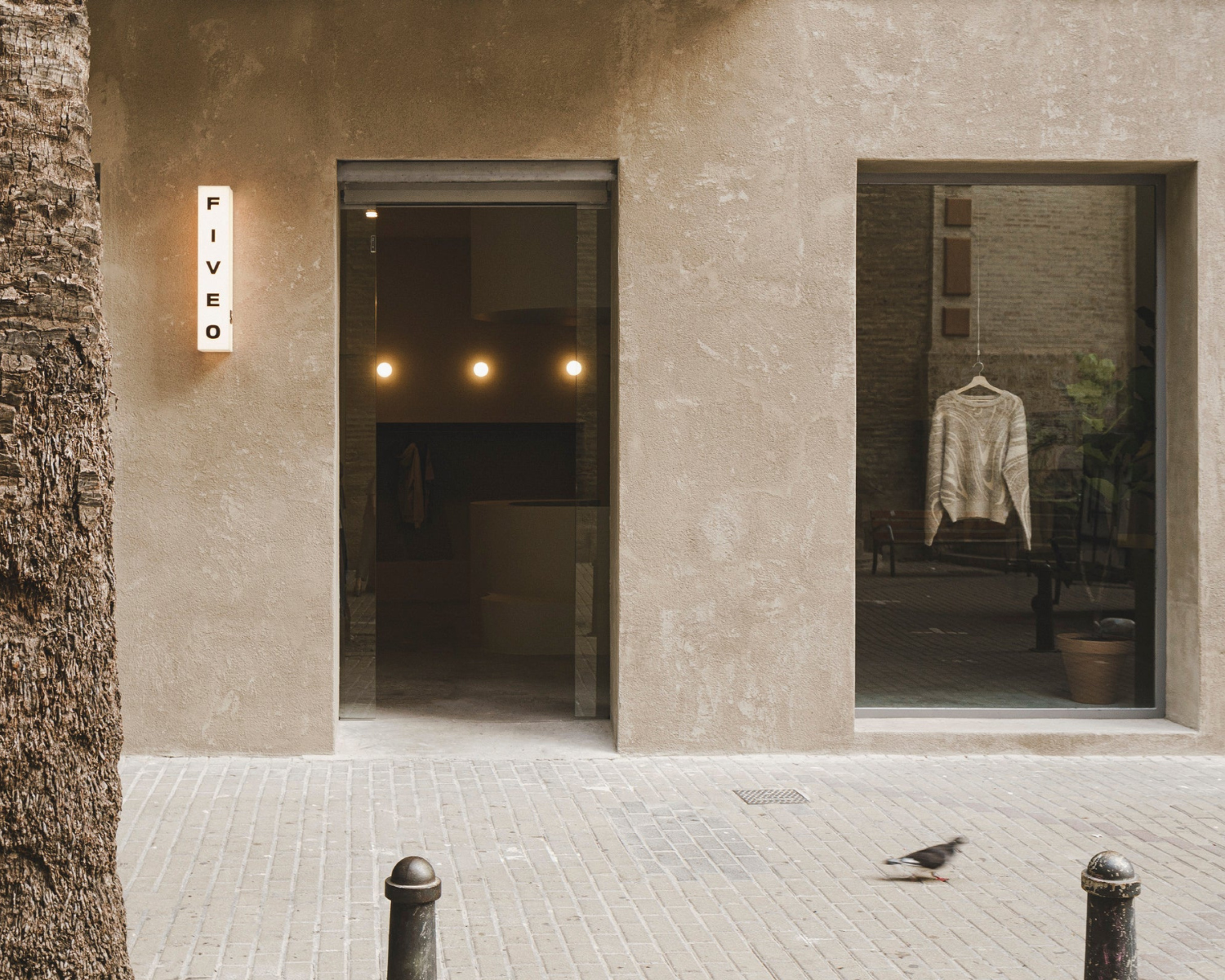
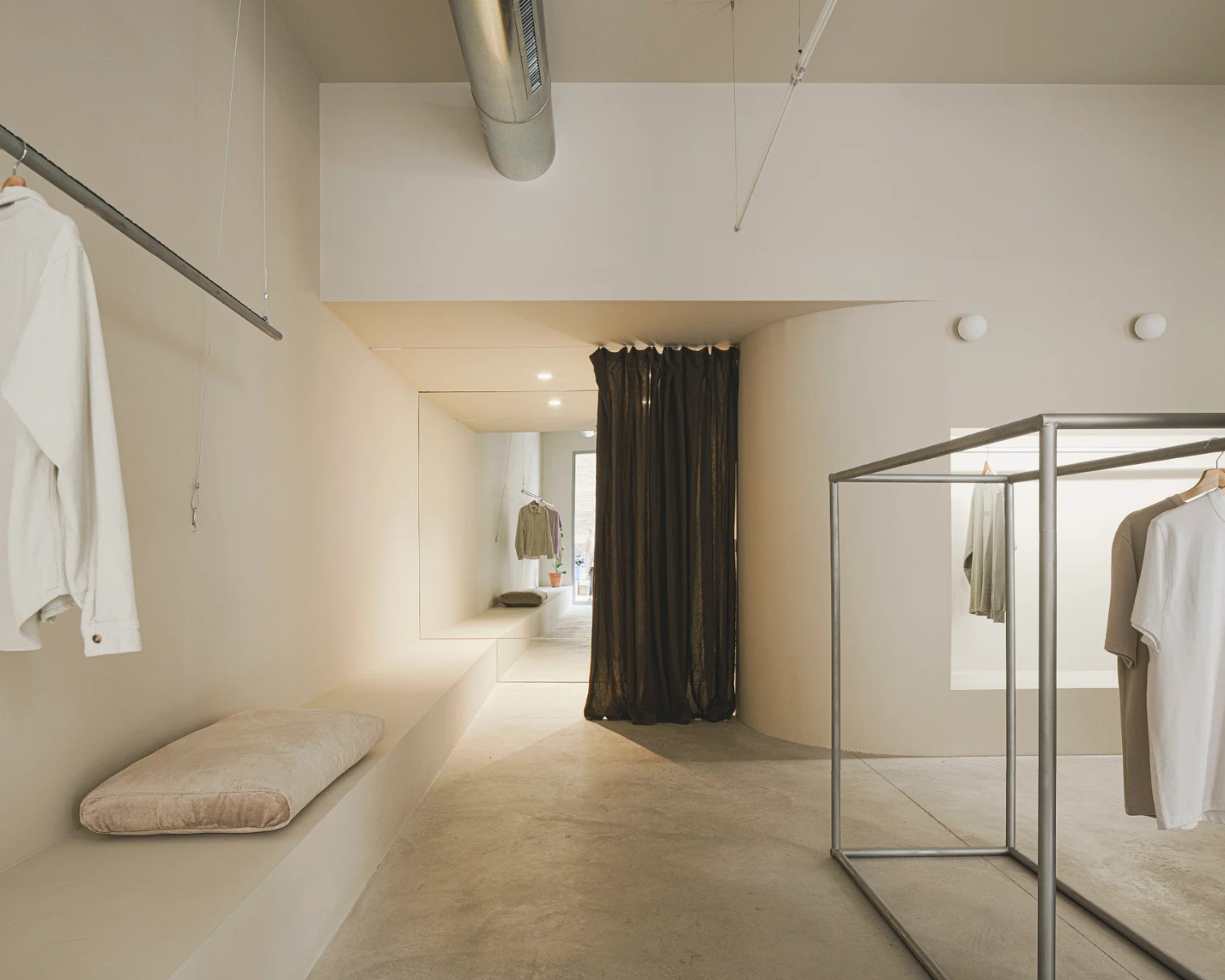
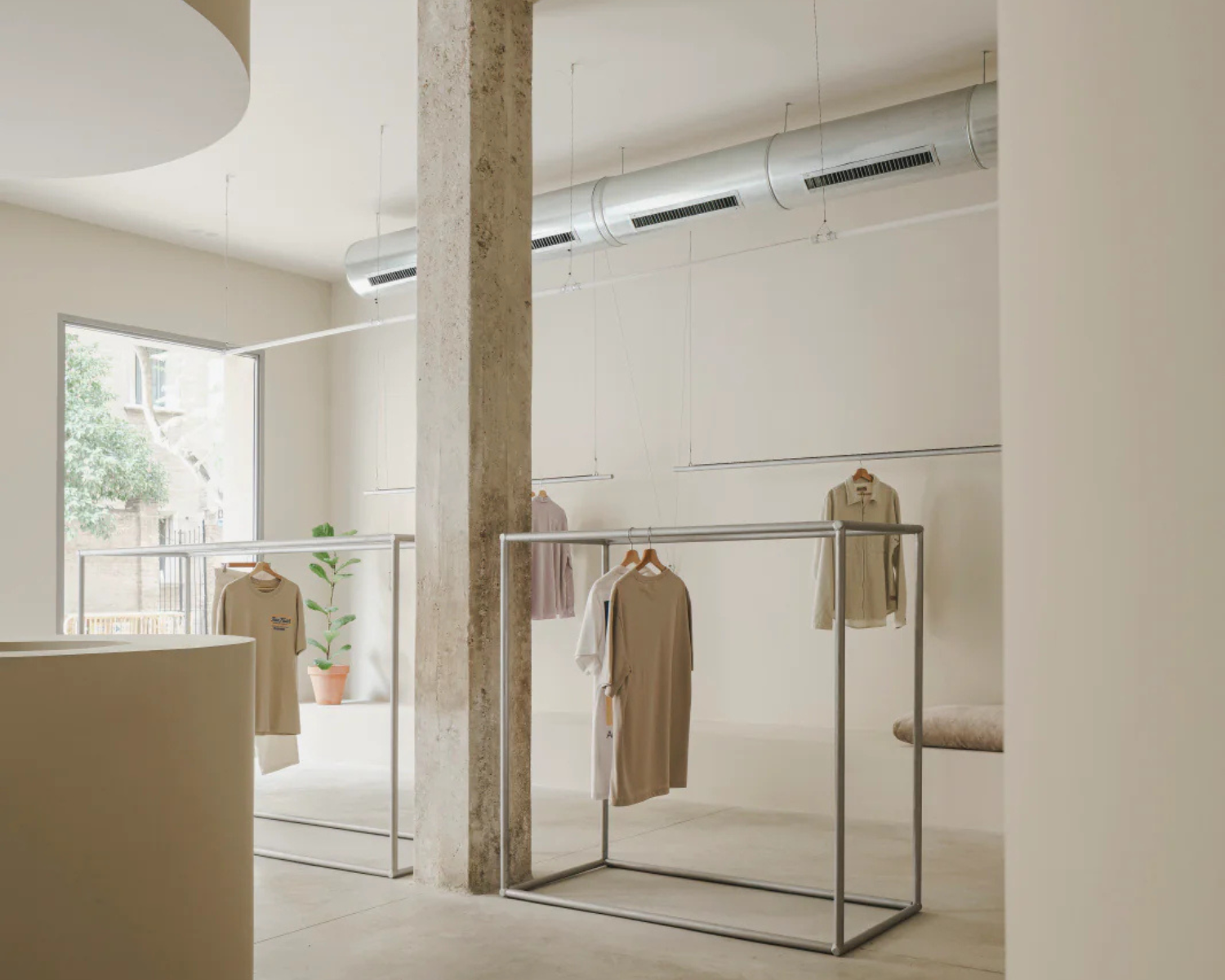
In the case of Five O Store, the interior design was developed by Her Arquitectura, who conceive the space as a direct translation of the brand’s identity into architecture. The project is structured around a clear and essential composition, where materiality, geometry, and light shape a sober and contemporary environment. The space acts as a precise support for the product, avoiding unnecessary gestures and reinforcing a coherent, balanced experience aligned with the brand’s character.
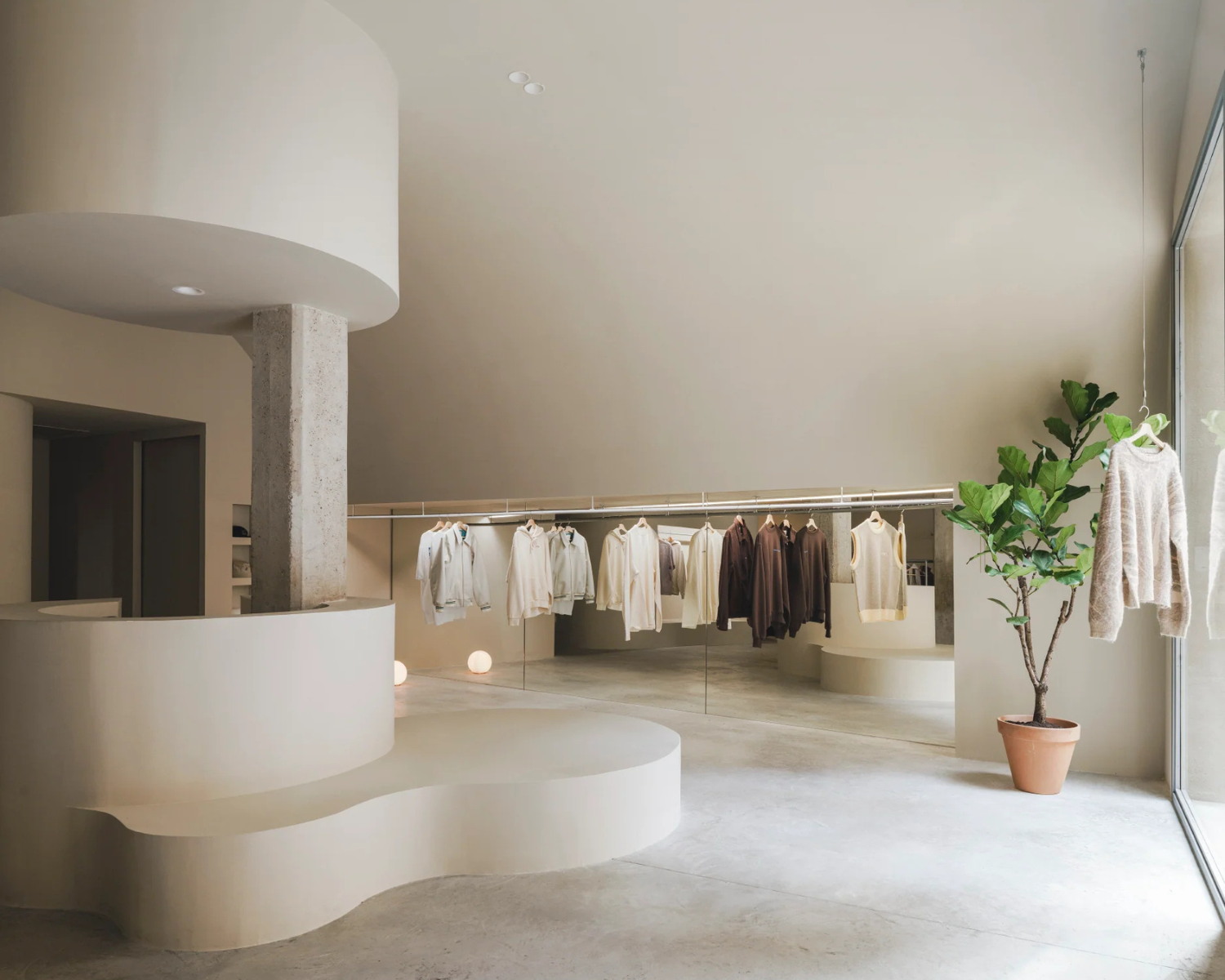
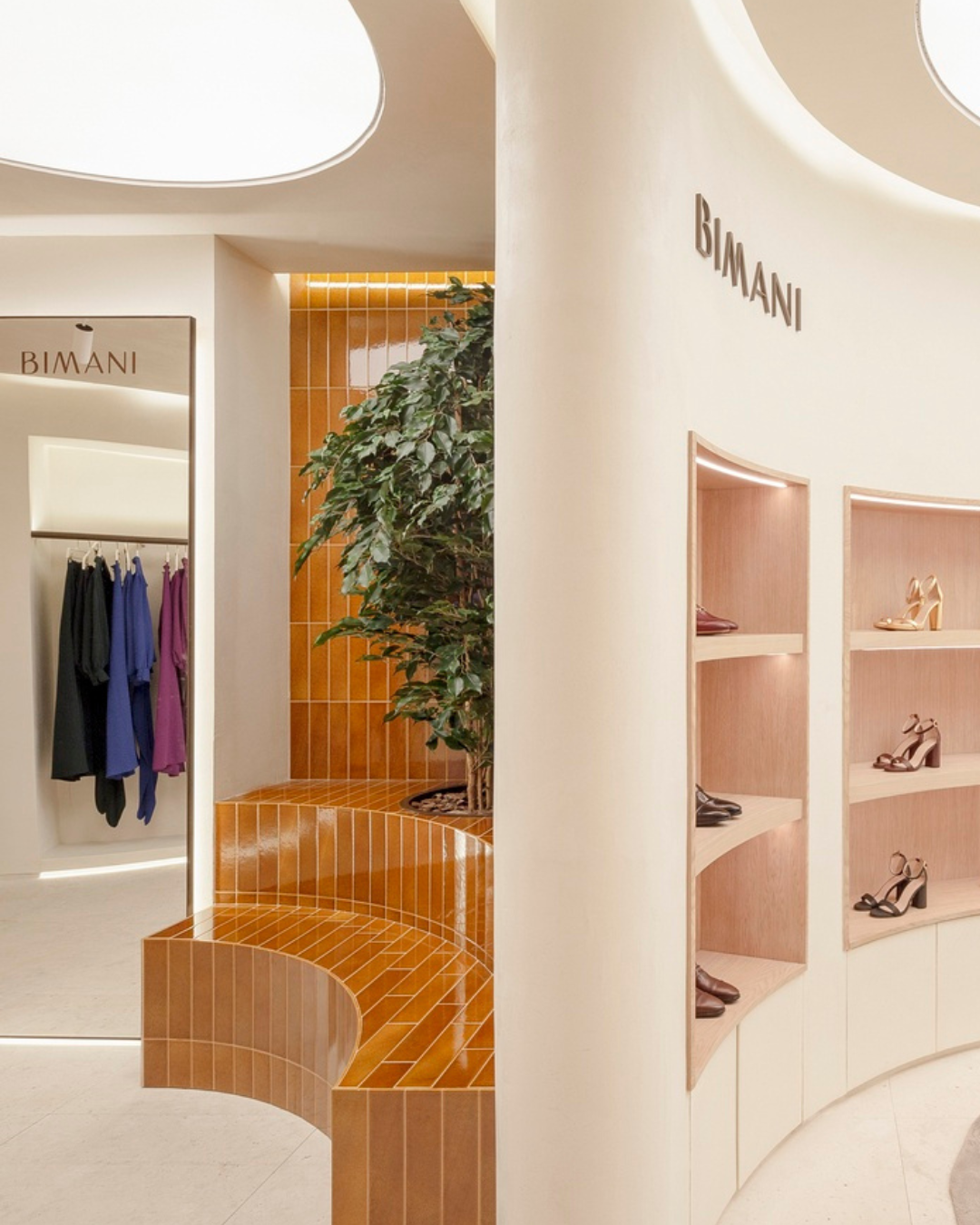
Bimani Valencia features an interior design by CuldeSac. The space responds to a clear brand strategy based on simplicity, elegance, and visual coherence. Through clean lines, carefully considered lighting, and a precise selection of materials, the project creates an environment that accompanies the product without competing with it, reinforcing a calm and orderly shopping experience.
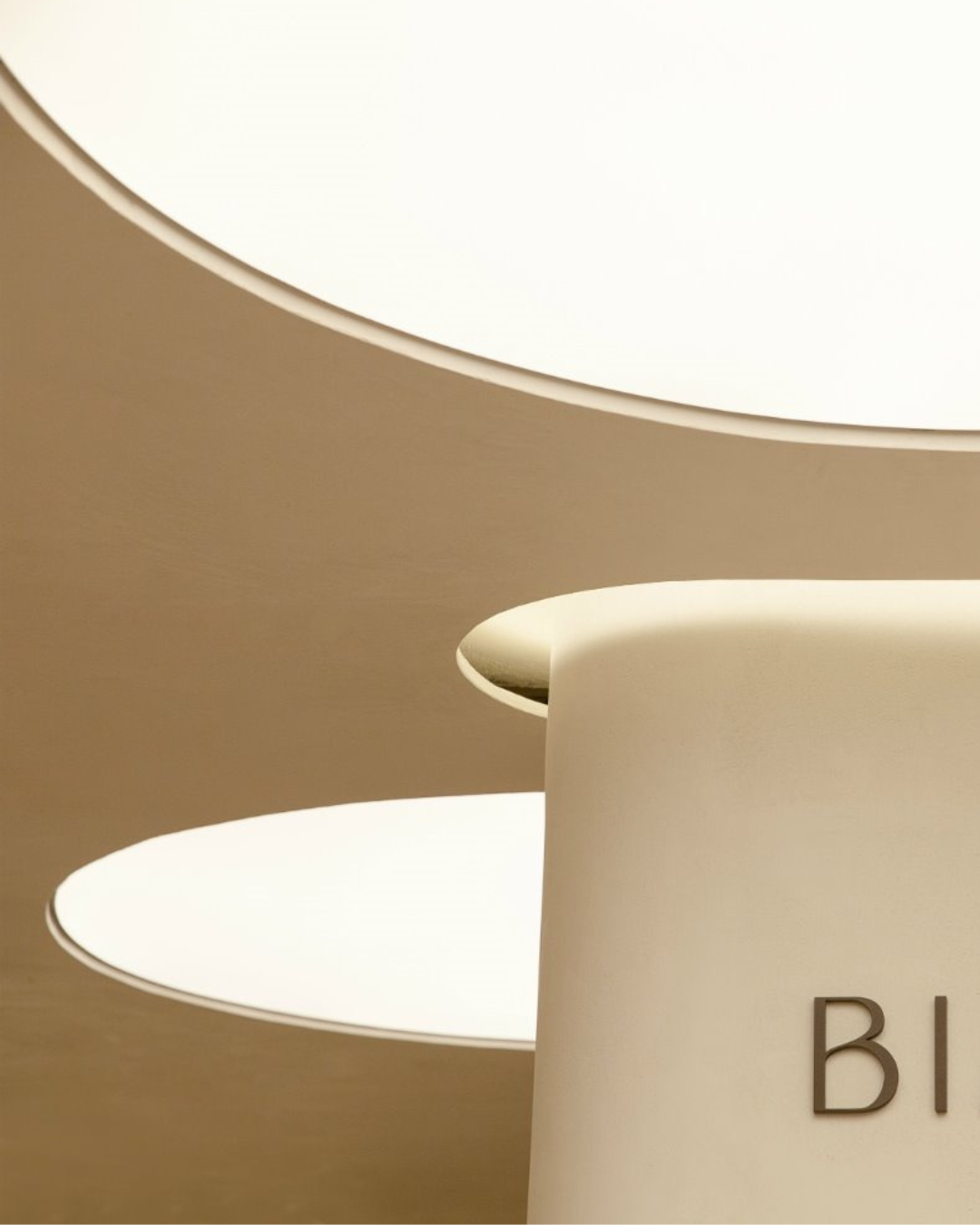
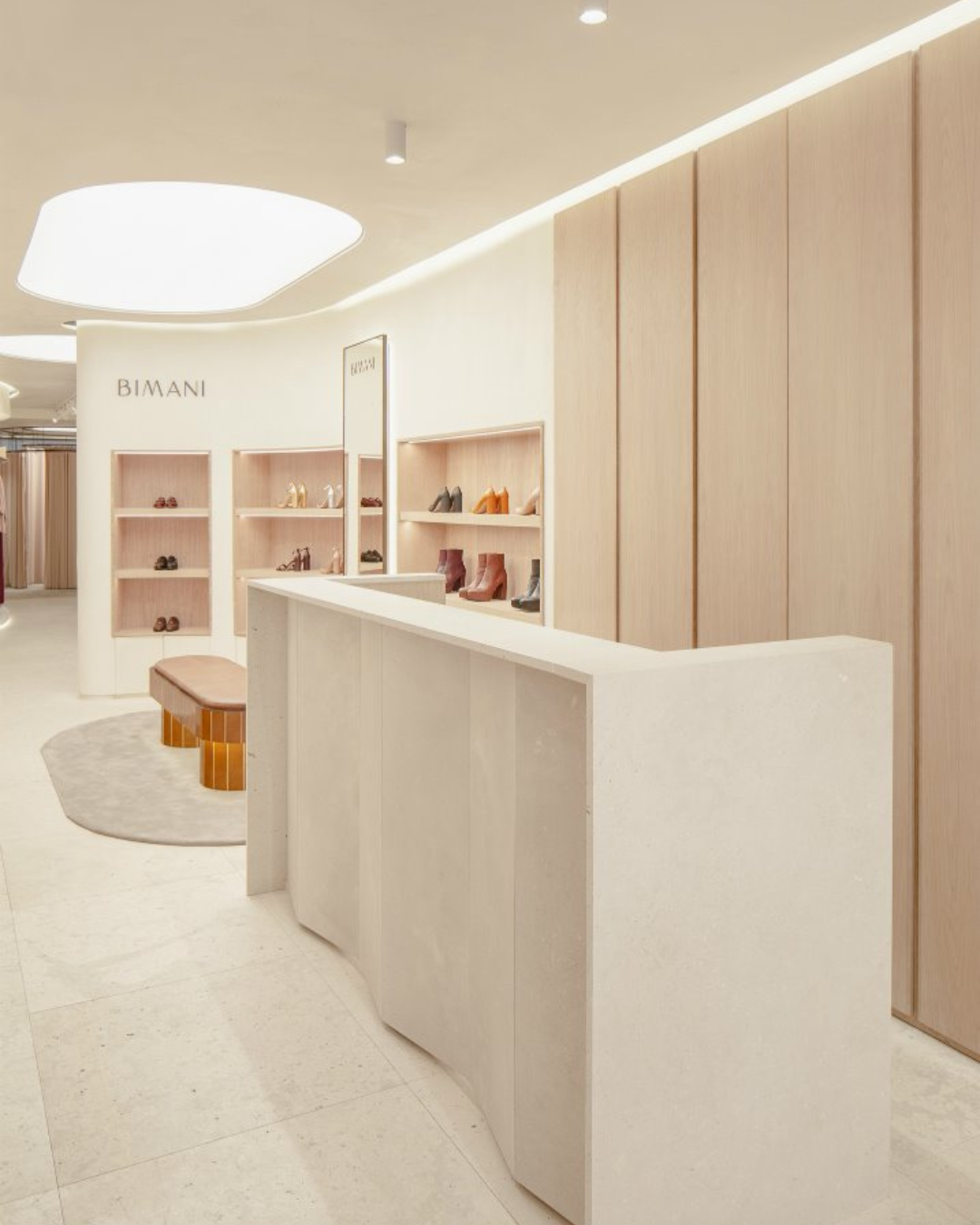
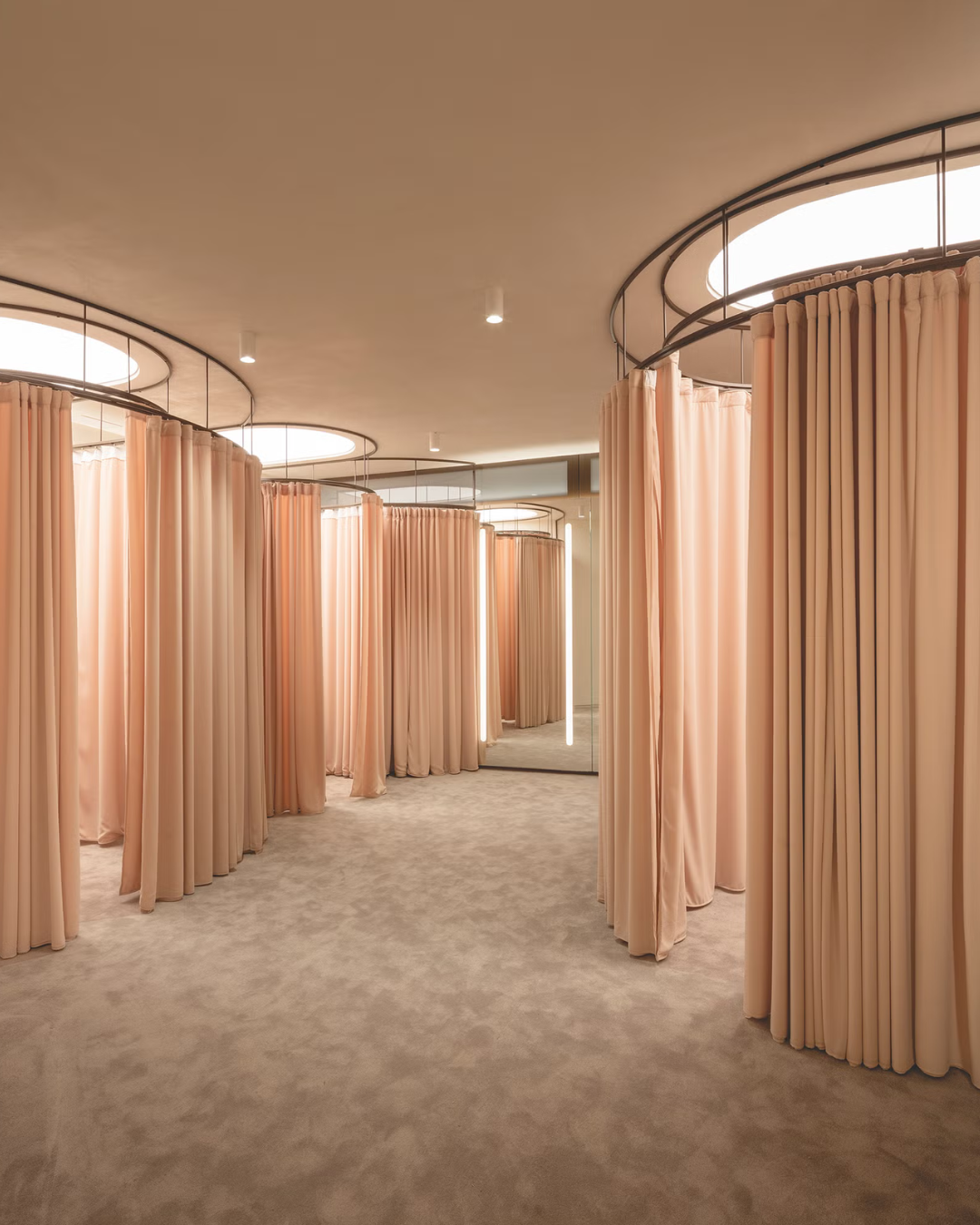
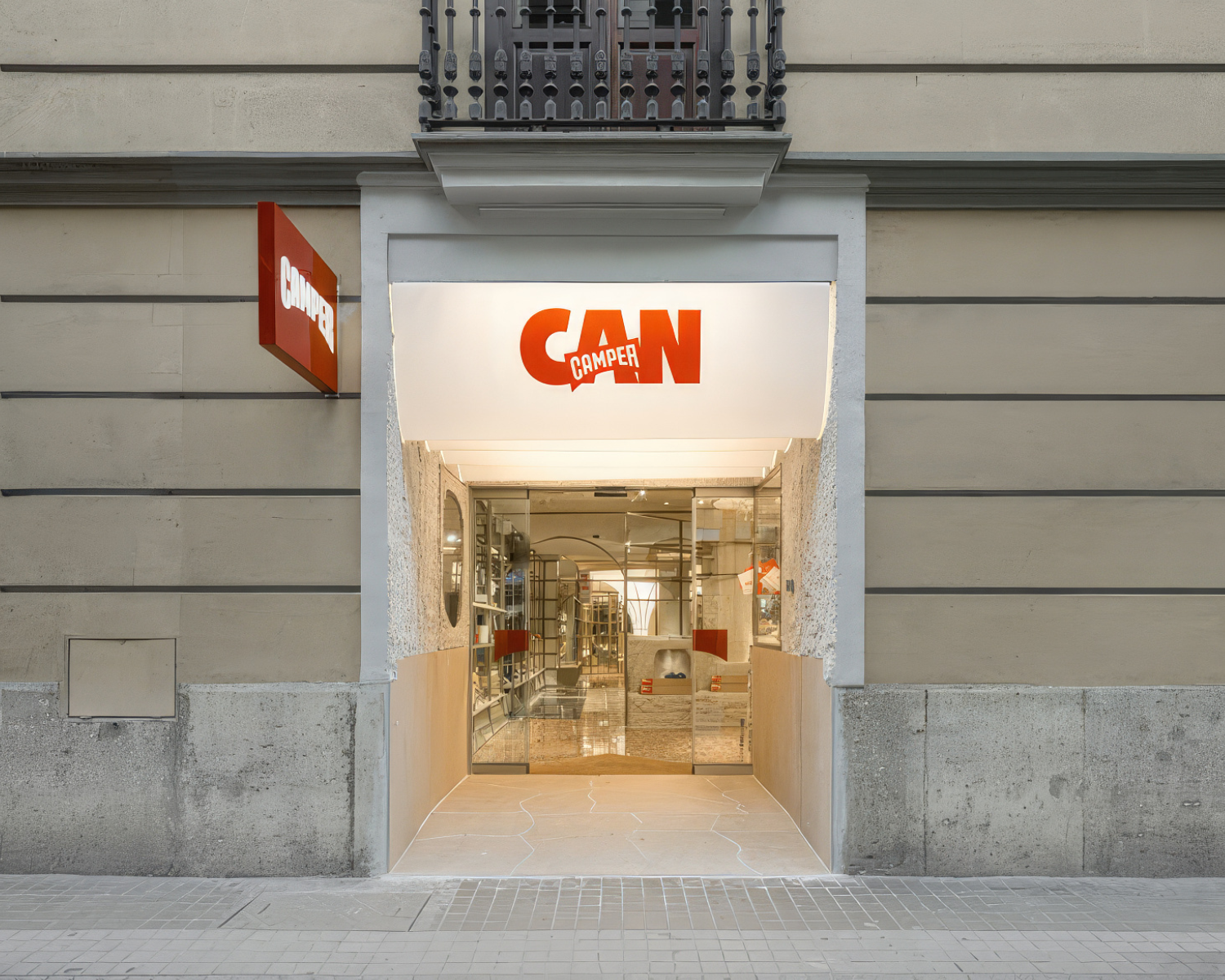
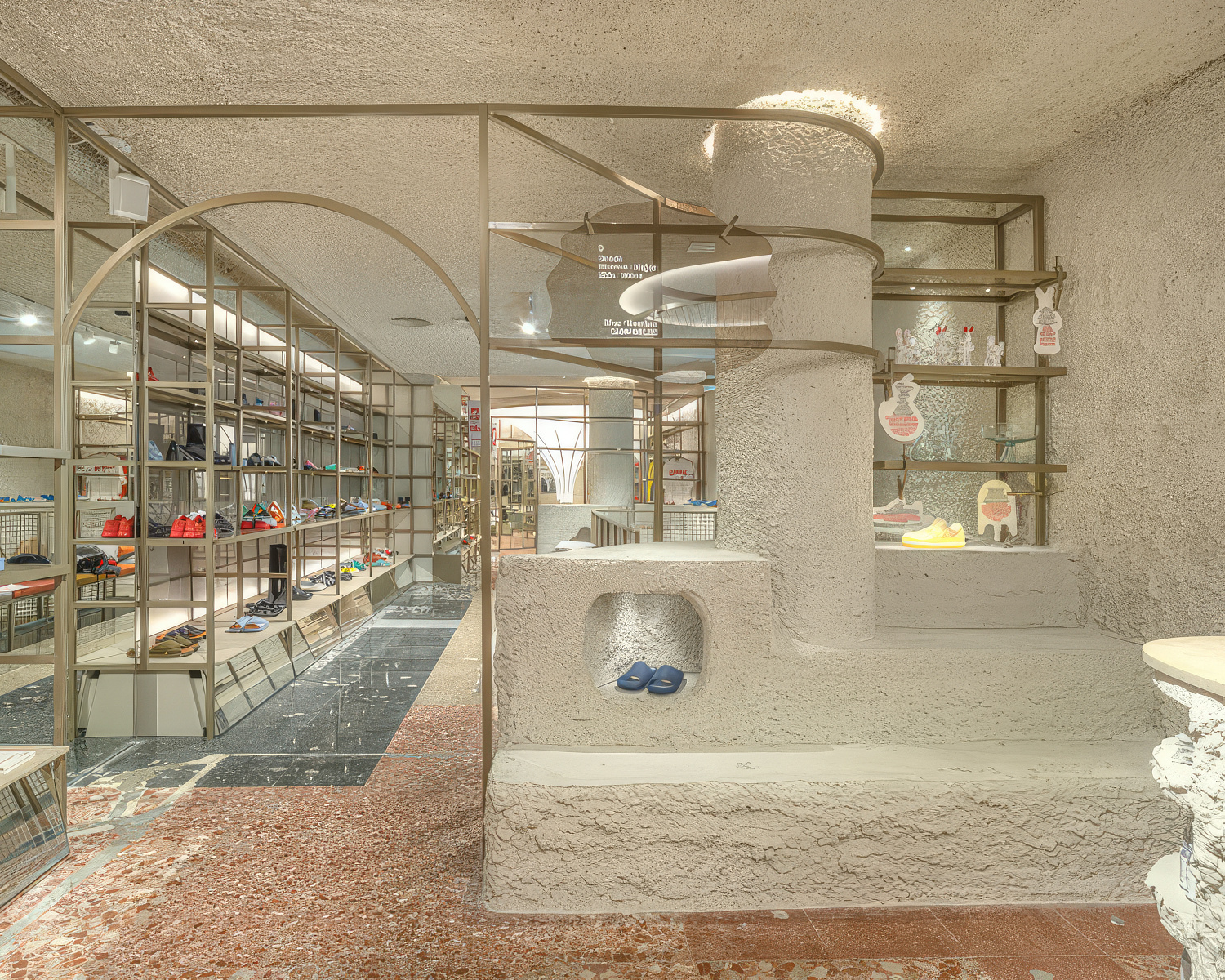
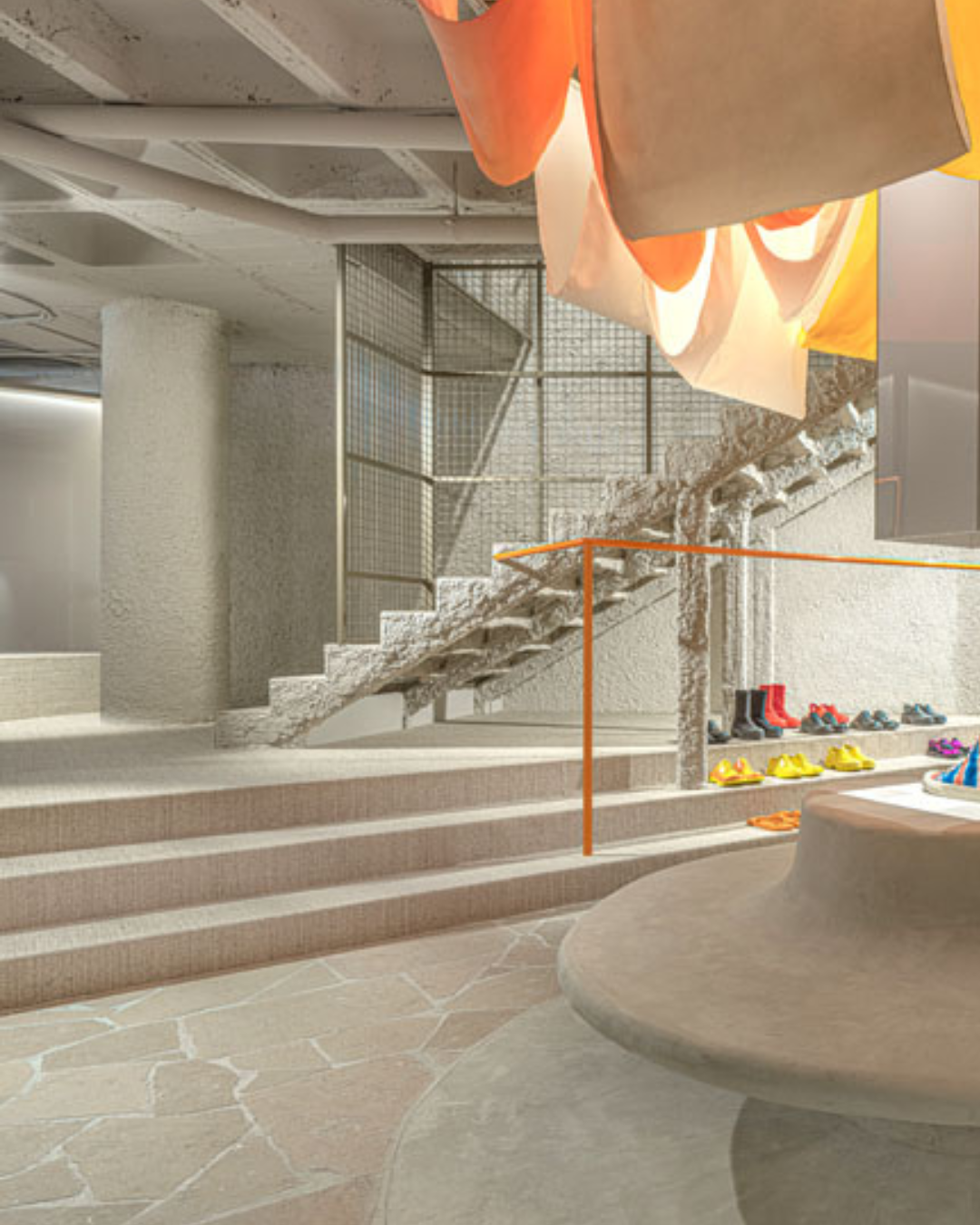
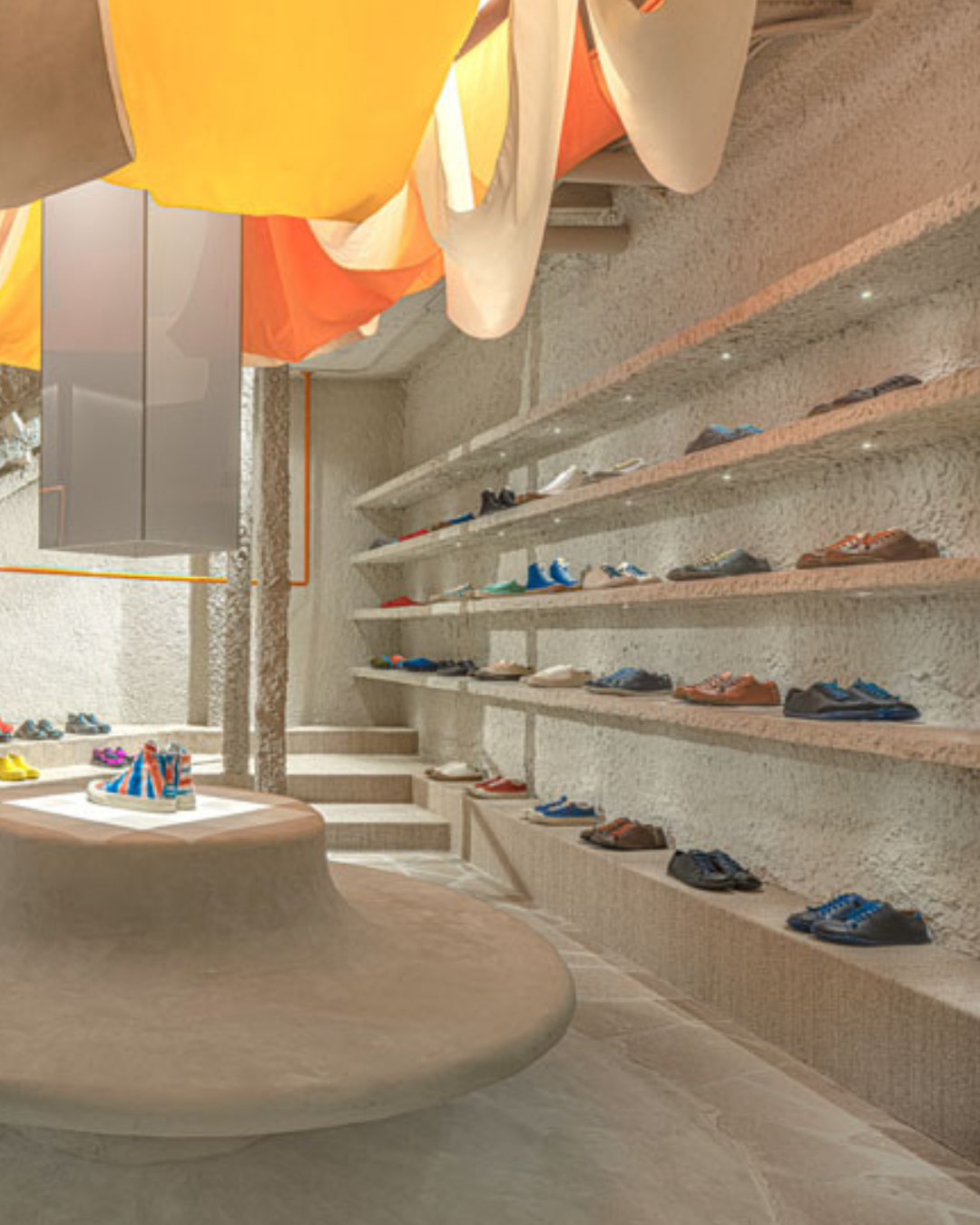
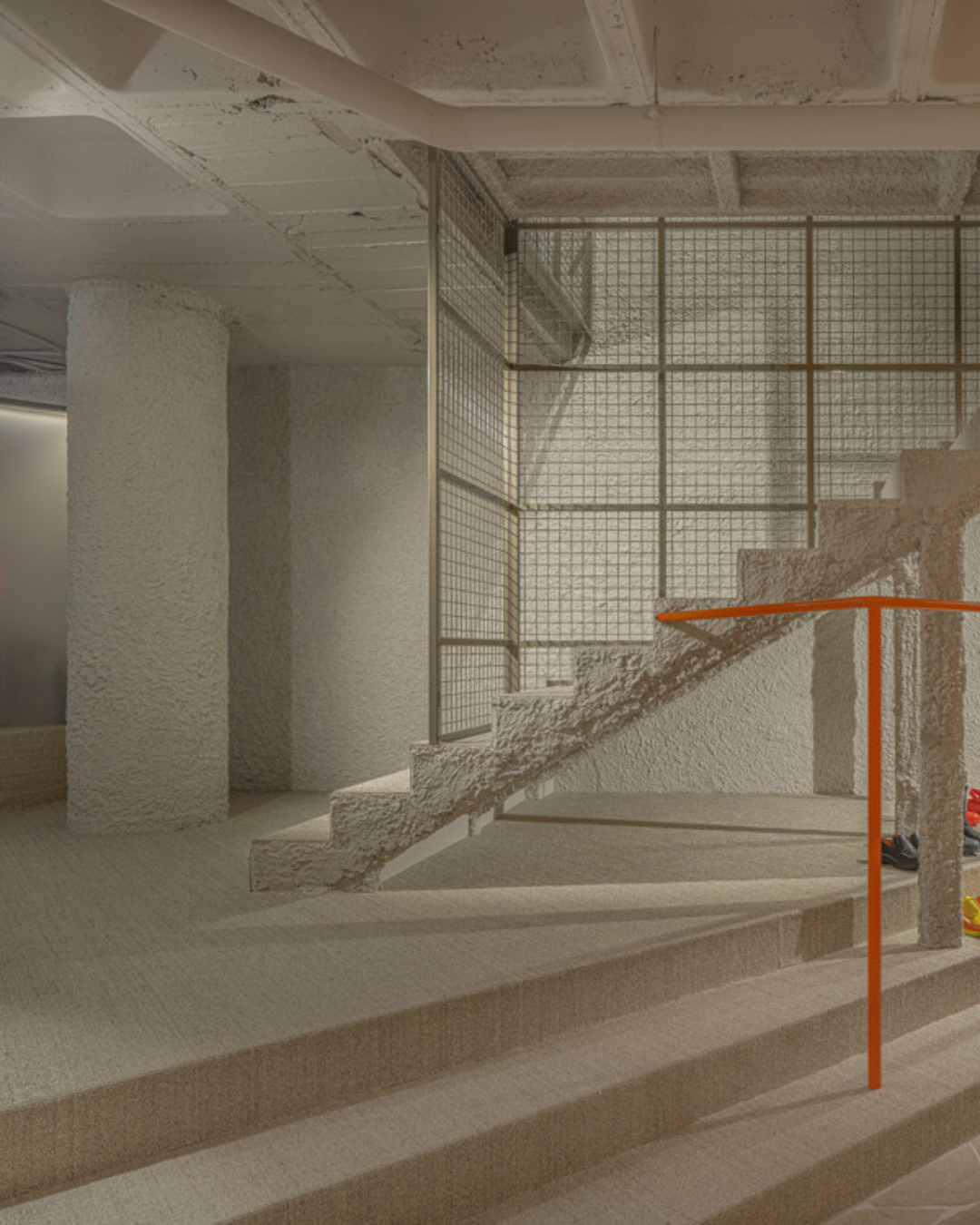
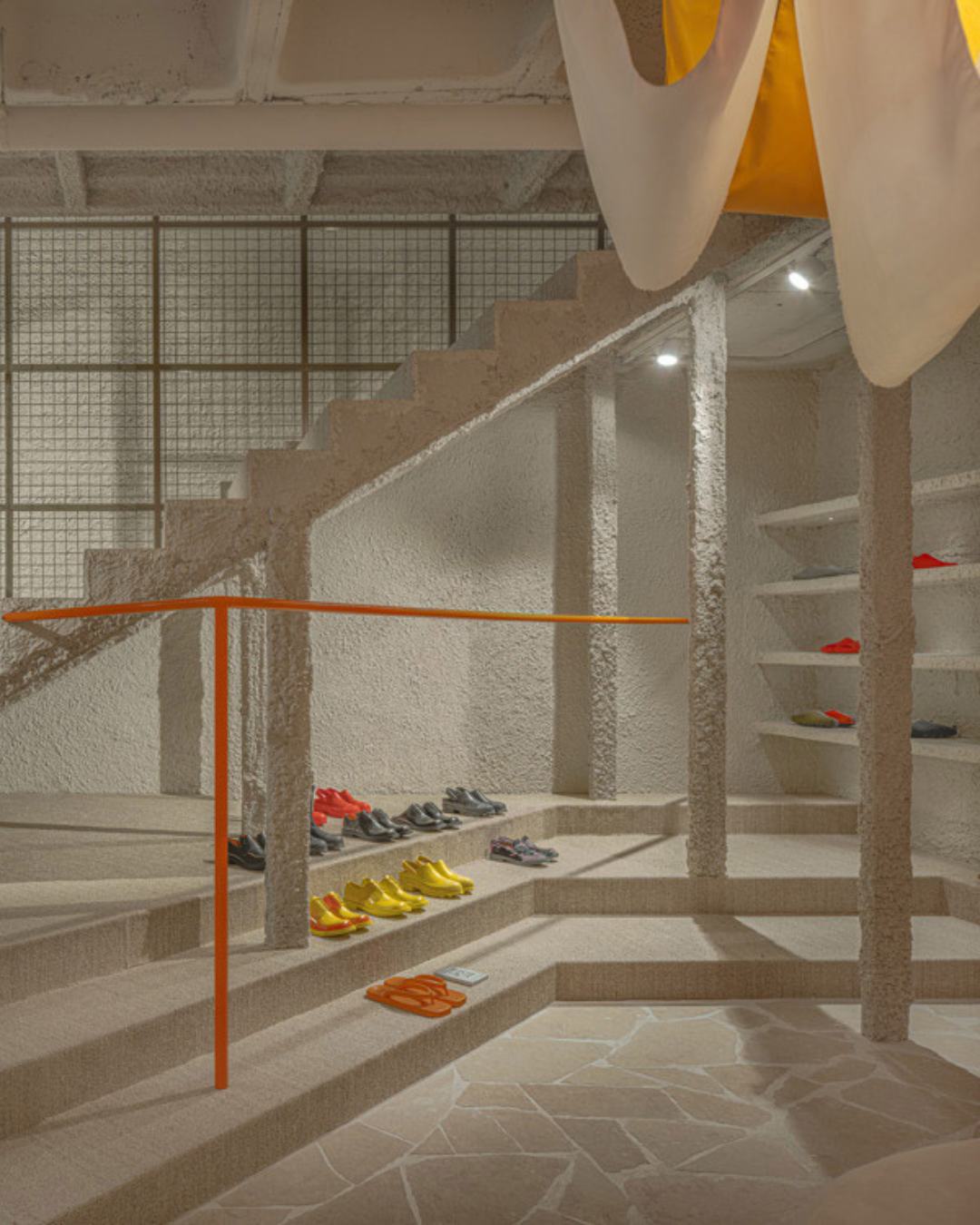
Can Camper arrives in Valencia as a design house conceived as an open, domestic, and welcoming space, where retail is combined with a cultural and social dimension. The interior design, signed by Marta Armengol, moves away from the conventional store format to propose a flexible and changing environment, where furniture, objects, and areas for staying coexist, all designed to encourage people to linger. The materiality, the use of honest elements, and the relaxed atmosphere shape a space that functions as a meeting place, reinforcing Camper’s identity and its link to contemporary design through a close, Mediterranean interpretation.
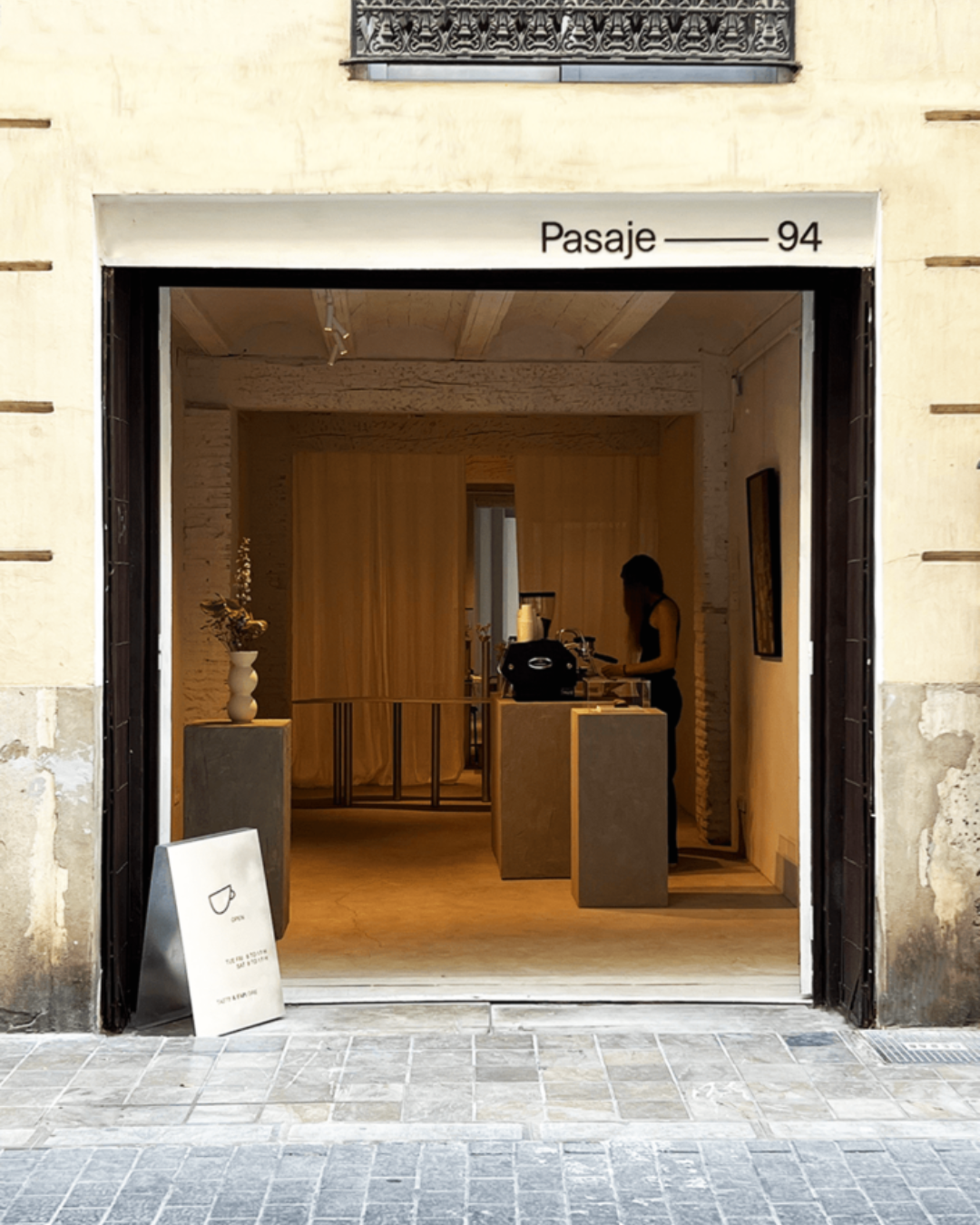
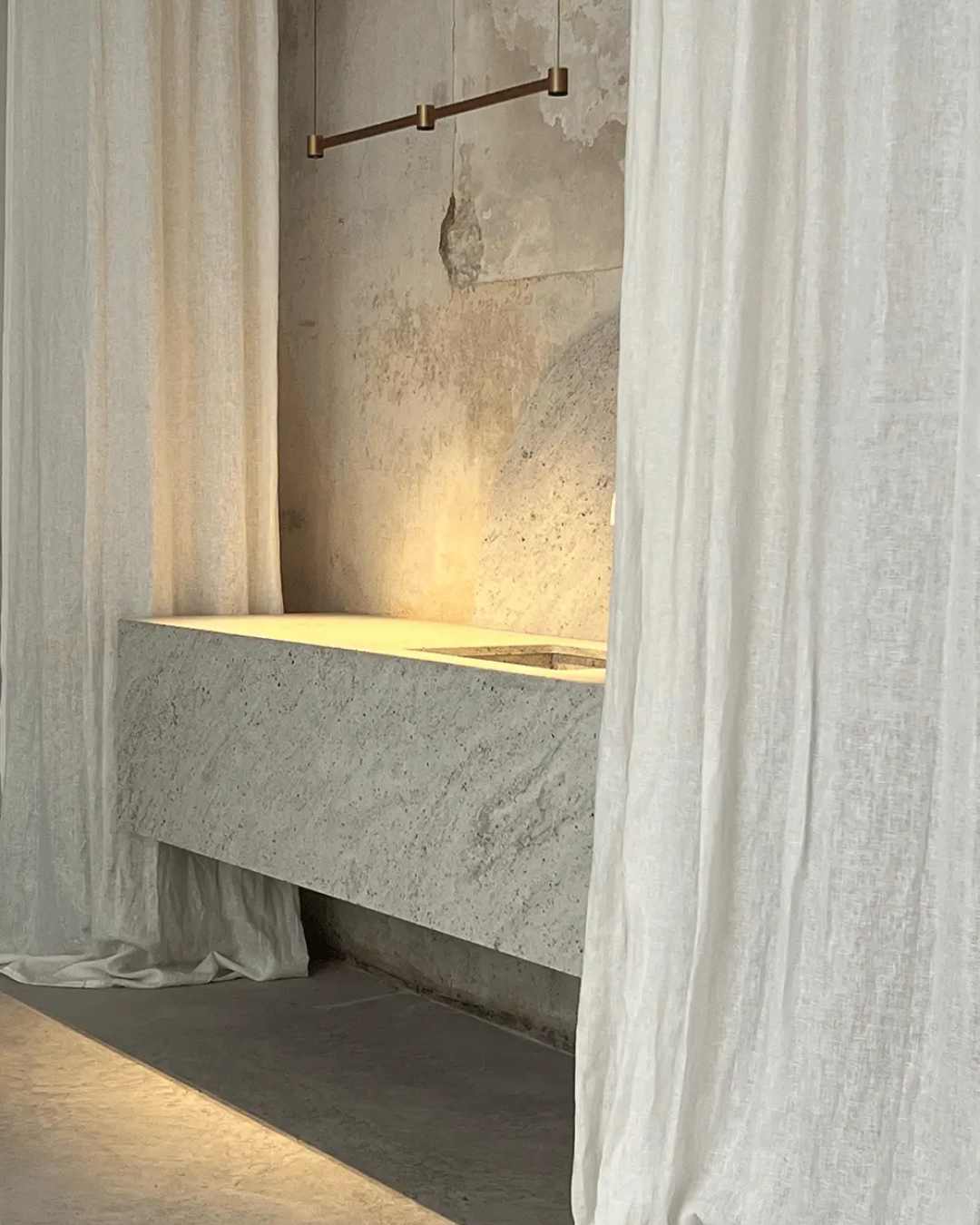
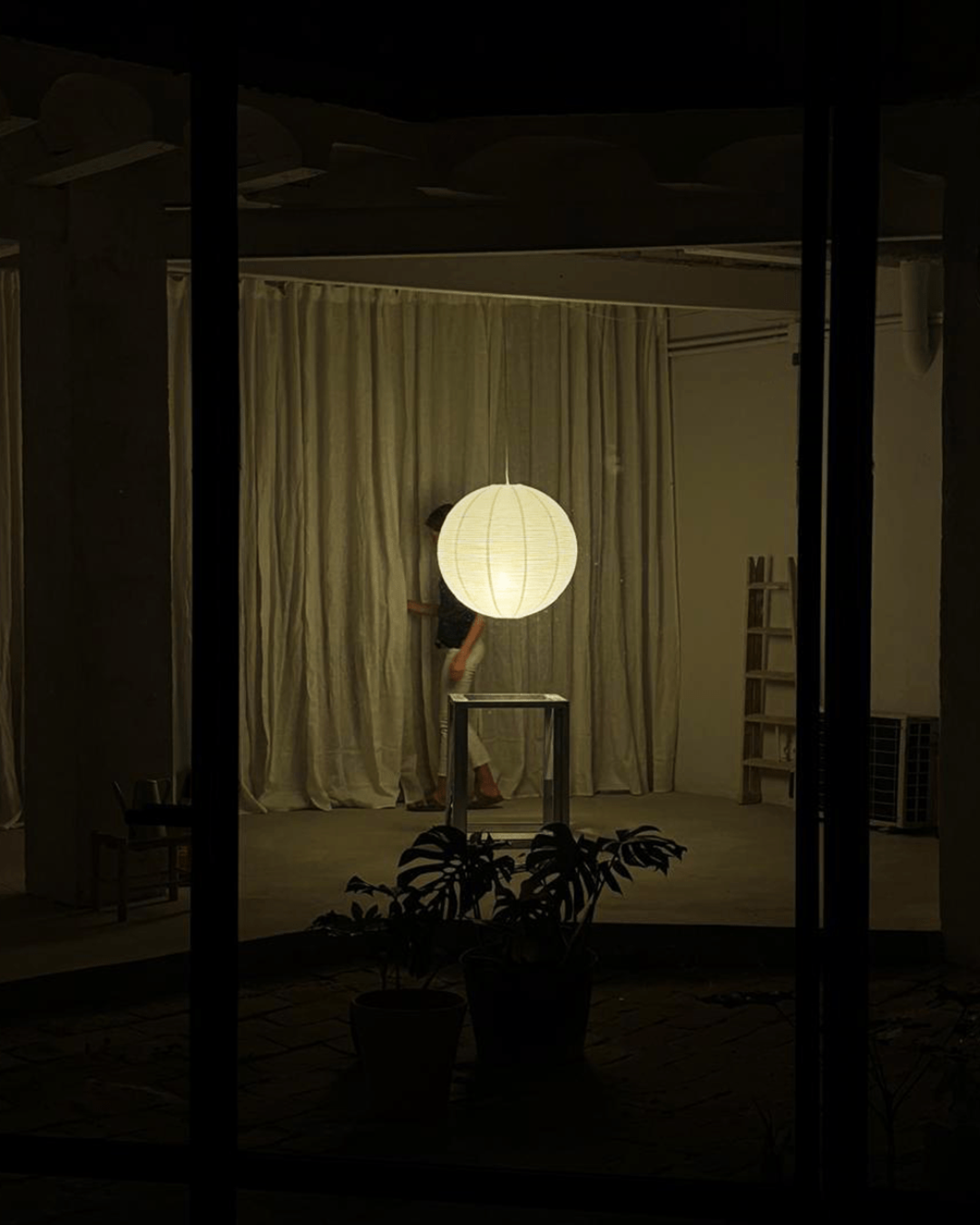
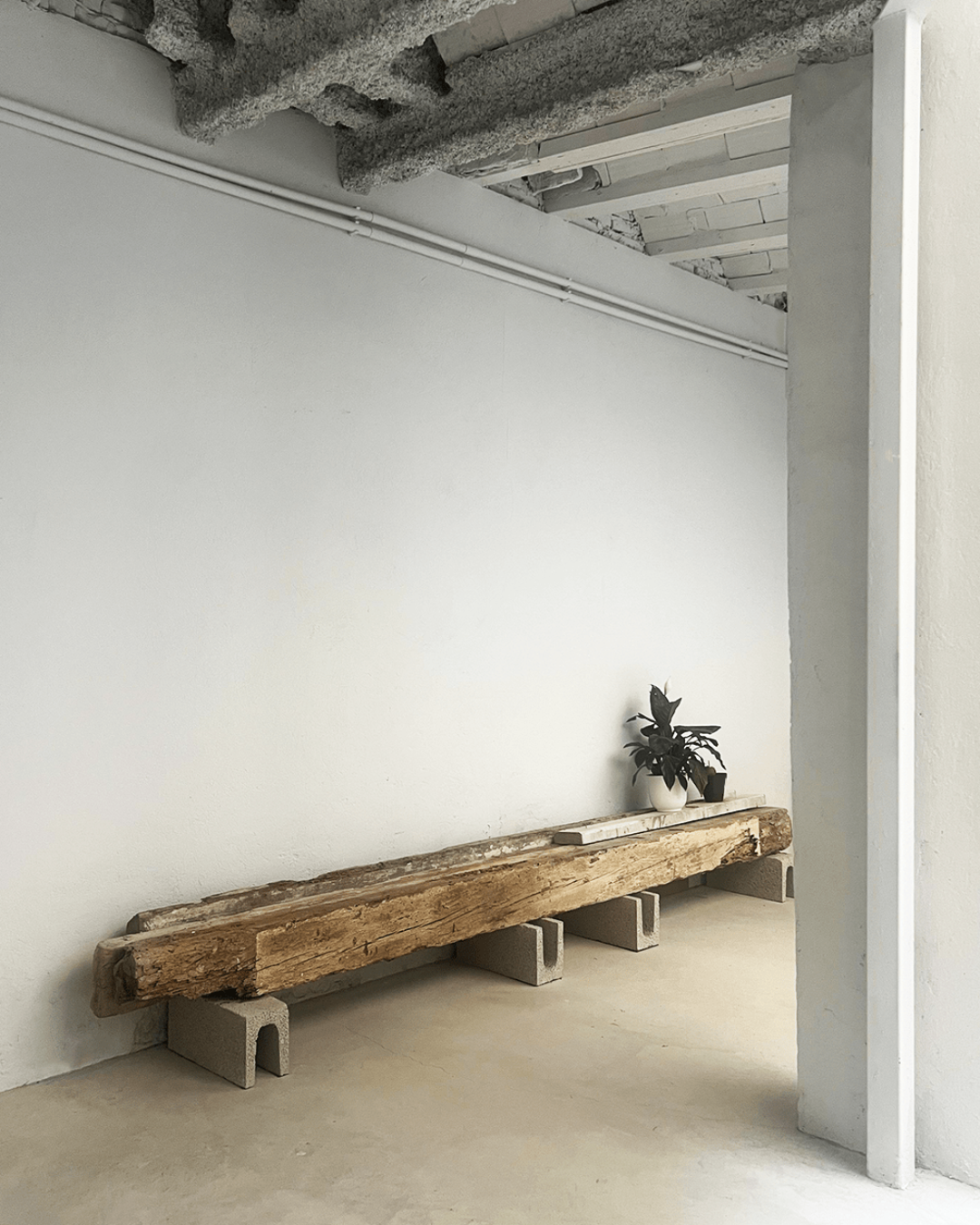
On Trinitarios Street is Pasaje 94, an architecture studio that is also a showroom where product design collections can be experienced. The space had been closed for many years, so when Camila Chiodi and María Vigliocco, architects leading Pasaje 94 and authors of the space’s restoration, took on the project, they made use of the existing structure by giving it a white envelope and incorporating a microcement floor to create a neutral space that enhances the products on display.
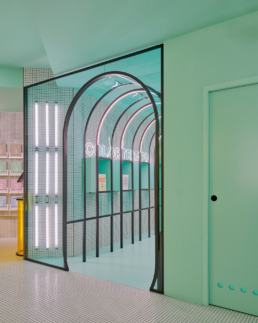
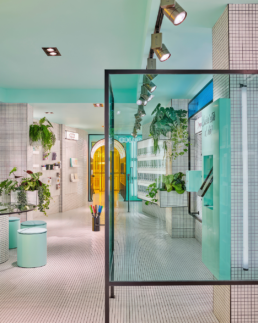
Also particularly interesting is the Cuadernos Rubio space, designed by Masquespacio, which proposes a contemporary reinterpretation of a brand deeply rooted in collective memory. The project combines color, geometry, and graphic references to create a playful and recognizable environment, where interior design becomes a narrative tool. The result is a space that connects tradition and innovation, transforming the shop into an experience that reinforces the brand’s emotional value.
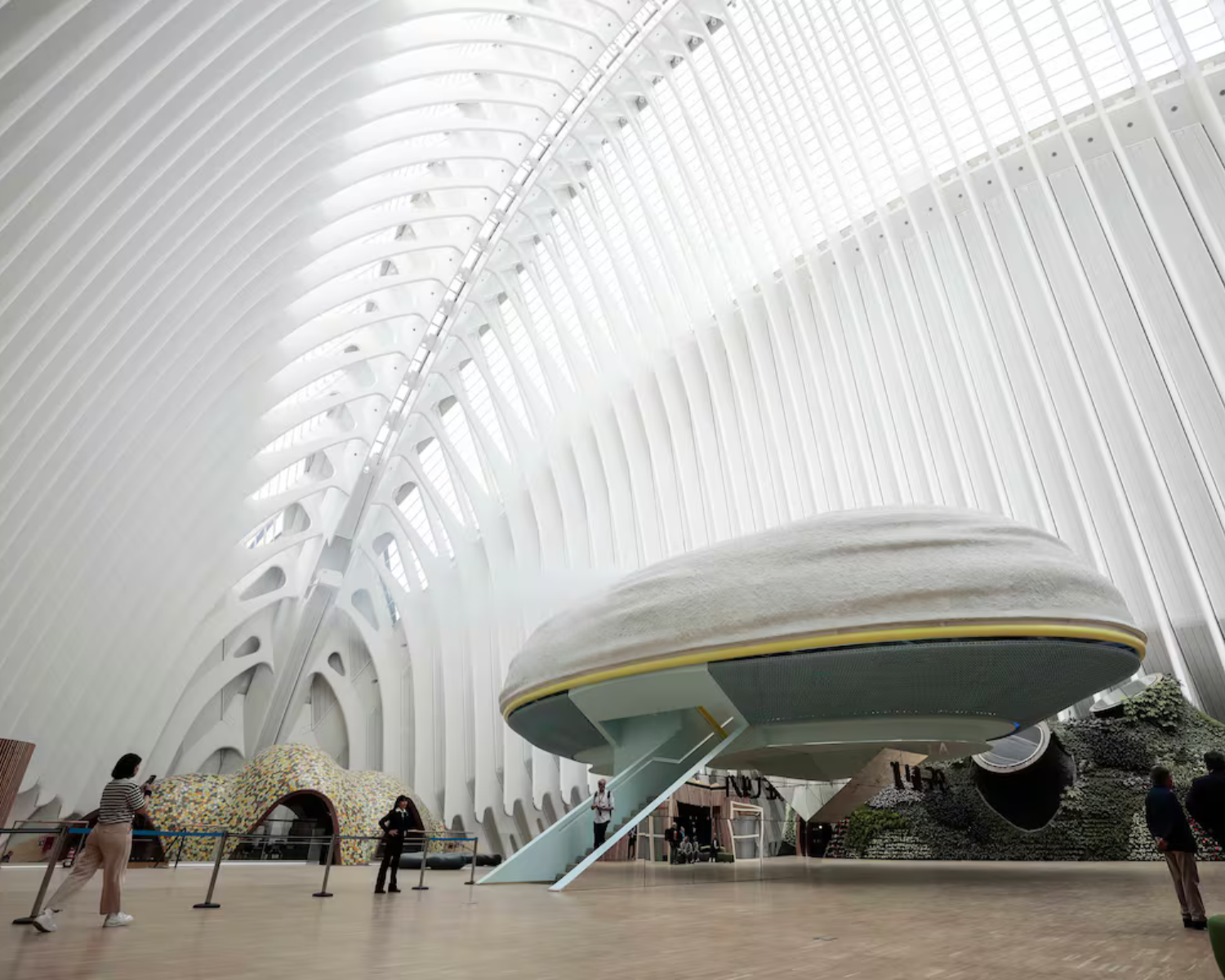
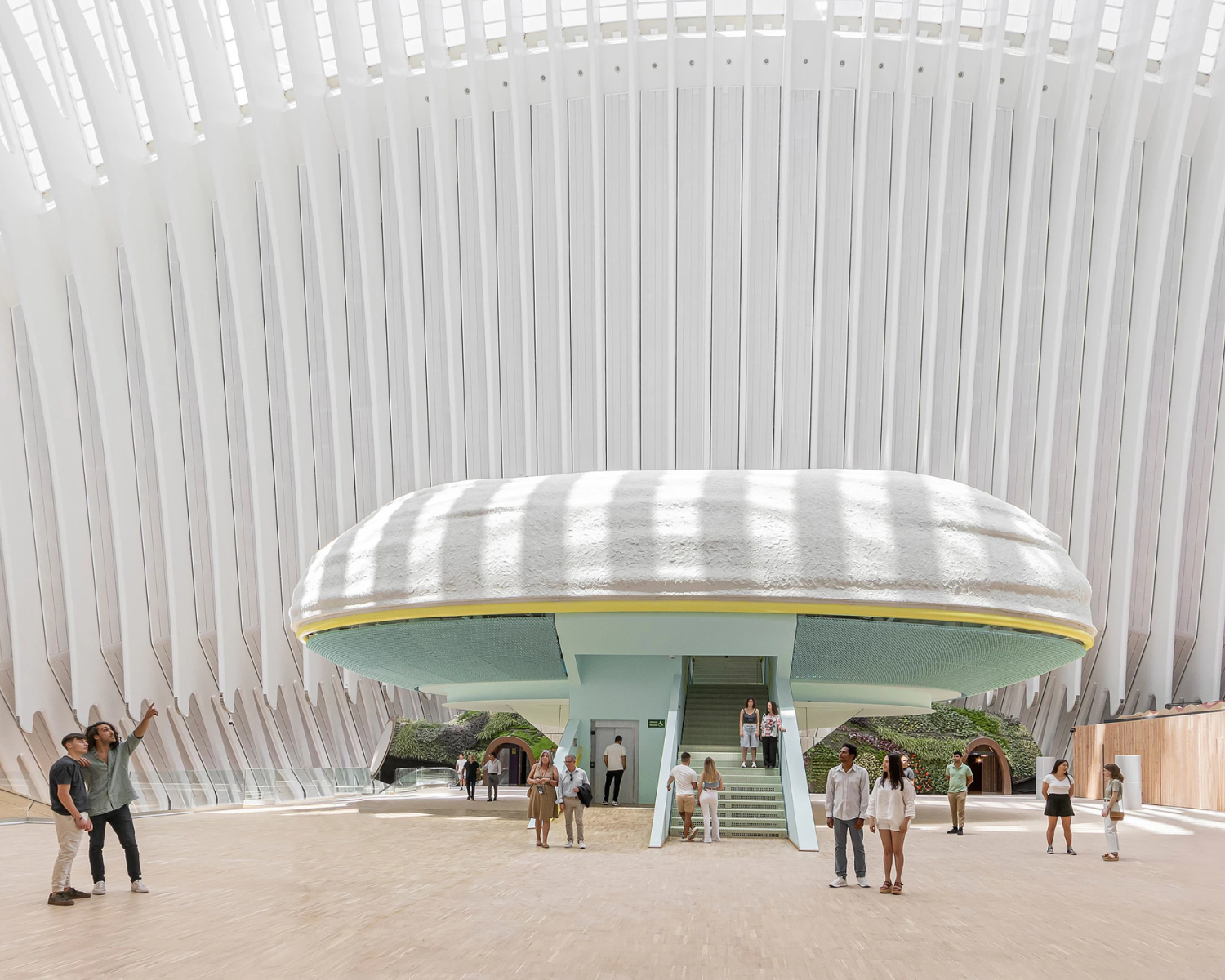
Finally, and although at a different scale, the Ágora of the City of Arts and Sciences by Santiago Calatrava, now converted into CaixaForum with a design by Enric Ruiz-Geli, is a highly compelling space. The rhythm of the white metal ribs that form its envelope, as well as their shape, create a free height that reaches 70 meters in the entire central area. A space transformed into a cultural center that impresses through its sheer size.
MArch Valencia. Arquitectura y Diseño
© 2026 MArch Valencia. Arquitectura y Diseño
Privacy policy | Cookies policy | Terms of use
<p class=”leyenda” style=”color: #363636″>En el contexto del Módulo 05_Producto, los estudiantes del programa MArch han contado con la participación de Asier Mateo, arquitecto y fundador de la marca de relojes Lebond.</span></p>