


Eight Interesting Architectural Projects in Concrete
DATE
23.12.2025
Concrete is often perceived as a dry, grey and somewhat “brutal” material, but in the right hands it becomes a remarkably expressive tool. It is almost like clay for contemporary architects: flexible in its possibilities, forceful in its presence, and capable of creating unique atmospheres.
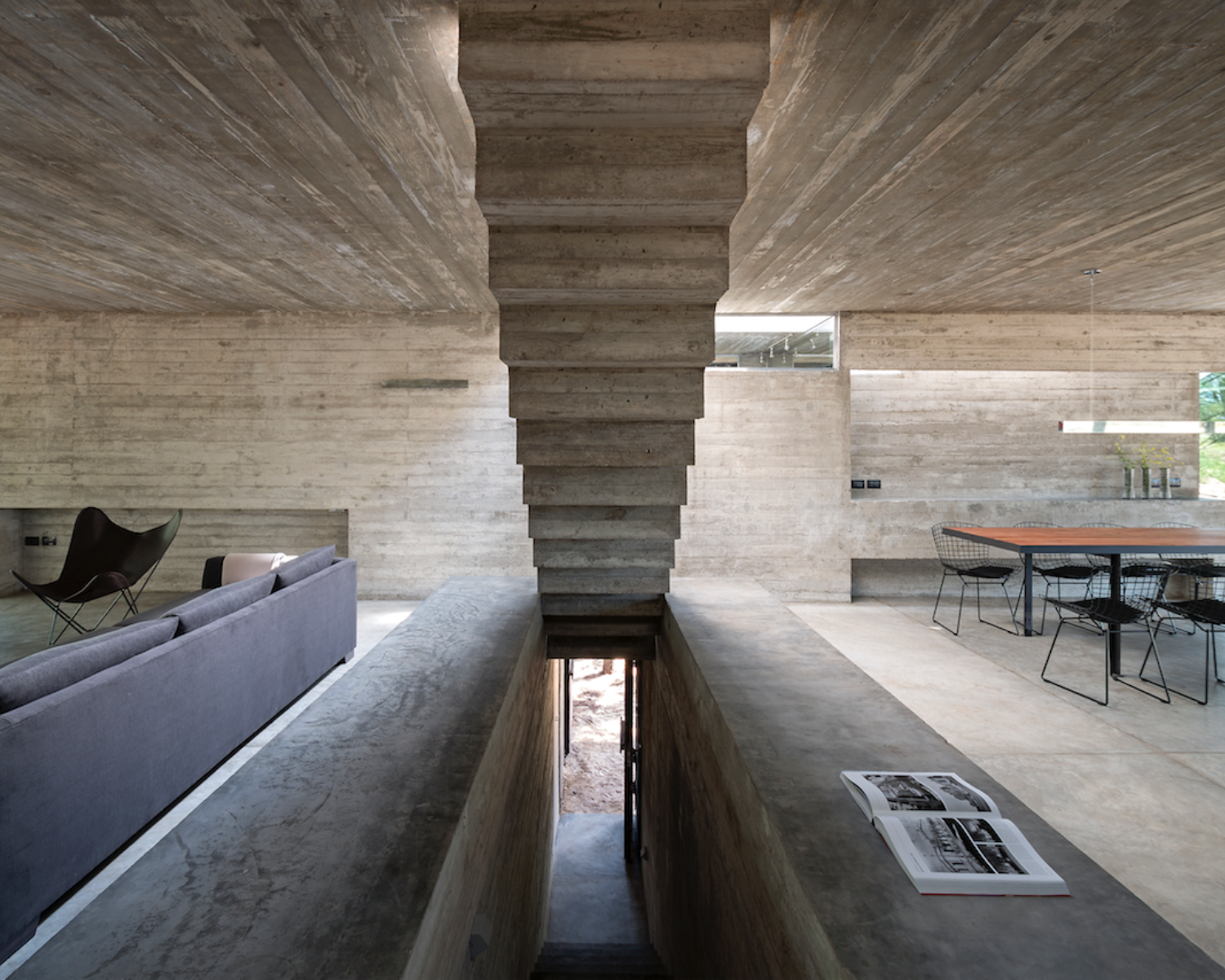
This is where figures such as Luciano Kruk stand out, having spent years demonstrating that the roughness of concrete can coexist with the softness of the landscape. His Casa L4 is a true gem: it appears as a perfectly placed geometric block among the trees, as if nature had accepted it without question. Deep shadows, almost floating planes and material austerity convey a surprising sense of calm.

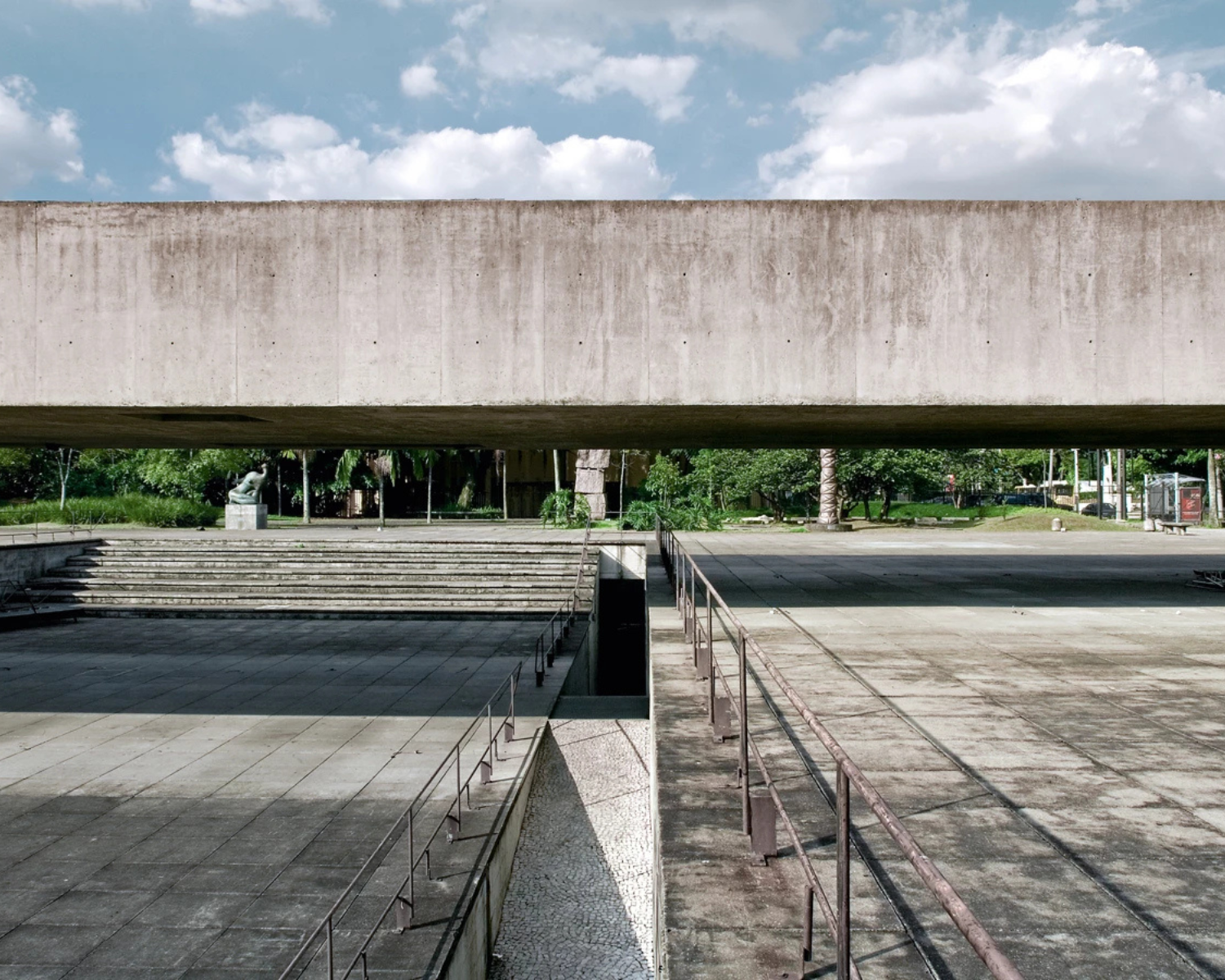
Operating in a completely different register is Paulo Mendes da Rocha, a master of large structural gestures. His iconic MuBE in São Paulo is an ode to monumentality without arrogance: a vast suspended slab that redefines public space and proves that concrete can also feel light—or at least appear so.

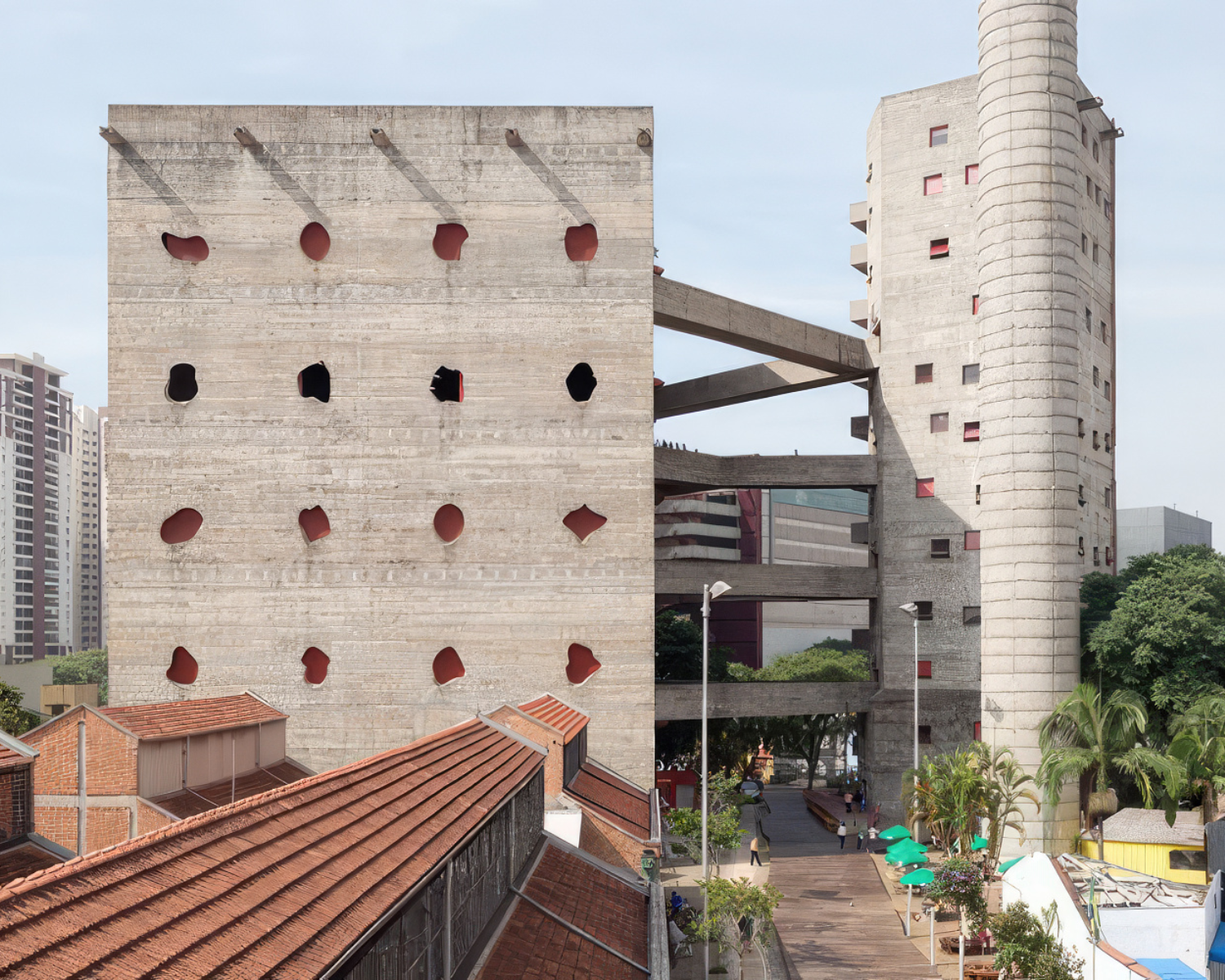
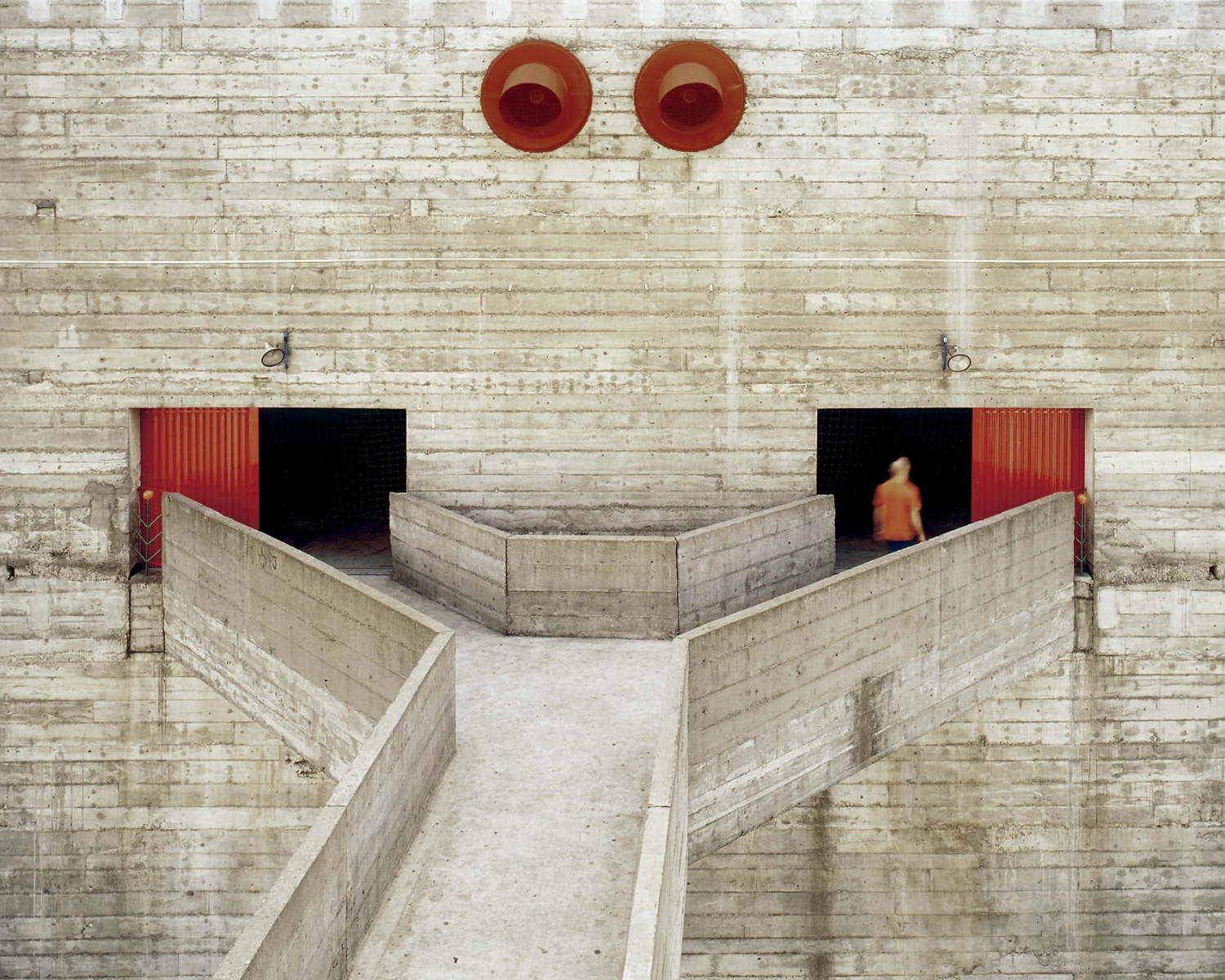
The narrative of concrete changes radically with Lina Bo Bardi, who understood this material as a means of bringing people together rather than pushing them apart. At SESC Pompéia, concrete becomes part of the social fabric: it connects, invites and embraces. The space transforms into a hybrid of factory, public square and vibrant cultural centre, filled with walkways that cut through the air like improvised bridges. Nothing is decorative; everything is functional and emotional.
Aligned with this sensitivity to context—though from a far more introspective position—BAK Arquitectos show in their Concrete House in Mar Azul how such a forceful material can engage in dialogue with the forest without imposing itself. The house appears almost as a contemporary ruin, gently placed among the pine trees: concrete merges with sand, light and the shadows of the woods. It does not seek to dominate, but to belong.
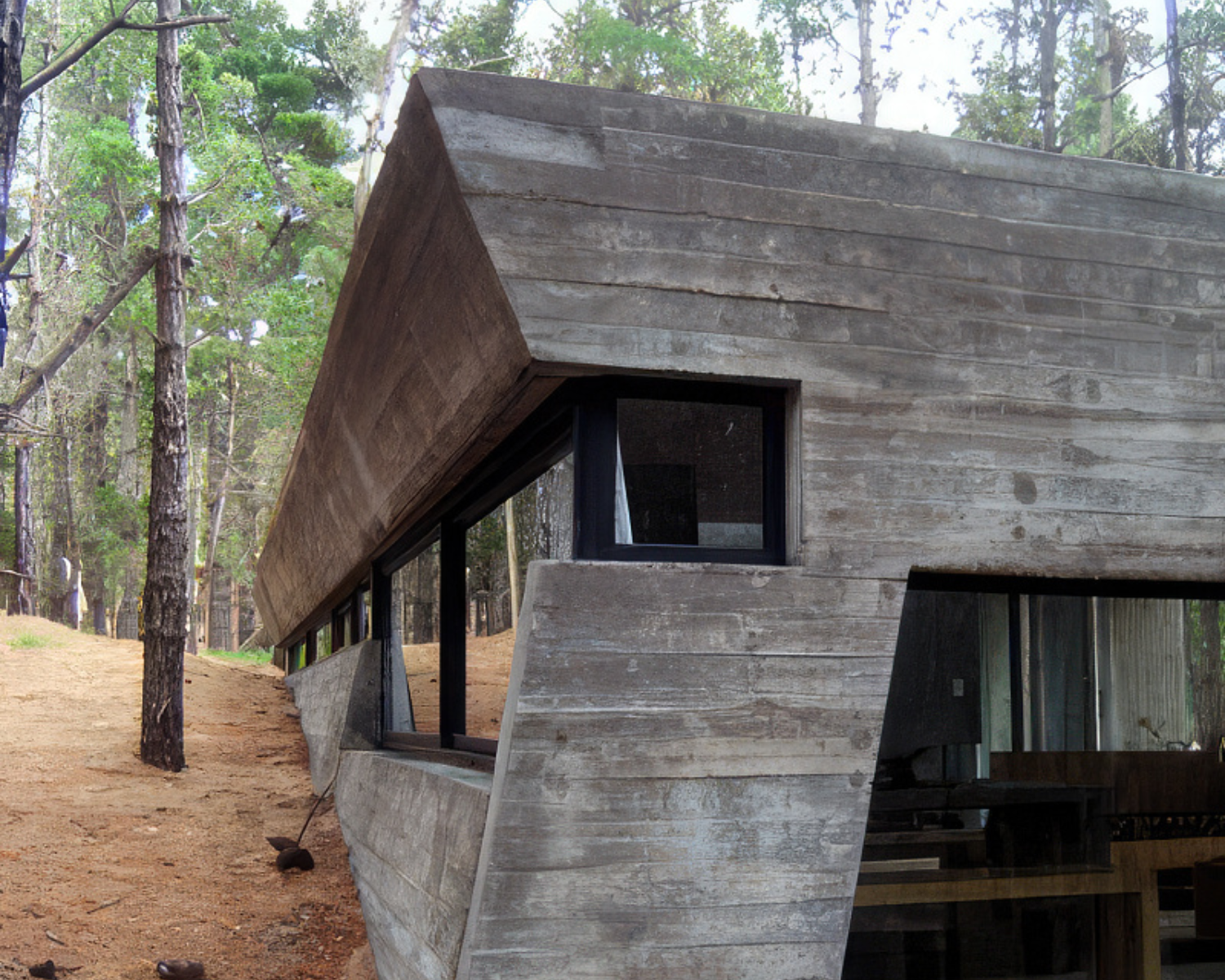
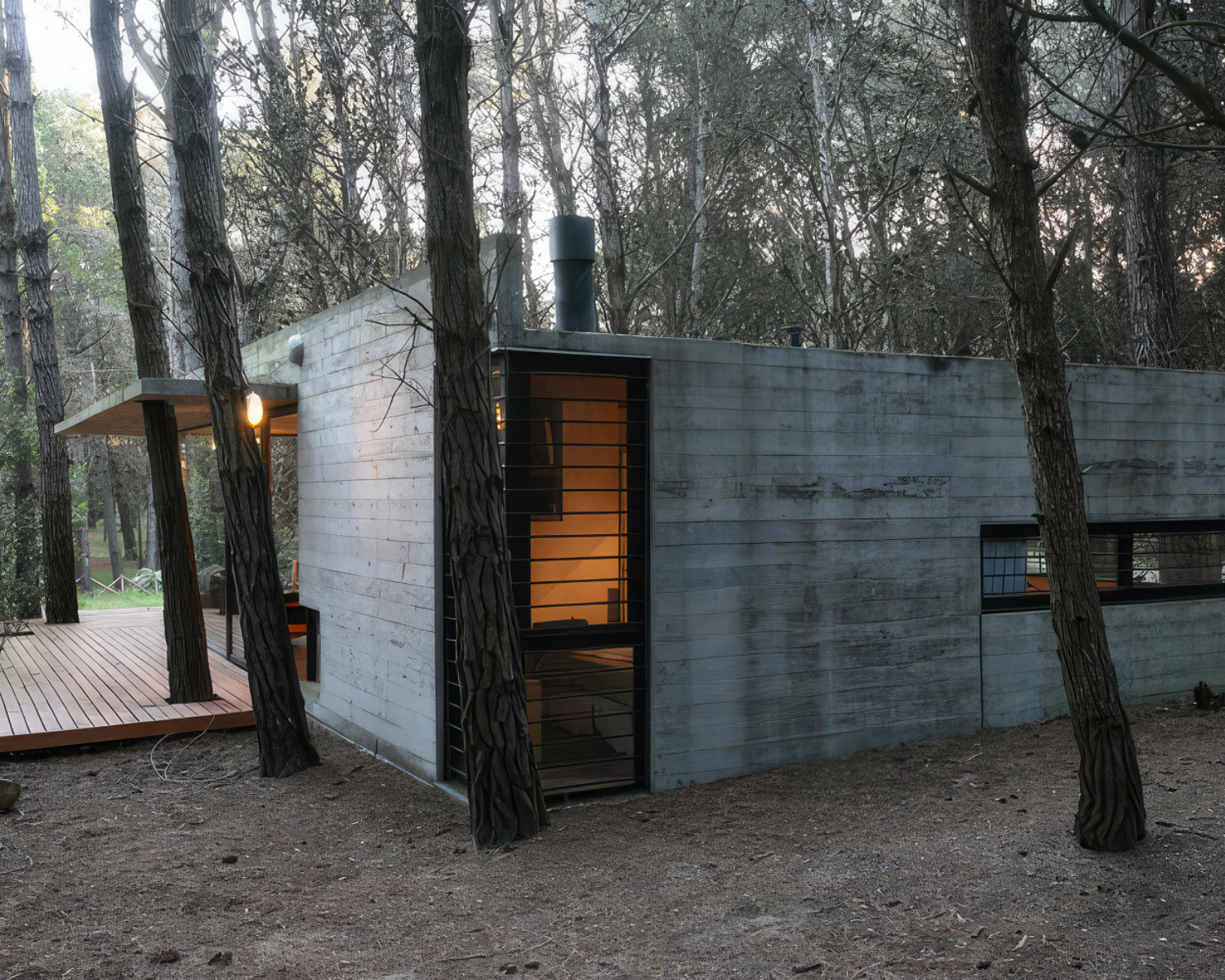
The journey continues with architectures that explore emotion through materiality. This is where HW Studio emerges, with their project House Between the Hills, which is pure atmosphere. Concrete is partially buried, protected, and used to create a silent, almost sacred space. Inside, the house seems to whisper, inviting you to slow down and turn inward. It is an architecture to be experienced rather than simply observed.

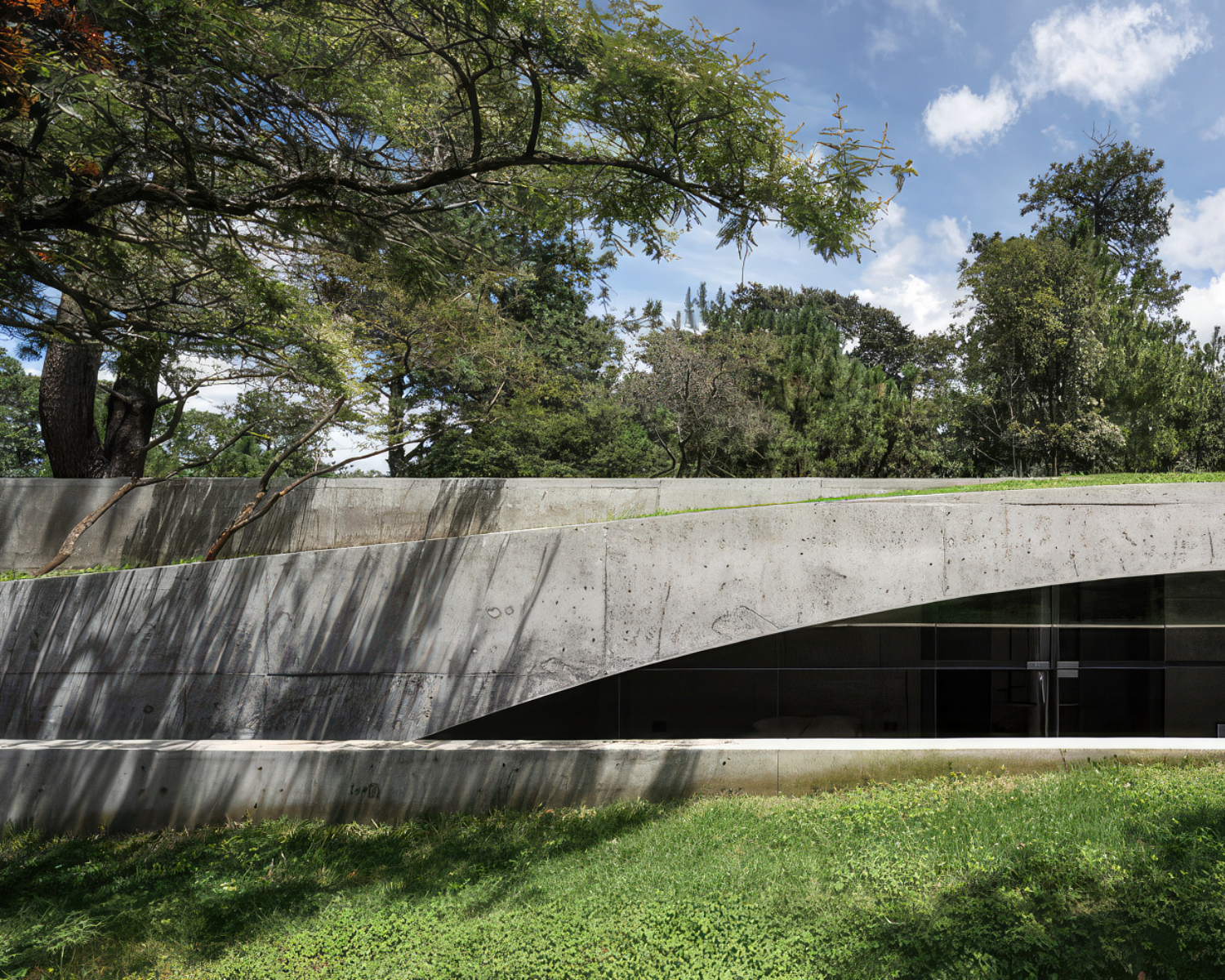
In contrast—but with the same delicacy—Marcio Kogan presents Casa Ipês, a work that blends concrete, glass and wood as if they were ingredients in a perfectly balanced recipe. Concrete provides character, glass softens everything with tropical light, and wood adds the final warmth. Kogan shows that concrete does not have to be aggressive; it can be elegant, refined and even sensual.


And when speaking of masters of architectural silence, Aires Mateus and Tadao Ando are indispensable. The House in Monsaraz by Aires Mateus is almost a habitable sculpture: white concrete, controlled light, voids that seem hand-carved. Its interior spaces are like luminous cavities that breathe, where every shadow has meaning.


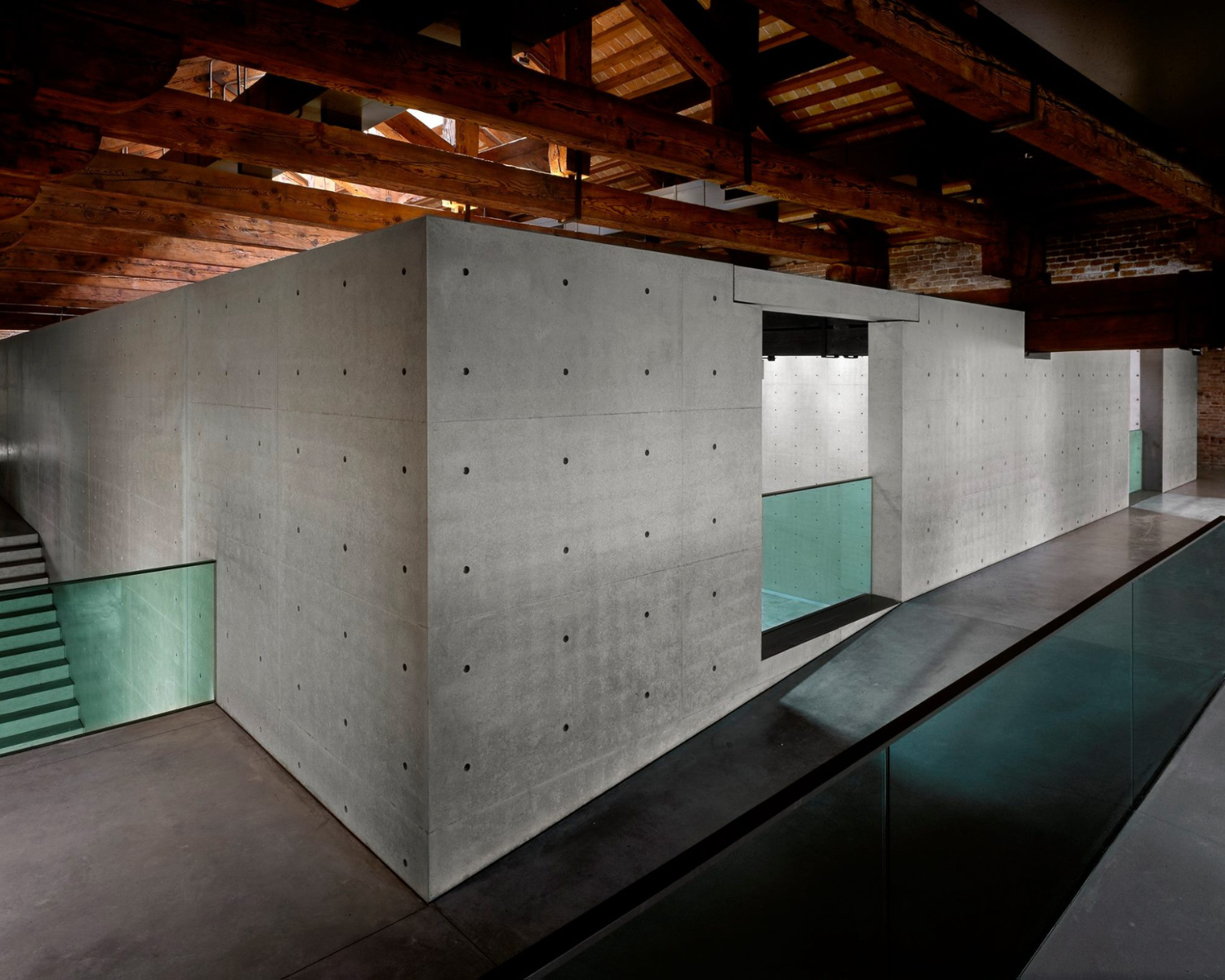
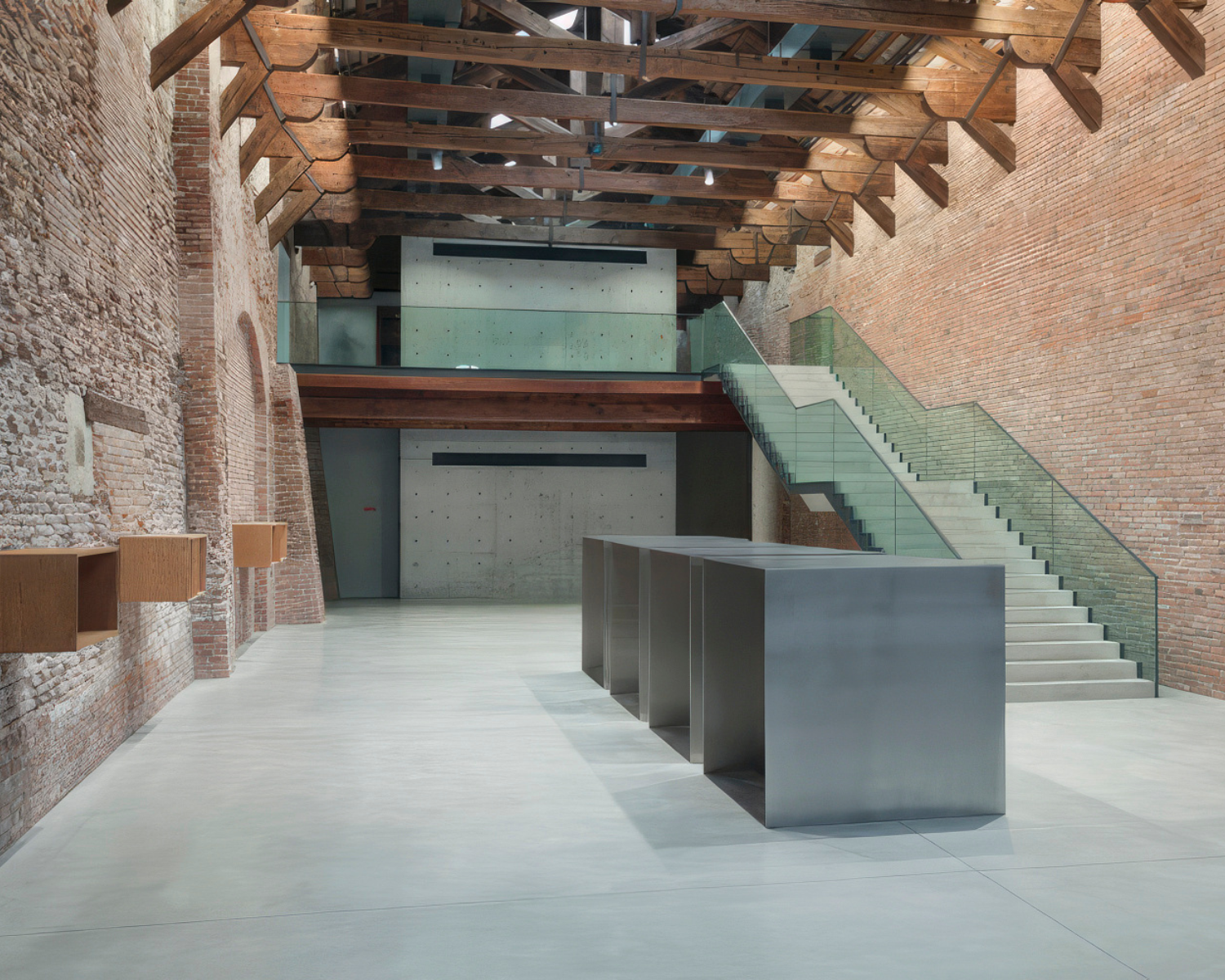
Finally, the unmistakable Tadao Ando, who has made concrete his signature. His intervention at Punta della Dogana in Venice is a masterful example of how to combine old and new without conflict, creating instead a respectful and elegant dialogue. Ando polishes concrete until it becomes almost spiritual: soft to the touch, precise in its joints, exact in its geometry. In this project, concrete does not compete with history—it enhances it.
Eight architects, eight ways of understanding the same material, and countless emotions contained within something as seemingly simple as concrete.
MArch Valencia. Arquitectura y Diseño
© 2026 MArch Valencia. Arquitectura y Diseño
Privacy policy | Cookies policy | Terms of use