



Houses in dialogue with their surroundings
DATE
22.07.2026
Each place is characterized by having its own surroundings that require an architectural language to interpret them properly. Good architecture does not impose itself upon these, but rather learns to speak their same language.
Each place is characterized by having its own surroundings and requires a language that good architecture does not impose itself upon these, but rather learns to speak their same language.
Starting a new project implies applying a large dose of imagination and intention, given the large number of aspects that are subject to the discretion of the fortunate designer. Geometry, color, or orientation are some examples of what can be decided in the best circumstances, with great “freedom.” But there are other aspects pertaining to the development of a new architectural design that are given as conditions for execution. The clearest example in this case is the surroundings, which are irremediably determined by the location.
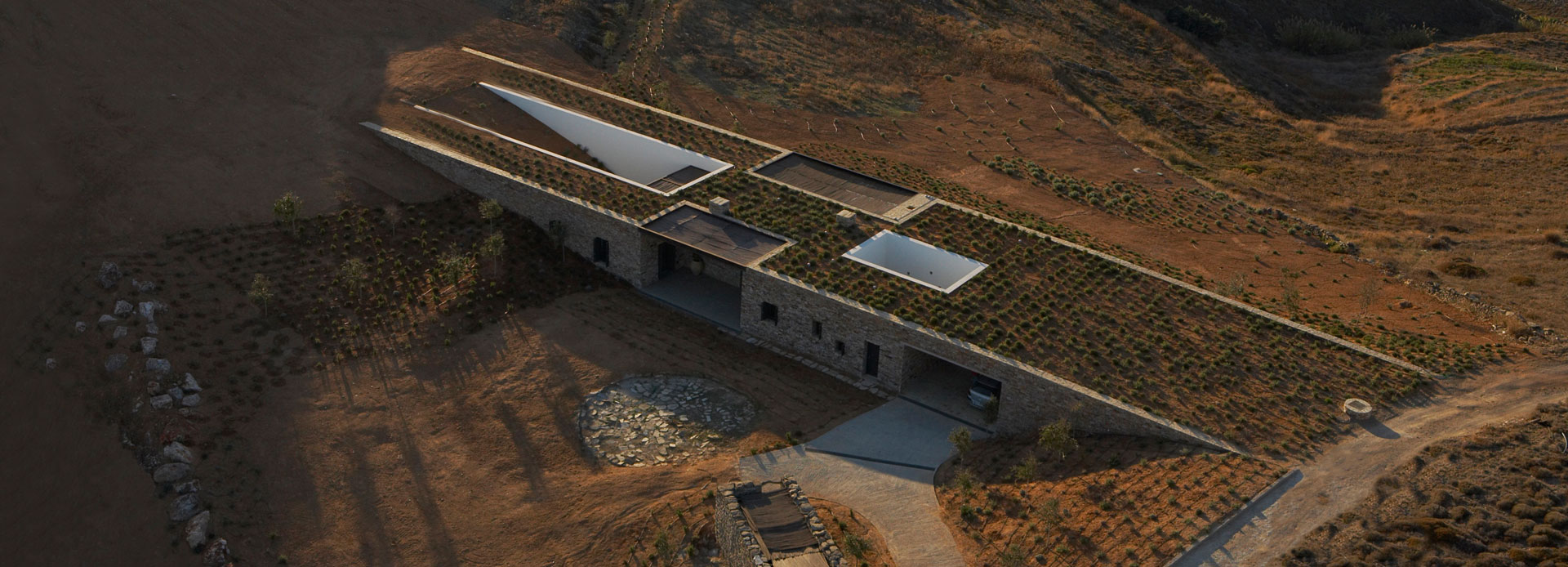
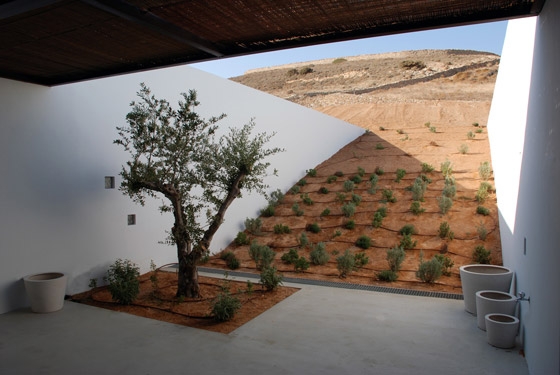
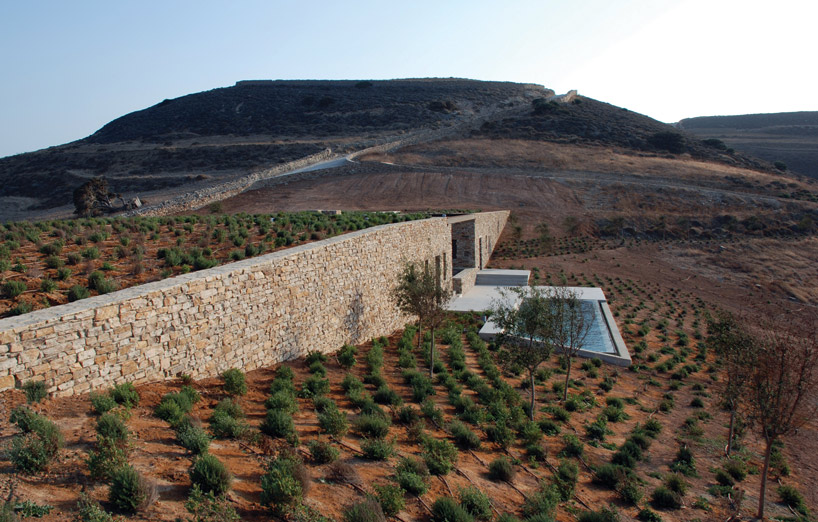
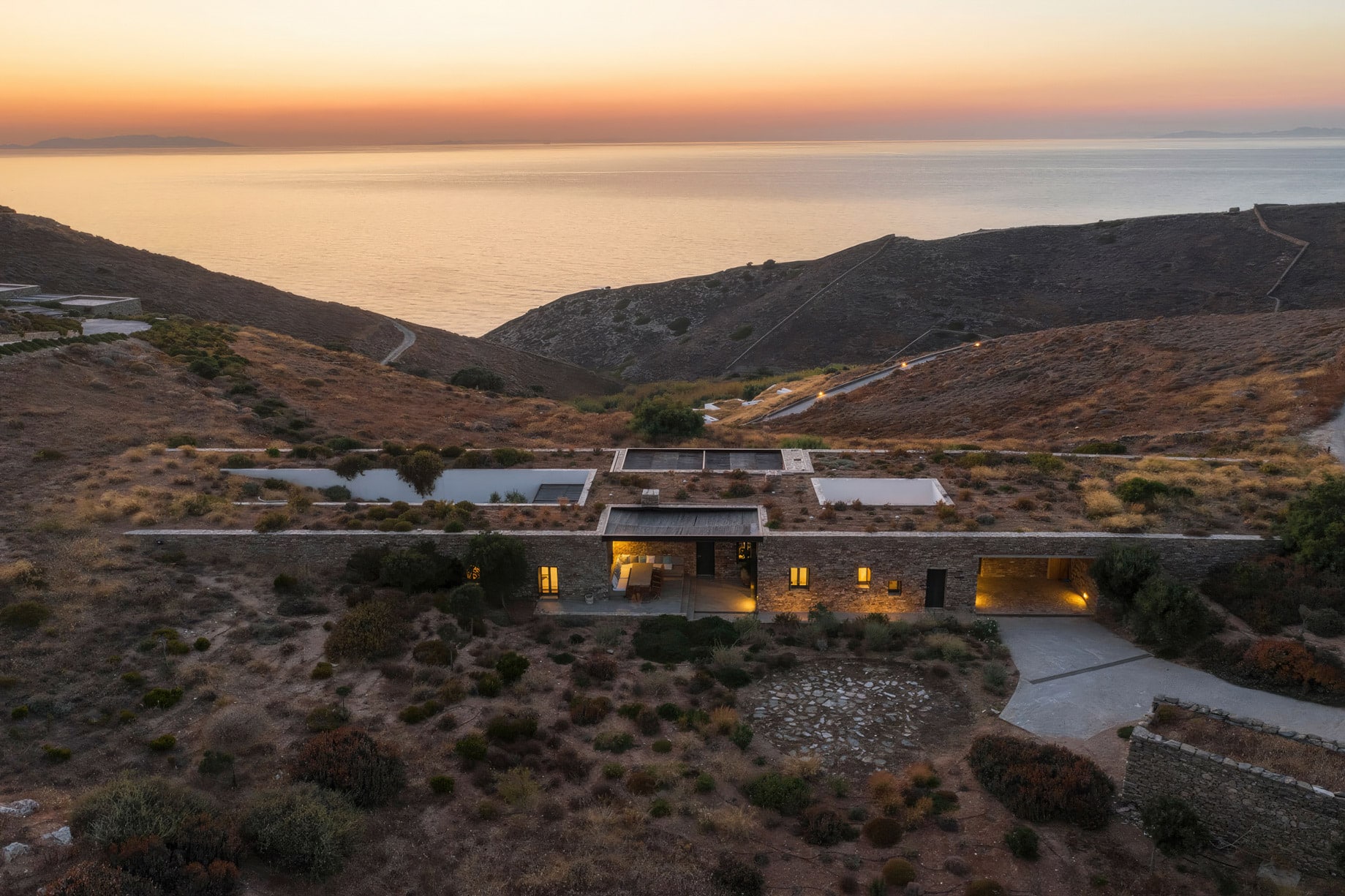
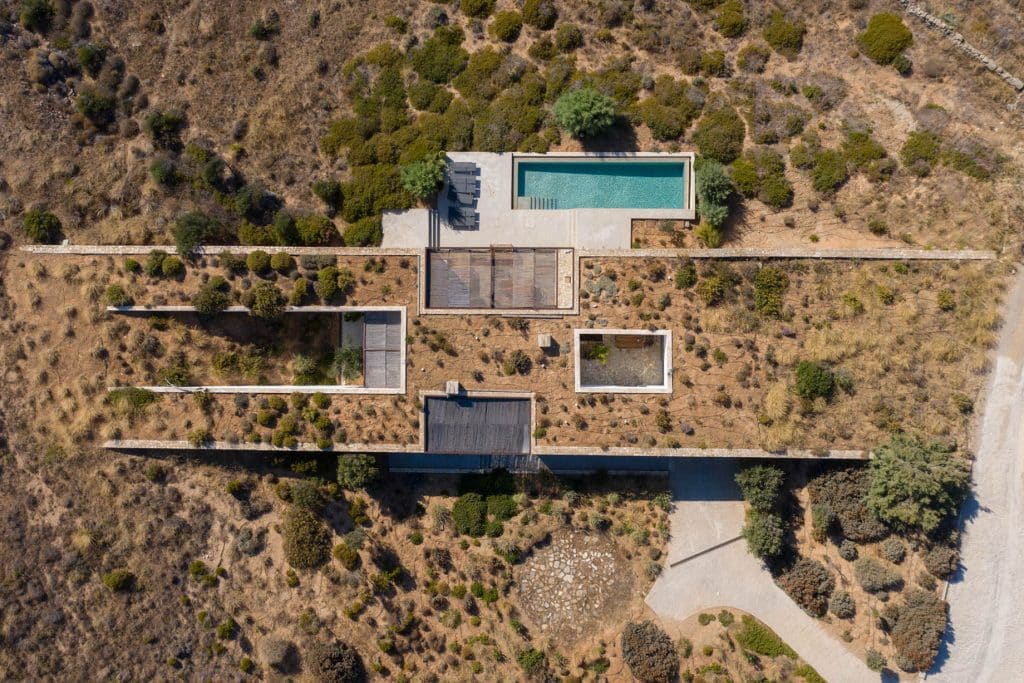
(1) Aloni, Antiparos, Greece, DECA arquitectura
It is not an easy task to create a building that belongs to a place without being exhausted or lost in it. It requires exhaustive research, both of physical and sociocultural factors: climate analysis, geotechnical study, learning about vernacular architecture, analysis of the social fabric, regulatory and historical research… and much more.
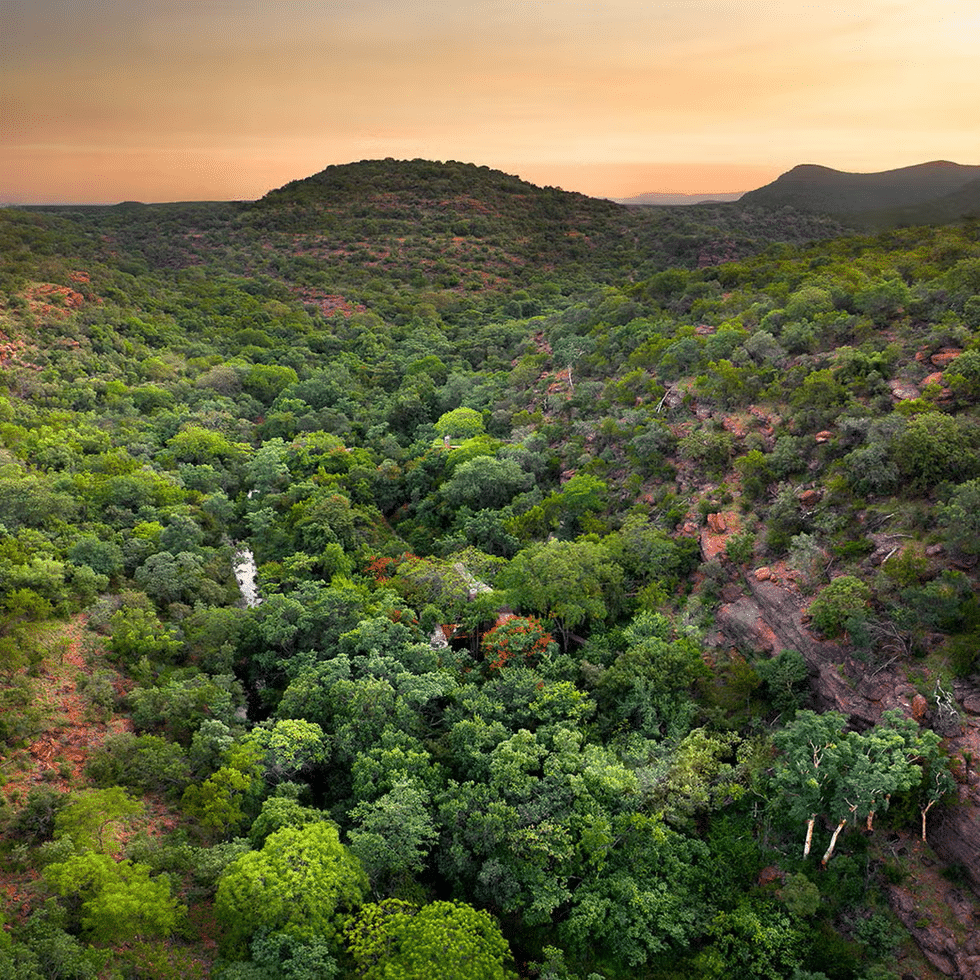
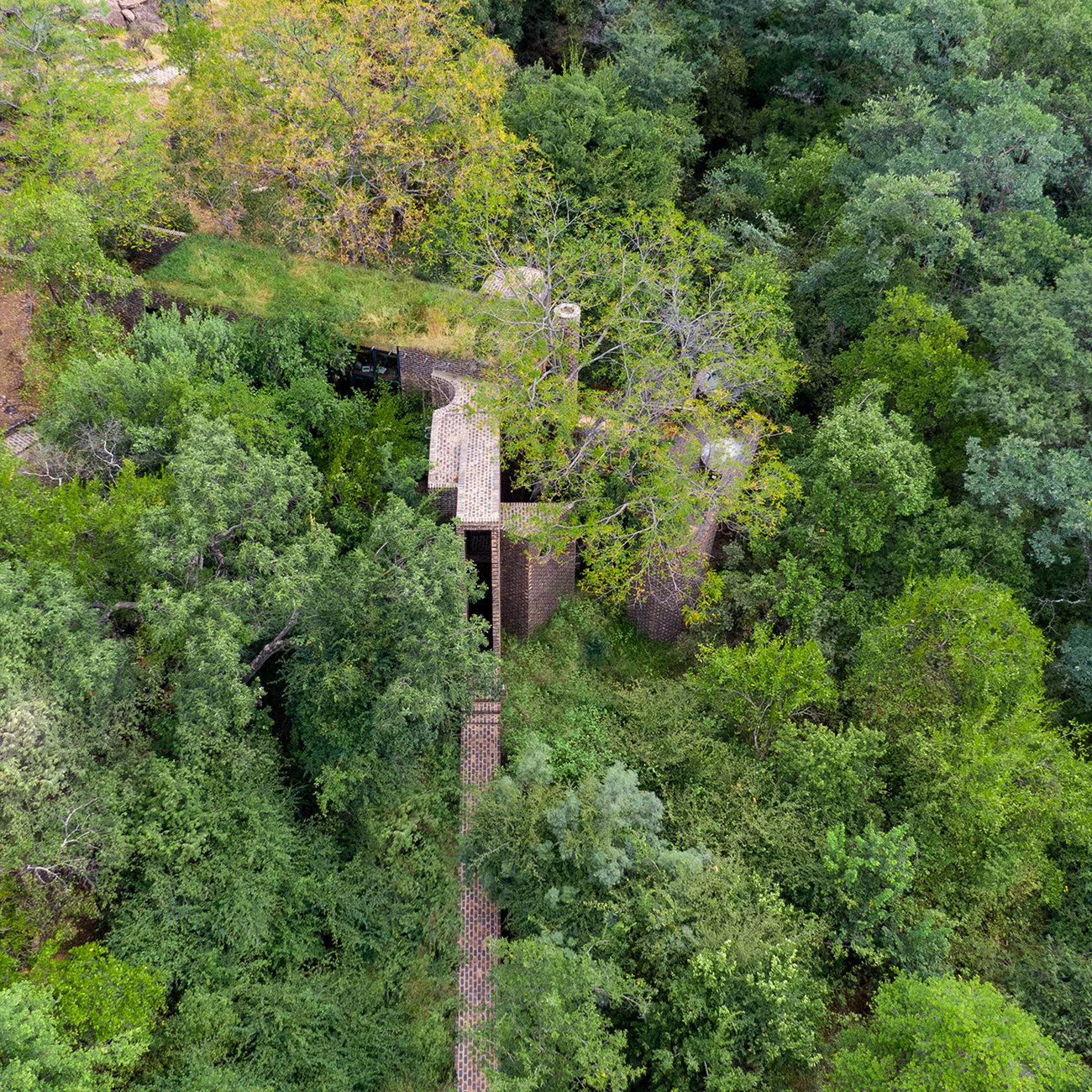
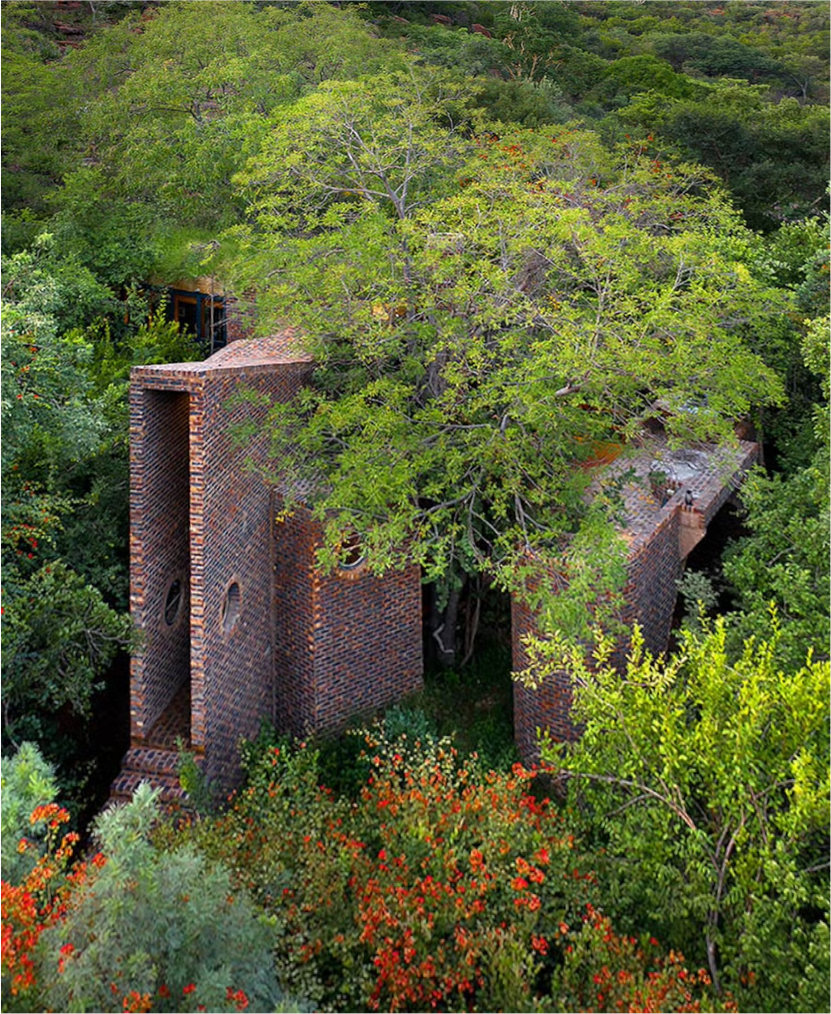
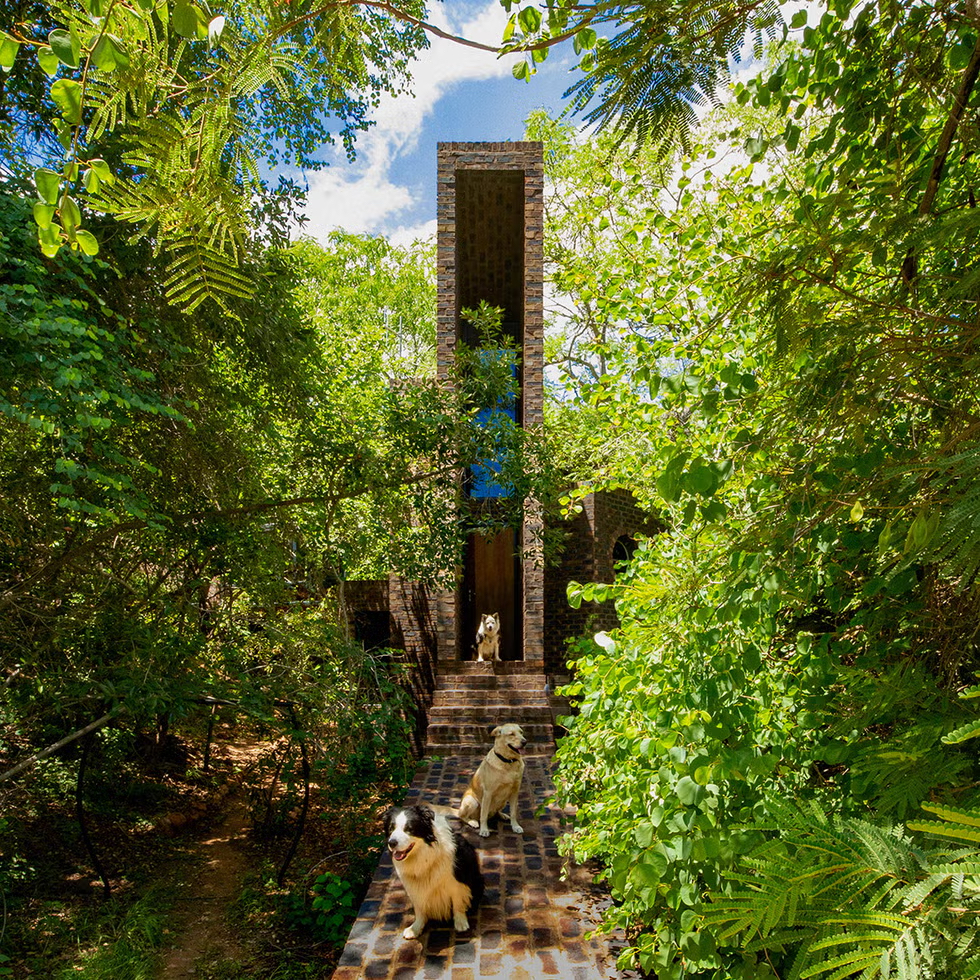
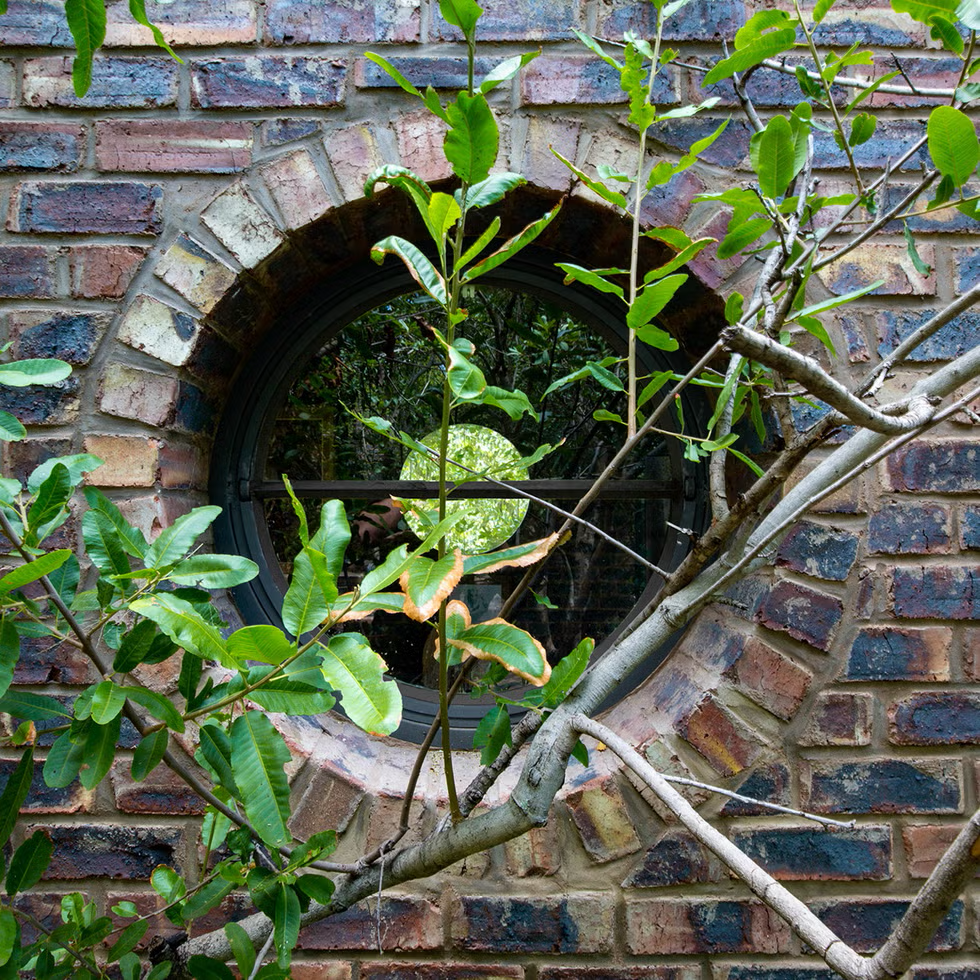
(2) House of Tall Chimneys, Waterberg, South Africa, Frankie Pappas
Only in this way is it possible to understand and carry out the complex task of creating, through architecture, a language that, once established, is understood only in that place, with the project and its surroundings speaking the same language. The surroundings then become one of the parts that structure the project’s possibility of being and functioning, whether through the mimicry of the dwelling, the maximum utilization of local resources, the readaptation of indigenous architecture, or the least invasive intervention possible.
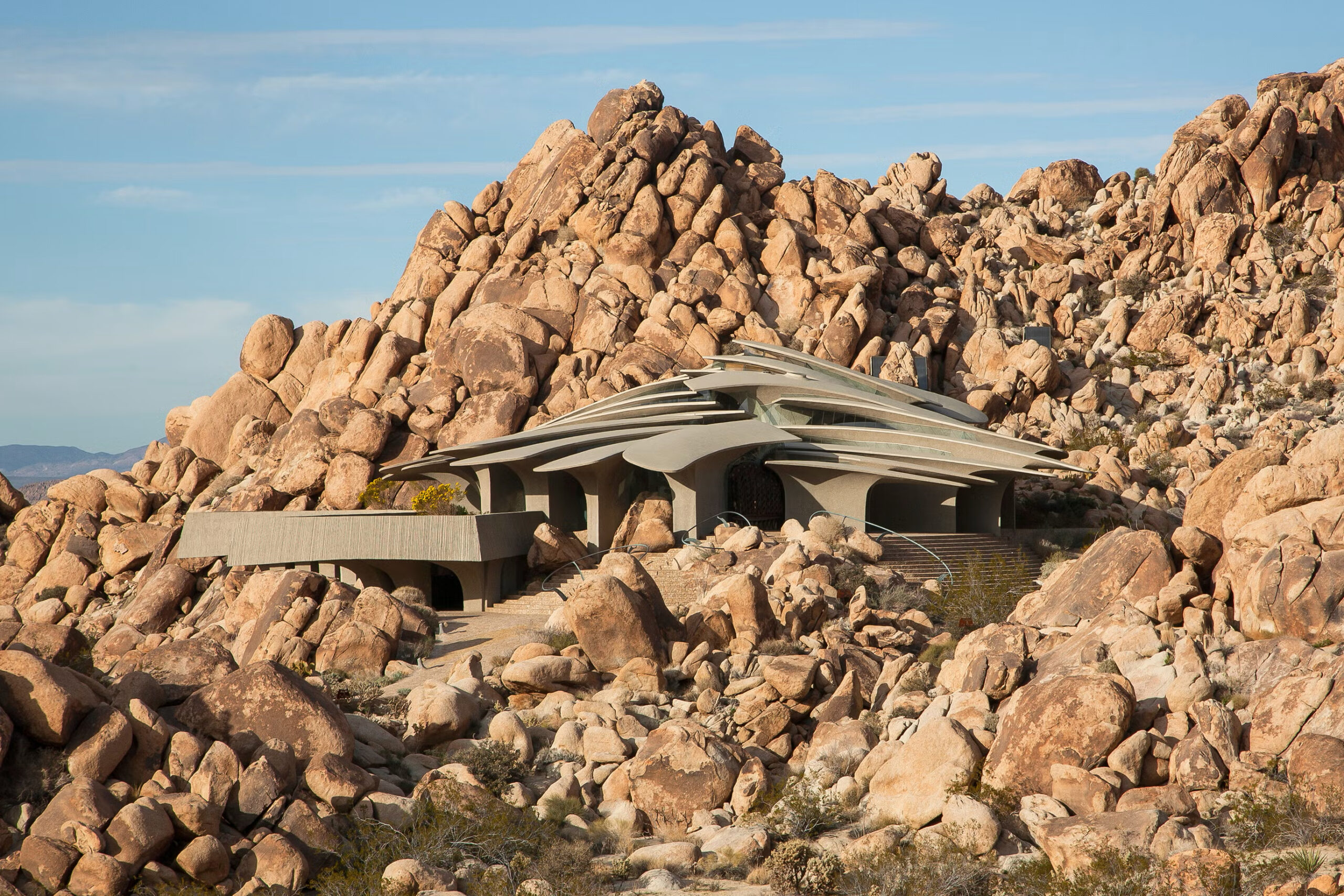
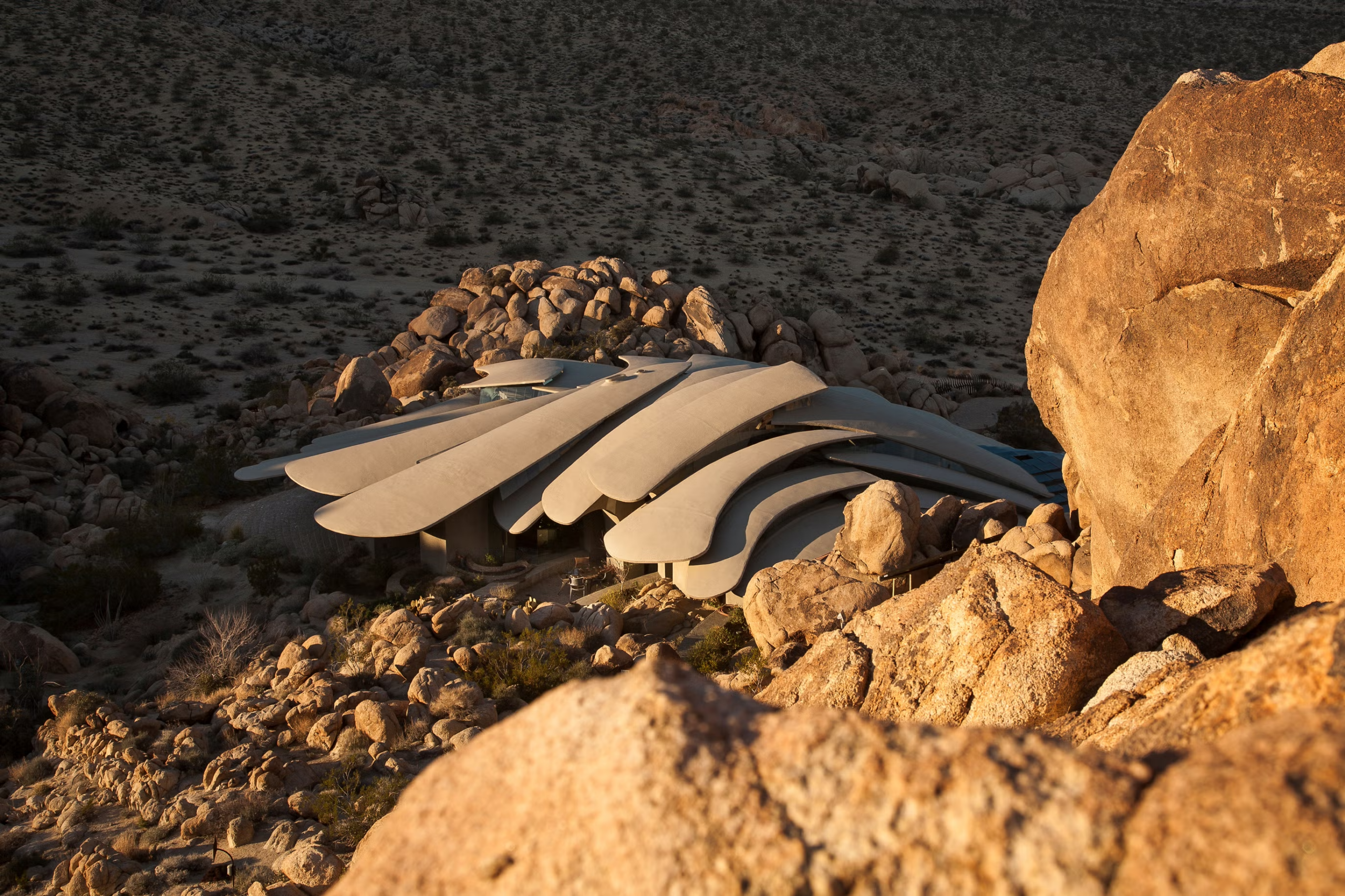

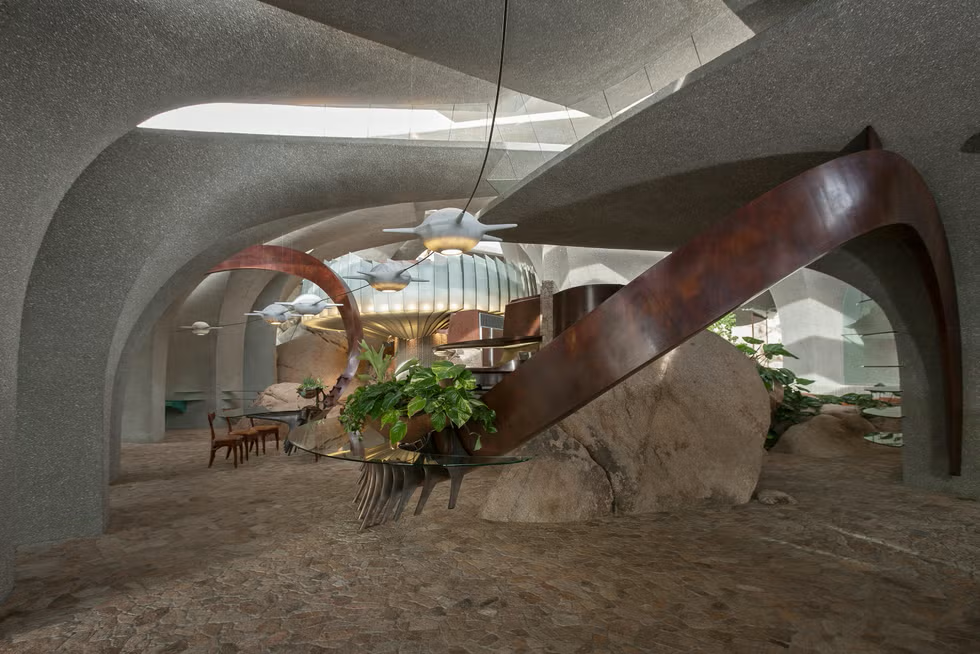
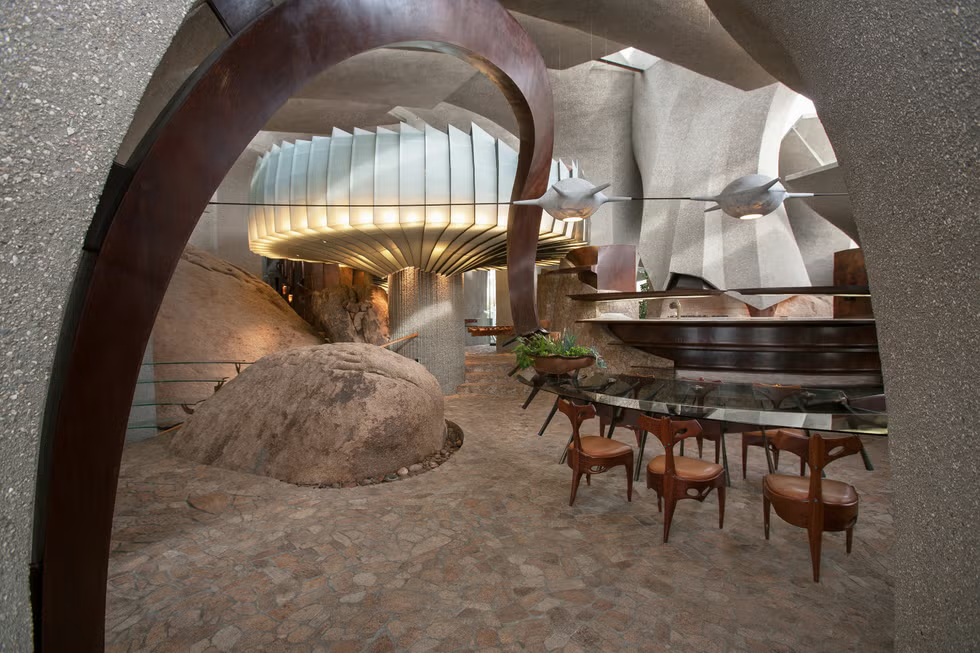
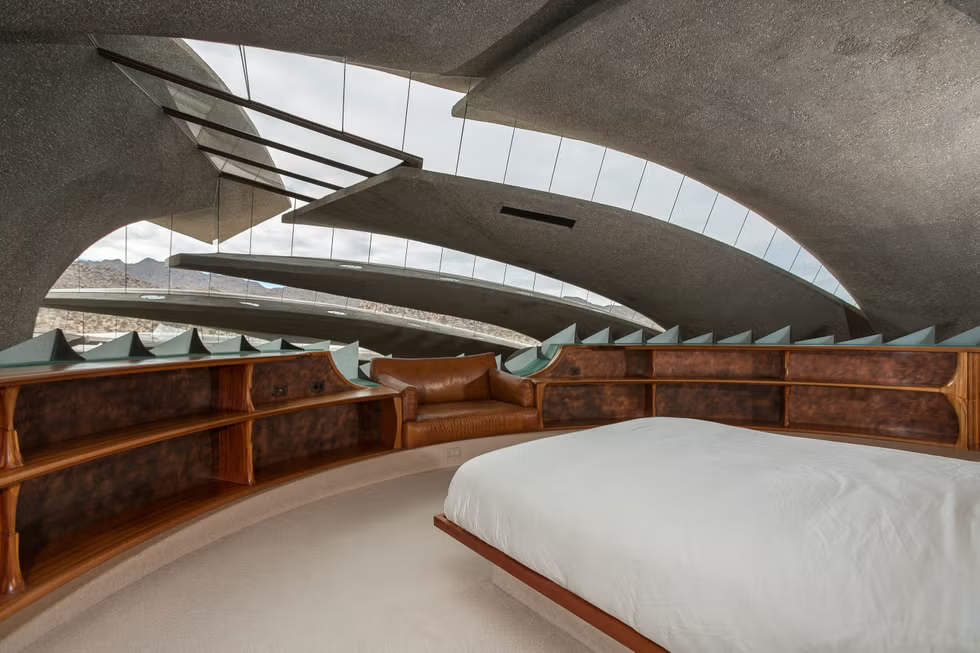
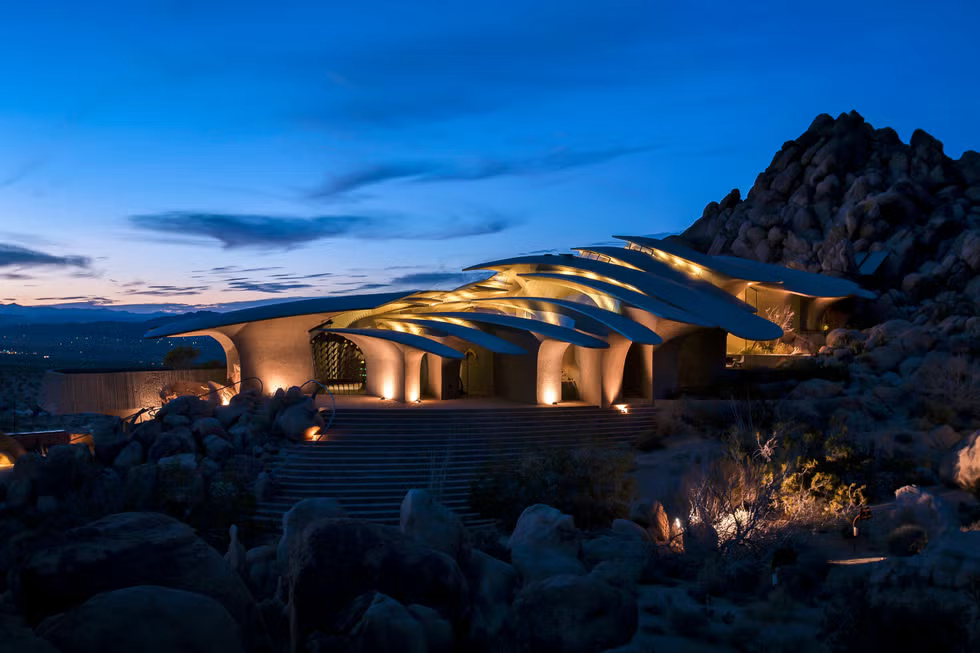
(3) Casa en el desierto, Joshua Tree National Park, California, Kendrick Bangs Kellogg
Alberto Veiga very wisely once said: “The local context leads you to work with a narrative, with very specific materials, with very specific techniques, and the resources you have are better utilized in one direction.” That direction marks the path towards good architecture. It is up to our will and capacity as architects to see this as an advantage and a beneficial condition from which to create quality architecture, or as an unfair conditioning factor that we cannot change.
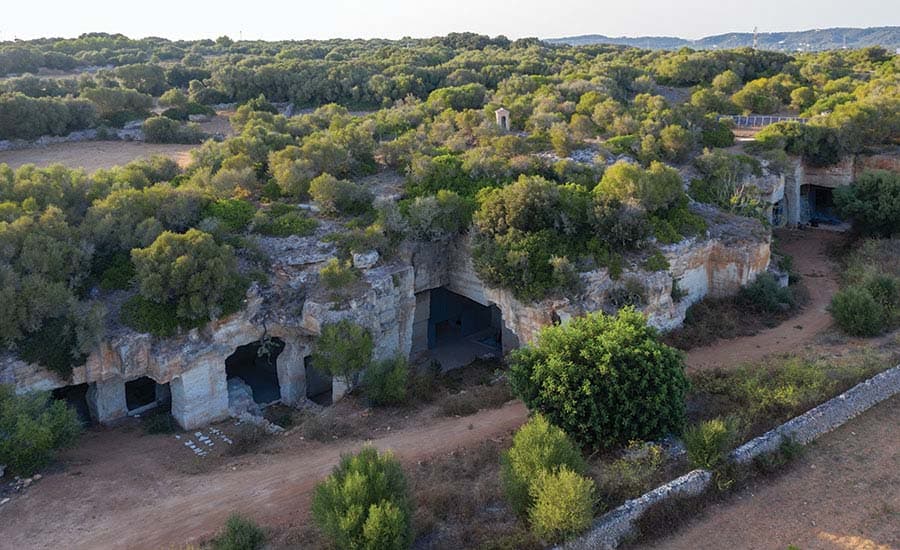
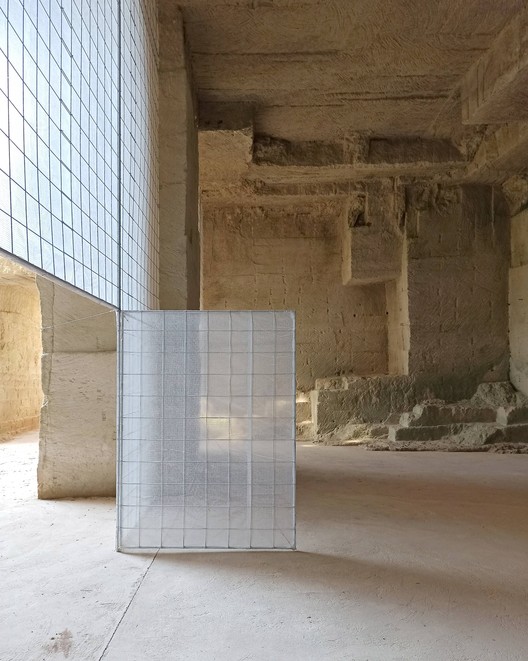
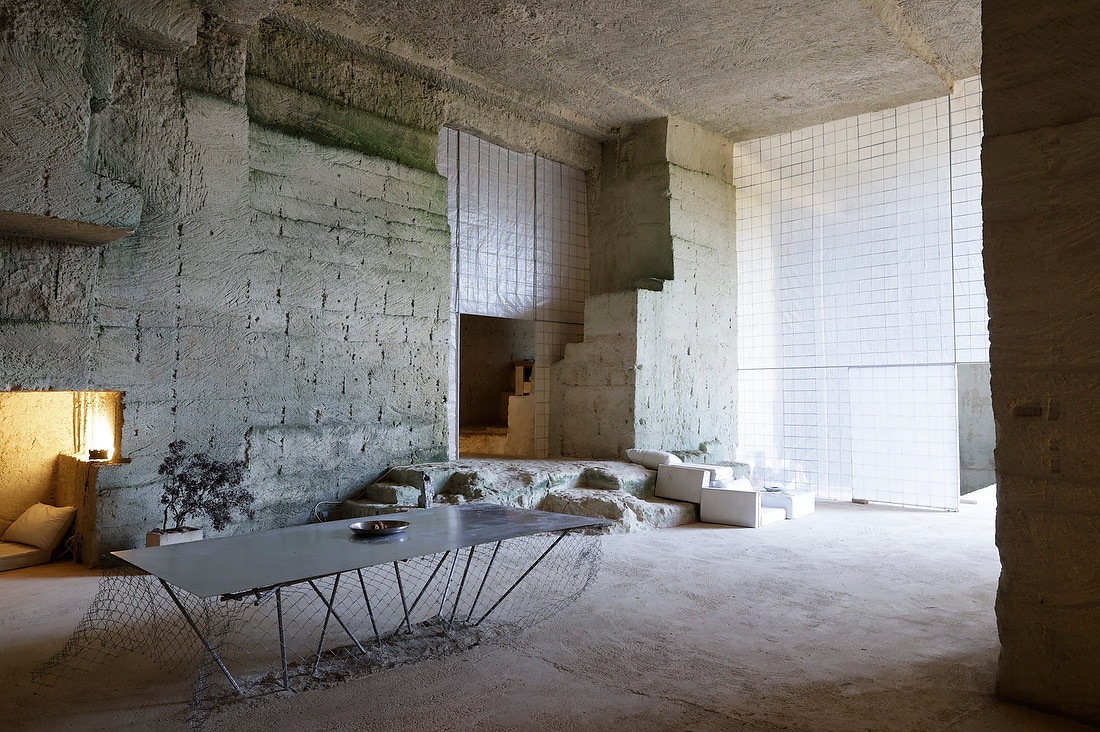
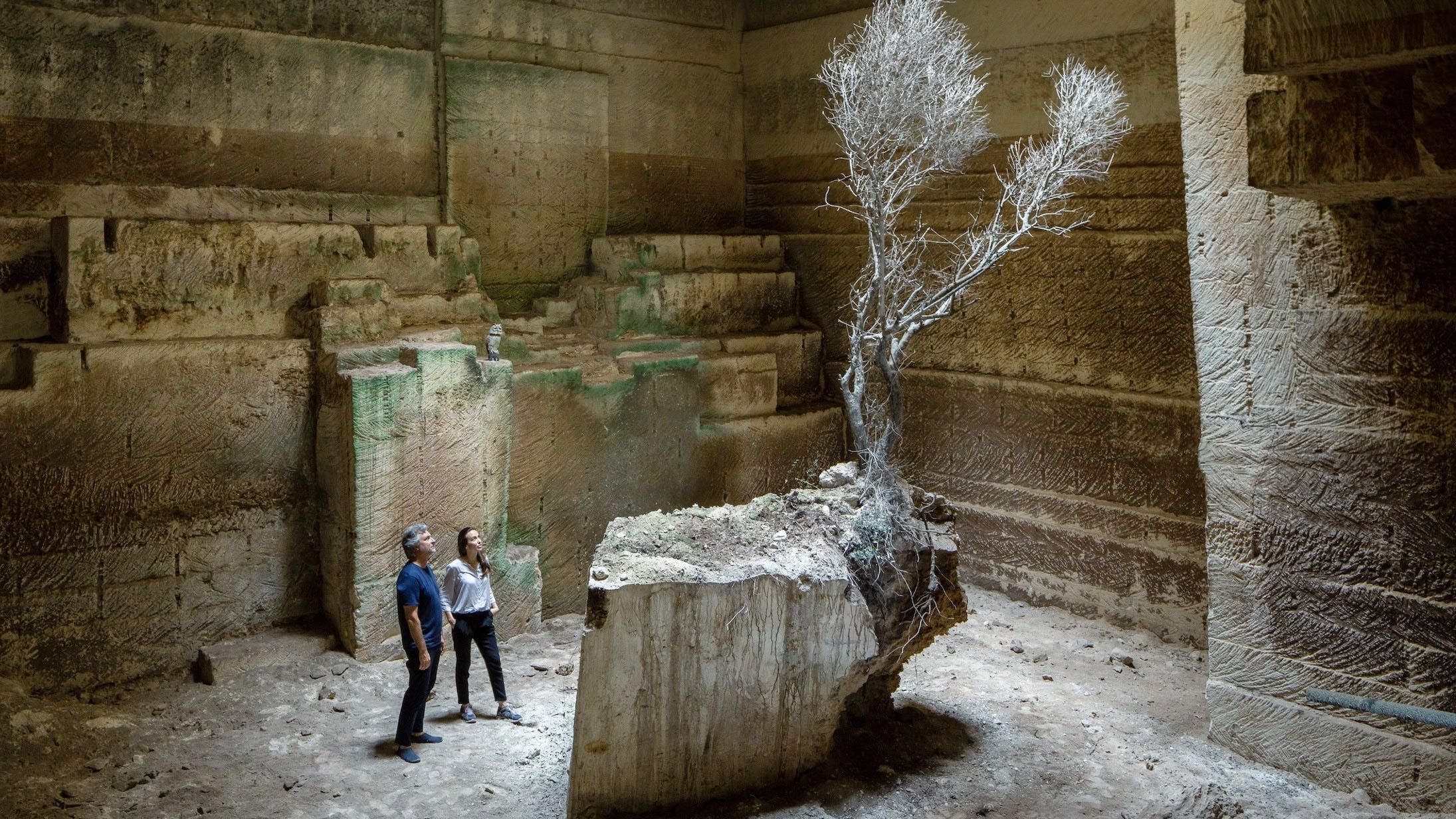
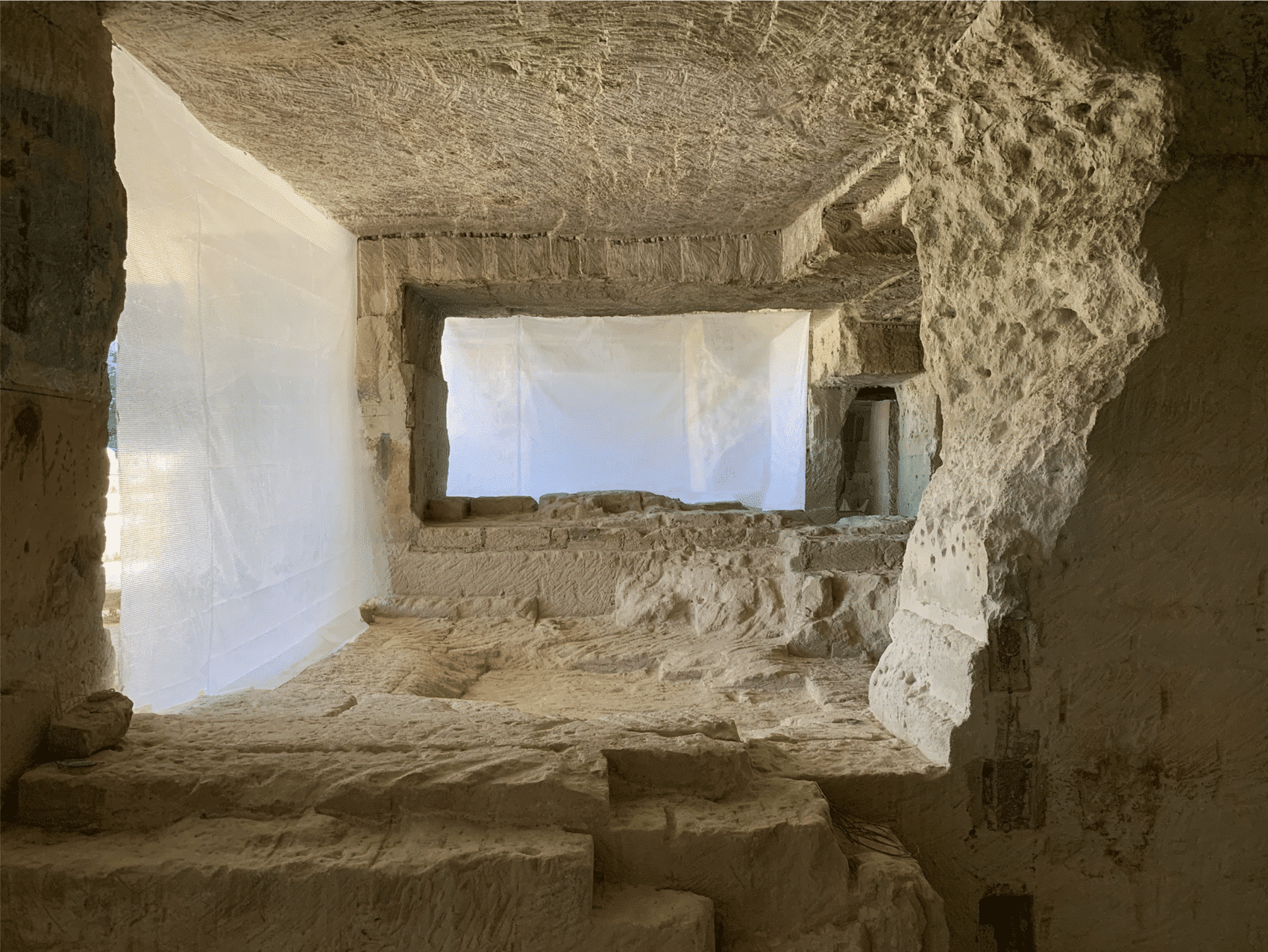
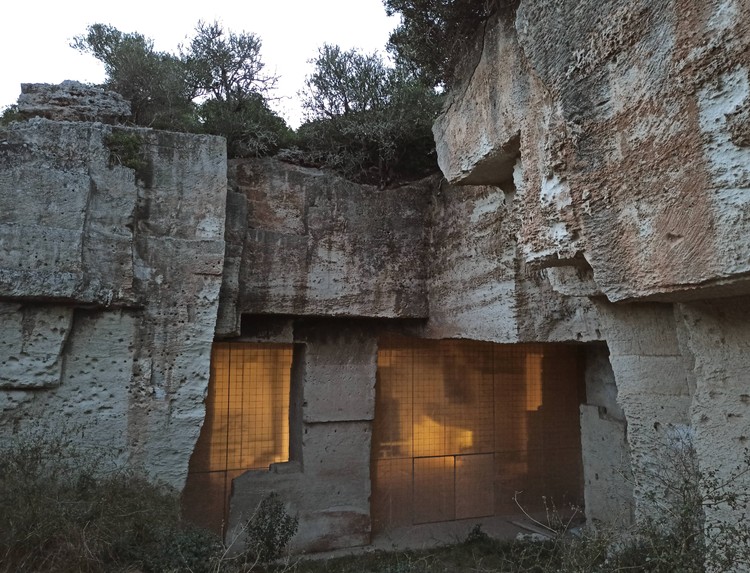
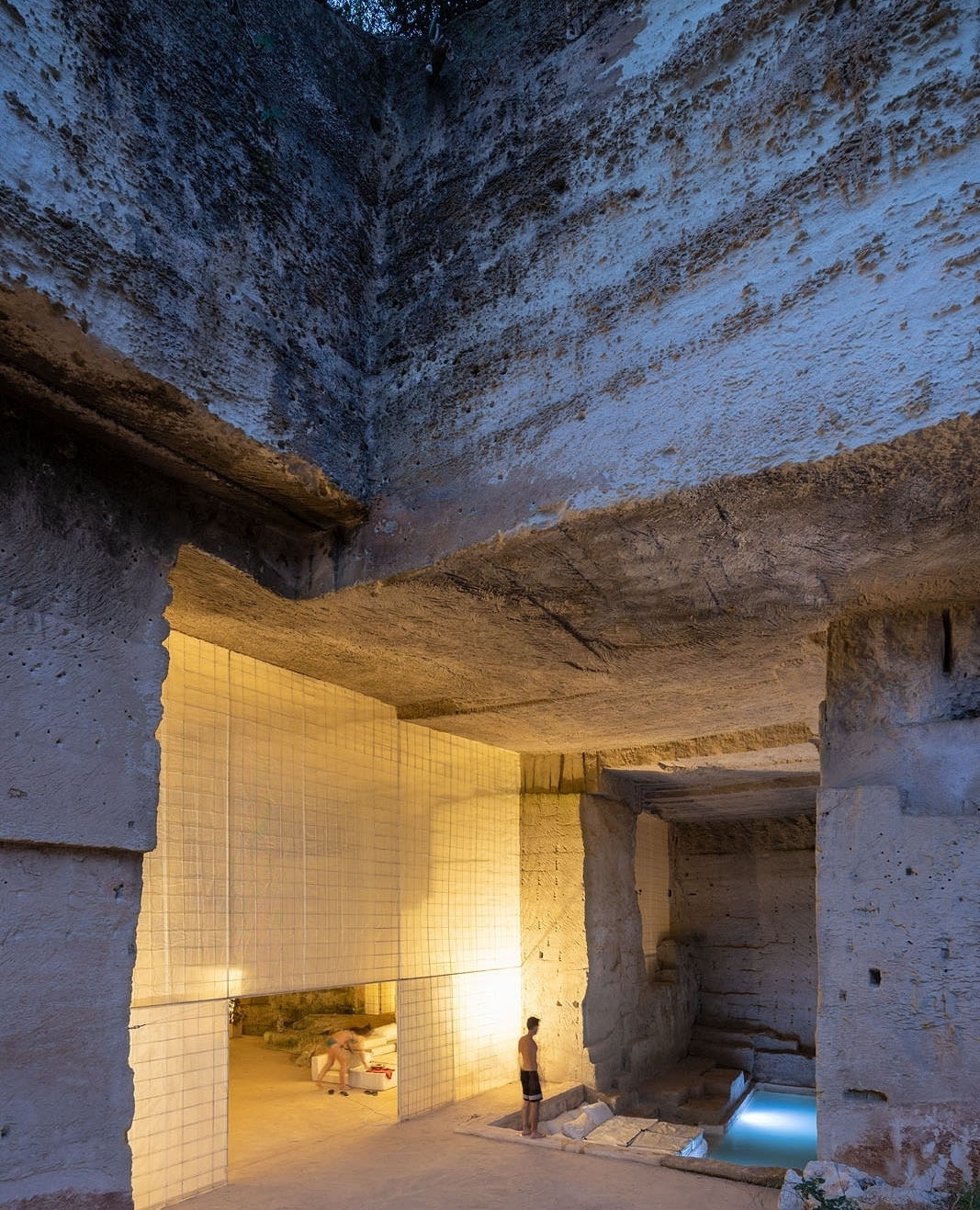
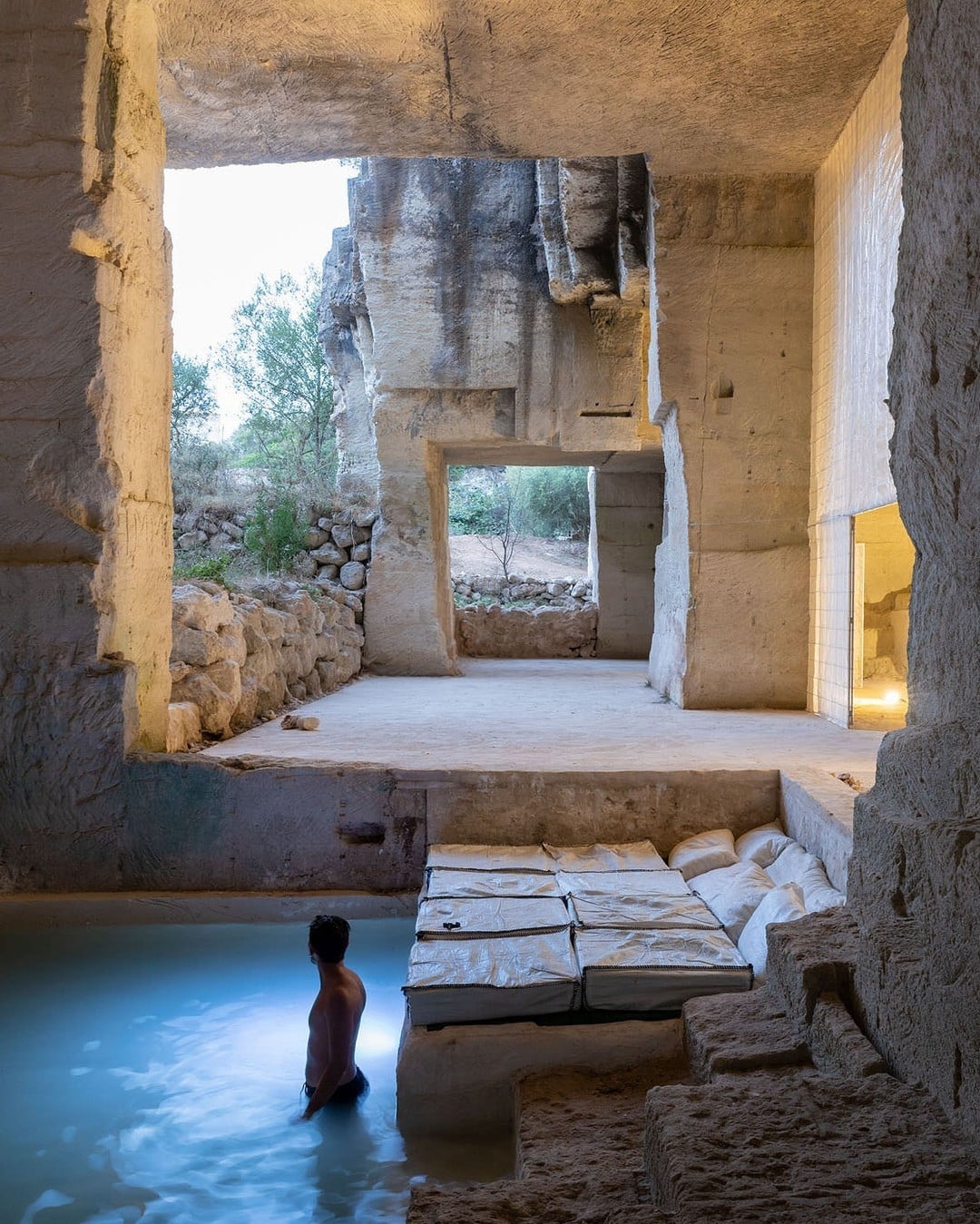
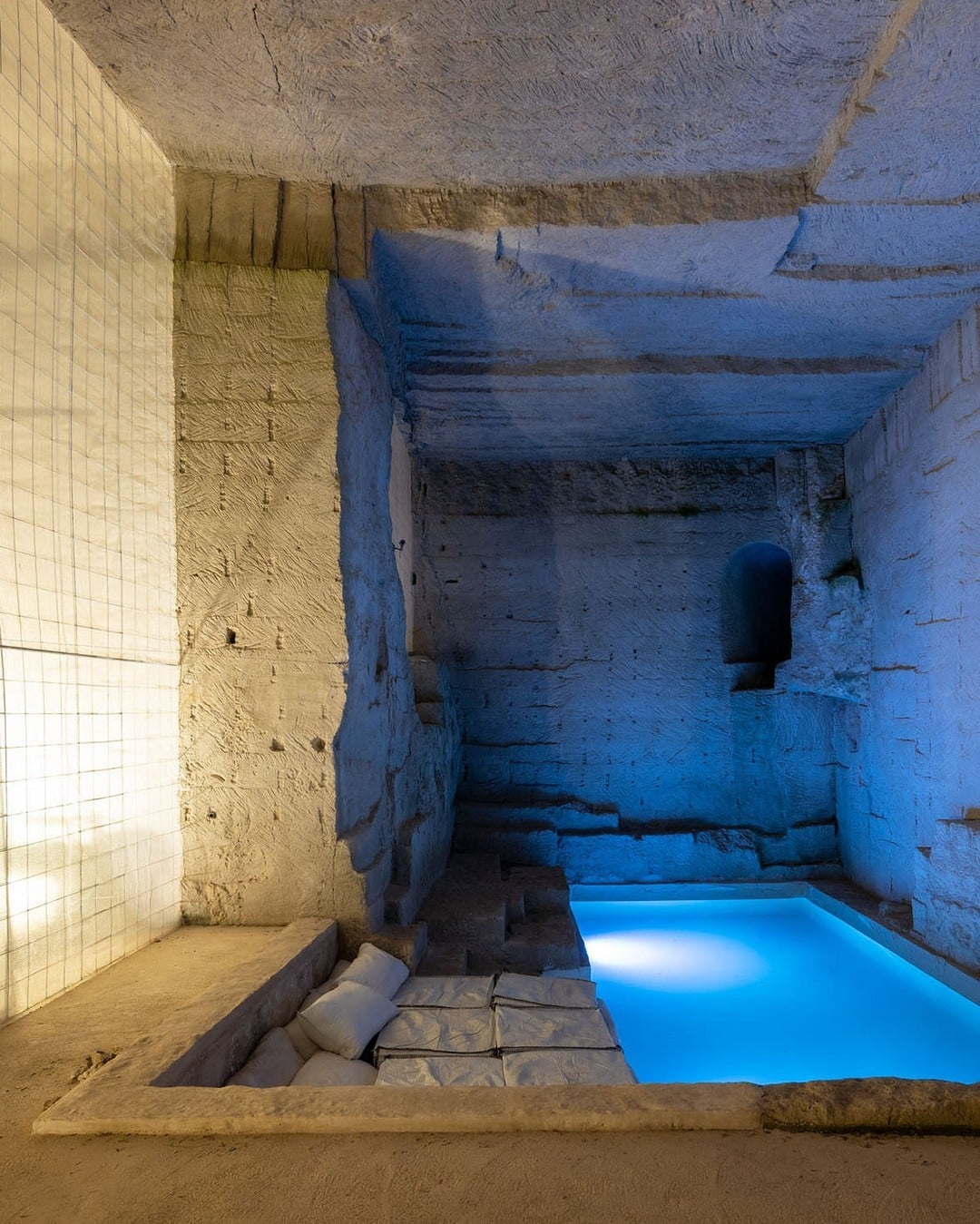
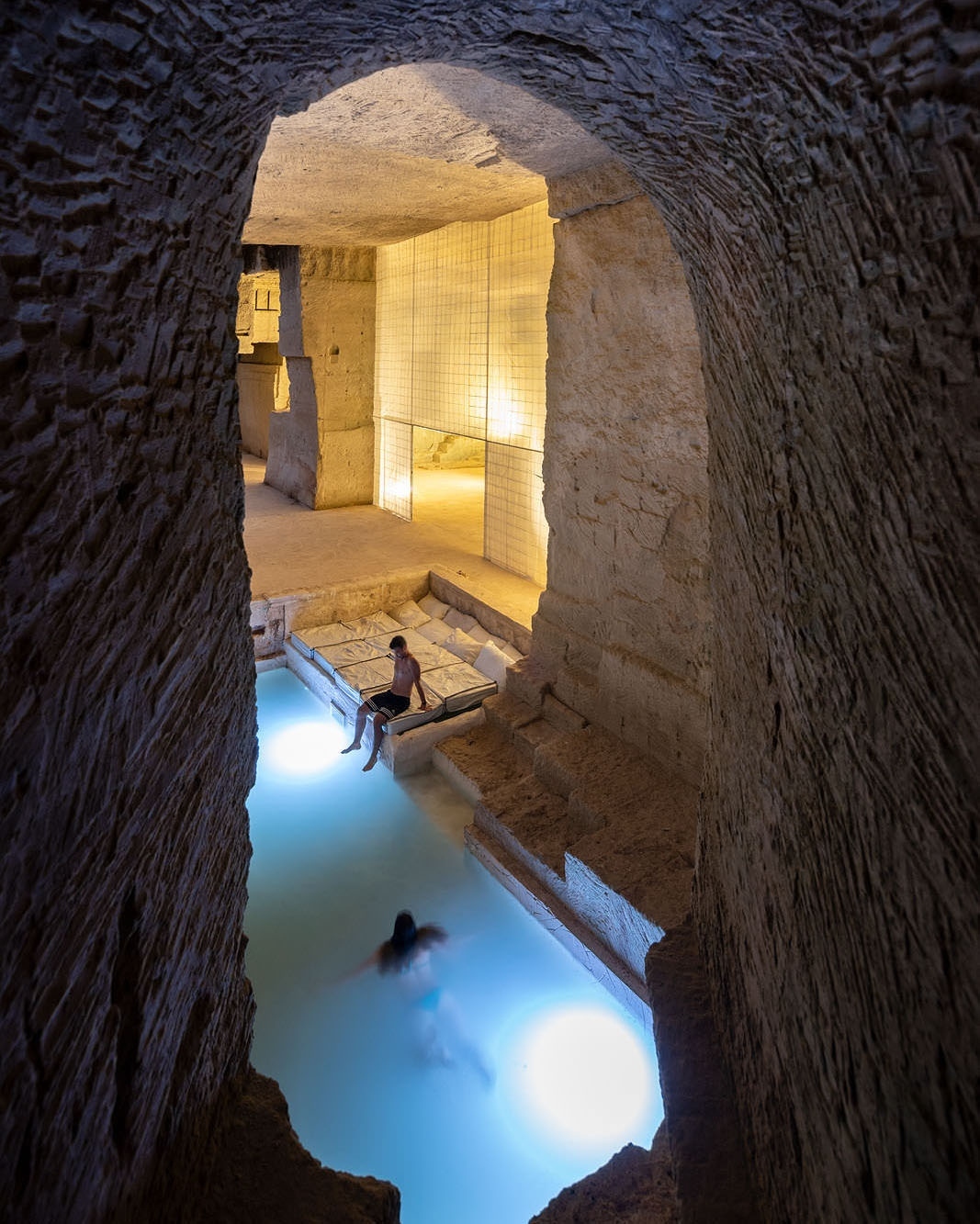
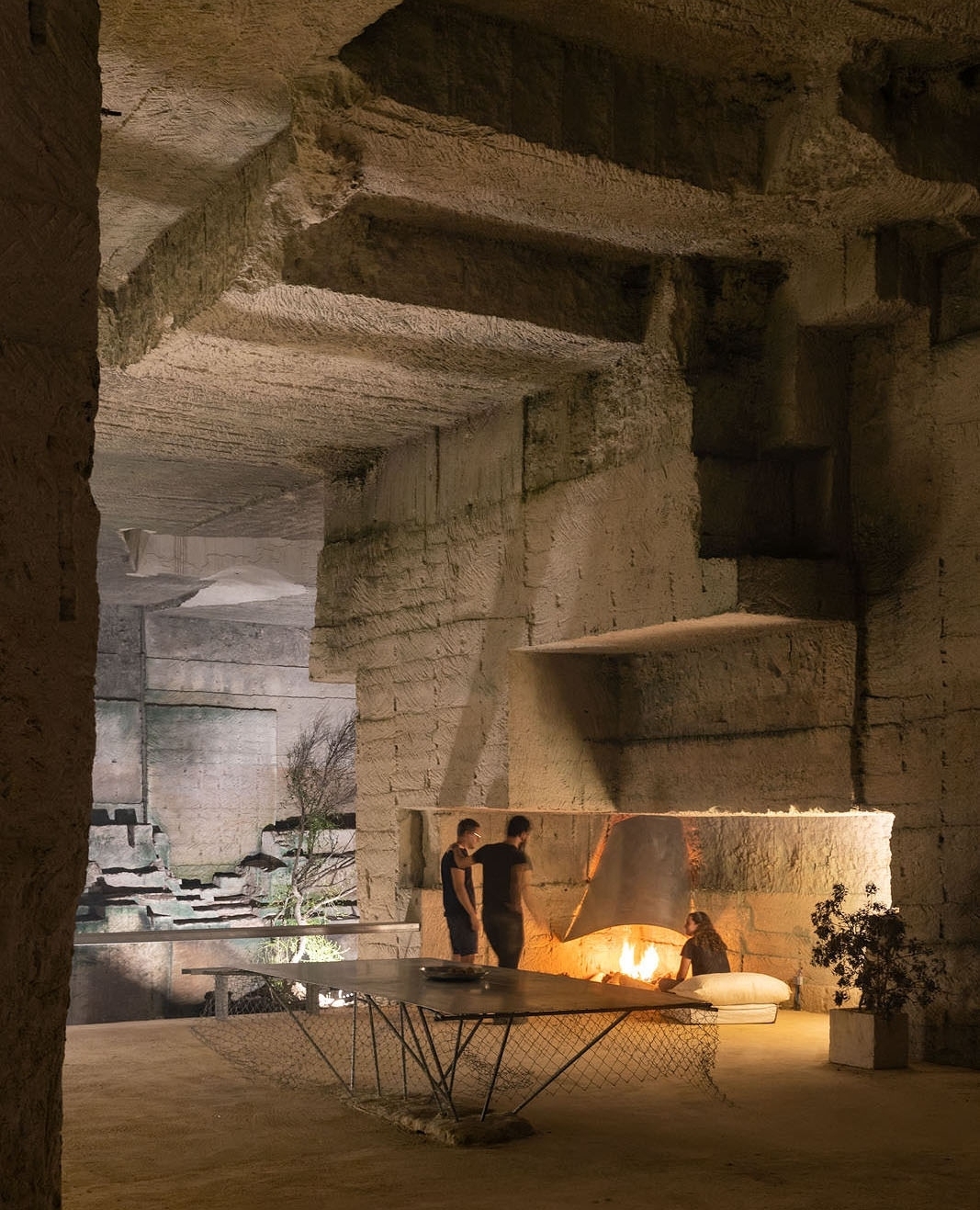
(4) Can Terra, Menorca, Ensamble Estudio
MArch Valencia. Arquitectura y Diseño
© 2026 MArch Valencia. Arquitectura y Diseño
Privacy policy | Cookies policy | Terms of use