


Integrated Executions within the Project by Fran Silvestre
DATE
03.02.2026
In the postgraduate program MArch in Industrialized Architecture, Fran Silvestre delivered the class Integrated Executions within the Project, focused on understanding industrialization as a way of thinking about architecture from the perspective of execution.
Throughout the session, he explained that industrialization does not respond to a specific construction system, but rather to a design attitude in which architecture is conceived from how it is manufactured, coordinated, and assembled. He emphasized that industrialization begins at the point of contact, in the definition of joints and interfaces, not in catalogs or in the invention of new components. One of the central themes of the class was the management of small and medium-sized enterprises as the real challenge of industrialization. Construction relies on very small companies with limited teams, where any unforeseen event can disrupt the overall planning. In this context, errors and delays are amplified, directly affecting the entire project. The difficulty does not lie in the technique itself, but in the coordination and management of multiple agents who depend on one another.
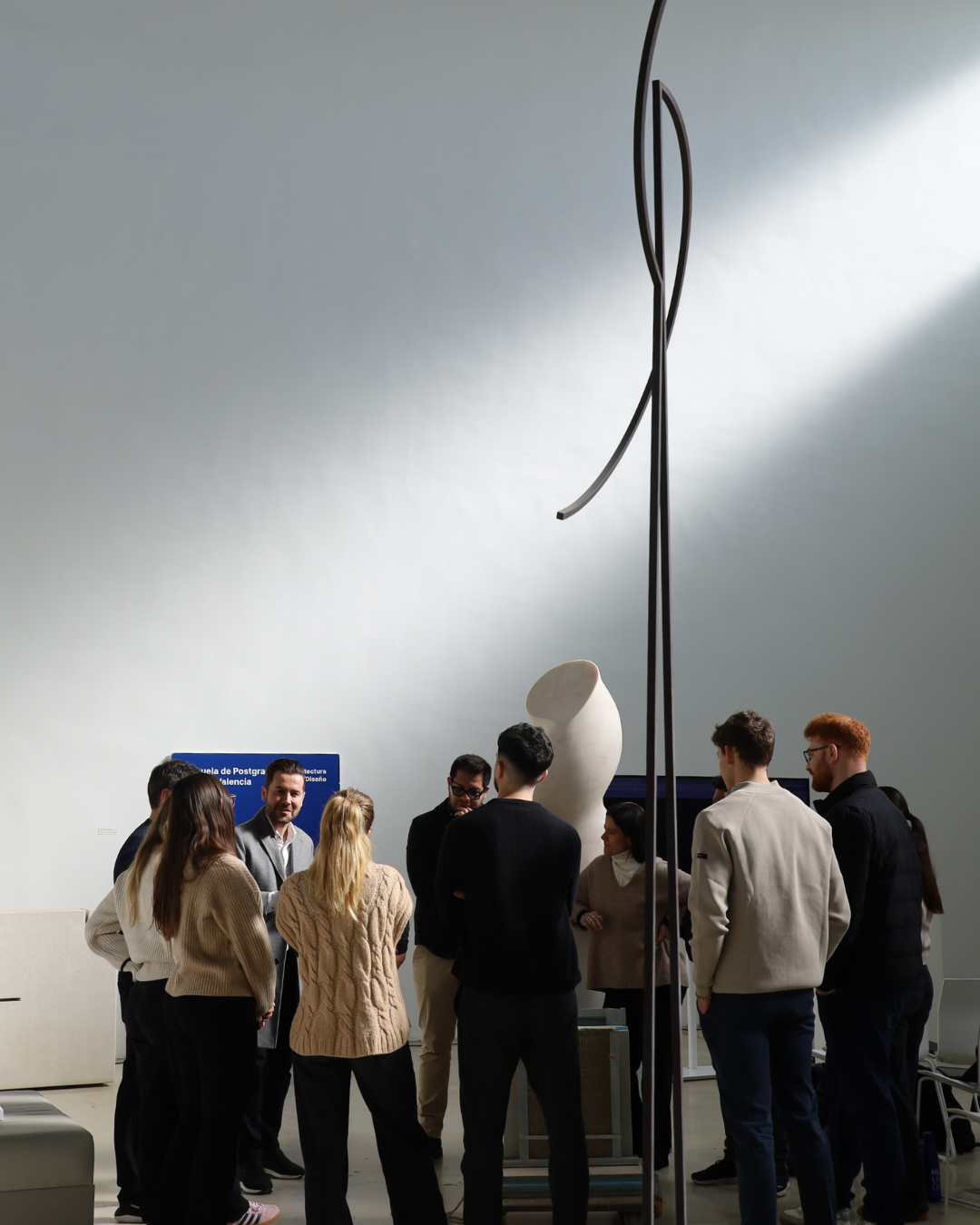
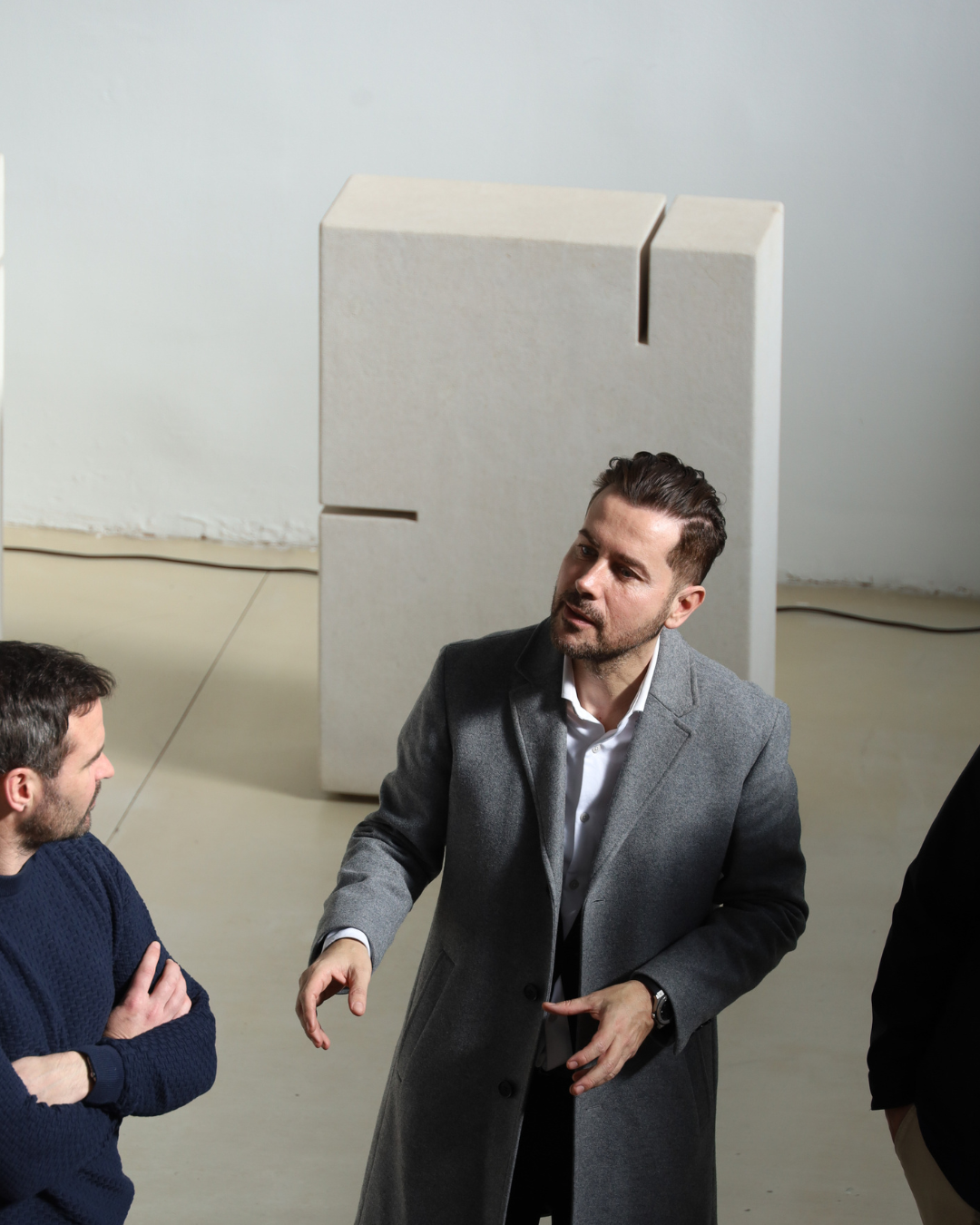
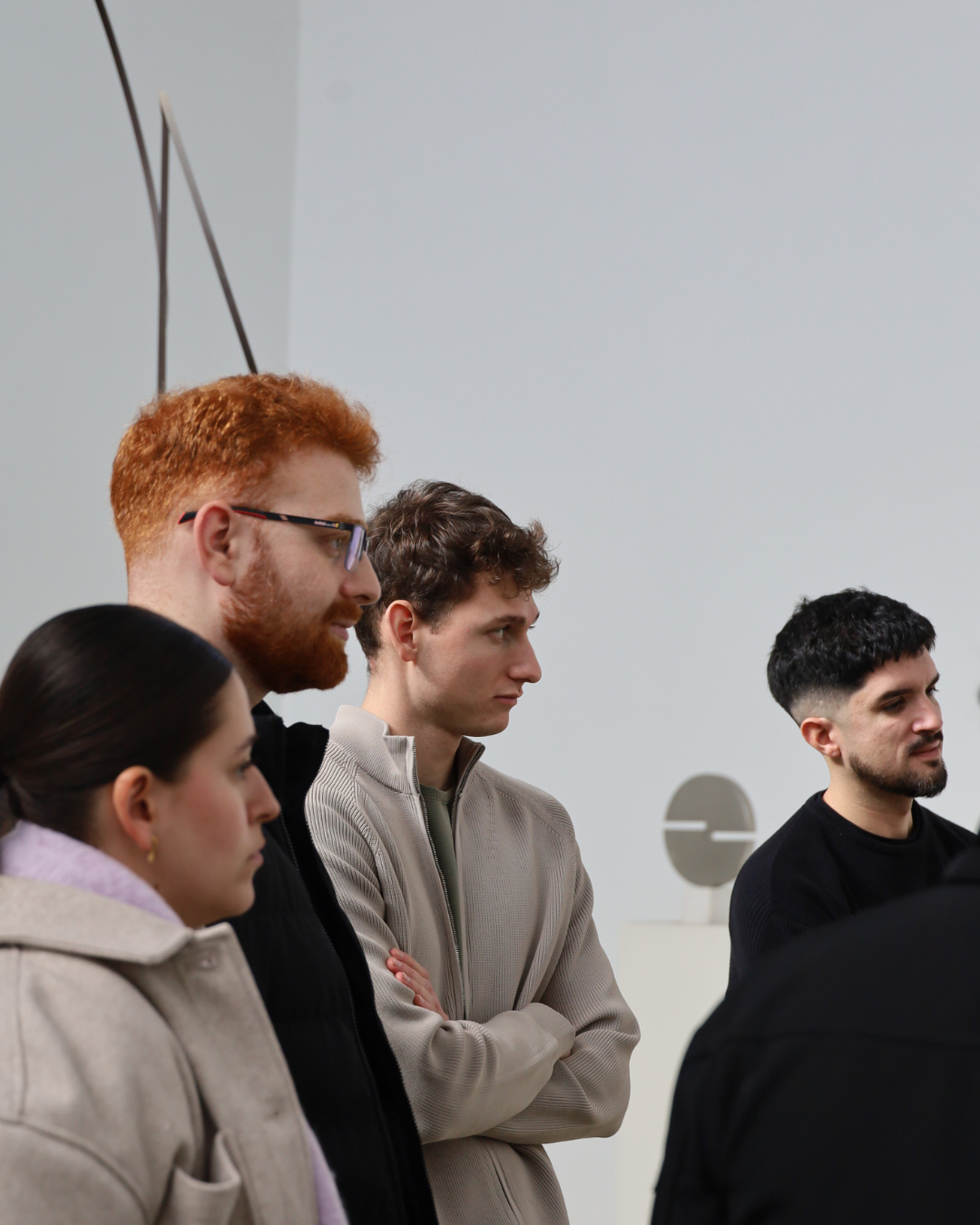

In response to this reality, he introduced concepts such as the inter-supplier system, based on coordinating different trades from the project stage. The key is not to work with isolated suppliers, but to establish clear relationships between them, with defined dependencies and integrated management. Industrialization is thus understood as a coordinated system in which the project acts as a tool for control and organization.
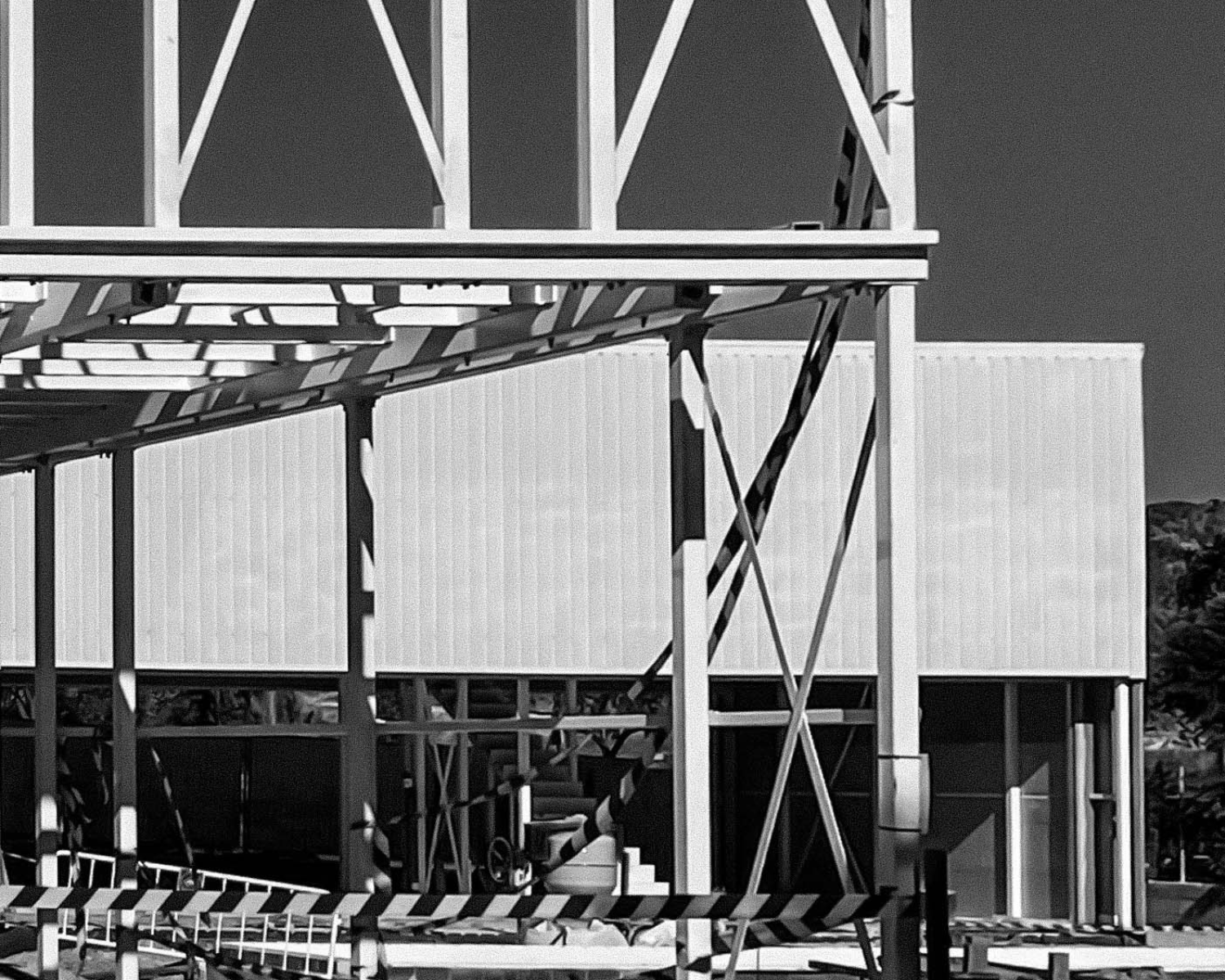
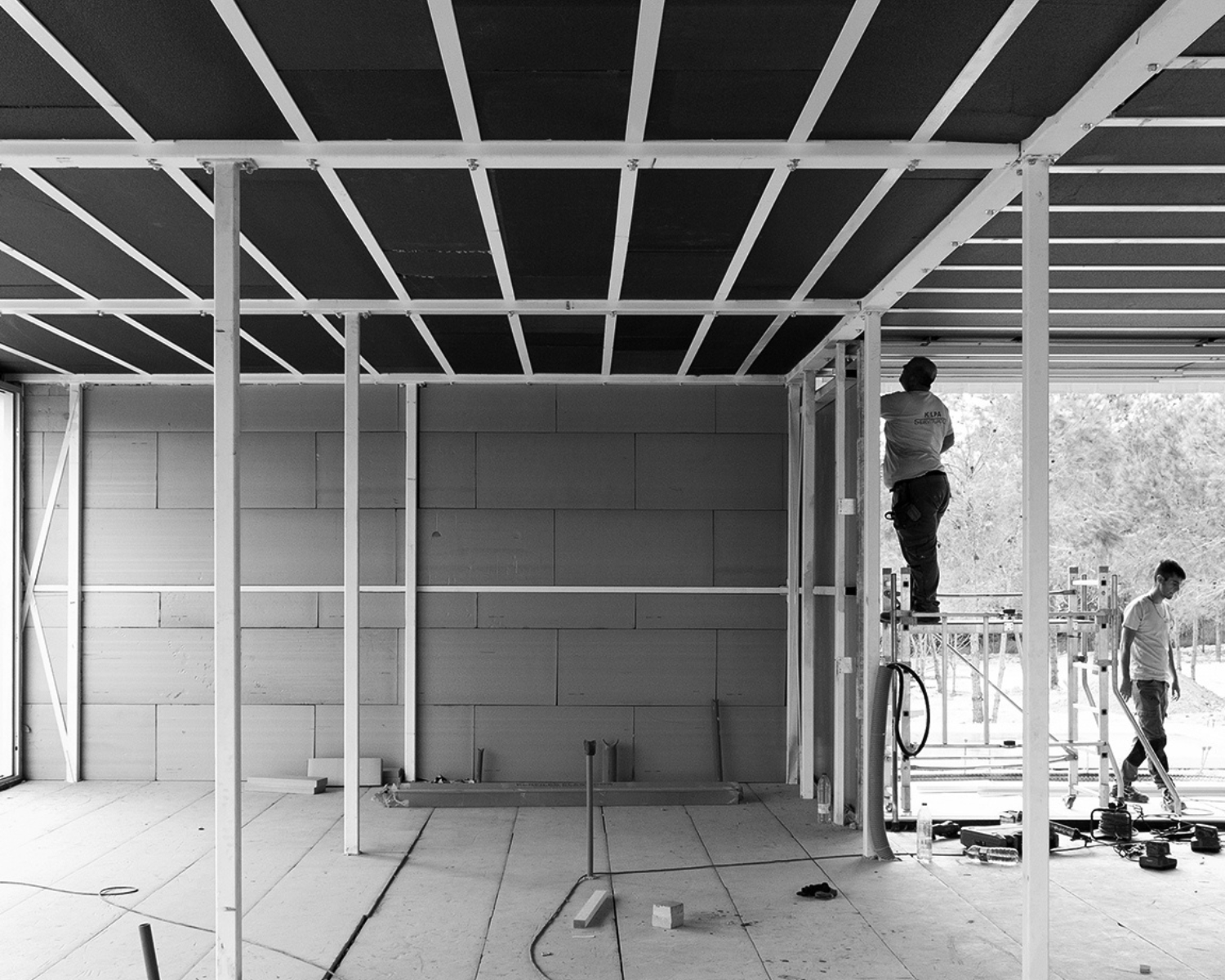
Another aspect addressed was the reduction of the number of work packages as a strategy to minimize risks. Fragmentation across multiple suppliers creates schedules that are difficult to coordinate and multiplies points of failure. The shift in approach involves concentrating production in fewer agents, with the capacity to manufacture different elements through numerical control. A single supplier can take on doors, wardrobes, kitchens, or partition elements, increasing control and reducing uncertainty.
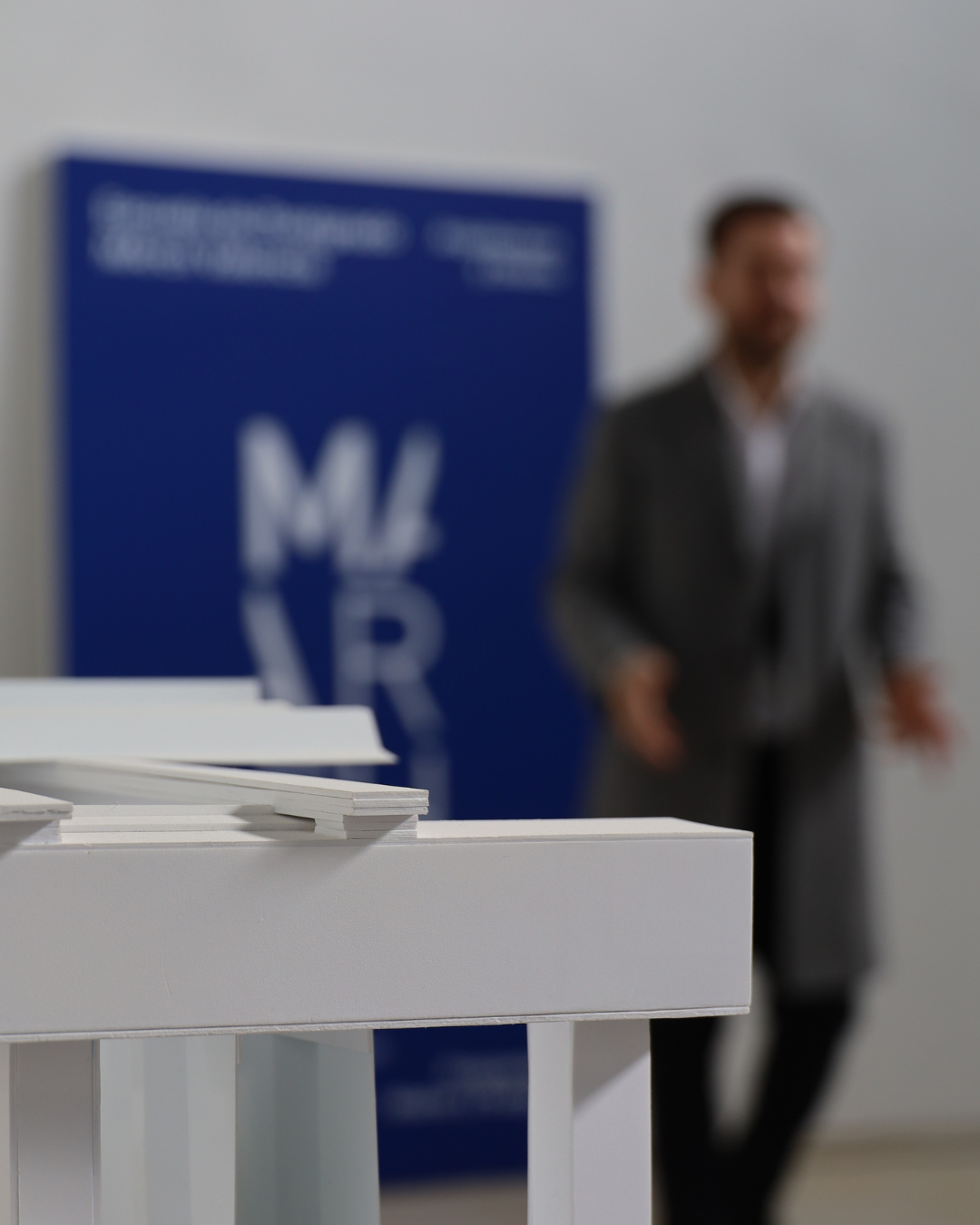
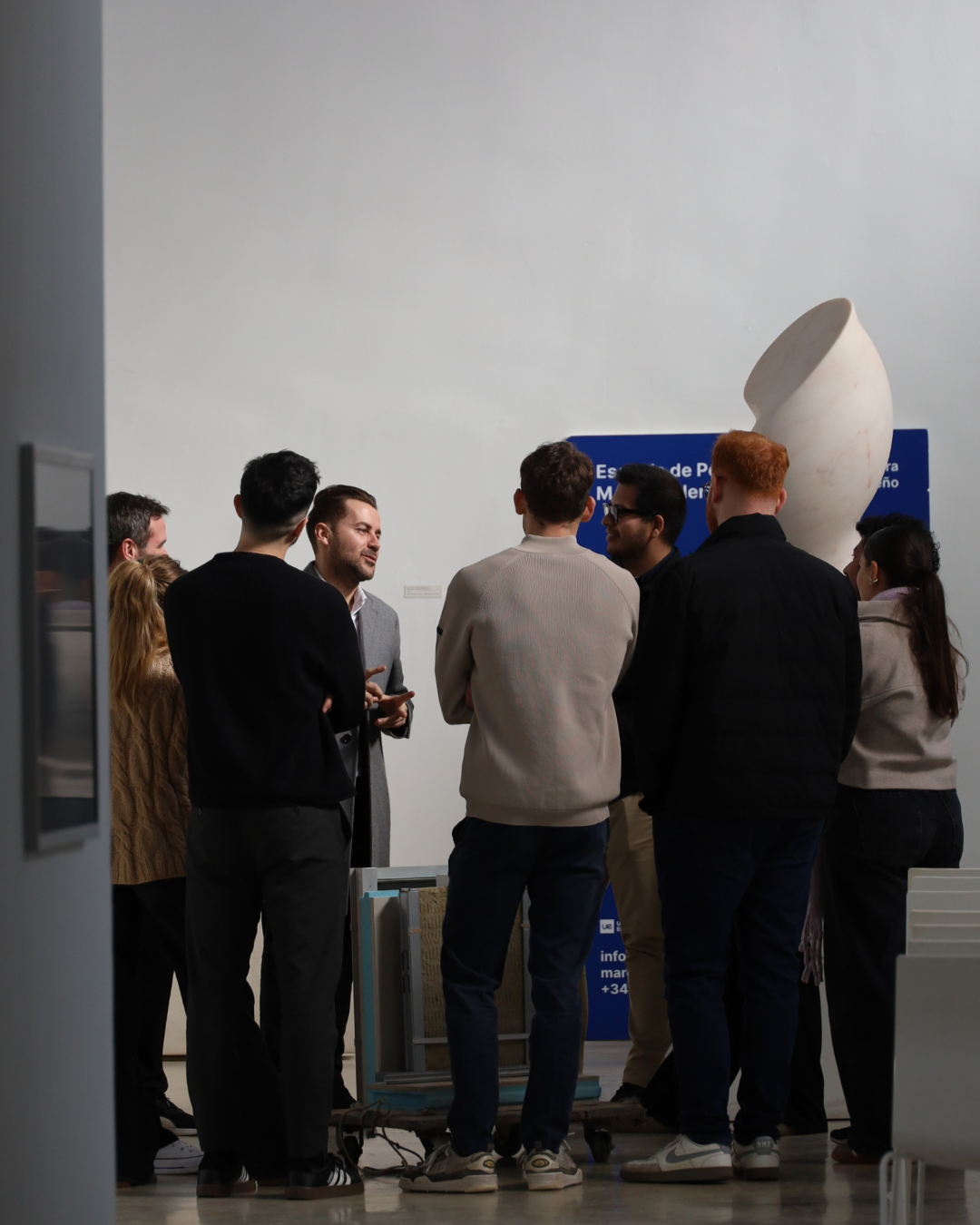
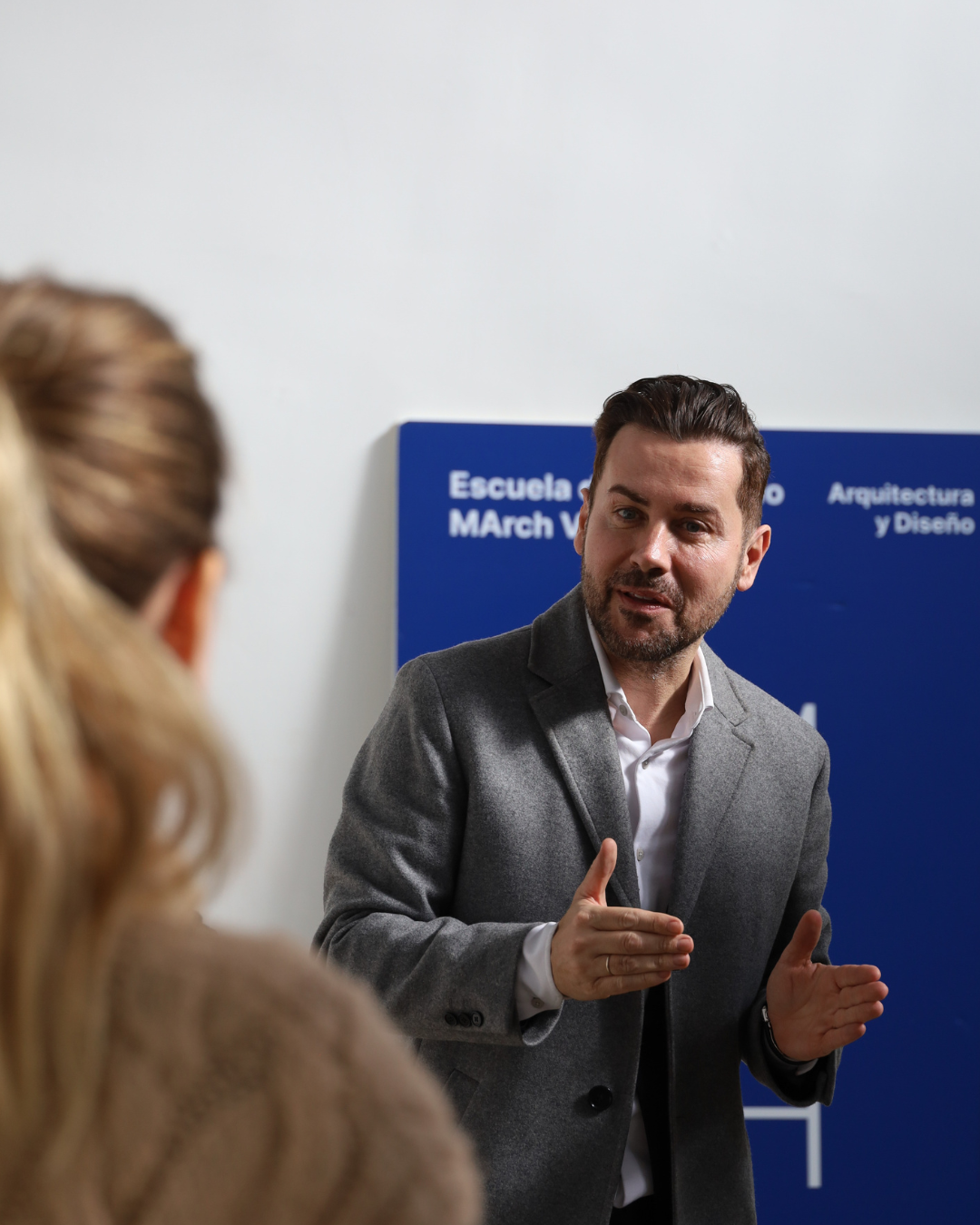
The class also emphasized assembly time, understood as a direct consequence of manufacturing times. True control begins outside the construction site, at the moment of entry into the factory, during production, and in the release of elements for assembly. When these timelines are not met, the diagram becomes misaligned and the process is blocked, compromising the industrialized system. Within this framework, traditional sequential ordering was compared with the integrated ordering typical of industrialization. A phase-based model extends the process and multiplies dependencies. The industrialized approach requires a complete definition of the project from the outset, with simultaneous orders and coordinated entry into production. Everything must be closed before starting.
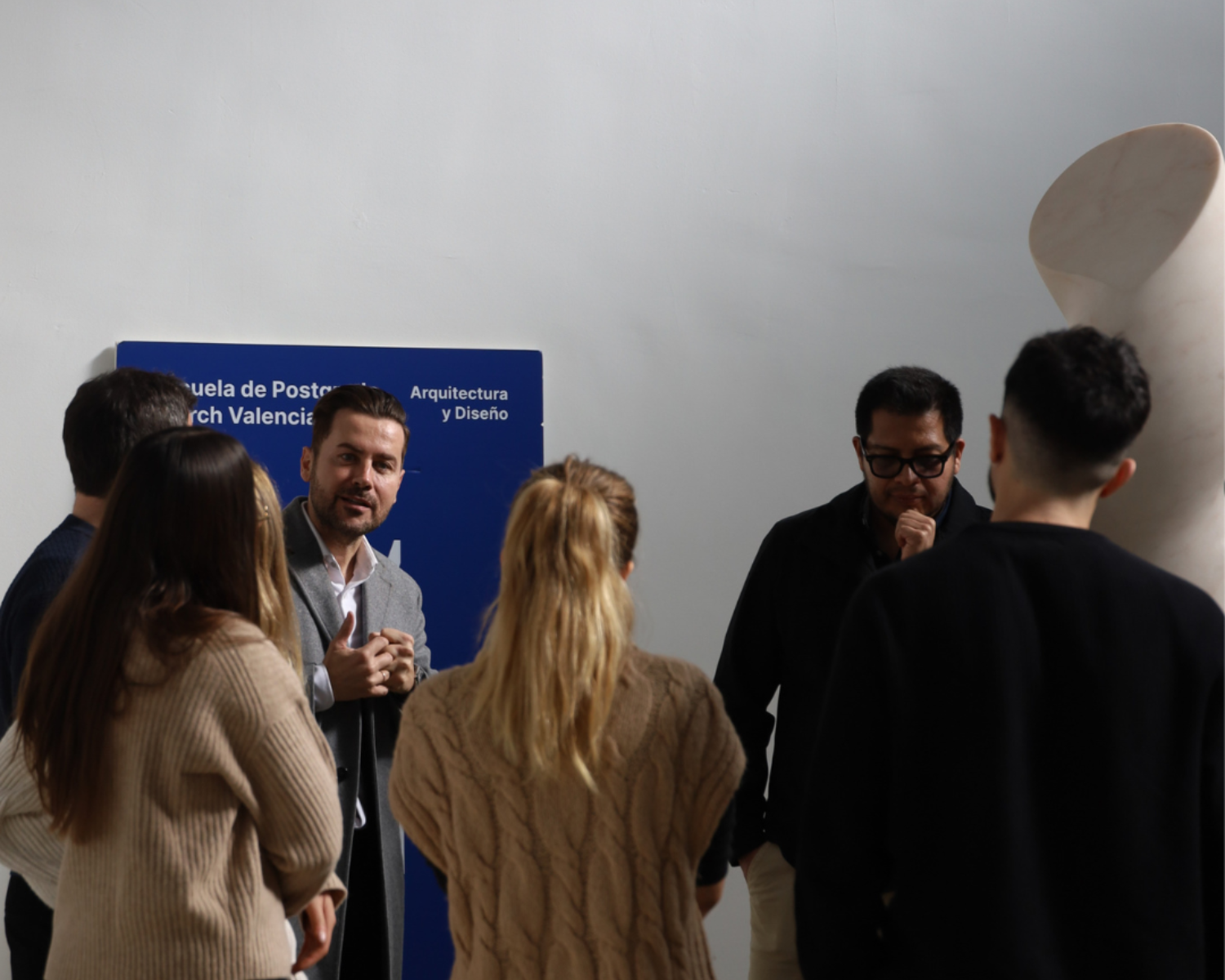
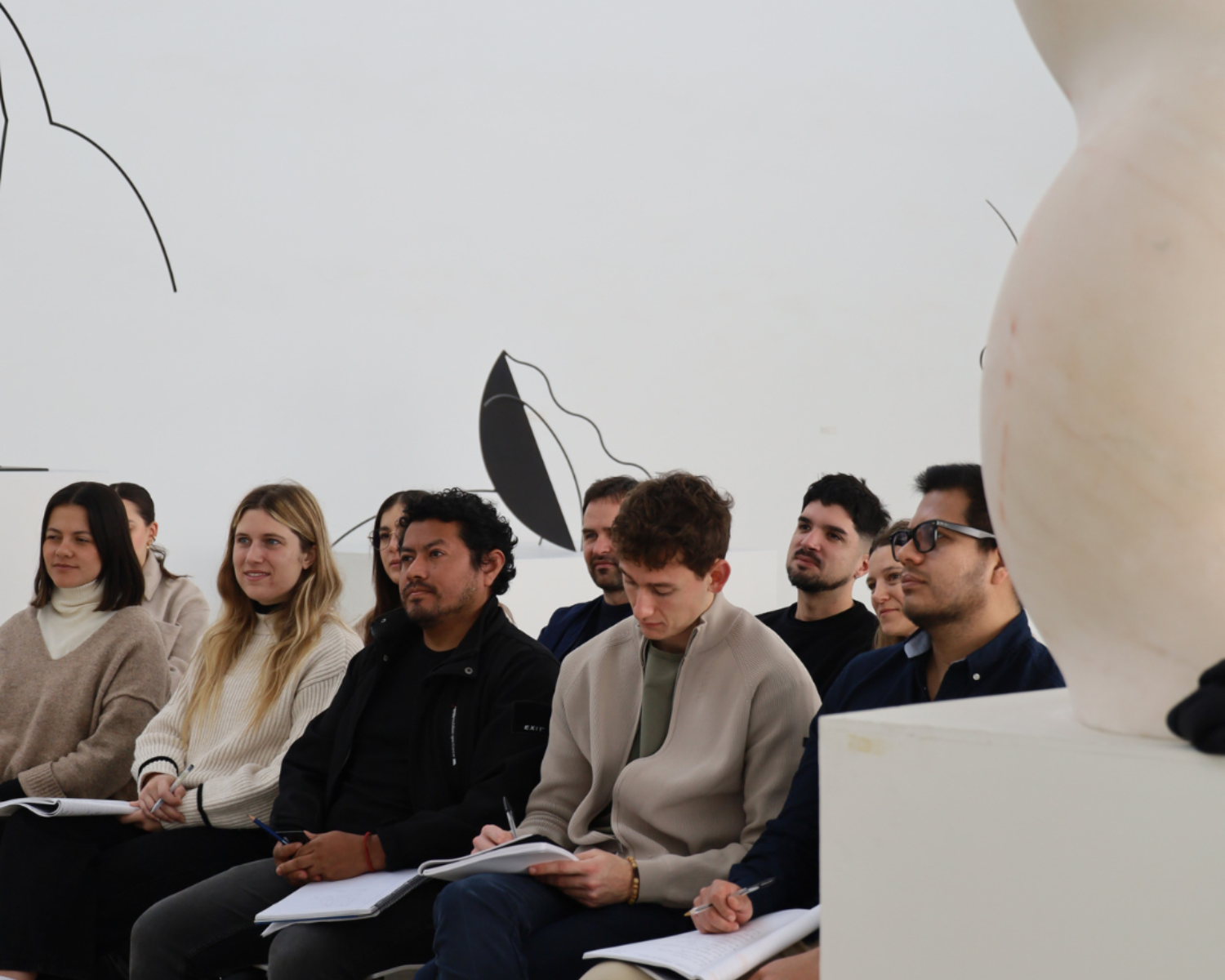
To enable this level of precision, Fran Silvestre highlighted the role of total-definition tools such as BIM or SolidWorks, capable of breaking the project down to its smallest component. Industrialization requires eliminating on-site decisions and transforming design into directly manufacturable information, where every element is fully defined.
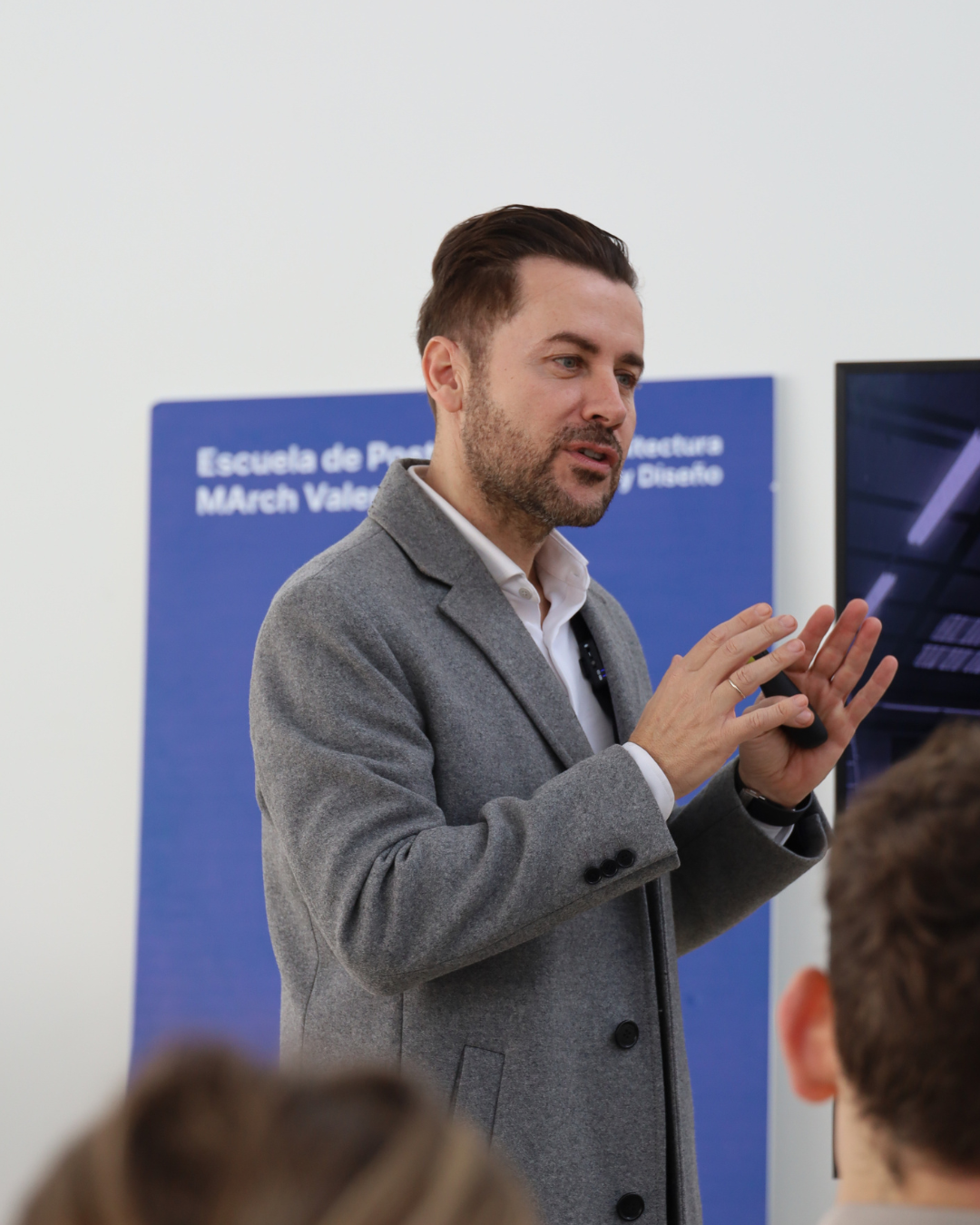

Finally, the session reflected on the need to work with components that are as simple as possible, favoring reproducible and scalable systems. In contrast to overly sophisticated solutions with limited production capacity, industrialization seeks standard, readily available materials with broad manufacturing potential. The goal is not to achieve maximum technical complexity, but to ensure repetition, control, and the viability of the system.
MArch Valencia. Arquitectura y Diseño
© 2026 MArch Valencia. Arquitectura y Diseño
Privacy policy | Cookies policy | Terms of use
<p class=”leyenda” style=”color: #363636″>En el contexto del Módulo 05_Producto, los estudiantes del programa MArch han contado con la participación de Asier Mateo, arquitecto y fundador de la marca de relojes Lebond.</span></p>