


Introduction to Solid Surface
DATE
17.02.2026
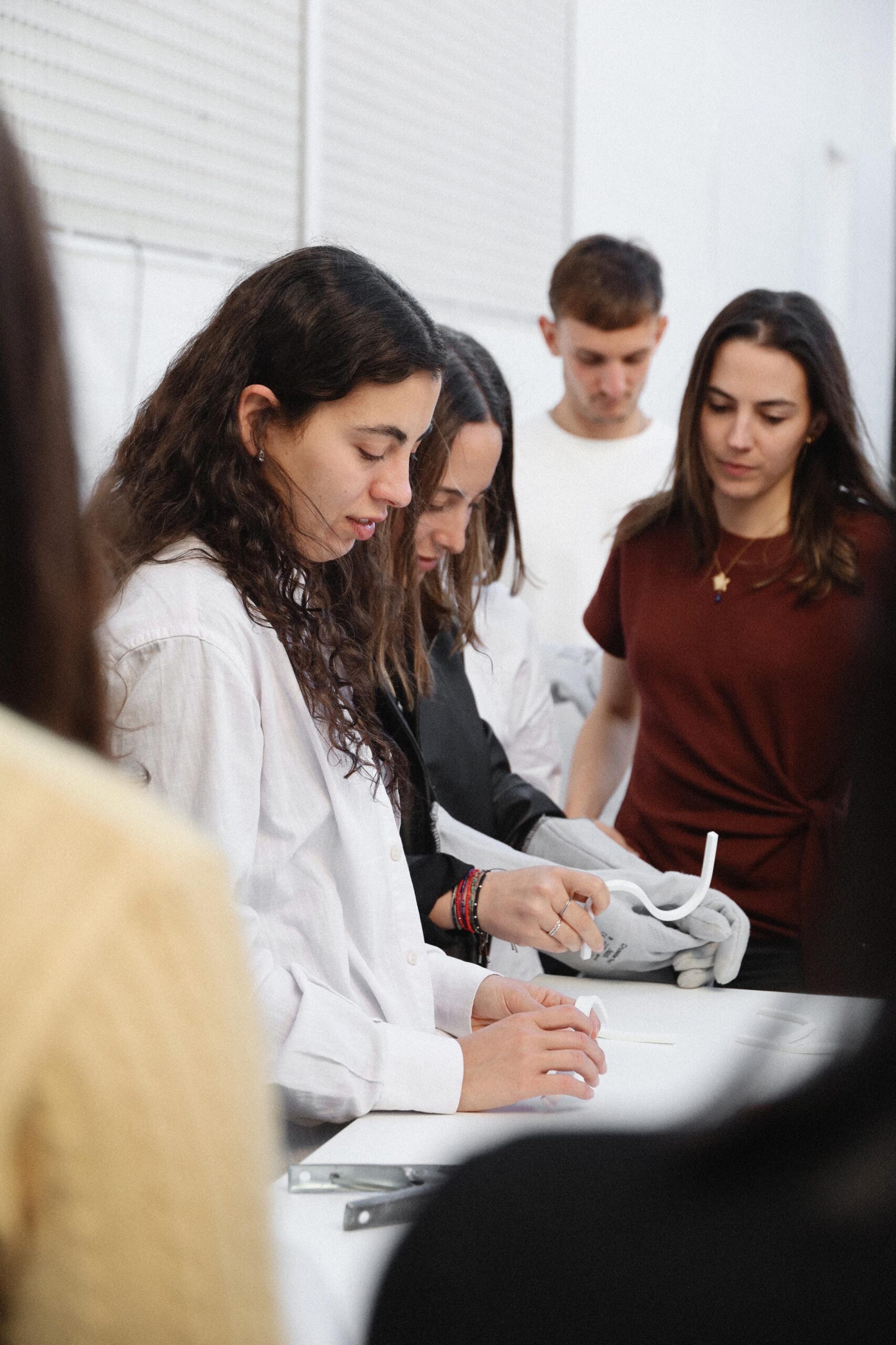
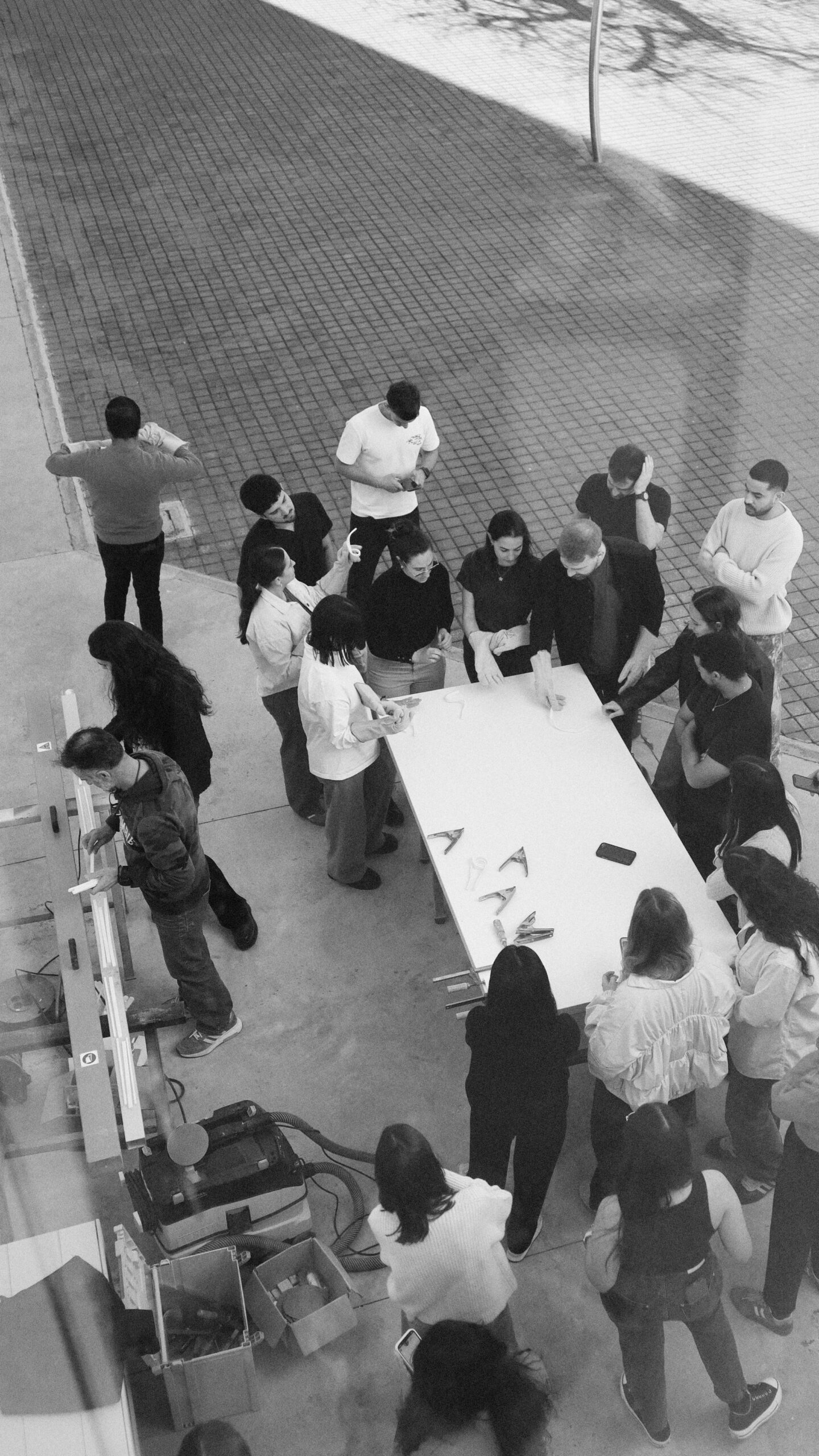
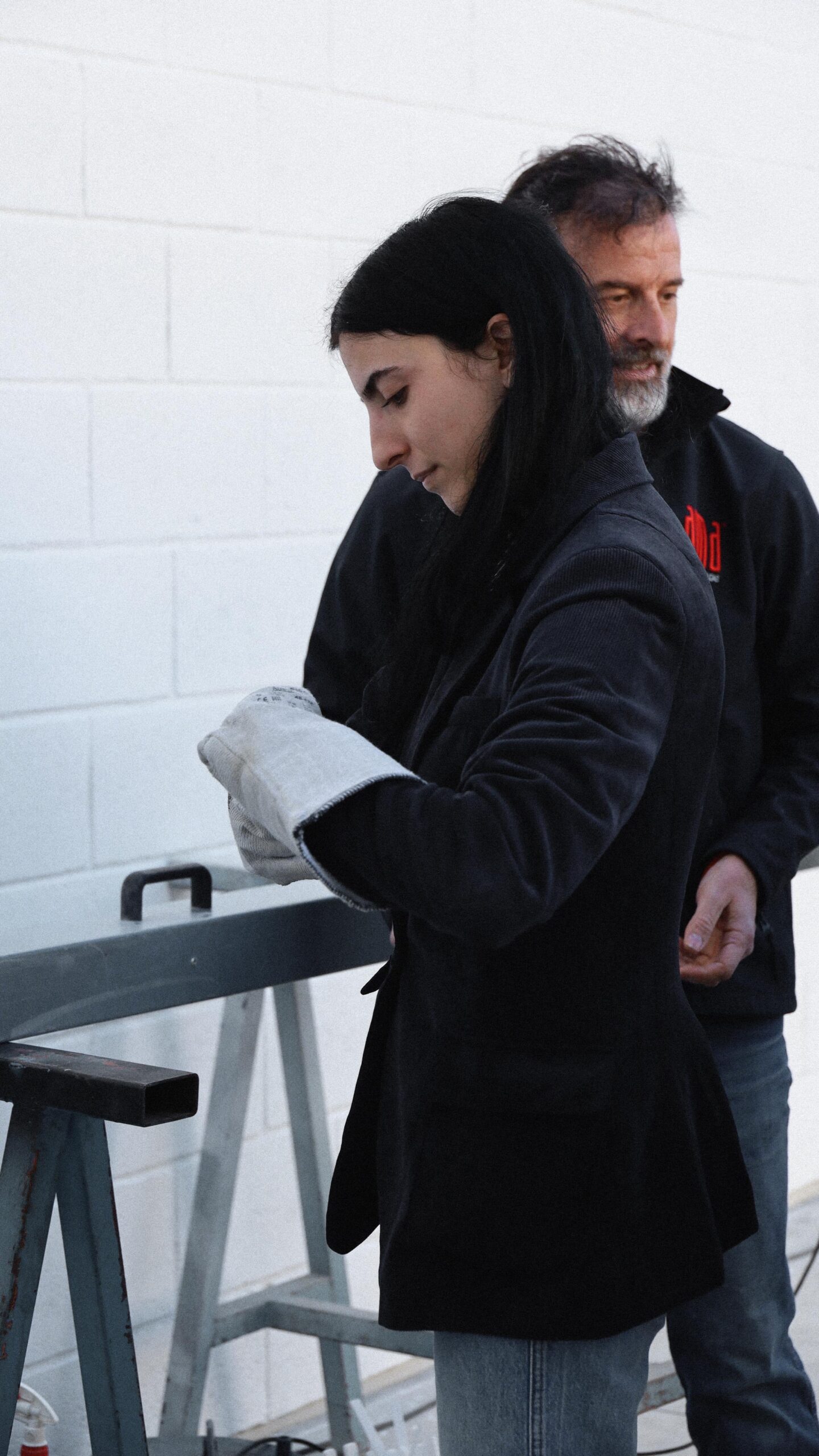
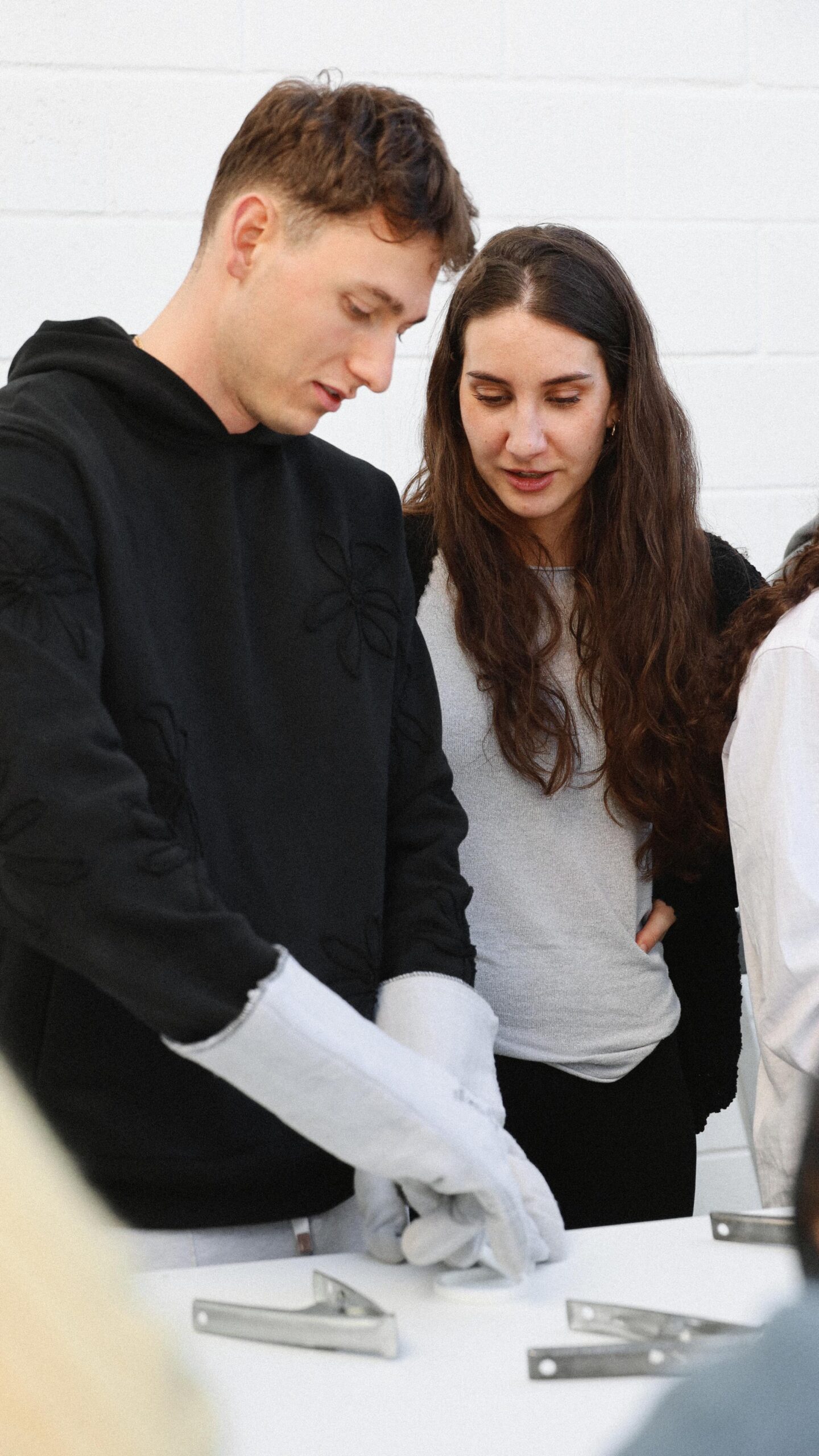
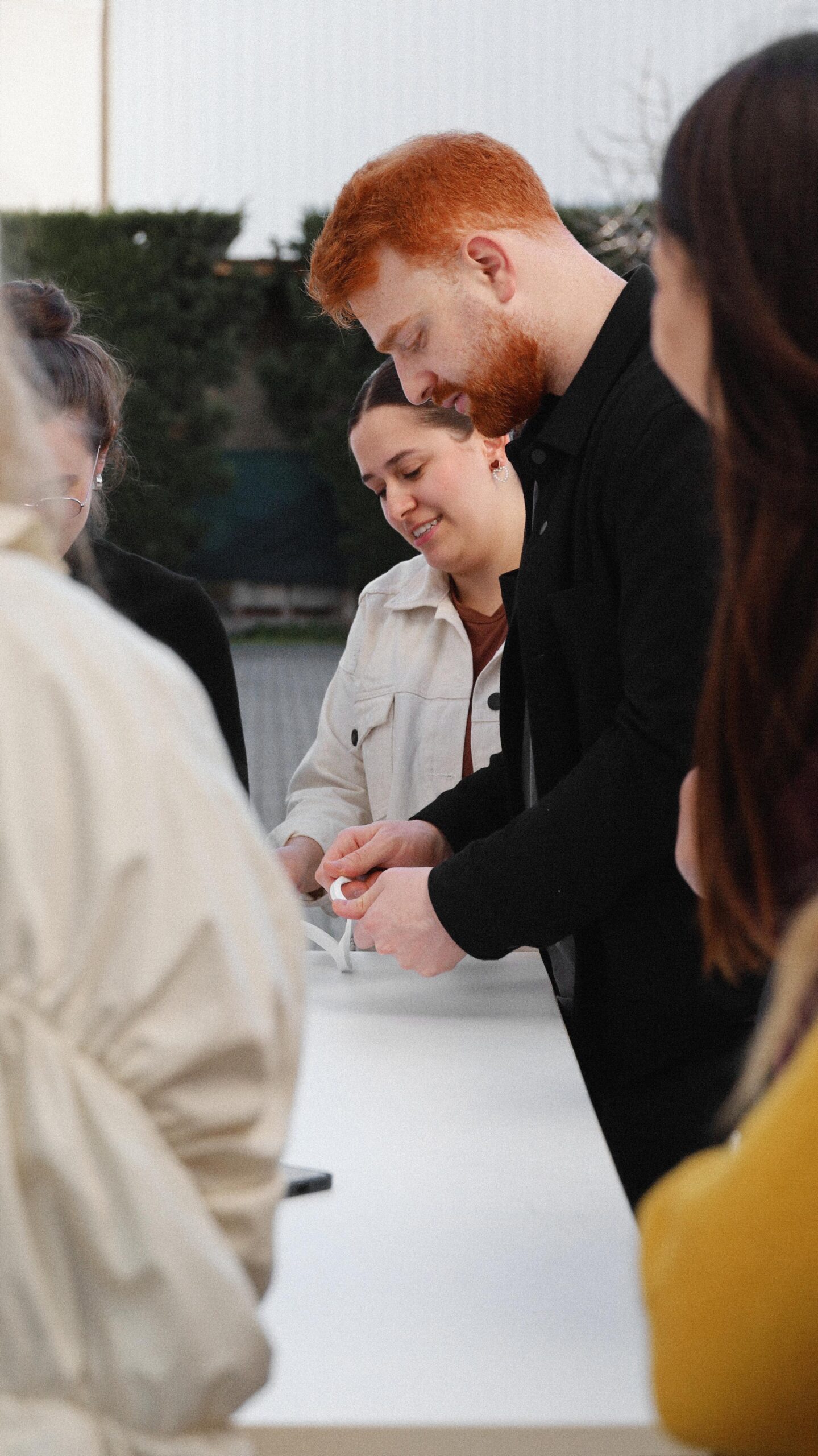
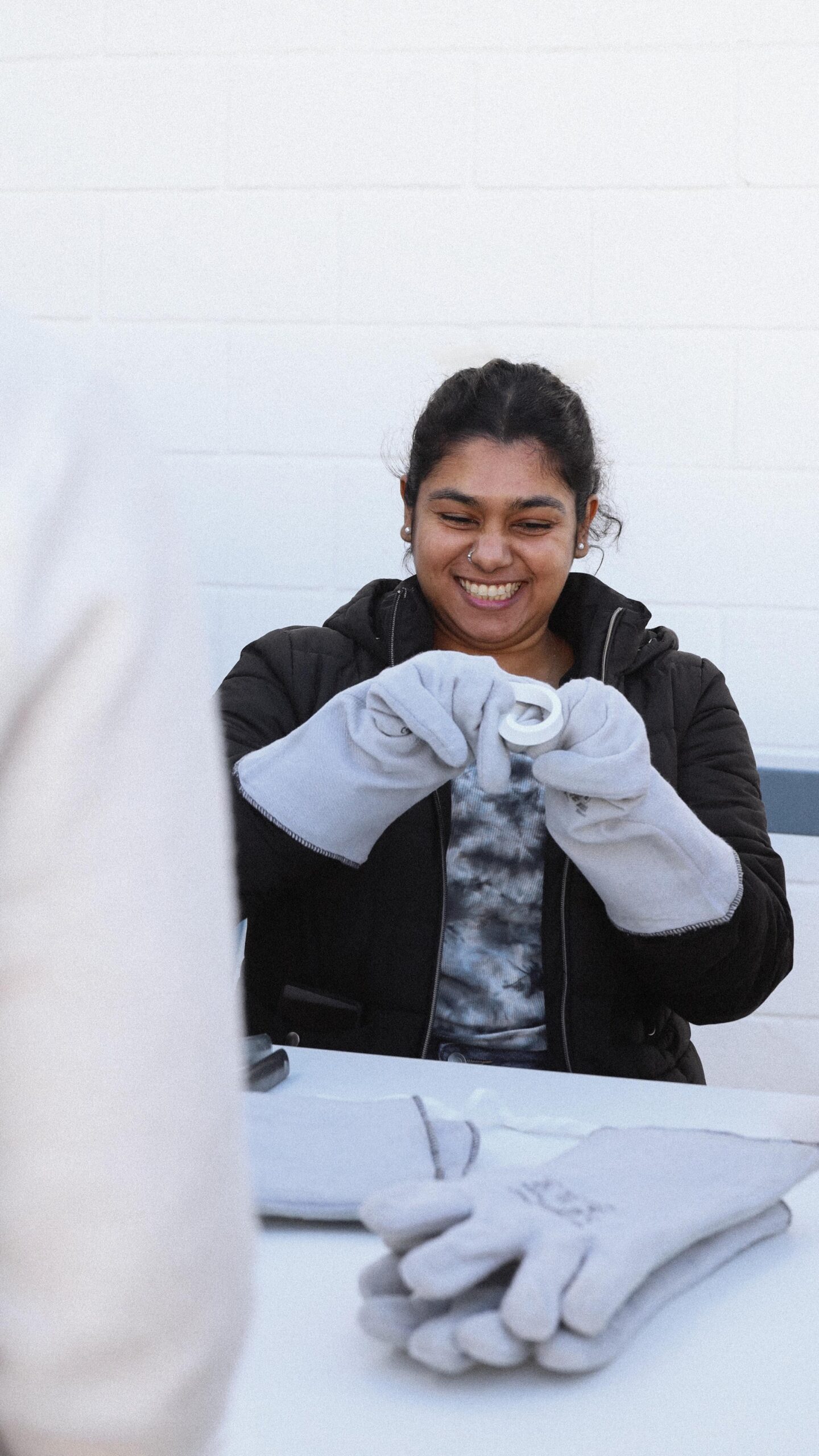
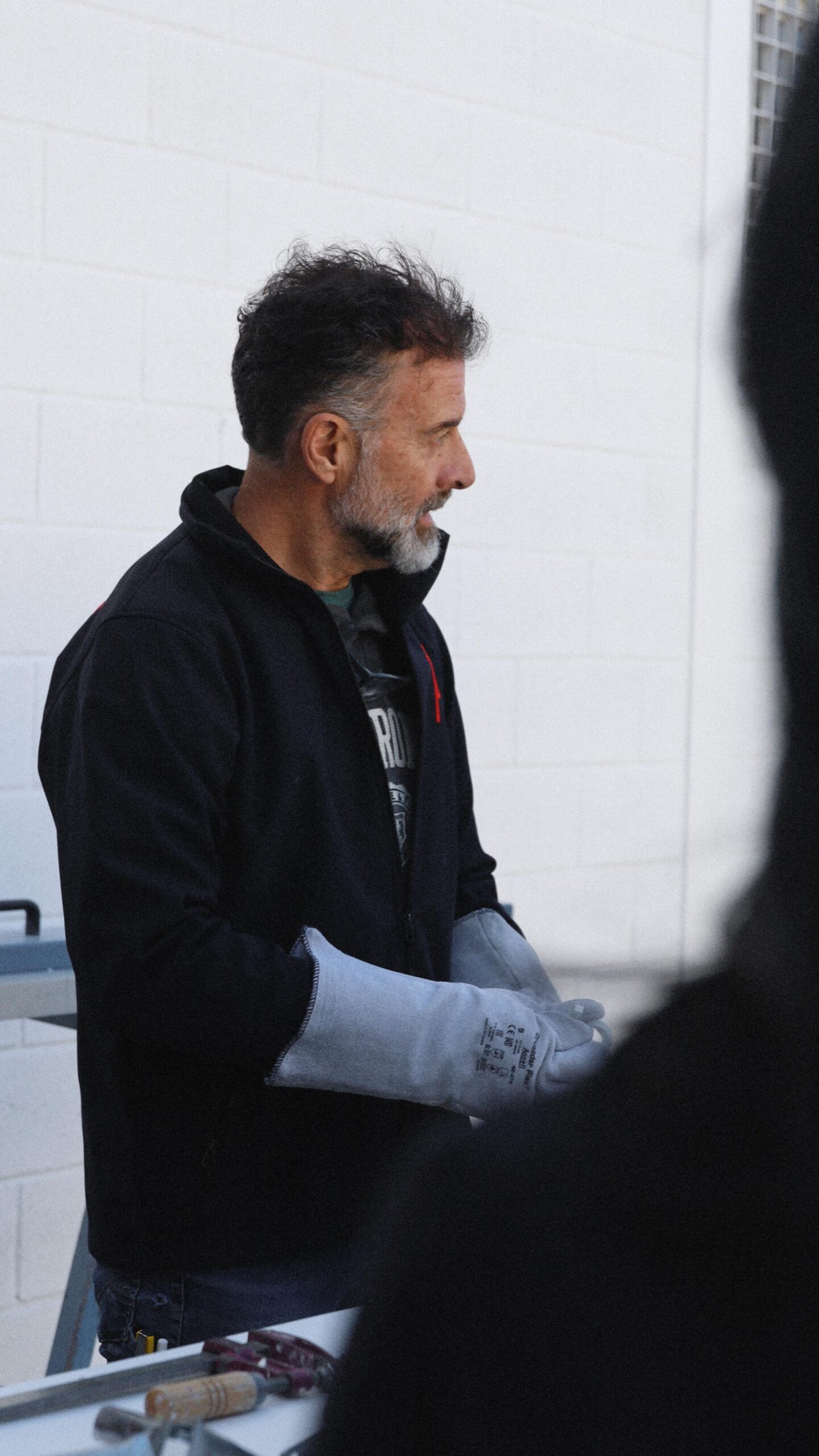
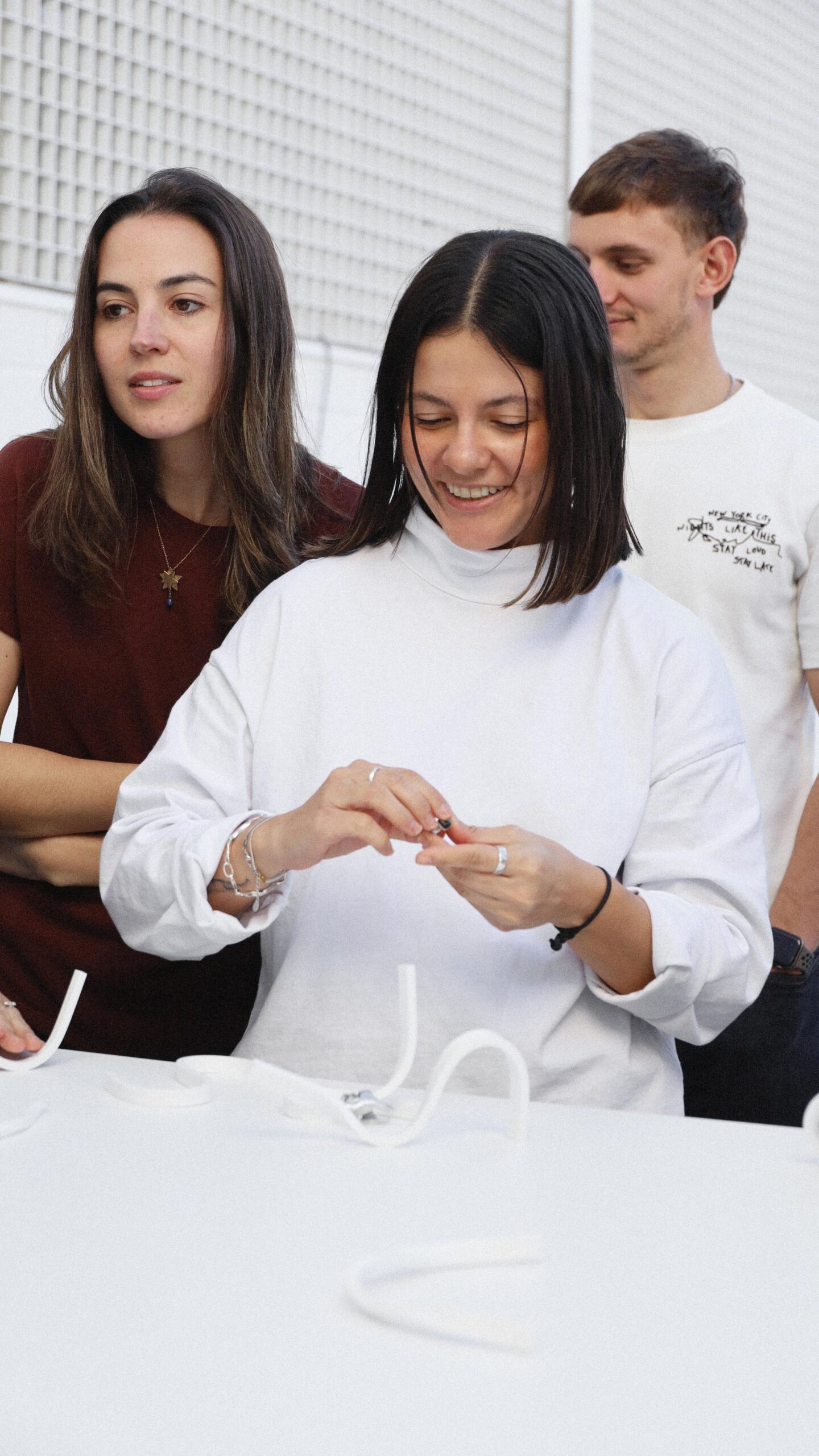
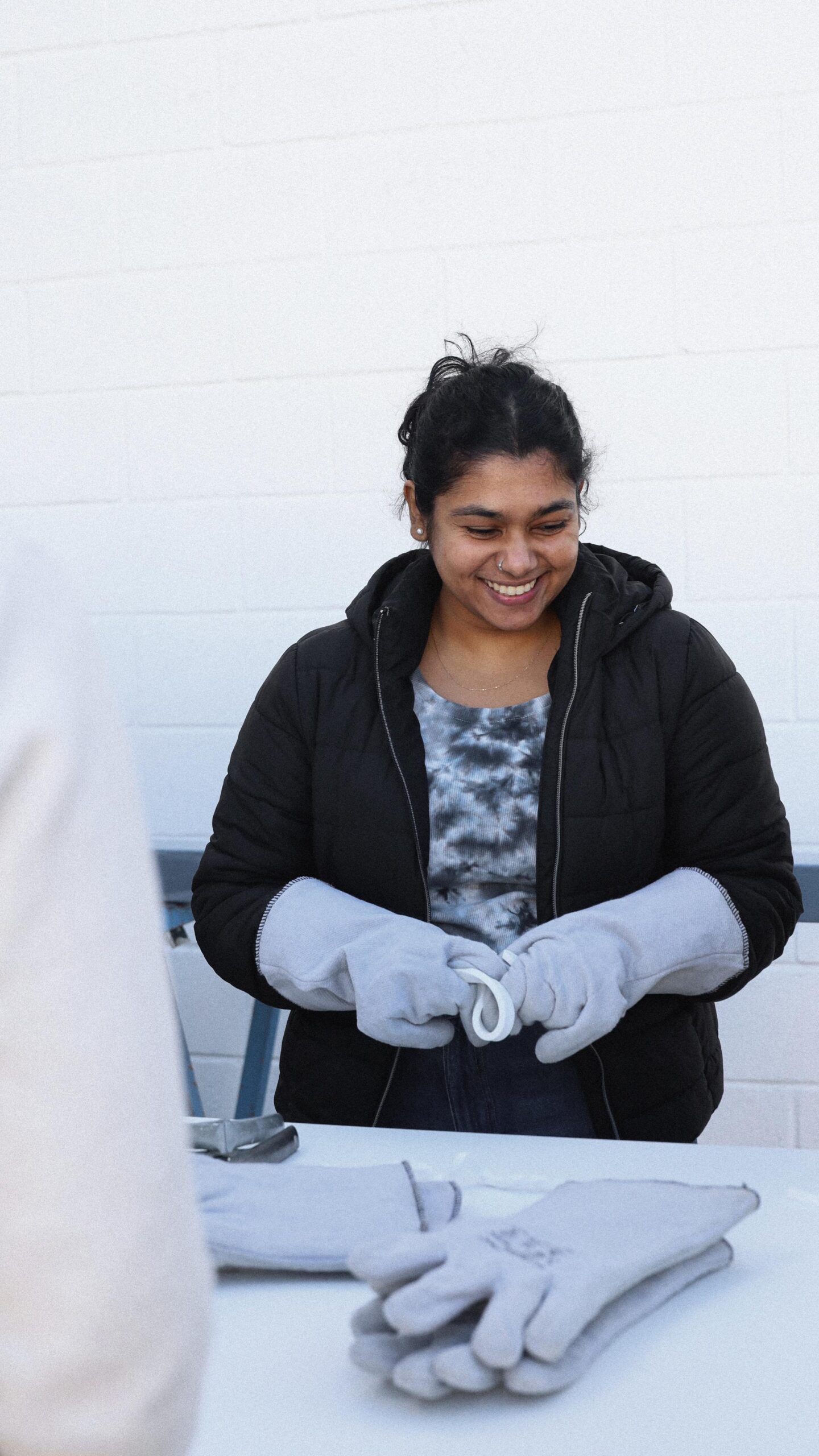
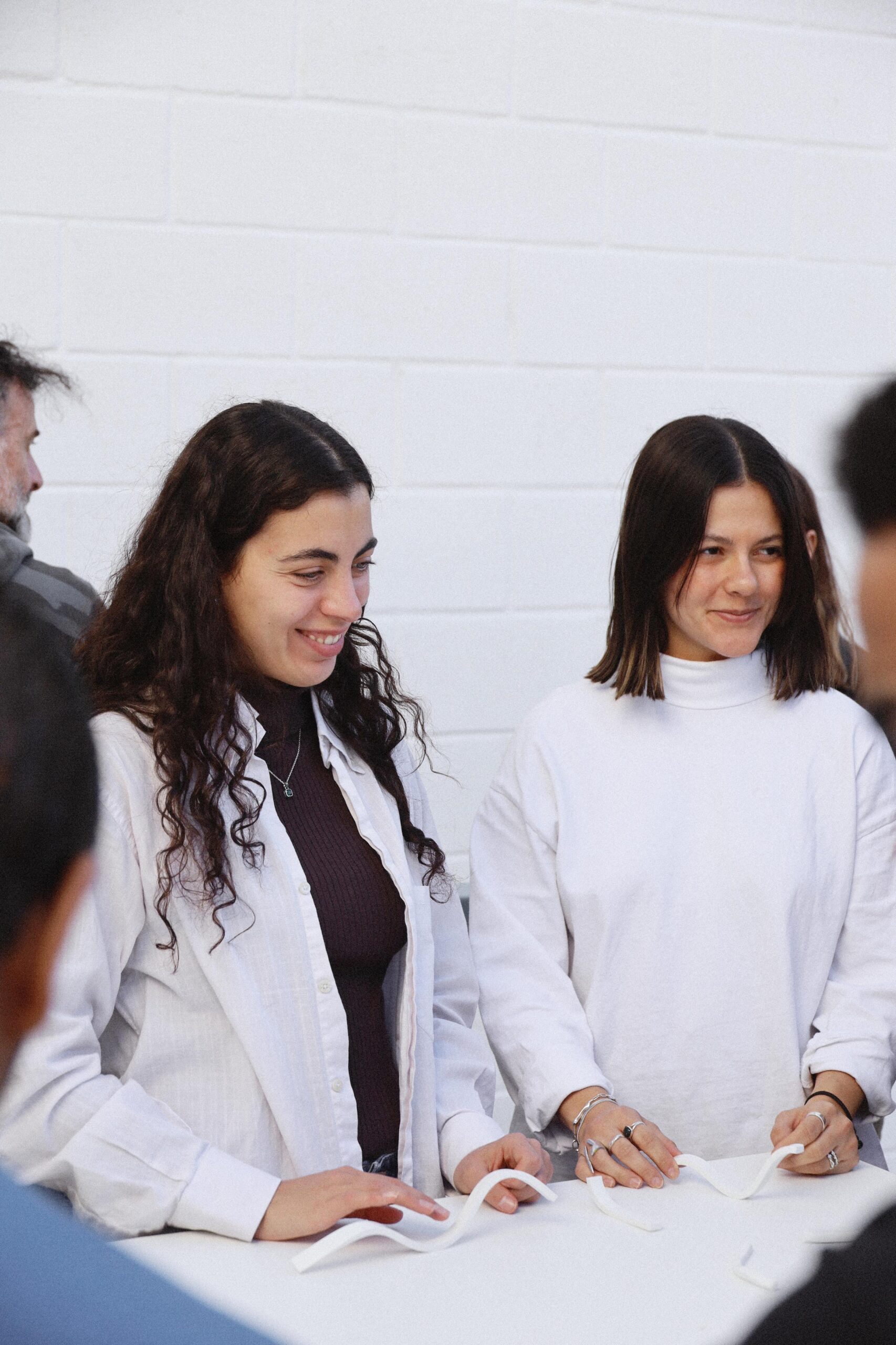
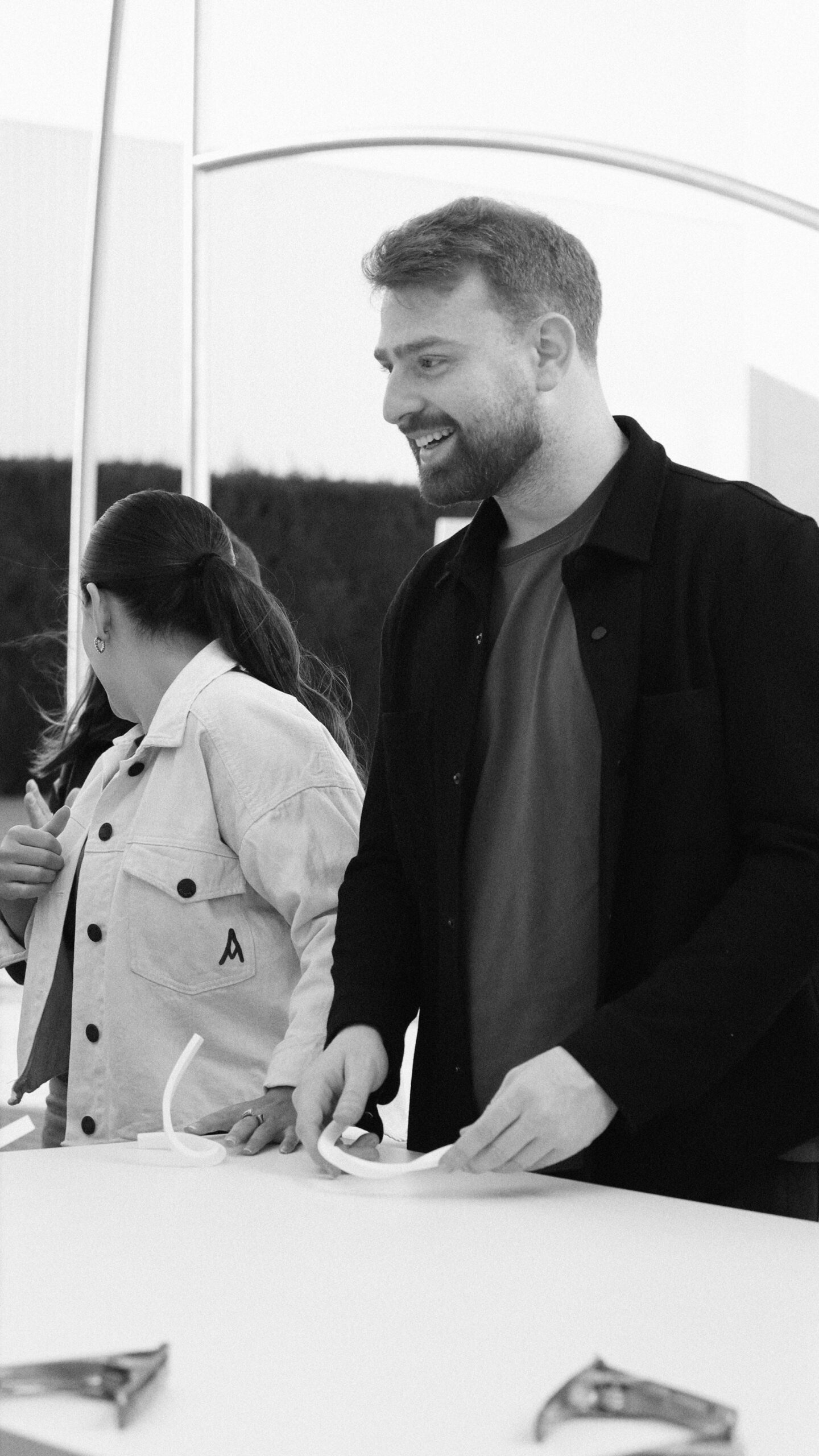
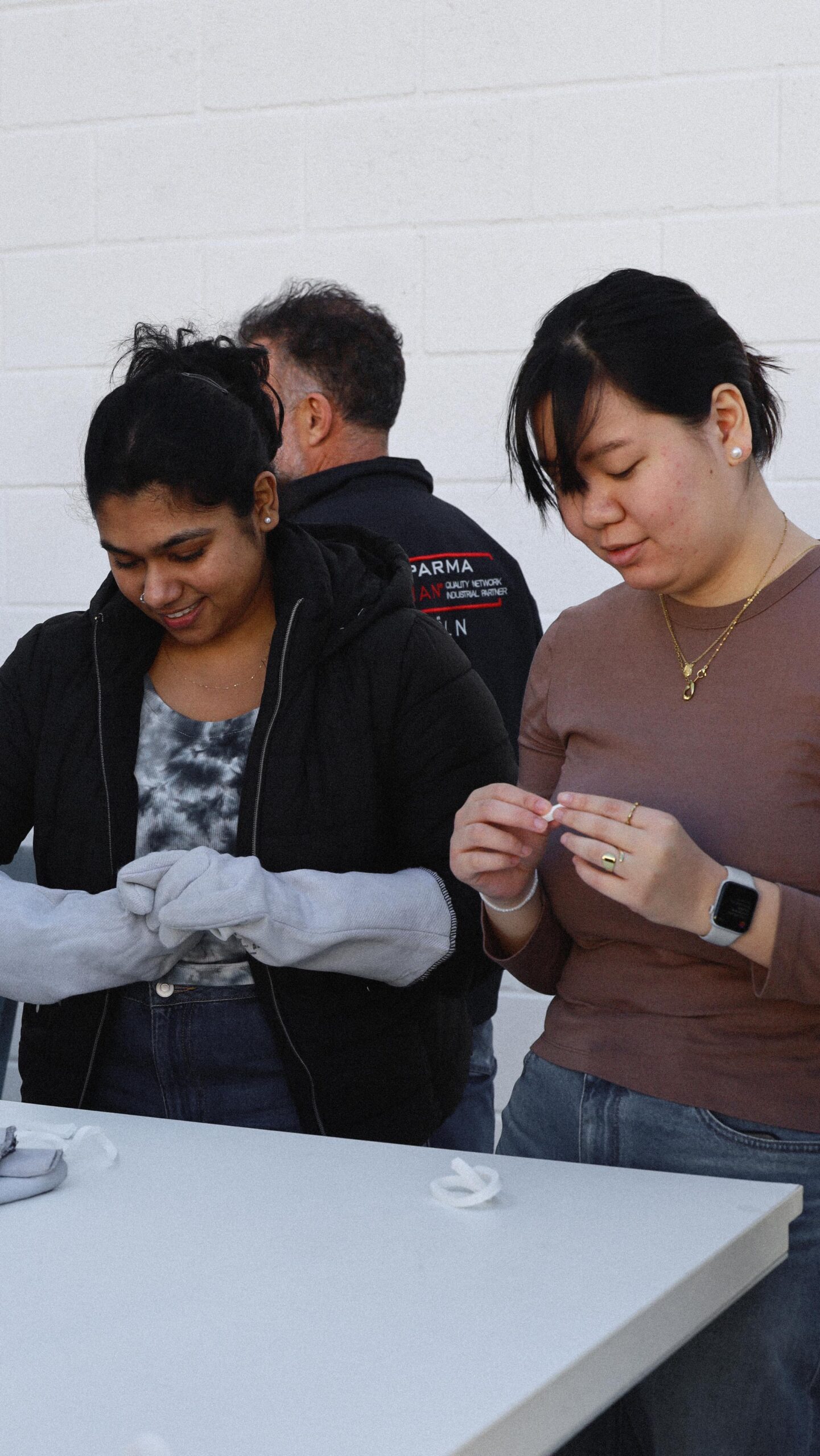
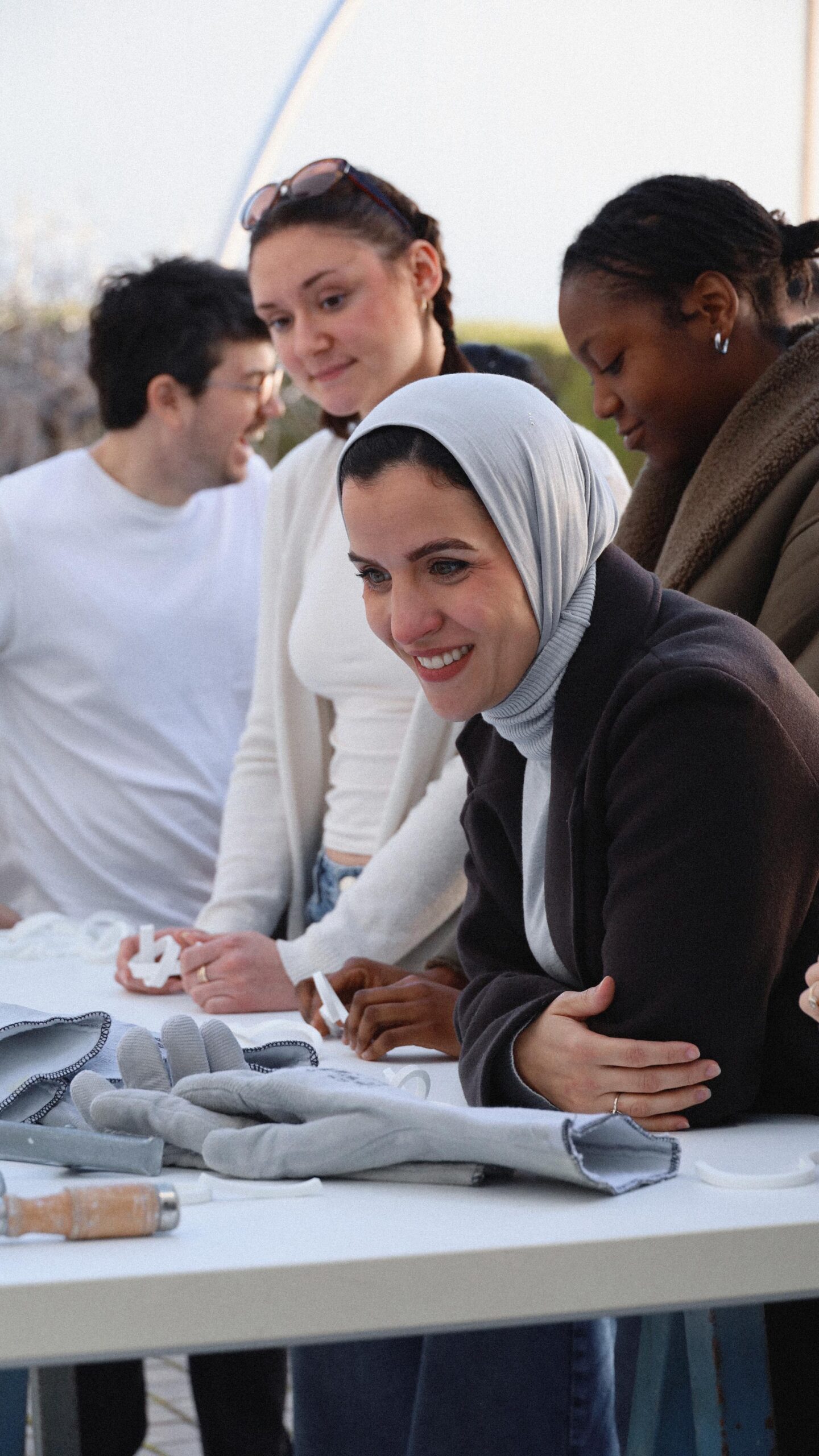
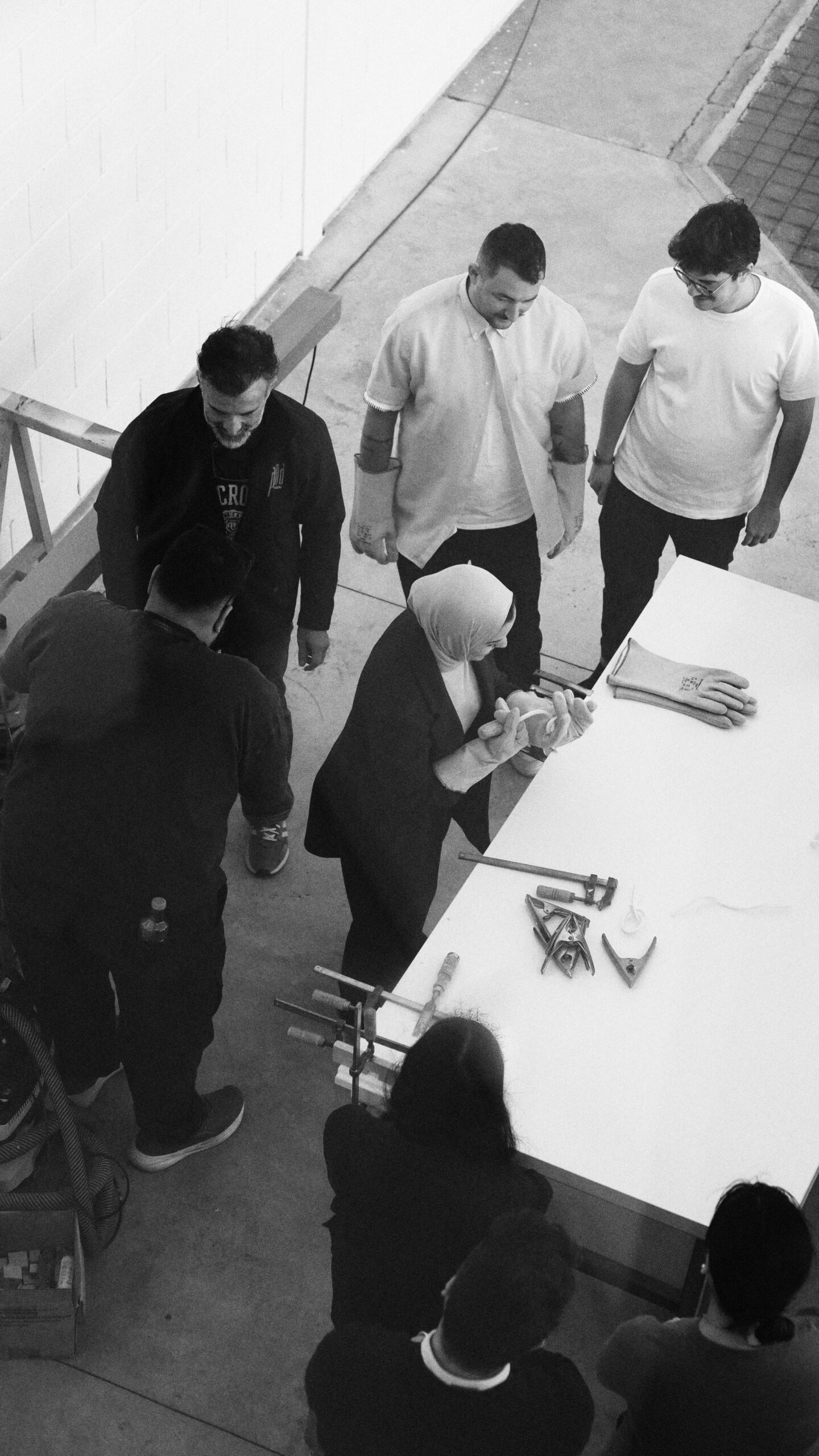
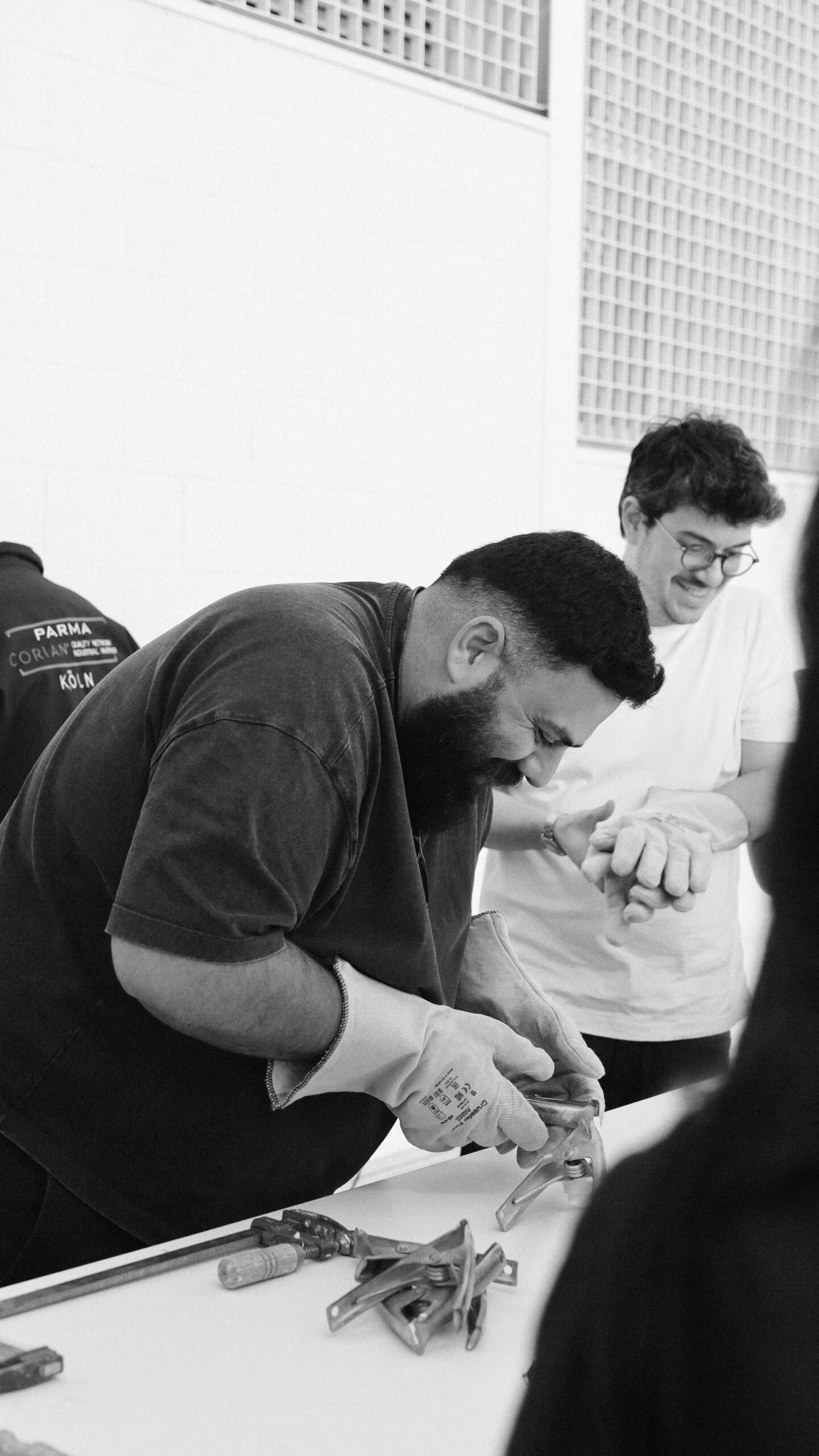
Students from the MArch programs, within the module 03_Build, have participated in a workshop focused on solid surface, a material whose presence in contemporary architecture and design is increasingly significant. The session, led by Paco Pardo, introduced students to this material through a practical approach, allowing them to understand not only its technical properties but also its potential as a design tool. Through the direct manipulation of small pieces, participants were able to observe its behavior, its capacity for transformation, and its response to different processes.
Solid surface is a synthetic material composed of a homogeneous mixture of polyester resins and finely ground mineral fillers. This composition provides great stability, as well as a uniform texture throughout its mass, allowing it to be worked without any distinction between surface and interior. It is typically presented in a white finish, a quality that enhances its ability to interact with light and makes it especially suitable for architectures that seek continuity and abstraction. However, its color can be adapted to different requirements, expanding its possibilities of application in various contexts.
One of its most important properties is its ability to be thermoformed. Through the controlled application of heat, the material can be shaped and acquire new geometries without losing its structural integrity. This characteristic makes it possible to produce curved, continuous, and precise surfaces that are difficult to achieve with other materials. During the workshop, students directly experienced this process, understanding how the control of temperature and time allows the material to be modified and diverse forms to be generated. This capacity for transformation makes solid surface a suitable material for projects that require formal precision and material continuity.
Another of its qualities is its non-porous nature. This condition prevents the absorption of liquids and facilitates cleaning and maintenance, making it a suitable solution for environments where hygiene and durability are essential. In addition, the material allows pieces to be joined without visible joints, creating continuous surfaces where connections disappear. This continuity responds not only to a technical condition but also to a spatial one, enabling the creation of architectures in which the boundaries between elements dissolve and space is perceived as a whole. Thanks to these characteristics, solid surface has found application across a wide range of scales, from furniture elements to interior cladding and architectural envelopes. Its precision, formal adaptability, and durability make it an especially valuable resource for contemporary architecture, where materiality not only responds to technical requirements but also forms an essential part of the spatial experience.
The workshop was led by Paco Pardo, a specialist in the development and application of new materials, with extensive experience working with solid surface, particularly Corian, developed by DuPont. Throughout his career, he has collaborated closely with architects and designers in the research and application of this material in architectural projects, including the studio Fran Silvestre Arquitectos.
MArch Valencia. Arquitectura y Diseño
© 2026 MArch Valencia. Arquitectura y Diseño
Privacy policy | Cookies policy | Terms of use