



Lecture by António Choupina
DATE
25.11.2026
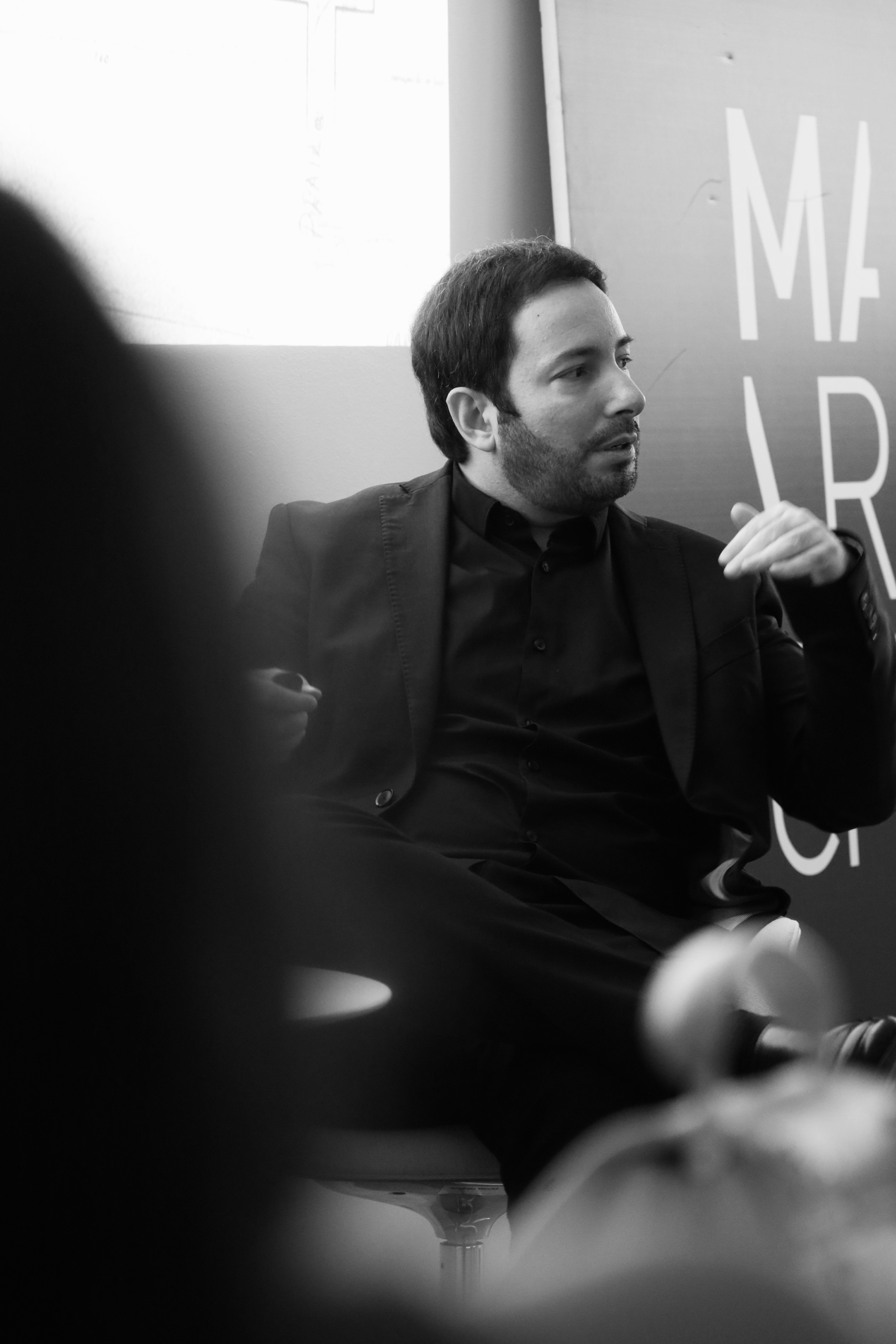
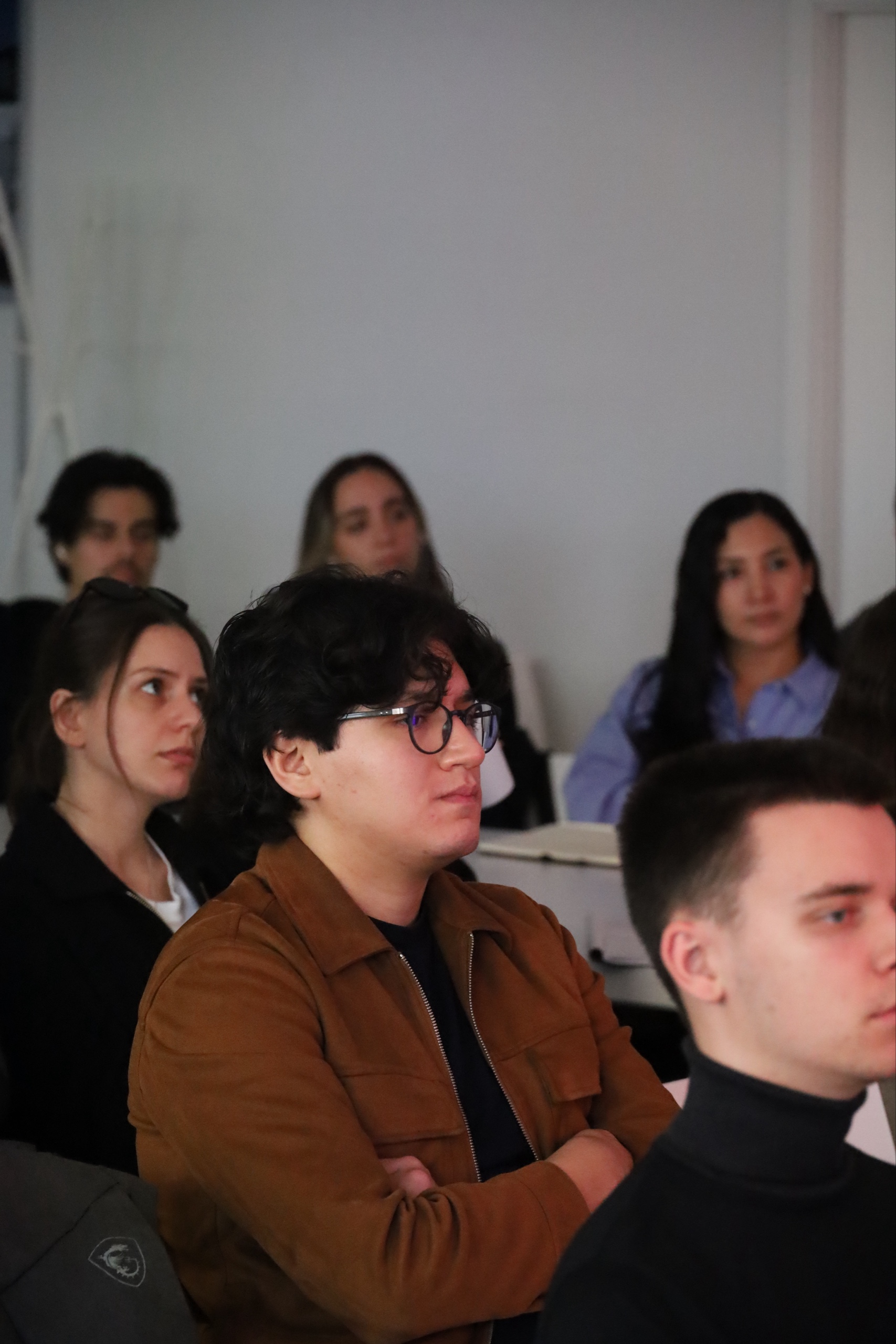
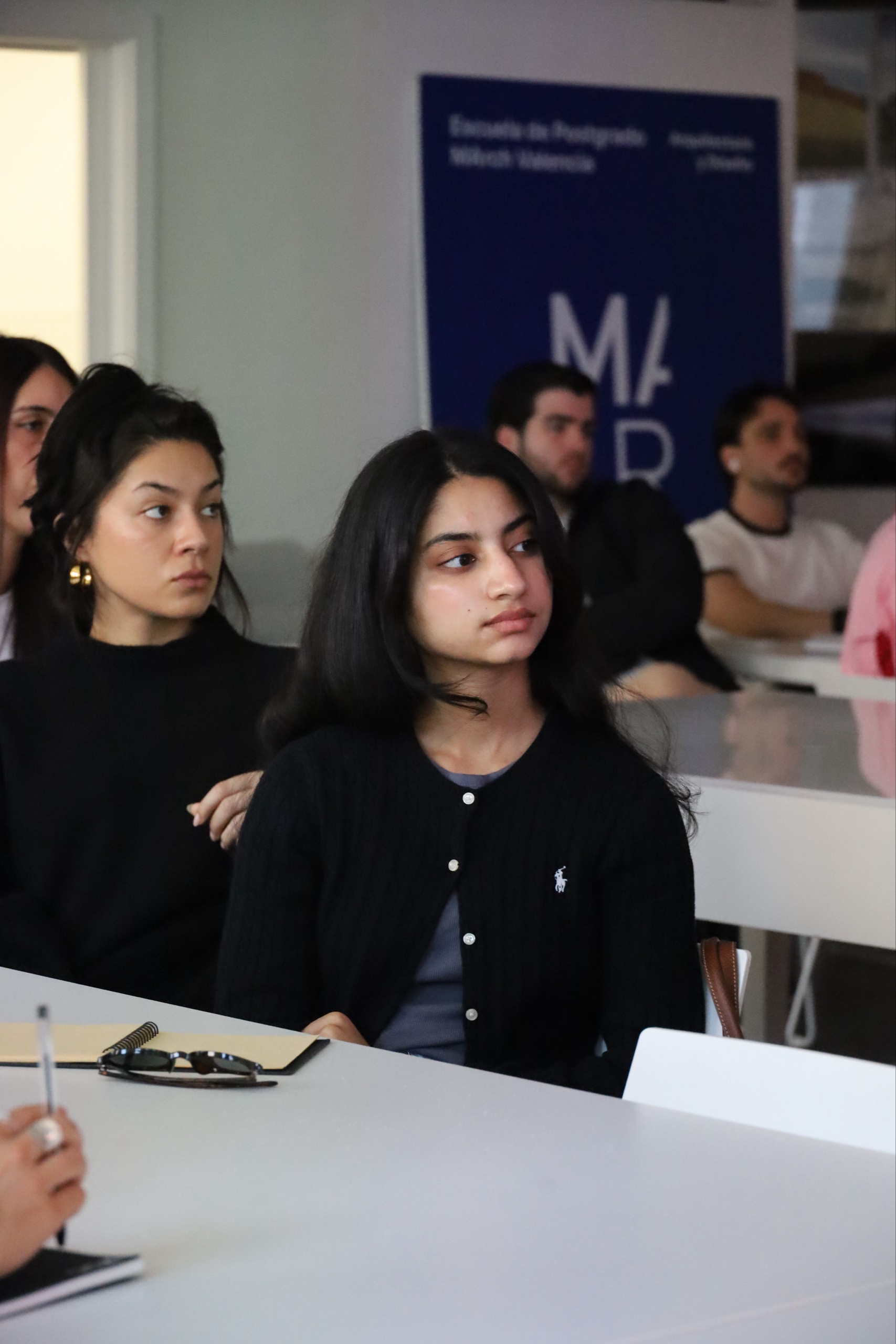
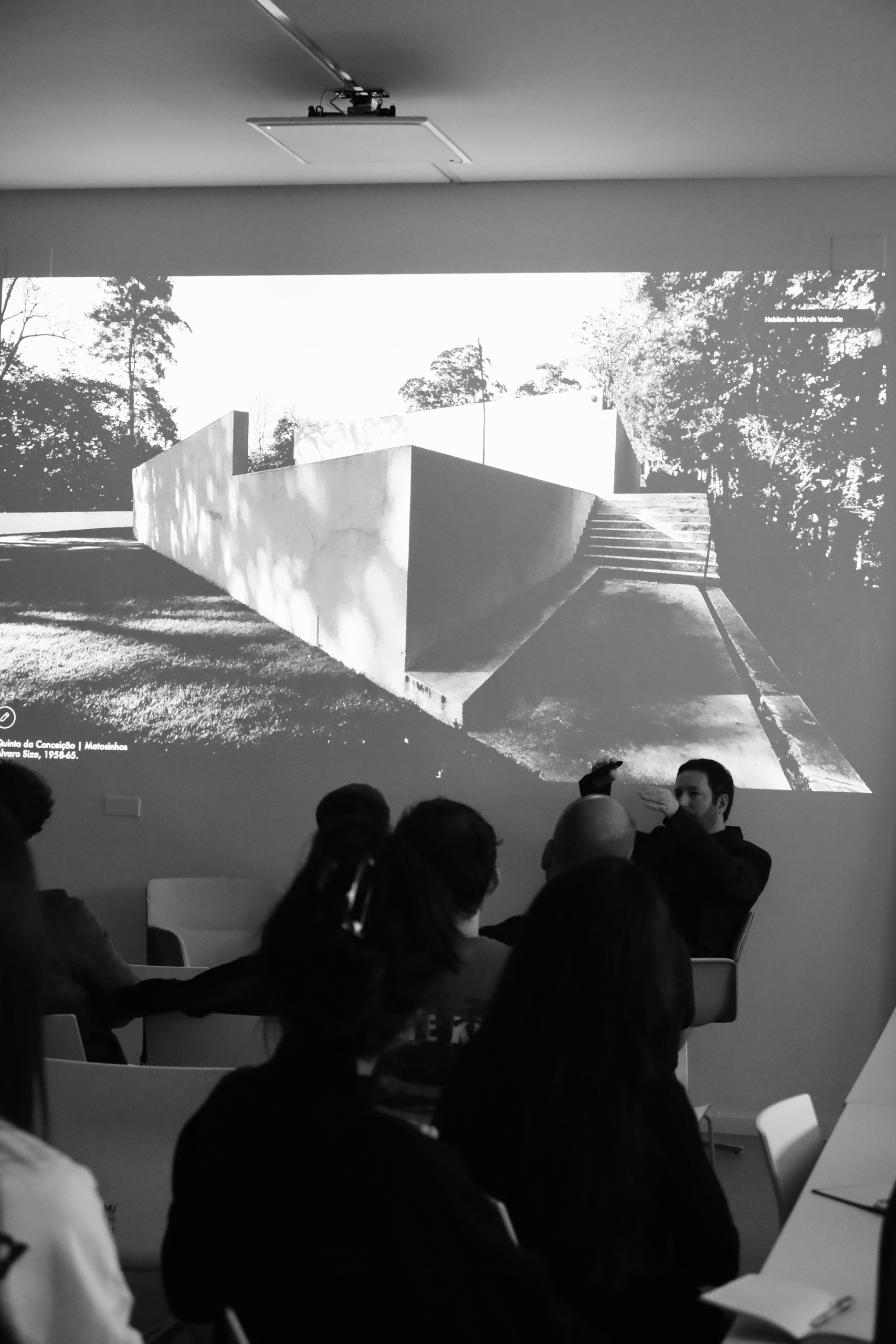
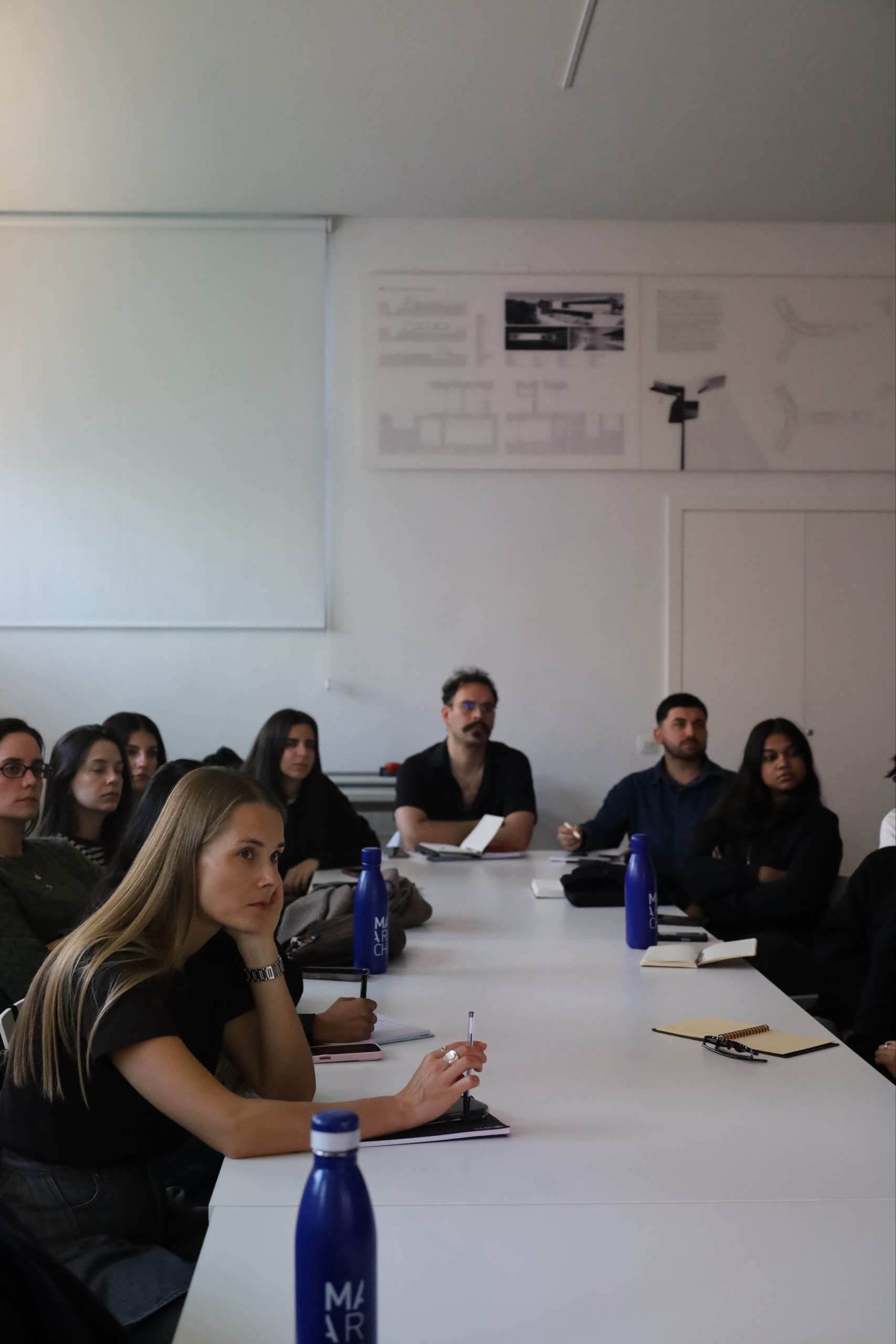
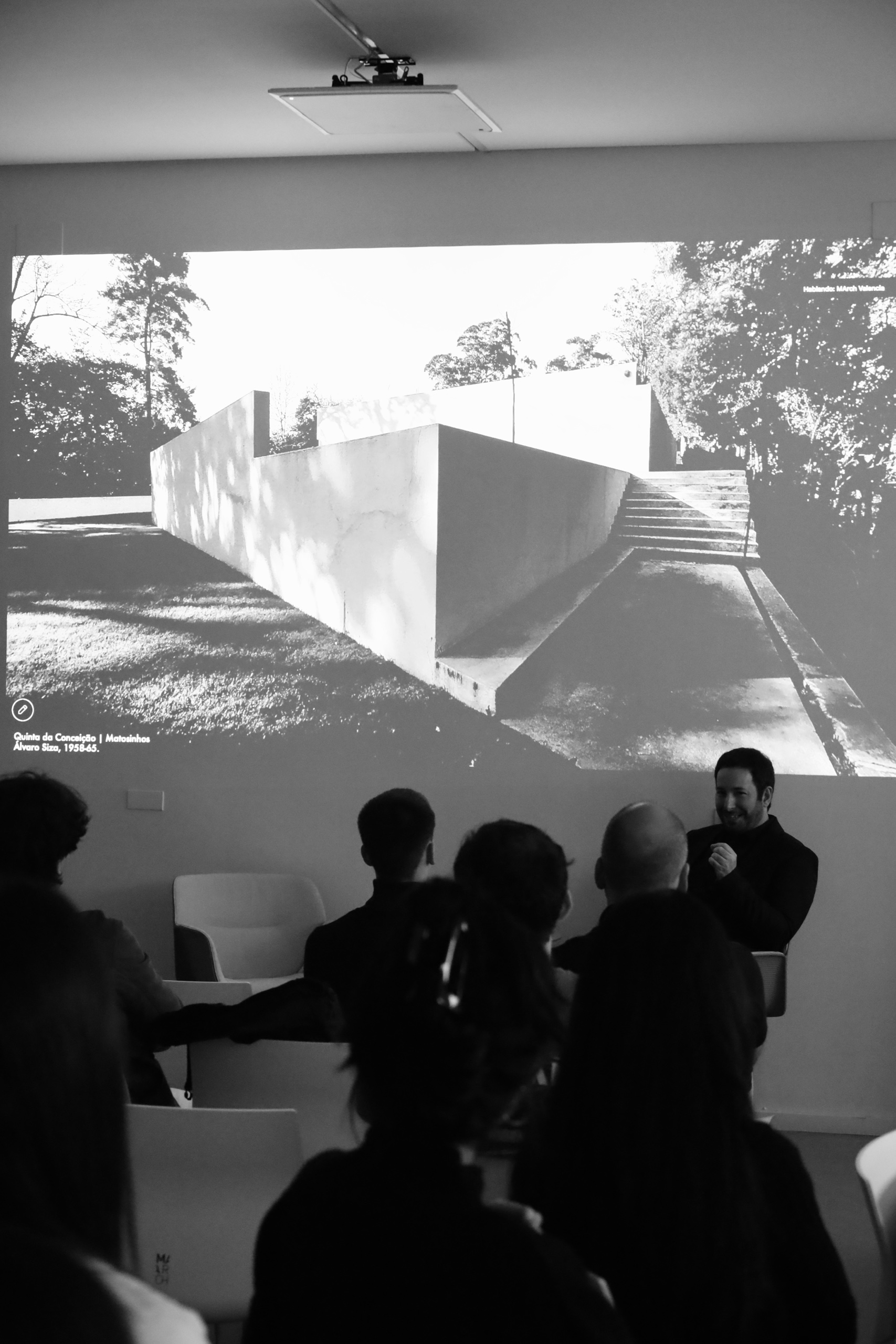
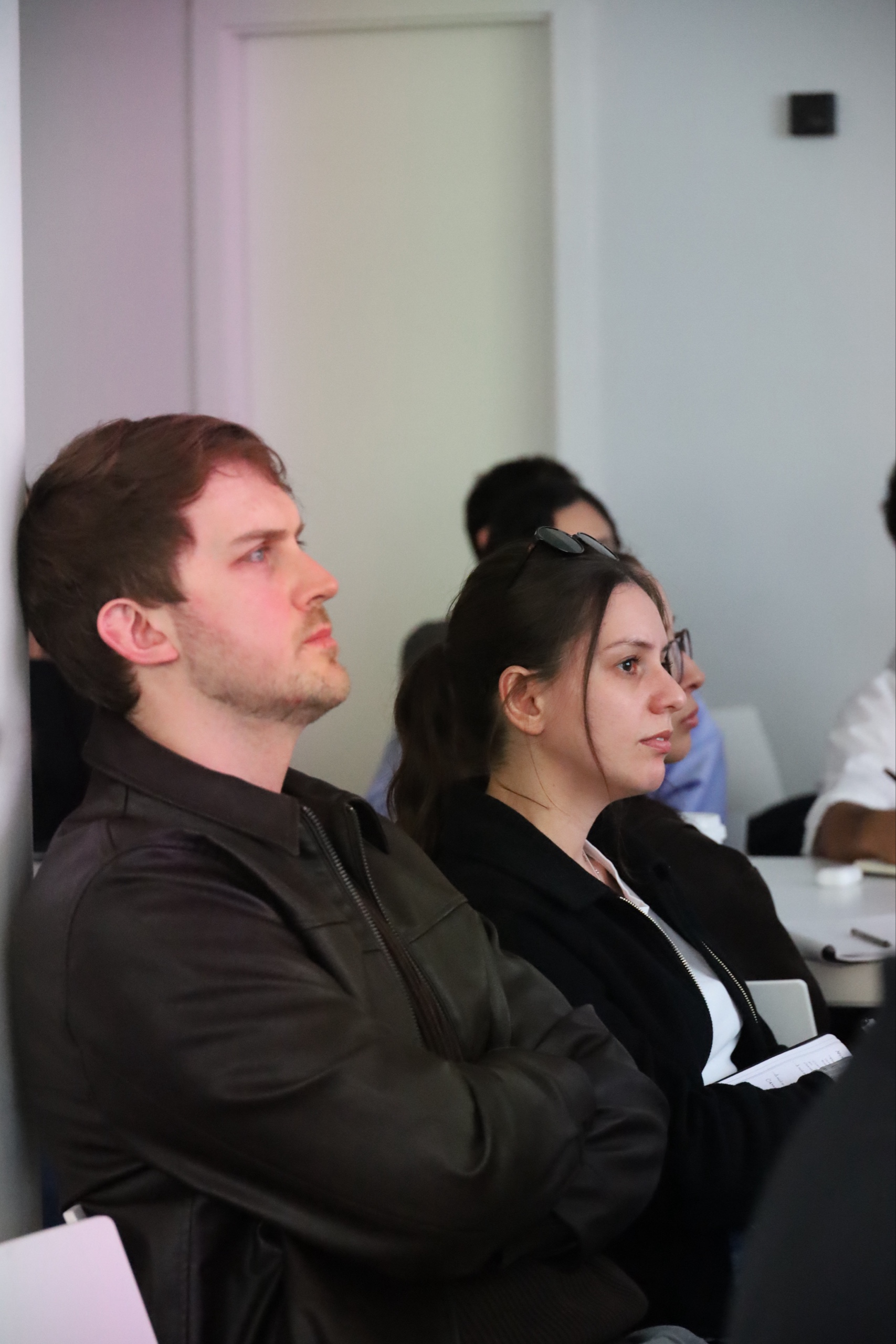
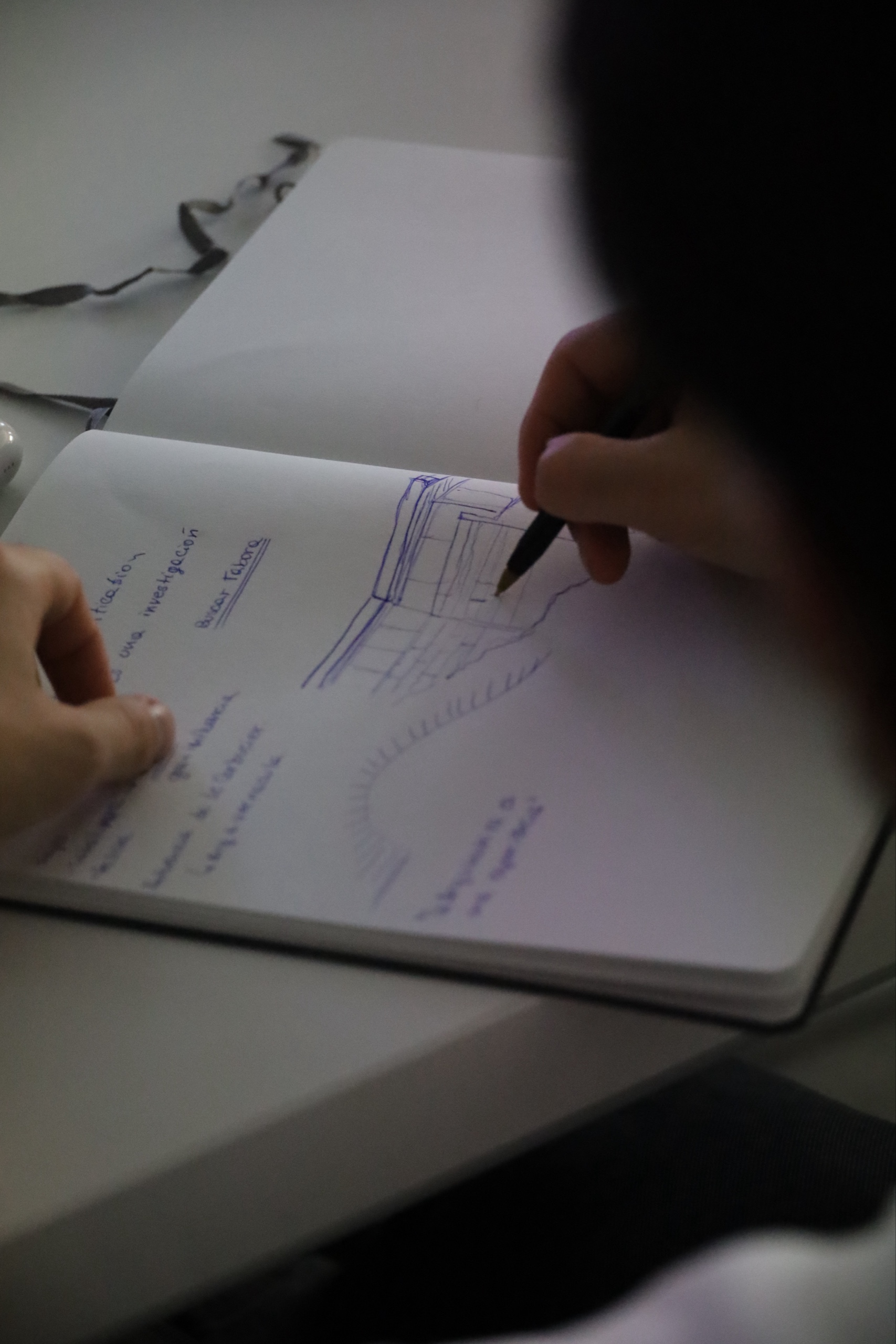
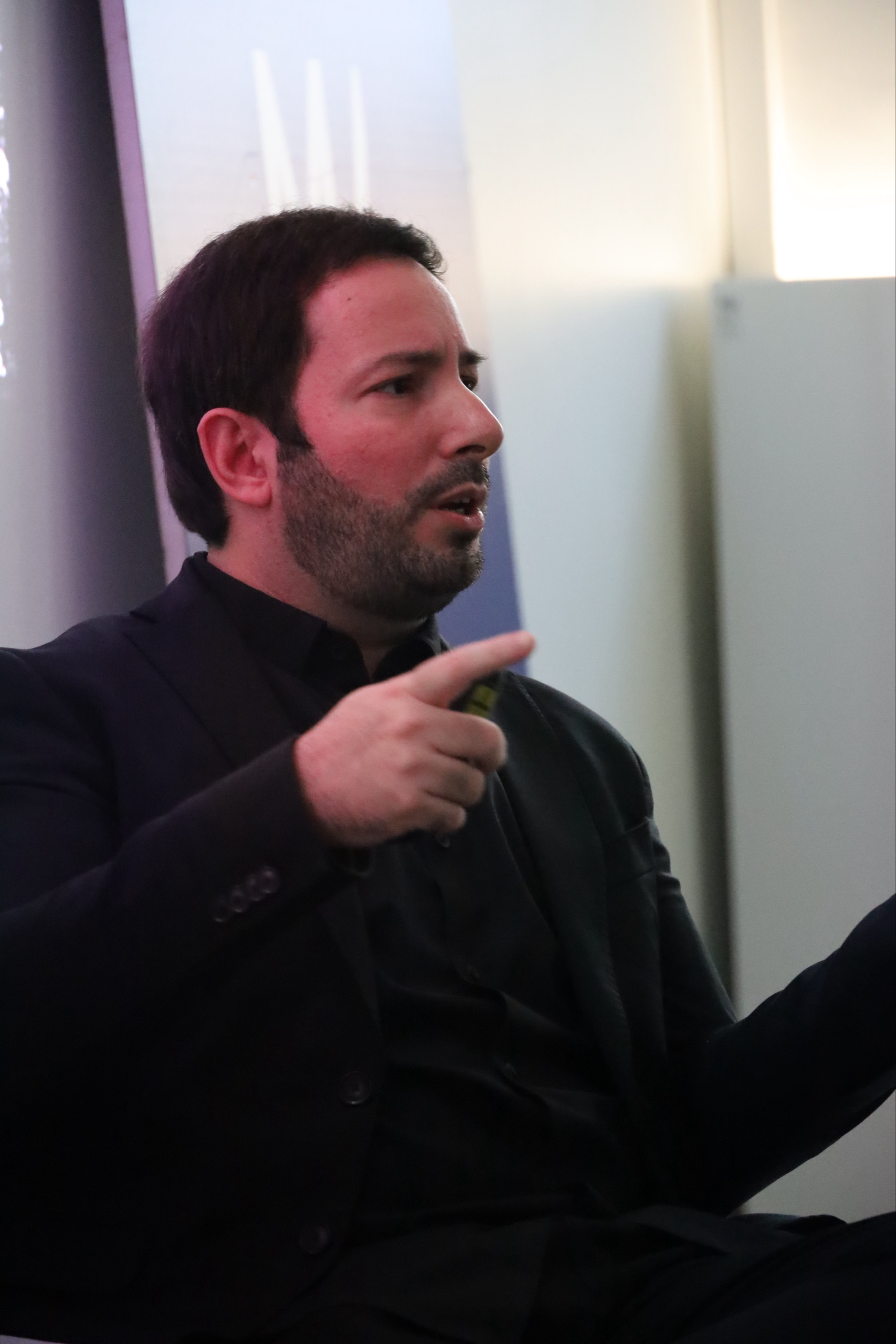
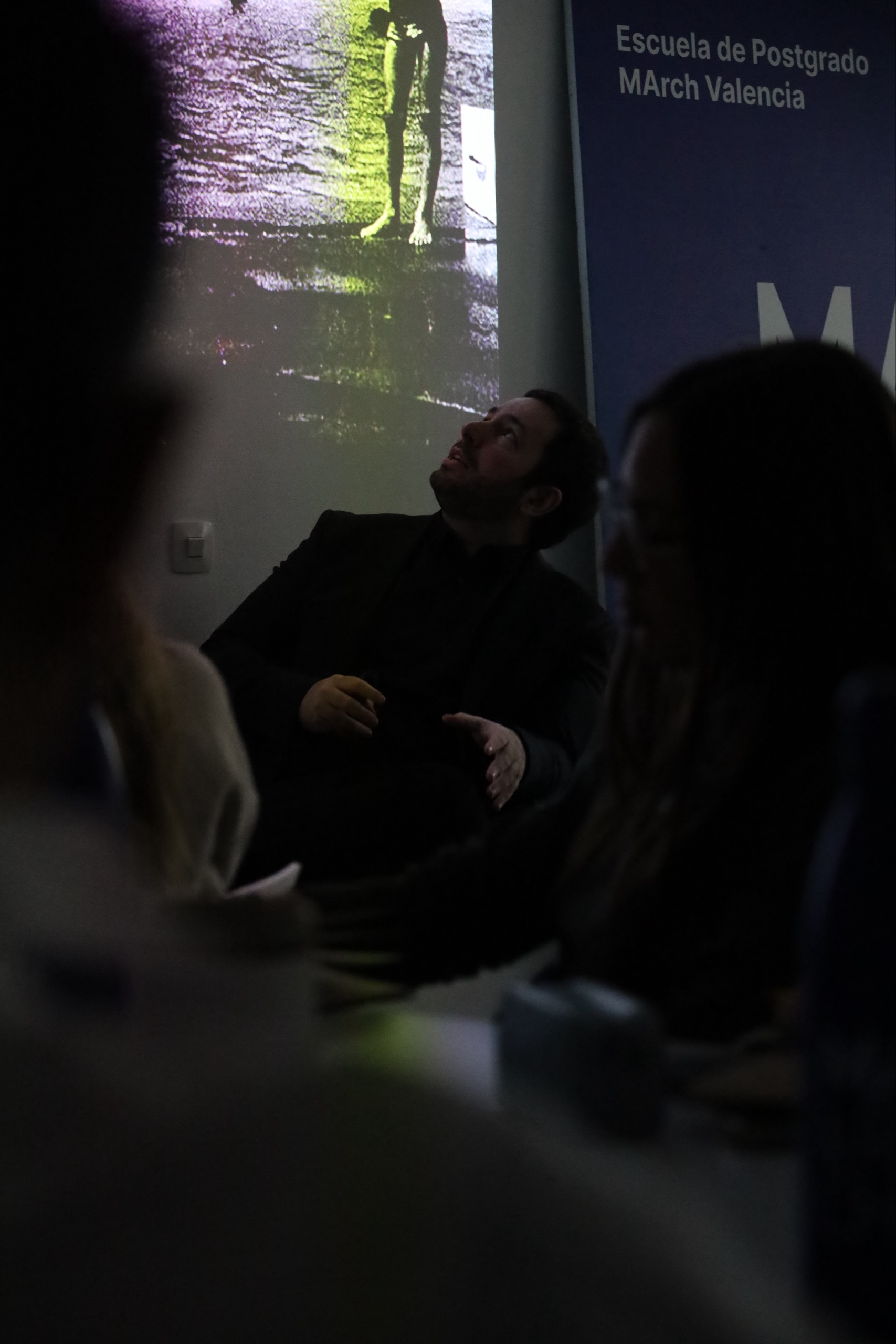
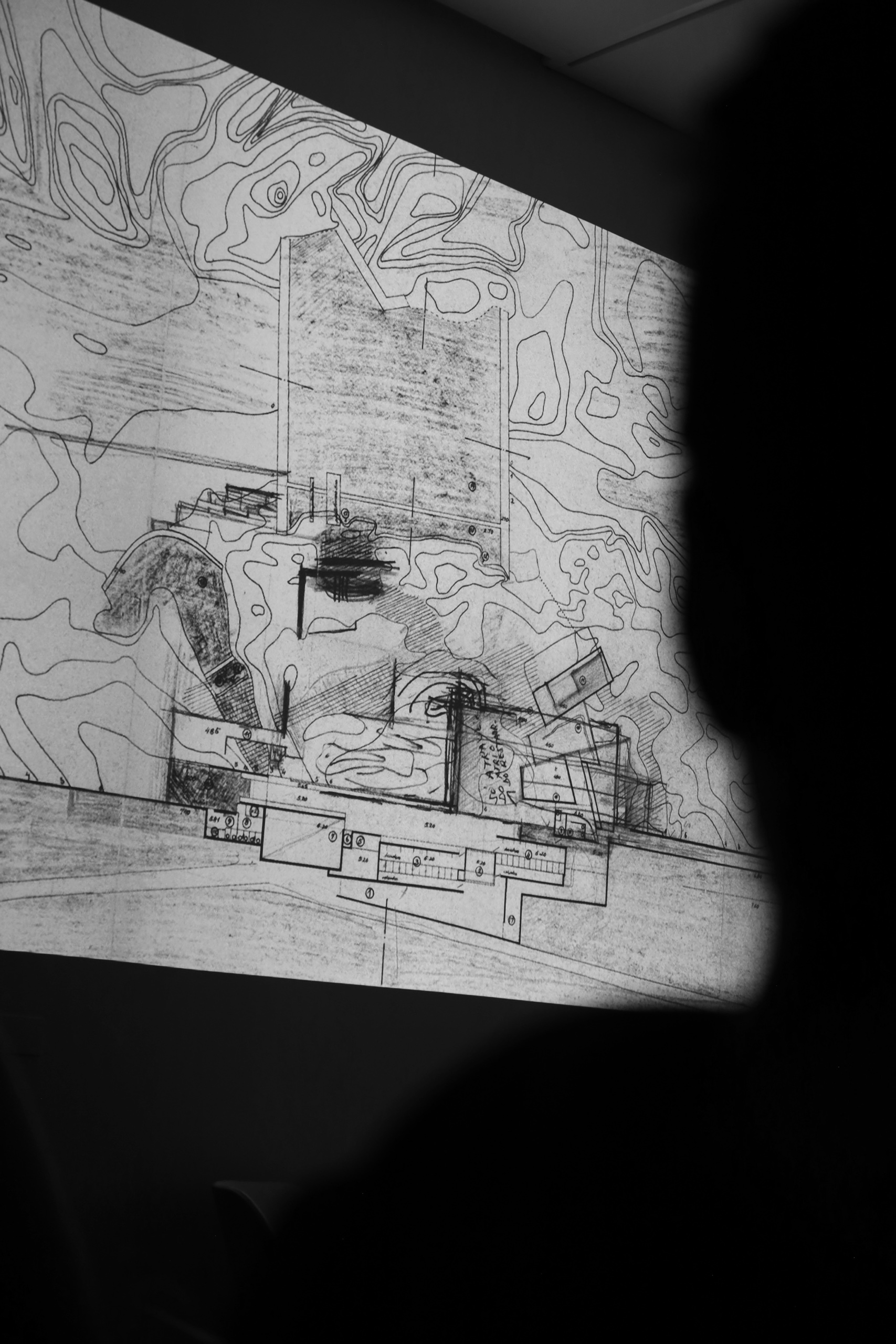
António Choupina, Director of Architecture at Serralves and an architect closely linked to Álvaro Siza’s studio, delivered a lecture for students across the various MArch programmes titled “Álvaro Siza: From Porto to the World”. Throughout the session, he traced a journey through the work and thought of Álvaro Siza Vieira, from his earliest interventions in Portugal to his international acclaim.
He began by sharing the Portuguese master’s roots in Porto and Matosinhos, contrasting his modern references—such as Walter Gropius’s Bauhaus, Le Corbusier, Gaudí, and Alvar Aalto—with recent works like the China Design Museum in Hangzhou and the Nadir Afonso Museum in Chaves. This opening section addressed Siza’s formative relationship with Fernando Távora and revisited foundational projects such as the Four Houses, the Carneiro de Melo House, the Boa Nova Tea House, the intervention at Quinta da Conceição, and the Leça Swimming Pools—early examples of topographical sensitivity and dialogue with the surrounding landscape.
Choupina then analysed the turning point brought about by the 1974 Carnation Revolution and Siza’s involvement in the SAAL social housing programme. Through developments such as São Victor and the Bouça housing complex in Porto—placed in dialogue with European precedents in collective housing—as well as the Malagueira neighbourhood in Évora, the lecture highlighted a practice deeply committed to neighbourhood associations, urban continuity, and the creation of communal space.
Under the overarching theme “From West to East”, the session followed the architect’s international expansion from the late 1970s onward, focusing on his urban work for the IBA in Berlin—with interventions such as Fränkelufer, Kottbusser Damm, and the Schlesisches Tor building—through to his contemporary projects in Asia. Among the latter, Choupina highlighted works developed alongside Carlos Castanheira, such as the Anyang Pavilion and the Building on the Water in Huai’an City, as well as the Camerich Pavilion in Shanghai, designed in collaboration with António Choupina himself based on formal references linked to Henri Matisse’s cut-outs.
Another central focus of the lecture was public buildings and urban master plans. Choupina delved into the Serralves Foundation—from the original museum built in the 1990s to its extension completed between 2018 and 2023—and reviewed landmark projects including the Portuguese Pavilion in Lisbon, the Gondomar Multipurpose Pavilion, the Abade Pedrosa Museum in Santo Tirso, and the Faculty of Architecture of the University of Porto (FAUP), alongside the urban interventions carried out over decades along the axis formed by Avenida Afonso Henriques, São Bento, Aliados, and Praça da Liberdade.
This overview of Siza’s oeuvre concluded with a look at his sacred architecture—featuring examples such as the Church of Santa Maria in Marco de Canaveses, the Anastasis Church in Rennes, his projects for the Vatican, and the intervention at Leça do Balio, examined in conversation with historical figures like Borromini, Luis Barragán, and Le Corbusier. To close, Choupina connected these reflections to current curatorial and design practice at Serralves and in Porto, showcasing exhibitions such as FOCO: Echoes of Modern Life and The Century of Gehry, as well as the upcoming Serralves Pavilion designed by Francis Kéré.

MArch Valencia. Arquitectura y Diseño
© 2026 MArch Valencia. Arquitectura y Diseño
Privacy policy | Cookies policy | Terms of use