



Meiji Jingu Museum: Kengo Kuma
DATE
24.07.2026
At the Meiji Jingu Shrine, Kengo Kuma designs a museum that adapts its presence to the century-old forest surrounding it. An architecture that is not imposing, but rather is rooted in respect for the sacred site.
The Meiji Jingu Shrine is a Shinto worship temple, built in honor of Emperor Meiji and his wife, in Tokyo’s Shibuya district, Japan. Within its grounds, in commemoration of the sanctuary’s centenary, a wooden building was erected in 2019 in honor of the site’s past and, undoubtedly, of Japanese architecture, replacing the old exhibition facilities.
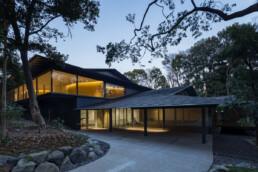
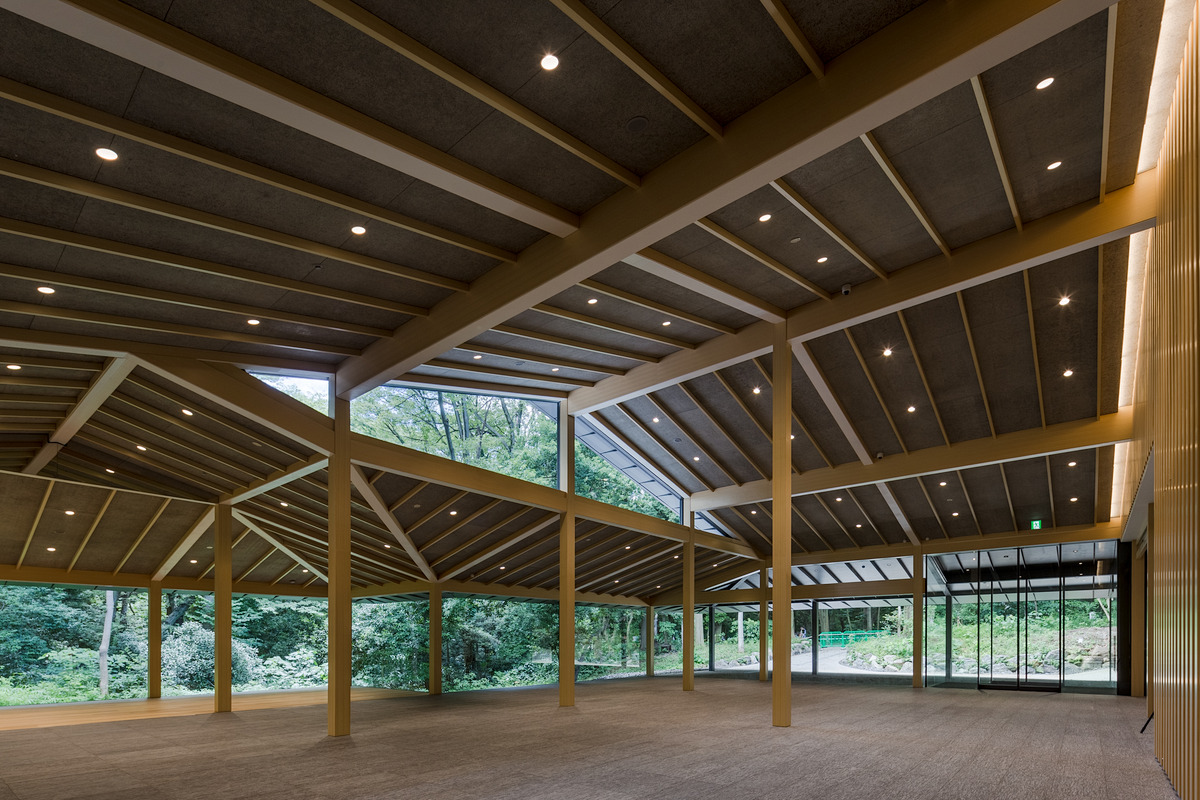
The museum dissolves and blends in among the surrounding trees, a vast forest comprising over one hundred thousand specimens of various species, brought from different parts of the archipelago.
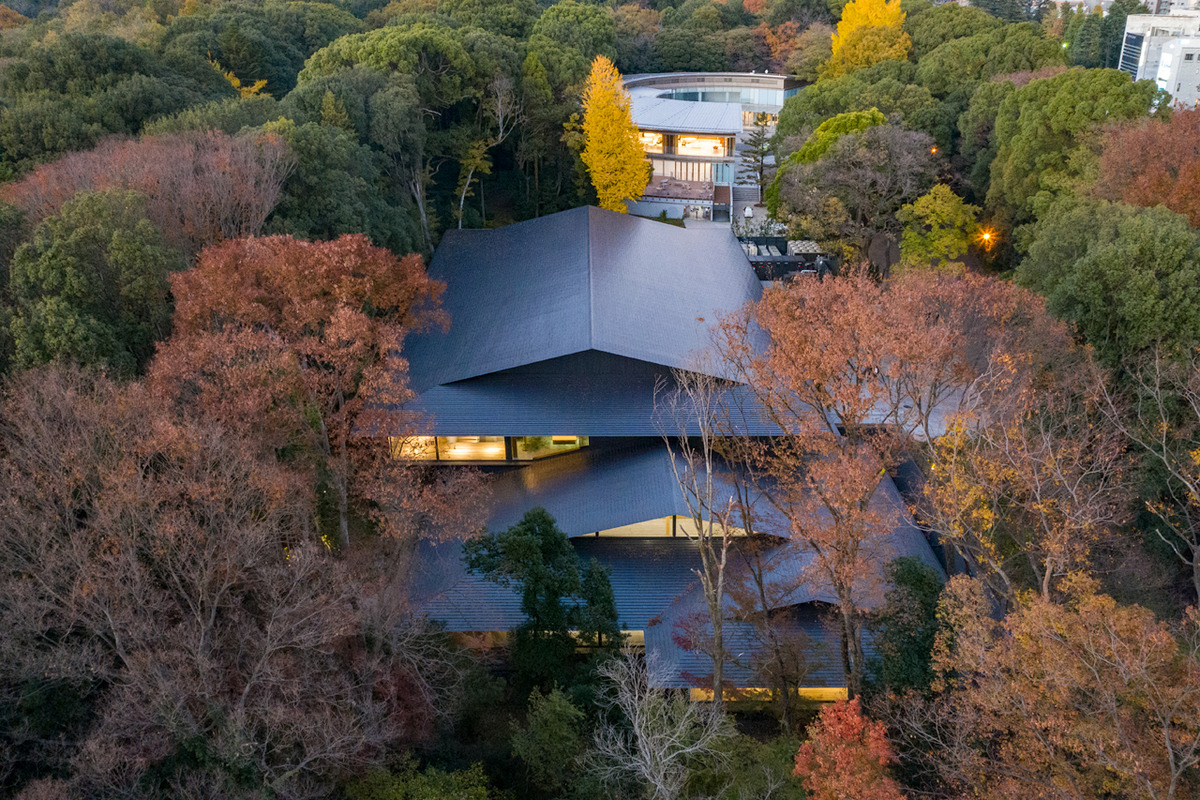
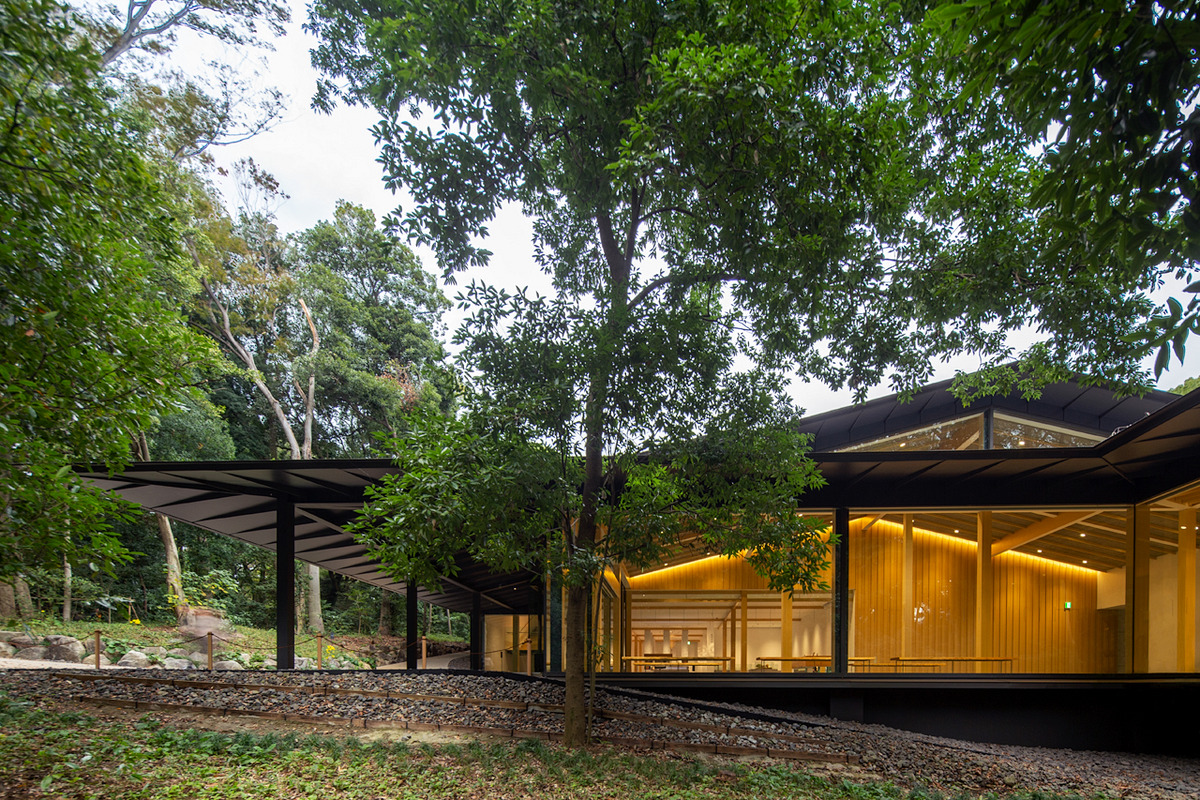
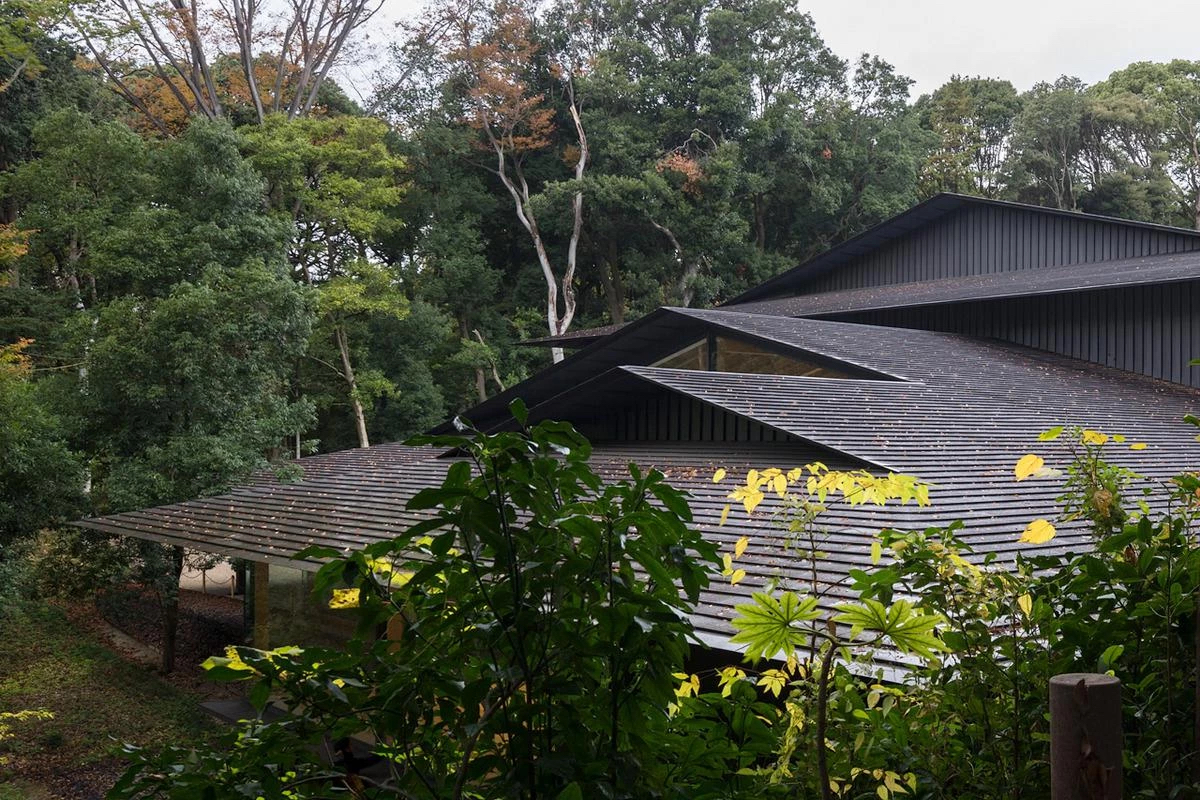
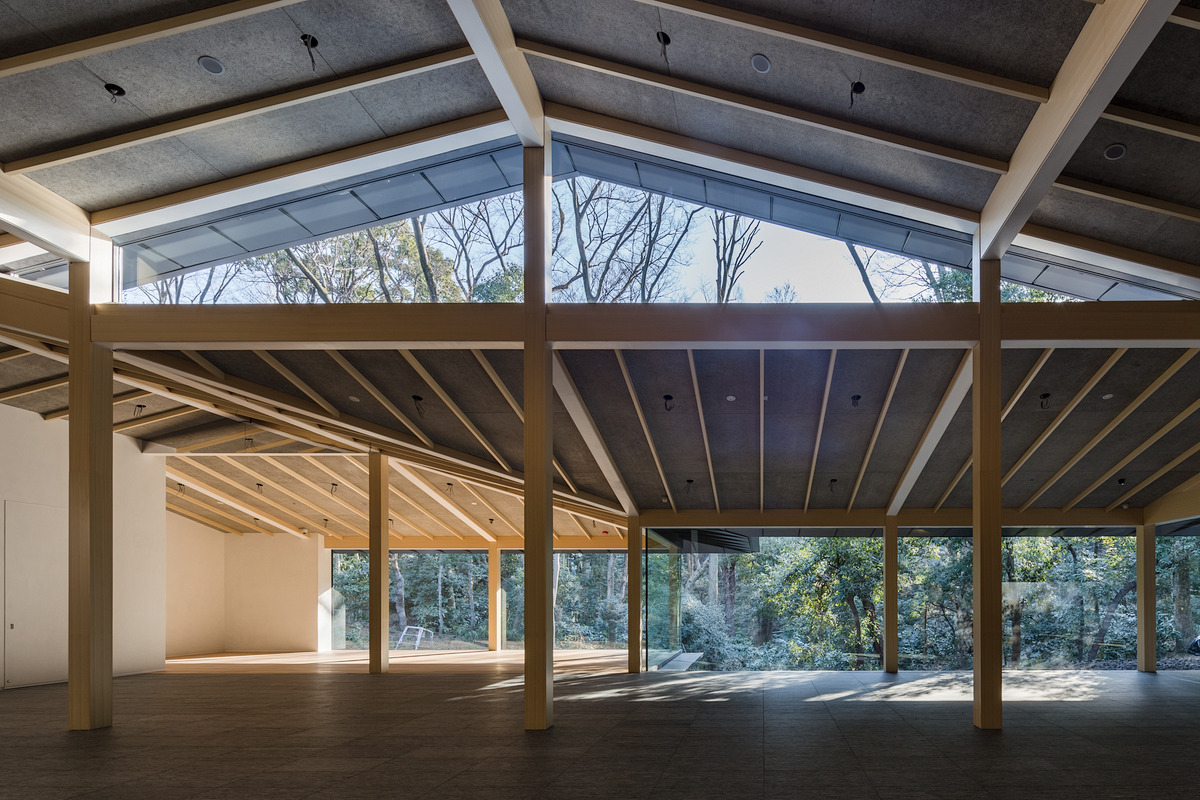
To achieve this harmony between environment and structure, the building aims to integrate by reducing its scale, with the main strategy being the fragmentation of the roof and the limitation of the height of the eaves, subtle and sharp-edged, so traditional in Japanese architecture. These eaves are in tune with the surroundings, as they create shaded paths, just like the giants that make up the surrounding grove. The glass facades, alternated with wooden louvers, give the user the sensation of walking through the forest, immersing themselves in the nature of the ecosystem even while inside the premises.
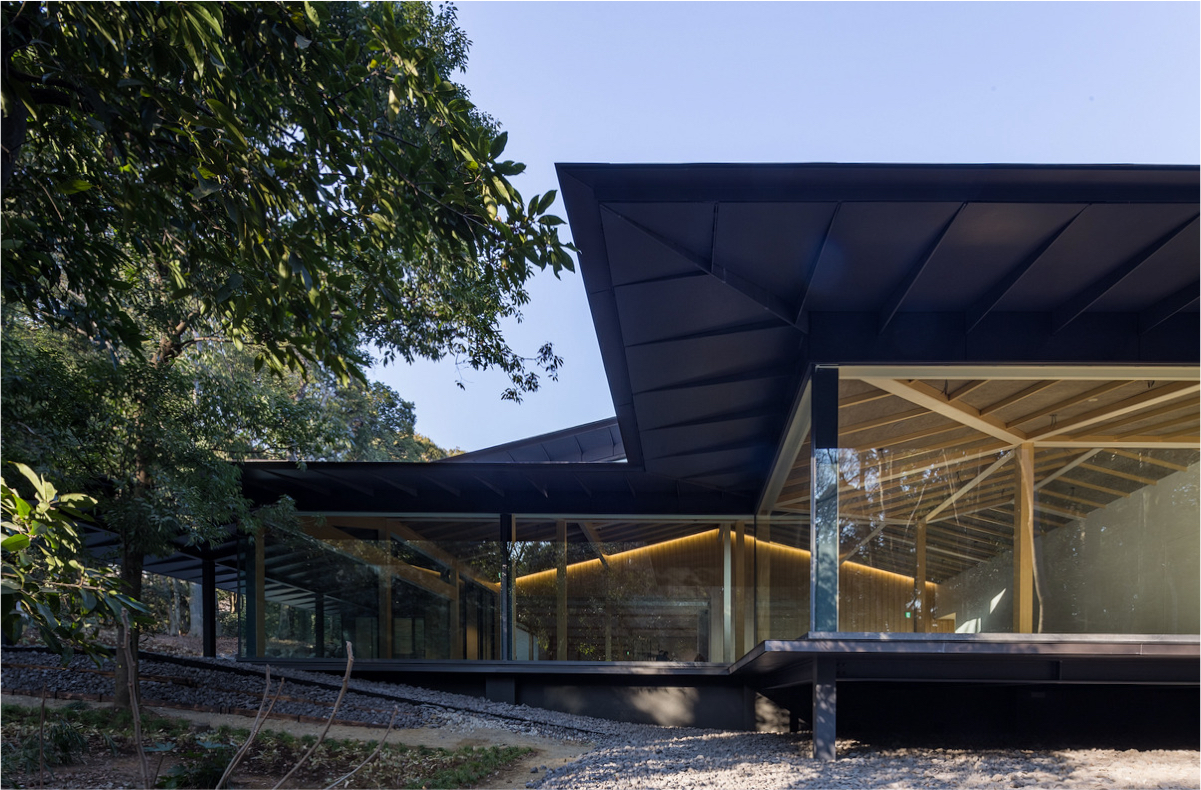
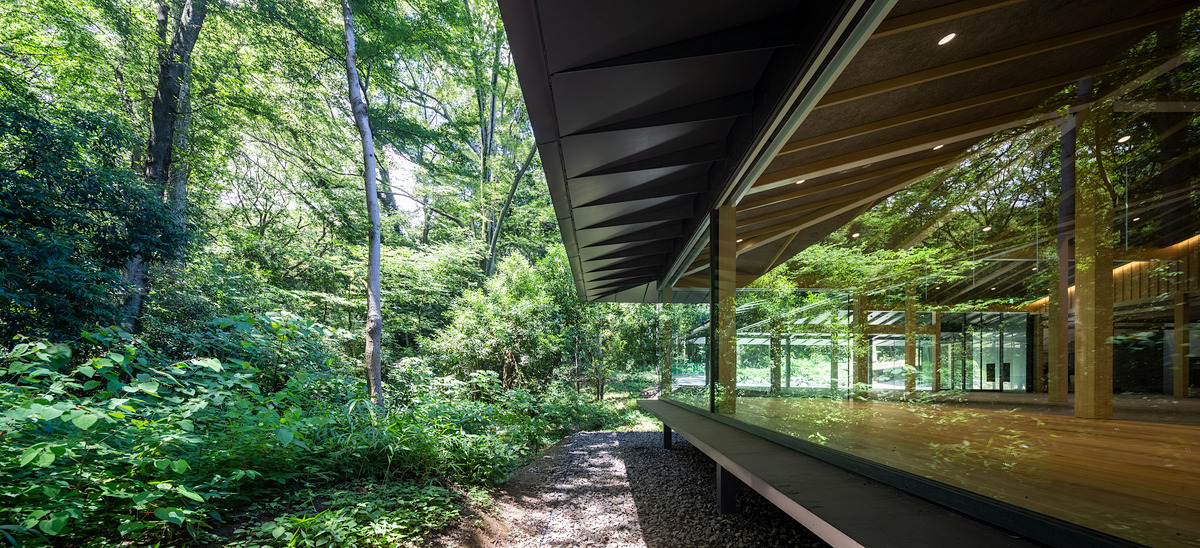
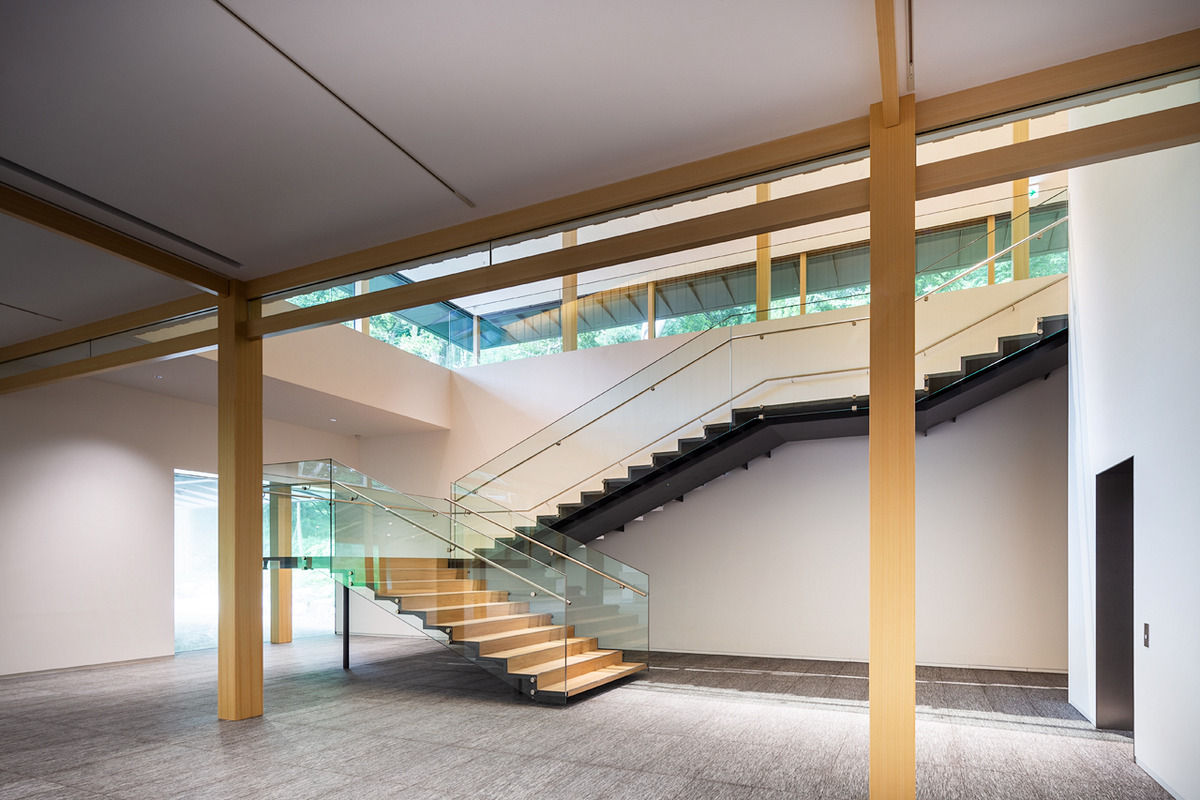
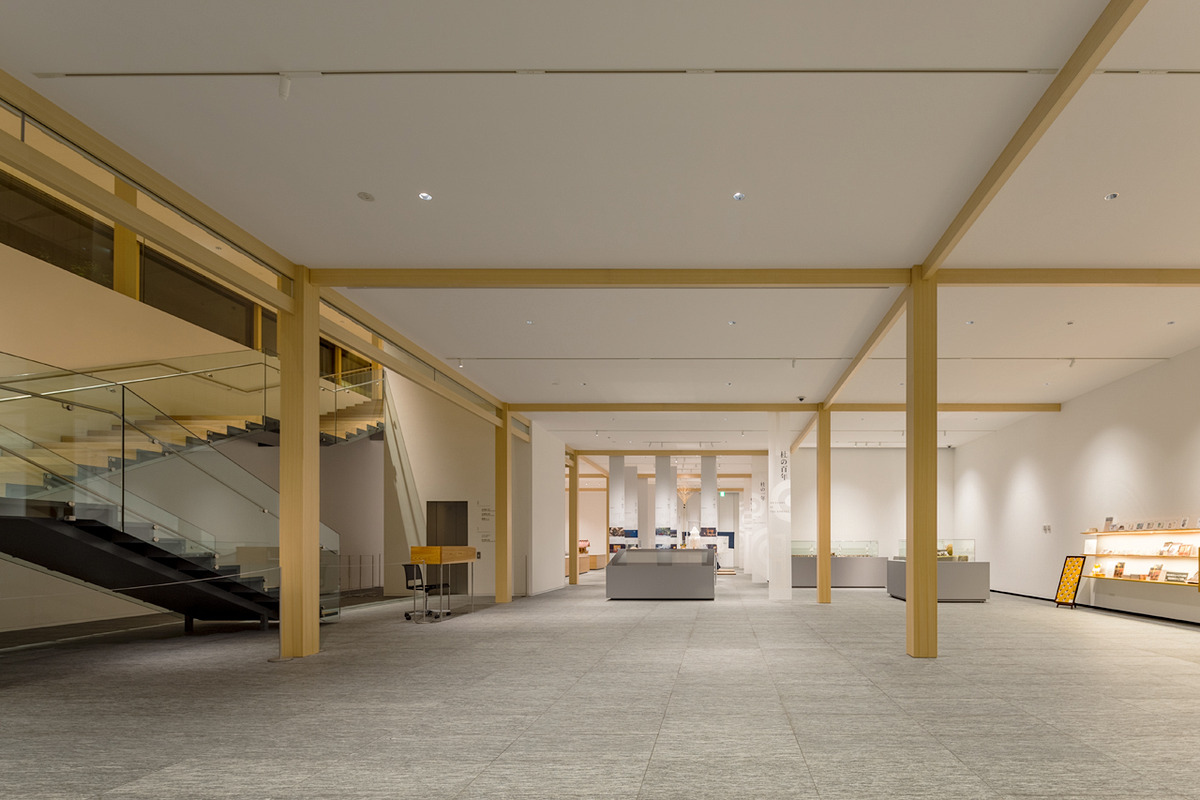
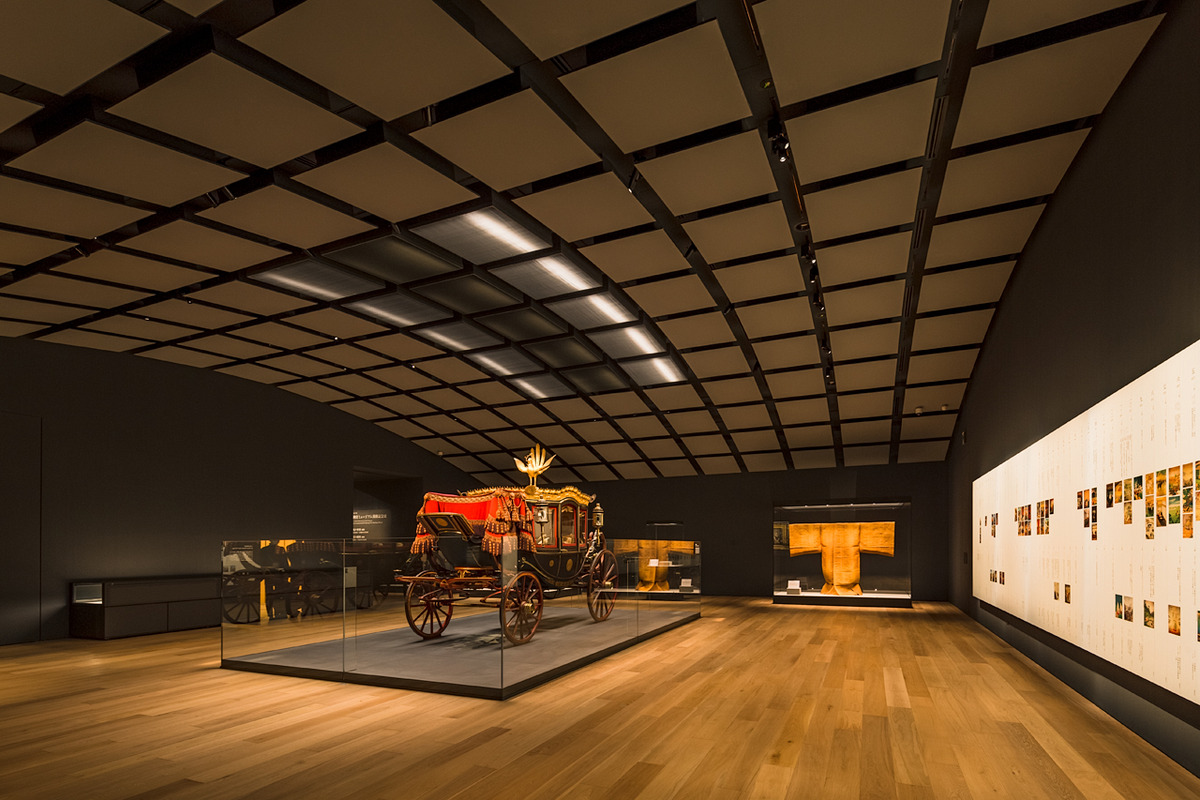
Stepping into the building entails immersing oneself in a tranquil journey that fosters awareness, with a spatial distribution and itinerary specially designed for a contemplative purpose. The path invites visitors to silently share the exhibited wonders, a tranquility that is savored by being a part of it.
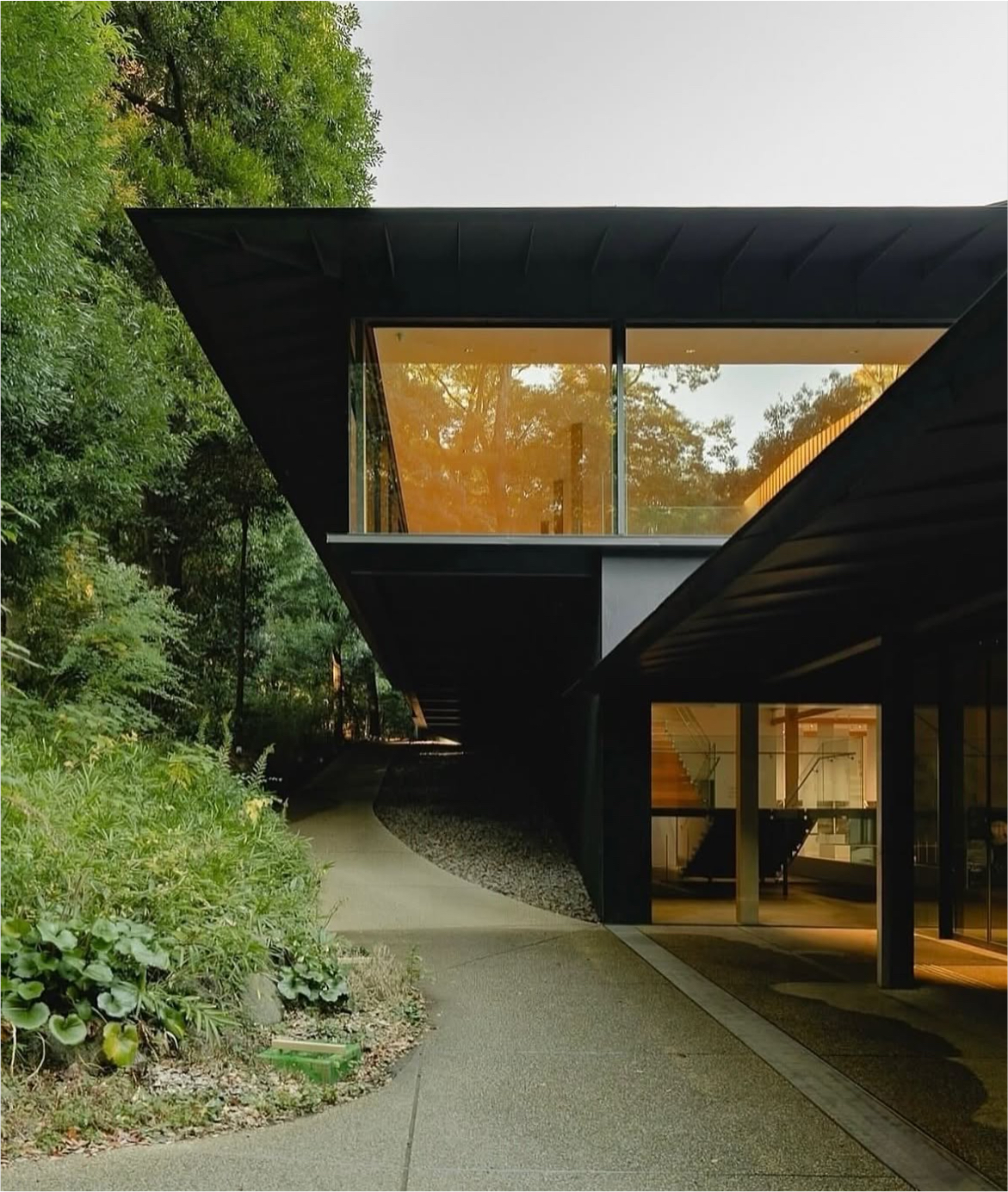
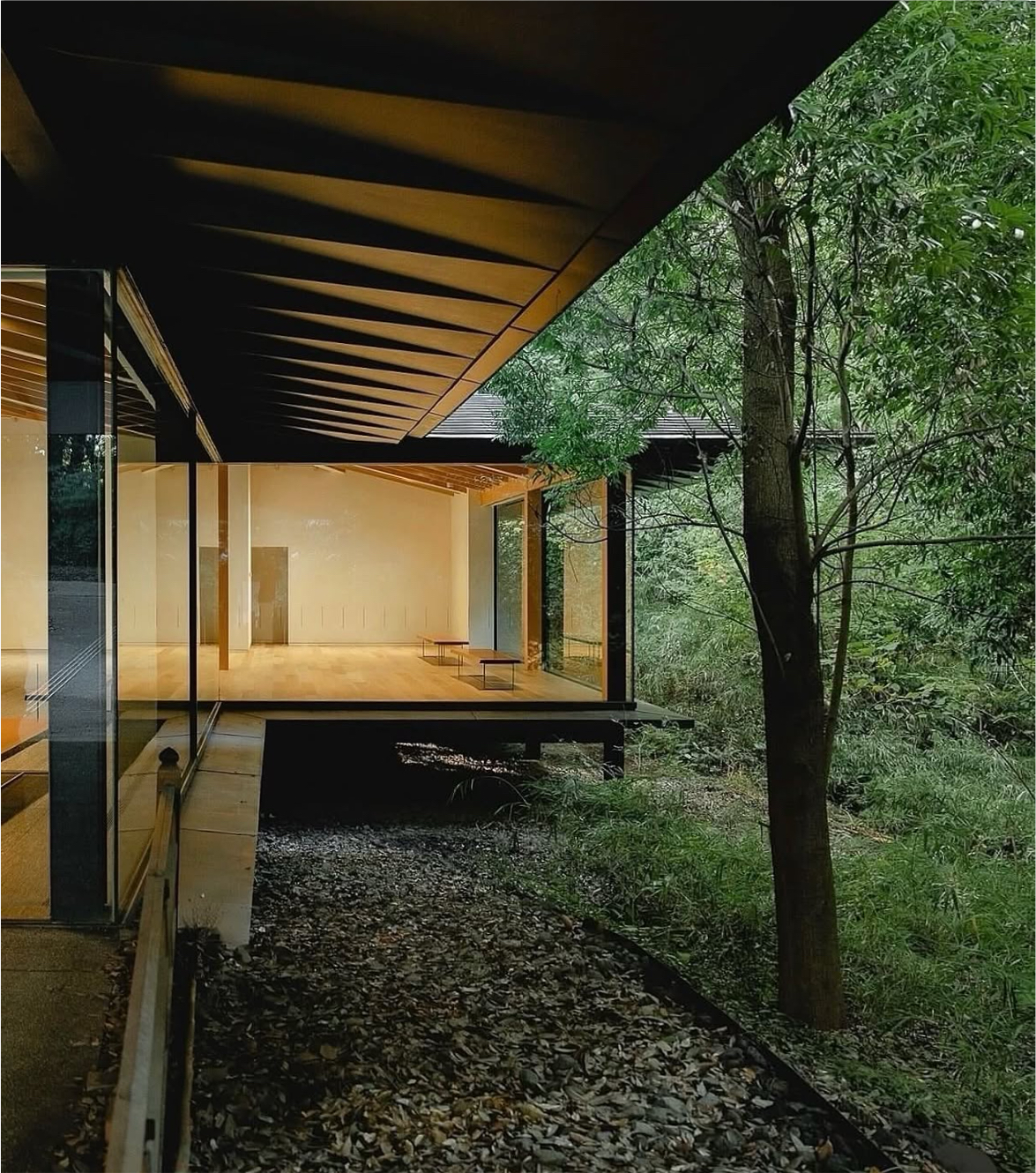
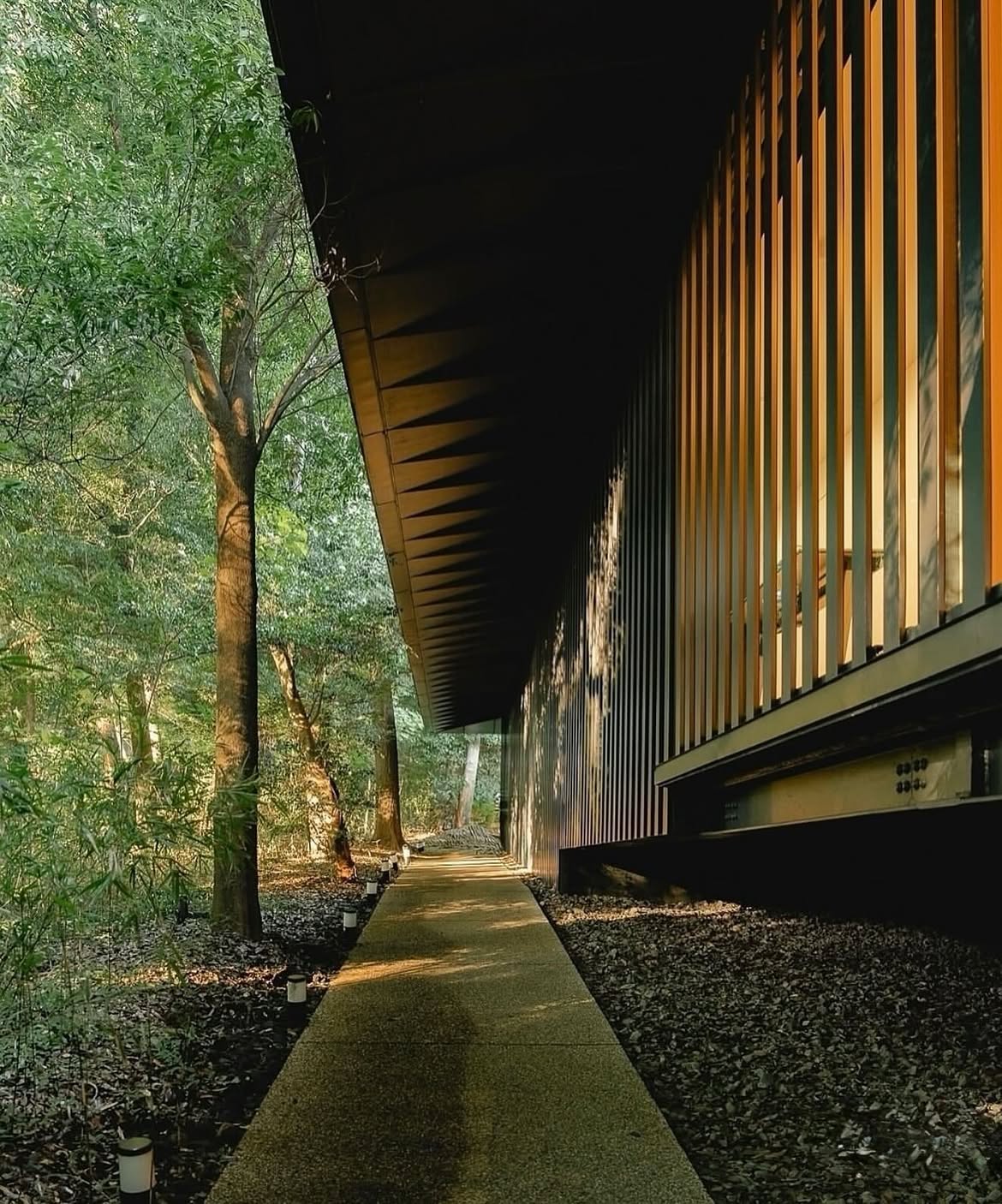
The wood used in the interior comes from trees felled during the project’s construction. In this way, Kengo Kuma’s philosophy is once again reflected regarding material circularity, local sustainability, and respect for natural resources, in this case, the woody elements.
MArch Valencia. Arquitectura y Diseño
© 2026 MArch Valencia. Arquitectura y Diseño
Privacy policy | Cookies policy | Terms of use