


Product design by architects
DATE
18.12.2025
Throughout history, many architects have extended their language and spatial thinking into product design, applying form, materiality and function to everyday objects.
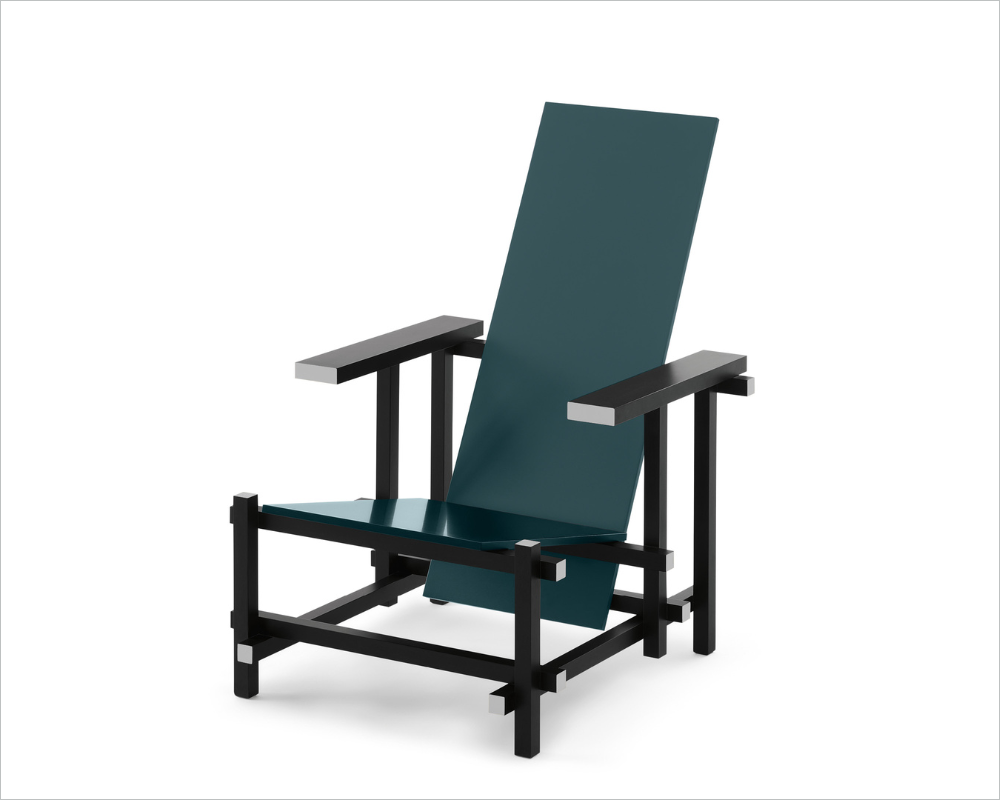
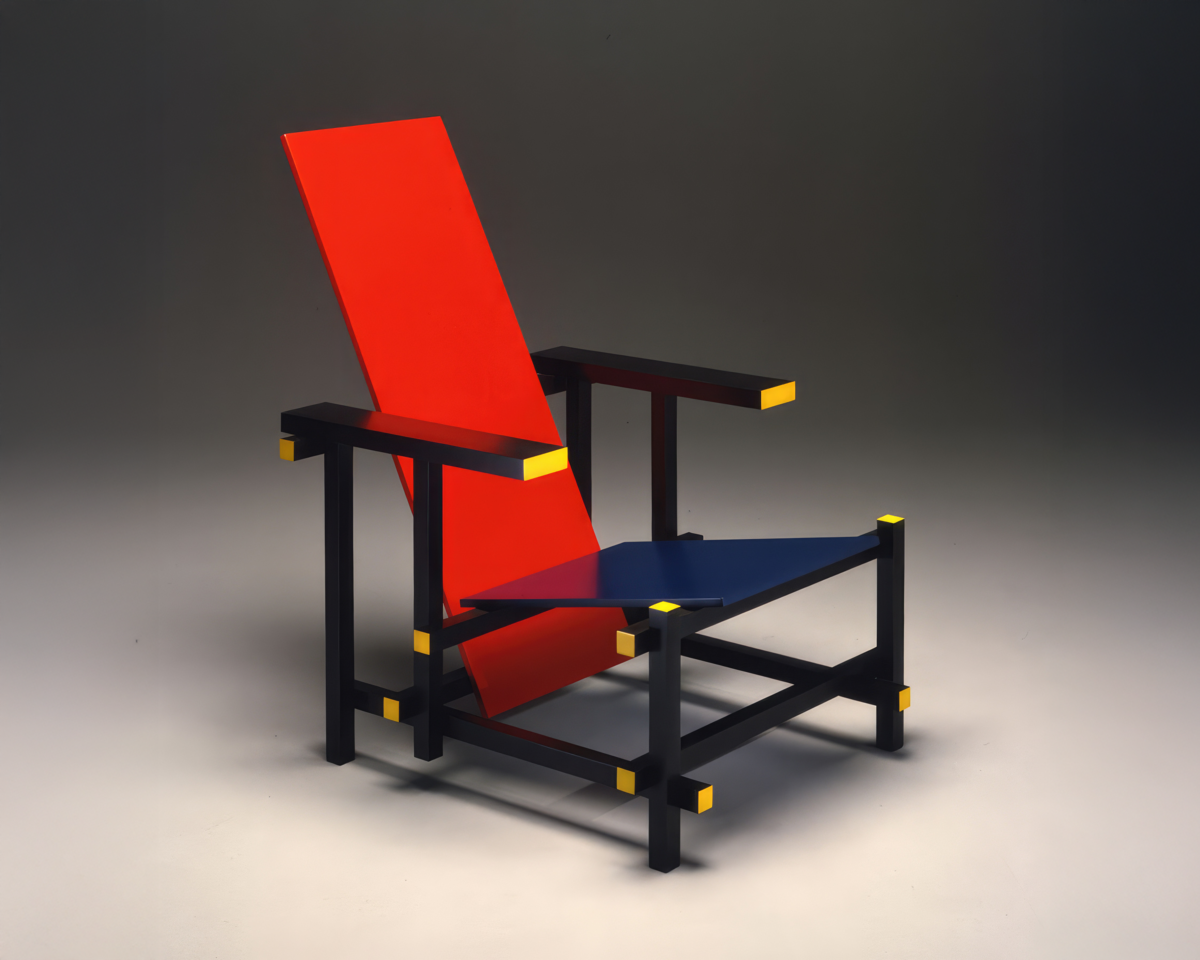
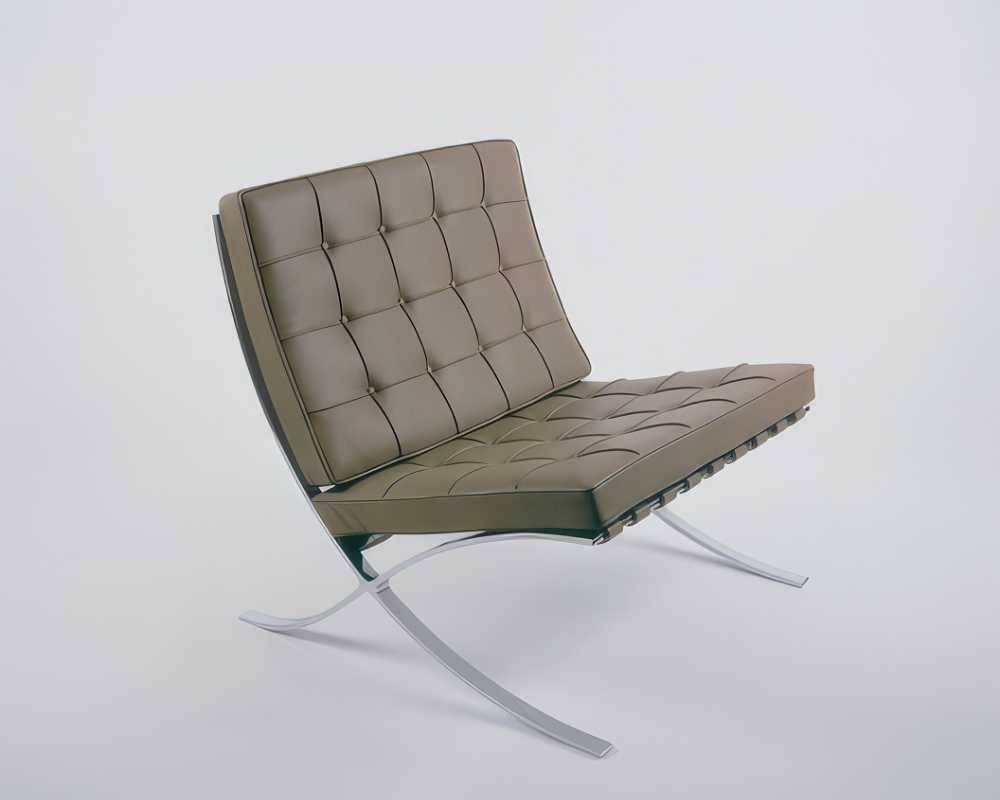
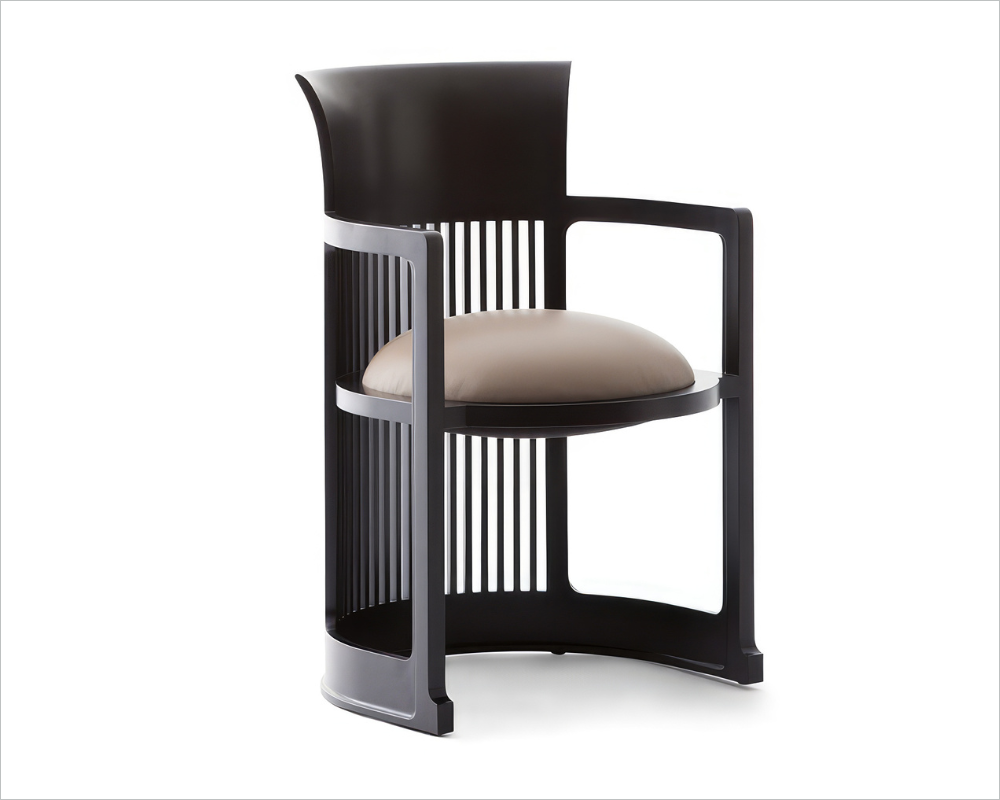
Highly significant historical examples include Gerrit Rietveld, with his iconic Red & Blue Chair, which combined the abstraction of the De Stijl movement with a functional and expressive structure; Mies van der Rohe, whose Barcelona Chair remains a benchmark of elegance and proportion in modern furniture; and Frank Lloyd Wright, who not only designed buildings but also furniture, such as the Barrel Chair for the Robie House, integrating his principles of organic architecture into domestic objects. These early examples demonstrate how architectural thinking can influence the most intimate scale, bringing formal rigour and aesthetic coherence to products.
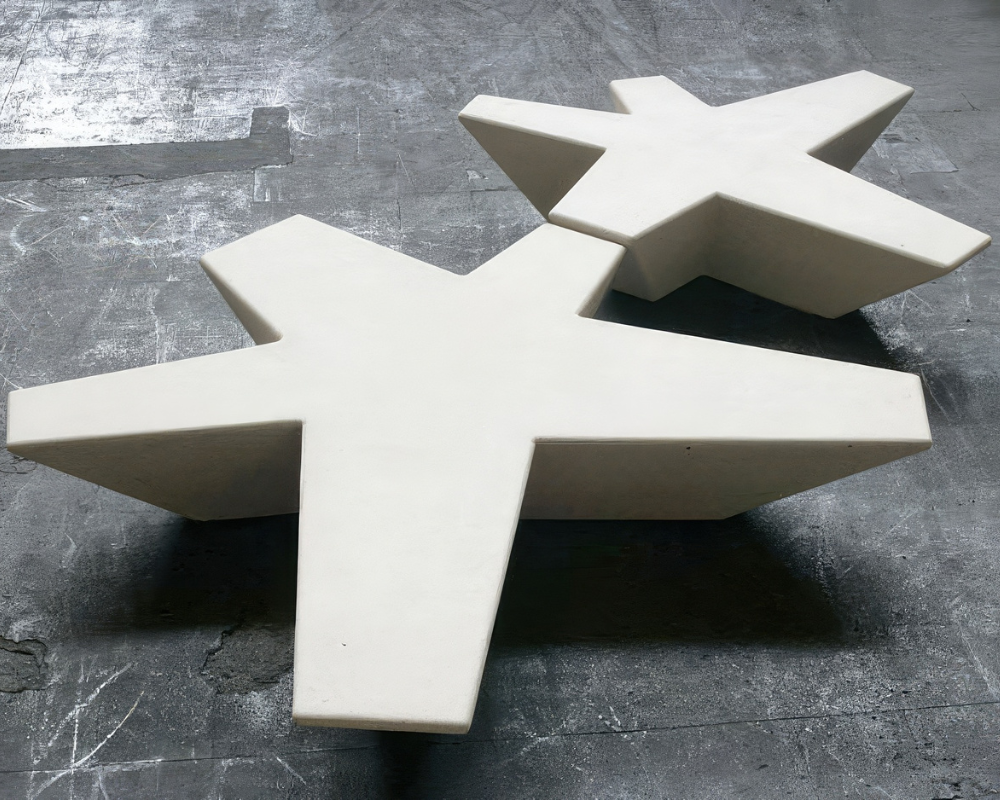
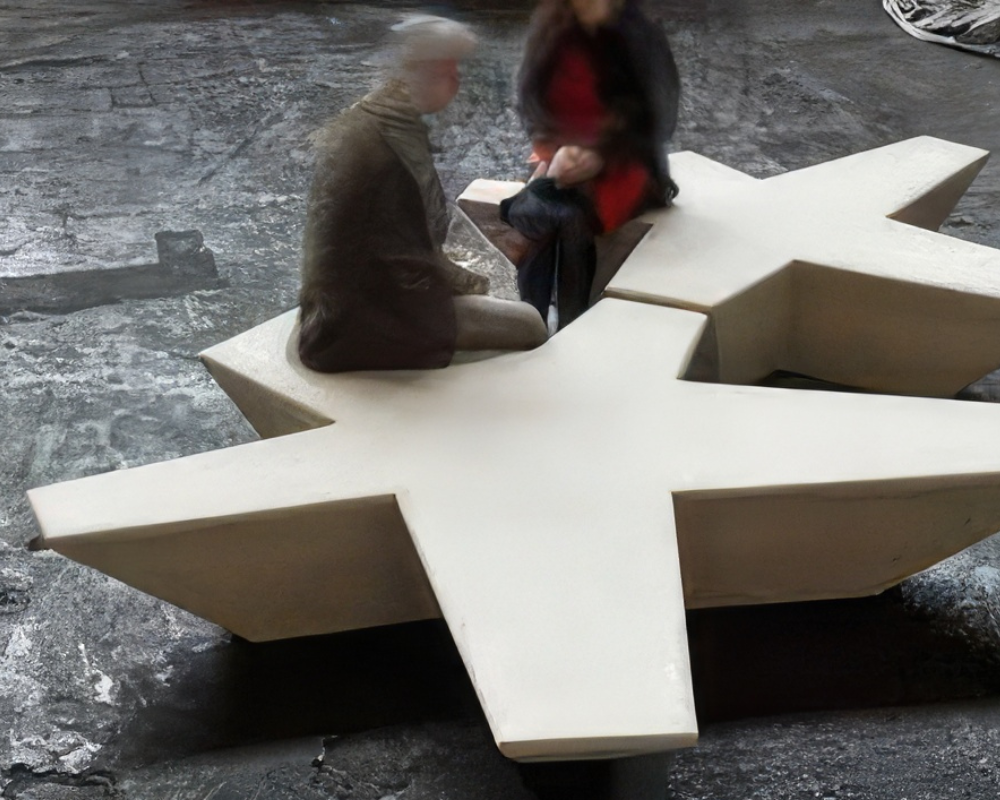
Today, this tradition remains alive through contemporary architects who apply their spatial and material concepts to product design. A notable case is Mansilla + Tuñón, who designed a series of modular benches for Escofet intended for public spaces. These pieces reflect the studio’s architectural sensibility: simple, versatile forms that can be configured to meet different urban needs, while maintaining a visual coherence with their surroundings. This approach shows how architects can engage with urban furniture using the same level of reflection they apply to buildings.
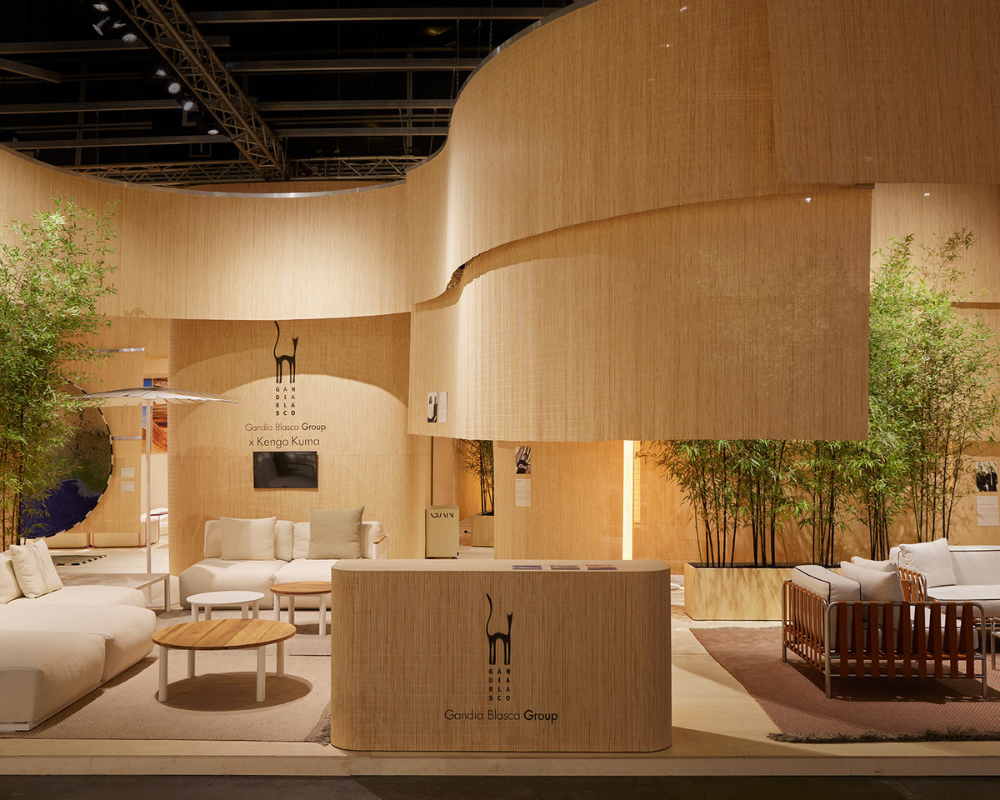
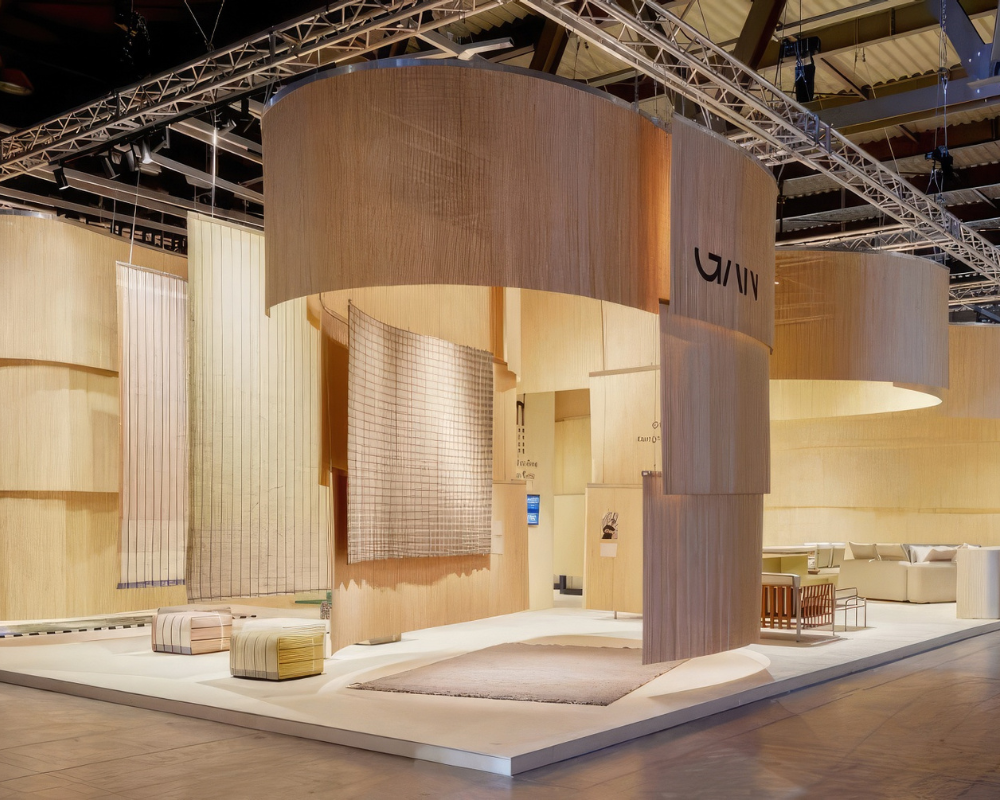
Another relevant contemporary example is the work of Kengo Kuma, who has translated his philosophy of warm, context-sensitive architecture into smaller-scale objects, such as tableware and wooden pieces from his Teikuu collection, as well as furniture designed for Gandia-Blasco. His designs explore natural materiality and texture, maintaining the same attention to detail and tactile sensitivity that characterise his buildings, demonstrating that architects can create products that are both utilitarian and poetic.
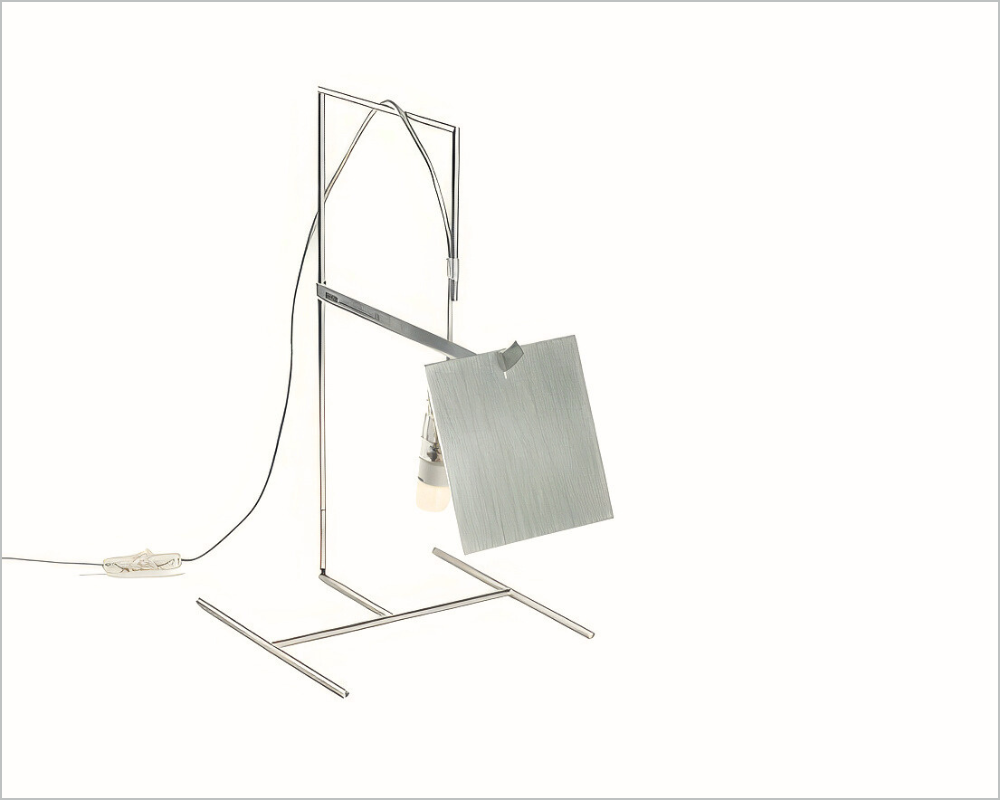
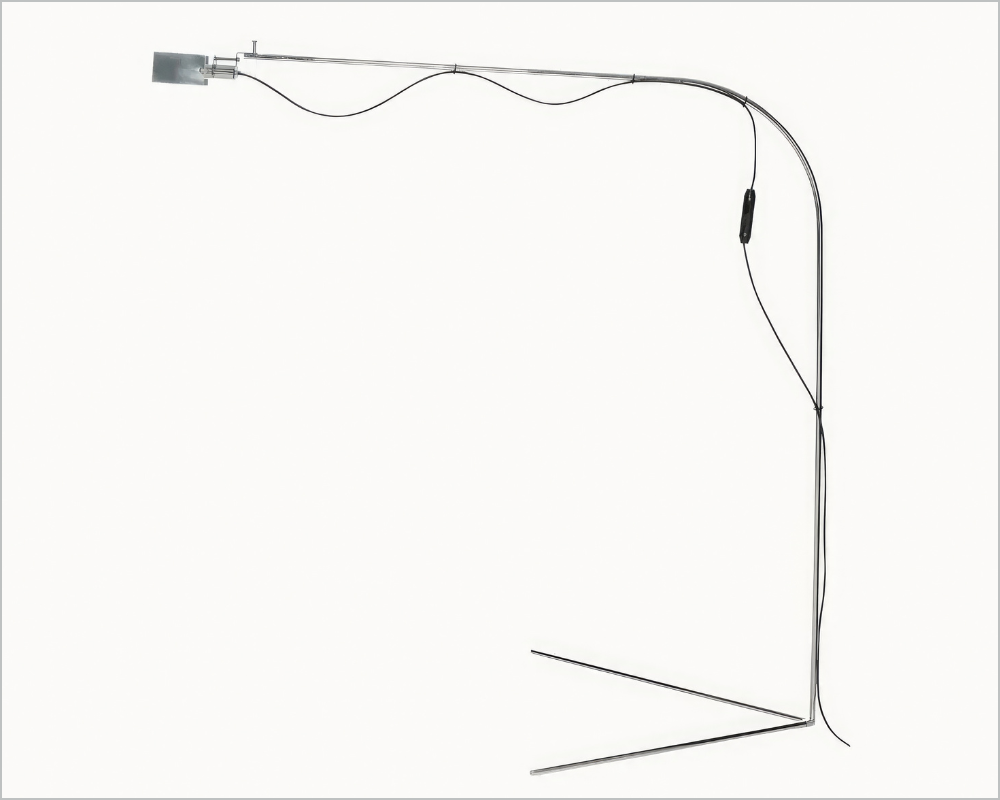
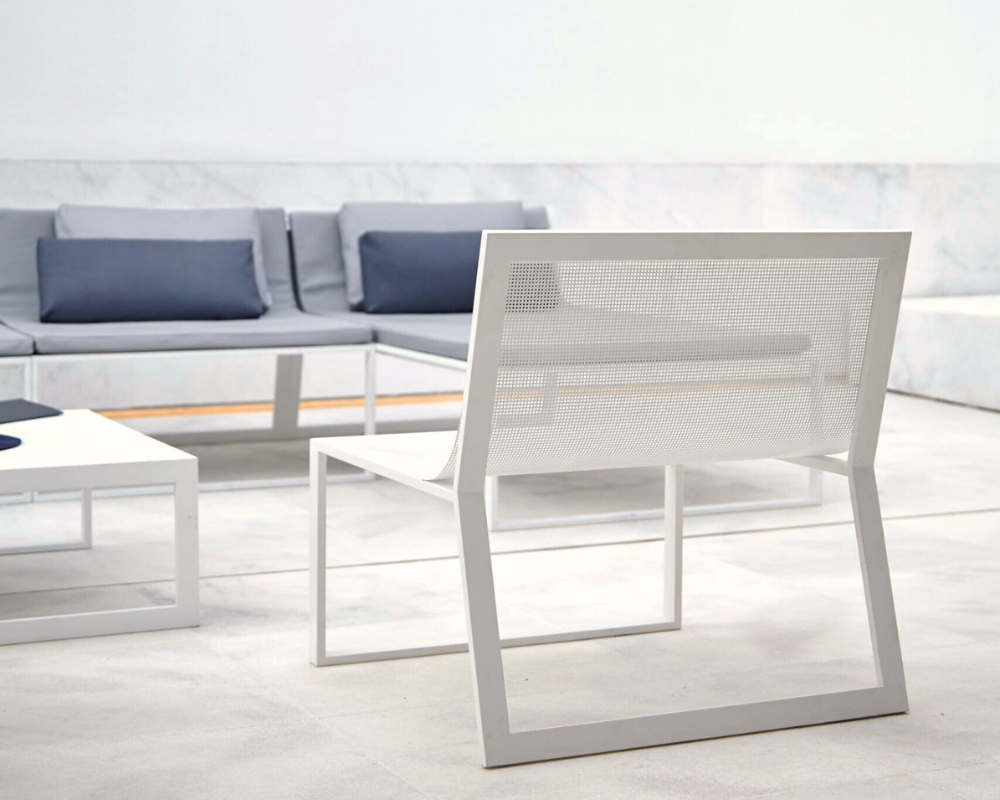
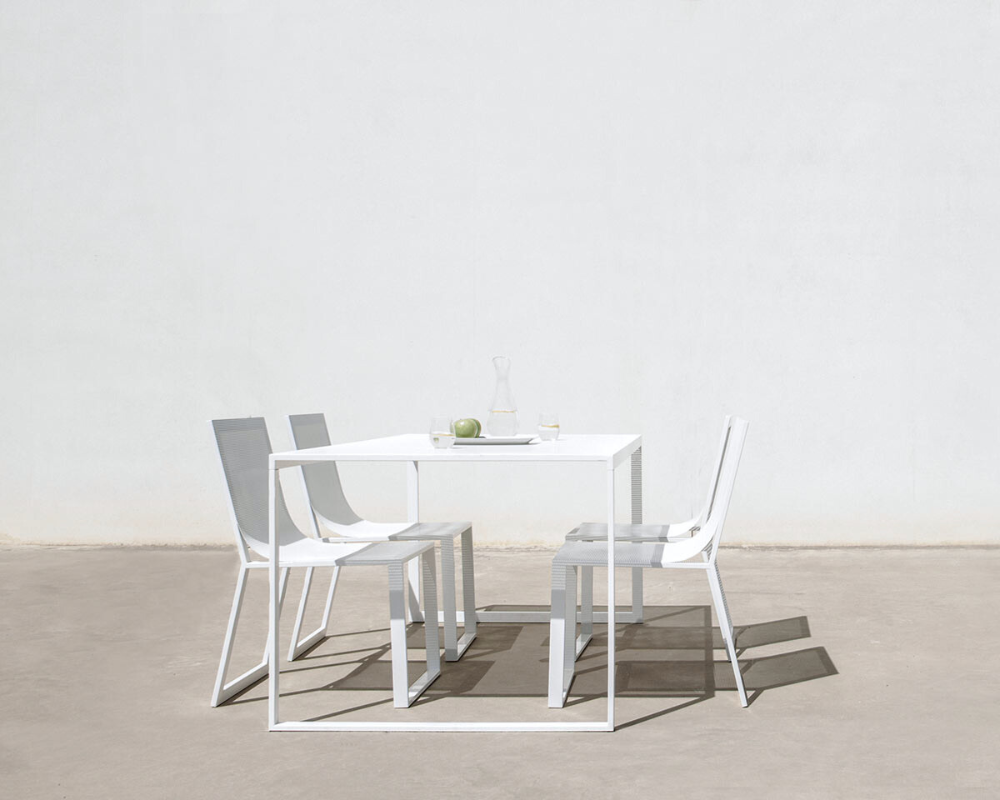
Álvaro Siza has designed lamps that reflect his formal clarity and minimalist elegance, where light and proportion come together to create sculptural objects that are both functional and aesthetically refined. Similarly, Fran Silvestre Arquitectos has developed furniture collections for Gandia-Blasco, including chairs, tables and benches that translate the language of their architectural projects to domestic and outdoor scales, preserving the same formal precision and balance between aesthetics and functionality.
These examples show that product design by architects is not limited to the mere production of furniture, lighting or decorative objects, but represents a genuine field of exploration in which architecture is experienced at a reduced scale. From the historical icons of Rietveld, Mies or Wright to the contemporary works of Kuma, Mansilla + Tuñón, Siza or Fran Silvestre, it becomes clear that architectural training brings a singular perspective: the ability to conceive space, form and materials in an integrated way, applied both to buildings and to the objects that inhabit or complement them.
MArch Valencia. Arquitectura y Diseño
© 2026 MArch Valencia. Arquitectura y Diseño
Privacy policy | Cookies policy | Terms of use