


Projects with Metal Finishes
DATE
19.02.2026
Metal has historically been a material associated with industry and technical precision, most commonly used in structural applications. However, in contemporary architecture, it has acquired an increasingly relevant role as a finish, becoming a resource capable of defining the atmosphere of a space.
Its ability to reflect, absorb, or soften light, together with its material precision and potential for continuity, allows the construction of surfaces that transcend their technical function to acquire a sensory dimension. Metal qualifies space, introducing depth and density, and establishes an active relationship with time, whether through its patina or its changing interaction with light. In interior design projects, its use as a finish makes it possible to create spaces that oscillate between the industrial and the refined. Below are some examples:
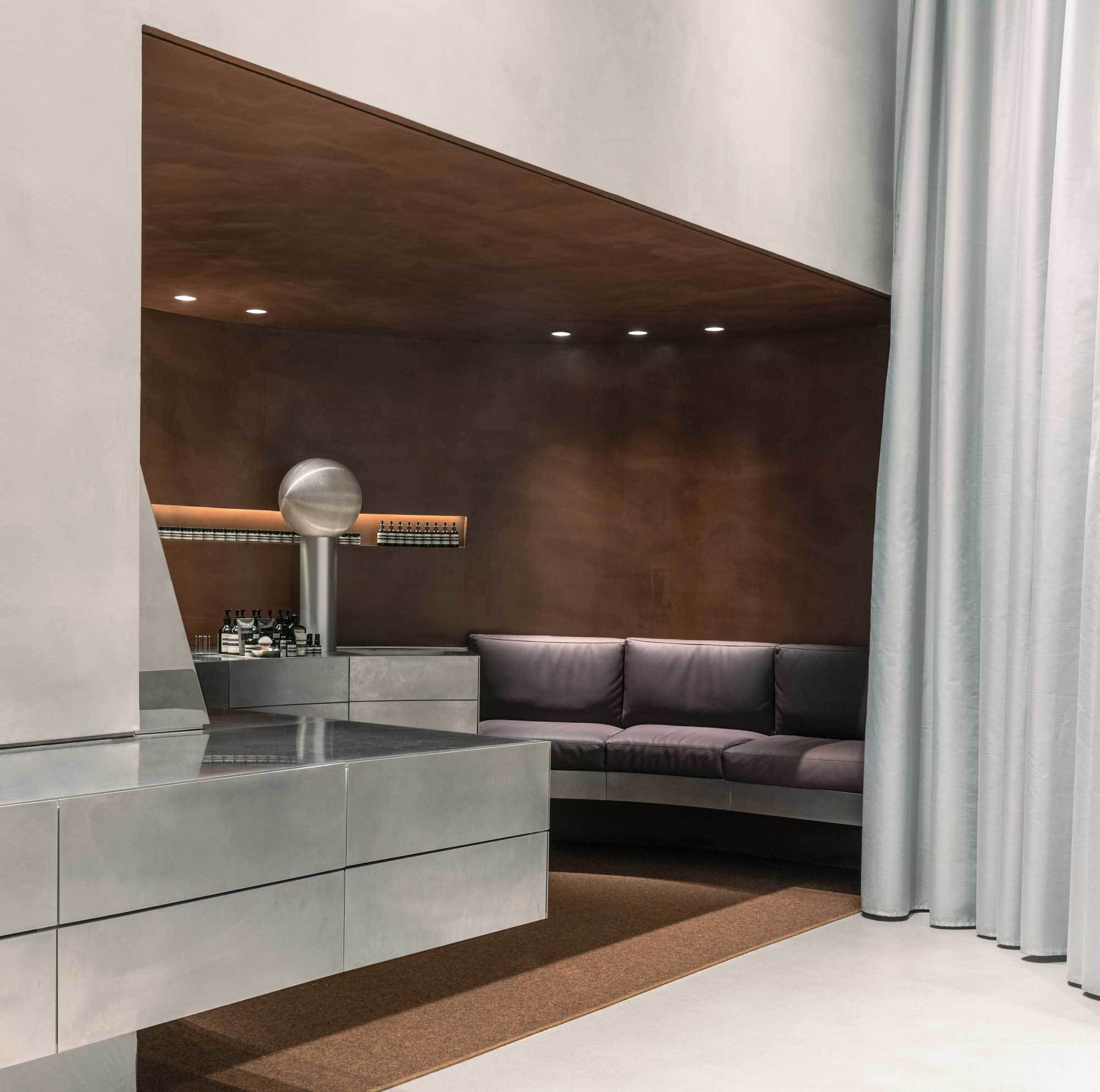
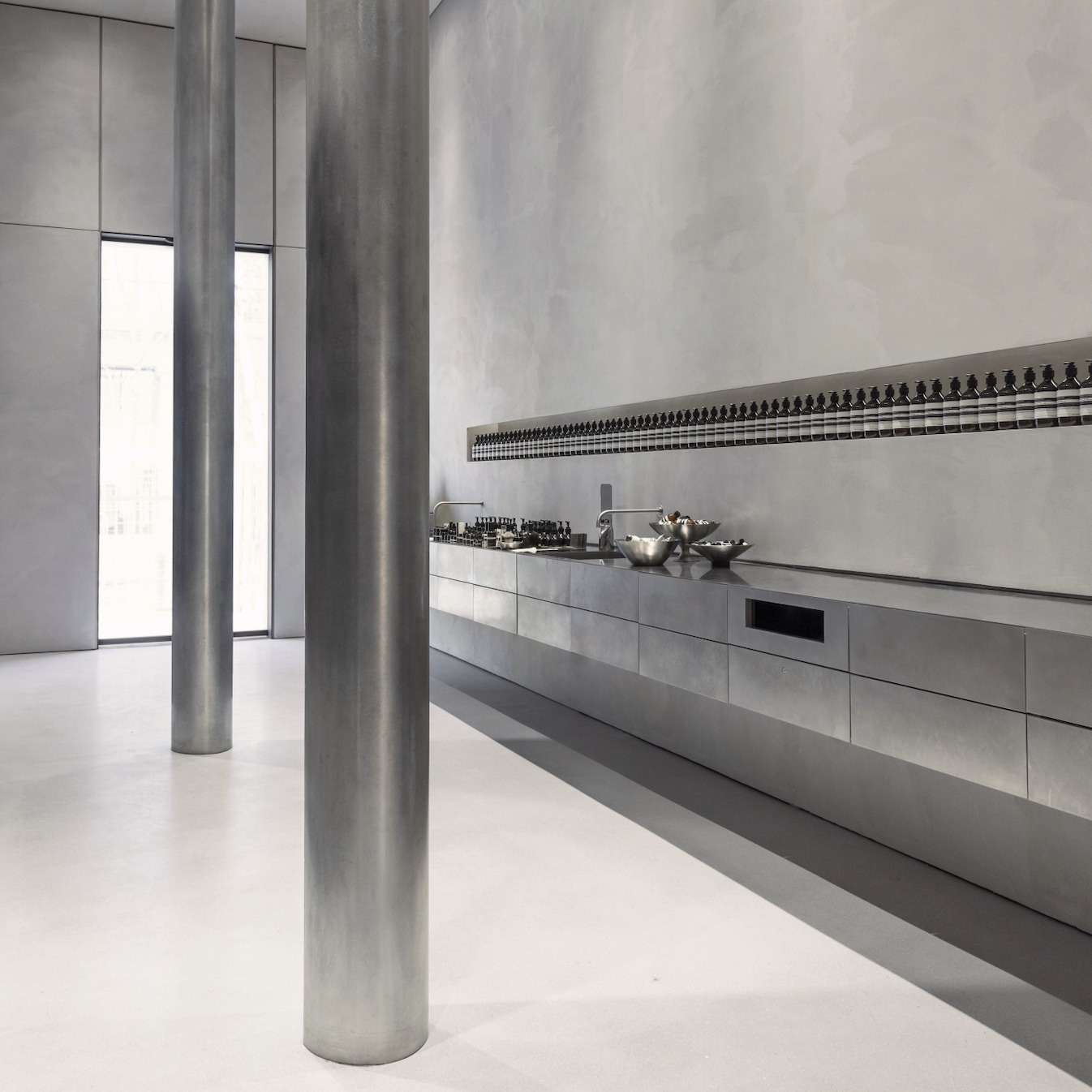
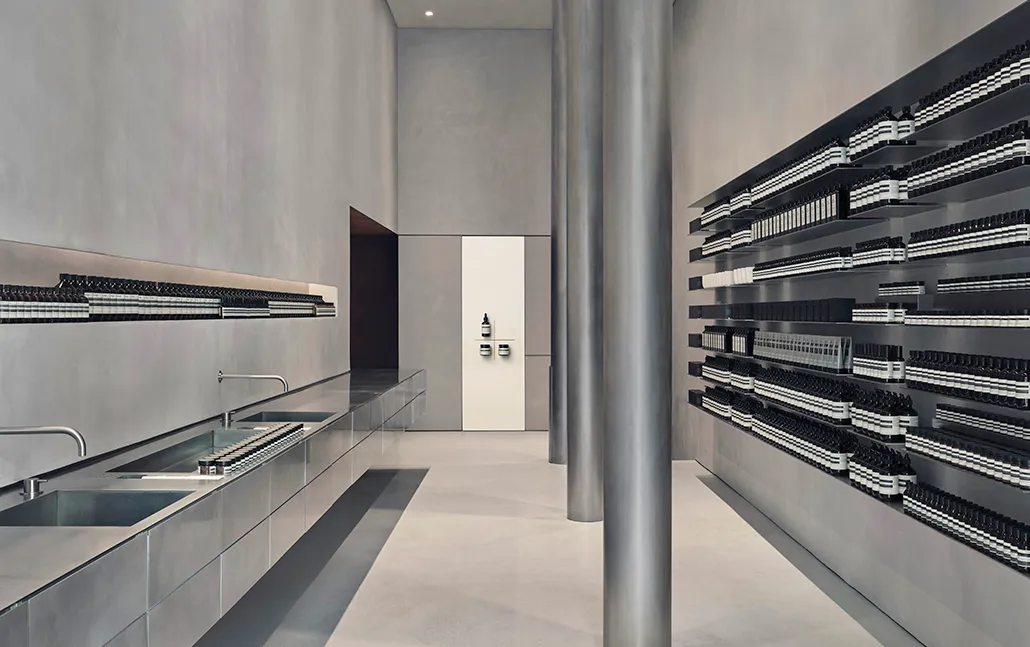
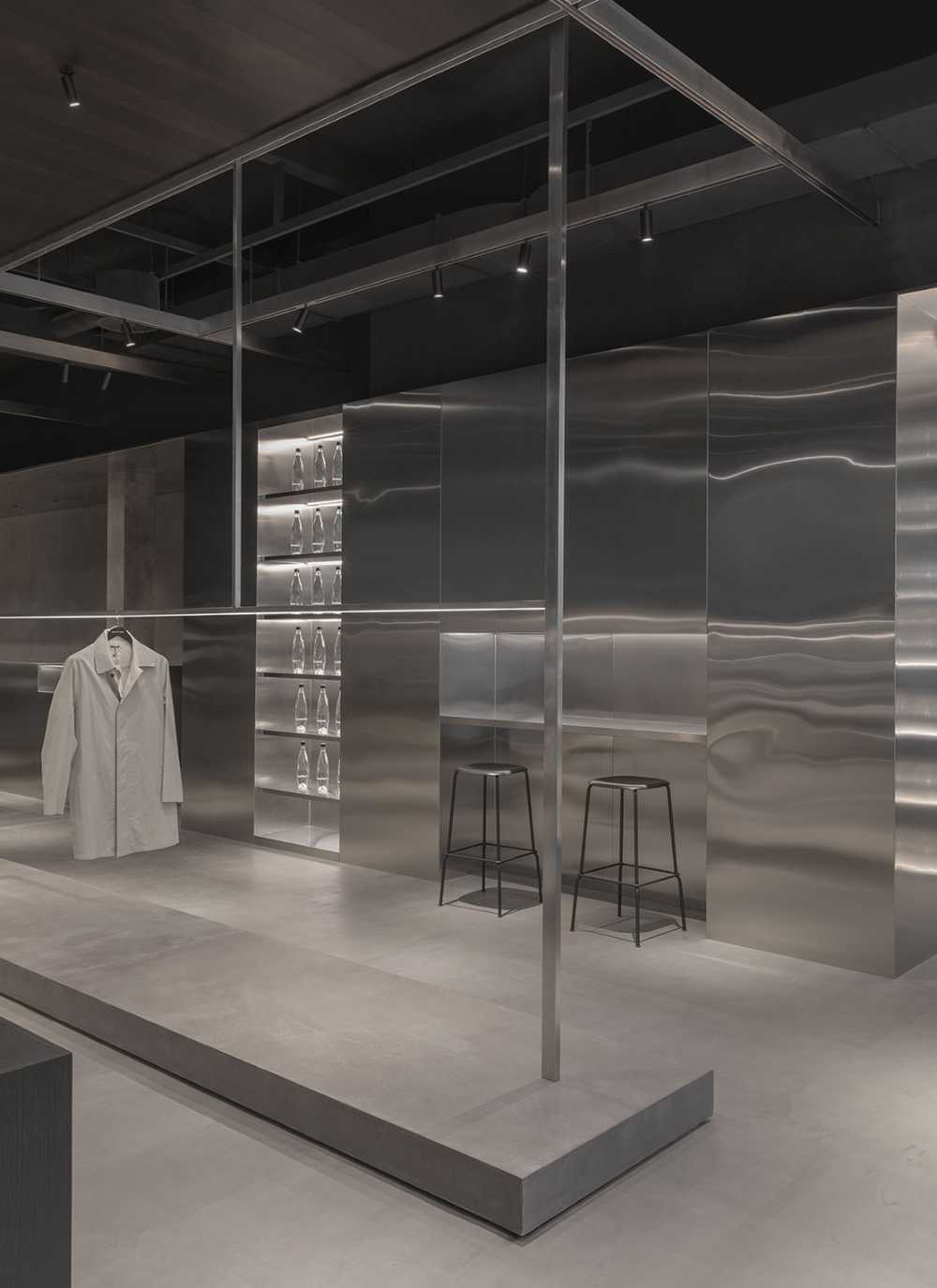
In the Aesop store in Barcelona, designed by Barozzi Veiga, metal is used as an element that defines the character of the space through a continuous and enveloping presence. Far from being understood as a superficial cladding, the metallic finish is integrated into the architecture as a precise skin that unifies walls, planes, and display elements. The metallic materiality, combined with the rigorous geometry of the project, generates a sober and silent atmosphere, where light glides across the surfaces, producing subtle reflections that provide depth. In this context, metal does not act as a protagonist element, but as a continuous background that reinforces the perception of the space as a coherent unit.
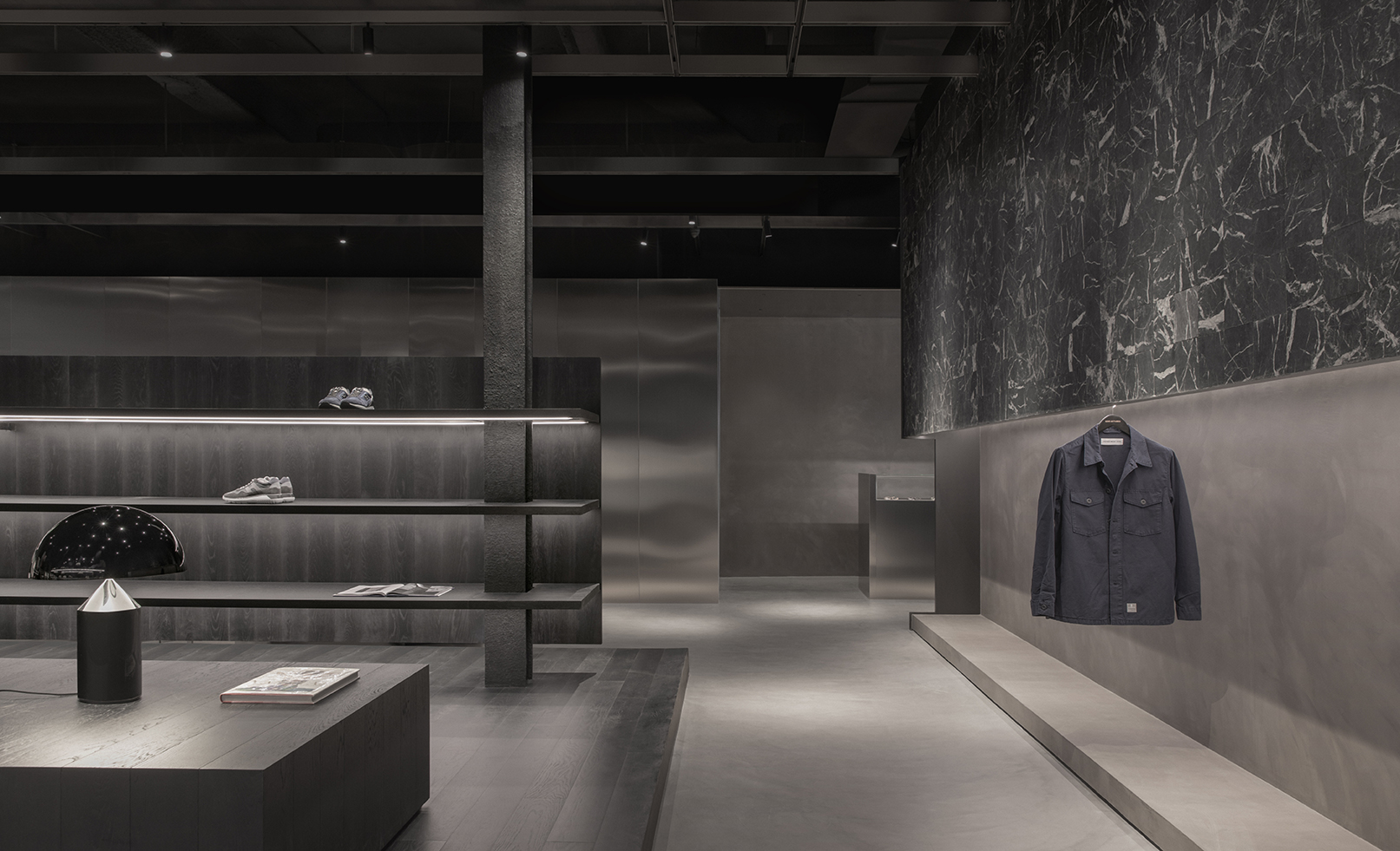
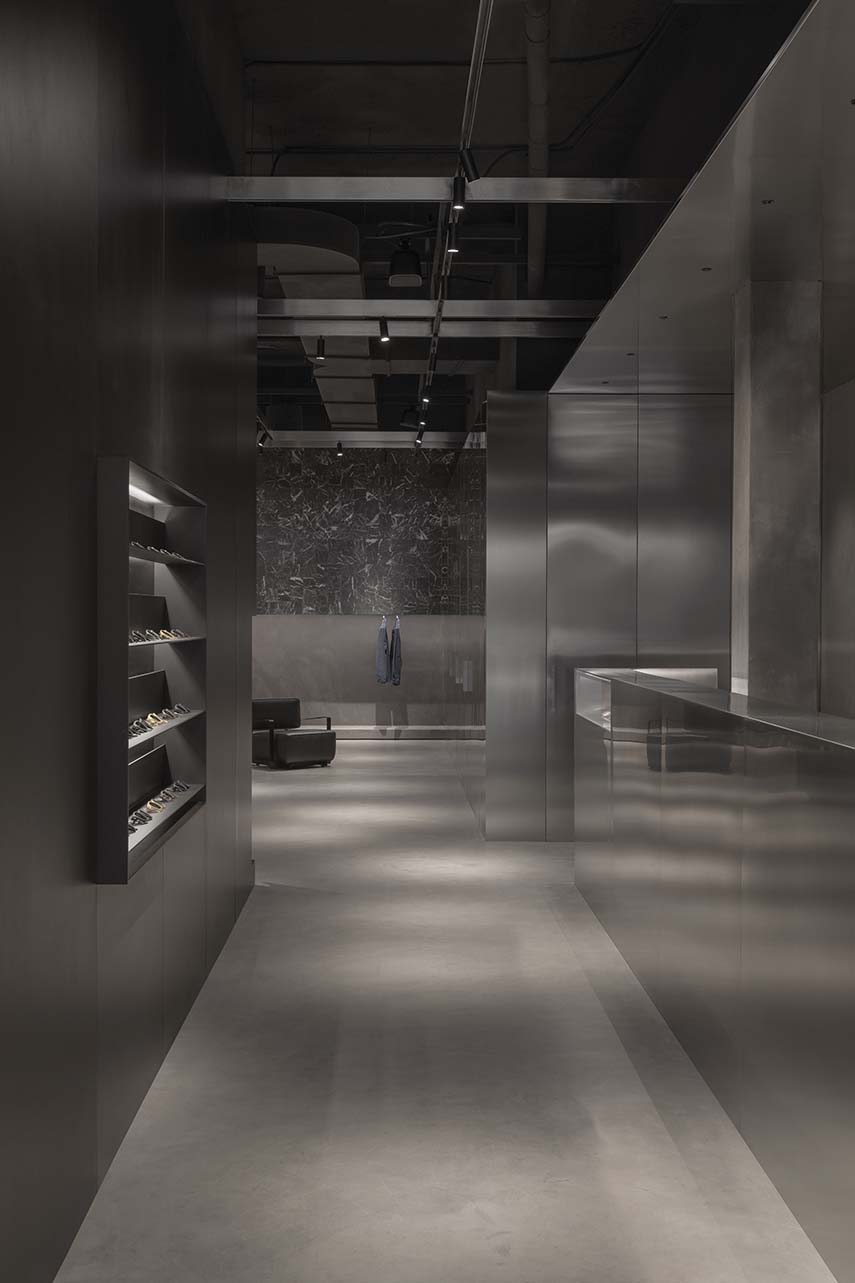
In the project for the Nino Álvarez store, designed by Francesc Rifé, stainless steel acquires a structuring role, organizing the space through a metallic backbone that extends longitudinally and integrates lighting and display systems. This continuous element articulates the spatial sequence and constructs a precise and coherent spatial identity. Stainless steel, used in a satin finish, clads key areas such as the entrance, the counter, and the fitting rooms, generating an environment with an industrial and futuristic character that dialogues with materials such as marble and microcement. Its presence not only responds to a functional logic but also introduces a perceptual dimension, where the neutrality and precision of metal reinforce the clarity of the space.
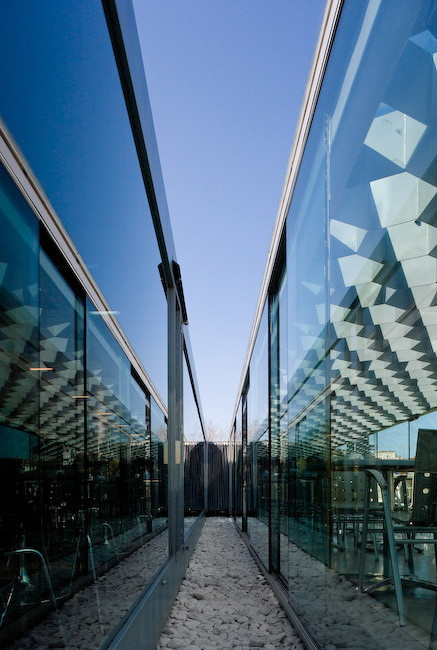
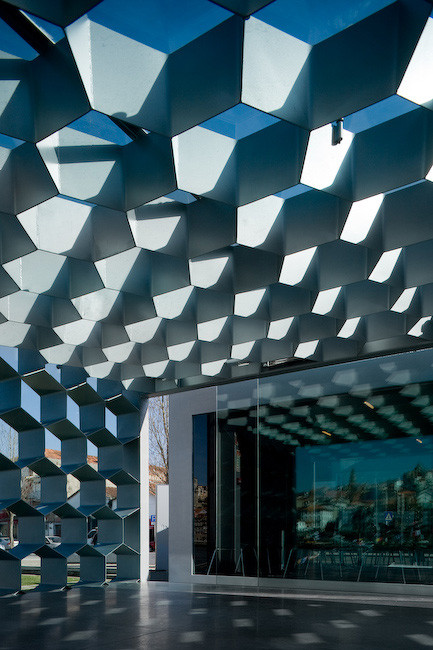
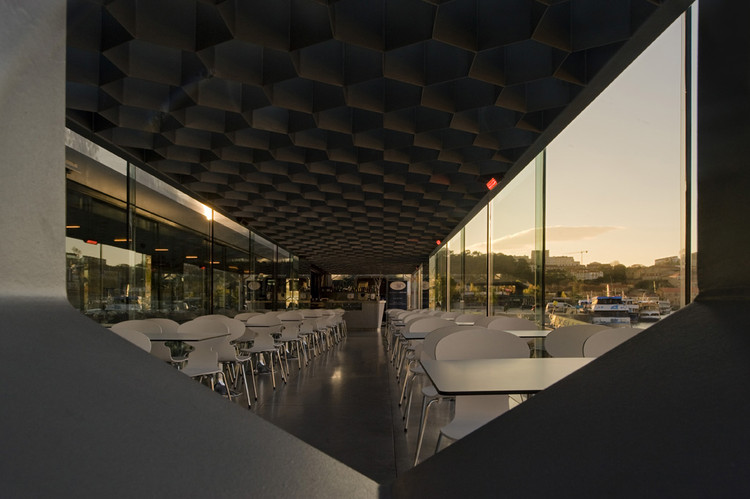
In the Ar de Rio Bar Esplanade project, by Menos e Mais, metal is used as a material capable of establishing a direct relationship with the context and the landscape. Metallic surfaces reflect the surroundings, visually incorporating the river and changing light into the architecture. This reflective condition transforms metal into an active material that, arranged in a honeycomb form, transforms the space according to environmental conditions. At the same time, its constructive precision makes it possible to define clear and lightweight boundaries, reinforcing the sense of continuity between interior and exterior.
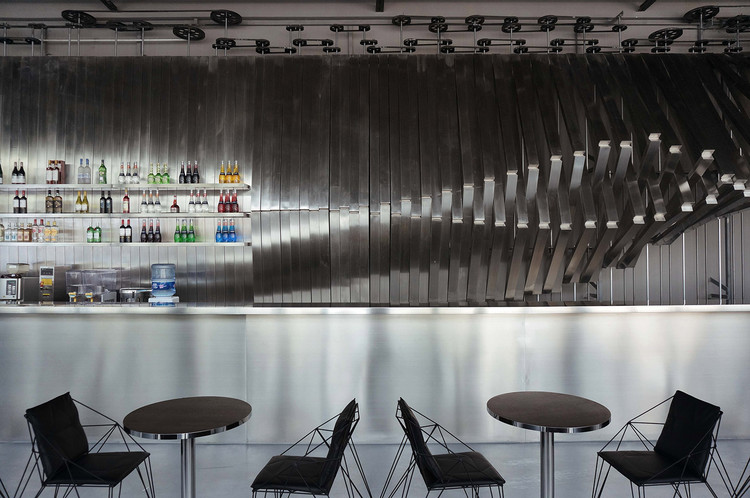
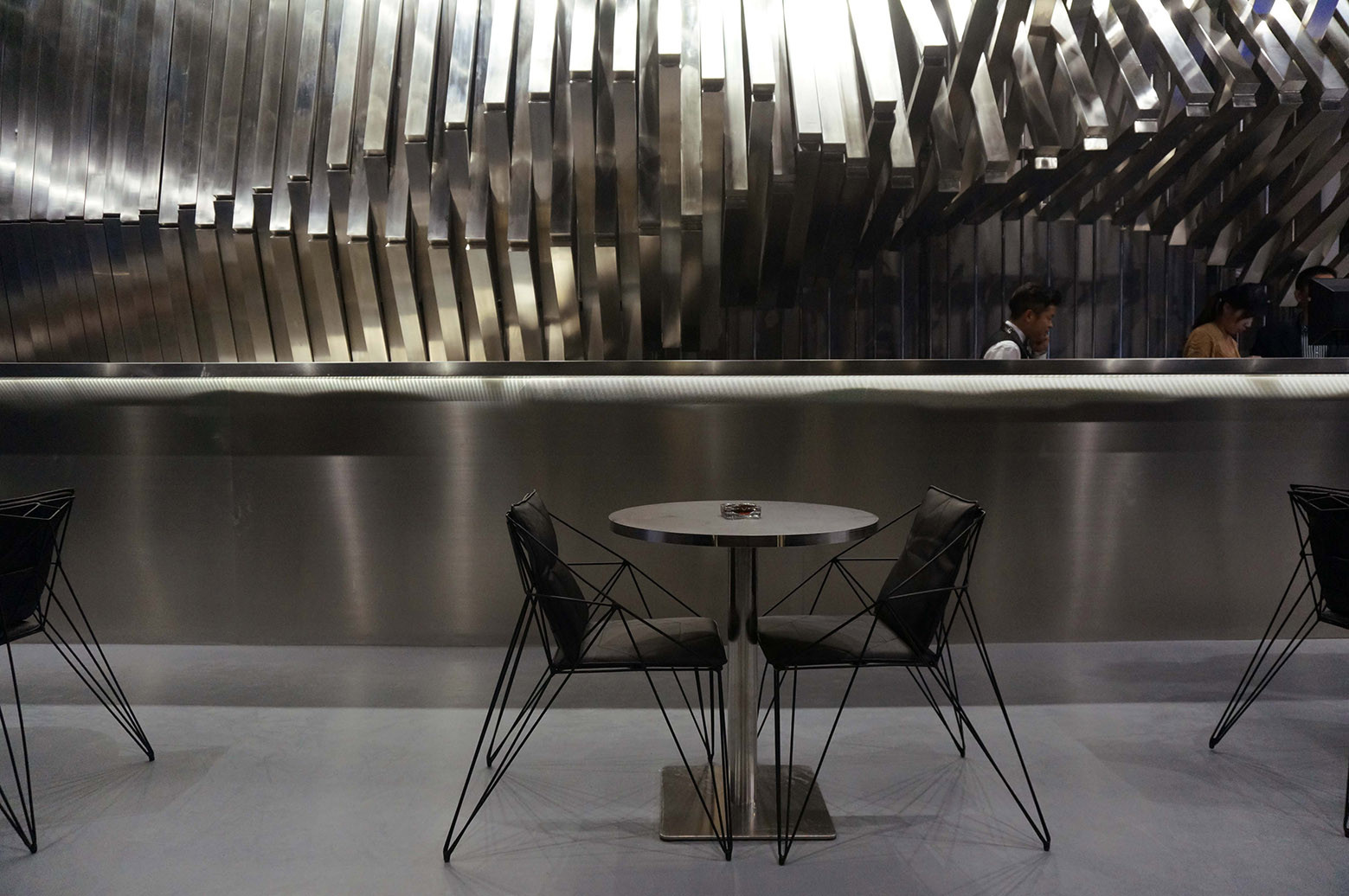
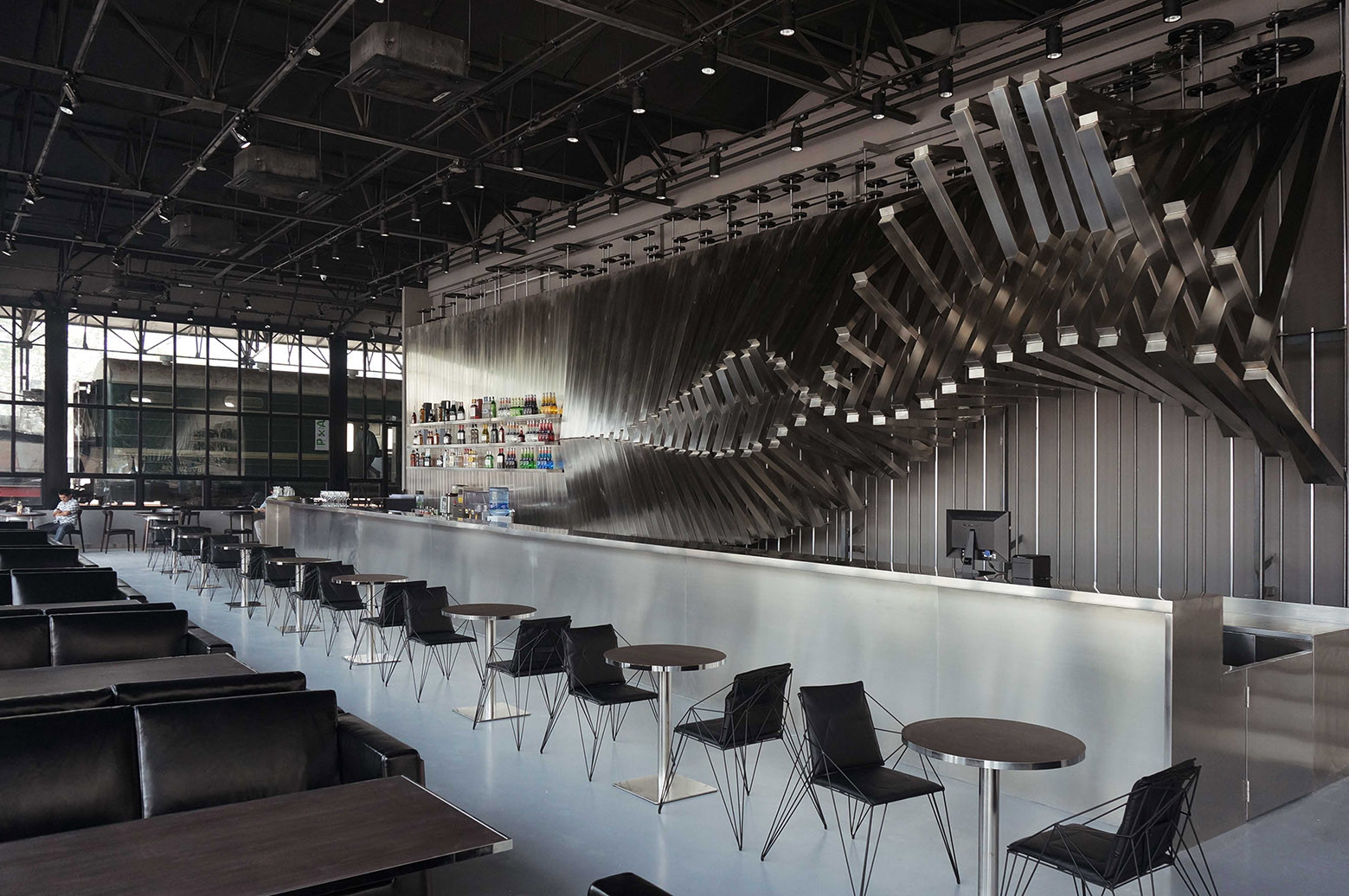
The ACE Café, designed by Deep Architects, introduces metal not only as a finish but as part of a mobile structure that defines the space and its capacity for transformation. This structure, composed of metallic elements that move and articulate, allows the configuration of the space to be modified according to different needs. Its formal and constructive logic refers to the generative lines present in the work of Andreu Alfaro, where repeated and precise lines transform the interior through an axis that allows them to move. In both cases, metal acts as a material that makes it possible to materialize space through repetition, generating an architecture that is at once structure and experience.
In the pavilion designed by Álvaro Siza for the China International Furniture Fair, metal acquires an enveloping dimension, constructing an architecture defined by its skin. The volume is entirely clad in aluminum sheet, generating a continuous surface that reflects light and surroundings in a diffuse way, producing a changing and almost immaterial image. This metallic envelope not only protects the interior but also defines the identity of the building, transforming it into an autonomous object whose perception varies according to light and movement. The contrast with the interior, characterized by white and abstract surfaces, intensifies the spatial experience, making visible the capacity of metal to construct architecture through its own material condition.
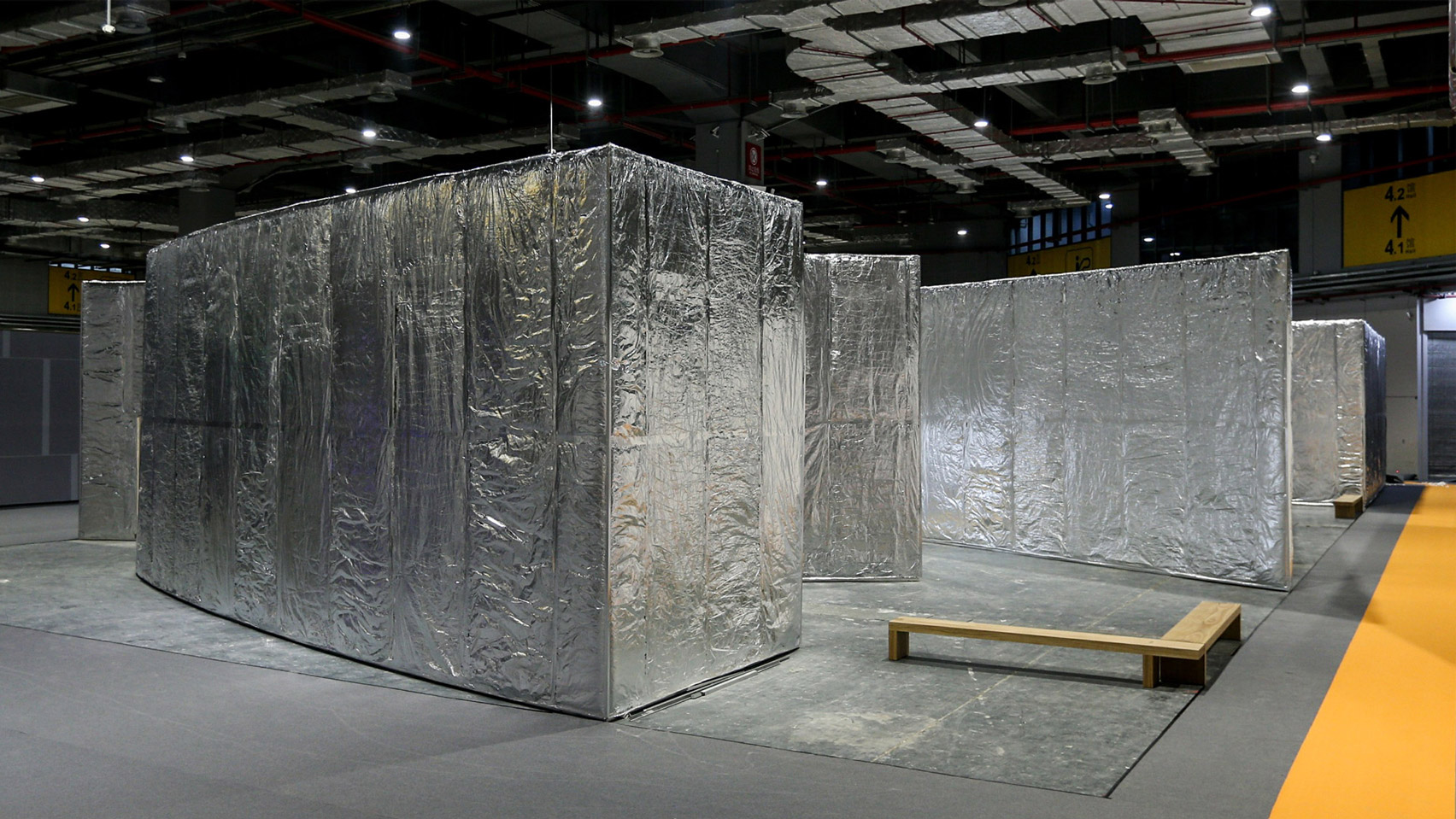
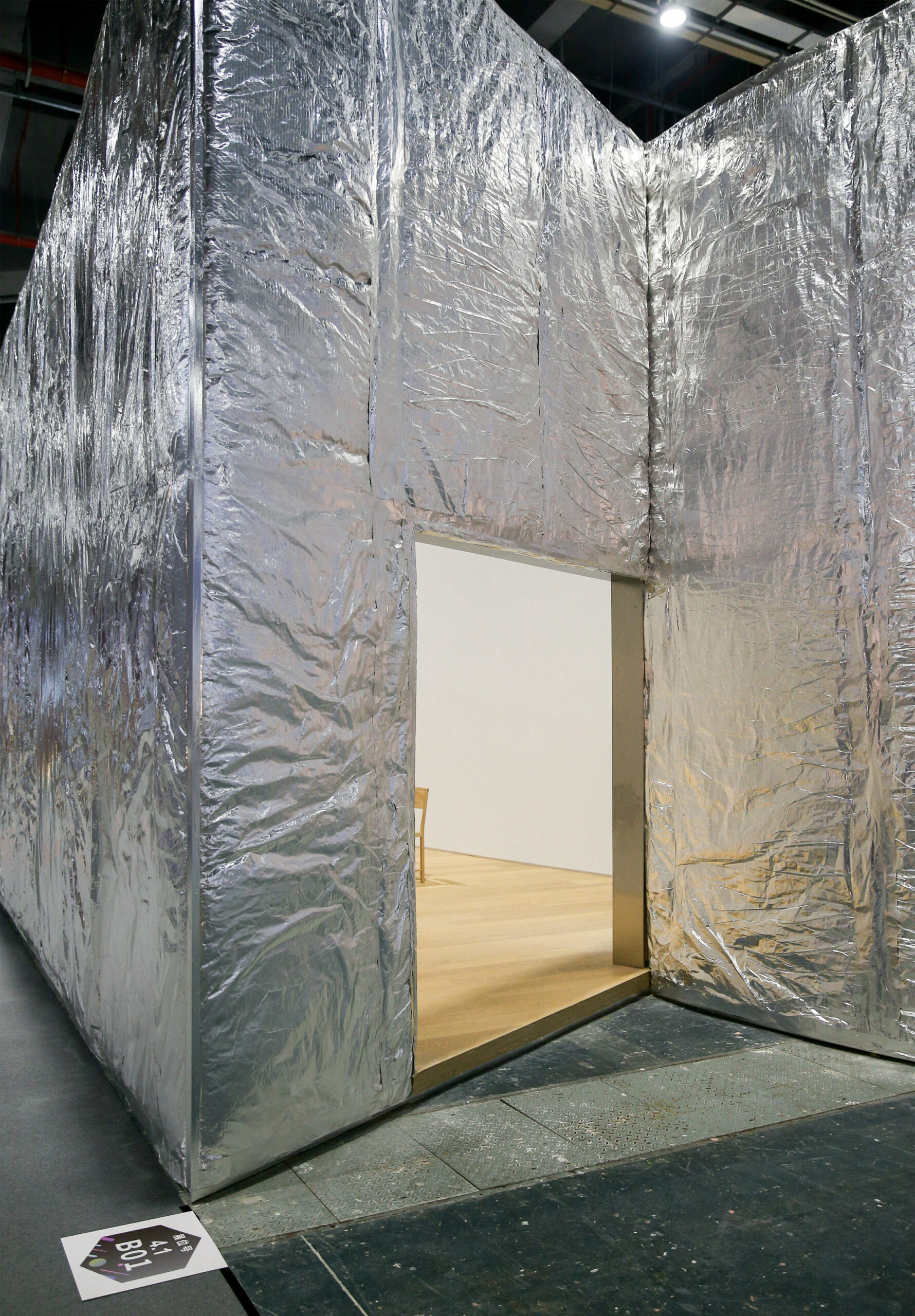
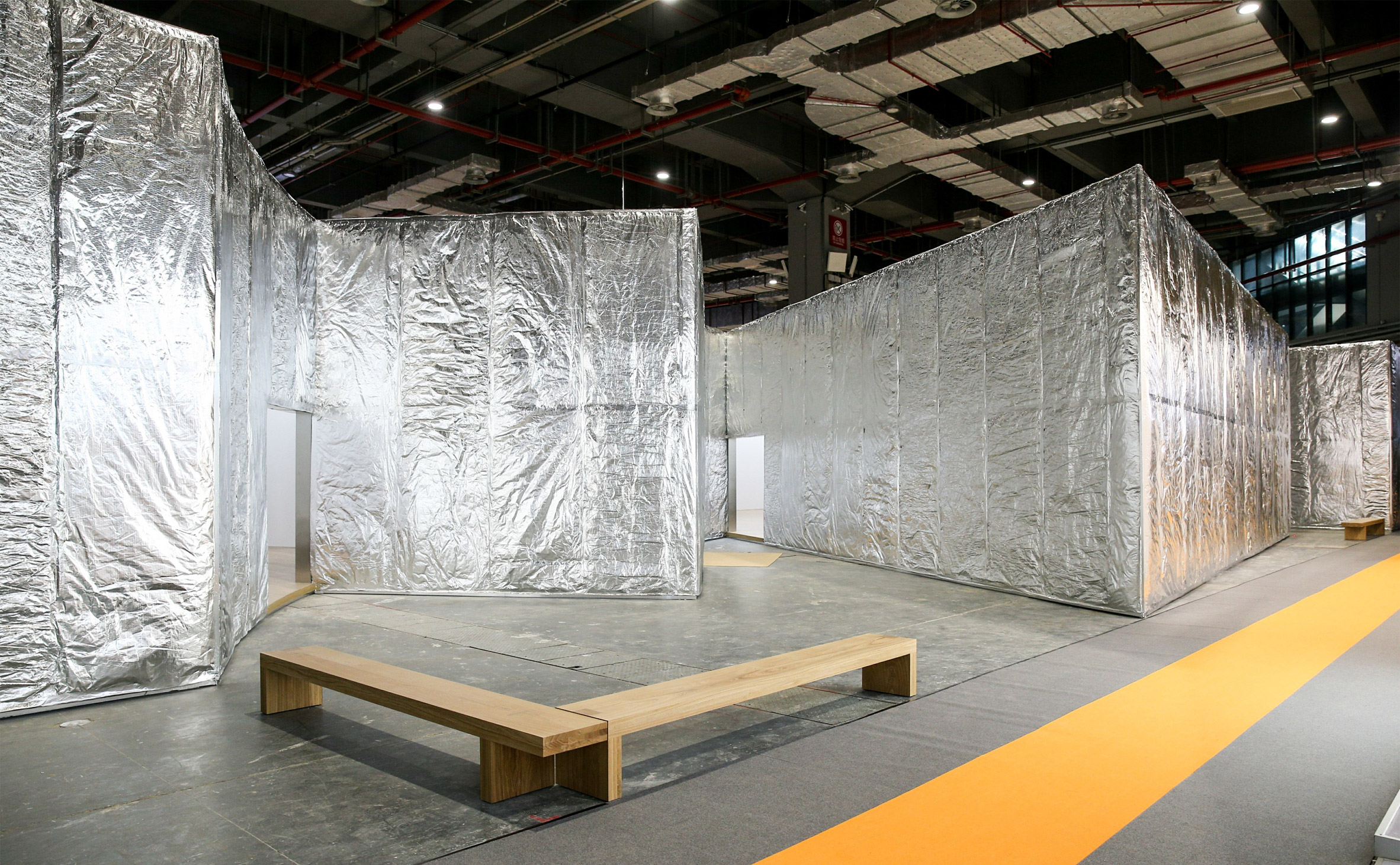
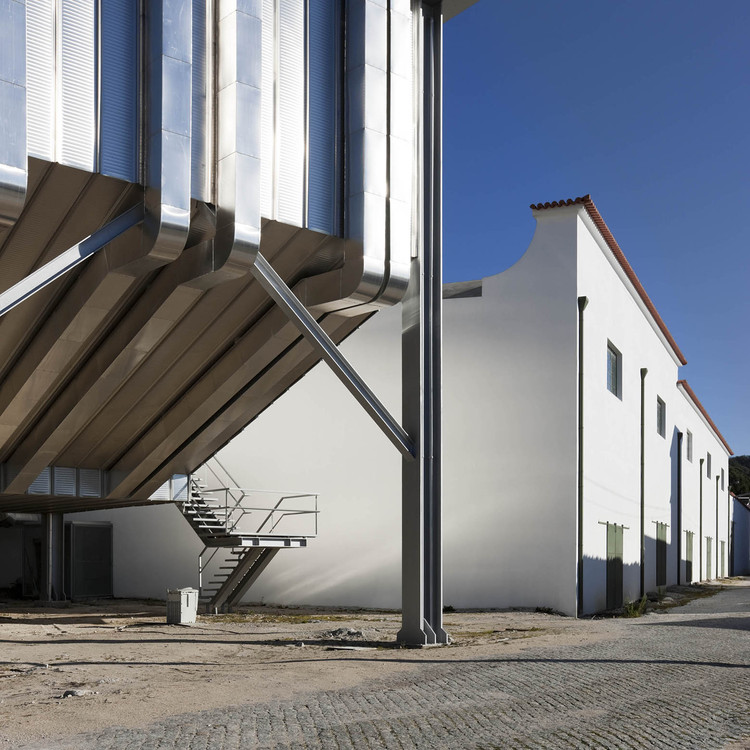
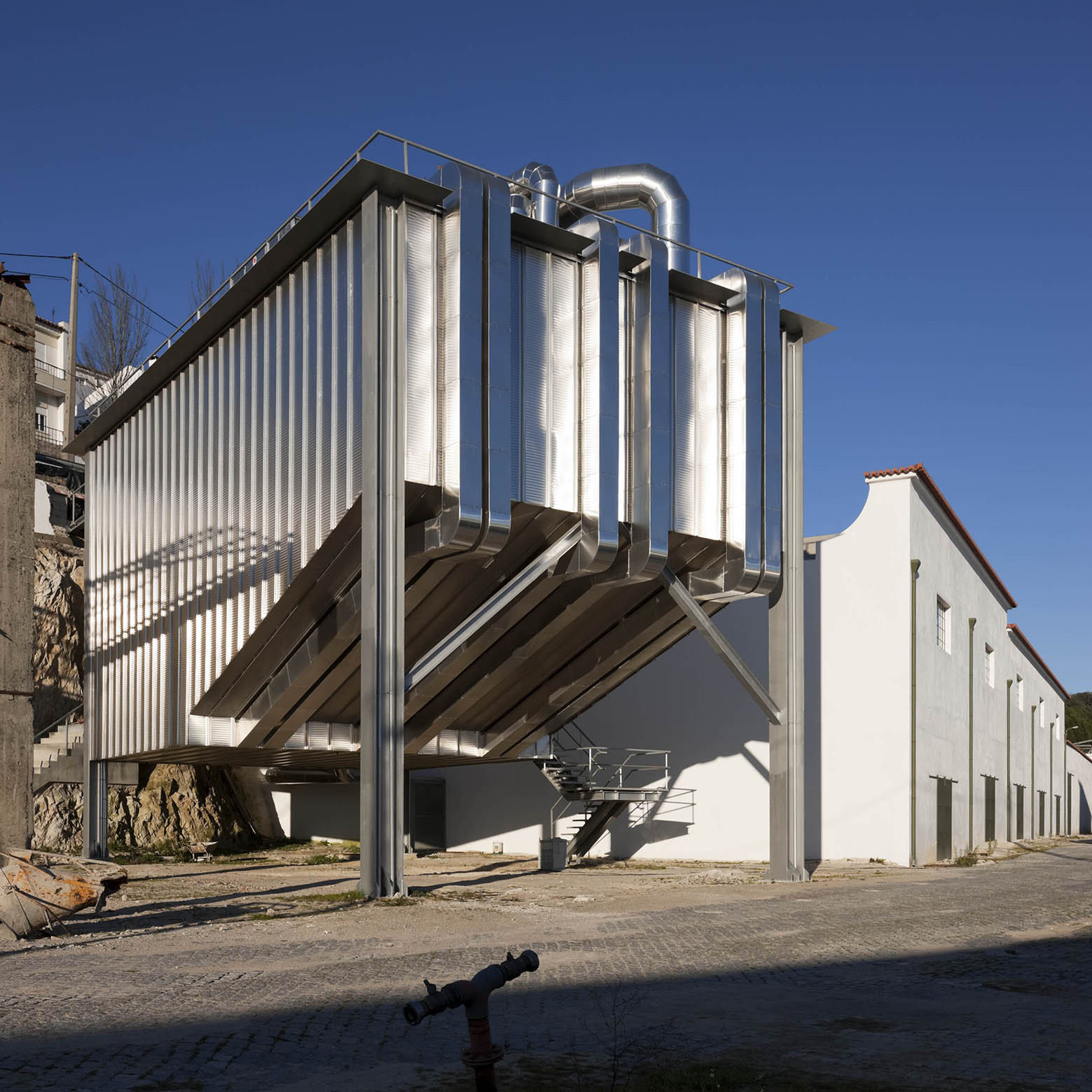
If in the previous projects metal acts as an interior finish or as an envelope, in the Auditorio A by Eduardo Souto de Moura and Graça Correia there is a change of scale, where metal comes to define the architectural volume itself. The building was conceived in direct relationship with its industrial context, taking as reference the “metal machines” present in the surroundings and making their infrastructures visible as part of the architectural composition. In this case, metal ceases to be merely a surface and becomes a constructive and conceptual principle capable of defining the presence of the building in the landscape. The architecture thus acquires a tectonic dimension, where matter expresses its own logic and the volume is understood as a precise, almost mechanical construction that establishes continuity between industry, architecture, and space.
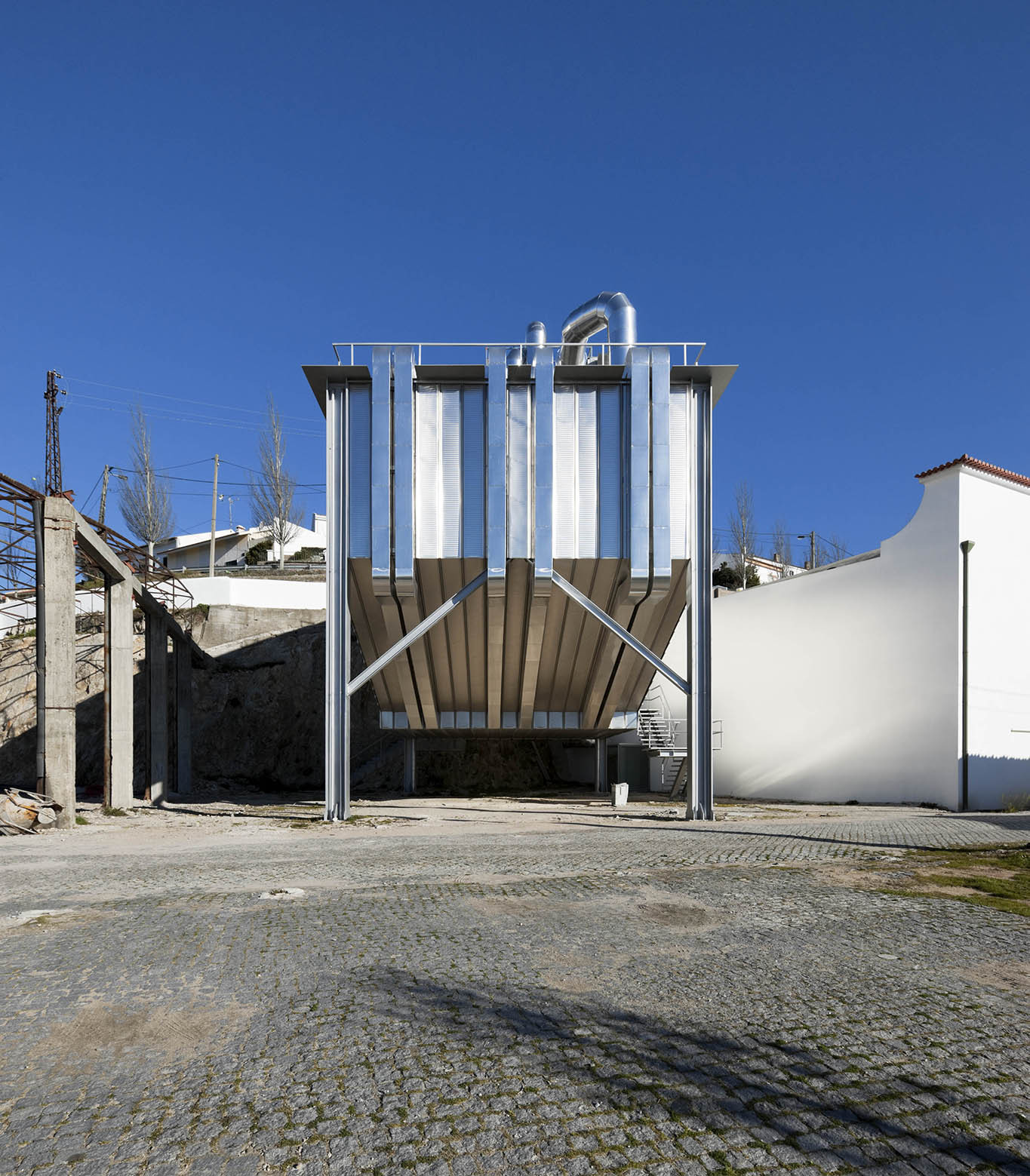
In all these projects, metal ceases to be a purely technical material and becomes an architectural element capable of defining spatial experience. Through its precision, its capacity for continuity, and its relationship with light, metal makes it possible to construct spaces where matter does not merely delimit architecture, but activates and qualifies it.
MArch Valencia. Arquitectura y Diseño
© 2026 MArch Valencia. Arquitectura y Diseño
Privacy policy | Cookies policy | Terms of use