



Set design in cinema: When architecture and space narrate the story
DATE
04.09.2026
Production design and interior architecture have never been mere backdrops in cinematic storytelling; they constitute another character capable of articulating the protagonists’ psychology, setting the tone of an era, and projecting unforgettable sensory atmospheres. The careful selection of iconic furniture and the intentional use of space turn the screen into a masterclass in design history. Through this journey across eleven memorable settings, we analyze how contemporary and classic cinema has transformed inhabited space into a fundamental dramatic tool.
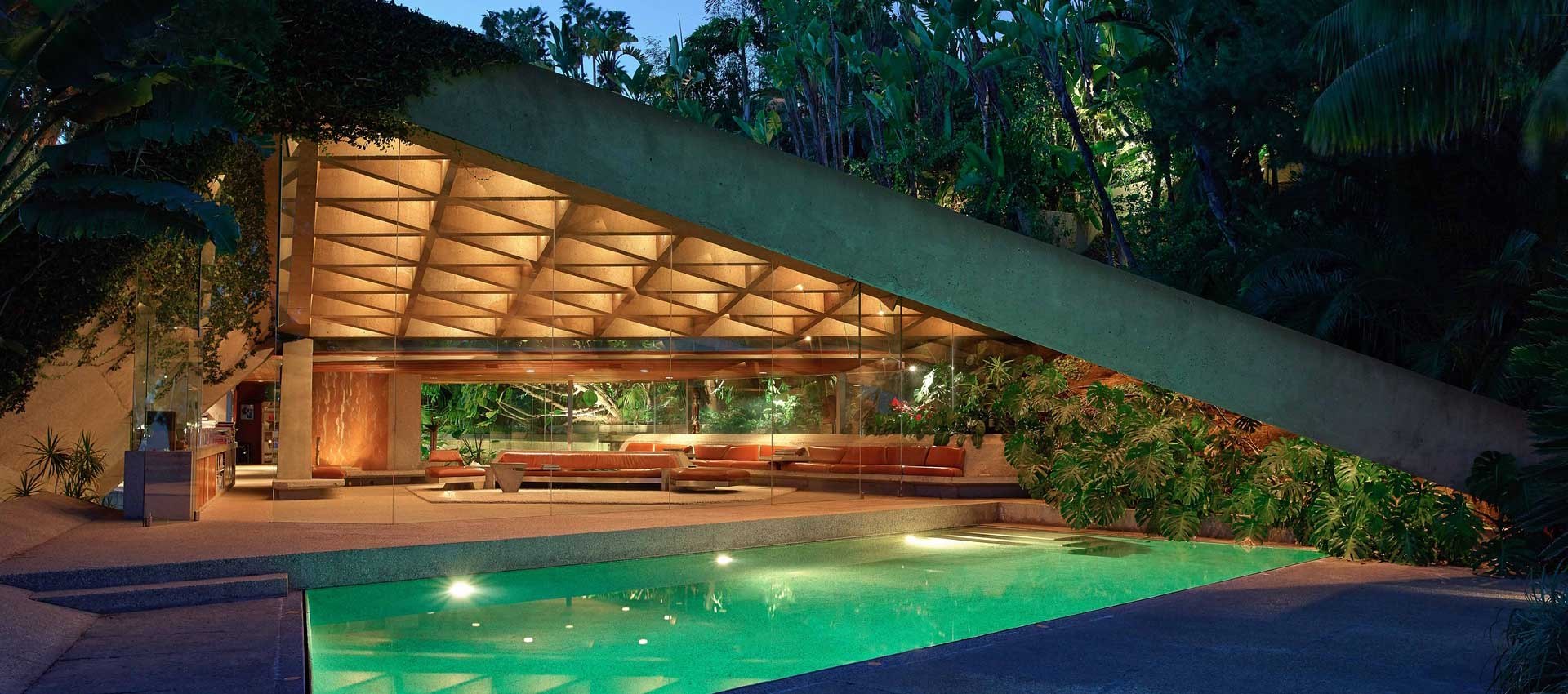
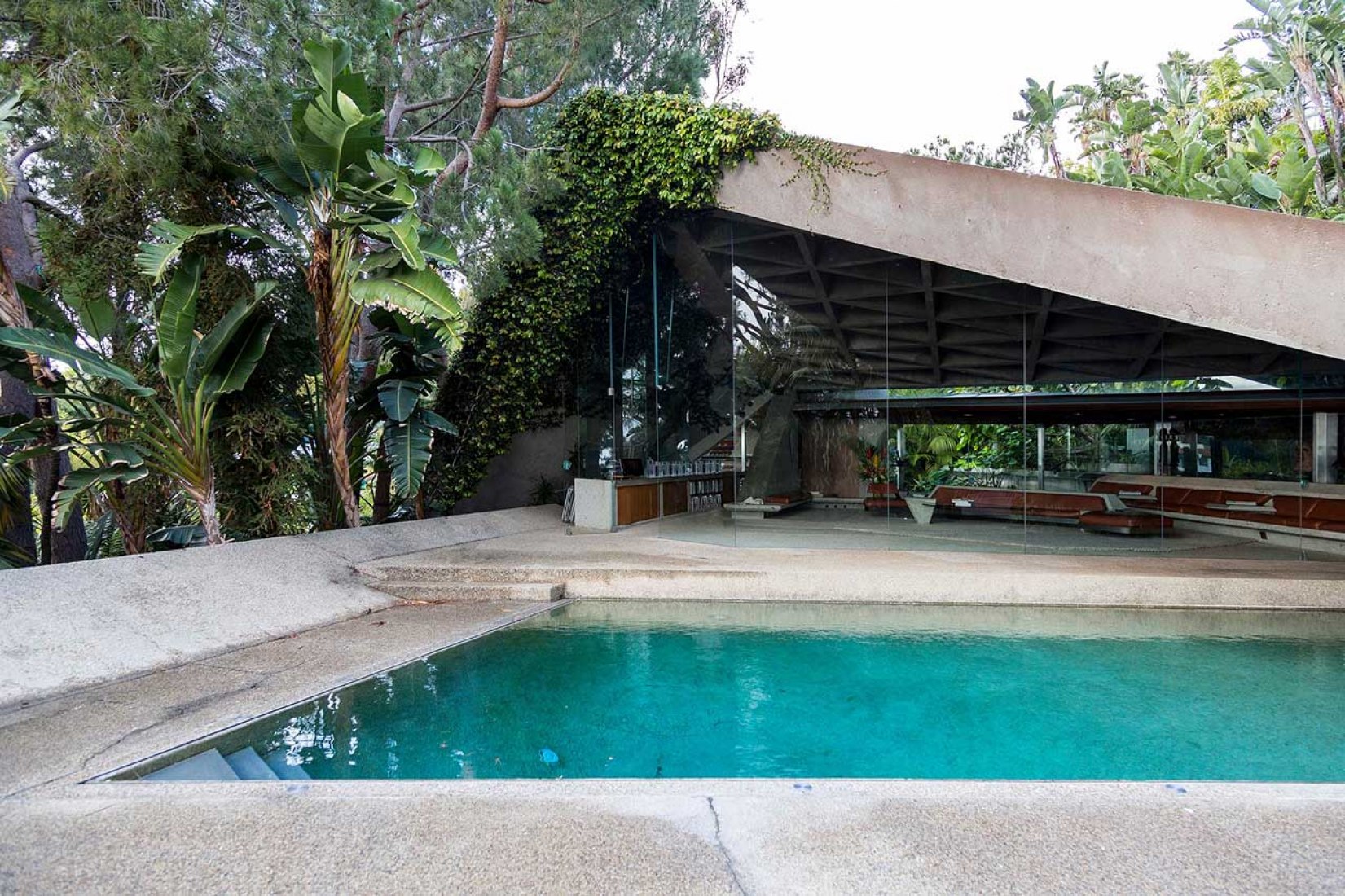
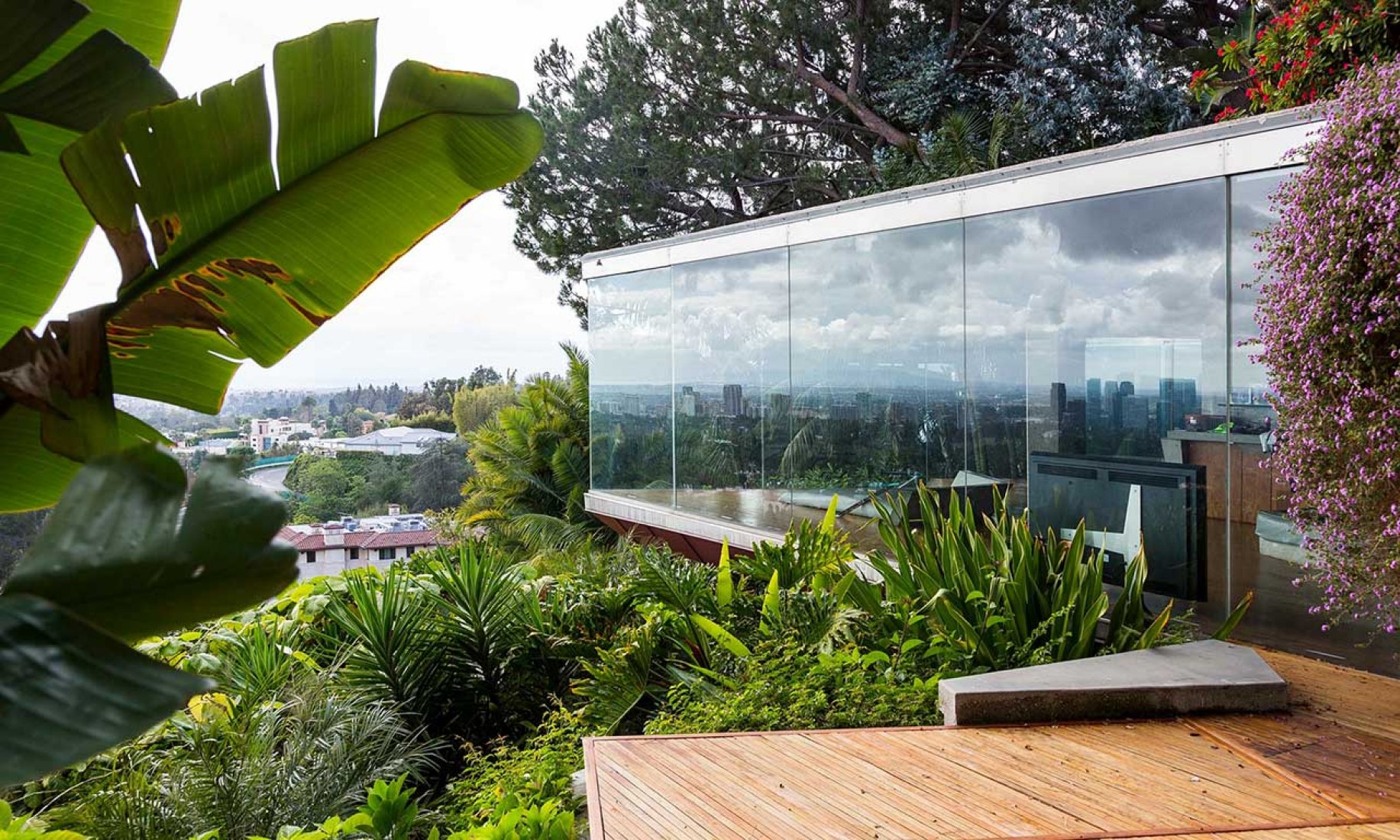
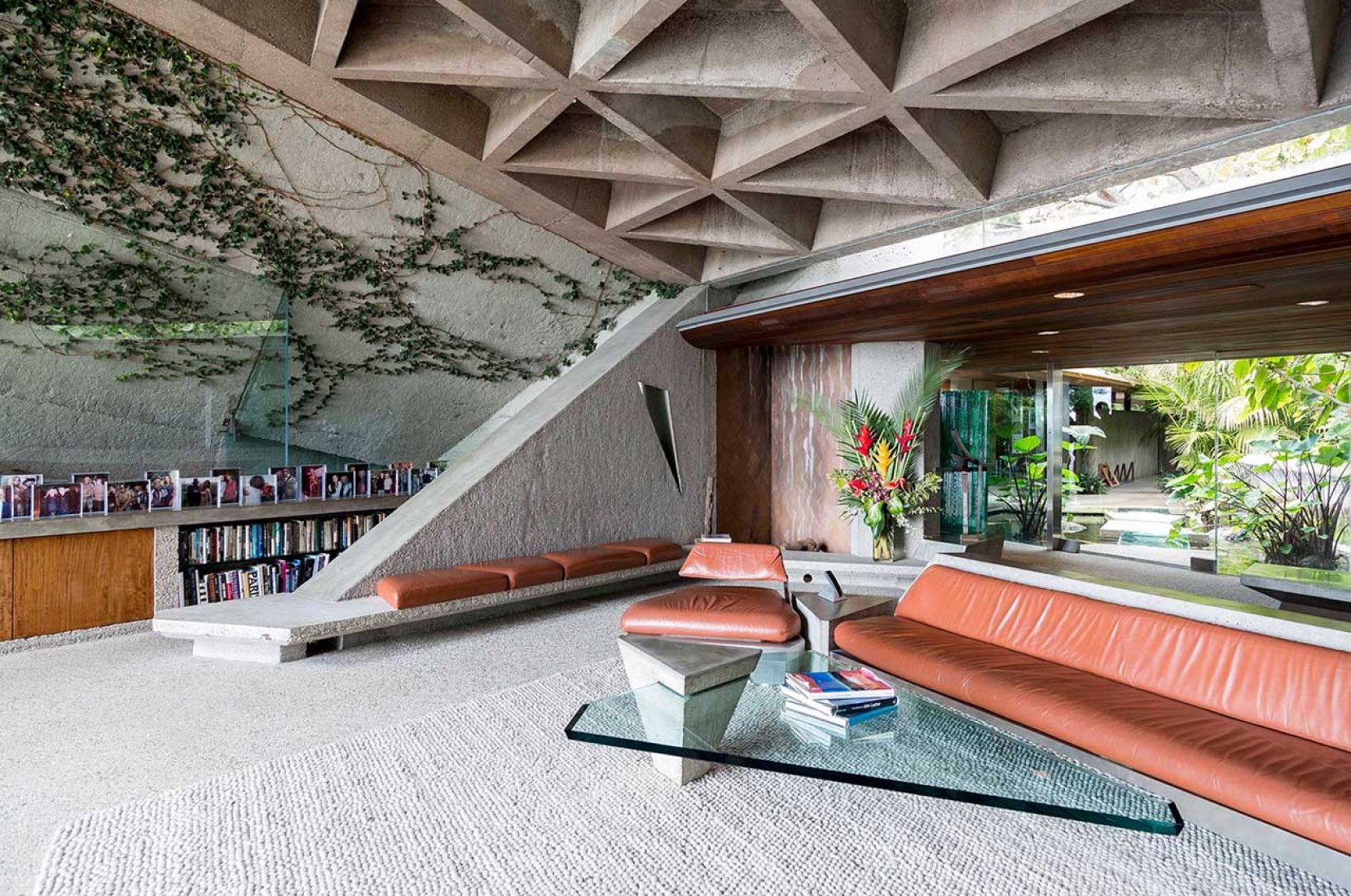
Joel and Ethan Coen immortalized the famous Sheats-Goldstein House—designed by architect John Lautner in 1963—in The Big Lebowski. Serving as the home of shady producer Jackie Treehorn, this real Los Angeles residence (later donated to the LACMA museum) stands out for its angled concrete roofs and custom built-in furniture designed by Lautner himself, which dialogues with pieces like the iconic wood-and-glass coffee table by Isamu Noguchi. It creates an atmosphere of organic architectural luxury that aligns seamlessly with the Coens’ satire.
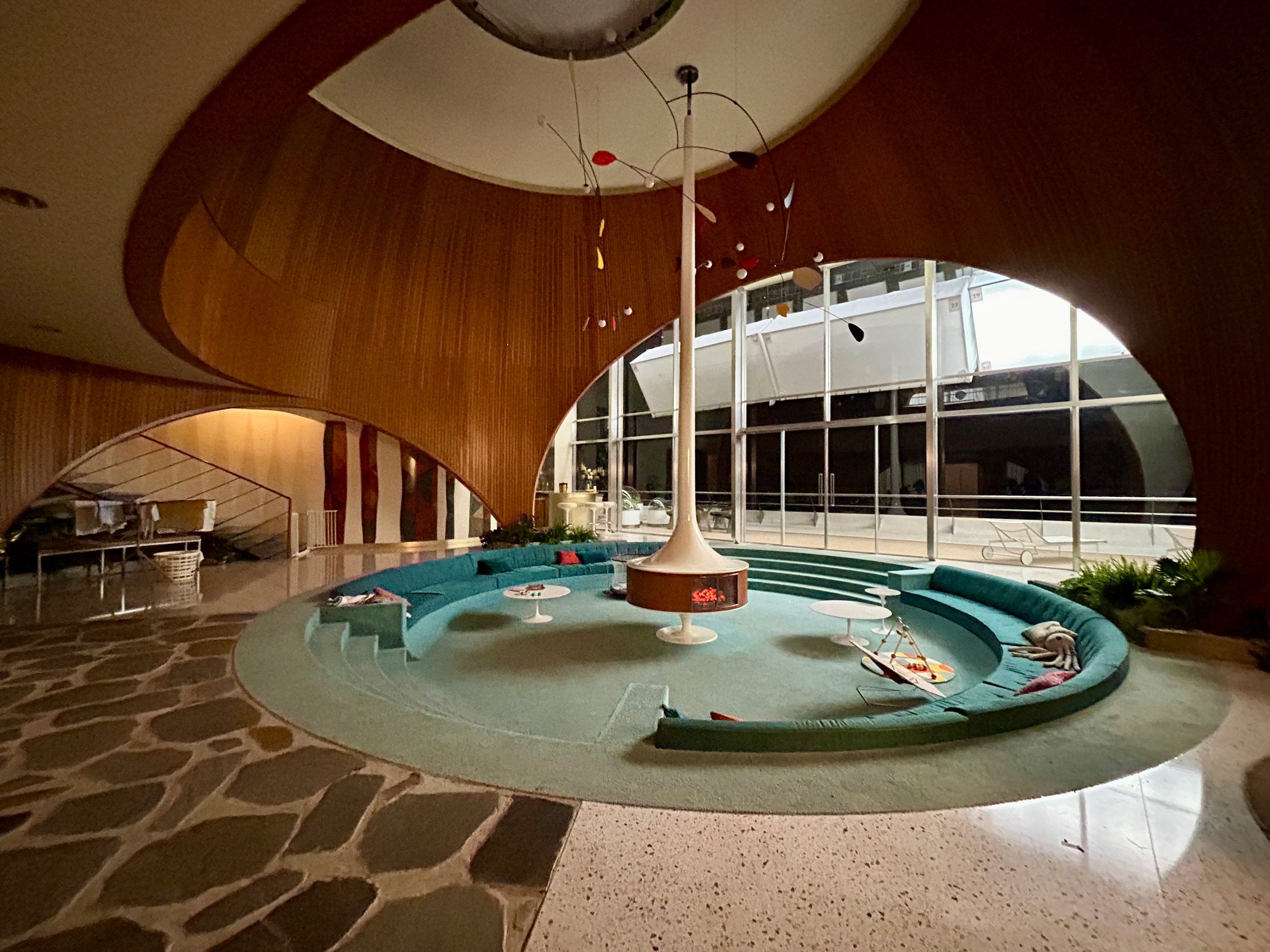
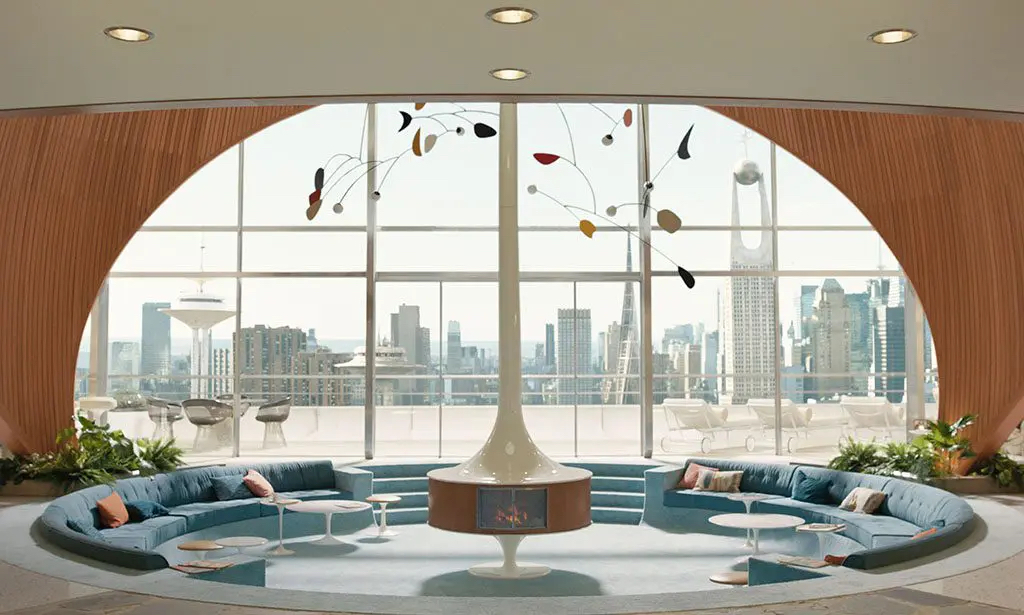
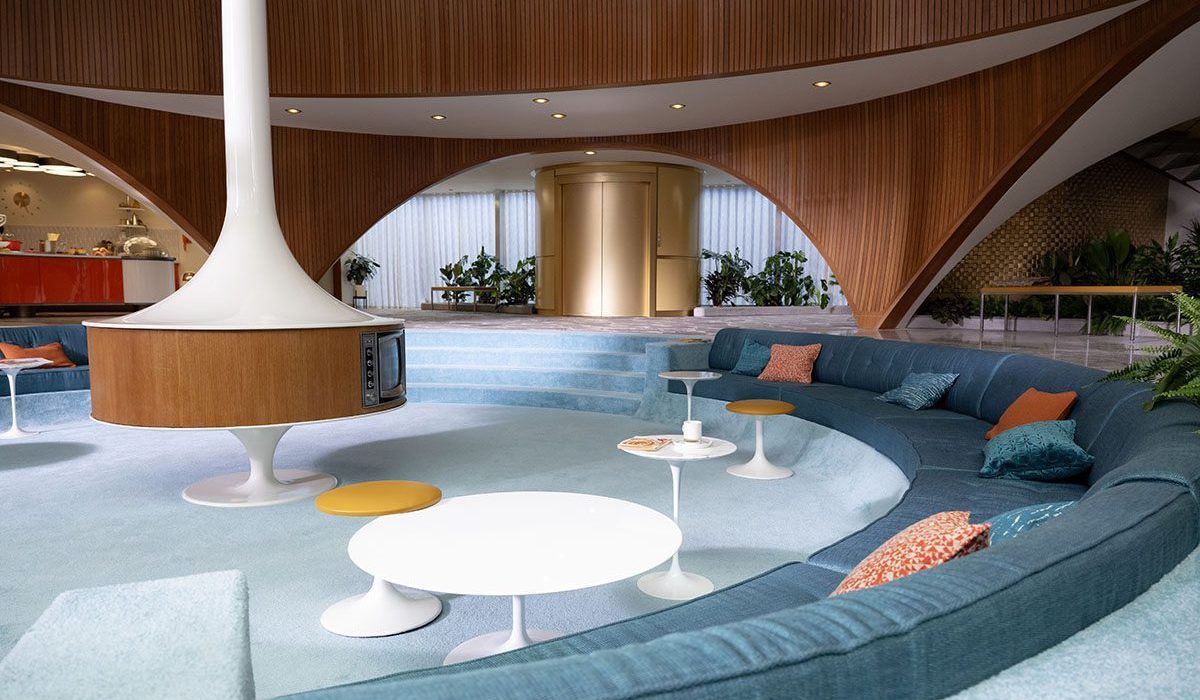
In The Fantastic Four: First Steps, directed by Matt Shakman, the art direction embraces a captivating retro-futuristic aesthetic that pays homage to the mid-20th-century space-age optimism. The protagonists’ apartment is a soundstage designed to evoke the language of architect Eero Saarinen and the Knoll brand, integrating organic shapes inspired by key period pieces such as the Womb Chair and Tulip tables. The set design transcends mere pop nostalgia to build a home that feels as avant-garde as it is welcoming, reflecting the scientific and visionary spirit of its inhabitants.
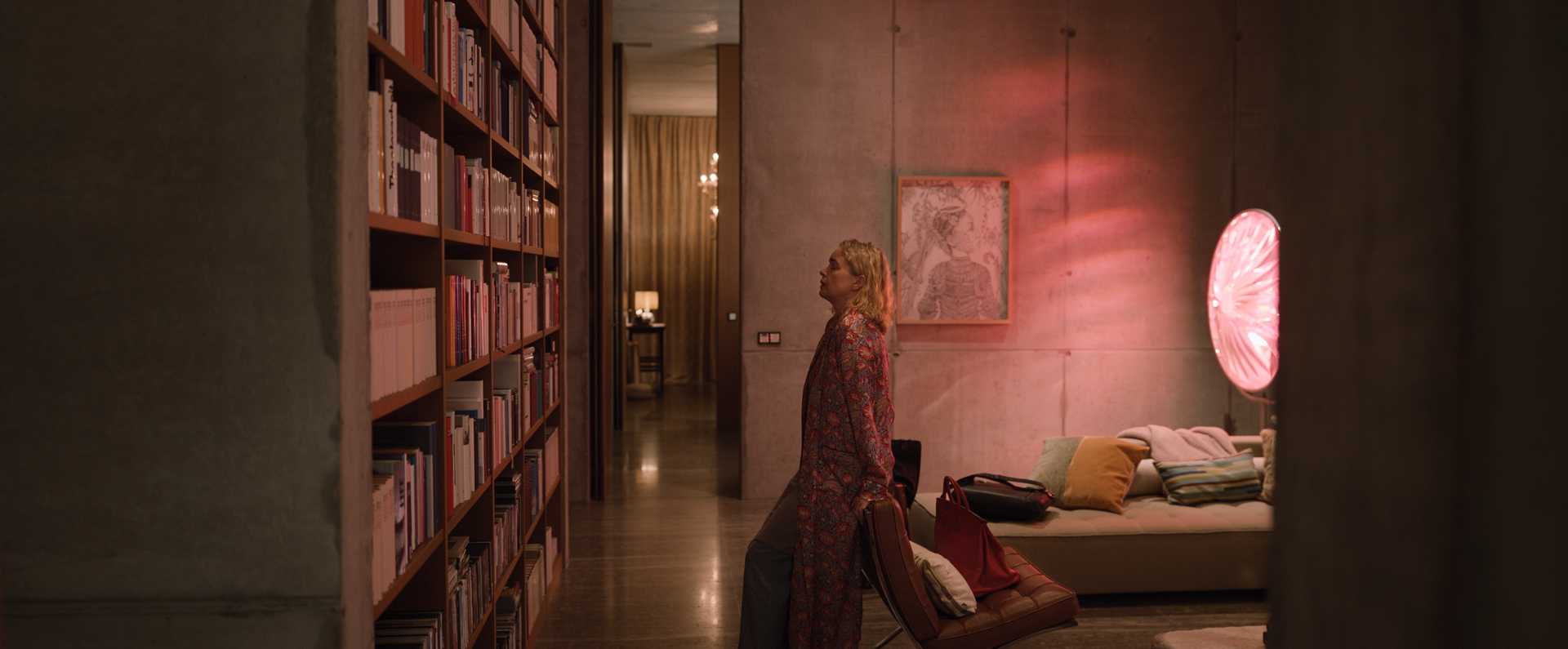
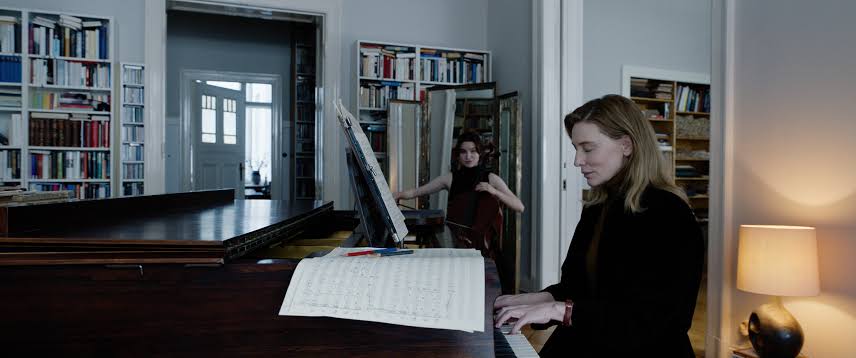
In Tár, directed by Todd Field, the Berlin apartment of renowned orchestral conductor Lydia Tár serves as a direct extension of her perfectionist, rigorous, and dominant personality. Set in a real residential location in Berlin with interior design by production designer Marco Bittner Rosser, the brutalist, muted-tone space is structured with fundamental modern design pieces, such as the Wishbone chairs (CH24) by Hans J. Wegner and the understated Parentesi lamp by Achille Castiglioni and Pio Manzù. The visual coldness of the set projects an aura of absolute control that fractures as the narrative unravels.
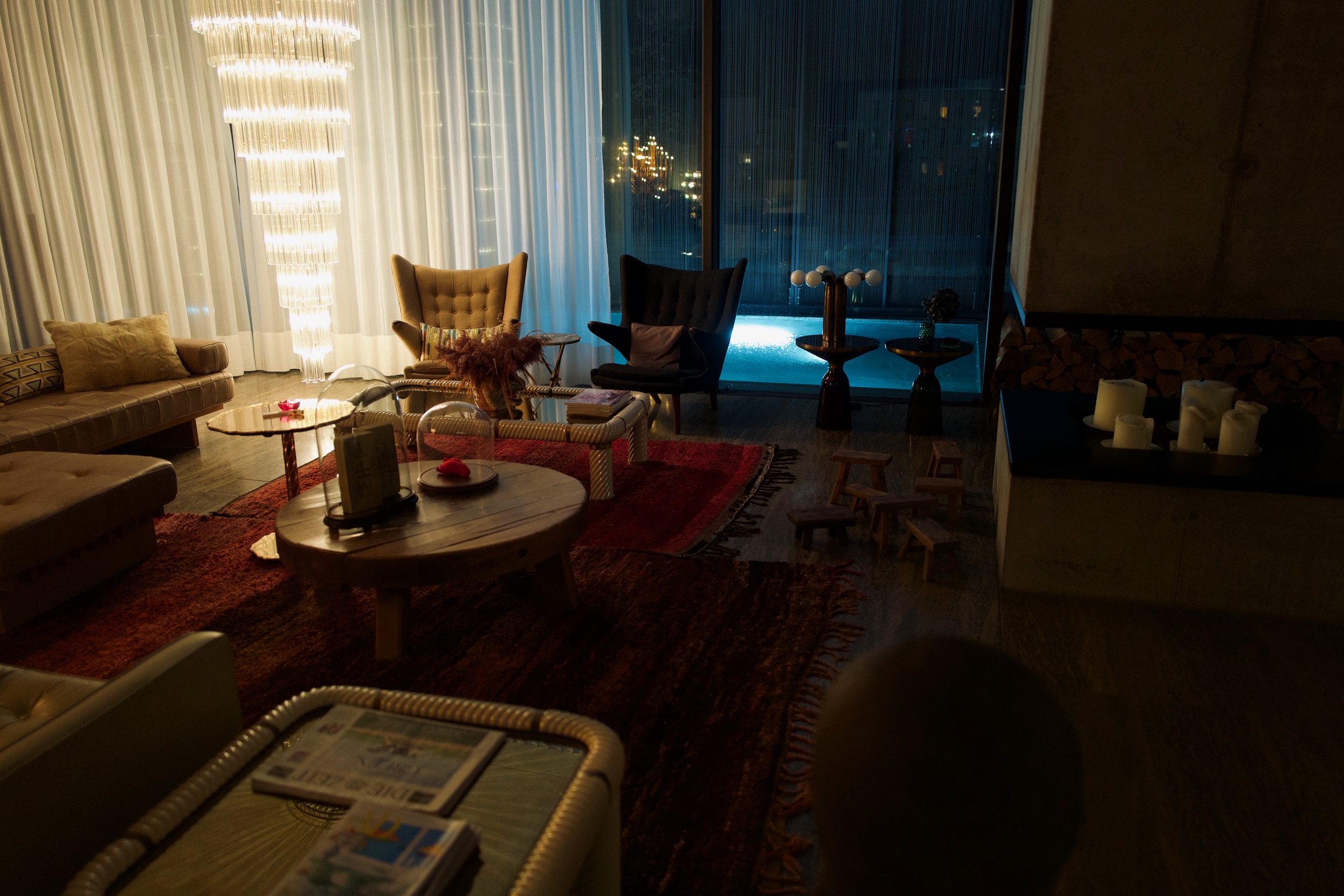
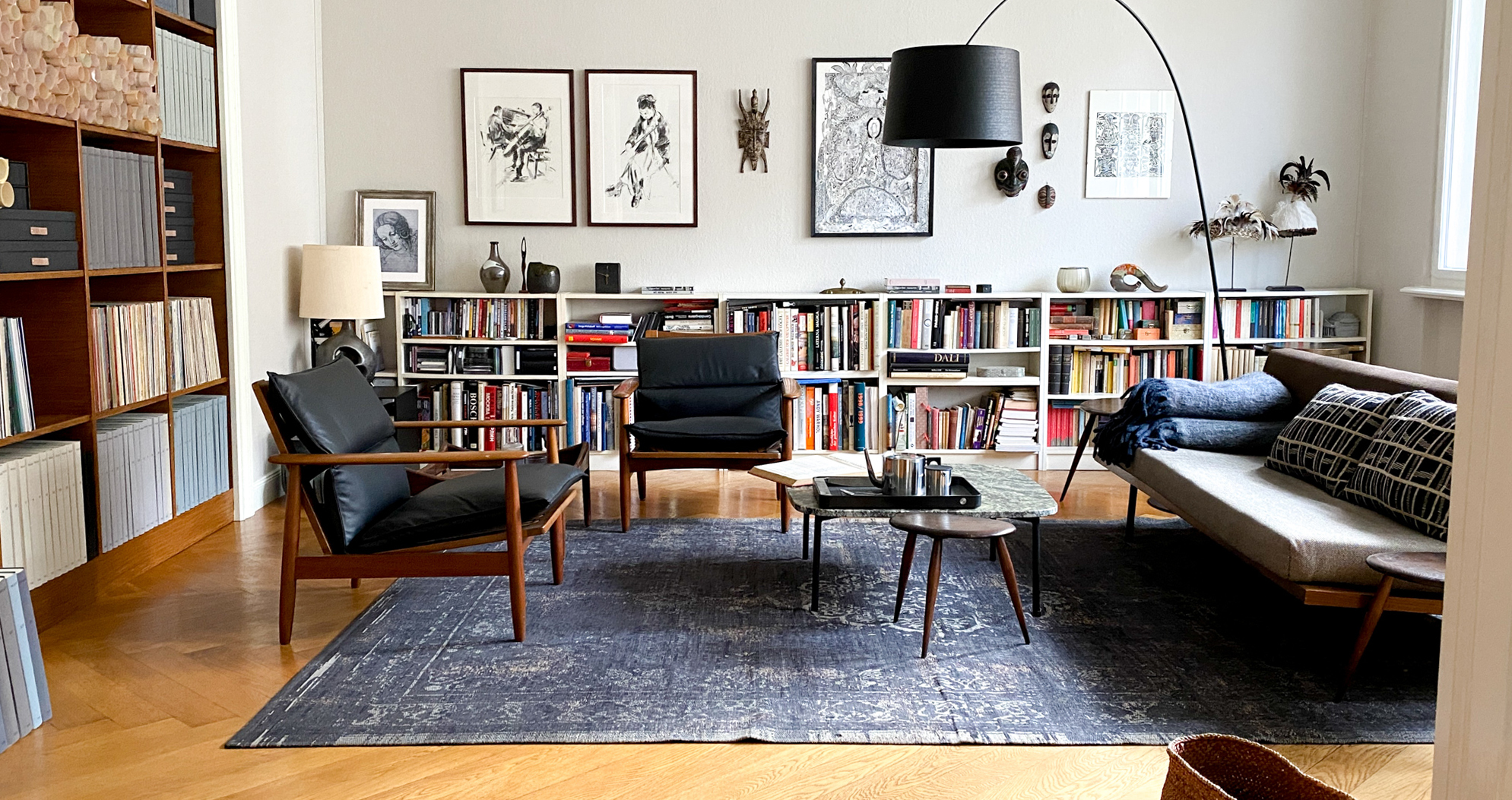
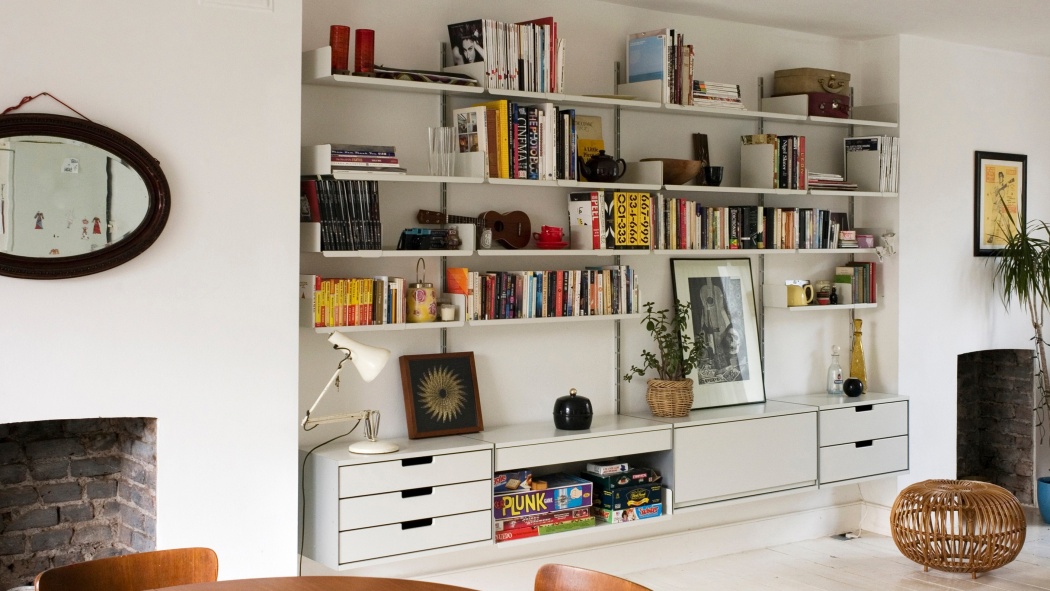
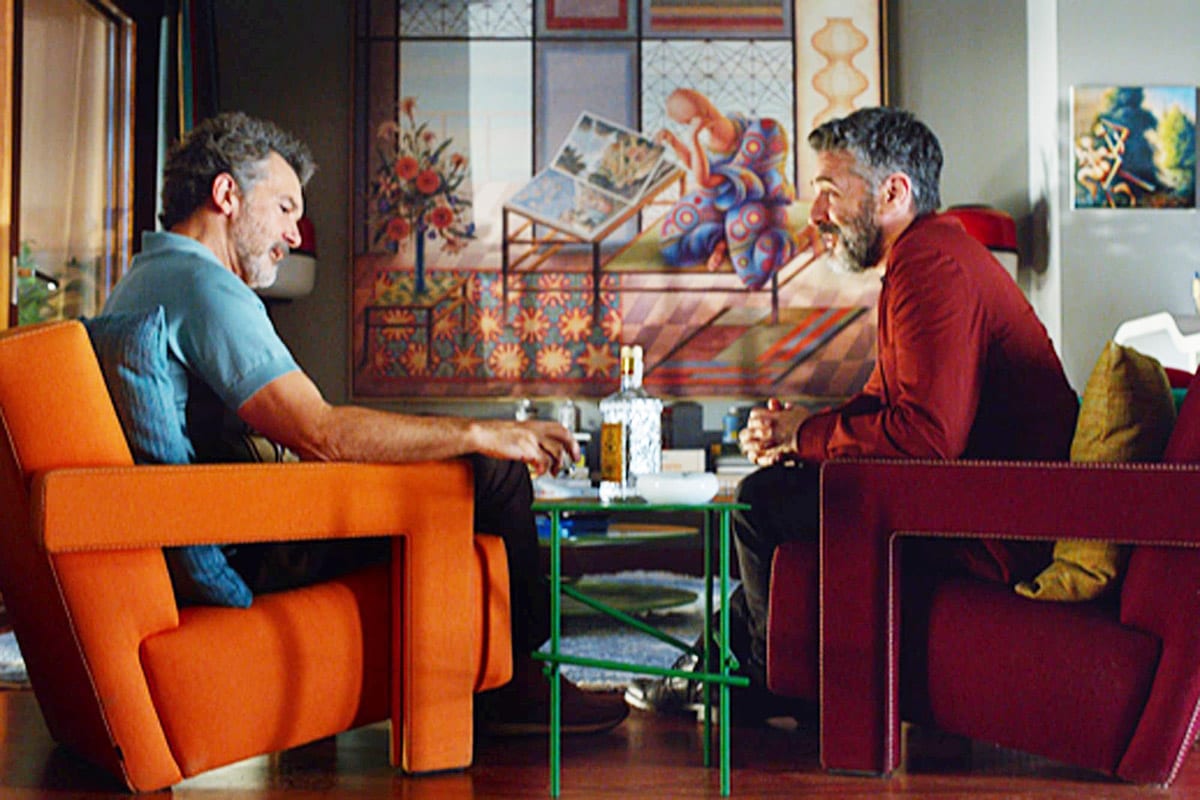
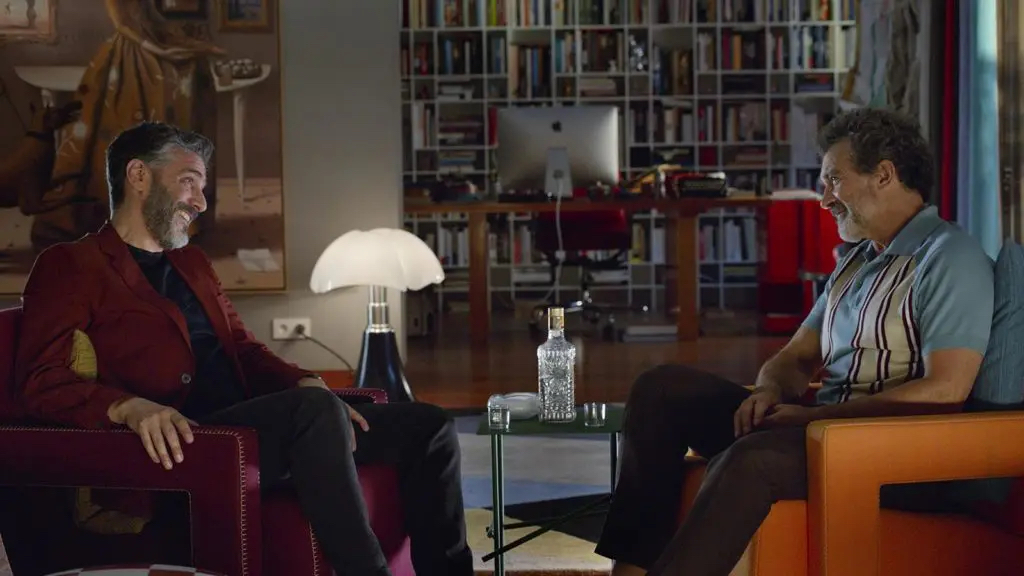
Pedro Almodóvar has turned art direction into one of the most recognizable hallmarks of Spanish cinema, often drawing upon furniture and appliances from the Alfaro Hofmann collection for his films. In Pain and Glory, the director went a step further and replicated his own Madrid home on a soundstage, lending his personal furniture and artwork for the shoot. The result is a masterclass in authentic interior design, featuring the iconic Utrecht armchair by Gerrit Rietveld in red fabric, the famous Eames Lounge Chair by Charles and Ray Eames, the Pipistrello lamp by Gae Aulenti, and the 606 Universal Shelving System by Dieter Rams. The space thus functions as a sanctuary of creativity and living memory.
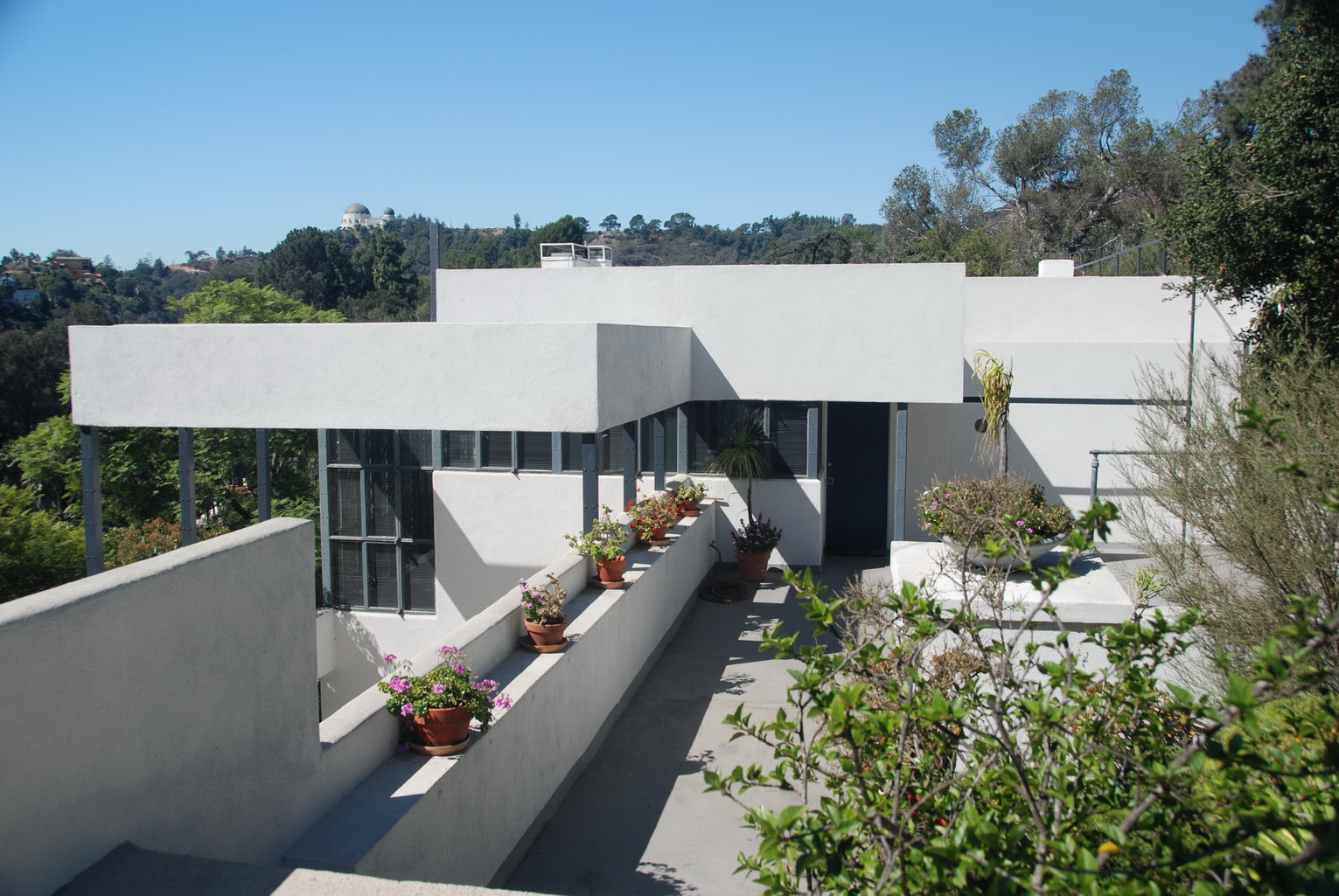
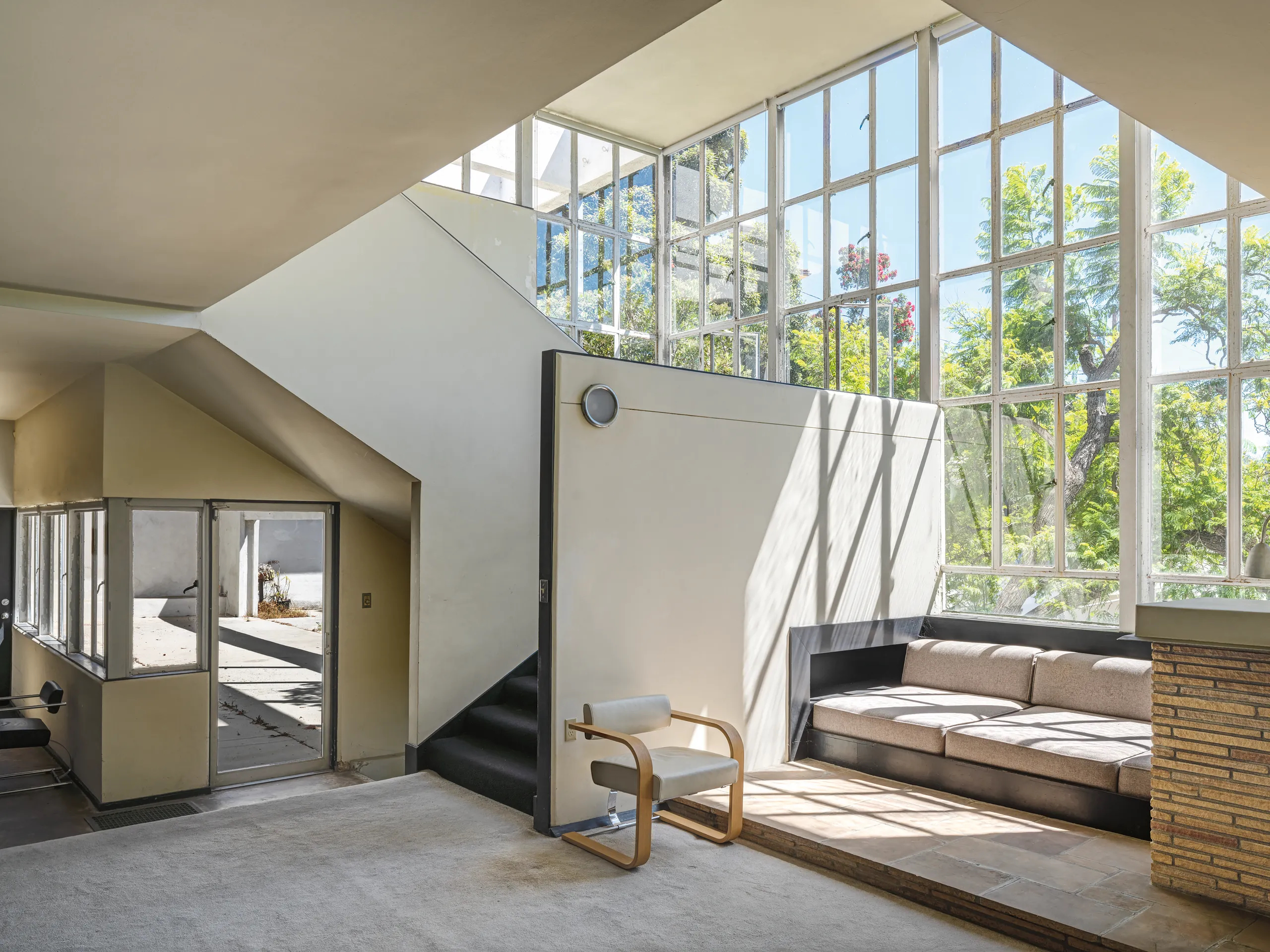
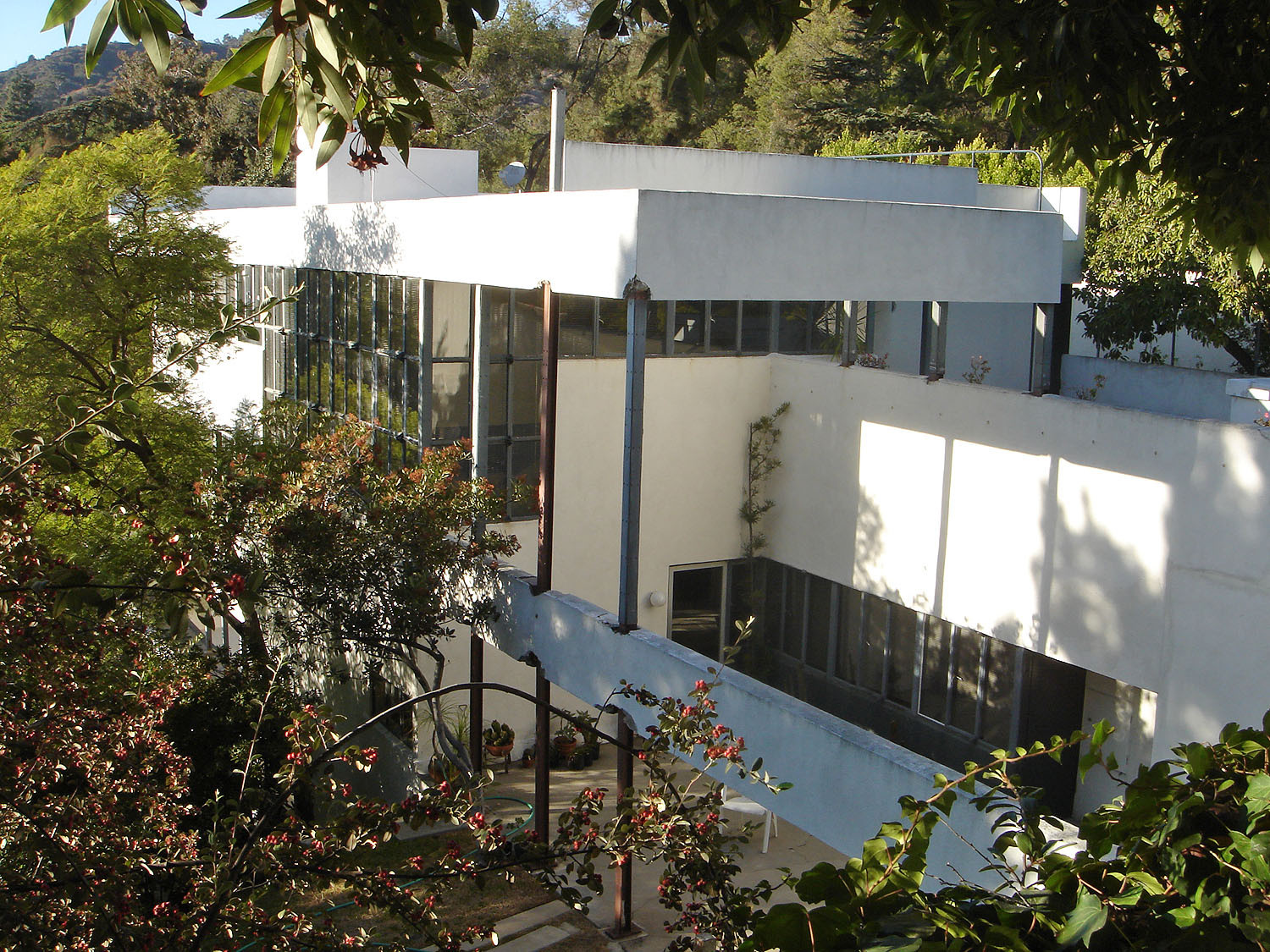
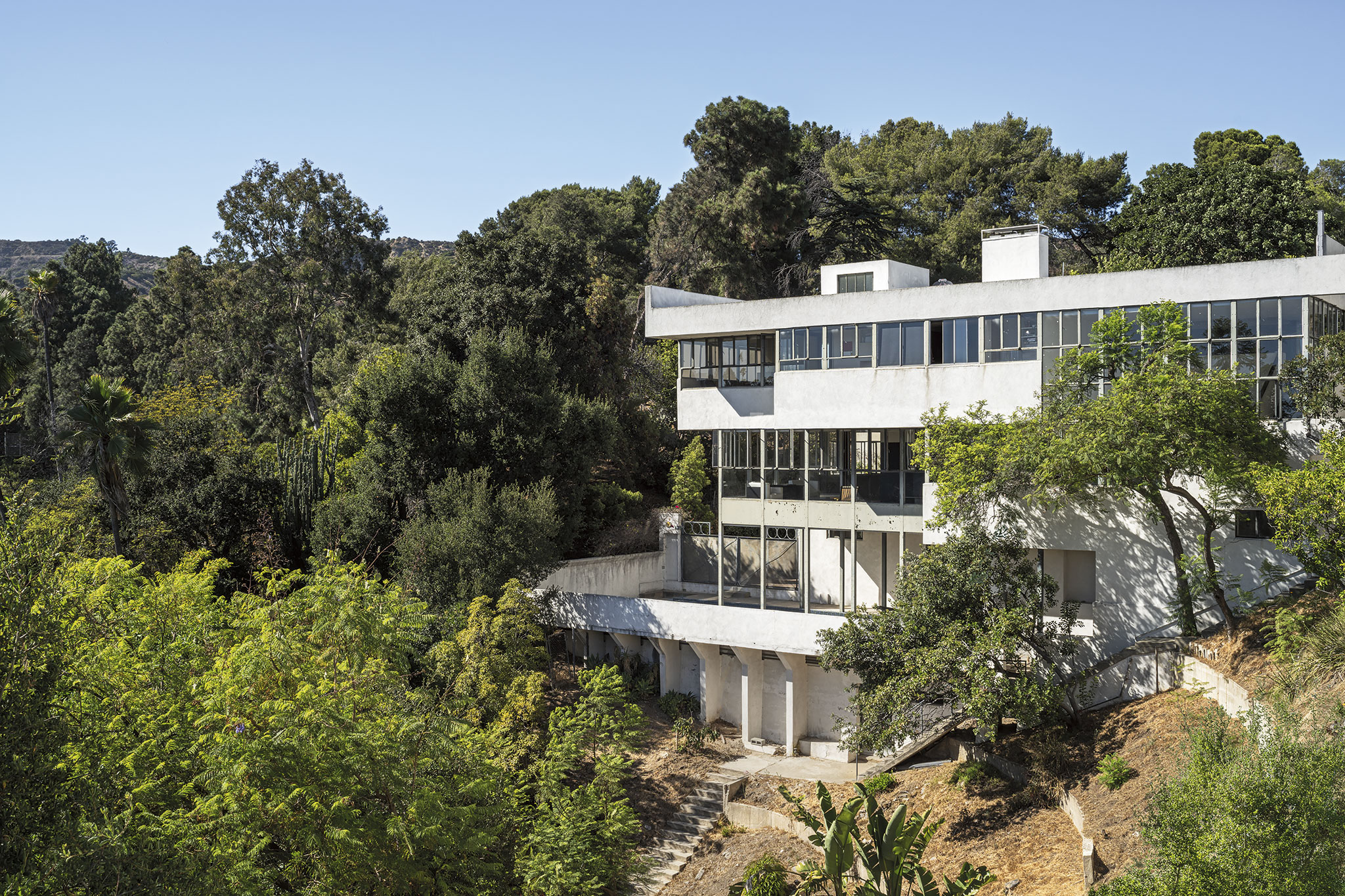
In L.A. Confidential, Curtis Hanson turns to a genuine masterpiece of Rationalism: the Lovell Health House, designed by architect Richard Neutra in 1929. Serving as the residence of the enigmatic Pierce Patchett, the house showcases the elegance of the International Style with its steel structures and glass cantilevers. For the film, the art direction dressed this architectural landmark by blending period furniture with tubular steel pieces inspired by Neutra’s own designs and LC2 armchairs by Le Corbusier, Pierre Jeanneret, and Charlotte Perriand, creating a fascinating contrast between architectural clarity and narrative corruption.
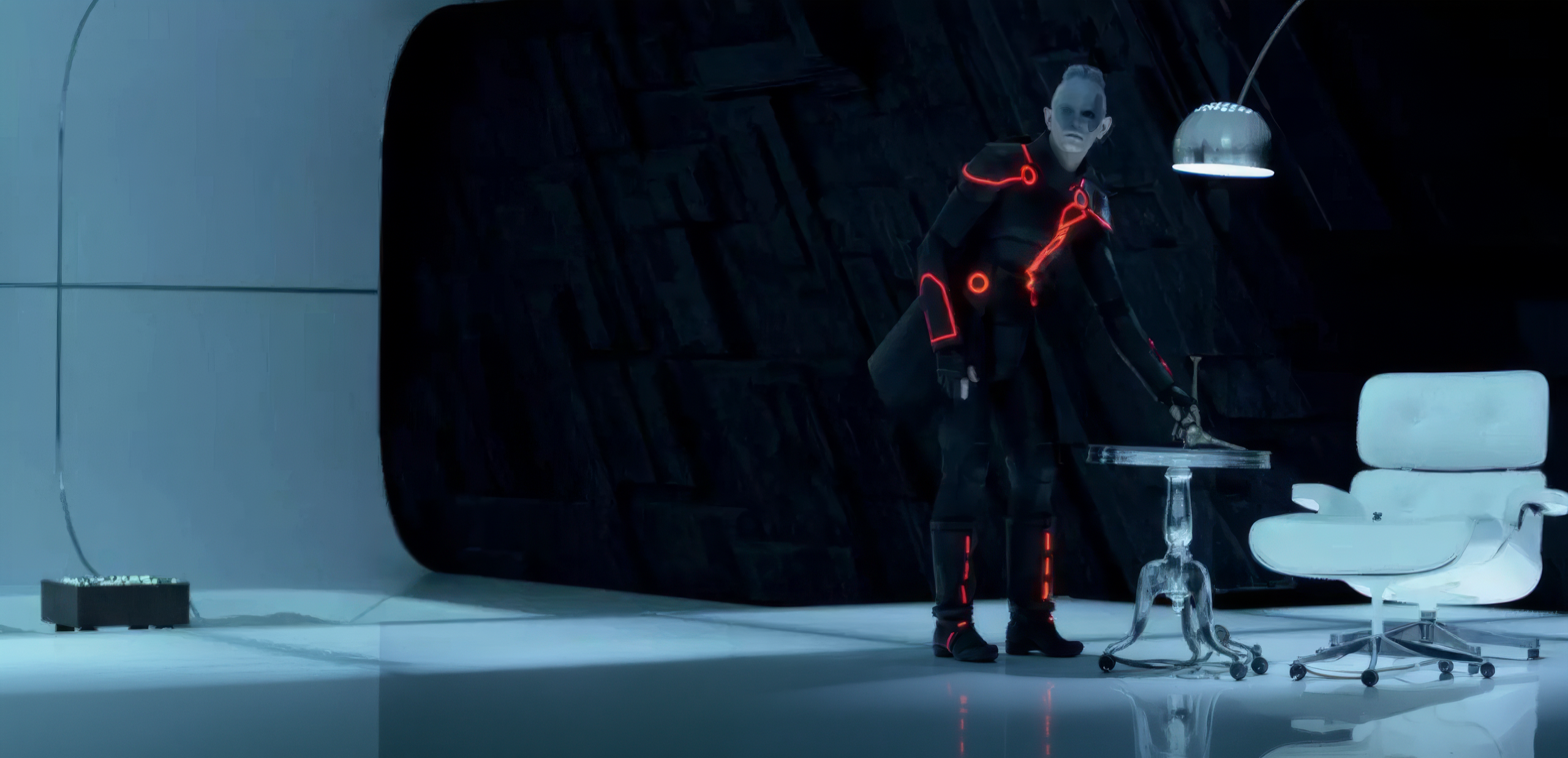
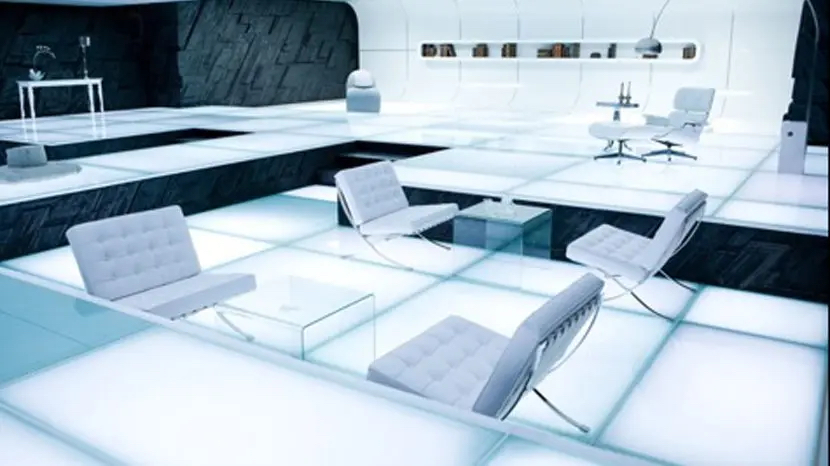
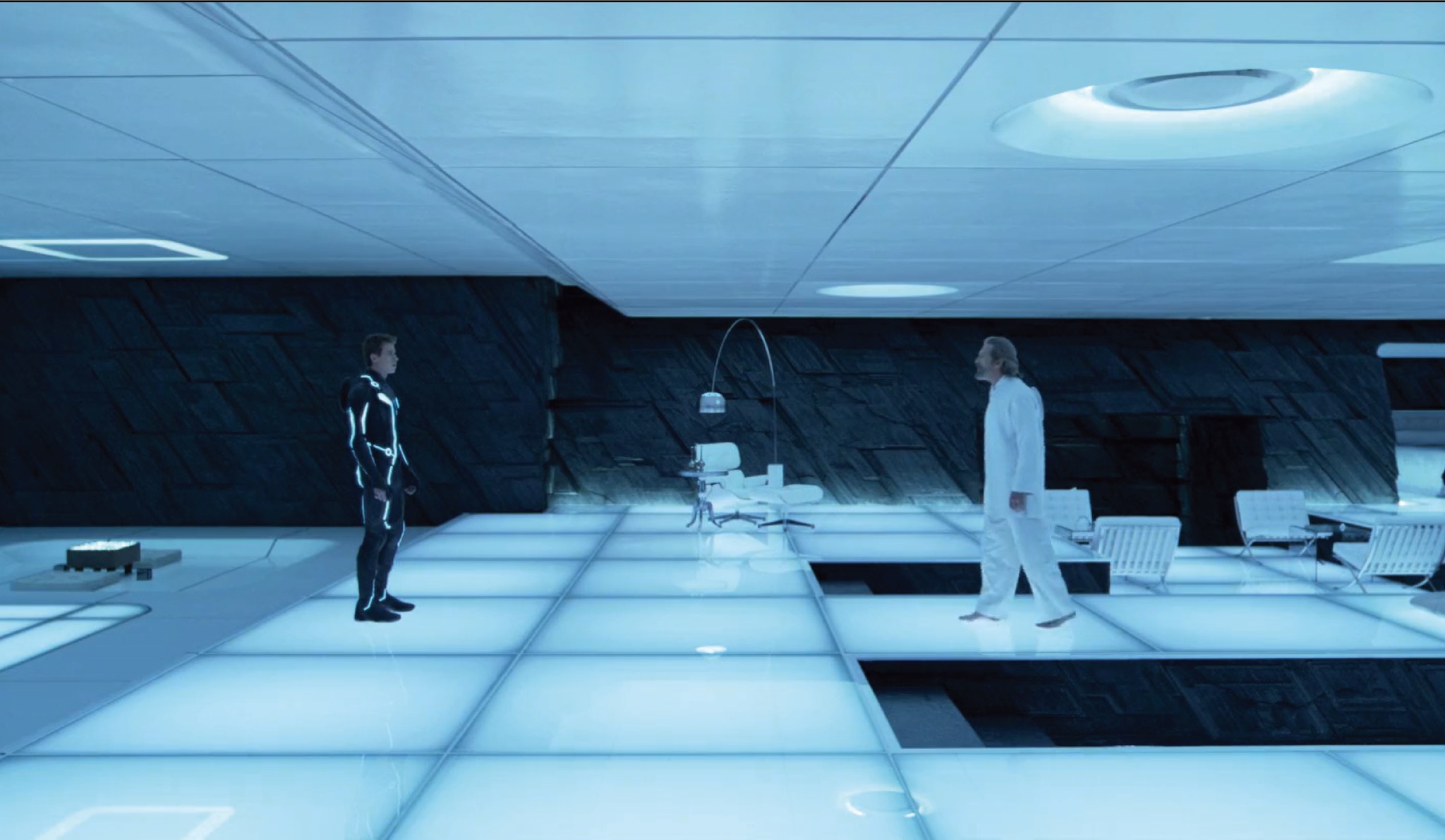
Under the direction of Joseph Kosinski, Tron: Legacy redefined science-fiction aesthetics through the design of its Digital Grid. Kevin Flynn’s virtual sanctuary features a neoclassical aesthetic fused with hyper-technological futurism. The set was outfitted with high-profile furniture to contrast with the coldness of the digital world, including the iconic Barcelona Chair by Mies van der Rohe, the La Chaise lounger by Charles and Ray Eames, the organic sculpture of the Panton Chair by Verner Panton and the Arco floor lamp created by Achille Castiglioni in 1962.
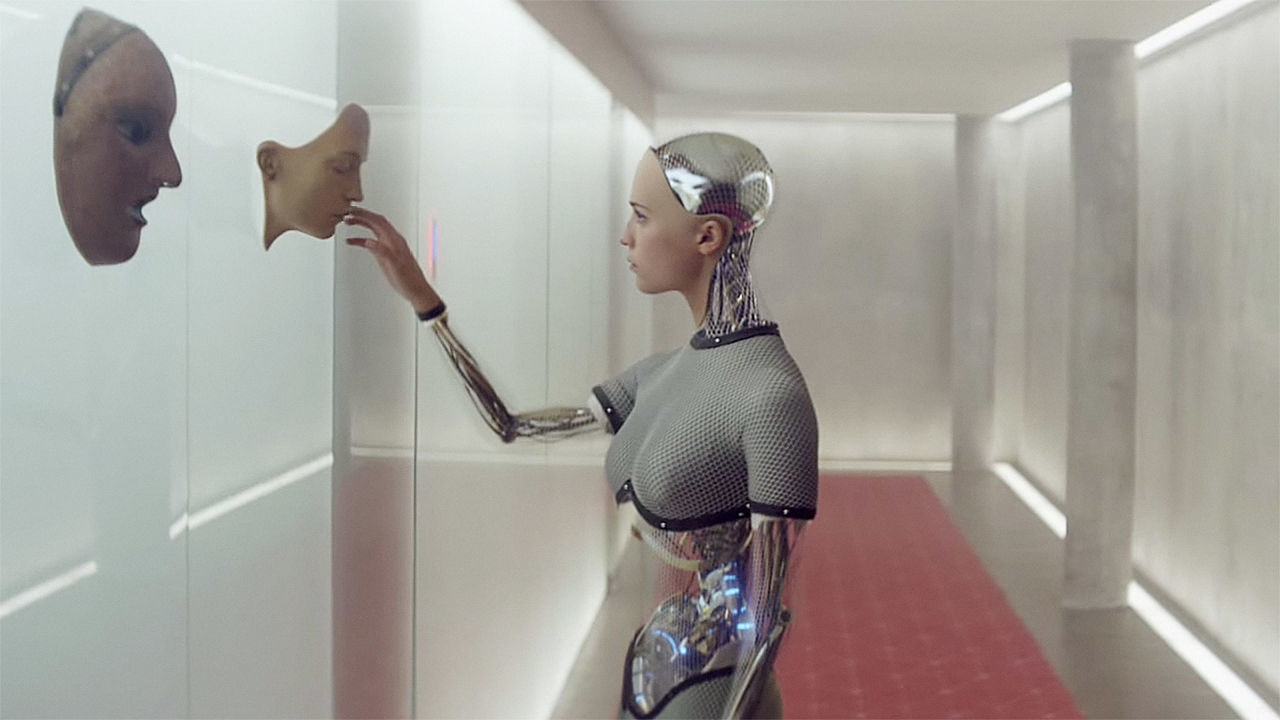
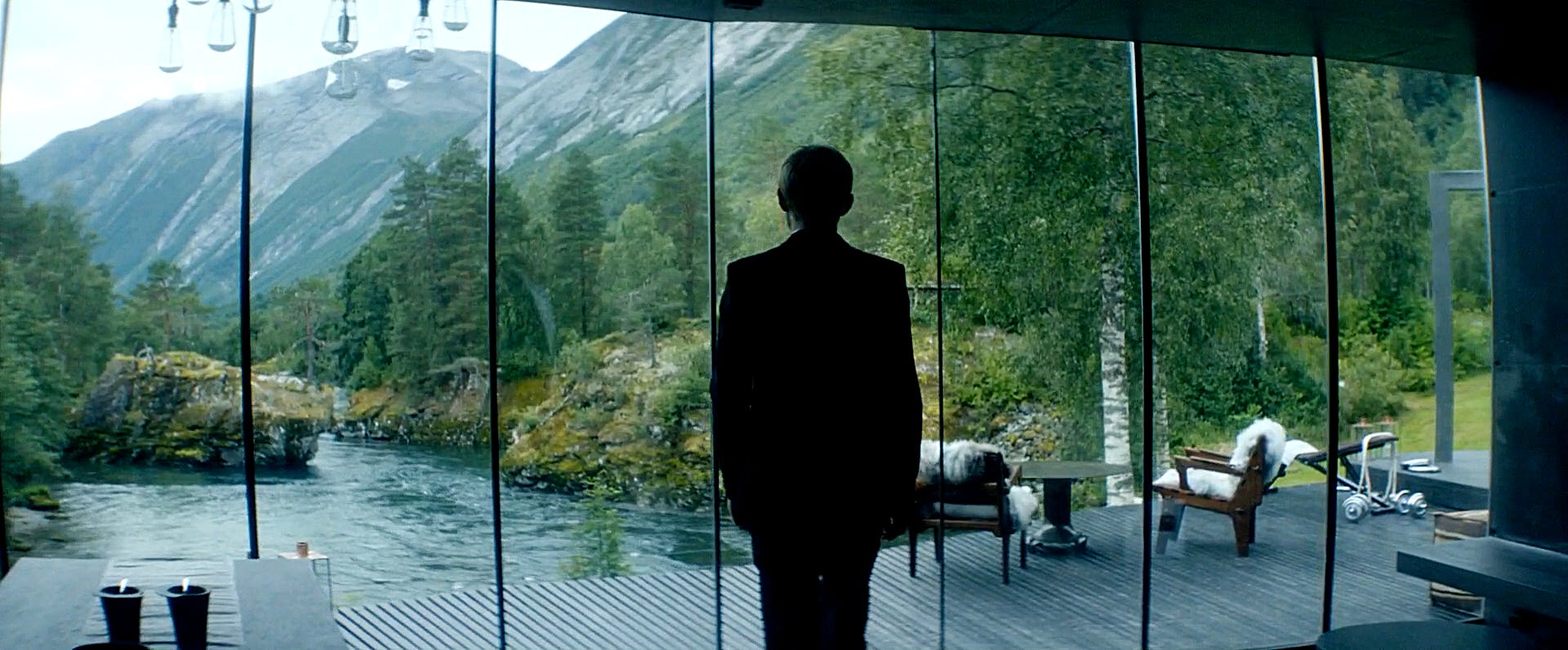
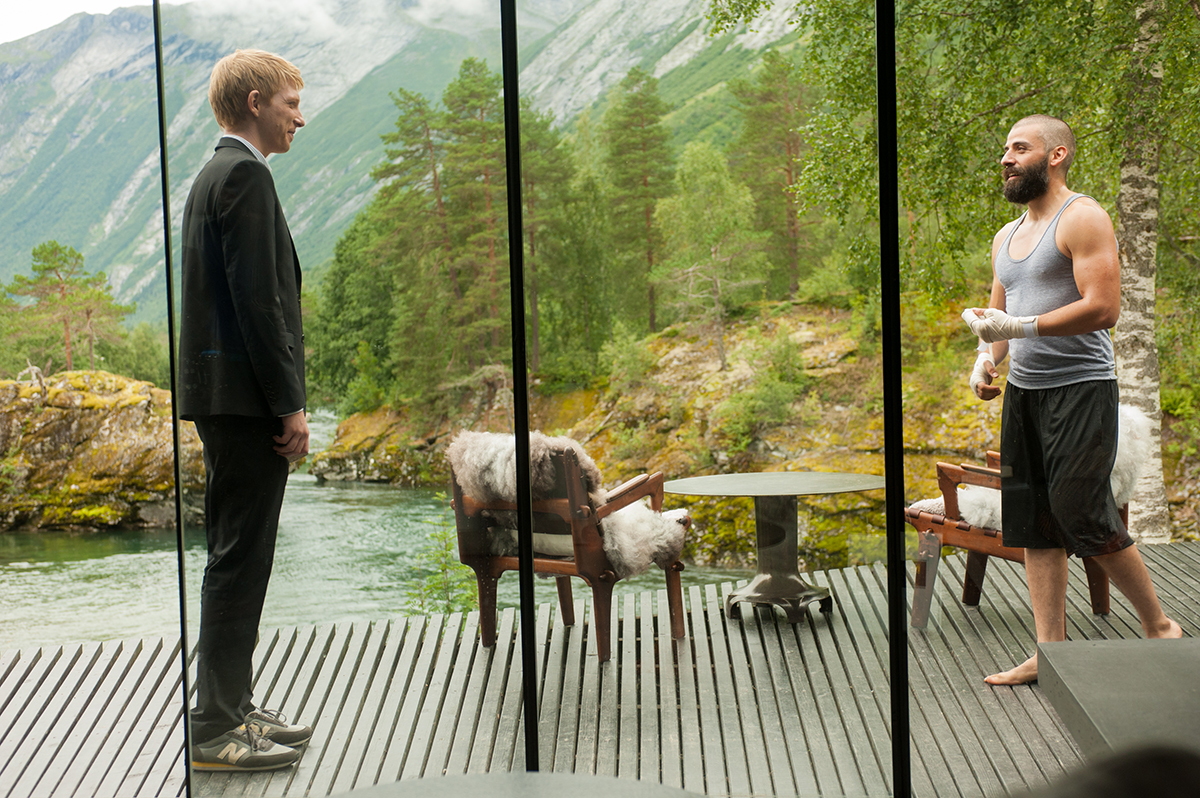
In Ex Machina, Alex Garland sets a tech-thriller in an environment where architecture directly dialogues with nature. The exteriors and parts of the rooms correspond to a real project: the Juvet Landscape Hotel in Norway, designed by the architecture firm Jensen & Skodvin. Combining this real-world location with interior concrete-and-glass soundstages, tech mogul Nathan’s residence incorporates pieces such as the Arco lamp by Achille and Pier Giacomo Castiglioni and organic-lined sofas like Michel Ducaroy’s Togo, reinforcing the tension between technical sophistication and untamed wilderness.
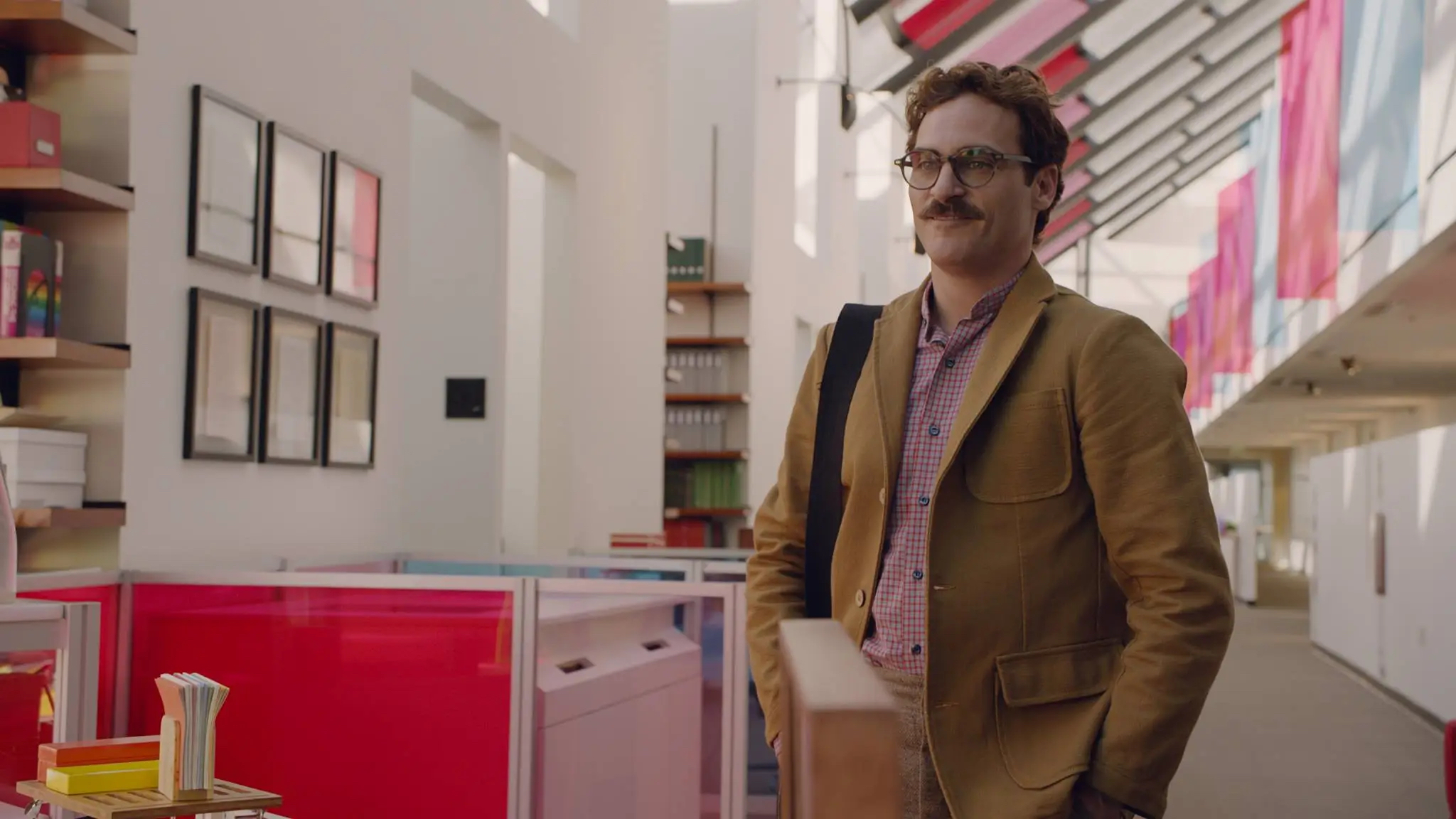
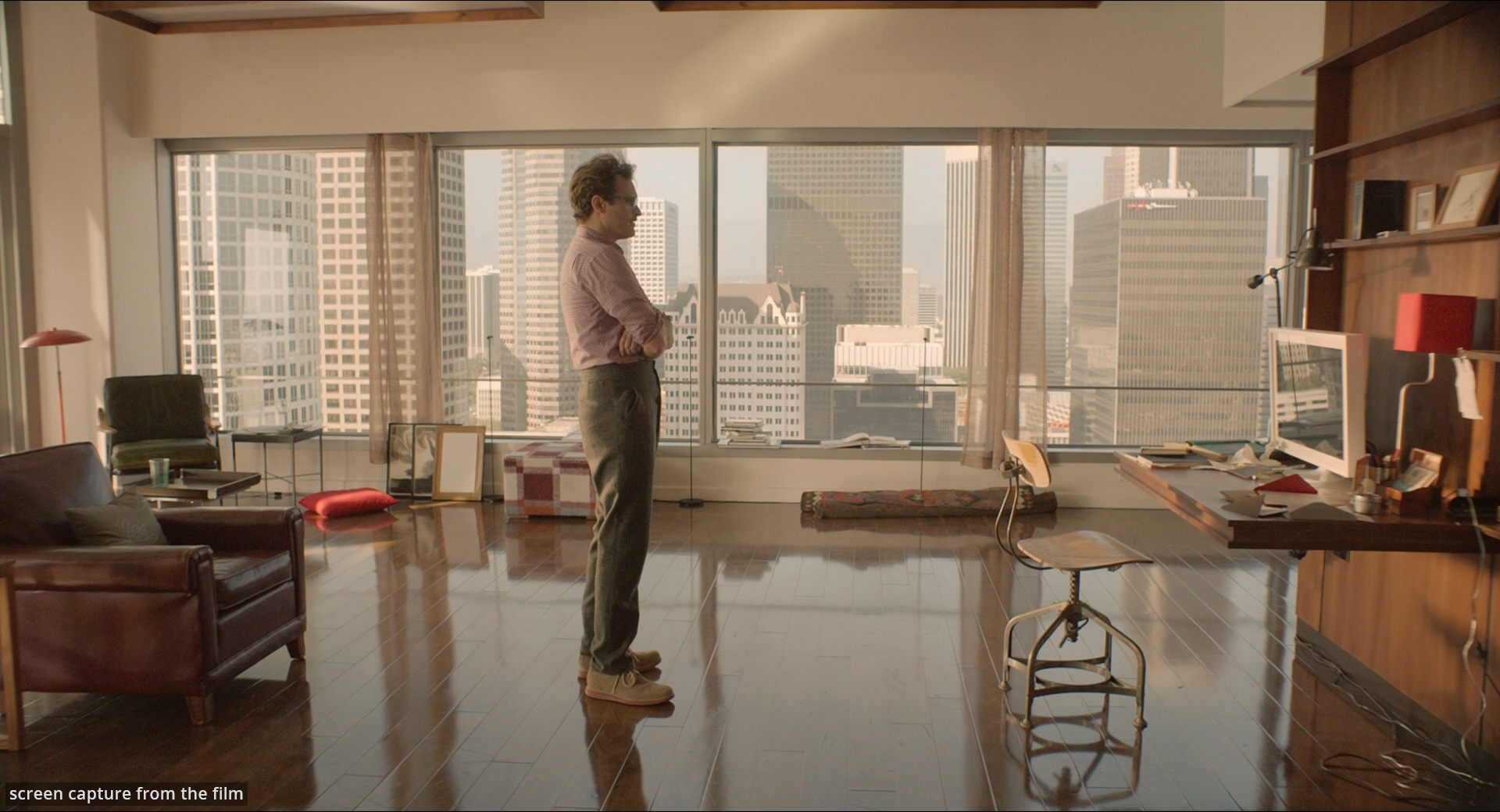
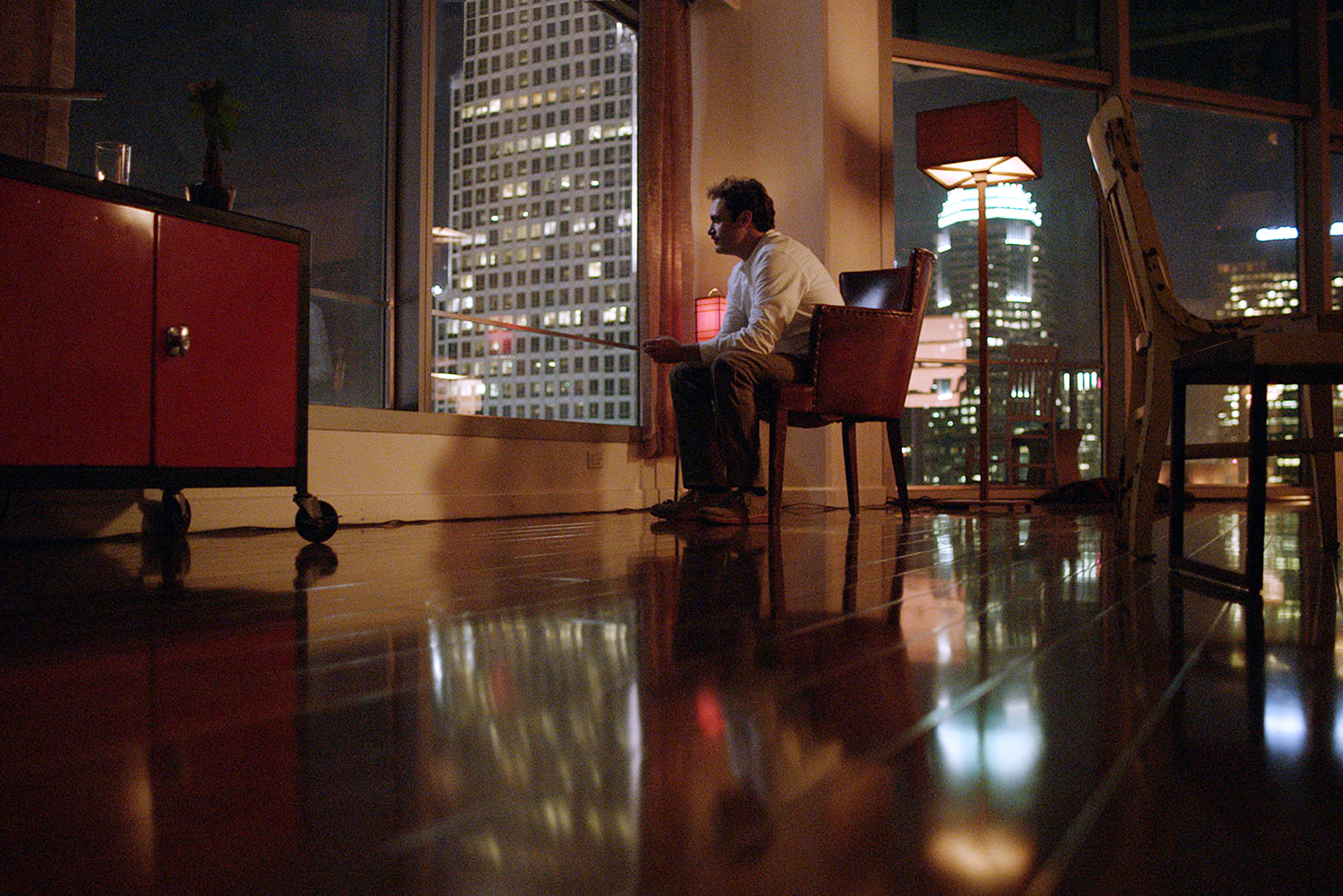
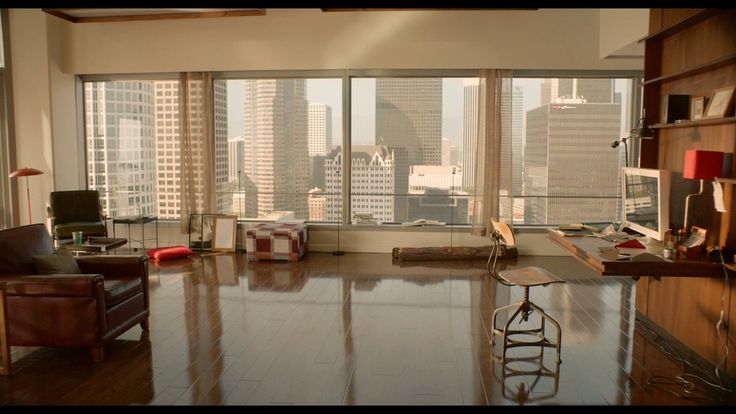
Spike Jonze constructs a near-future Los Angeles in Her using a melancholy aesthetic warmth. Shot in contemporary high-rise interiors, the protagonist’s apartment replaces cold digital screens with a comfortable environment defined by light woods and warm-toned textiles. The space is dressed with timeless design pieces such as the Eames Molded Plywood Chair by Charles and Ray Eames, designs by Hella Jongerius, and the famous Akari paper lamps by Isamu Noguchi, echoing the emotional delicacy of the story.
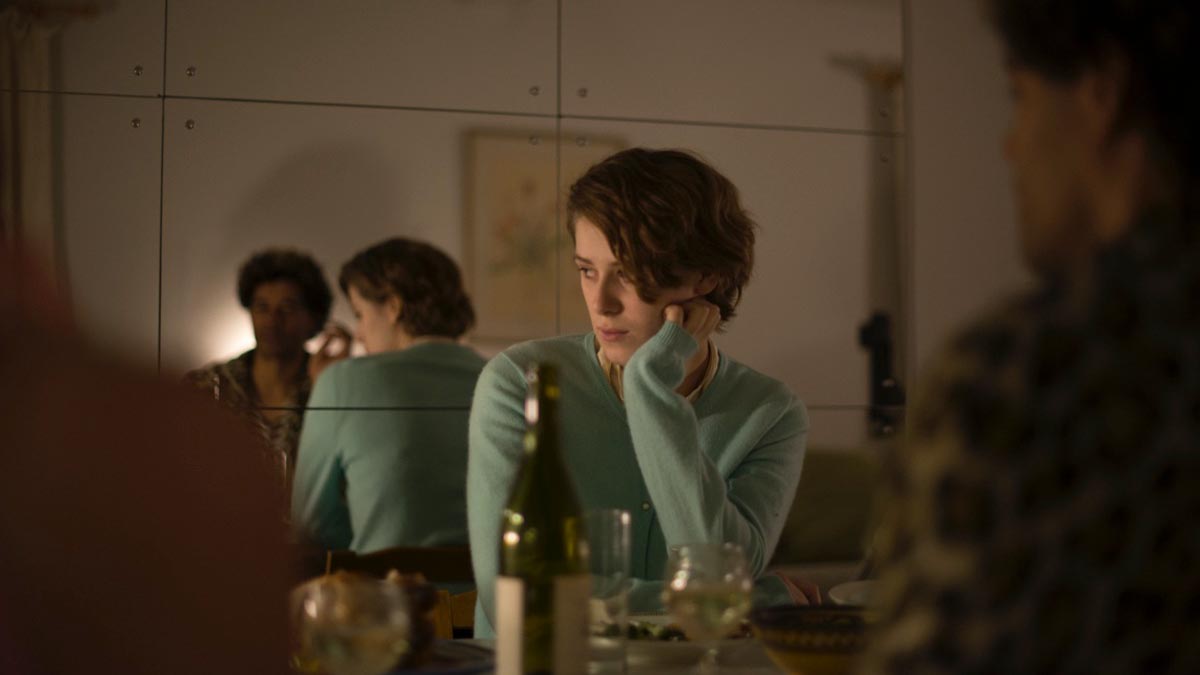
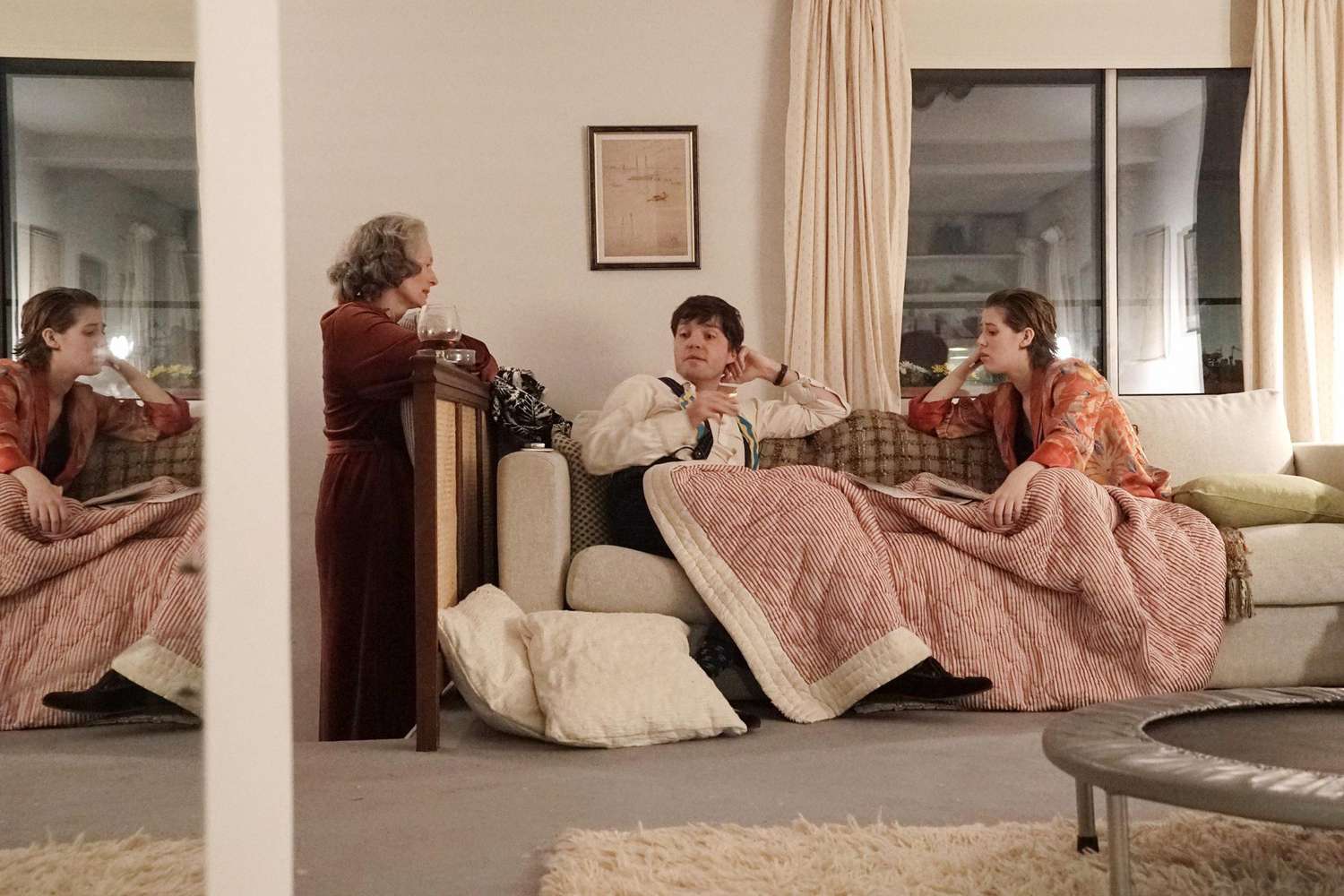
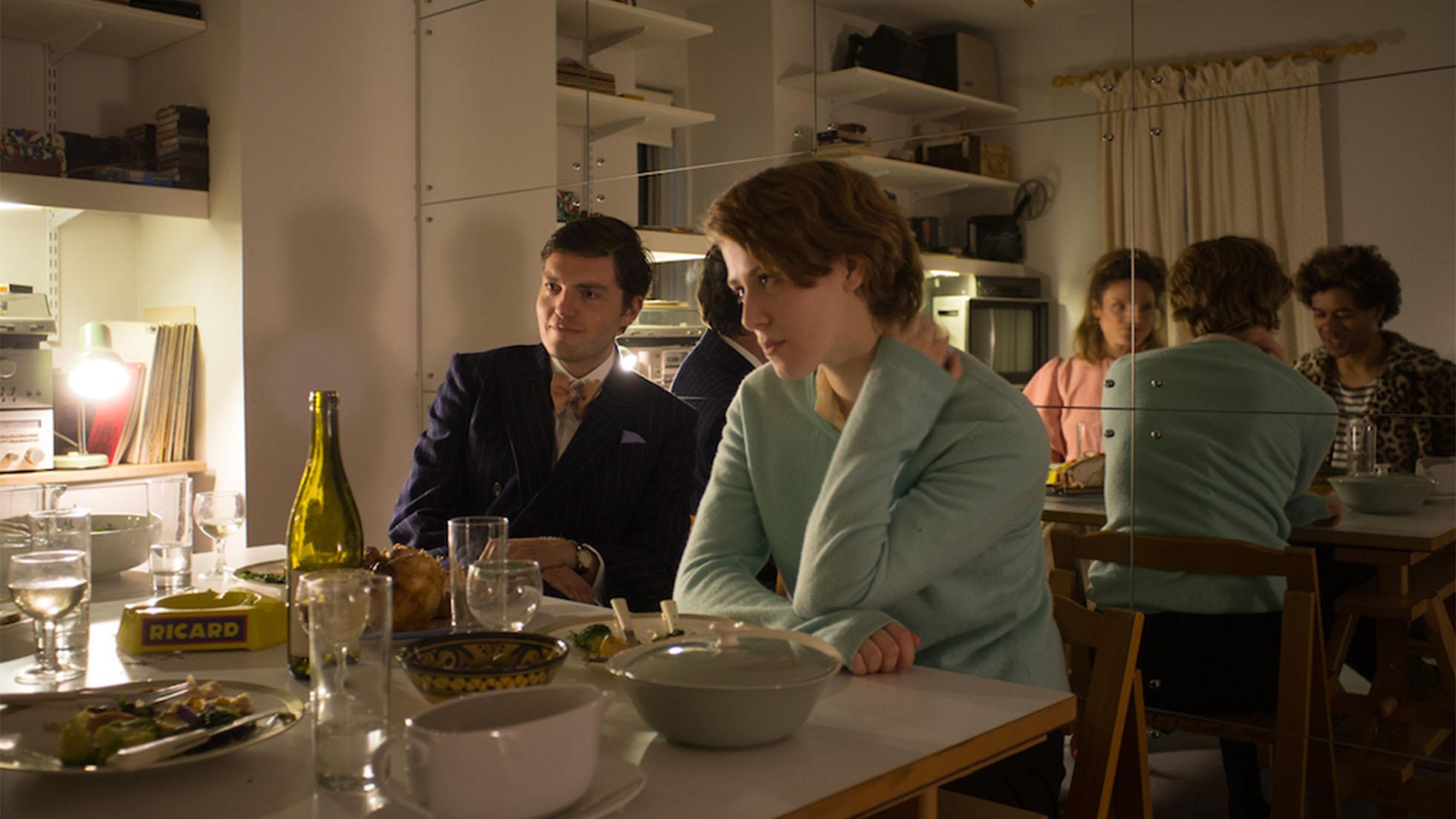
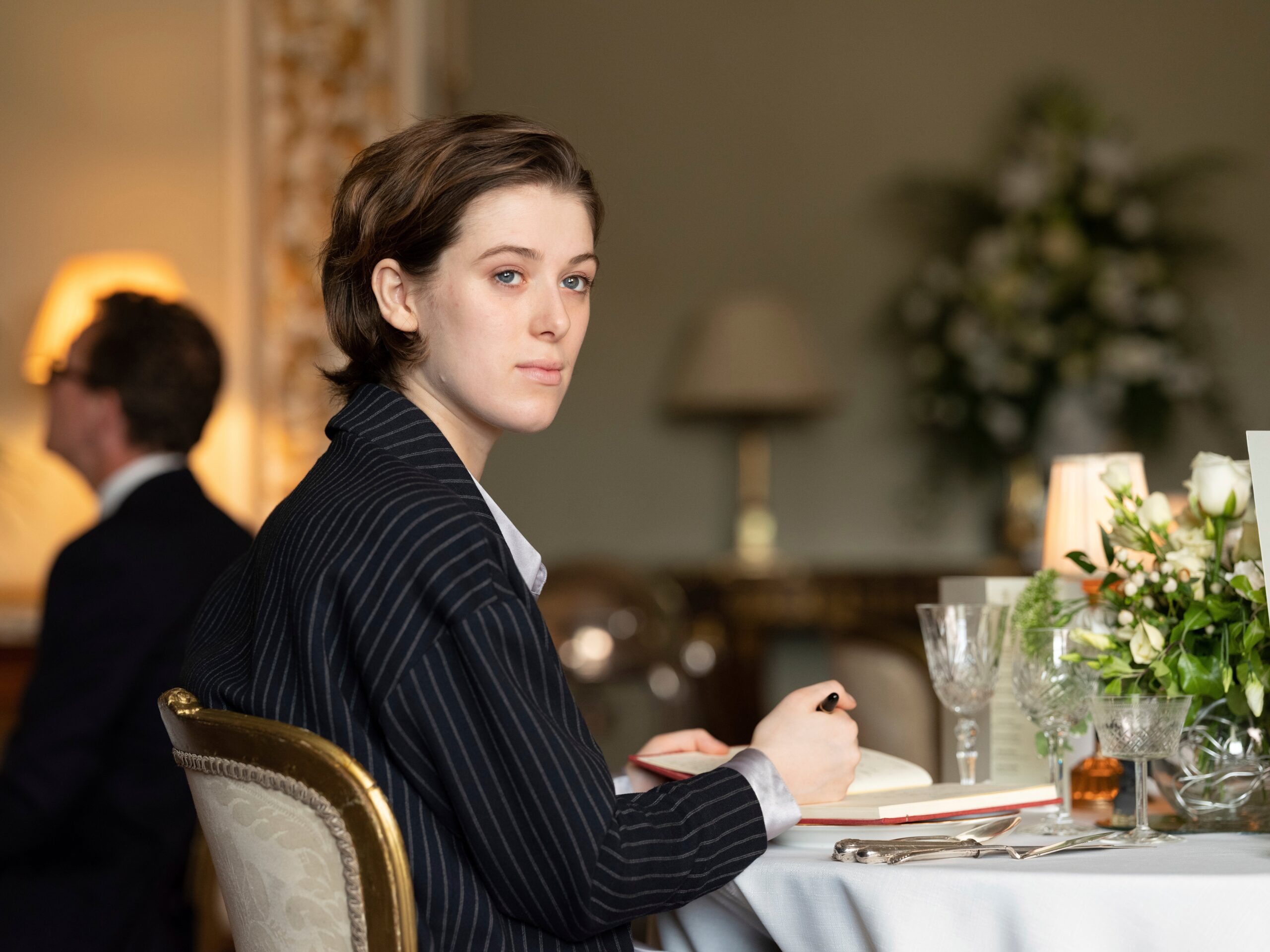
In The Souvenir, director Joanna Hogg displays an intimate perspective where the domestic space acts as a mirror of memory and artistic exploration. The protagonist’s Knightsbridge apartment, replicated on a soundstage based on the filmmaker’s own memories, is articulated through a refined selection of Victorian pieces and 20th-century design milestones—most notably the classic Thonet No. 14 bentwood chairs by Michael Thonet and handcrafted-style lighting inspired by William Morris. This enclosed, delicate environment heightens the young filmmaker’s sense of isolation within her complex romantic relationship.
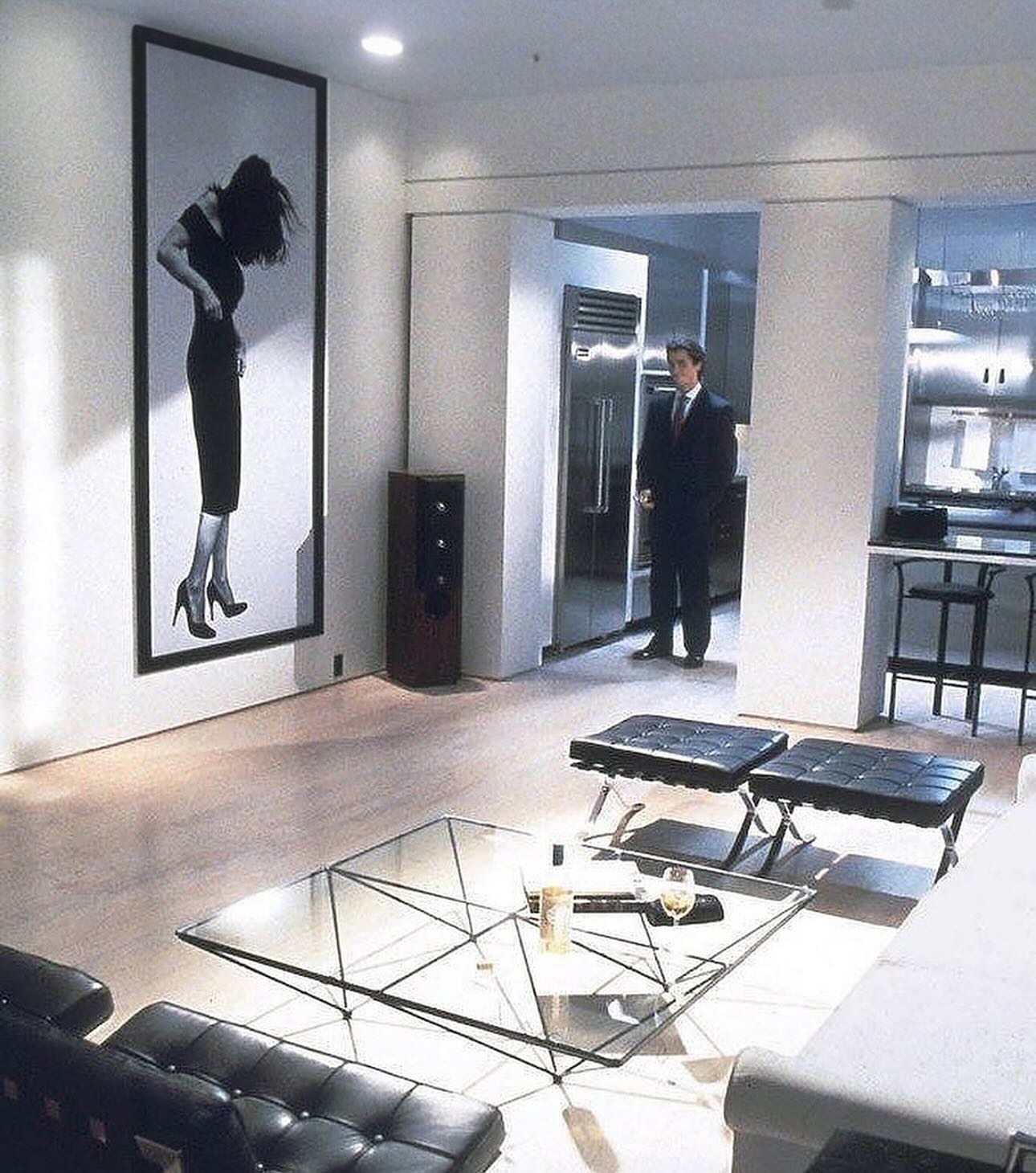
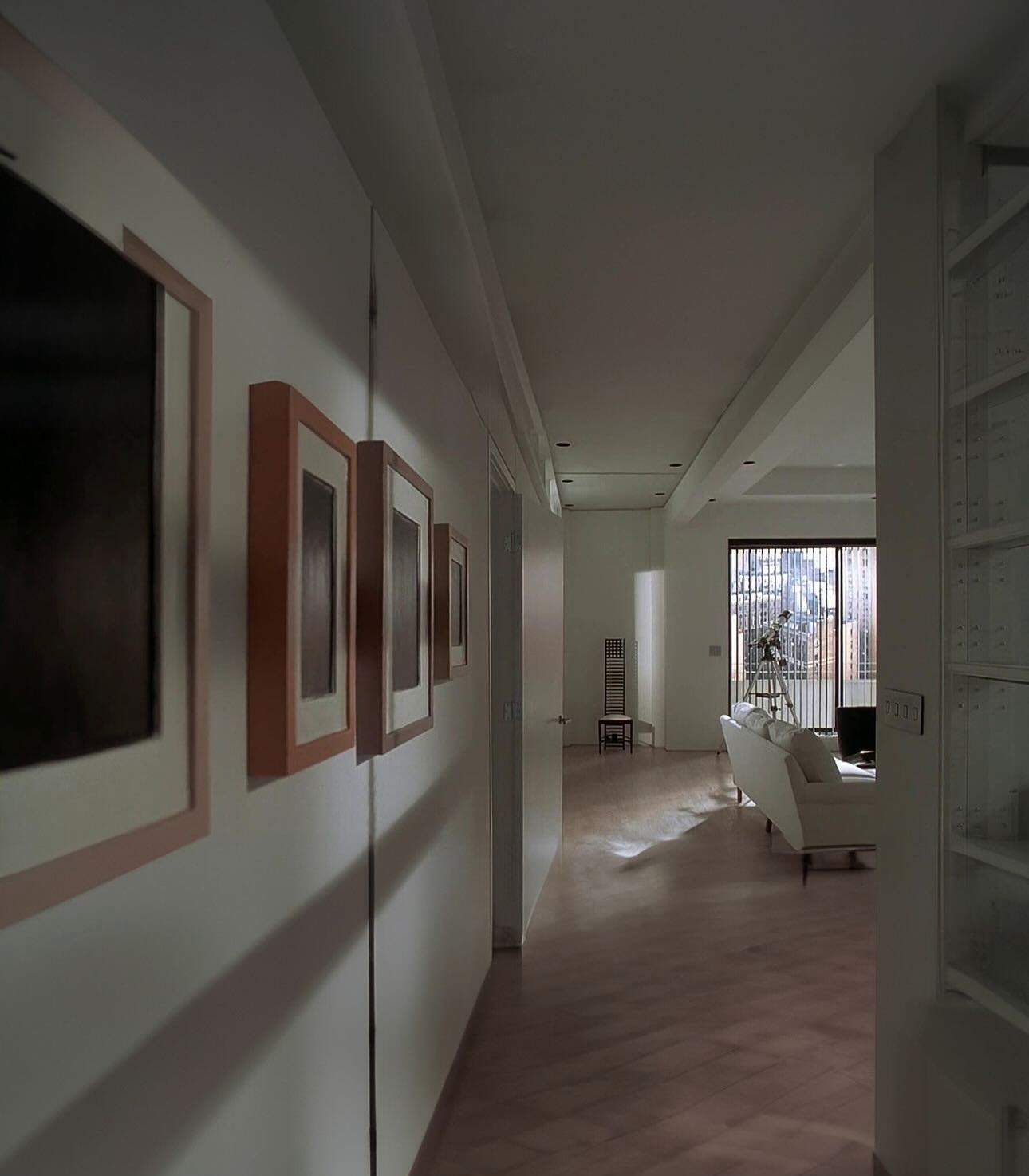
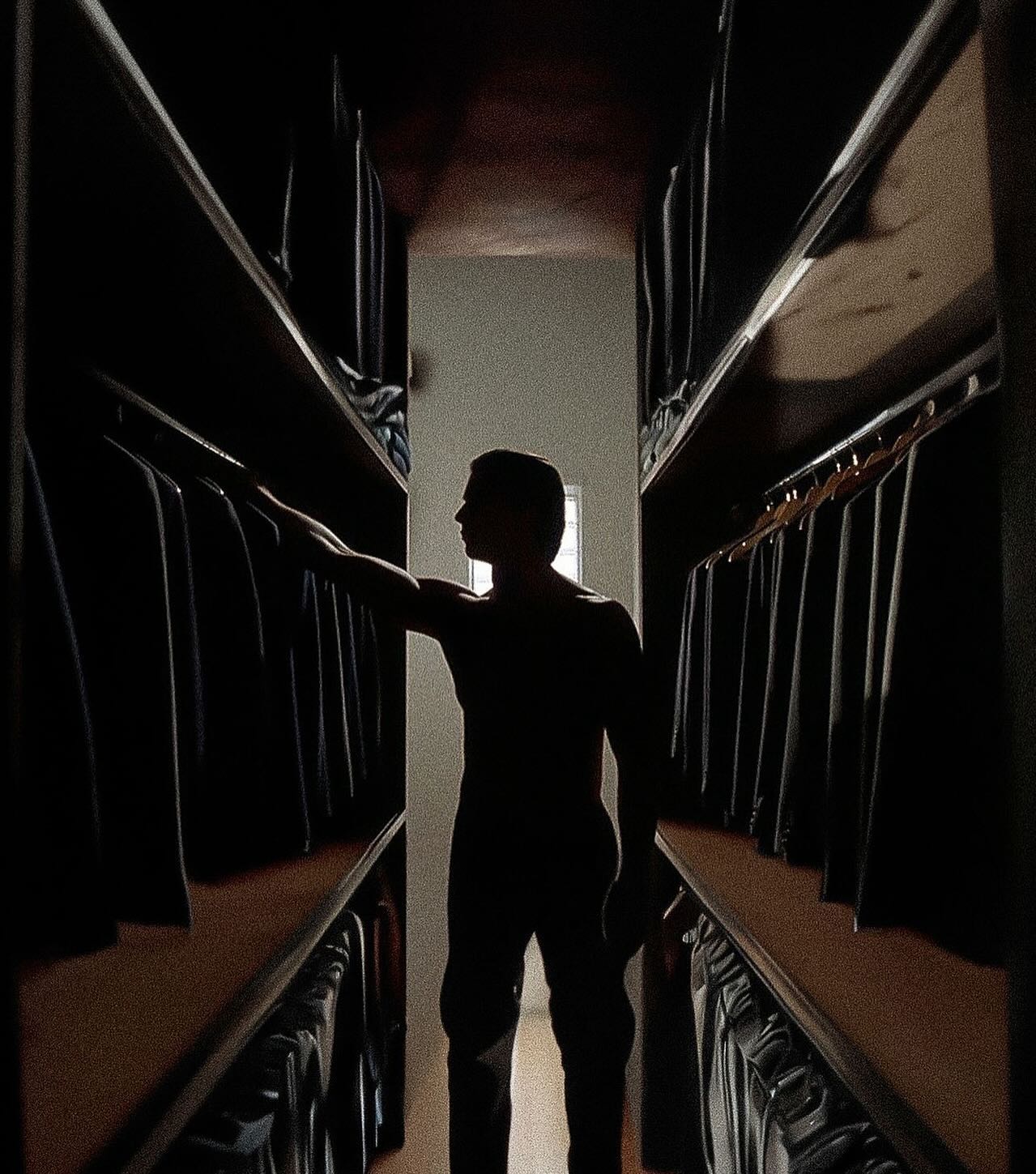
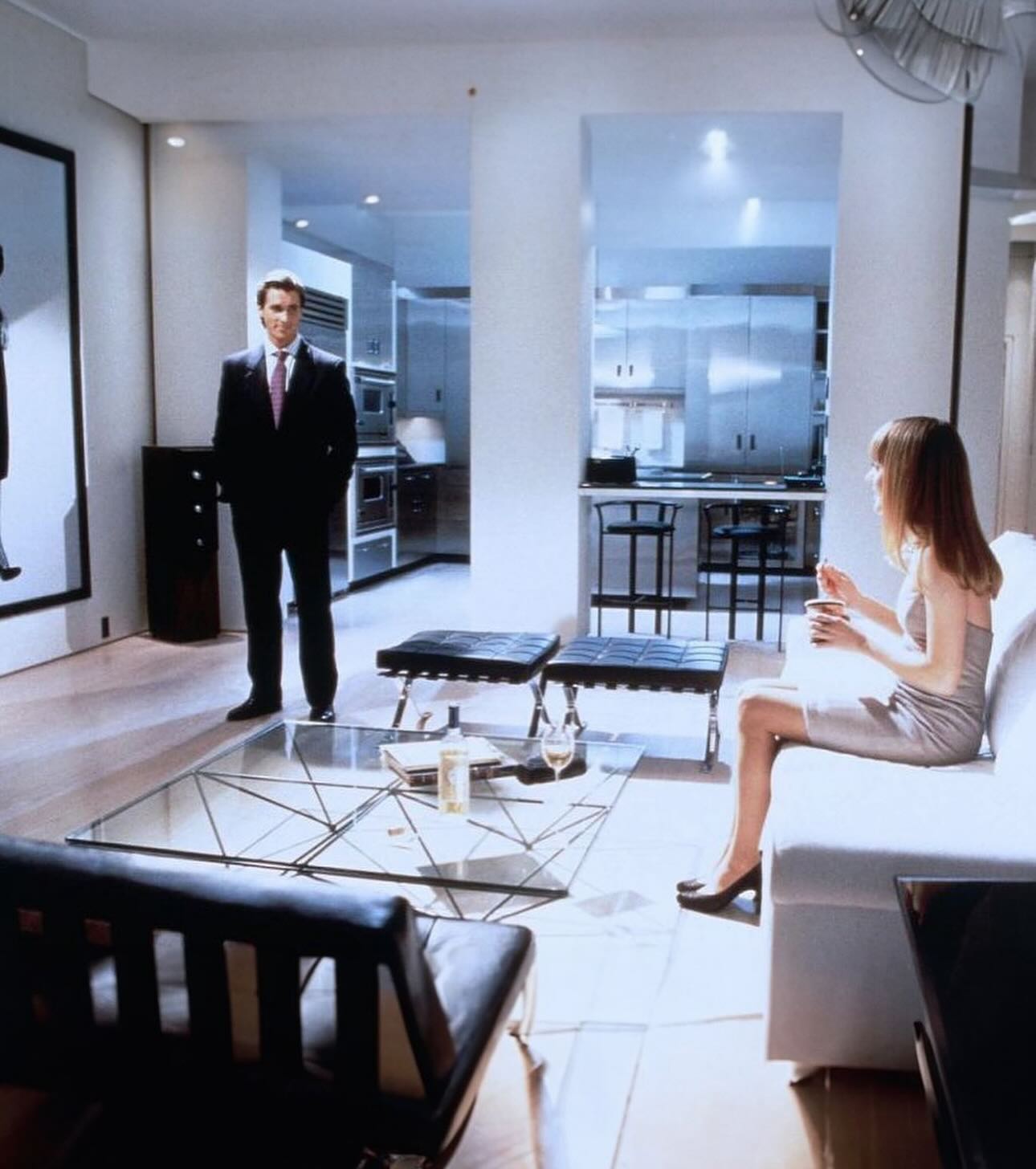
In American Psycho, directed by Mary Harron, Patrick Bateman’s apartment became the quintessential archetype of late-1980s yuppie design. Conceived within a strict, aseptic monochrome palette, the set positions designer pieces as pure status symbols. Highlights include Mies van der Rohe’s Barcelona chairs, Charles Rennie Mackintosh’s stylized Hill House 1 chair positioned almost as a wall sculpture, and glass-and-steel tables by architect Eileen Gray. This set design serves as a visual metaphor for the protagonist’s cold, calculating, and hollow mind.
MArch Valencia. Arquitectura y Diseño
© 2026 MArch Valencia. Arquitectura y Diseño
Privacy policy | Cookies policy | Terms of use