



Technologies that will transform housing in the coming years
DATE
25.06.2026
In the coming years, homes will stop being static structures and become dynamic, efficient, and connected environments. This transformation will change the way we interact with our everyday spaces and will redefine the concepts of sustainability, habitability, and comfort through innovations that are already a reality.
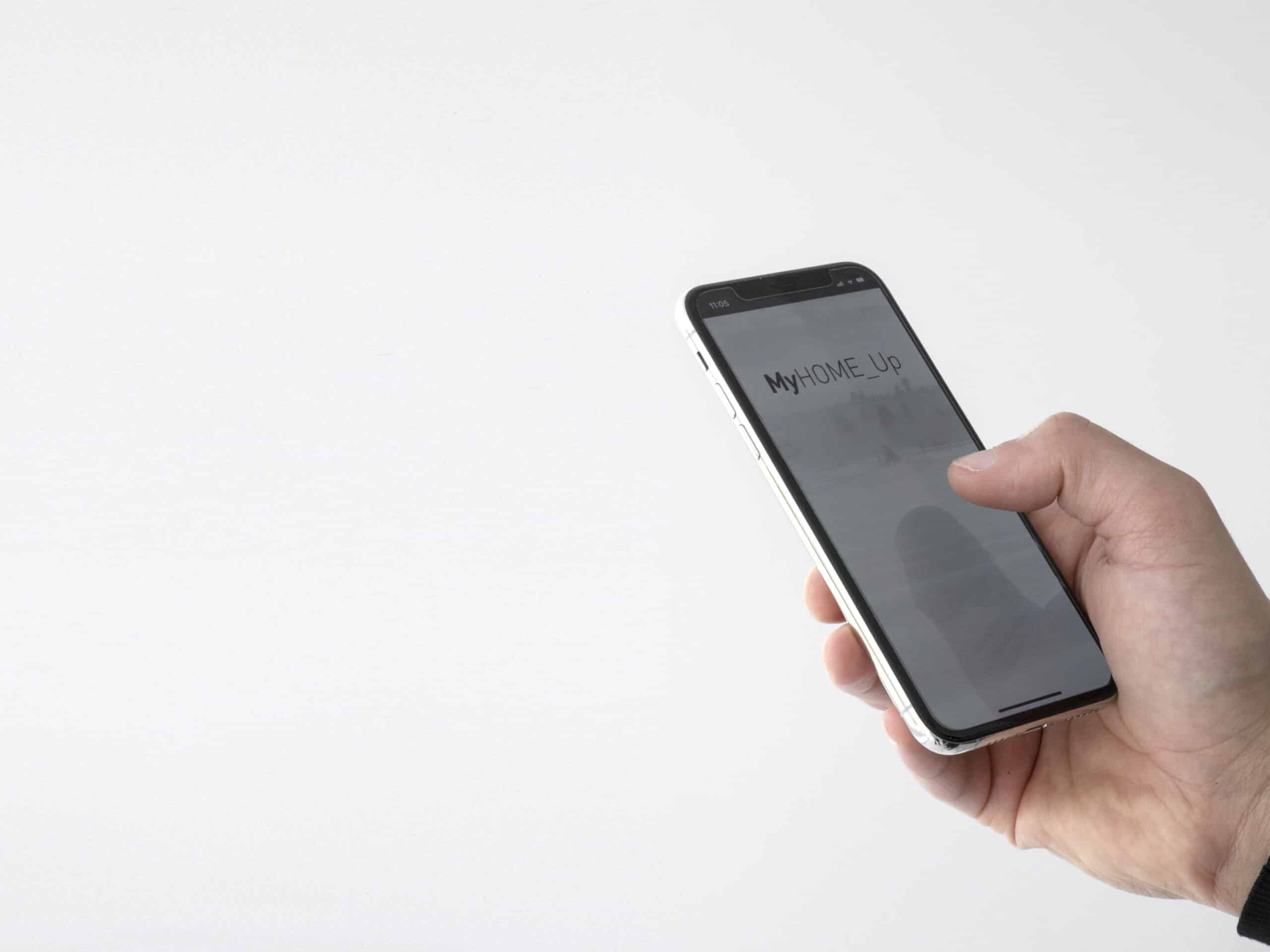
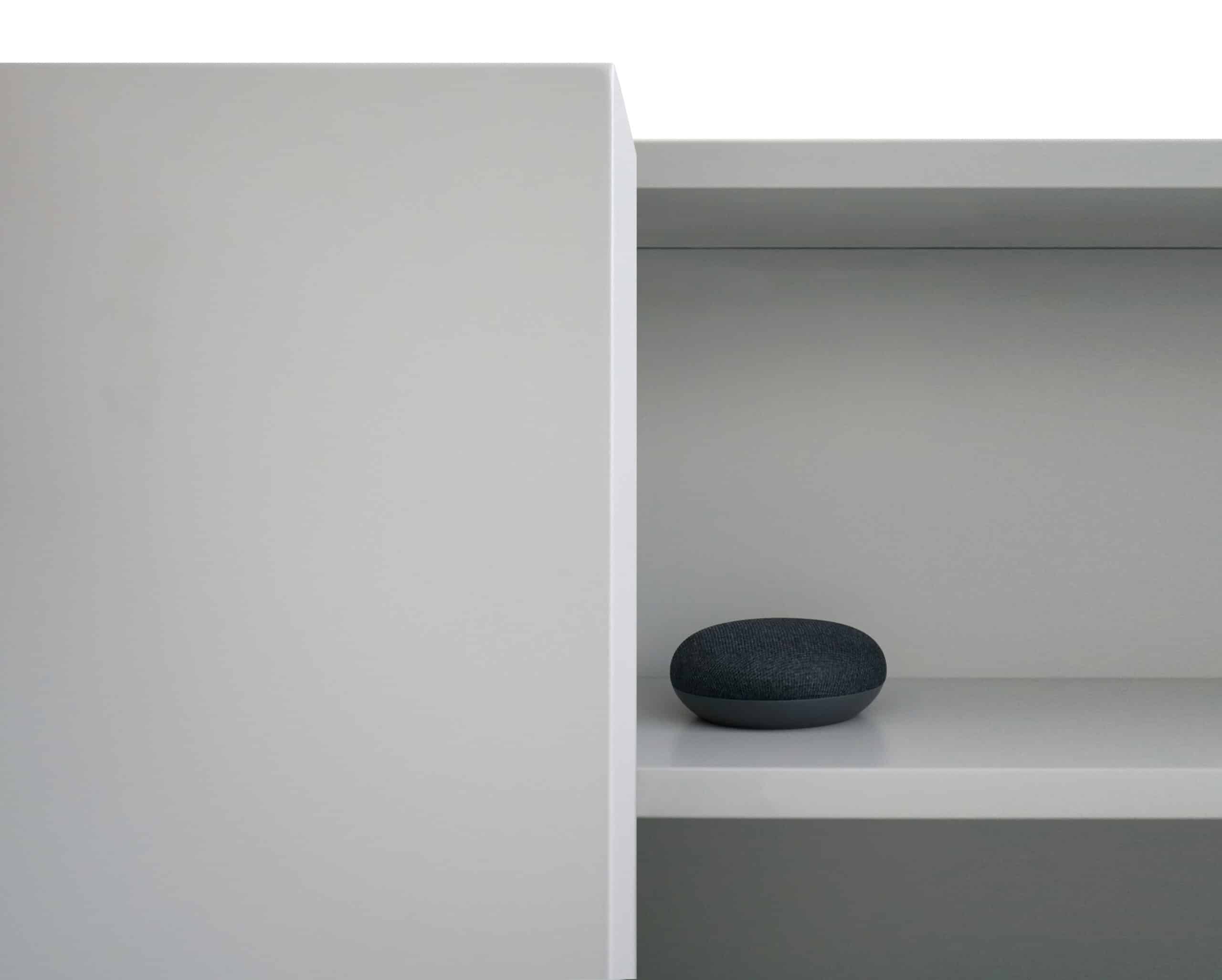
Artificial Intelligence and the Internet of Things will take home automation to a completely new level called the predictive home. It will no longer be just about programming lights or turning on the heating from a mobile phone, but about integrated systems that will learn from our daily routines, moods, and biological needs. From refrigerators that manage grocery shopping autonomously to prevent food waste, to walls capable of regulating lighting and thermal comfort according to the users’ circadian rhythms, technology will work in the background to optimize well-being.
In the field of sustainability and energy self-sufficiency, advancements in materials and clean generation will transform facades and roofs into genuine power plants. Transparent photovoltaic windows, advanced solar tiles, and next-generation domestic battery energy storage systems will allow buildings to achieve near-zero energy consumption. In addition, the integration of advanced greywater recycling and air purification systems using biotechnology will enable homes to mitigate their environmental impact, returning resources to the environment instead of just consuming them.
On the other hand, the way we build houses is already undergoing a radical metamorphosis thanks to 3D printing and robotics. Industrialized construction and additive manufacturing will make it possible to build safe, complex-design homes in a matter of days, drastically reducing construction waste and production costs. This automation, combined with the use of new biomaterials and self-healing concrete utilizing bacteria, will result in buildings that are more resilient to climate change, featuring much longer lifecycles and automated predictive maintenance.
Extended reality (which merges virtual and augmented reality) will also redefine interior design and the concept of flexible space. Automated movable partitions and advanced holographic projections will allow the exact same room to instantly transform from a family living room into a remote work office or a digital gym, adapting to the density needs of modern cities. Housing in the coming years will be a living, efficient, and malleable ecosystem, designed not only to shelter us, but to actively evolve alongside us.


MArch Valencia. Arquitectura y Diseño
© 2026 MArch Valencia. Arquitectura y Diseño
Privacy policy | Cookies policy | Terms of use