



Valencia most exciting destination 2026
DATE
23.09.2026
Between January and June of this 2026, it received 6,083,684 international tourists, crossing for the first time the barrier of six million in a first semester. And the city has recently been named the most exciting destination in Europe for 2026.
Its medium size makes it an easily walkable city on foot and its proximity to the Mediterranean coast enhances the undeniable value and appeal of the city. To this is added a gastronomic scene proud of its local products and traditions.
It is also a city constantly chosen as the epicenter for events, taking place in this 2026: Festival de les Arts, València Design Fest, notable exhibitions at the IVAM and others of a playful and sporting nature, such as the Valencia Marathon or the World Sailing Cup.
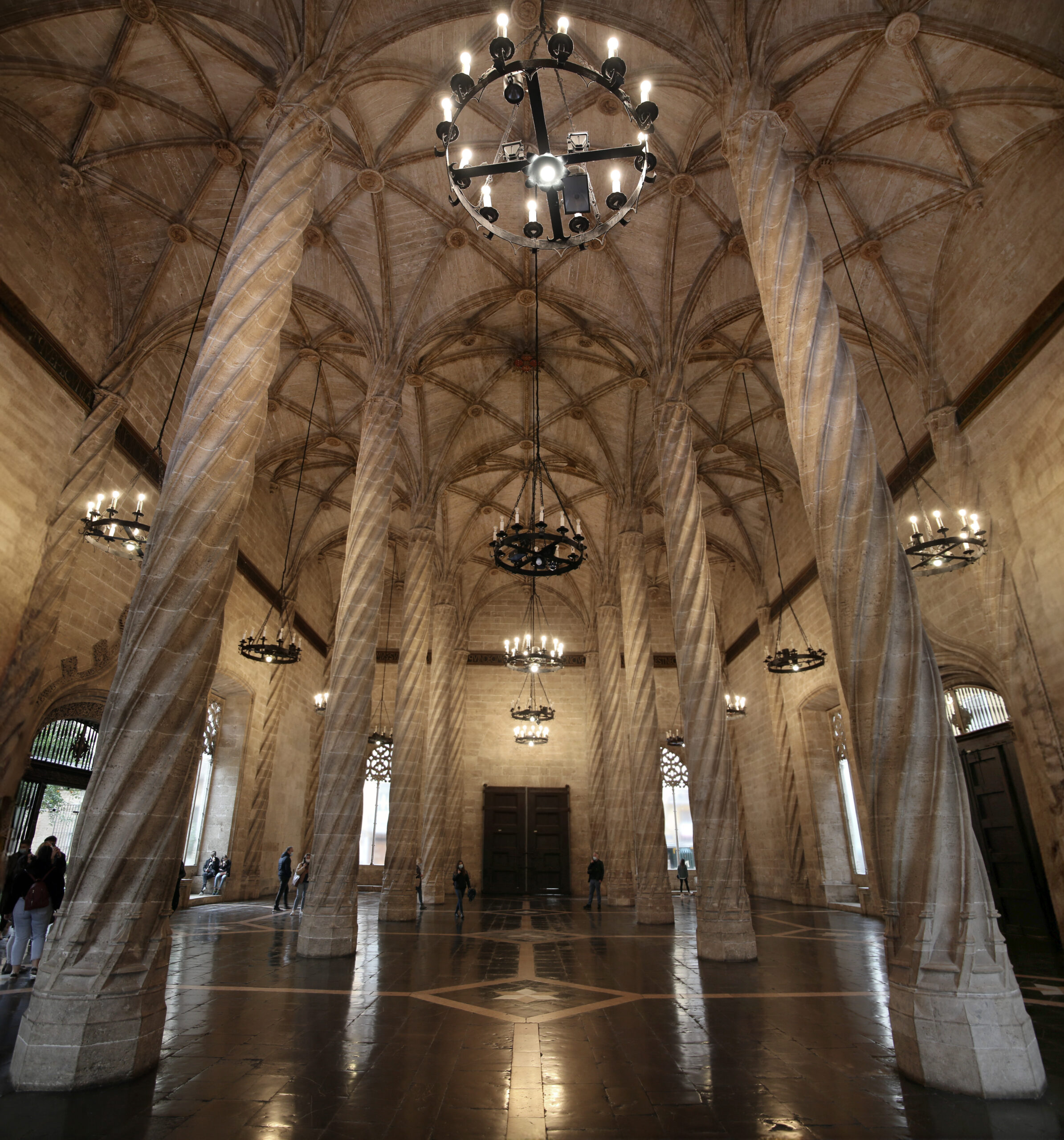
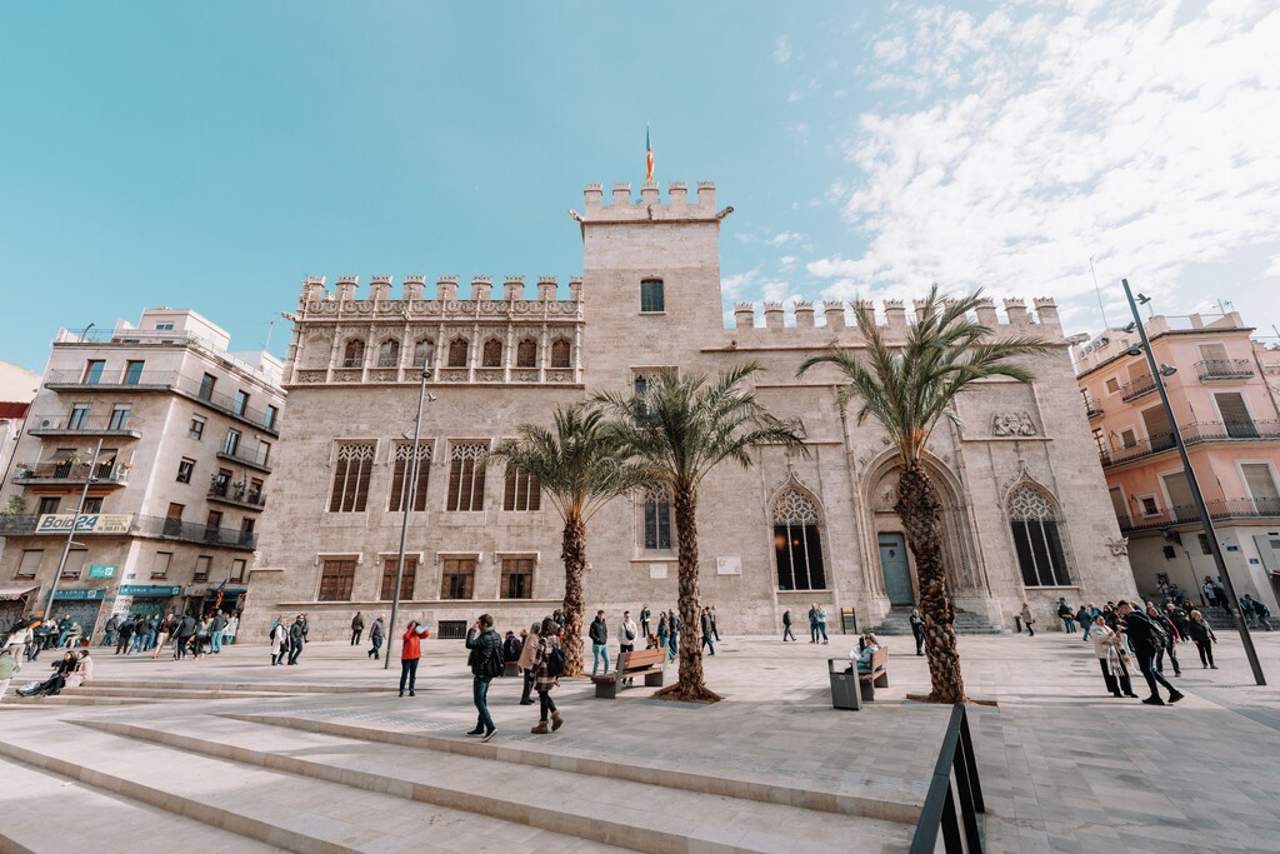
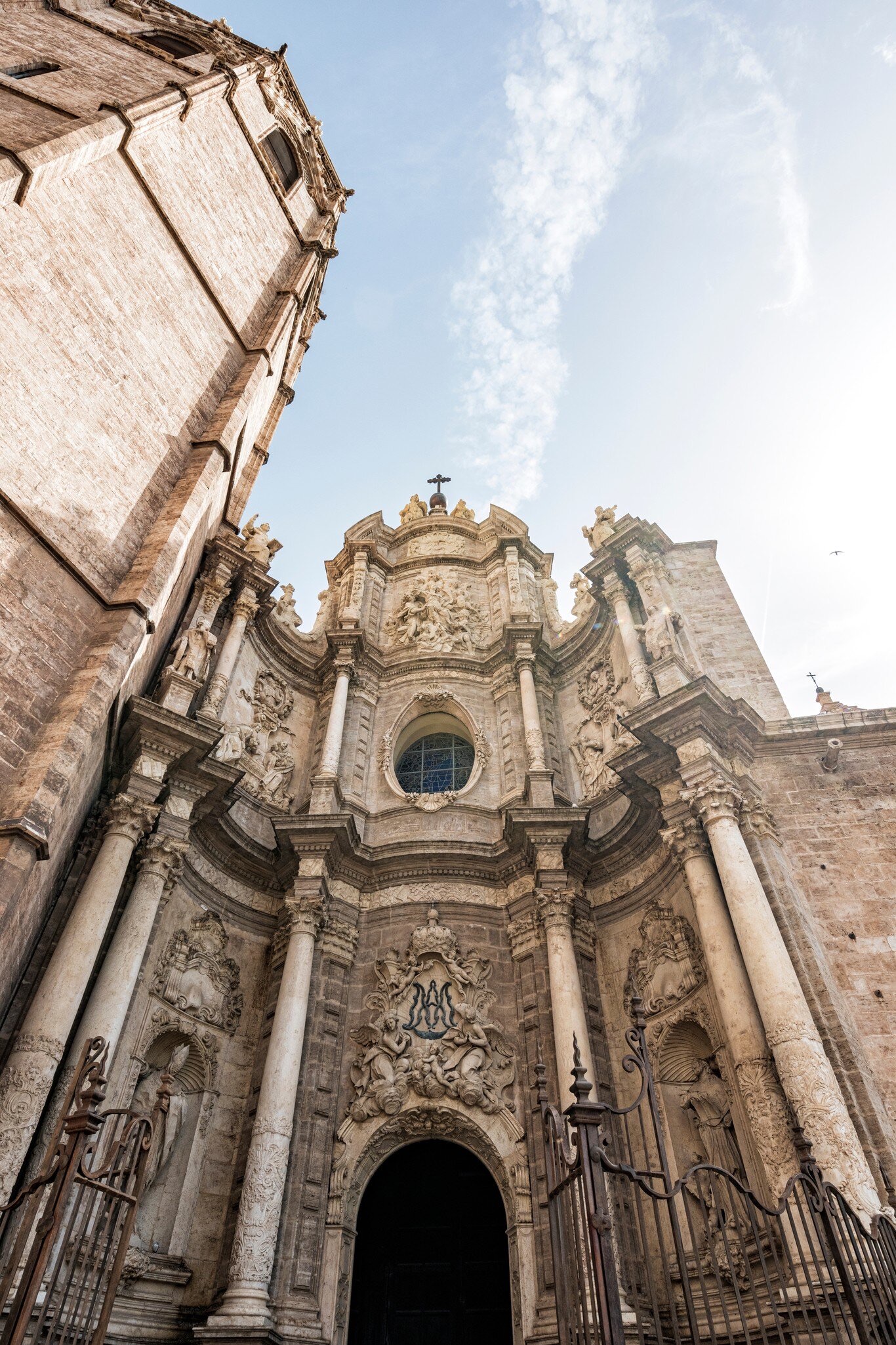
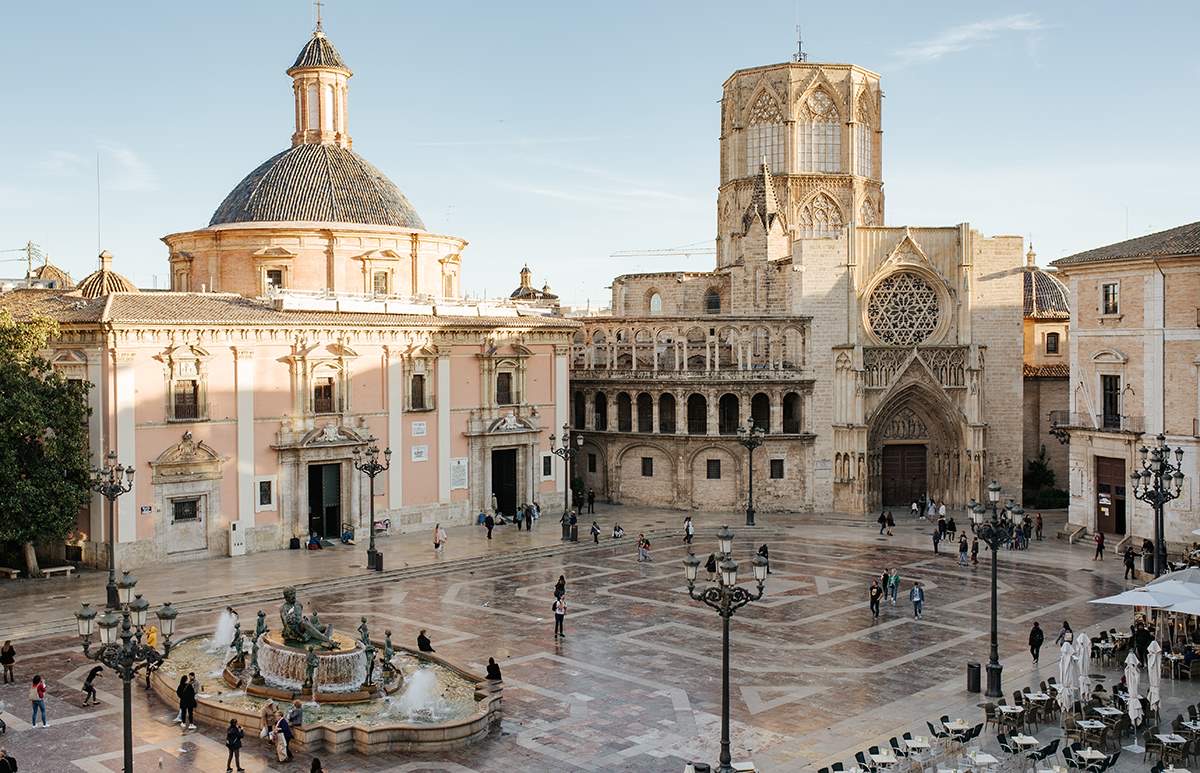
What many people do not know and do not see of the capital is the architectural wealth and diversity that it treasures from the different movements and periods it has experienced. Among them are jewels of mandatory visit such as the Silk Road, the Cathedral or the Central Market, and others not so well known of historical and contemporary styles. 2,000 years of architecture, between tradition and innovation:
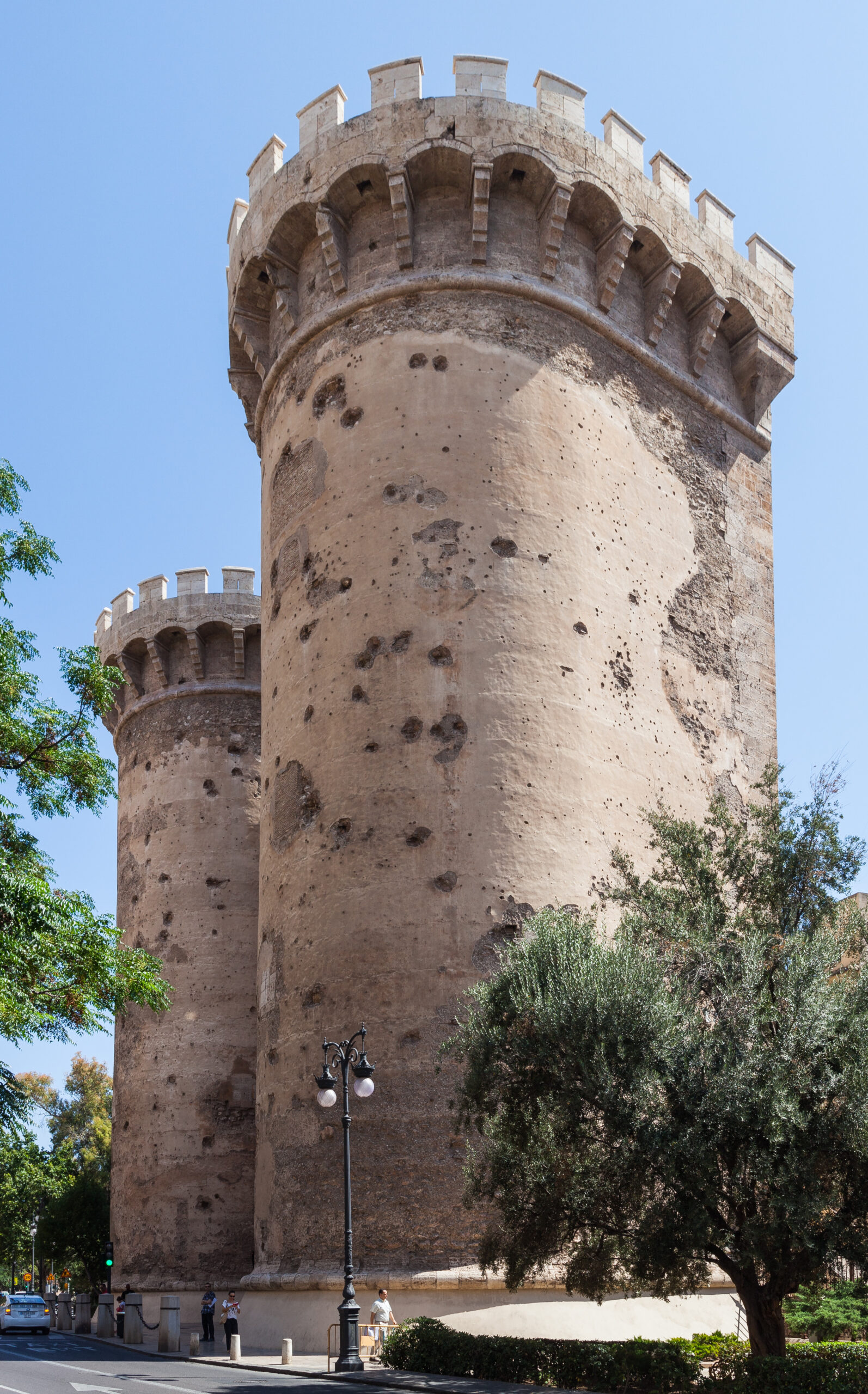
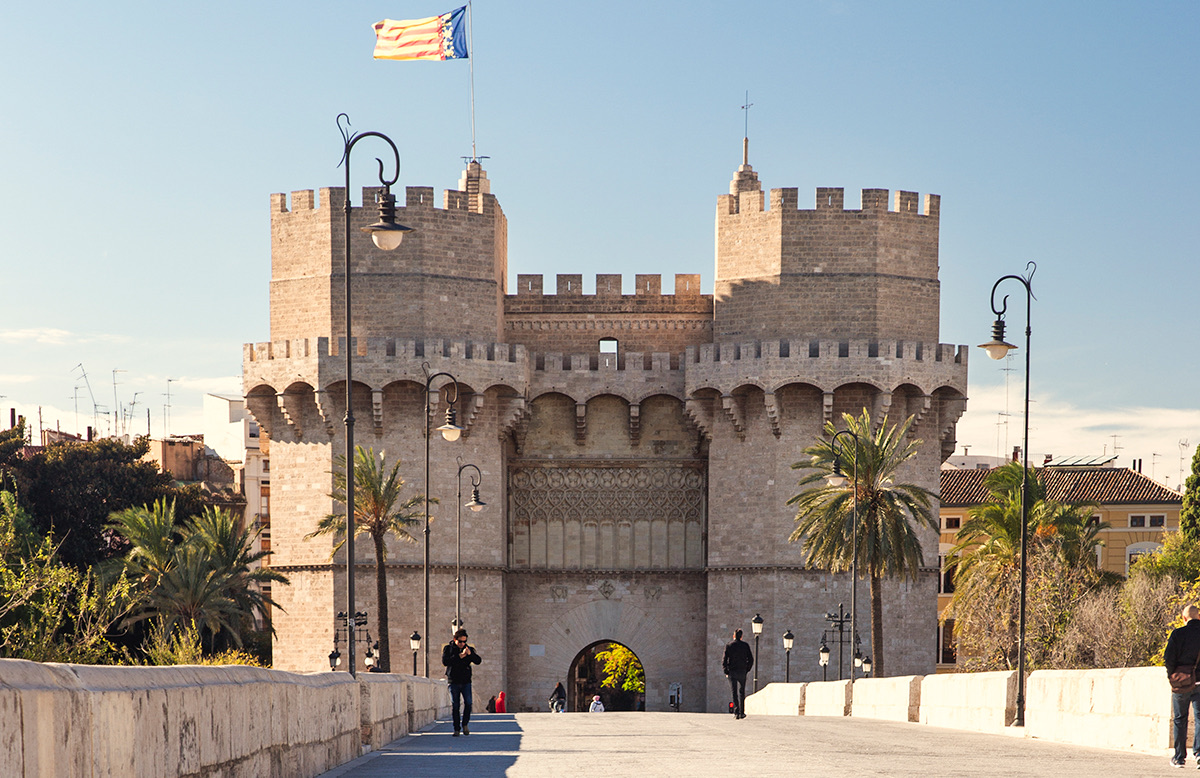
Valencian Gothic in the doors of the old city wall: (XIII century – XV century):
A style that evolved into a consolidated indigenous character in the Valencian Golden Age. It is characterized by geometric purification and defensive and mercantile monumentalism. A clear example in the city center is the Towers of Serrano and the Towers of Quart.
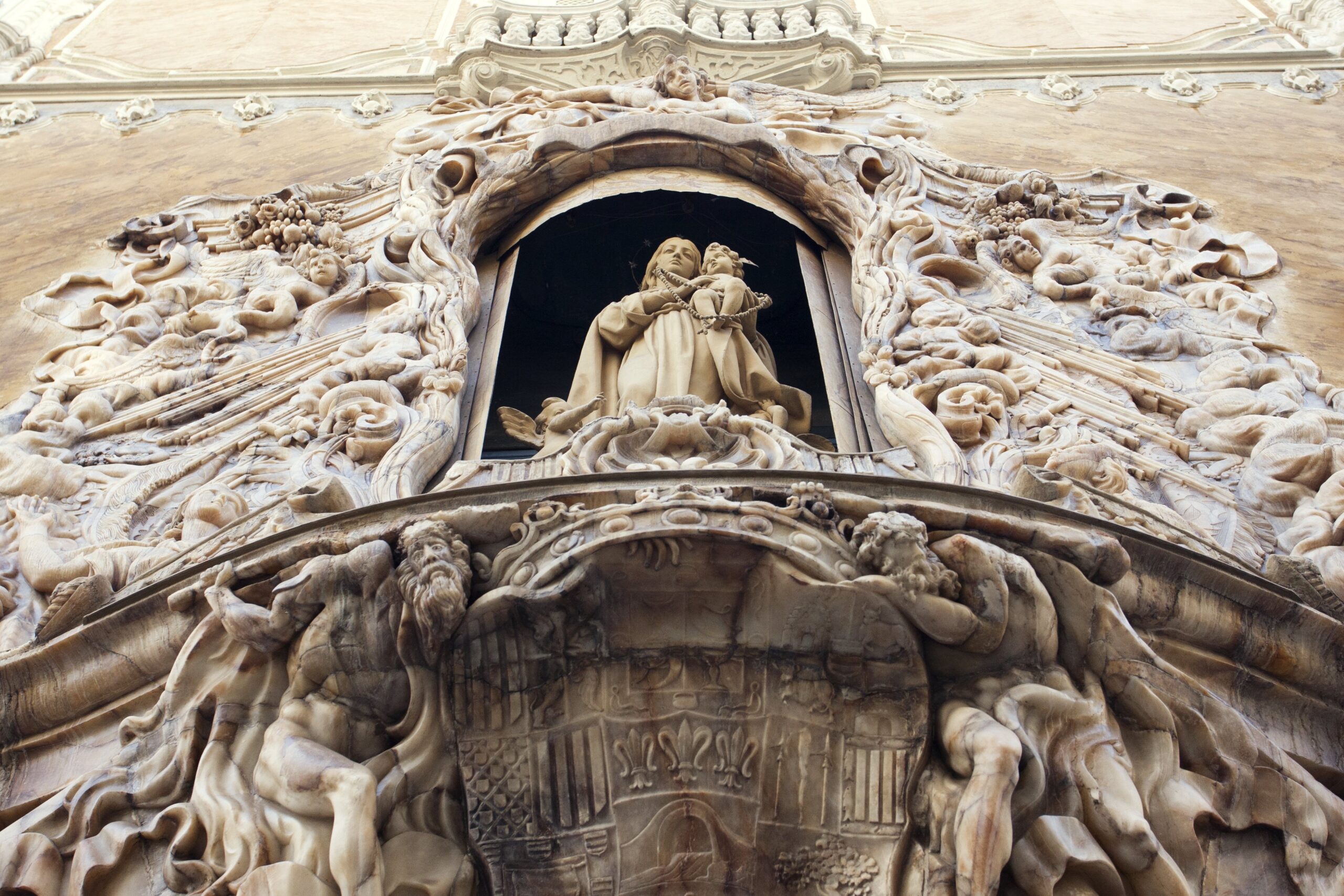
The Renaissance and its Palaces in the center of Valencia (XVI century):
With the arrival of the Italian classical humanism adapted to palatial typologies and civil political power, works such as the Palace of the Borja (current headquarters of Les Corts Valencianes) were carried out.
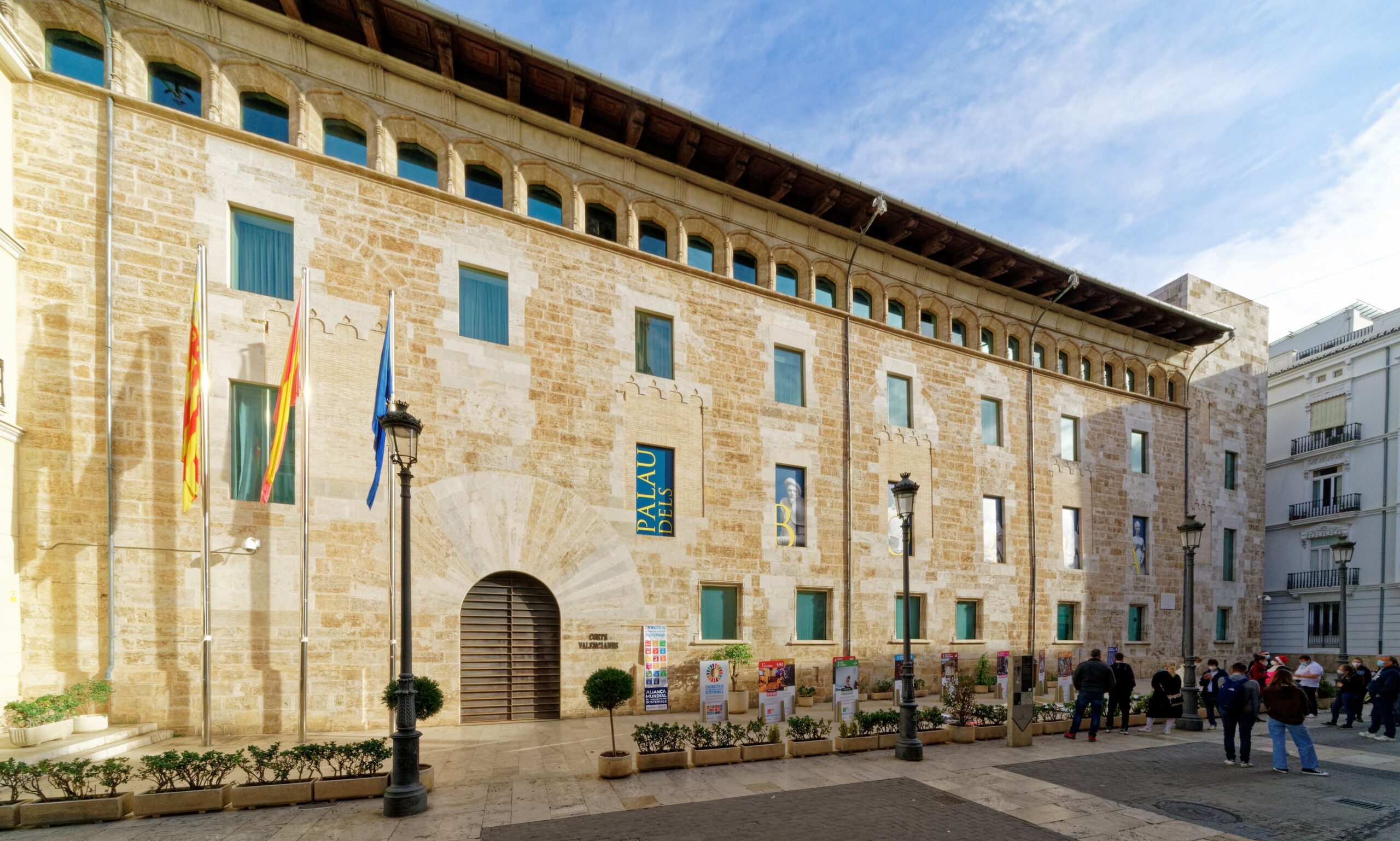
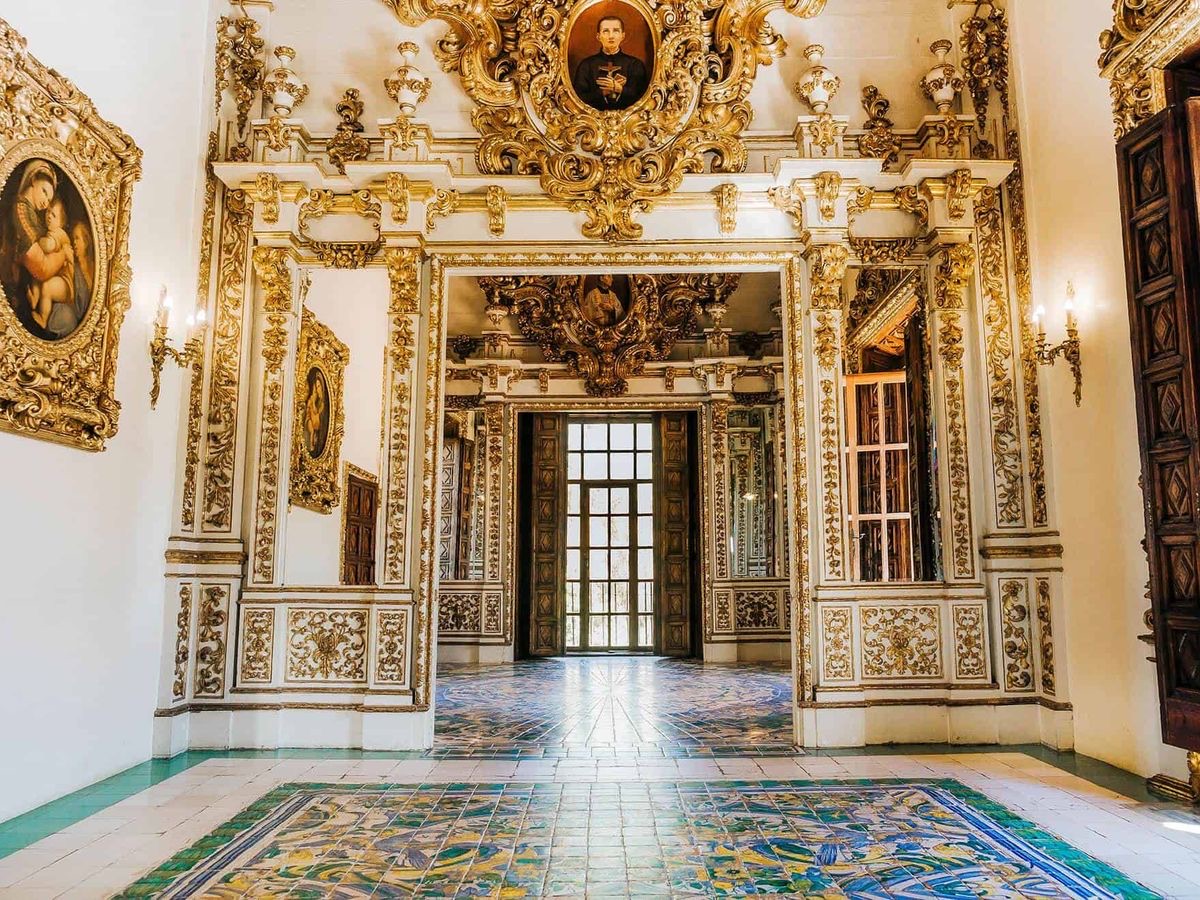
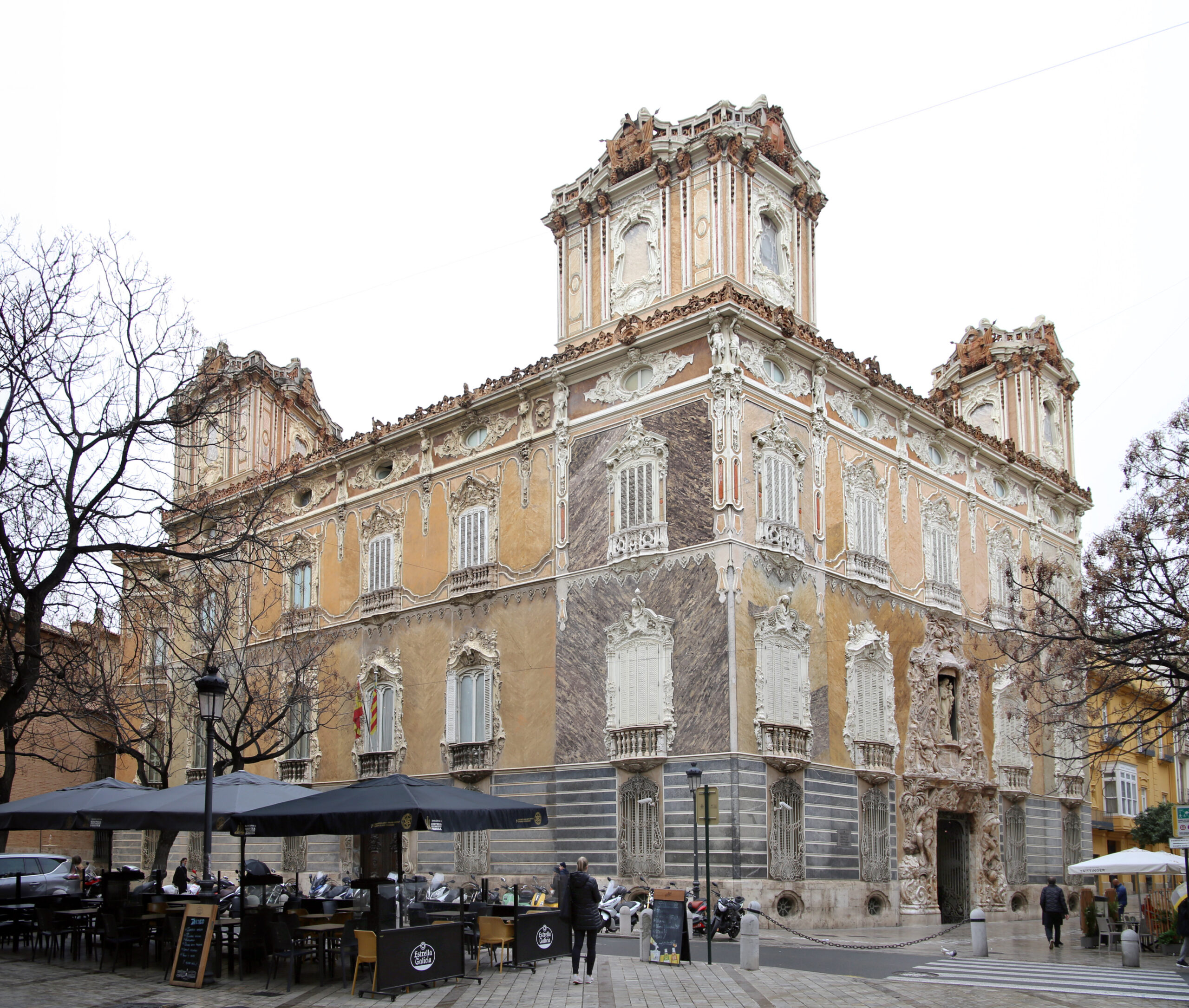
Baroque and Valencian Rococo in the Palace of the Marquis of Dos Aguas (XVII century – XVIII century):
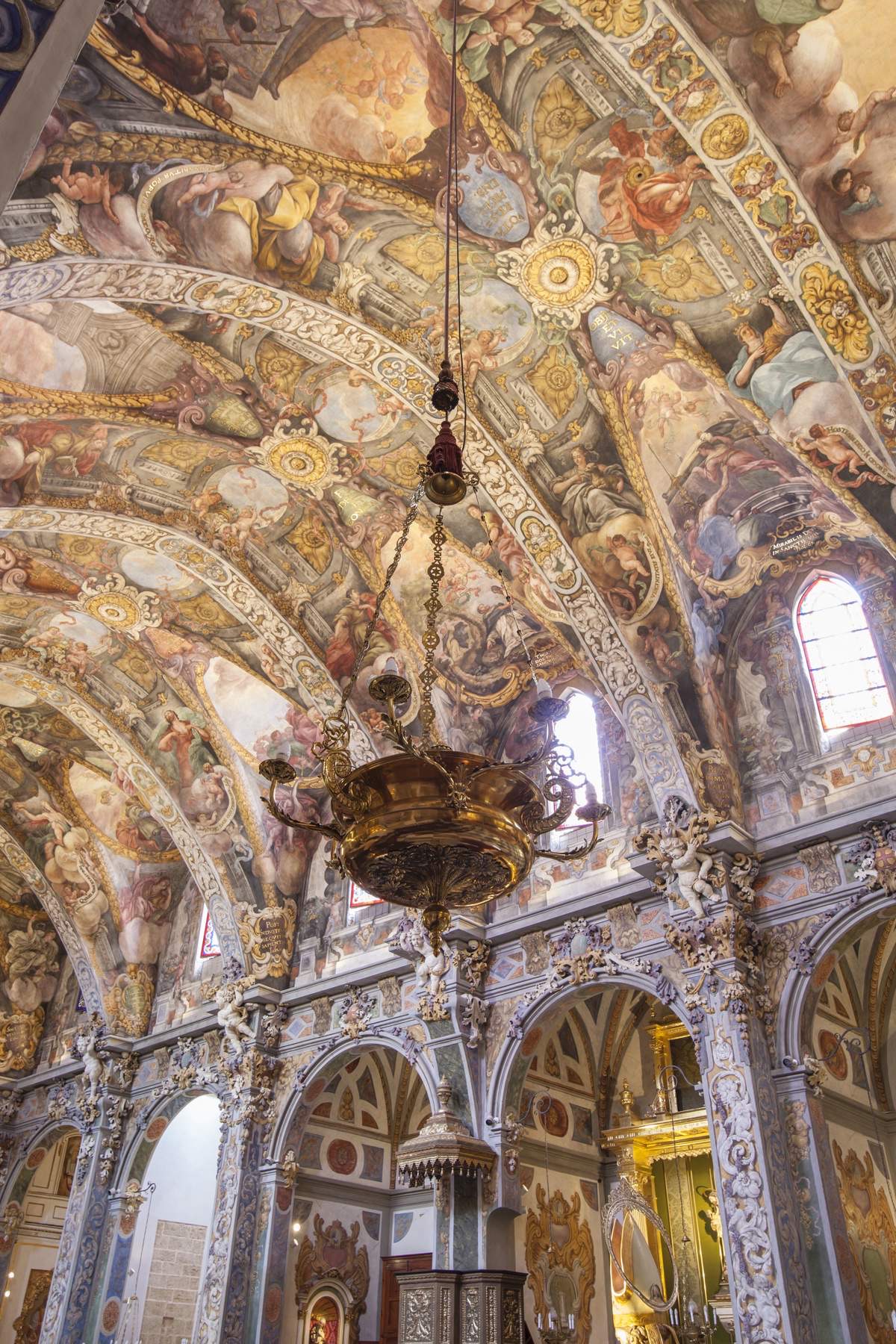
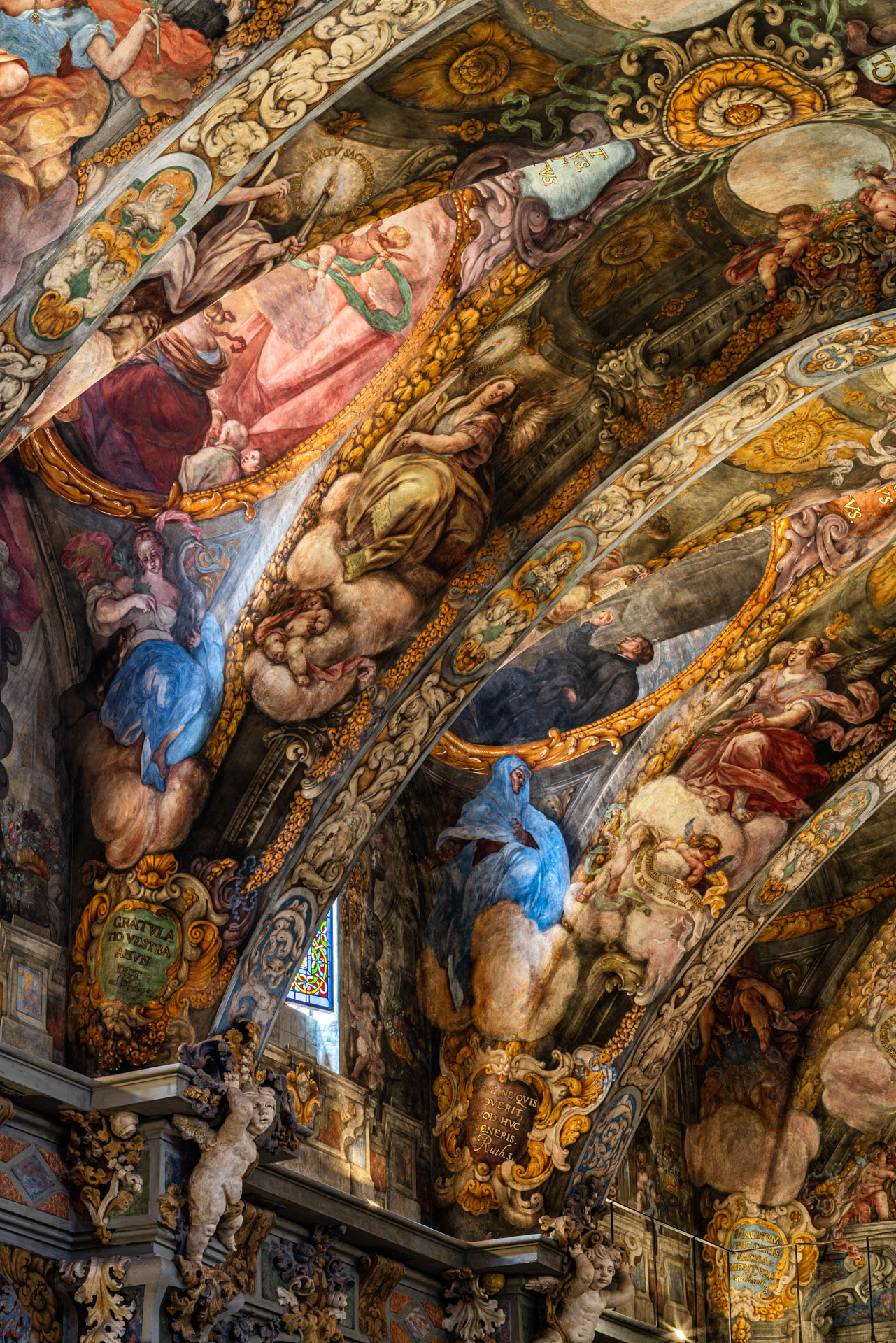
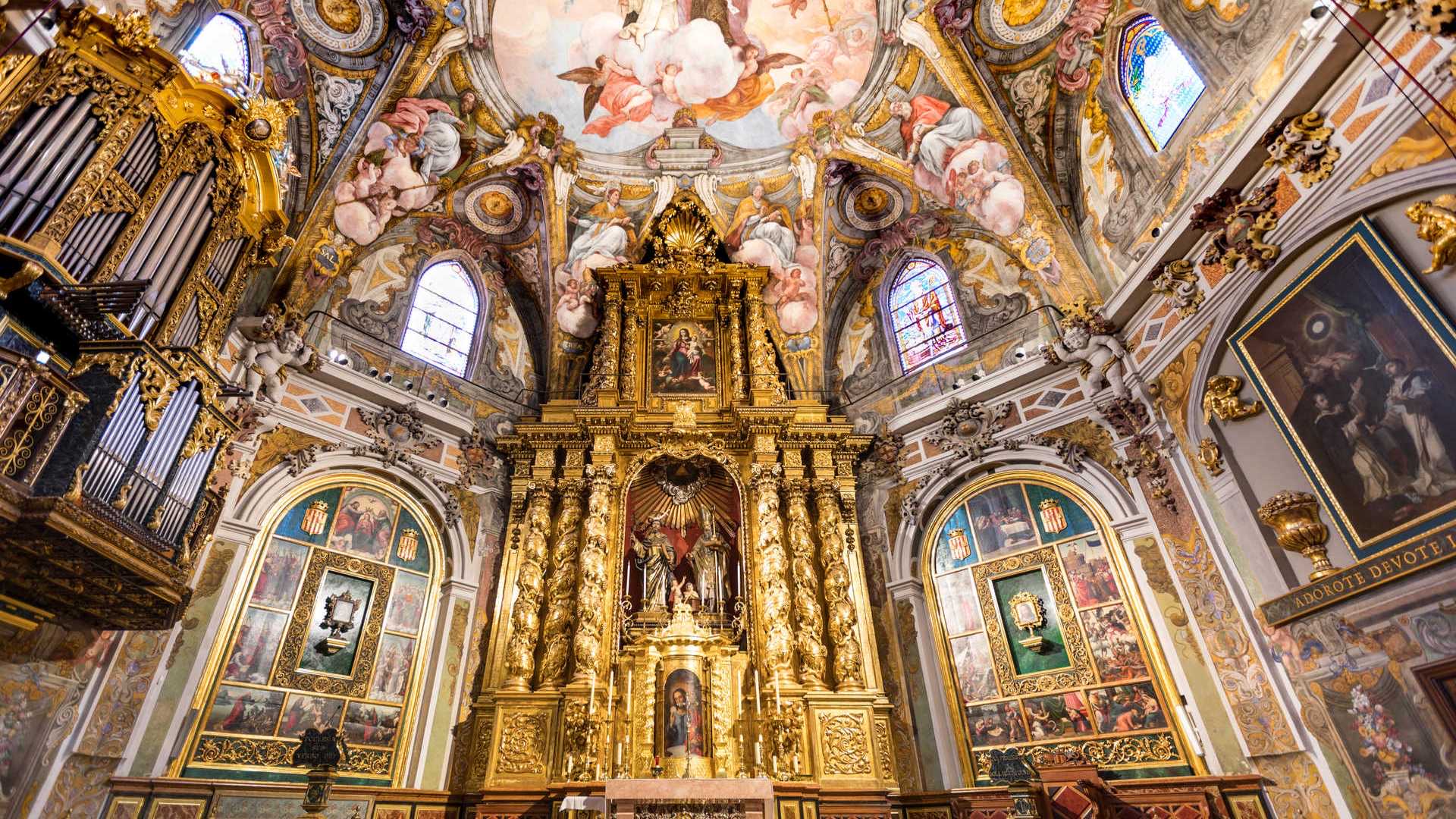
An era characterized by the scenic transformation of certain medieval temples, coupled with the exuberant rococo on the covers of noble palaces, as well as the aforementioned. The Church of San Nicolás de Bari and San Pedro Mártir also stands out for its impressive fresco baroque vault by Palomino and Dionís Vidal.
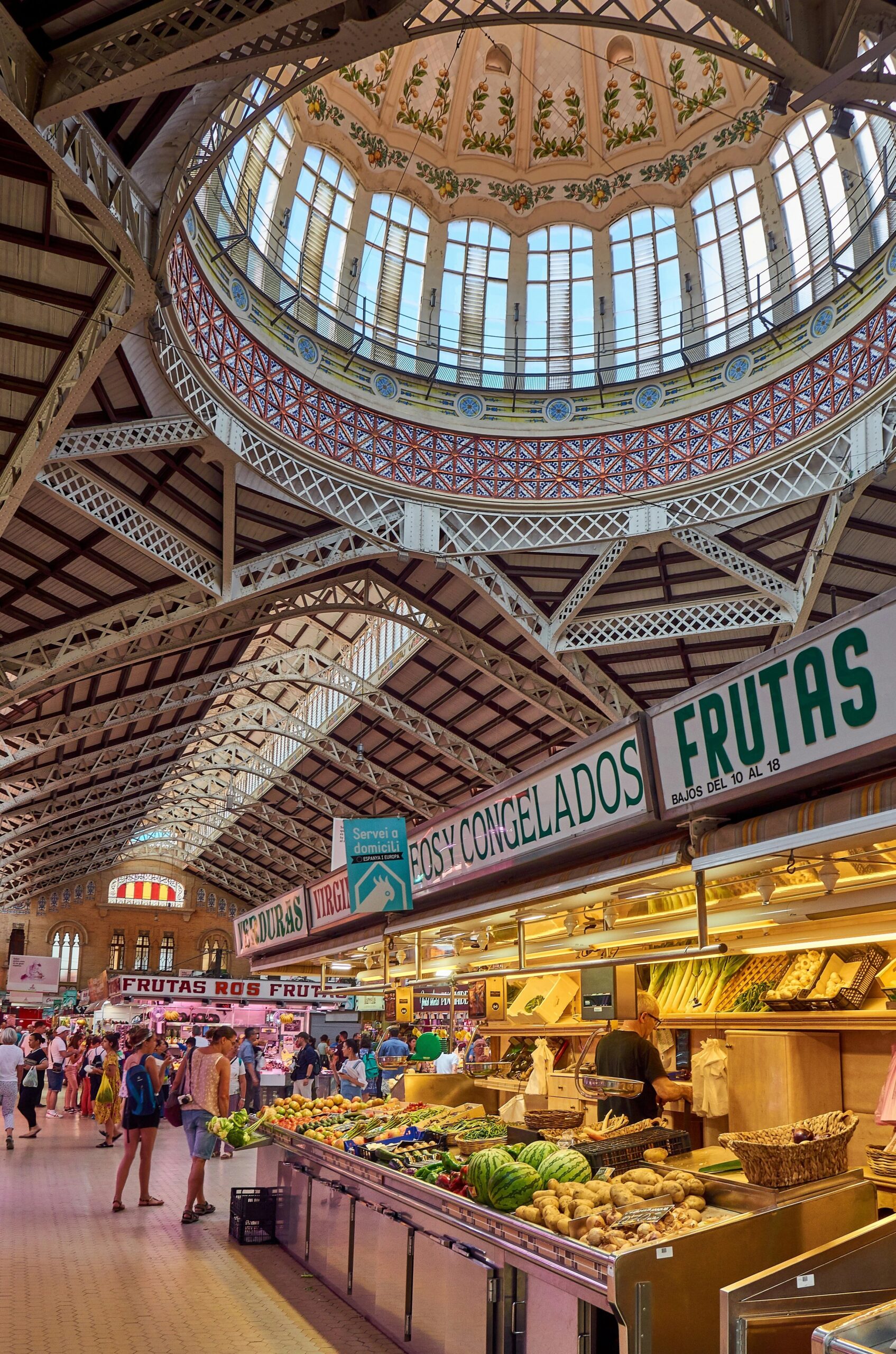
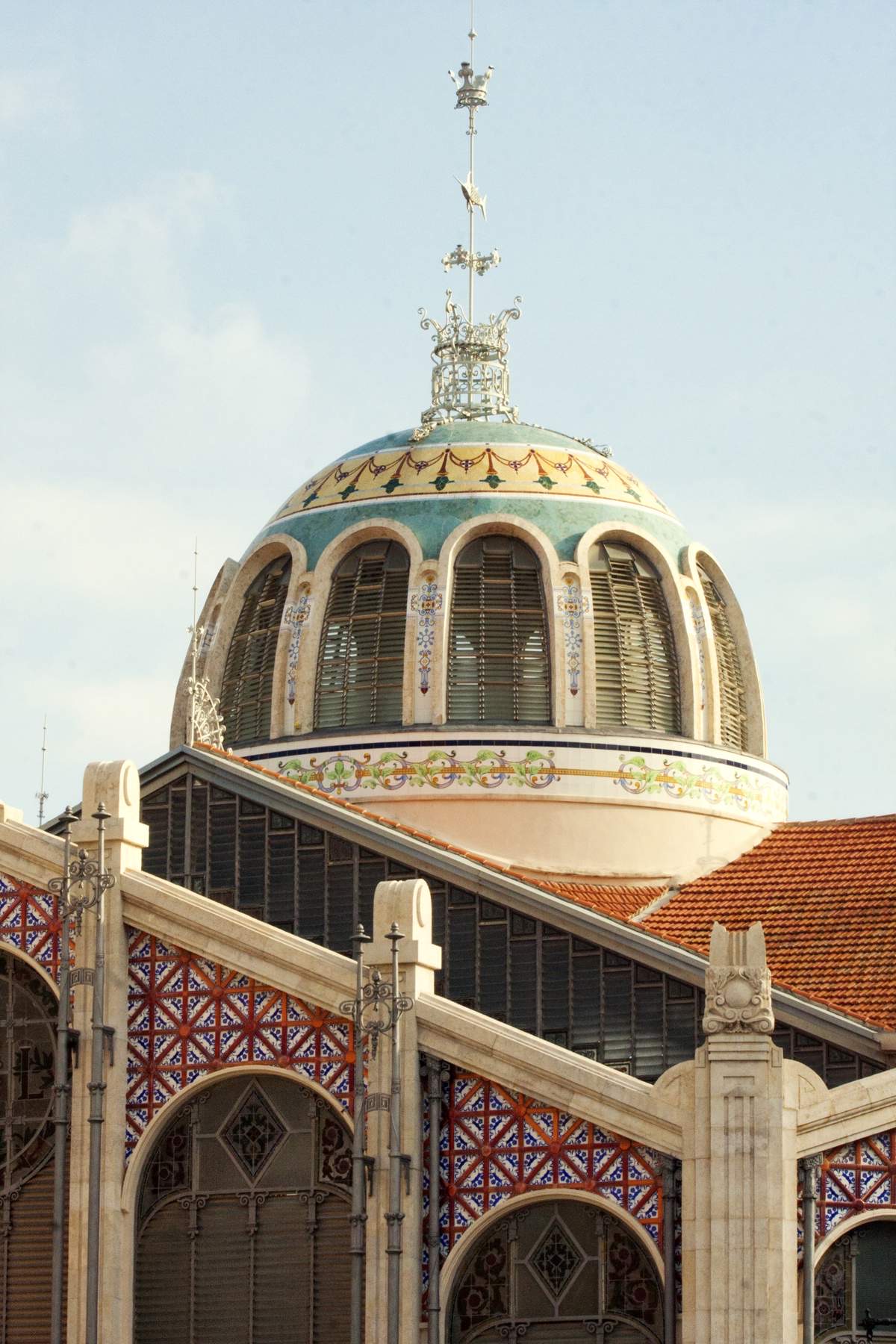
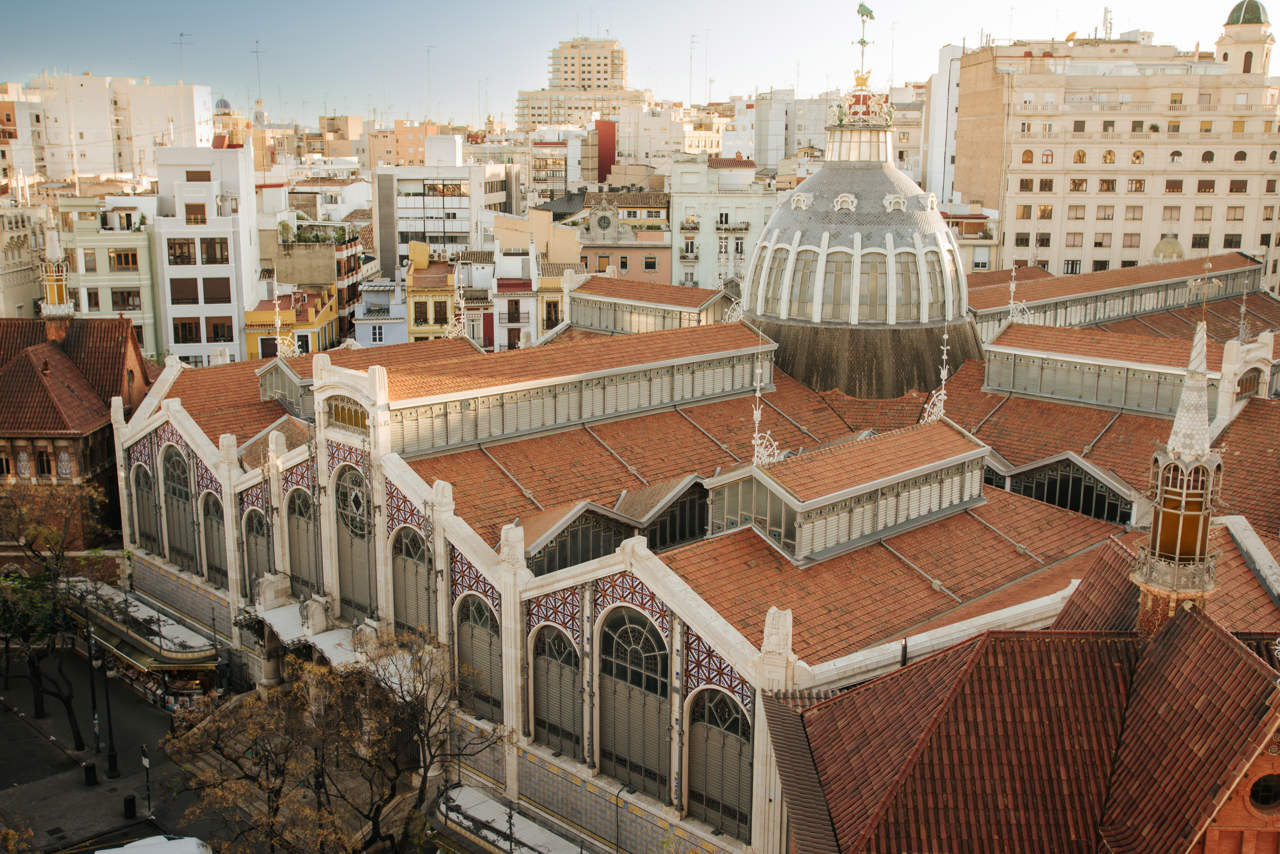
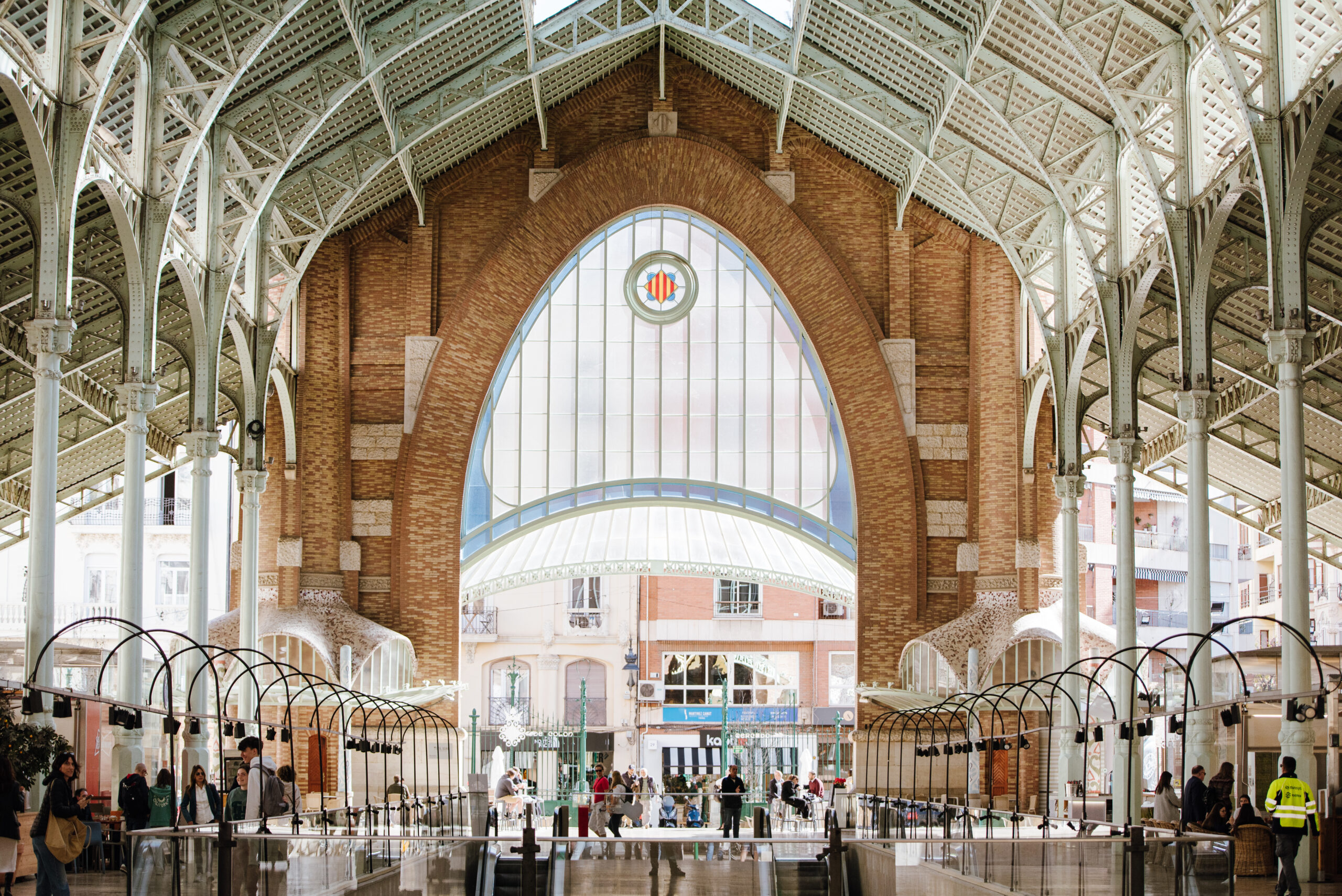
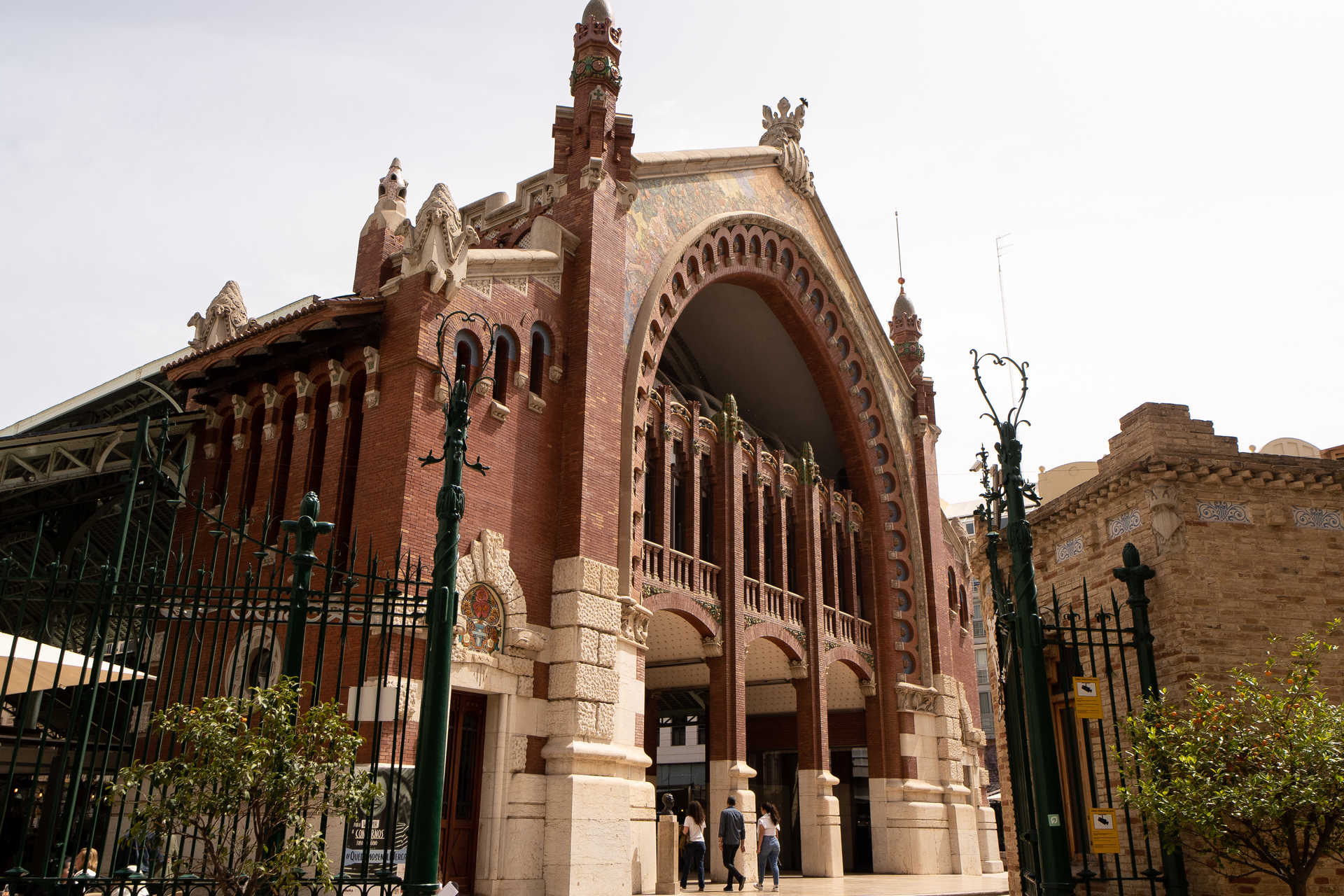
Modernism in Valencia in the Colón Market (Late 19th century – Early 20th century):
Fruit of the Industrial Revolution, the export of citrus fruits and the new bourgeois expansions begin to appear structures with iron views, large glass openings, mosaics and polychrome glazed ceramic.
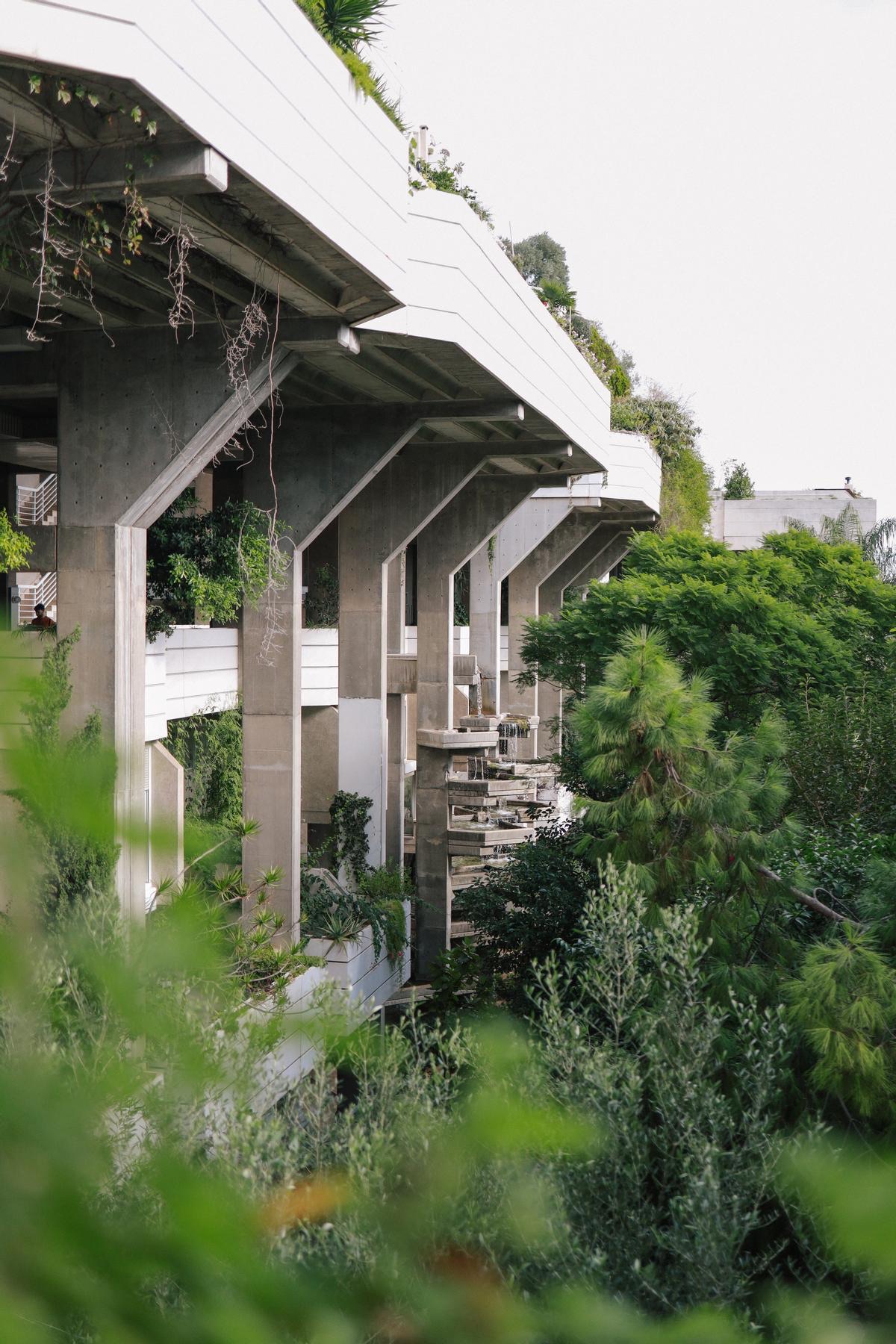
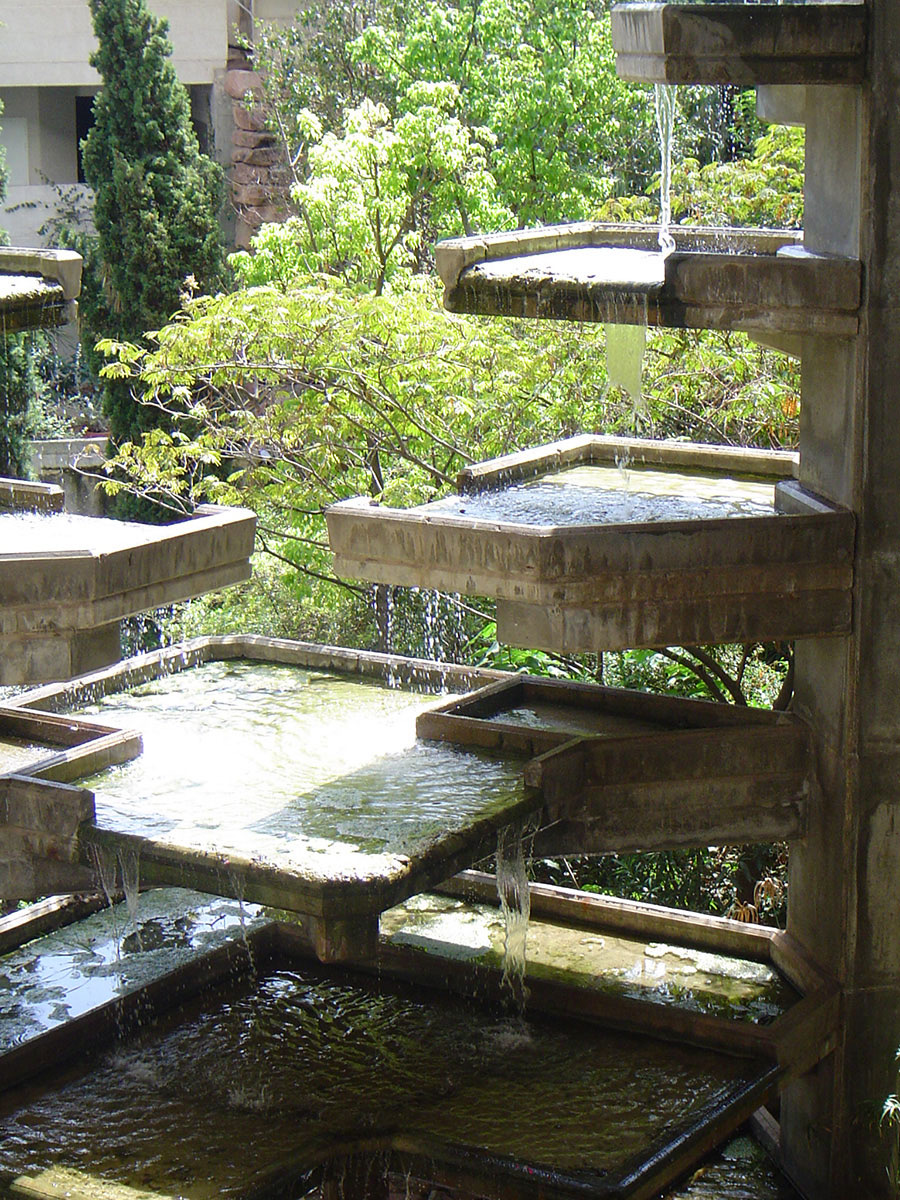
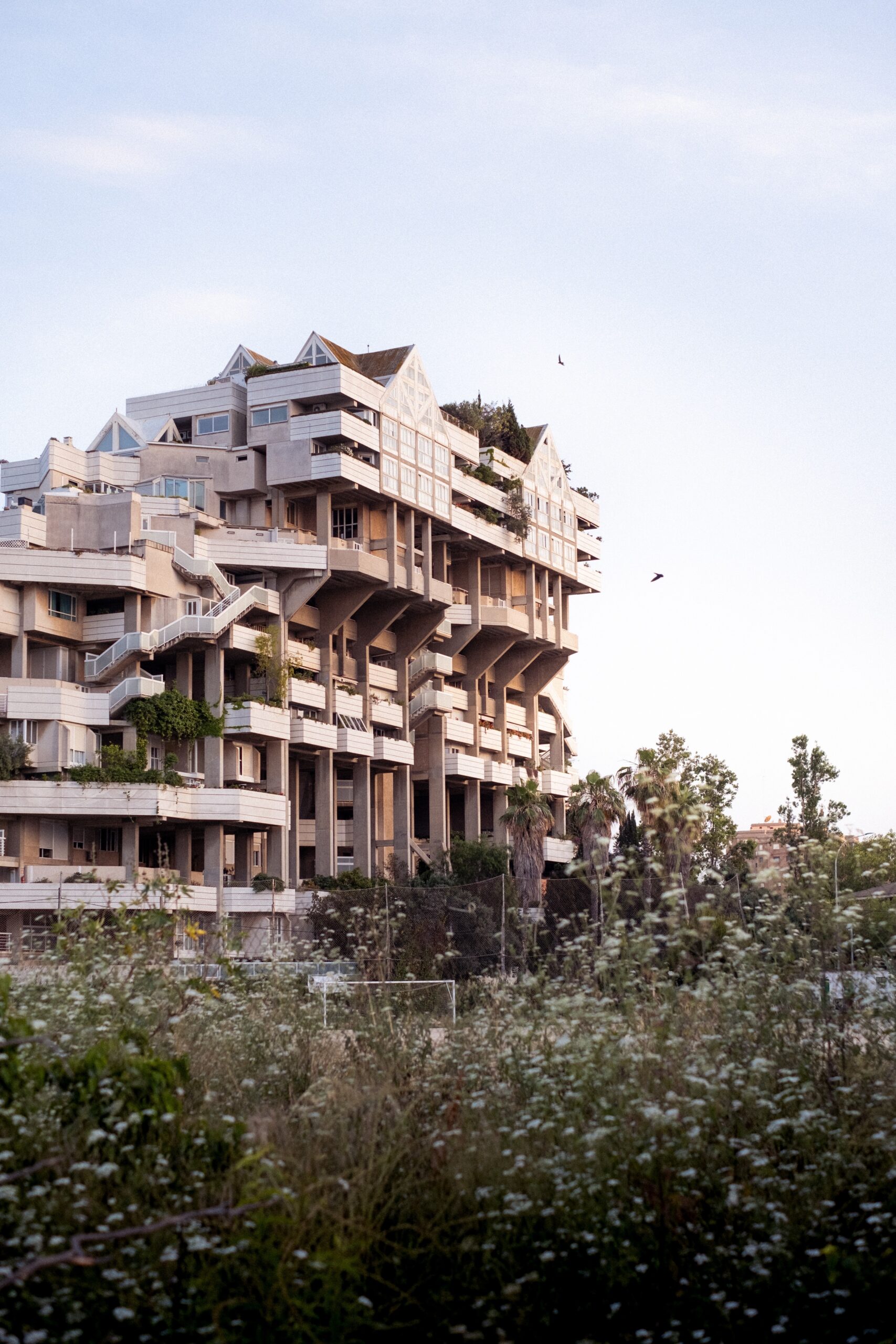
Brutalism in Valencia in Espai Verd (1960s and 1970s):
In response to the rapid metropolitan and university expansion. Distinguished by the honest use of exposed reinforced concrete, angular geometries, sculptural overhanging eaves and a monumental scale.
Vanguard architecture in the city of les Arts:
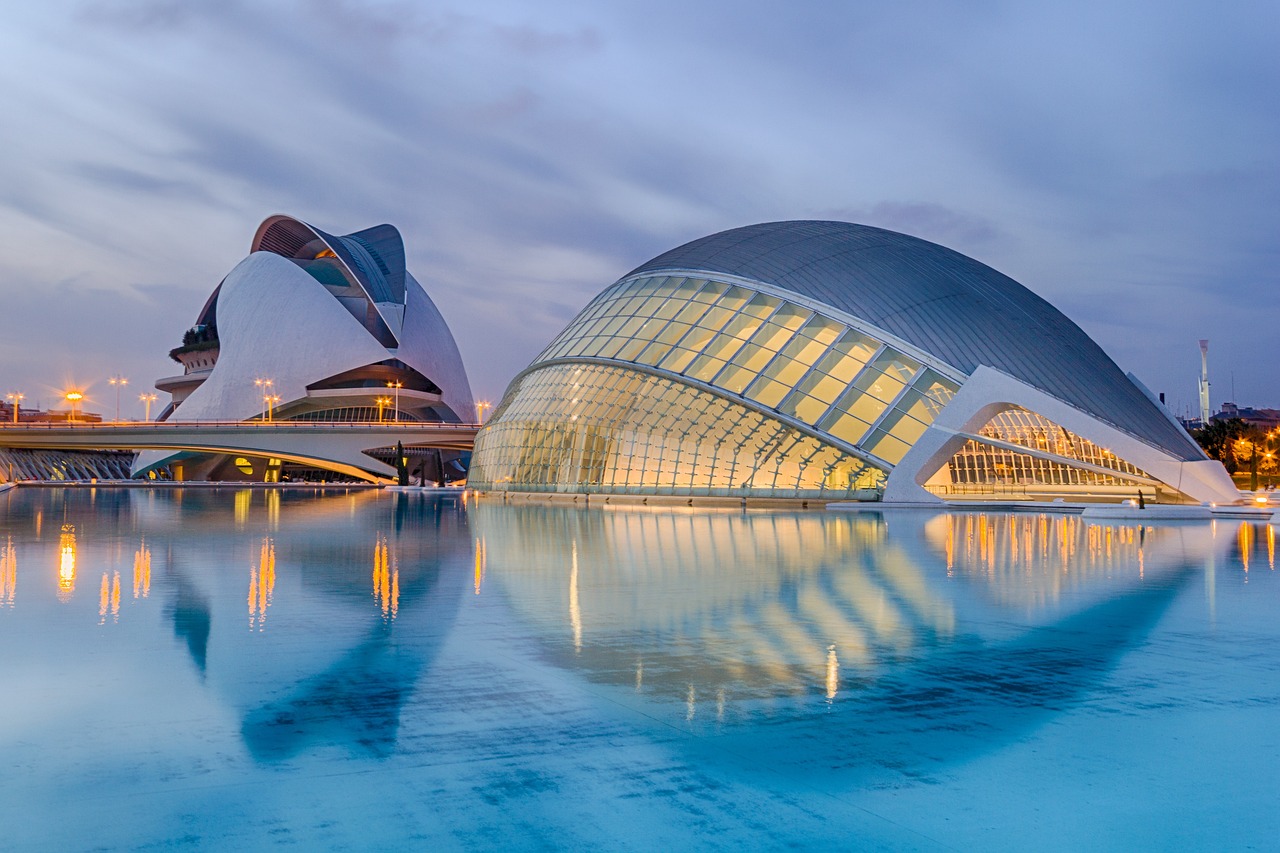
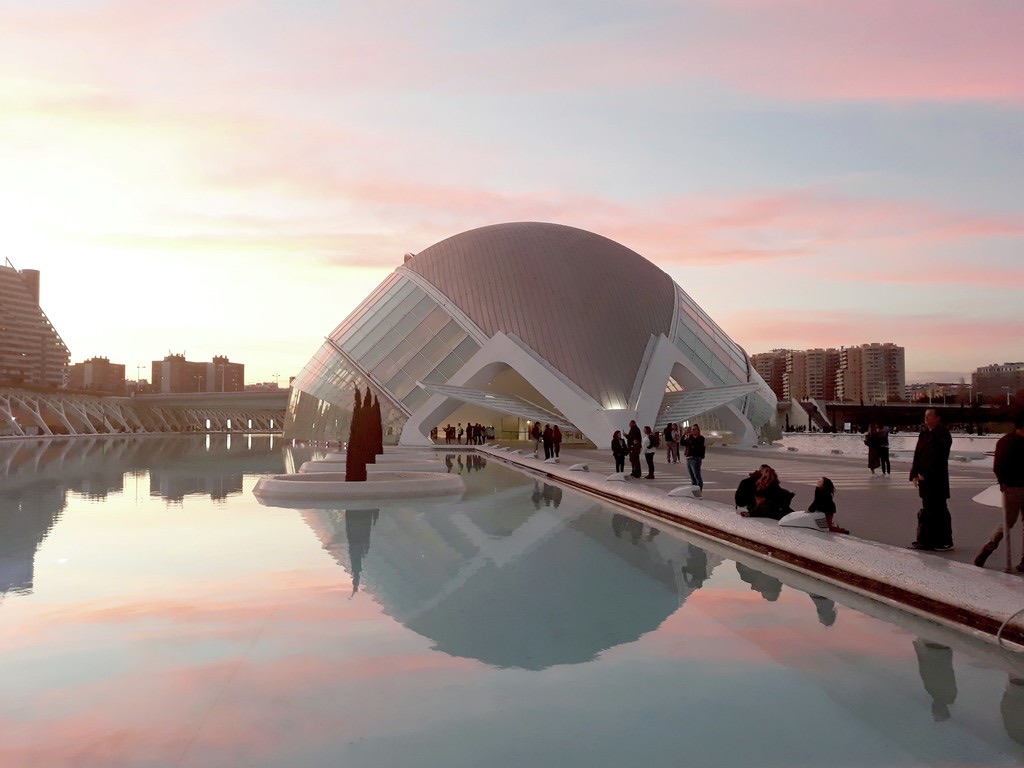
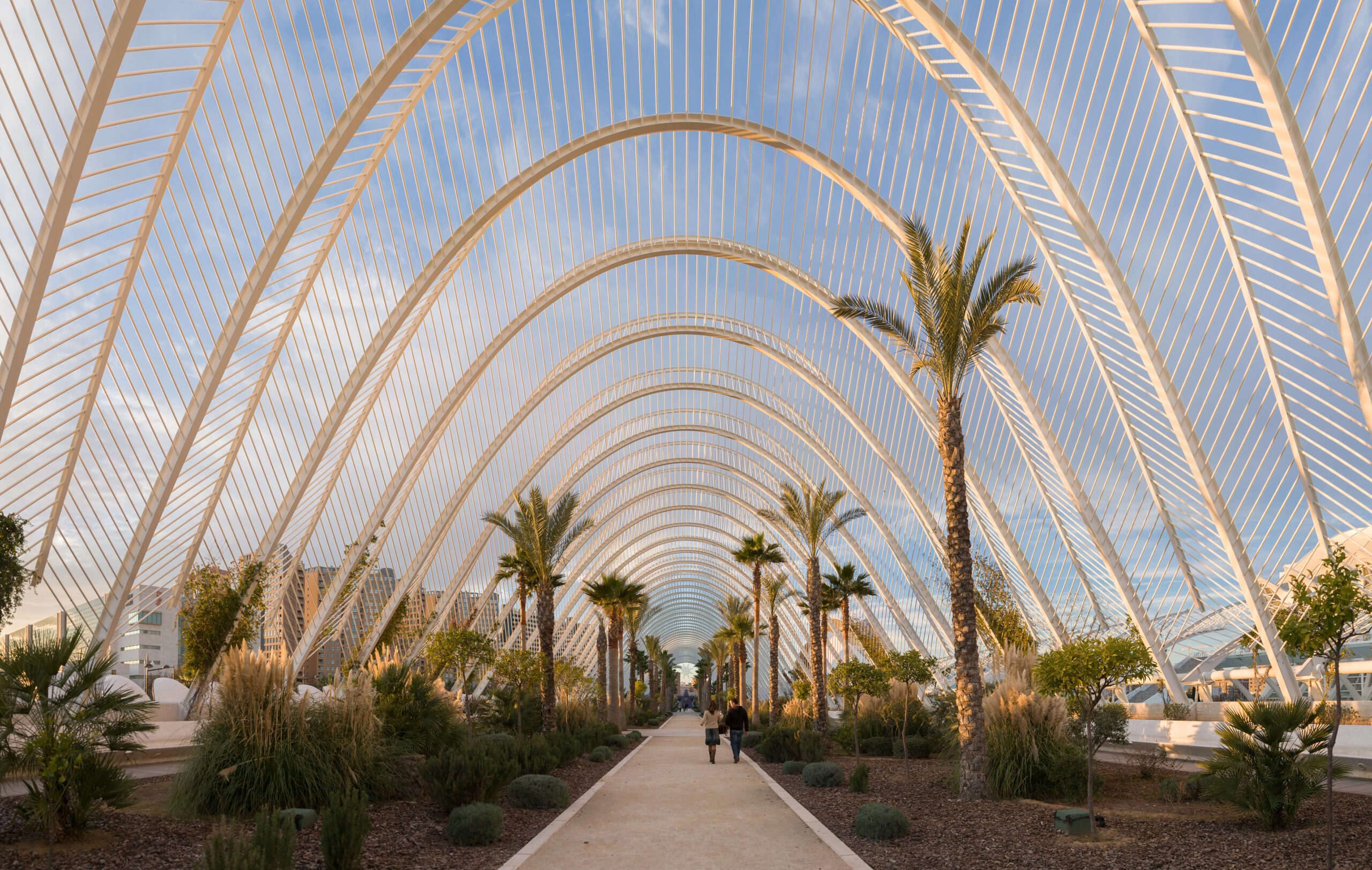
An author’s architecture of monumental scale linked to the conversion of the lands of the old Turia channel and the impact of global tourism, in buildings such as the Hemisfèric, Museu de les Ciències, Umbracle (Santiago Calatrava and Félix Candela).
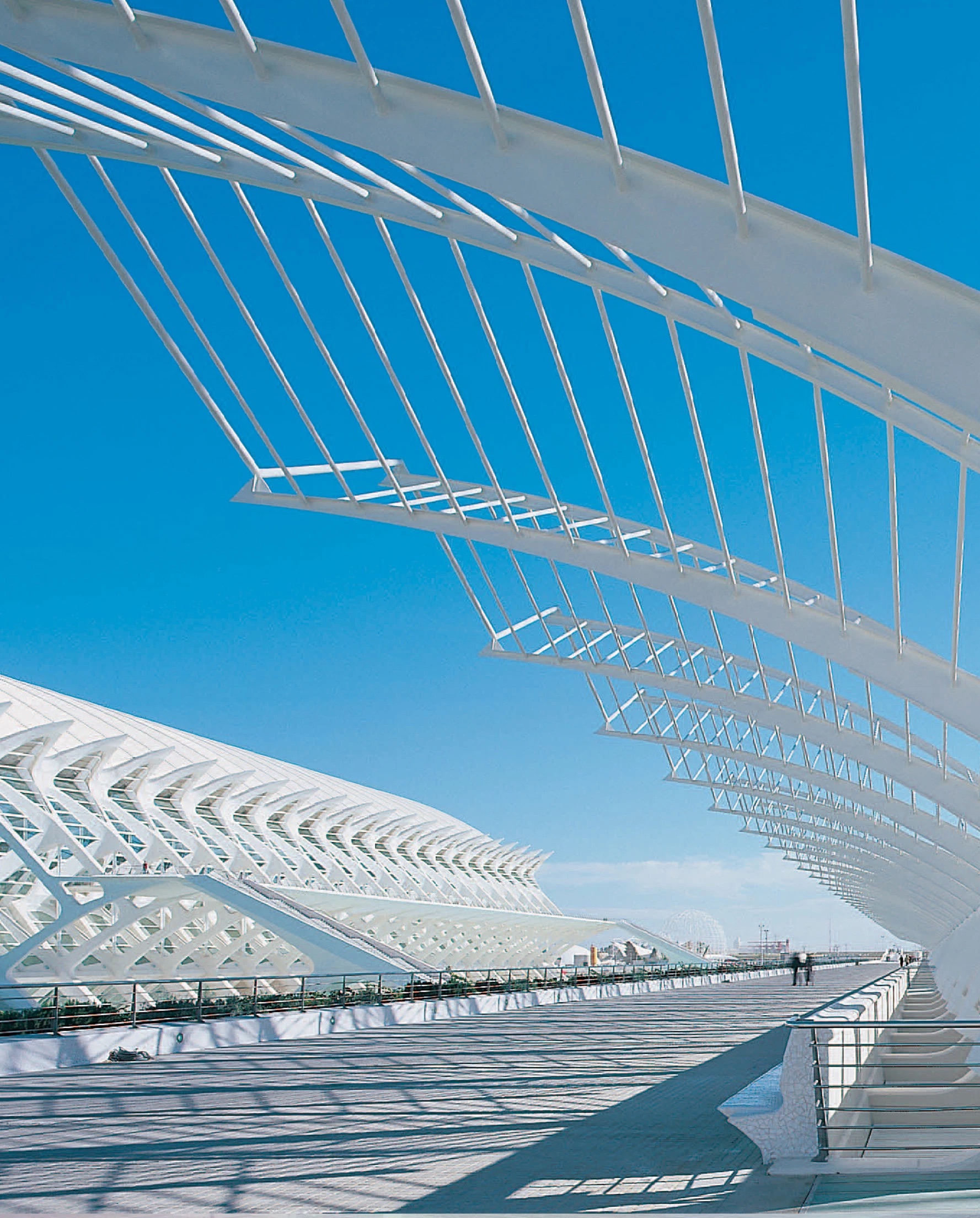
Contemporary architecture (21st century):
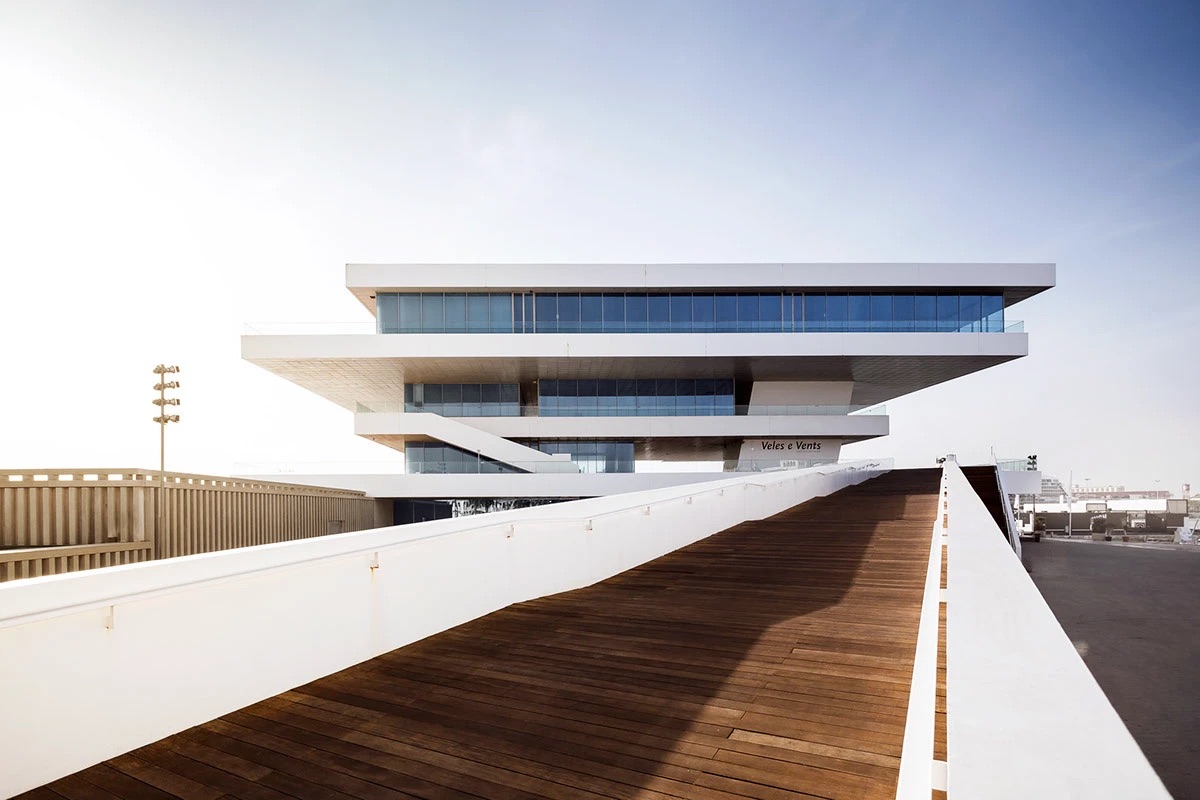
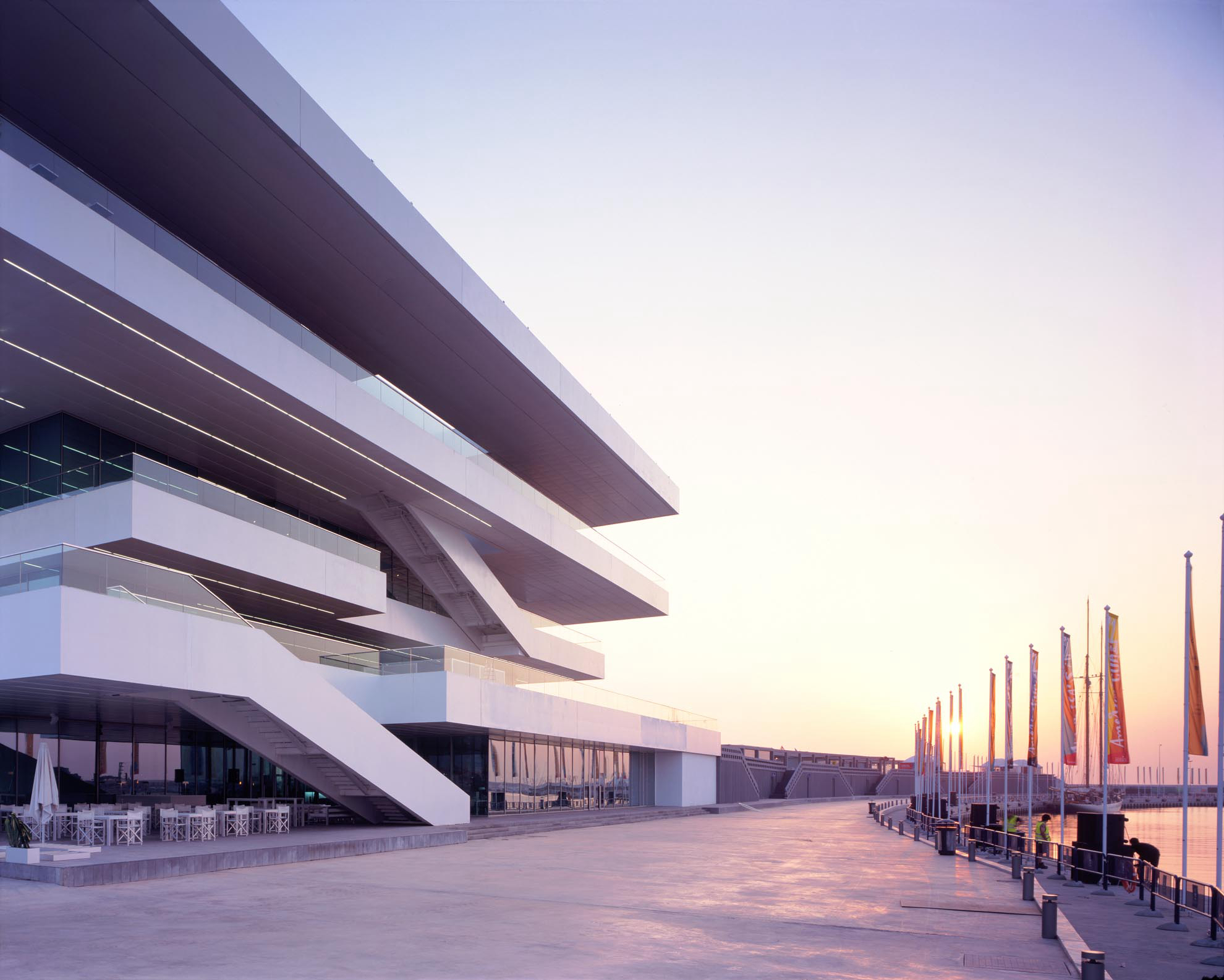
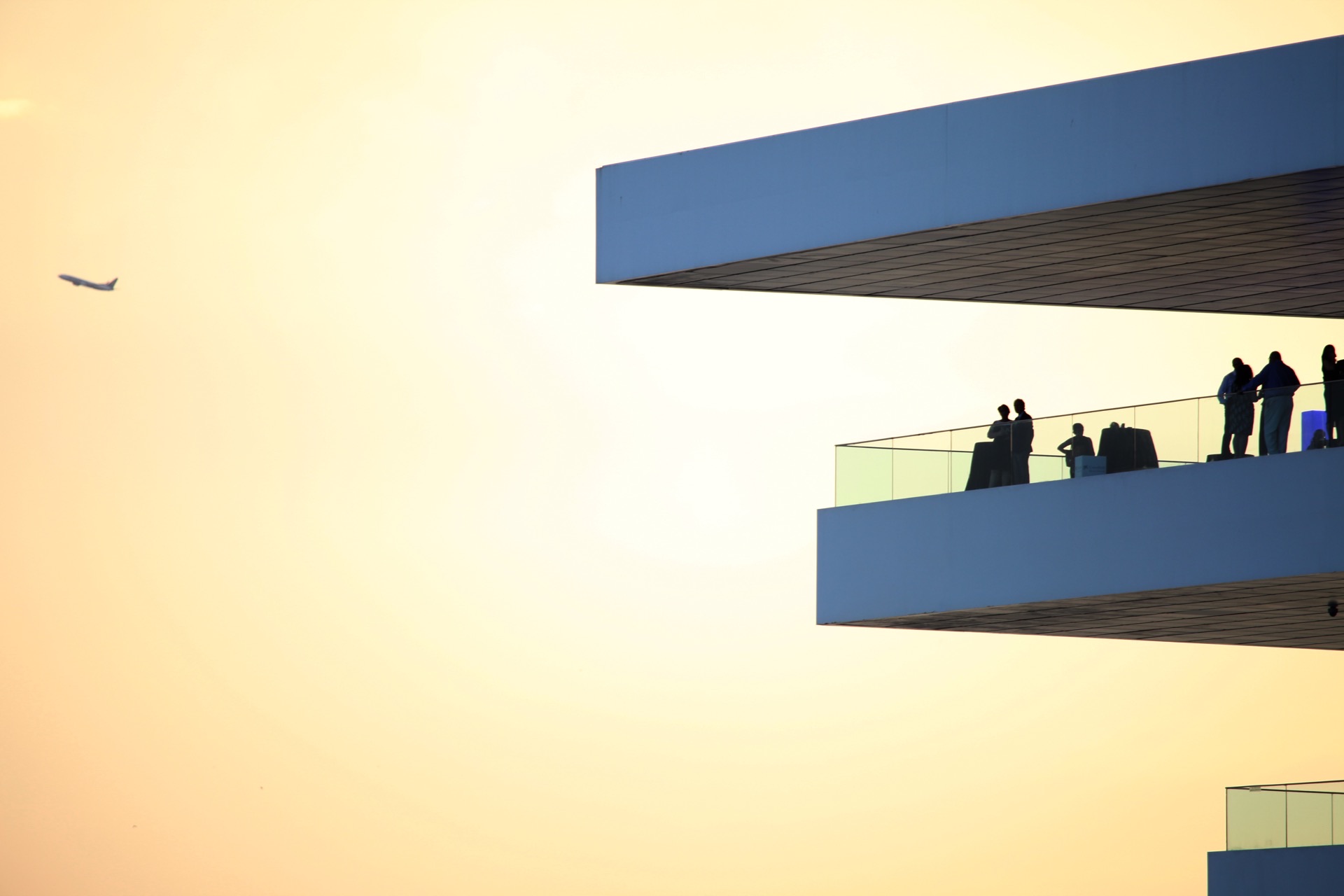
Today a dialogue with the maritime landscape has been sought, guided by formal purification, structural lightness and reinterpretation of the urban public space, creating works such as the Veles e Vents building (David Chipperfield and b720 Architects, 2006).
MArch Valencia. Arquitectura y Diseño
© 2026 MArch Valencia. Arquitectura y Diseño
Privacy policy | Cookies policy | Terms of use