


10 design books you should know if you’re a designer
DATE
06.02.2026
Design is built through practice, but also through theoretical knowledge. Reading about design helps broaden perspective, understand the cultural and professional context in which each project exists, and make more conscious decisions based on a solid theoretical background.
Books are a fundamental support for gaining perspective, developing judgement, and understanding the discipline beyond a specific commission. Below is a selection of essential readings, organised by area, that approach design from management, composition, history and critical reflection:
On history
1. When Design Became a Profession, by Pilar Mellado Lluch. Experimenta. An analysis of the process through which design consolidated itself as a professional discipline, tracing historical contexts, debates and transformations that help explain the present state of design.
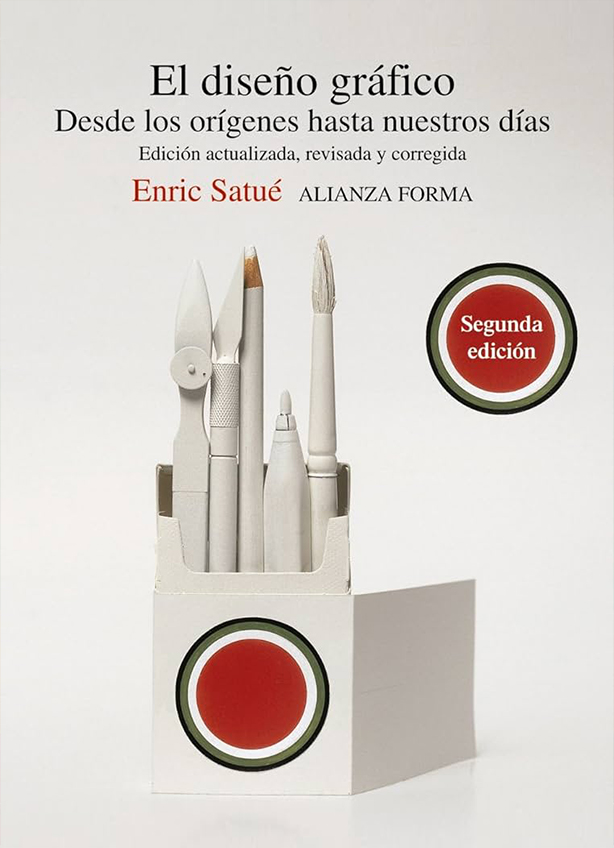
2. Graphic Design: From Its Origins to the Present Day, by Enric Satué. Alianza. A comprehensive overview of the evolution of graphic design, contextualising movements, authors and visual languages, and constructing a solid narrative of the discipline that reaches up to the 1960s.

On composition
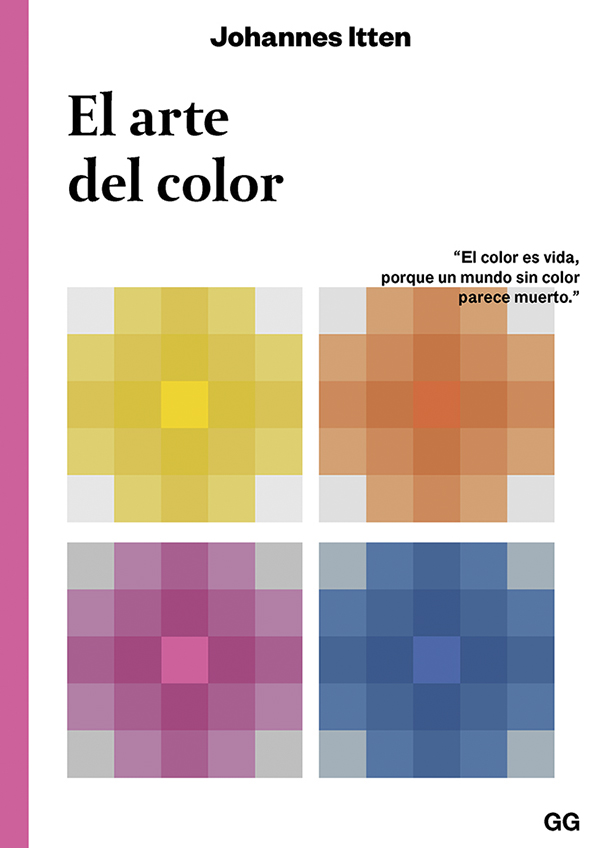
3. The Art of Color, by Johannes Itten. GG. A fundamental work for understanding colour as a compositional and expressive tool. Through theory and examples, it analyses chromatic relationships and their visual and emotional impact within the design process.
4. Grid Systems, by Josef Müller-Brockmann. GG. An essential reference on structure and order in graphic design. The book presents the grid as a system that brings clarity, coherence and rigour, offering a solid foundation for organising information.
5. The Interior Architecture: How Design Influences Our Behaviour, Health and Well-being, by Emily Anthes. GG. An exploration of how spaces influence our behaviour, emotions and well-being. The book connects interior design, neuroscience and human experience, expanding the understanding of space as an active tool.


On management
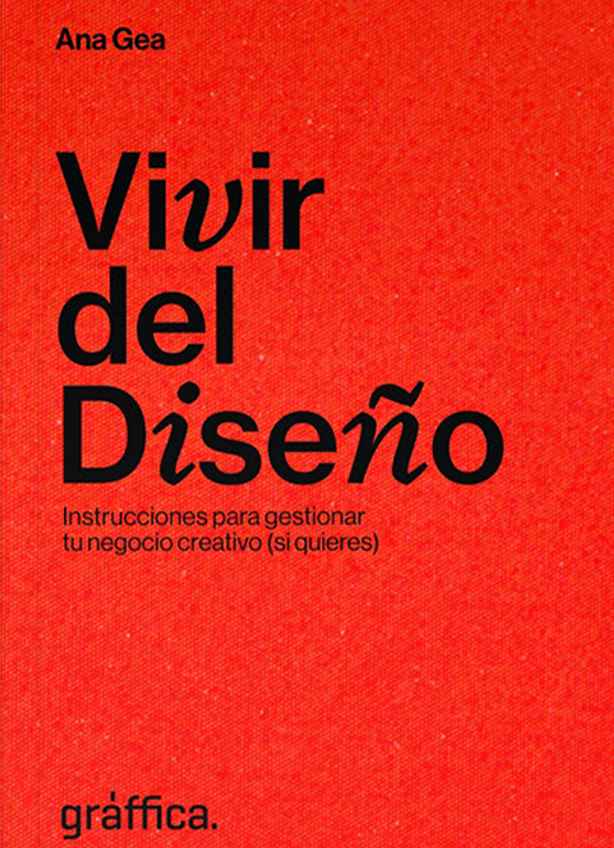
6. Making a Living from Design, by Ana Gea. Gràffica. A book that directly addresses the challenges of practising design as a profession. It covers issues such as client relationships, financial management, positioning and strategic decision-making, offering practical tools to build a sustainable and coherent practice.
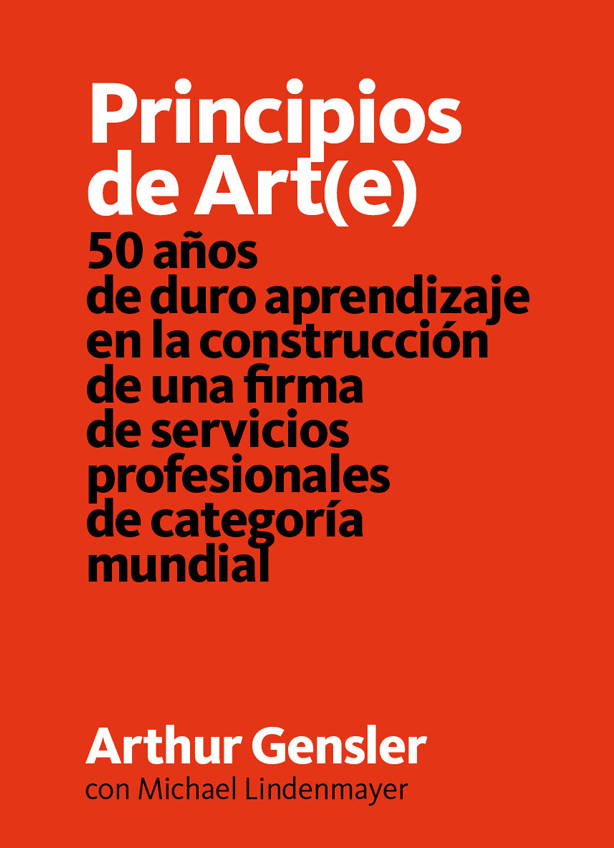
7. Art(e) Principles, by Arthur Gensler. Ediciones Asimétricas. A reflection on architecture, design and leadership from the experience of one of the most influential firms internationally. The book connects design, business and social responsibility, advocating a practice committed to people, cities and the environment.
On opinion
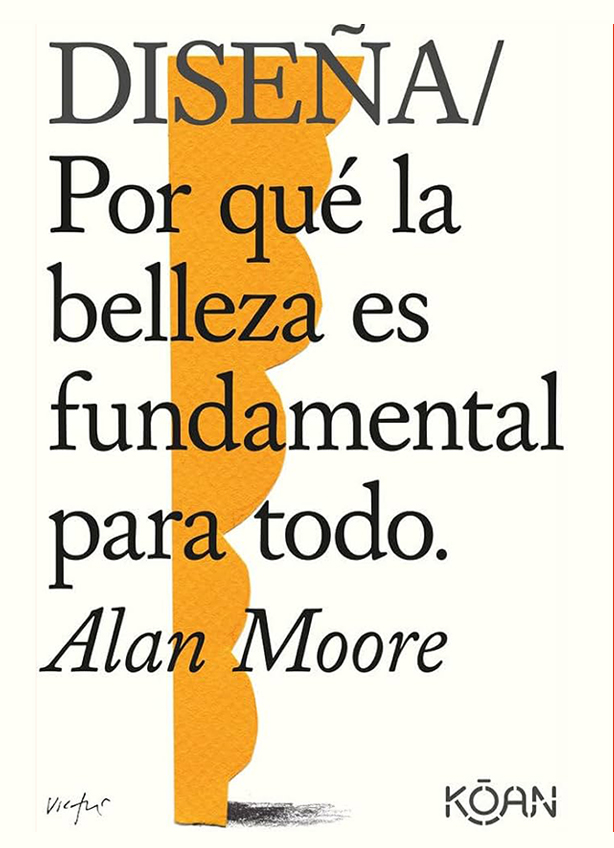
8. Design: Why Beauty Is Key to Everything, by Alan Moore. Koan. A reflection on the role of beauty in design and everyday life, understood as an essential dimension for creating meaning, emotion and connection.
9. Dialogues on Work. Editora y Distribuidora Hispano Americana. A collection of conversations with leading voices in the creative field, such as Philippe Starck, Patricia Urquiola, Giulio Ridolfo, Alfredo Häberli, Piergiorgio Cazzaniga, Alberto Lievore, Benjamin Hubert and Jasper Morrison, who reflect on work, project culture and the relationship between design, industry and society.
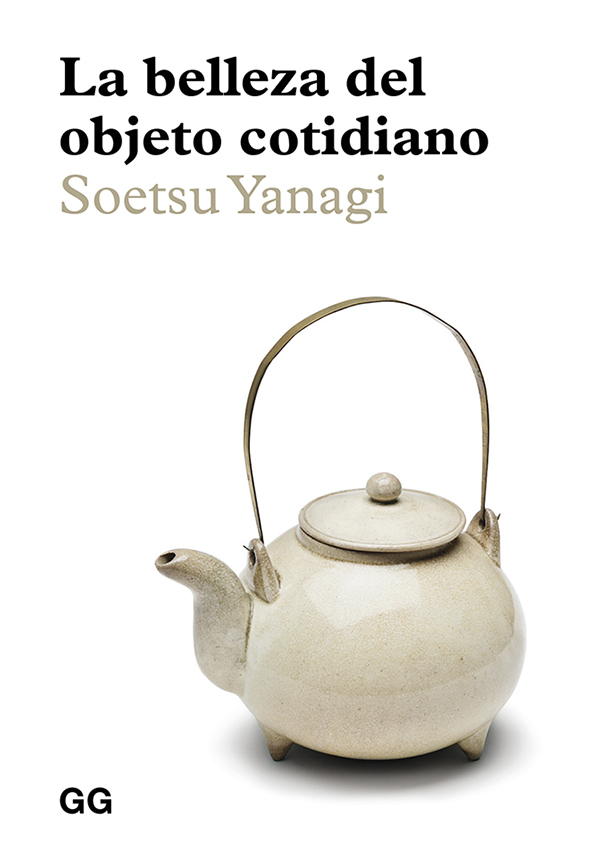
10. The Beauty of Everyday Things, by Soetsu Yanagi. GG. An essential text for understanding beauty through simplicity and daily use. Through mingei thinking, it champions honest, functional and anonymous objects as bearers of cultural value.

Reading about design means expanding your field of vision, building judgement and understanding the profession in a more conscious and profound way. Books, like projects, also teach us how to look.
MArch Valencia. Arquitectura y Diseño
© 2026 MArch Valencia. Arquitectura y Diseño
Privacy policy | Cookies policy | Terms of use
<p class=”leyenda” style=”color: #363636″>En el contexto del Módulo 05_Producto, los estudiantes del programa MArch han contado con la participación de Asier Mateo, arquitecto y fundador de la marca de relojes Lebond.</span></p>