



How to choose the image that represents a project
DATE
26.08.2026
Finding the definitive shot requires synthesizing architecture into an honest, precise, and self-identifying image. And thus achieving the art of capturing the identity of a work in a single shot.
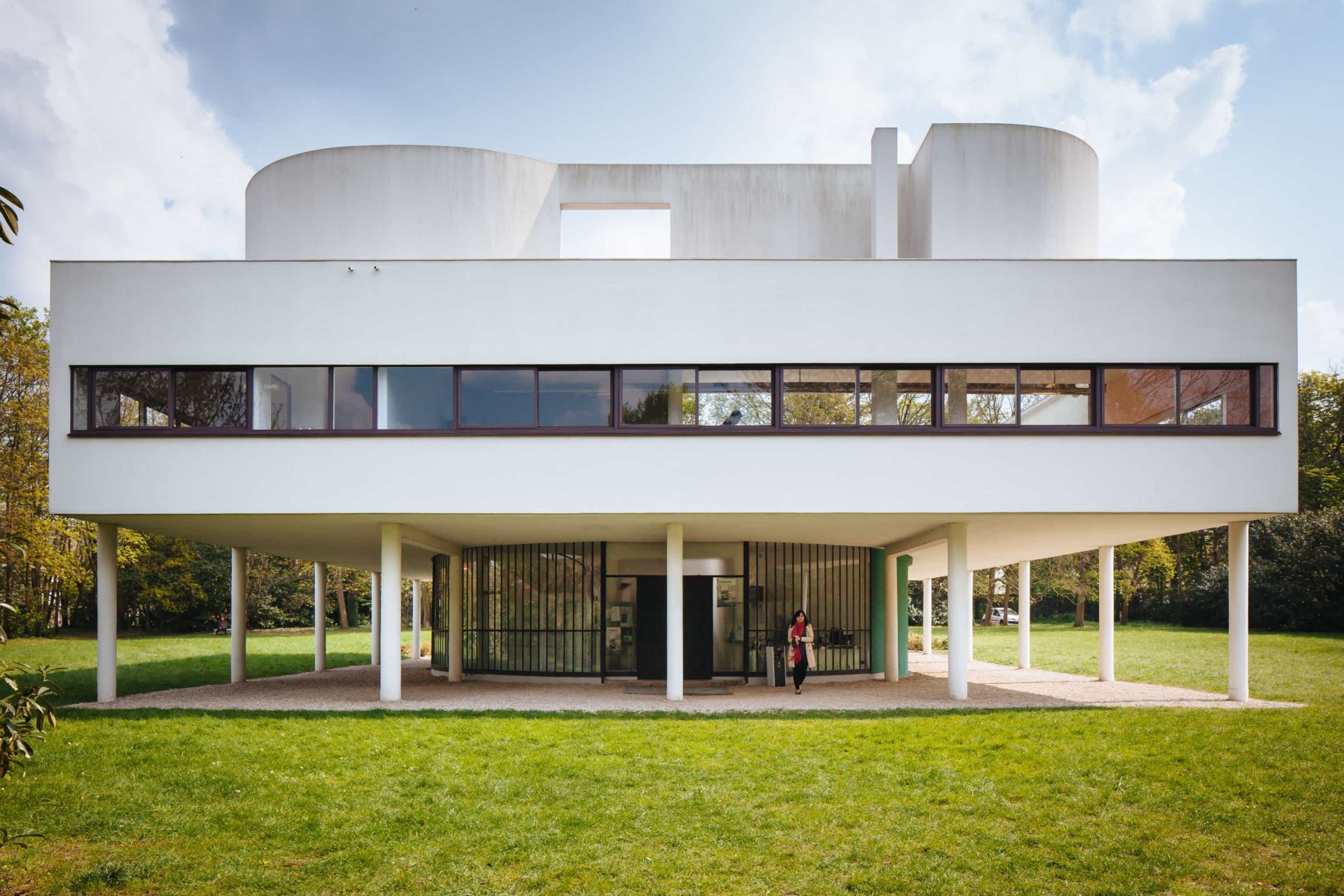
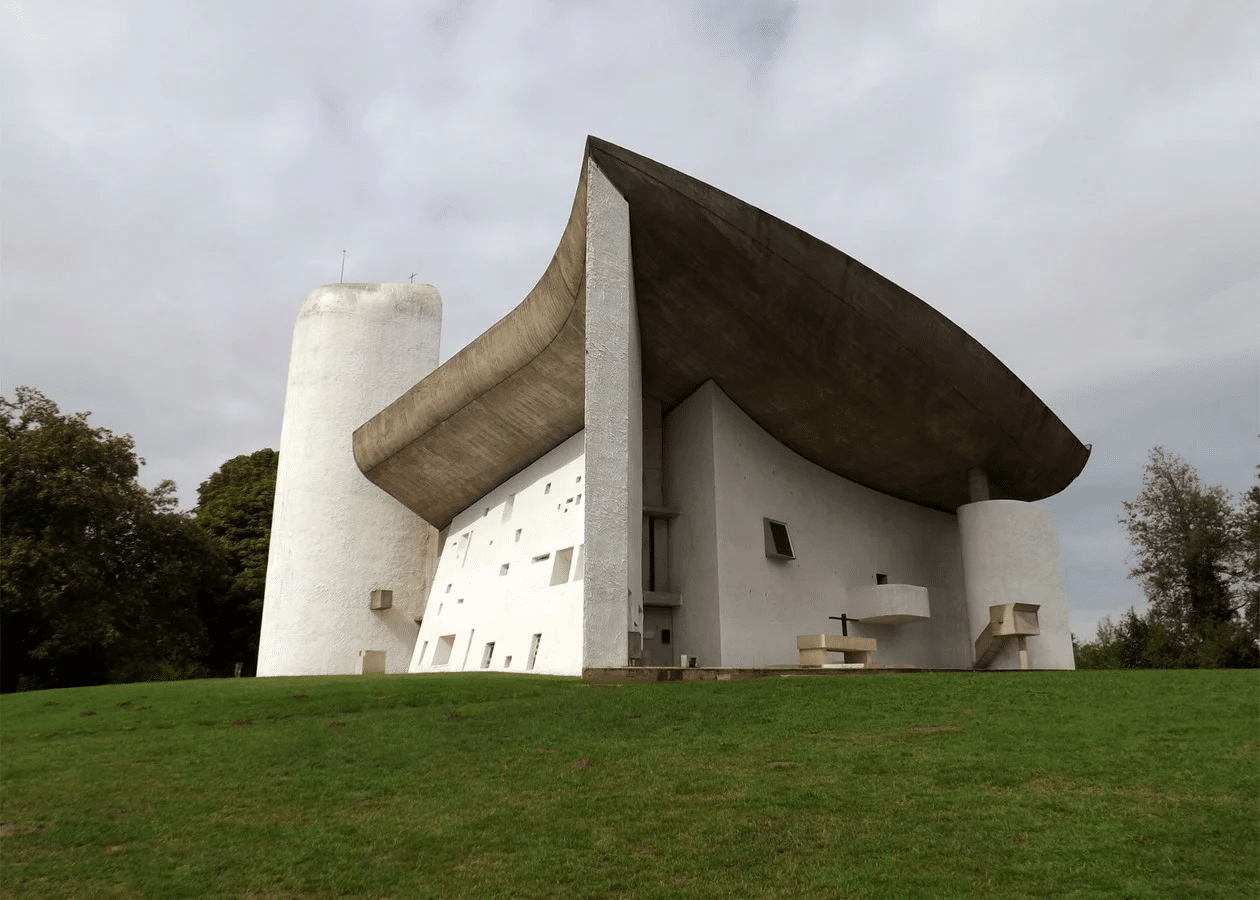
There are images that are able to convey the theoretical principles that underlie architecture, as revealed by the iconic frames of the Villa Savoye or Notre Dame du Haut by Le Corbusier.
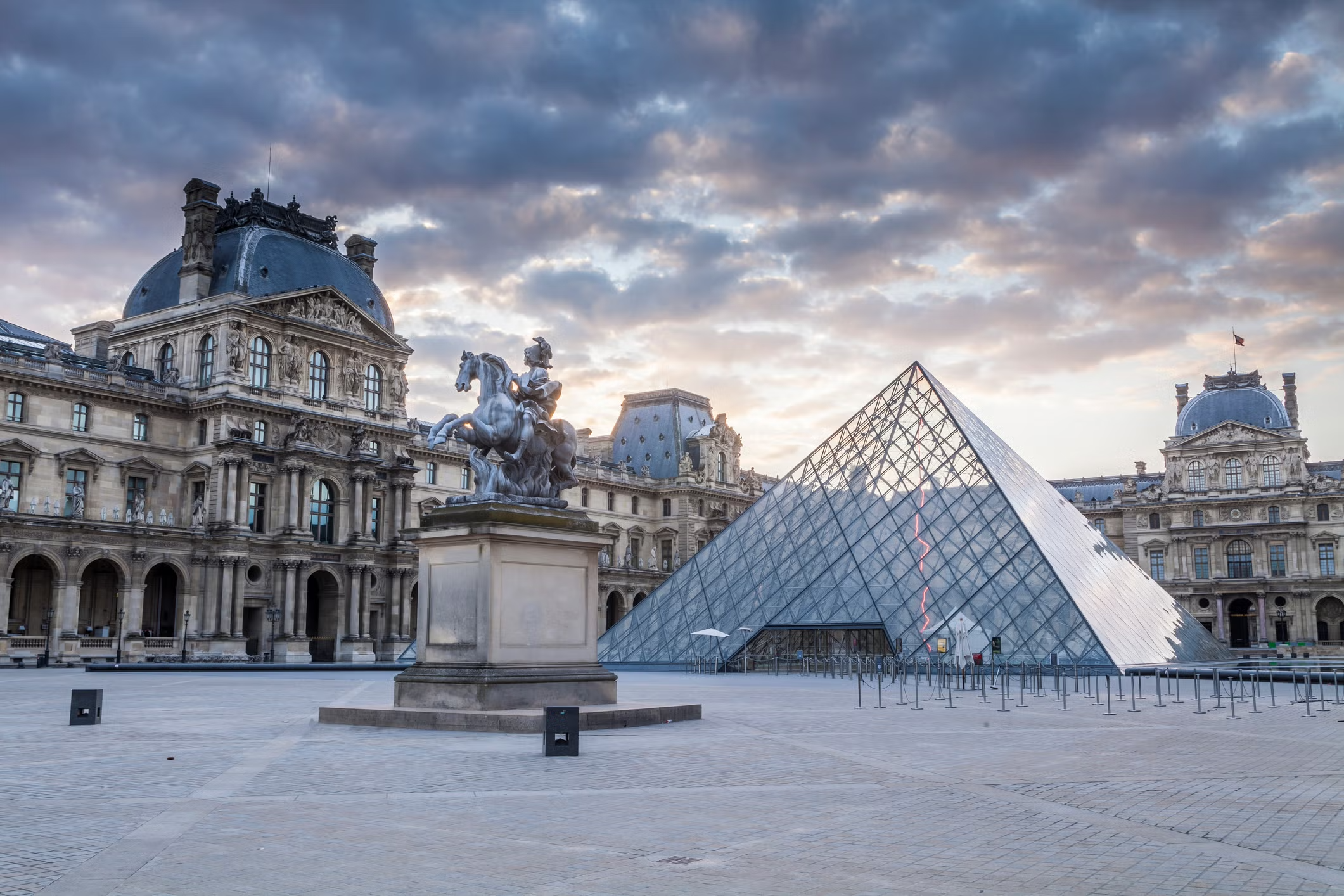
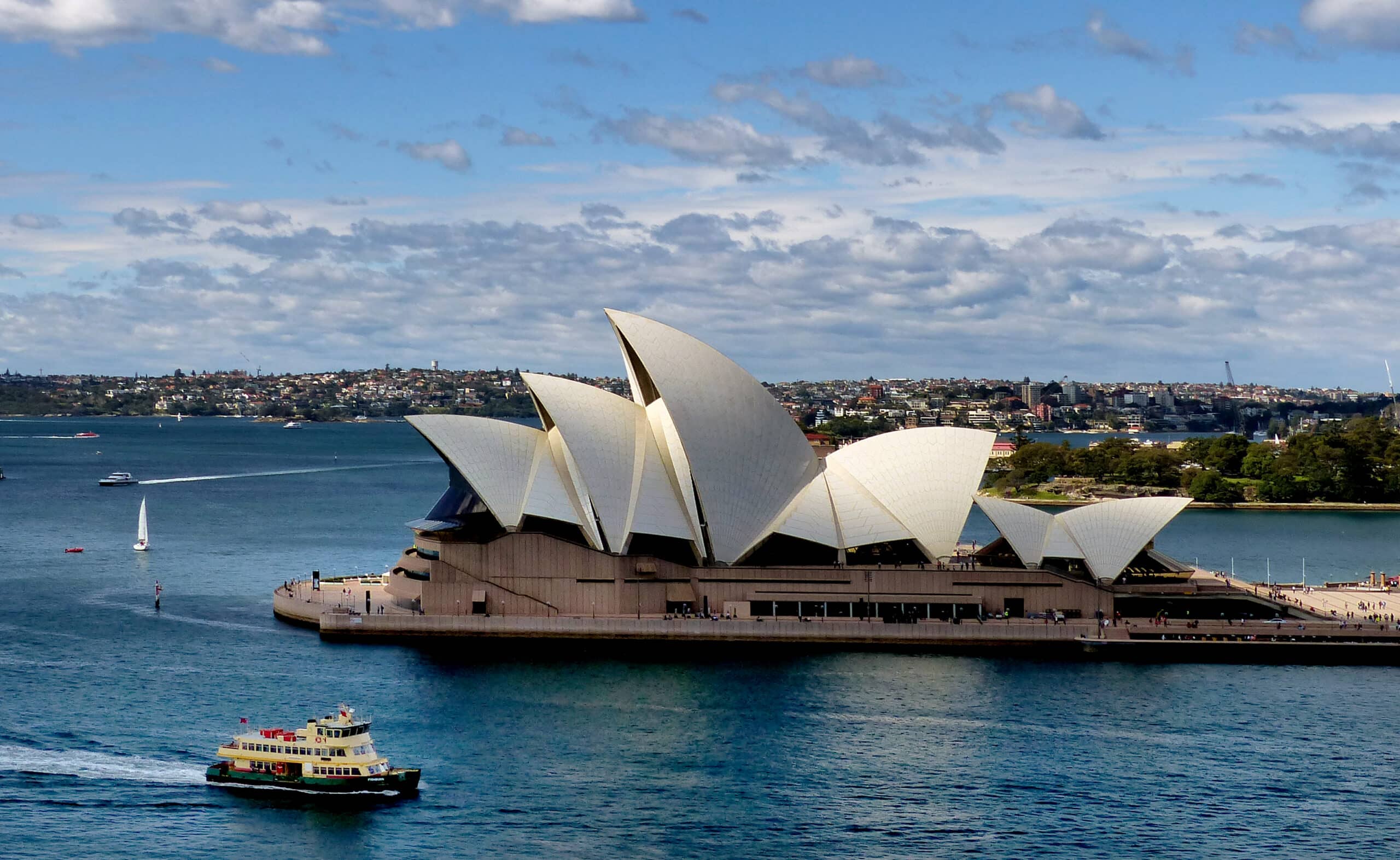
Others achieve a character so singular that the work becomes a universal icon, like the Crystal Pyramid of the Louvre, the Taj Mahal, or the Sydney Opera House.

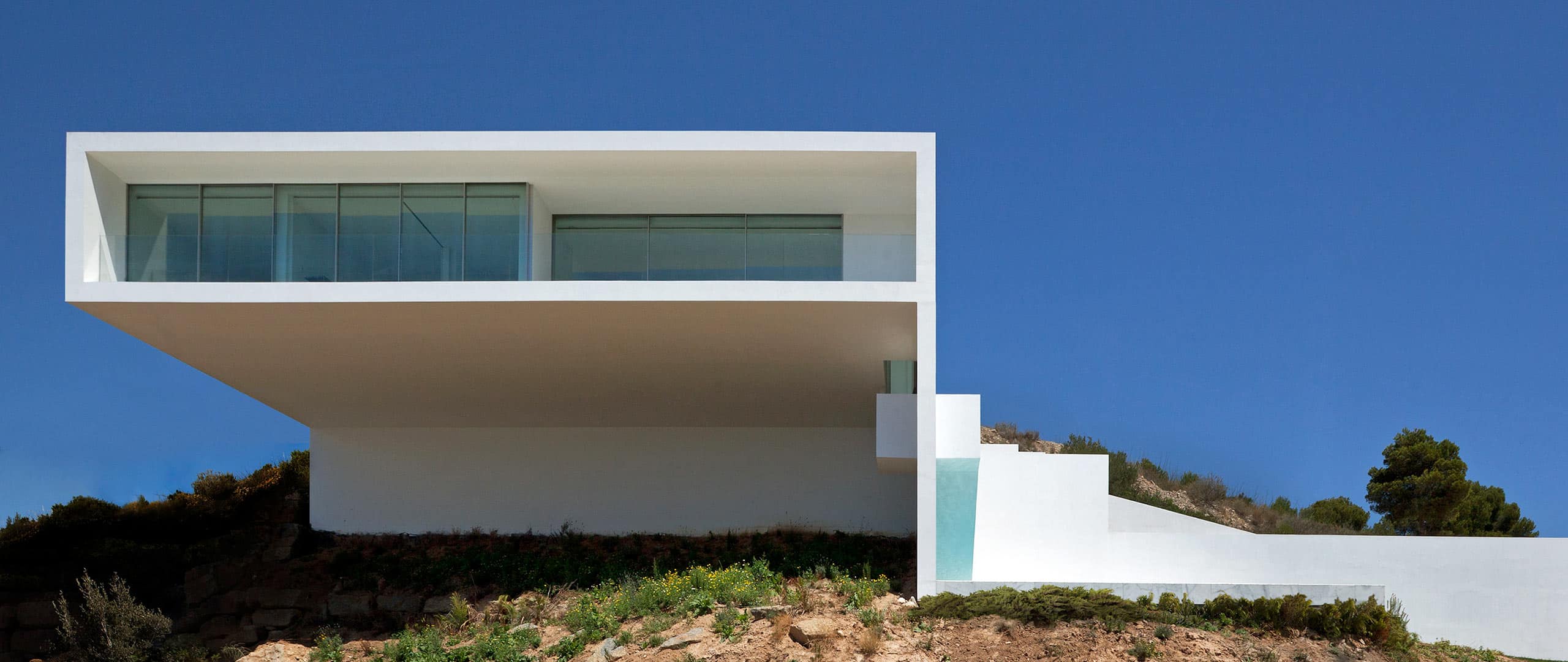
There are those who discover the precise angle to give the project an unmistakable identity, as happens with the House on the Cliff in Alicante.
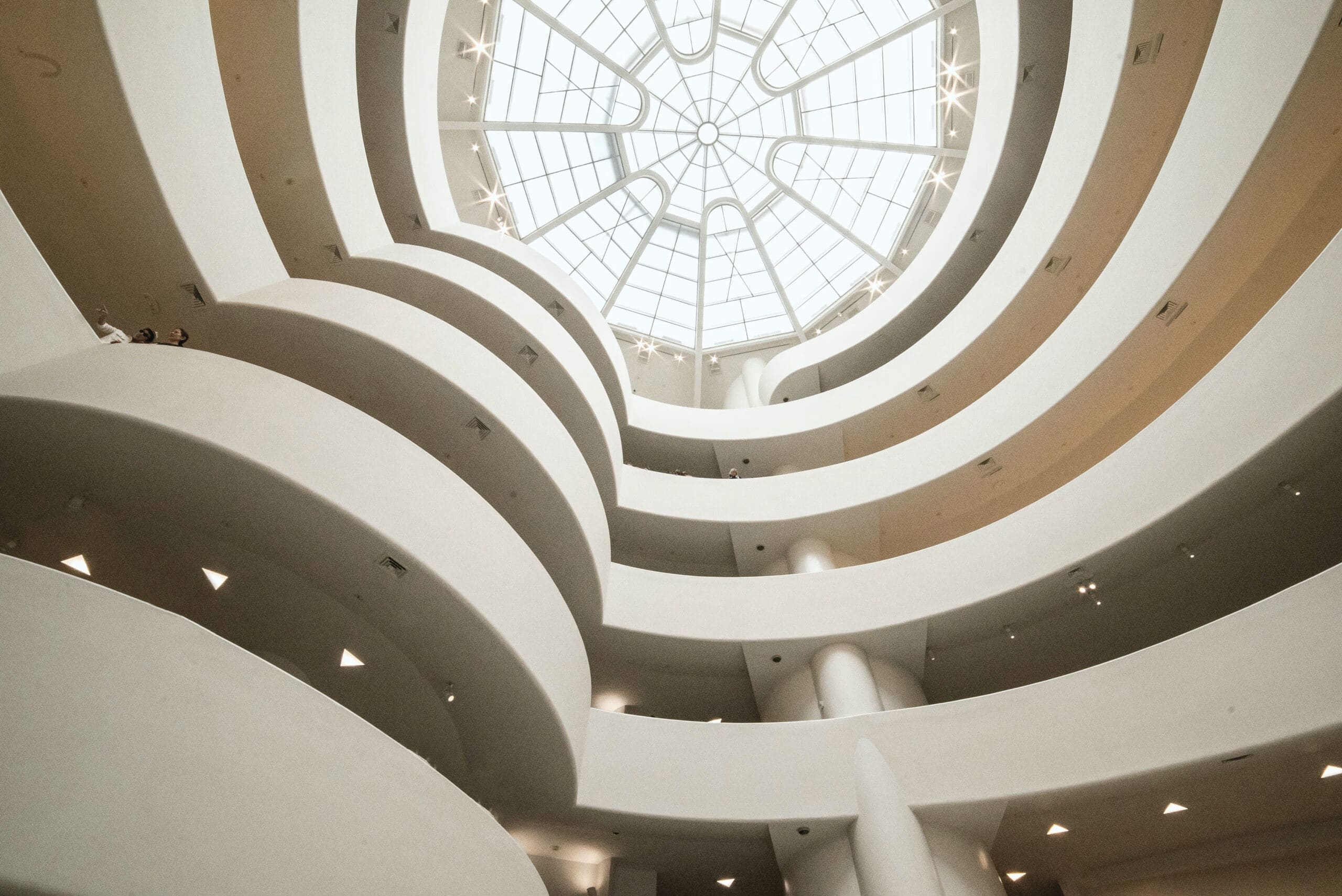
When choosing the final shot, there are no fixed patterns or foolproof steps. It is about selecting the framing that clearly explains its functionality and purpose—like the axial photographs of the Bauhaus building in Dessau or the interior shots of the Guggenheim in New York—allowing even non-experts to decipher its spatial value.

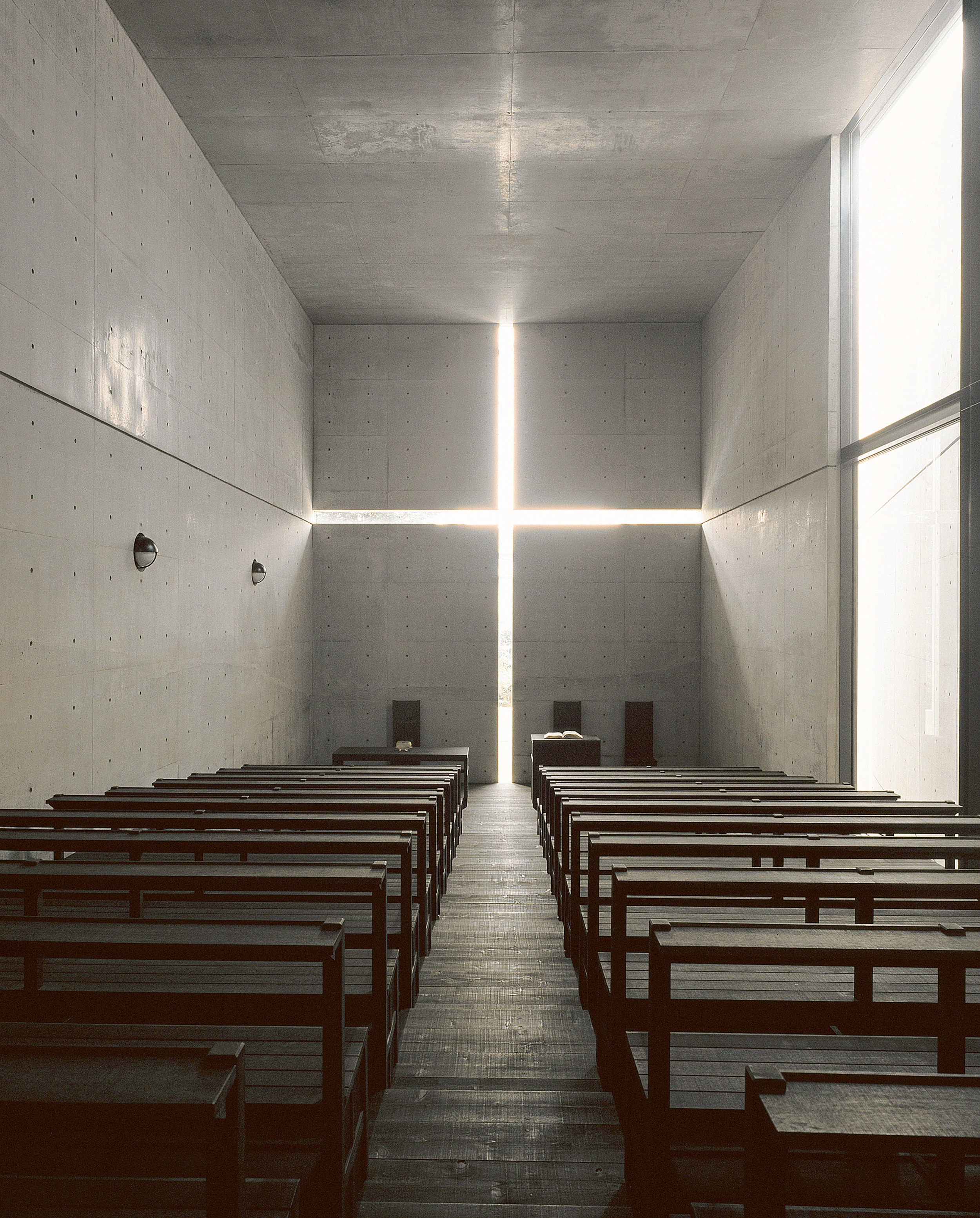
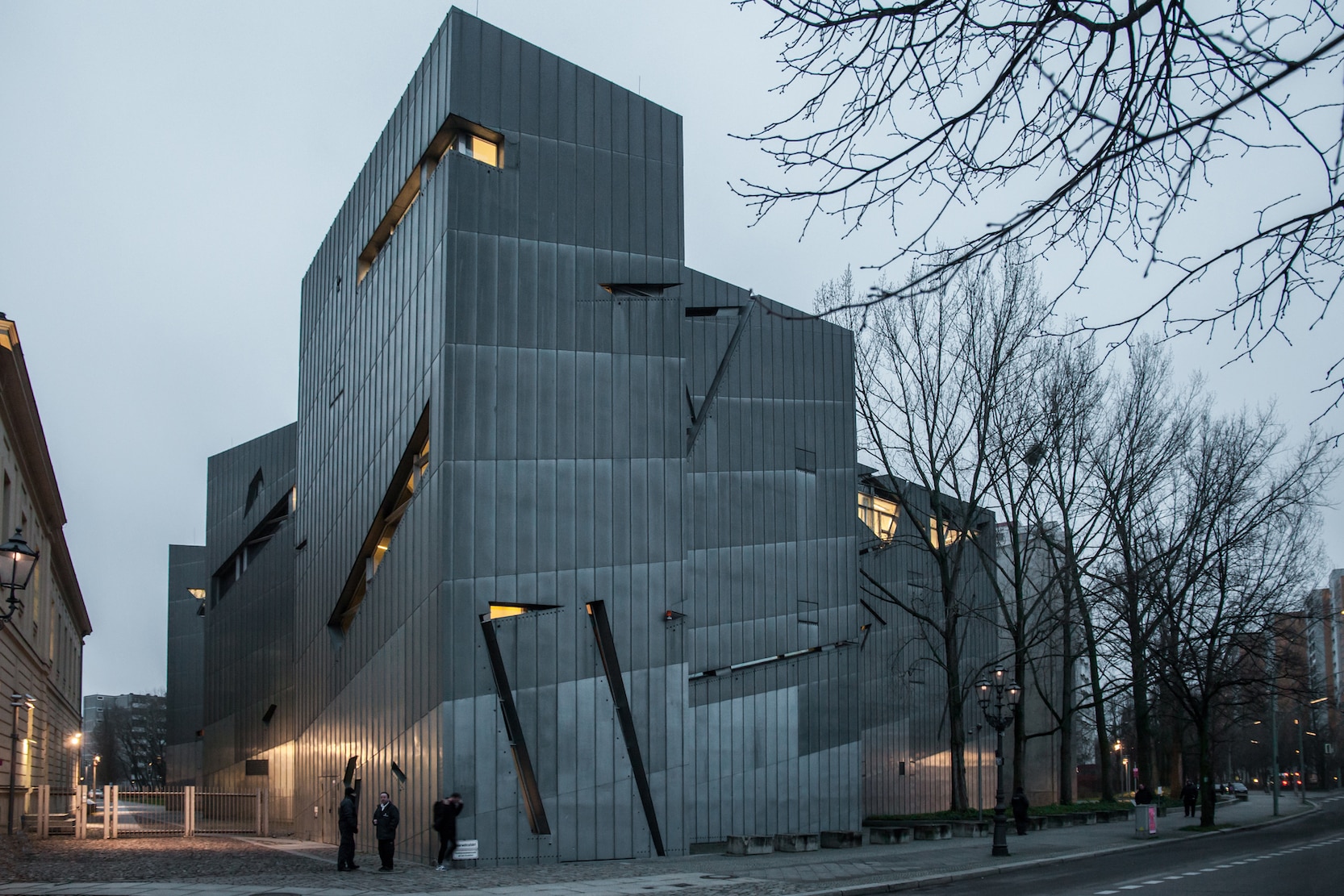
Neither perfect lighting nor the most spectacular perspective compensate for the lack of honesty in depicting a space. Only the most sincere images mark a milestone in the recognition of a work, as demonstrated by the portraits that capture the material nudity in the Church of the Light by Tadao Ando or the formal roughness of the Jewish Museum in Berlin.
There are photographs that simply move and appeal to our sensitivity. Therefore, a good starting point is to let yourself be guided by the sensations evoked by the shot: the perfect image not only documents, but also awakens a genuine connection and translates architecture into visual emotion.
MArch Valencia. Arquitectura y Diseño
© 2026 MArch Valencia. Arquitectura y Diseño
Privacy policy | Cookies policy | Terms of use